
Feature · Málaga
The Complete Guide to the Costa del Sol
Spanning 150 kilometres of Mediterranean shoreline, the Costa del Sol is the most developed coastal strip in Spain. Discover where to find quiet coves, excellent seafood and the right resort for your style of travel.
By Dan · Updated 12 May 2026 · 9 min read

Spanning 150 kilometres of Mediterranean shoreline, the Costa del Sol is the most developed coastal strip in Spain. Discover where to find quiet coves, excellent seafood and the right resort for your style of travel.
The Costa del Sol is arguably the most famous stretch of shoreline in Southern Europe. Running for roughly 150 kilometres, it begins at the western fringe of the province of Cádiz near Manilva and extends almost entirely through the province of Málaga, ending just past Nerja. Decades of heavy investment and mass tourism have transformed what was once a string of quiet fishing villages into a continuous ribbon of high-rise hotels, apartment complexes and marinas. It is undeniably the most heavily developed coast in Spain.
However, looking past the concrete skyline reveals exactly why millions of visitors return year after year. The region typically enjoys more than 320 days of sunshine annually, according to AEMET (State Meteorological Agency) data. The infrastructure is world-class, offering immaculate promenades, manicured golf courses and a phenomenal dining scene. Whether you want a luxury beach club, a family-friendly resort packed with amenities, or a traditional whitewashed village overlooking the Mediterranean, the Costa del Sol delivers with absolute efficiency.
It is a destination that suits travellers who value comfort, accessibility and a vast choice of activities over wild, untouched isolation. The transport links are exceptional, making it entirely possible to explore the western half of the coast without ever needing a car. From the high-end glamour of Marbella to the cultural renaissance of Málaga city, the coast is packed with distinct micro-destinations.
The towns, west to east
Manilva: Located on the border with Cádiz, Manilva marks the quiet western edge of the Costa del Sol. It is known for its sweet Moscatel vineyards and the relaxed marina at Puerto de la Duquesa, offering a slower pace than the central resorts.
Estepona: Often called the garden of the Costa del Sol, Estepona has managed to retain its traditional Spanish character despite significant growth. The pedestrianised old town is famous for its white streets decorated with hundreds of brightly coloured flower pots, while its long, wide beaches rarely feel overcrowded.
Marbella: Marbella is the undisputed luxury capital of the Andalucían coast. Its reputation is anchored by Puerto Banús, a marina lined with designer boutiques and superyachts. Yet, away from the Golden Mile, the historic Casco Antiguo is a maze of narrow alleys opening onto the Plaza de los Naranjos, where you can dine under orange trees.
Mijas: Mijas offers a dual personality. High up in the Sierra de Mijas sits Mijas Pueblo, a classic whitewashed mountain village offering panoramic views down to the coast. Down at sea level, Mijas Costa encompasses popular beach areas like La Cala de Mijas, providing excellent sandy stretches and a heavy concentration of golf courses favoured by expatriates.
Fuengirola: Fuengirola unashamedly caters to mass tourism, but it does so exceptionally well. It is incredibly popular with families, offering eight kilometres of continuous sandy beaches. Beyond the sand, the town features the impressive Bioparc conservation zoo and the hilltop Sohail Castle. The volume of international residents means you can find almost any cuisine or service here.
Benalmádena: Like Mijas, Benalmádena is split into distinct zones. Benalmádena Costa is dominated by a vast marina and long stretches of beach. Arroyo de la Miel is the commercial centre, housing a cable car that scales Mount Calamorro for spectacular views. Further up the hill, Benalmádena Pueblo retains the architecture of a traditional Andalucían village.
Torremolinos: Torremolinos was the original pioneer of package tourism in the 1960s. After decades of being dismissed as overly commercial, it is currently experiencing a significant renaissance. The town features a highly welcoming LGBTQ+ scene, while the old fishing district of La Carihuela remains the best place on the coast to eat traditional fried fish.
Málaga: Once treated merely as an airport transit hub, the city of Málaga is now a top-tier cultural destination. The capital of the Costa del Sol has reinvented itself with pedestrianised marble streets, the outstanding Picasso Museum and the Centre Pompidou. The imposing Alcazaba fortress overlooks a revitalised port area, Muelle Uno, which is lined with excellent restaurants.
Rincón de la Victoria: Heading east of Málaga, the landscape changes. Rincón de la Victoria caters primarily to domestic Spanish tourism, giving it a much more local feel than the western resorts. It is famous for the Cueva del Tesoro, a sea cave you can explore on foot, and its long, sandy beaches are highly popular with Málaga locals.
Torre del Mar: Torre del Mar is characterised by one of the longest, widest and best-maintained promenades in Europe. It is completely flat, making it highly popular for cycling and walking. The town itself has a relaxed, unpretentious atmosphere and is widely recognised for having some of the most reliable and reasonably priced seafood restaurants in the province.
Nerja: Marking the easternmost edge of the Costa del Sol, Nerja offers a distinct geographical shift. The flat, continuous beaches of the west are replaced by rugged cliffs and small, sheltered coves. The Balcón de Europa, a promenade built on a rocky promontory, provides sweeping views of the Mediterranean, while the spectacular Caves of Nerja sit just outside the town.
Best beaches along the Costa del Sol
While you will find patches of grey sand and pebbles, the coast features numerous exceptional spots for swimming and sunbathing.
- Playa de Burriana, Nerja: A deep, sandy bay famous for its lively atmosphere and huge pans of paella cooked over open wood fires.
- Playa de Maro, Nerja: A protected natural cove with crystal-clear water, backed by steep cliffs and ideal for snorkelling.
- Playa de la Malagueta, Málaga: The iconic city beach located just a short walk from the cultural centre and the port.
- Playa de la Carihuela, Torremolinos: A broad, immaculate stretch famous for its long promenade and endless traditional fish restaurants.
- Playa del Castillo, Fuengirola: A highly accessible expanse of sand sitting directly beneath the historic Sohail Castle, featuring calm waters.
- Cabopino Beach, Marbella: Backed by the Artola dunes and a small pine forest, this beach offers a quieter, more natural environment than central Marbella.
- Playa de la Rada, Estepona: A long, impeccably clean beach running parallel to the town centre, complete with modern facilities and play areas.
- Playa del Cristo, Estepona: A sheltered, shallow cove facing west, making it exceptionally warm and perfect for families with young children.
Where to base yourself
Choosing the right base makes all the difference on a coastline this varied.
Families: Fuengirola and Estepona are excellent choices. Fuengirola provides absolute convenience with its flat promenades, easy transport links and endless entertainment options. Estepona offers a slightly quieter, more traditional atmosphere while still providing safe, shallow beaches like Playa del Cristo.
Couples: Marbella is ideal for a romantic break, specifically within the Casco Antiguo where boutique hotels sit among cobbled streets. Alternatively, Nerja provides a highly scenic, low-rise environment with intimate coves and excellent dining around the Balcón de Europa.
Water sports lovers: While the Mediterranean is generally too calm for reliable surfing, paddleboarding and sailing thrive here. Benalmádena and Marbella offer massive marinas with endless rental options, while the clear waters around Maro in Nerja are the premier spot for sea kayaking and snorkelling.
Foodies: Málaga city is the obvious choice for cutting-edge gastronomy, rooftop bars and traditional tapas. For those seeking authentic, old-school seafood, basing yourself near La Carihuela in Torremolinos or the promenade in Torre del Mar will put the region's best fish restaurants on your doorstep.
Party-goers: Marbella, specifically the area around Puerto Banús, is the epicentre of high-end beach clubs, champagne parties and luxury nightlife. For a more relaxed, highly inclusive and energetic clubbing scene, the centre of Torremolinos is the undisputed nightlife capital of the coast.
Food specific to this coast
Eating at a chiringuito (a traditional beach bar) is an essential part of the local lifestyle. The undisputed king of the coastal menu is the espeto. Small, fresh sardines are threaded onto a bamboo skewer, seasoned generously with coarse sea salt, and roasted over a boat filled with burning olive wood right on the sand. The wood smoke gives the fish a distinct, incredible flavour.
Pescaíto frito is another coastal staple. This involves lightly flouring and frying small fish, squid, and cuttlefish in clean, high-quality olive oil. The result is exceptionally light and crispy, never greasy. You will find the best examples in the old fishing neighbourhoods of Torremolinos and Málaga.
During the intense heat of summer, locals turn to ajoblanco. This chilled soup predates the introduction of tomatoes to Europe. It is made from crushed almonds, garlic, bread, olive oil and vinegar, and is traditionally served with fresh green grapes or slices of melon to cut through the richness. Similarly, porra antequerana is a thick, cold tomato soup native to the Málaga province, typically topped with diced Iberian ham and boiled egg.
Getting there and around
Málaga-Costa del Sol Airport is the primary entry point, handling flights from across the globe. It sits perfectly in the middle of the coast, making onward travel straightforward.
The local train line, known as the Cercanías C-1 (operated by Renfe), is a brilliant asset. It runs continuously from Málaga city centre, stops at the airport, and travels down the western coast through Torremolinos and Benalmádena, terminating at Fuengirola. If you base yourself in any of these towns, you can easily travel from the arrivals hall to your hotel without needing a car.
To reach Marbella, Estepona, or the eastern towns like Nerja and Torre del Mar, you will need to rely on the comprehensive Avanza bus network or rent a car.
If you are driving, the main coastal artery is the Autovía A-7. It is toll-free and provides excellent access to every town, but it becomes heavily congested during the summer months. For longer journeys across the province, the Autopista AP-7 is a parallel toll road that bypasses the coastal traffic, making trips much faster. The old N-340 road still weaves through some towns, offering scenic coastal views but very slow progress.
How it differs from the other costas
Andalucía features four distinct coastlines, and the Costa del Sol has a completely different character to the other three.
To the west in Cádiz, the Costa de la Luz faces the Atlantic Ocean. It is wild, intensely windy and famous for surfing. The beaches there are vast, backed by undeveloped pine forests rather than apartment blocks. It requires a car and a willingness to embrace nature.
To the east in Granada, the Costa Tropical is much shorter and characterised by steep mountains plunging directly into the sea. The beaches are mostly composed of grey pebbles rather than sand, and the microclimate supports large plantations of mangoes and avocados.
Further east, the Costa de Almería is an arid, volcanic landscape. It features the Cabo de Gata natural park, where you will find isolated, dramatic beaches surrounded by desert. It is striking, remote and has very few amenities.
In contrast, the Costa del Sol is the absolute king of convenience. It trades wild, rugged isolation for comfort, accessibility and a seemingly infinite variety of restaurants, hotels and attractions. It is highly urbanised, but the reward for that development is a seamless travel experience where everything you could possibly want is right on your doorstep.
Last reviewed: 21 June 2026 · Editorial policy
Related guides
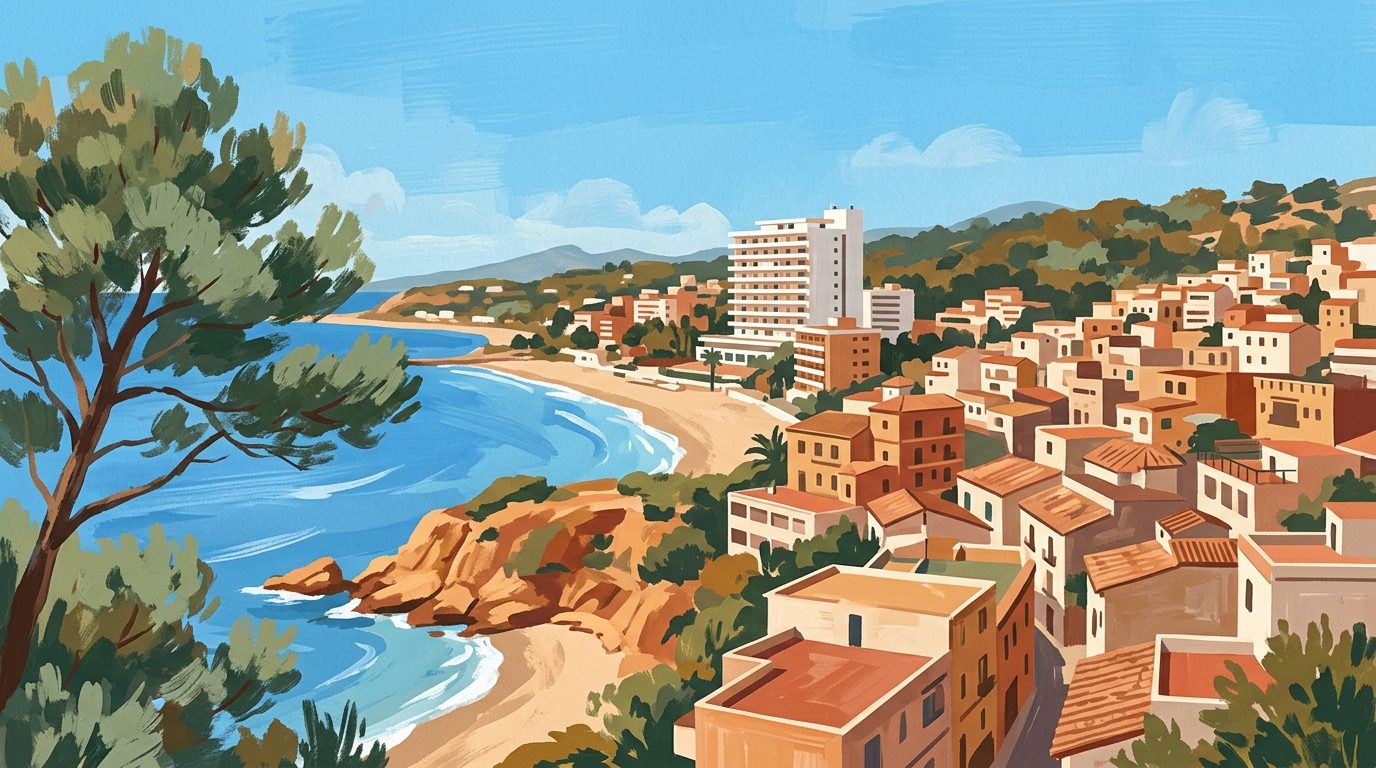
Torremolinos: The Original Spirit of the Costa del Sol
Explore Torremolinos, the pioneer of Andalucían tourism, where traditional fishing heritage meets a lively modern shoreline and inclusive nightlife.
5 min read
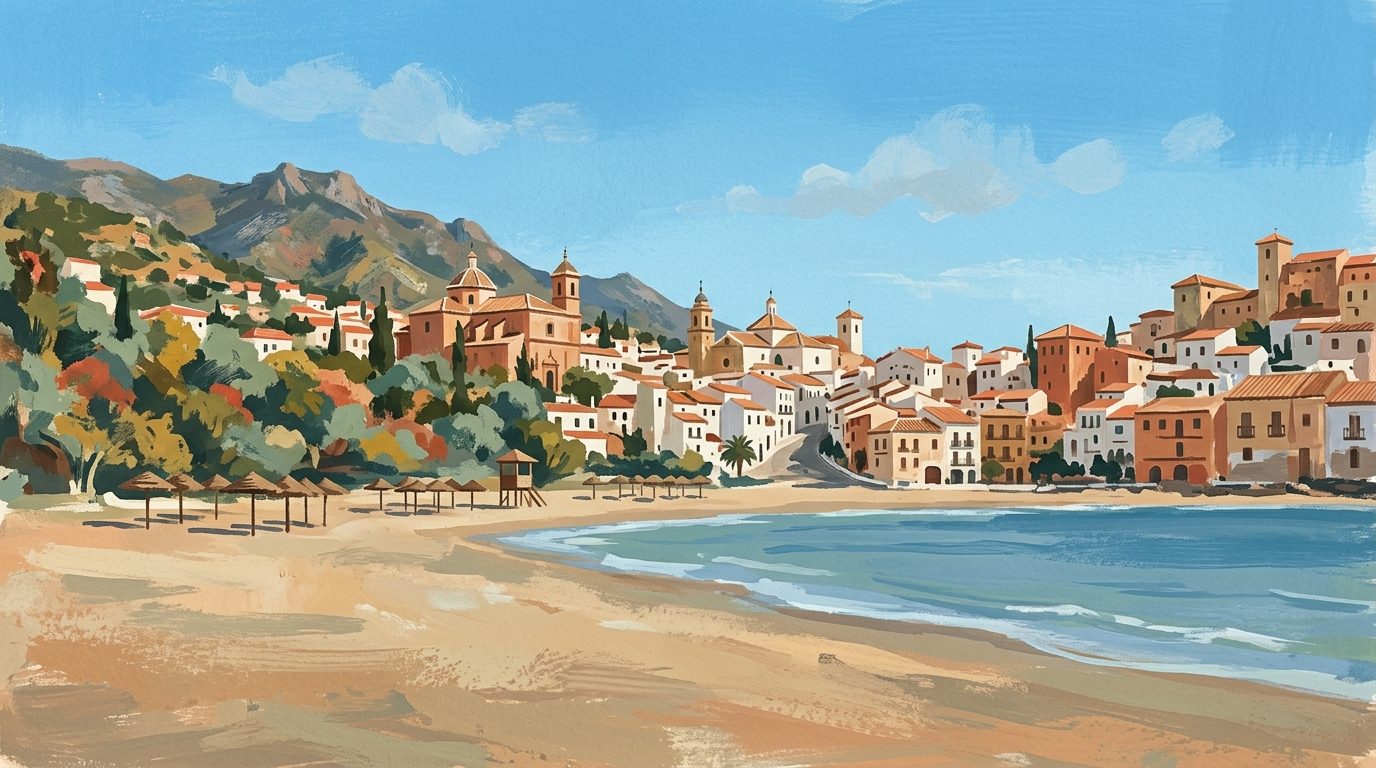
Playa de la Fontanilla: Marbella's Premier Urban Beach
Playa de la Fontanilla is the quintessential Marbella town beach, offering refined amenities and a prime location right on the Paseo Marítimo. This central stretch of coastline provides a sophisticated urban beach experience with excellent dining and accessible facilities.
6 min read
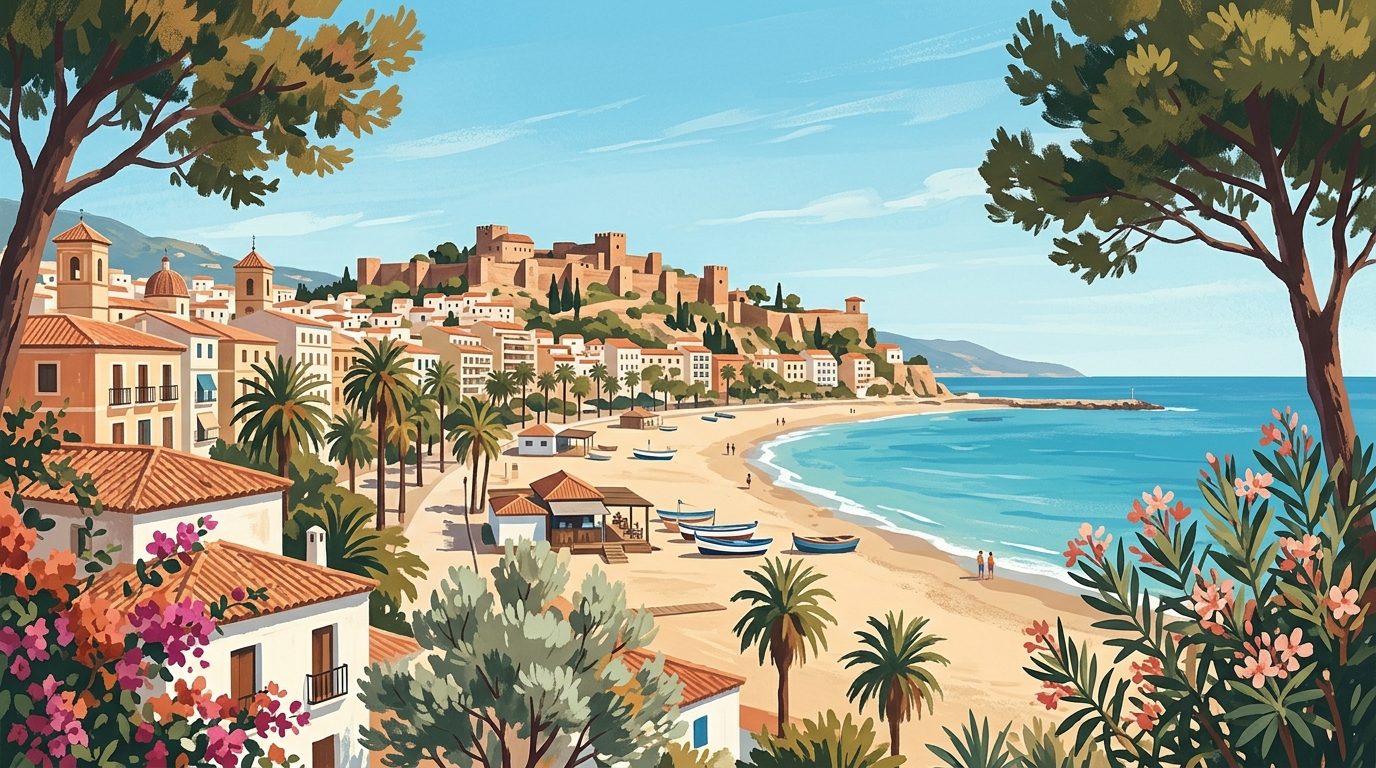
A Local Guide to Playa de La Malagueta in Málaga
Playa de La Malagueta is the iconic urban beach of Málaga, known for its dark sand, sardine skewers, and immediate proximity to the city centre.
7 min read
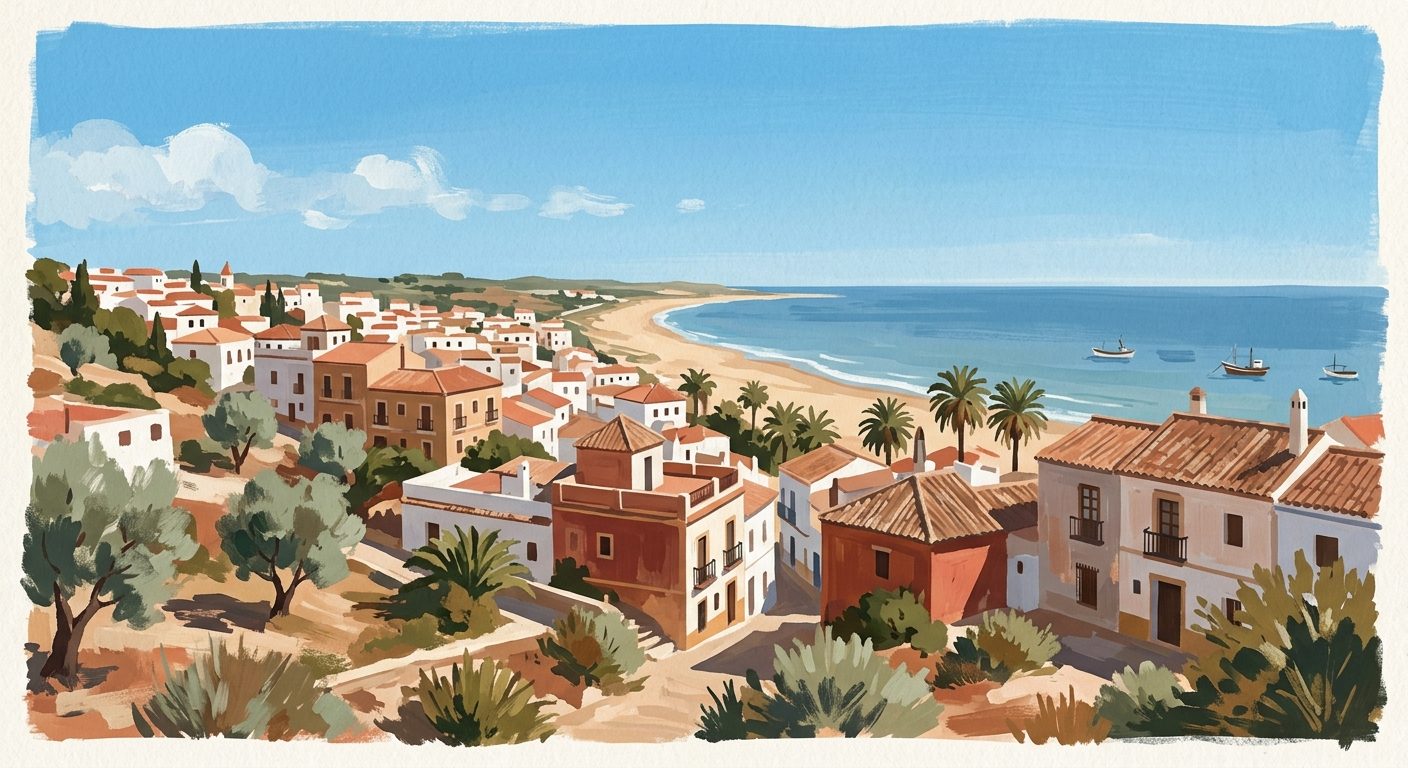
A Guide to Playa de La Antilla: The Traditional Atlantic Escape of Lepe
Playa de La Antilla offers a vast expanse of fine golden sand and a family-friendly atmosphere on the Huelva coastline. It remains a firm favourite for those seeking traditional Andalucían summer vibes.
6 min read
A Local Guide to Playa de la Fontanilla in Conil de la Frontera
Playa de la Fontanilla is a wide, golden expanse of Atlantic coastline in Conil de la Frontera, famous for its shallow waters and exceptional seafood restaurants.
7 min read
A Local Guide to the Urban Beaches of Málaga City
Discover the diverse urban beaches of Málaga City, from the central sands of Malagueta to the traditional seafood coves of Pedregalejo and El Palo.
6 min read
More from Málaga

The Definitive Guide to Feria de Málaga
Unlike famously private celebrations elsewhere, the Feria de Málaga is built on absolute inclusion. Virtually every marquee at the fairground opens its doors to anyone wanting to celebrate.
9 min read
Semana Santa in Malaga: The Complete Guide
Experience the immense tronos, military anthems and communal spirit that define Holy Week in Malaga.
9 min read

The Concrete Shore: A Post-Mortem of the Costa del Sol
The shadow of the Pez Espada hotel stretches longer than the memories of the men who once pulled nets from this sand. It is a coast that traded its silence for a fortune, and now spends its days trying to remember the shape of the wind.
7 min read

The Vertical City: Watching the Shadows Lengthen in Ronda
Beyond the crowded lip of the Tajo gorge, Ronda reveals itself as a city of quiet alcoves, blood-stained history, and a gravity that pulls at the soul.
7 min read

The Museum and the Metropolis: Málaga’s Radical Reinvention
Once a gritty industrial port and a mere transit hub for the Costa del Sol, Málaga has spent two decades undergoing a radical cultural transformation that has turned it into a global art capital.
7 min read
Newsletter
More stories from Andalucía
Weekly notes, seasonal picks, and the next guides worth bookmarking.