
Place guide · Málaga
Playa de Puerto Banús: A Guide to the Most Prestigious Sands in Marbella
Discover Playa de Puerto Banús, a refined golden sand beach in Marbella known for its calm waters and luxury amenities. Explore the best chiringuitos, parking tips, and why this Blue Flag beach is perfect for families.
By Dan · Updated 29 June 2026 · 8 min read
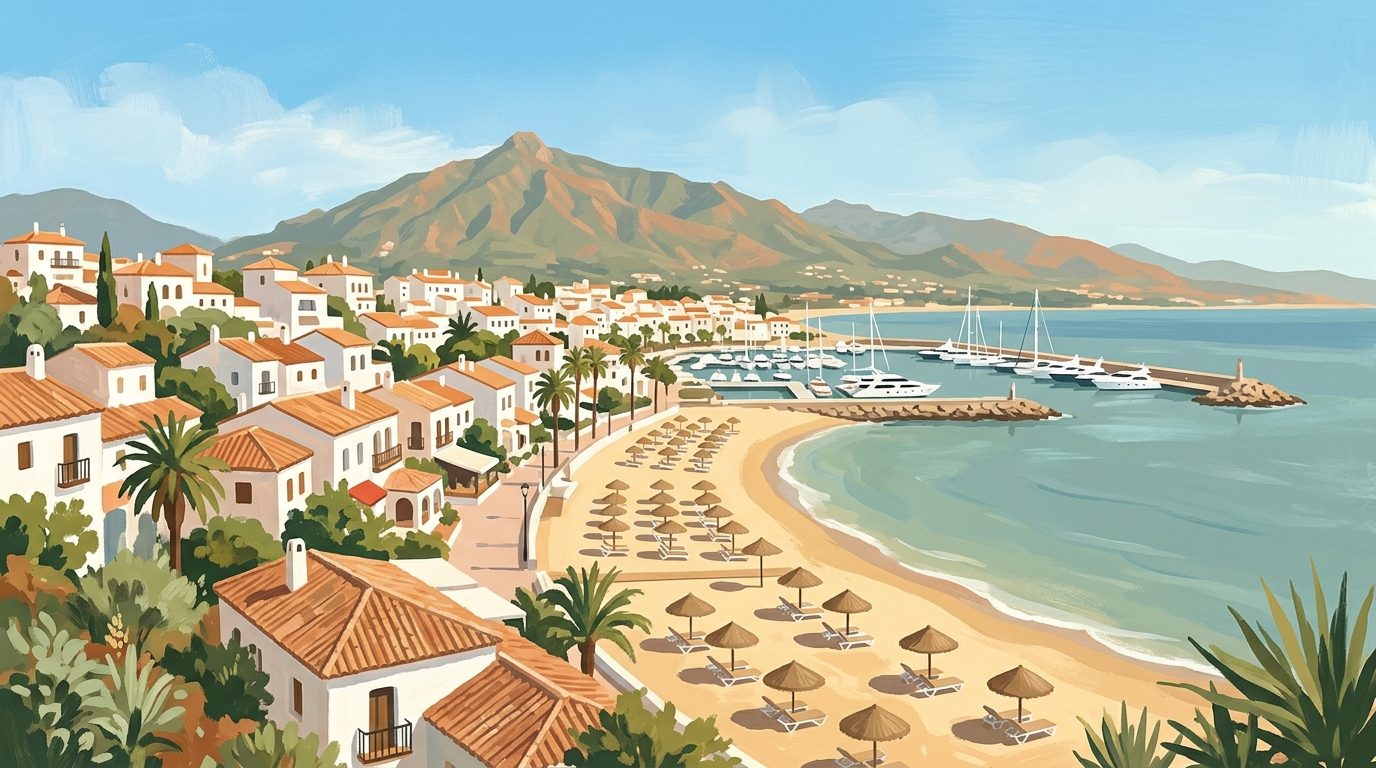
Playa de Puerto Banús offers a refined coastal experience where the calm waters of the Mediterranean meet the prestige of one of the most famous marinas in Andalucía. This sheltered stretch of golden sand is particularly well-suited for families and those who appreciate high-end facilities within a short walk of designer boutiques and fine dining.
Playa de Puerto Banús, often referred to locally as Playa de Levante, occupies a prime position on the Costa del Sol. Situated immediately to the east of the world-famous Puerto Banús marina, this beach serves as a coastal playground for the international jet set and local families alike. While the name Puerto Banús often conjures images of super-yachts and luxury sports cars, the beach itself maintains a surprisingly accessible and relaxed character. It is a place where the high-energy lifestyle of Marbella softens into the rhythmic sounds of gentle waves against the shore.
The distinction of this beach lies in its protected nature. Unlike some of the more exposed stretches of the Málaga coastline, Playa de Puerto Banús is shielded by a large stone breakwater. This engineering feat creates a cove-like environment where the water remains remarkably still, even when the wind picks up elsewhere. The backdrop is equally impressive, featuring the iconic La Concha mountain which provides a dramatic silhouette against the clear blue sky. For those who want to experience the glamour of the region without sacrificing the practicalities of a good swimming beach, this location offers a rare balance. It is a refined space that avoids the rowdiness found in some other resort areas, favouring instead a sense of well-ordered leisure.
The beach itself
The sand at Playa de Puerto Banús is typically Andalucían: a fine, golden-grey grain that is soft underfoot and well-maintained by the local municipality. The beach stretches for approximately one kilometre, though its depth varies depending on the tide and the season. One of its most significant accolades is its 2026 Blue Flag status, a recognition of its water quality, environmental management, and safety standards. You will find that the water is exceptionally clear here, particularly in the mornings before the afternoon crowds arrive to stir up the sandy bottom.
Because of the breakwater, the water is shallow for a considerable distance from the shoreline. There are no sudden drops or dangerous undercurrents, making it perhaps the most family-friendly beach in the Marbella area. Toddlers can paddle in the shallows with relative safety, while older children can swim out to the various seasonal inflatables that are often moored in the bay during the summer months. There are no designated naturist sections on this beach; the atmosphere is strictly conventional and tends towards a more polished, fashion-conscious crowd. While it can become incredibly busy during the peak months of July and August, the beach is wide enough to accommodate a significant number of visitors if you arrive early to claim your spot.
Getting there & parking
Reaching Playa de Puerto Banús is straightforward, but the parking reality requires some forward planning. If you are driving from Málaga Airport, the journey takes approximately forty-five to fifty minutes via the AP-7 toll road or slightly longer on the A-7 coastal highway. From Marbella town centre, it is a mere ten-minute drive or a pleasant forty-minute walk along the Paseo Marítimo, the coastal promenade that connects the two areas. For those using public transport, the L-79 bus (check the L-79 timetable on the Avanza website or use the Marbella bus app for real-time arrivals) connects Marbella with Estepona and stops near the entrance to the port, providing a reliable and inexpensive way to reach the sands.
Parking is where visitors often encounter difficulty. During the summer, street parking near the beach is almost non-existent. There are several large underground car parks within the Puerto Banús complex, such as the one beneath the El Corte Inglés department store or the Saba car park at the entrance to the marina. These are convenient and keep your vehicle out of the intense Andalucían sun, but they are among the most expensive parking facilities in the province. If you are looking for a more economical option, you may have to park further inland towards the Nueva Andalucía area and walk ten to fifteen minutes down to the shore. For those staying in Marbella, taking the ferry or 'Fly Blue' catamaran (check seasonal timetables at the Marbella marina or on the operator's website before travelling) from the Marbella marina to Puerto Banús is a scenic and stress-free alternative to driving.
Facilities & chiringuitos
The facilities at Playa de Puerto Banús are as high-end as one would expect given the location. The beach is lined with a variety of chiringuitos (beach bars) and beach clubs that cater to different tastes and budgets. Aurora Beach is a popular choice for those seeking a stylish but relaxed environment to enjoy fresh seafood or a cocktail. Further along, you will find Astral Cocktail Bar, a distinctive wooden pirate-ship-themed venue located at the entrance to the beach, famous for its elaborate fruit cocktails. For those who want a more exclusive experience, the Ocean Club is located nearby, though it is a dedicated beach club with a swimming pool rather than a traditional chiringuito.
In terms of practical amenities, the beach is well-equipped with public showers, clean toilets, and a lifeguard service that operates from the start of Holy Week through to the end of September. Sun-beds and parasols are available for hire in front of every major beach bar. Prices for these can be higher than in other parts of the Costa del Sol, reflecting the premium nature of the area. Most establishments offer waiter service directly to your sun-bed, allowing you to enjoy a chilled glass of tinto de verano without leaving your spot. For those who prefer a more self-sufficient day, there are designated areas where you can set up your own towels and umbrellas away from the commercial zones.
Best time to visit
Timing your visit is essential to get the most out of Playa de Puerto Banús. The peak summer months of July and August are when the area is at its most crowded and expensive. During this time, the beach can feel somewhat cramped, and the heat can be intense. If you have the flexibility, June and September are the ideal months to visit. During this period, the Mediterranean water is warm enough for swimming, but the overwhelming crowds have dispersed, and the service in the beach bars is more attentive.
The time of day is also a factor. Arriving at the beach by 10:00 is recommended if you wish to secure a front-row sun-bed or a prime spot on the sand. The mornings are generally calmer and cooler, providing a peaceful atmosphere before the port awakens. In the winter months, while the water is too cold for most swimmers, the beach remains a beautiful spot for a walk. The coastal winds can be brisk in January and February, but the clear light and lack of crowds make it a favourite for local residents. Avoid visiting on Sunday afternoons in peak season if you dislike traffic congestion, as the exit roads from Puerto Banús can become very slow-moving.
Combine with
A visit to Playa de Puerto Banús should naturally be paired with a stroll through the marina itself. Walking among the multi-million euro yachts and browsing the windows of the luxury fashion houses provides a fascinating contrast to the natural beauty of the beach. For those who enjoy walking, the route along the Golden Mile towards Marbella is highly recommended. This seaside path takes you past some of the most exclusive real estate in Europe and offers plenty of spots to stop for a coffee or a glass of wine.
To the east, just across the footbridge over the Río Verde, lies the Playa de Río Verde. This beach is slightly more rugged and often less crowded than Puerto Banús, offering a different vibe if you want to escape the more commercialised centre. History enthusiasts should also take a short detour to see the Roman Villa of Río Verde, which contains some of the best-preserved mosaics in Andalucía, dating back to the late 1st or early 2nd century. Combining a morning on the sand with an afternoon of cultural exploration or high-end shopping makes for a quintessential Marbella experience.
Practical notes
When preparing for a day at Playa de Puerto Banús, there are a few practicalities to keep in mind. Accessibility is excellent, with wooden ramps provided to help those with reduced mobility or pushchairs reach the sand. The presence of breakwaters means that there are very few waves, making it an ideal spot for paddle boarding, which can be rented from several points along the shore. However, keep in mind that the calm water can sometimes attract jellyfish during particularly hot spells; it is always worth checking the flags (green, yellow, or red) or using the 'iMarbella' app for real-time water conditions and jellyfish alerts before entering the water.
Regarding dogs, the rules are quite strict. Pets are not permitted on the beach during the high season, and this is regularly enforced by local beach patrols. If you are travelling with a dog, you may need to look for specific dog-friendly beaches further along the coast towards Casares or Fuengirola. In terms of safety, the sheltered nature of the bay means that currents are rarely an issue, but it is always wise to swim within the buoyed areas. Finally, bring plenty of sunscreen and water, as the reflection of the sun off the pale sand and the white buildings of the port can increase the intensity of the UV rays significantly.
Last reviewed: 21 June 2026 · Editorial policy
Related guides
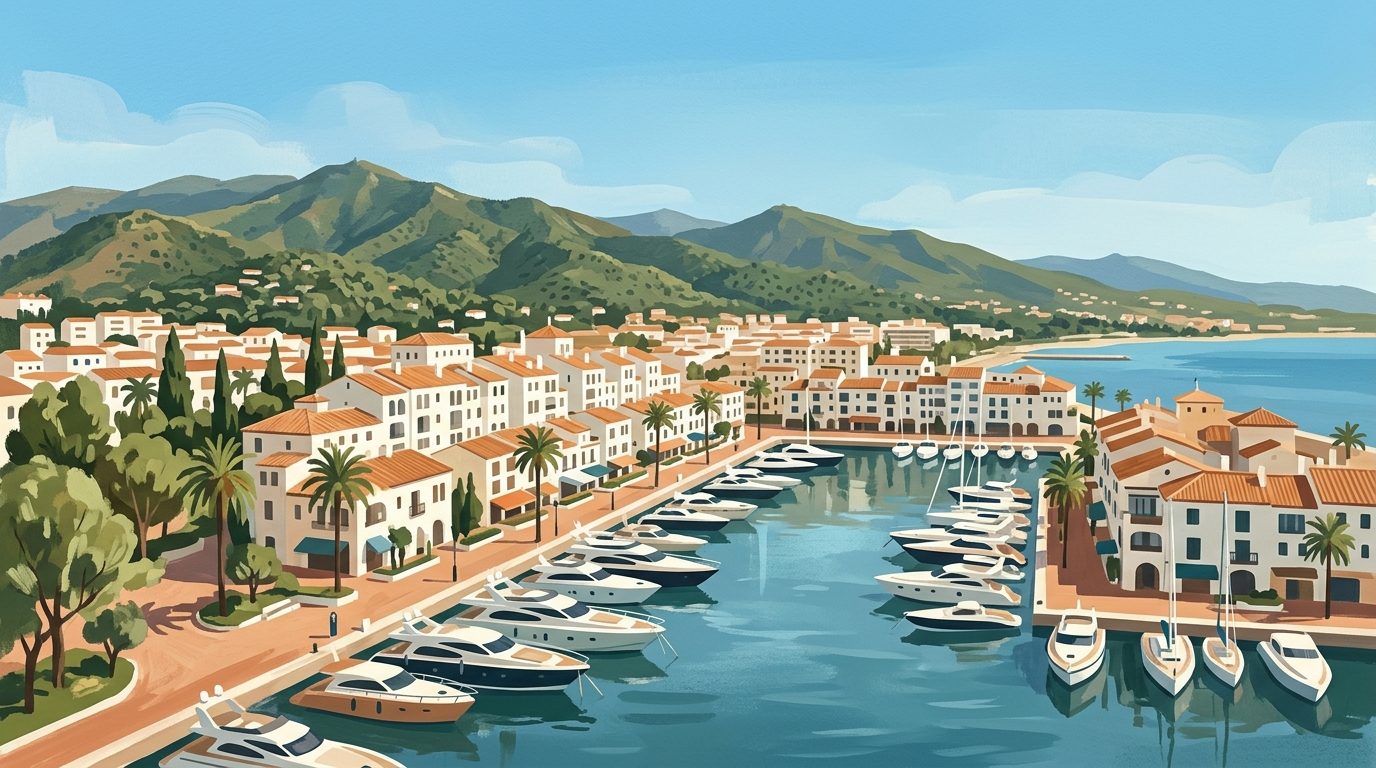
Exploring Puerto Banús: The Mediterranean’s Premier Luxury Marina
Discover Puerto Banús, the Costa del Sol's most exclusive marina. From superyachts and designer shopping to Dalí sculptures and Mediterranean beaches, explore the best of this luxury destination.
6 min read
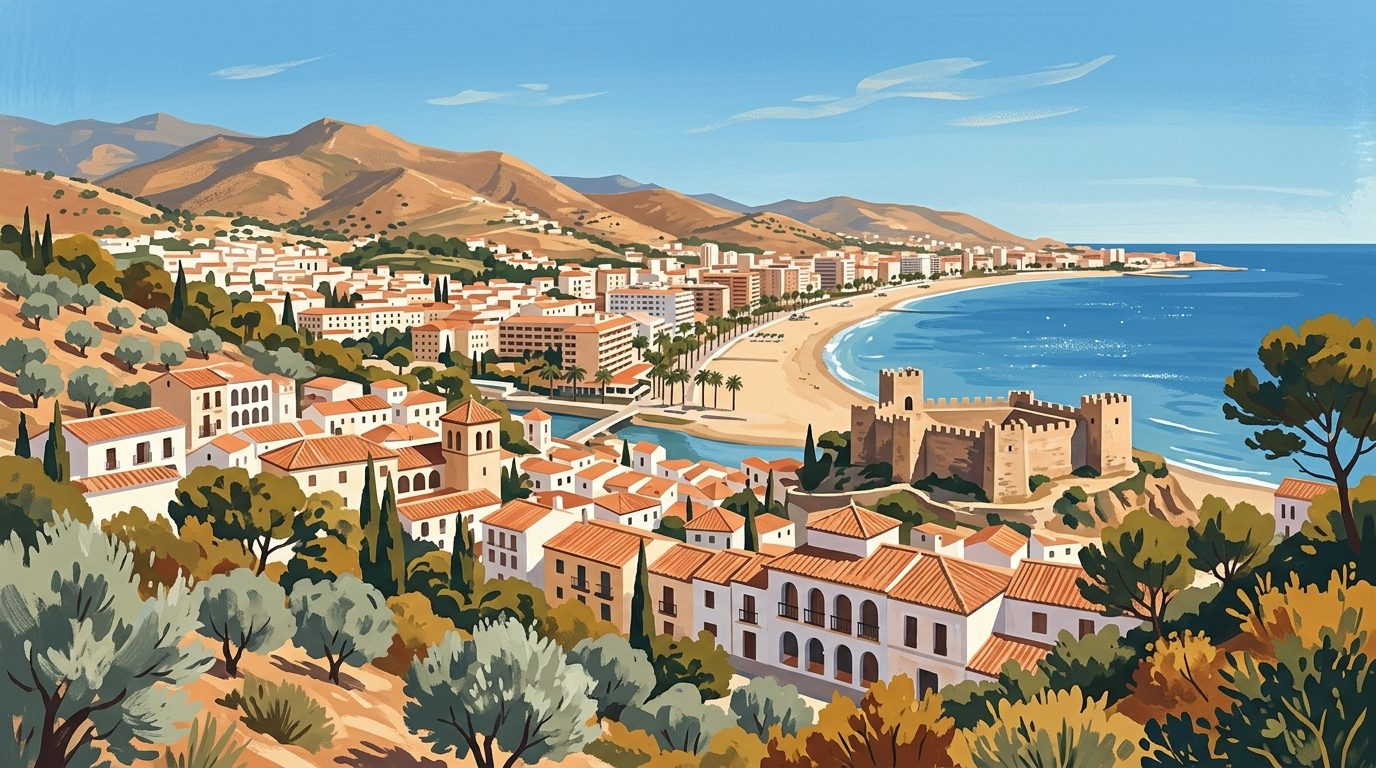
Fuengirola: A Family Favourite on the Costa del Sol
Discover Fuengirola, the family-friendly heart of the Costa del Sol, where Roman ruins and a Moorish castle meet seven kilometres of sandy beaches and a world-class zoo.
6 min read
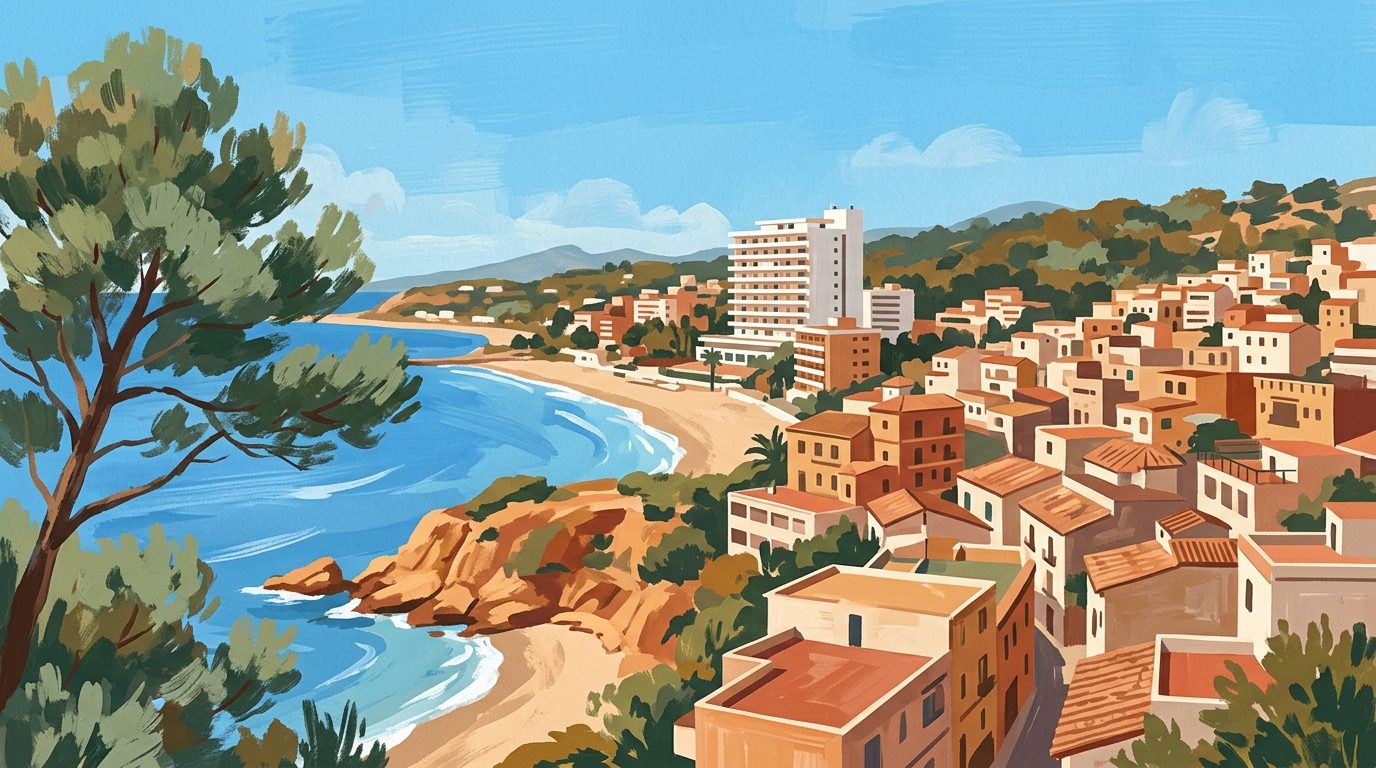
Torremolinos: The Original Spirit of the Costa del Sol
Explore Torremolinos, the pioneer of Andalucían tourism, where traditional fishing heritage meets a lively modern shoreline and inclusive nightlife.
5 min read
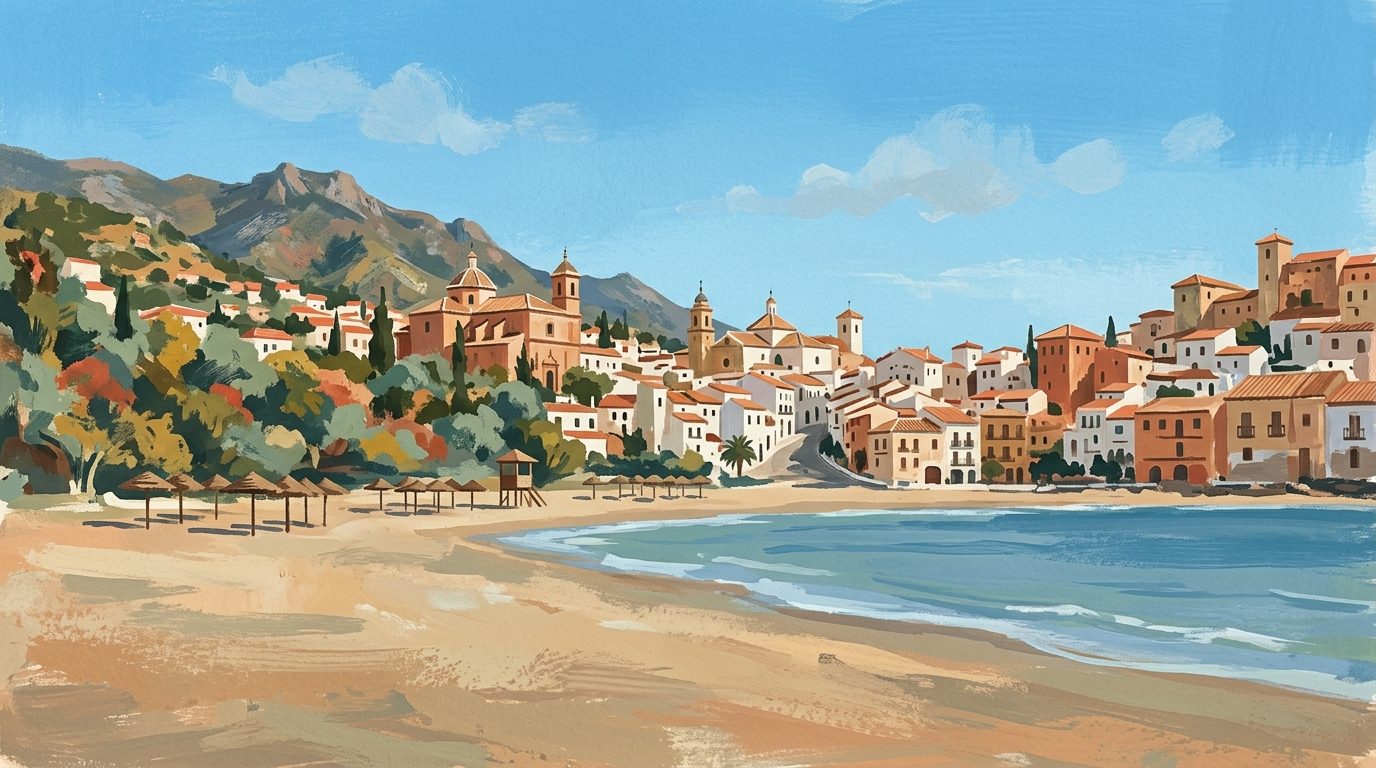
Playa de la Fontanilla: Marbella's Premier Urban Beach
Playa de la Fontanilla is the quintessential Marbella town beach, offering refined amenities and a prime location right on the Paseo Marítimo. This central stretch of coastline provides a sophisticated urban beach experience with excellent dining and accessible facilities.
6 min read
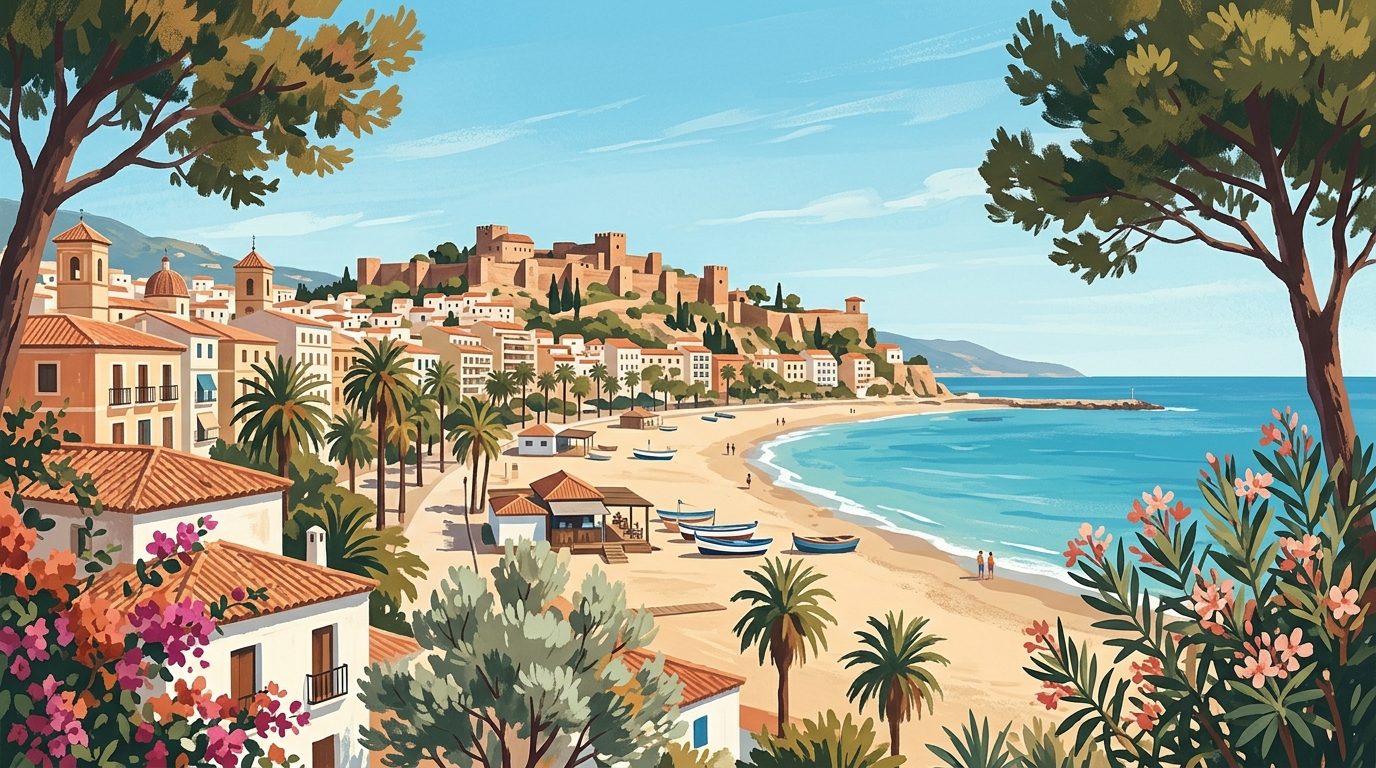
A Local Guide to Playa de La Malagueta in Málaga
Playa de La Malagueta is the iconic urban beach of Málaga, known for its dark sand, sardine skewers, and immediate proximity to the city centre.
7 min read
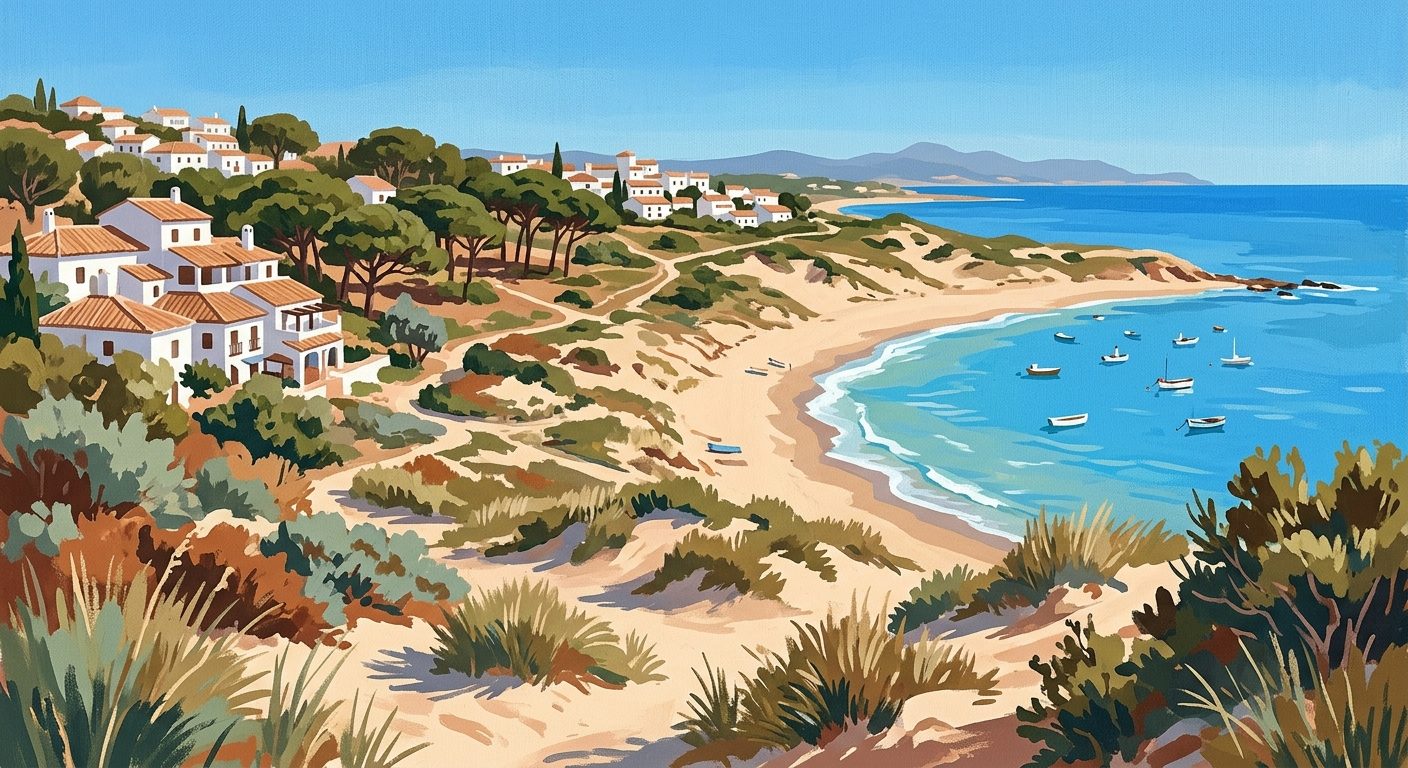
Playa de Cabopino: Dunes, Pines and Clear Waters near Marbella
A protected enclave of natural dunes and fine sand situated between Marbella and Fuengirola. This coastal stretch offers a rare glimpse of the original Mediterranean landscape.
7 min read
More from Málaga
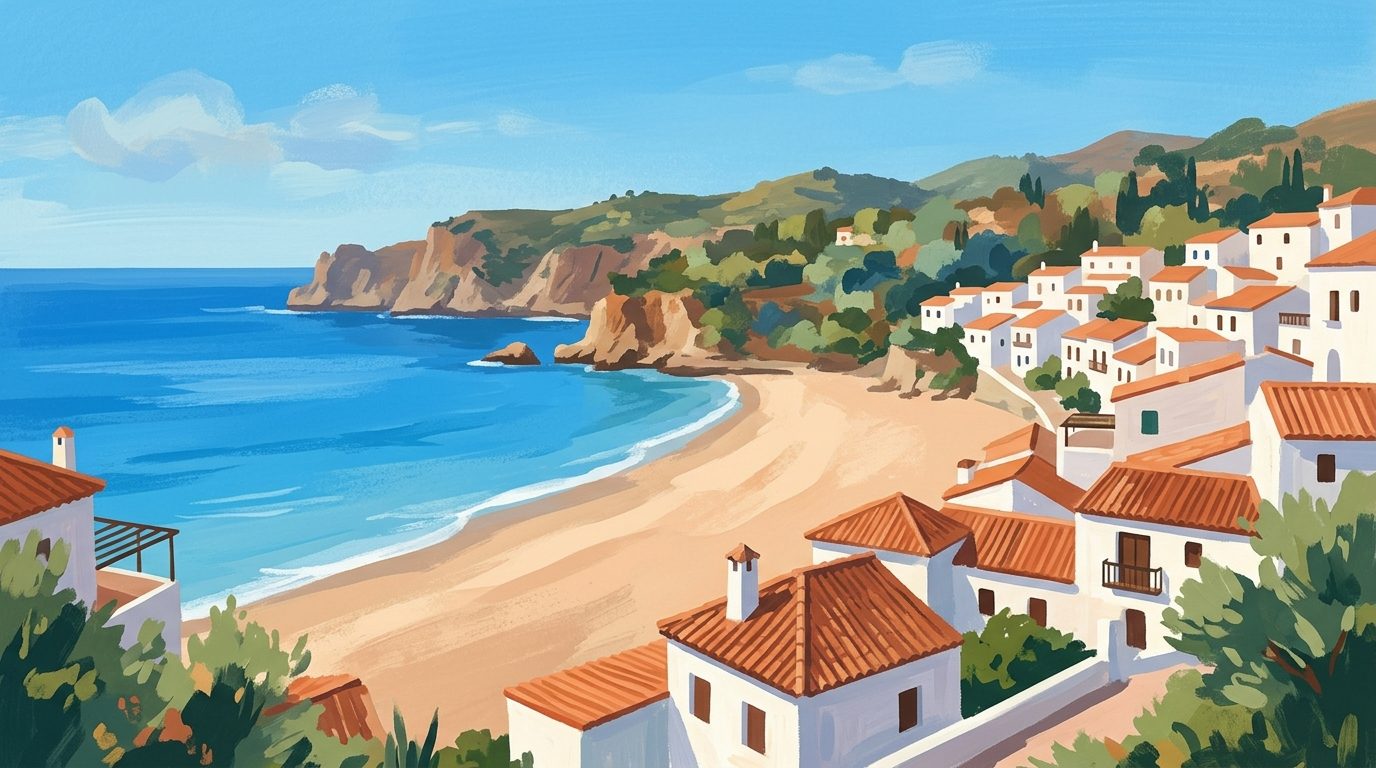
Playa de Burriana: A Guide to Nerja's Premier Beach
Discover Playa de Burriana, the most iconic beach in Nerja, known for its wide sands, excellent chiringuitos, and clear waters on the Costa del Sol.
7 min read
A Guide to Playa de Maro: The Best Snorkelling Beach on the Costa del Sol
Playa de Maro is a rugged, cliff-backed cove that offers some of the clearest waters in the Province of Málaga. This protected stretch of the coast provides a wilder alternative to the urban beaches of nearby Nerja.
7 min read

Exploring Sierra de las Nieves National Park
Discover the prehistoric Spanish fir forests and the rugged limestone peaks of the Sierra de las Nieves, Málaga’s first National Park.
6 min read

A Guide to Benahavís: The Gastronomic Heart of the Costa del Sol
Discover the culinary heart of the Costa del Sol in Benahavís, a mountain village famed for its high-end dining, river adventures, and stunning views of the Mediterranean.
5 min read

Casares: A Guide to the White Village of the Sierra Cristellina
Casares sits precariously on a limestone ridge, its whitewashed houses stacked like sugar cubes beneath the remains of a Moorish fortress.
6 min read

A Guide to Vélez-Málaga and Torre del Mar: History and Coast in the Axarquía
Discover the dual appeal of the Axarquía capital, from the Moorish fortress of Vélez-Málaga to the extensive Mediterranean promenade of Torre del Mar.
5 min read

Archidona: The Octagonal Heart of Inland Málaga
Discover Archidona, a northern Málaga town famous for its unique 18th-century octagonal square and a Moorish fortress with views over the olive groves.
5 min read

A Guide to Alozaina and Yunquera: Gateways to the Sierra de las Nieves
Discover Alozaina and Yunquera, the essential gateway villages to the Sierra de las Nieves National Park, home to ancient fir forests and legendary history.
6 min read
A Guide to Rincón de la Victoria: Gateway to the Axarquía
Discover Rincón de la Victoria, a coastal town near Málaga famous for the sea-formed Cueva del Tesoro and its traditional Spanish atmosphere.
6 min read
Newsletter
More stories from Andalucía
Weekly notes, seasonal picks, and the next guides worth bookmarking.