
Place guide · Granada
A Guide to Playa de La Herradura: The Horseshoe Bay of the Costa Tropical
A curved bay on the Costa Tropical providing clear waters and a relaxed alternative to the busier resorts of Málaga. It remains a favourite for scuba divers and families seeking a classic Mediterranean setting.
By Dan · Updated 29 June 2026 · 7 min read
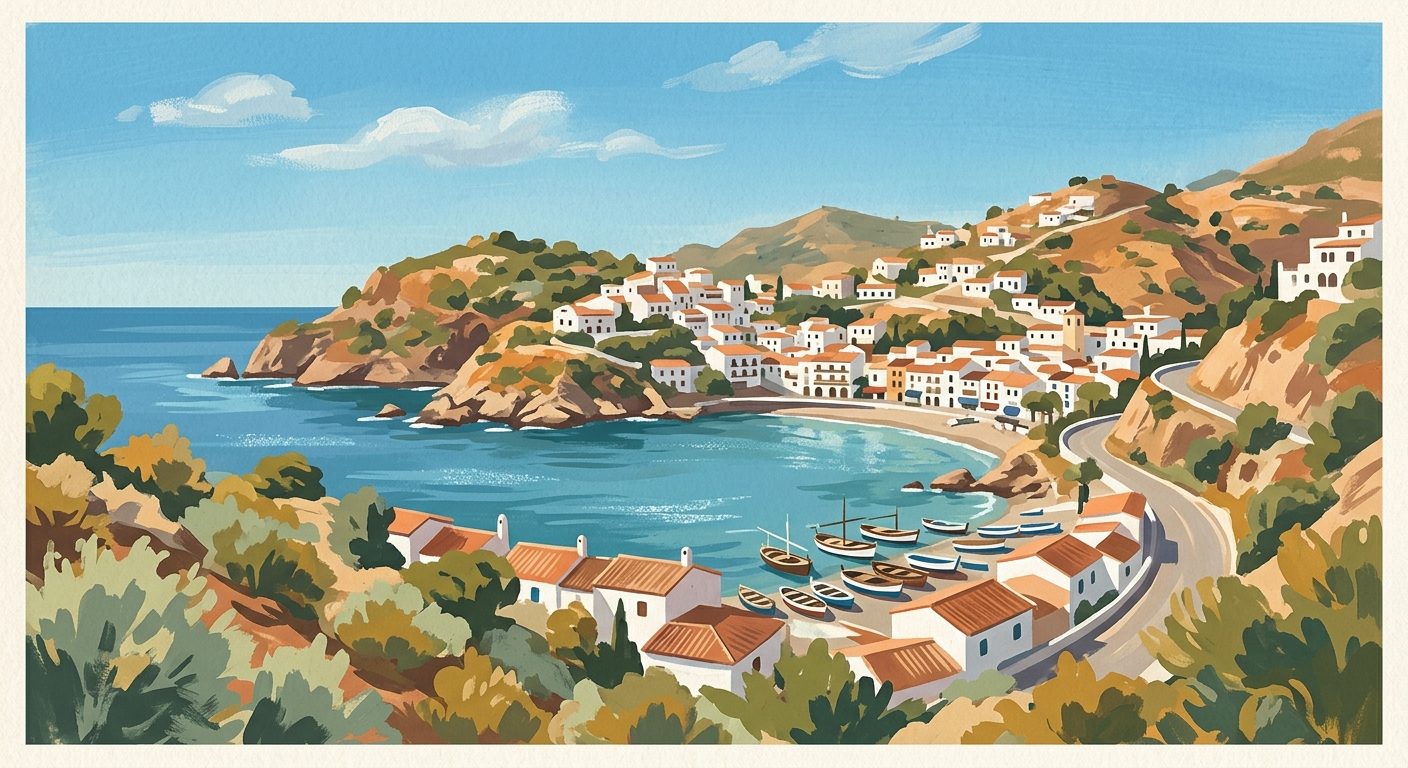
Playa de La Herradura is a wide, curved bay on the Costa Tropical that offers some of the clearest diving waters in the region. It provides a relaxed, authentic atmosphere that serves as a calm alternative to the high-rise resorts found further west.
Playa de La Herradura occupies a distinctive position on the coastline of Granada, sitting within a large natural bay that takes its name from its horseshoe shape. While many visitors to the province head straight for the more developed centre of Almuñécar, this village and its beach offer a different pace of life altogether. The bay is protected by two imposing headlands, the Punta de la Mona to the east and the Cerro Gordo to the west, which create a microclimate that often keeps the water calmer and the air slightly warmer than neighbouring stretches of the coast.
What makes this beach unique is its dual identity. During the day, it is a haven for water sports enthusiasts and families who appreciate the space and the lack of aggressive commercialism. By evening, the promenade transforms into a social hub where locals and long-term expatriates gather at chiringuitos that have remained in the same families for generations. The backdrop is one of steep hillsides dotted with white villas rather than towering apartment blocks, maintaining a sense of scale that feels appropriate for a traditional Andalucían coastal village. The absence of a massive hotel infrastructure right on the sand means the beach retains an open, airy character even when the summer crowds arrive.
The beach itself
Playa de La Herradura stretches for roughly two kilometres and is notable for its width, which often exceeds forty metres. The composition of the shore is a mix of dark, coarse sand and small pebbles. This is typical of the Costa Tropical, where the rugged geology of the Sierra Nevada foothills meets the sea. Because of the shingle, the water remains exceptionally clear, lacking the suspended sediment often found on the finer sandy beaches of the Costa del Sol. This clarity is the primary reason why the bay is widely considered the scuba diving and snorkelling capital of Andalucía.
The seafloor drops away relatively quickly here. Within a few steps of the shoreline, you will find yourself in deep water, which is excellent for swimming but requires extra vigilance if you are visiting with small children. As of May 2026, the beach maintains its Blue Flag status for its water quality and the standard of its services. While there is no official naturist section on the main Playa de La Herradura, those seeking a clothes-optional experience only need to travel a few kilometres west to the secluded cove of Playa de Cantarriján. For families, the main beach offers several designated play areas and plenty of space for beach games without encroaching on fellow sunbathers.
Getting there & parking
Reaching La Herradura is straightforward if you are travelling by car. From Málaga Airport, the drive takes approximately one hour via the A-7 motorway. You should take the exit for La Herradura and follow the winding road down towards the sea. If you are coming from Granada city, the journey takes about fifty minutes, descending through the spectacular mountain scenery of the A-44 before joining the coastal motorway. The beach is only five kilometres away from the centre of Almuñécar, making it a quick ten-minute drive for those staying in the larger town.
Parking is the primary challenge during the peak summer months of July and August. The Paseo Marítimo, the road running directly behind the beach, offers plenty of parking spaces, but these operate on a blue zone pay-and-display system during the high season (check the official Almuñécar Ayuntamiento website for exact dates and regulations). In the height of summer, these spots are usually taken by 11:00 am. There is a secondary area of unpaved ground at the western end of the beach near the Cerro Gordo headland where you can often find a space, though it involves a longer walk to the more central facilities. If you prefer public transport, a regular bus service (Line 2) connects Almuñécar with La Herradura, though frequency is reduced on Sundays and public holidays.
Facilities & chiringuitos
The culinary scene at Playa de La Herradura is centred on the chiringuitos that line the promenade. Chiringuito La Sardina is a local institution, famous for its espetos (sardines grilled on bamboo skewers over olive wood fires) and its fresh local seafood. For a slightly more contemporary feel, Chiringuito Bambú offers a varied menu that includes Mediterranean staples and excellent rice dishes. At the western end of the bay, El Chambao de Joaquín is another highly regarded spot, known for its traditional paellas and its position right on the water's edge.
In terms of practical facilities, the beach is well-equipped. There are numerous points for sun-bed and umbrella hire, though many visitors choose to bring their own gear given the ample space available. Showers and foot-washes are positioned at regular intervals along the sand. During the summer season, which typically runs from mid-June to mid-September, the beach is patrolled by lifeguards from the local Red Cross. There are also several schools located directly on the front, such as Buceo La Herradura (or similar local PADI-certified centres), where you can organise diving excursions or rent kayaks and stand-up paddleboards to explore the sea caves near Cerro Gordo.
Best time to visit
To experience Playa de La Herradura at its best, aim for the shoulder seasons of June or September. During these months, the weather is consistently warm, the water has reached a comfortable temperature for swimming, and the village feels alive without being overwhelmed. July and August bring significant crowds, primarily from Granada city and Madrid, and the beach can feel somewhat cramped near the most popular chiringuitos. Furthermore, the heat in August can be intense, often requiring a midday retreat from the sand.
Winter in La Herradura has its own appeal. The bay is protected from the harshest north winds, making it a favourite spot for sun-seekers even in January. While you may not be swimming, the terraces of the beach bars remain open and are perfect for a long lunch in the sun. However, visitors should be aware of the Levante (east) and Poniente (west) winds. A strong Poniente can bring some swell into the bay, which is great for surfers but can make the water less ideal for casual swimming. Always check the flags on the lifeguard towers before entering the water.
Combine with
A visit to Playa de La Herradura pairs perfectly with a trip to the Maro-Cerro Gordo Cliffs Natural Park. This protected area begins at the western edge of the bay and offers some of the most dramatic coastal scenery in Andalucía. You can hike the trails along the cliffs to reach the old watchtowers, which provide panoramic views across the Mediterranean towards the African coast on clear days. The proximity to Nerja, just fifteen minutes away, also makes it easy to combine a morning at the beach with an afternoon exploring the famous Nerja Caves.
Alternatively, you can head east into Almuñécar to visit the Castillo de San Miguel and the botanical gardens. This provides a nice contrast between the relaxed beach atmosphere of La Herradura and the more historical, urban feel of the provincial centre. If you have a car, a short drive into the valley behind the beach will take you through groves of cherimoya, mango, and avocado trees, which are the agricultural lifeblood of this specific corner of the Costa Tropical.
Practical notes
Preparation is key for a comfortable day at this beach. Because of the pebbly nature of the shore, it is highly recommended to bring sturdy water shoes. These make getting in and out of the sea much easier and protect your feet from the hot stones. If you plan on snorkelling, the best areas are located at the far ends of the bay near the rocky cliffs, where fish life is most abundant. Safety is generally good, but be mindful of the shelf where the water depth increases abruptly, a feature that can catch inexperienced swimmers off guard.
Regarding accessibility, several points along the promenade offer wooden ramps that lead down onto the sand, and there are amphibious chairs available for those with reduced mobility during the peak summer months. As for dogs, they are generally not permitted on the main beach during the summer season, and local police do enforce these regulations. If you are travelling with a pet, you will need to look for designated dog-friendly beaches further along the coast towards Motril. Finally, remember that while the bay is sheltered, the Mediterranean can produce strong undercurrents during periods of high wind: always respect the safety flags.
Last reviewed: 21 June 2026 · Editorial policy
Related guides
Playa de Burriana: A Guide to Nerja's Premier Beach
Discover Playa de Burriana, the most iconic beach in Nerja, known for its wide sands, excellent chiringuitos, and clear waters on the Costa del Sol.
7 min read
A Guide to La Herradura: Granada’s Curved Coastal Retreat
A perfect horseshoe bay on the Costa Tropical, La Herradura offers some of the best diving in Spain and a slower pace of life than its western neighbours.
6 min read
Playa de Cantarriján: A Comprehensive Guide to Granada's Premier Naturist Beach
Playa de Cantarriján is a protected naturist-friendly cove on the Granada coast, offering crystal-clear water and a tranquil escape from the busier resorts.
7 min read
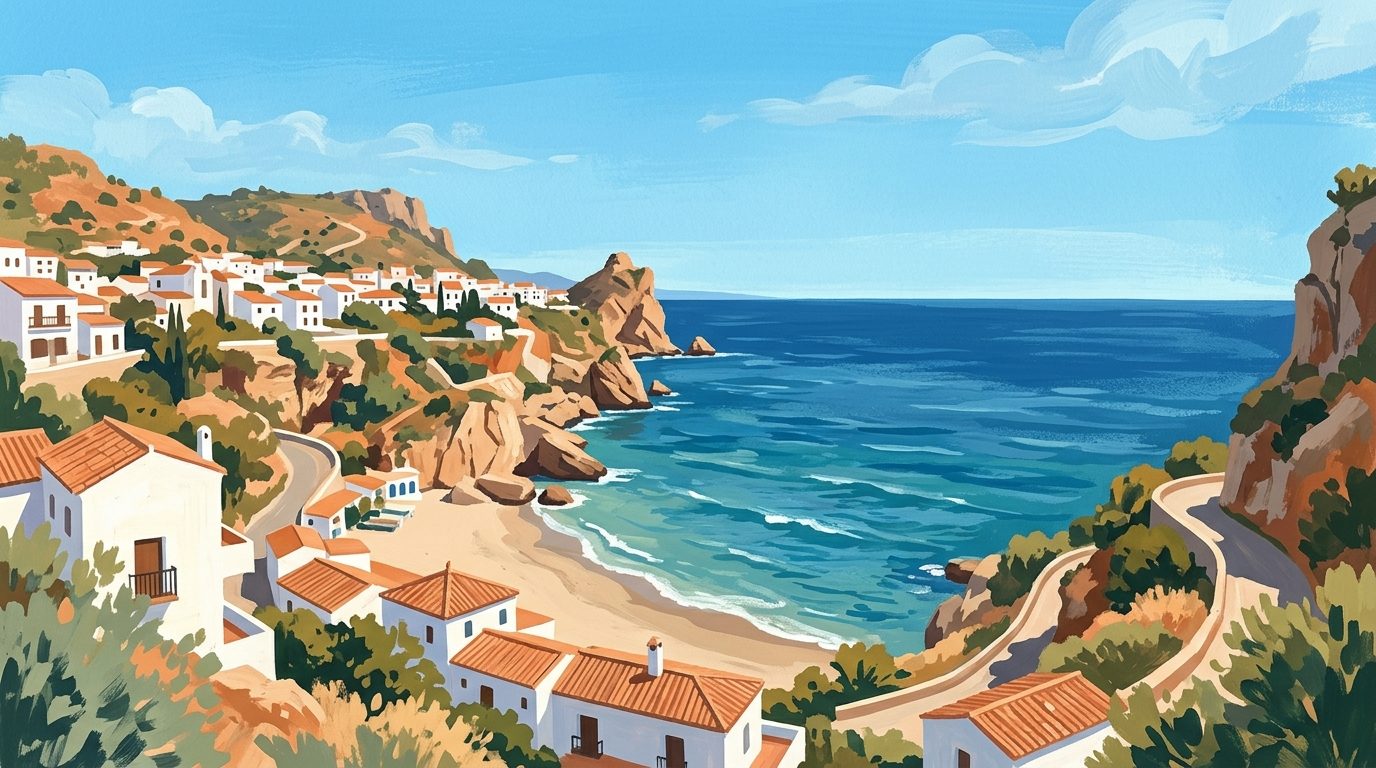
Playa de Calahonda (Granada) Beach Guide
Playa de Calahonda in Granada offers deep, crystal-clear waters and a dramatic limestone cliff backdrop. This Blue Flag beach is a favourite for snorkelling and authentic Andalucían seafood.
7 min read
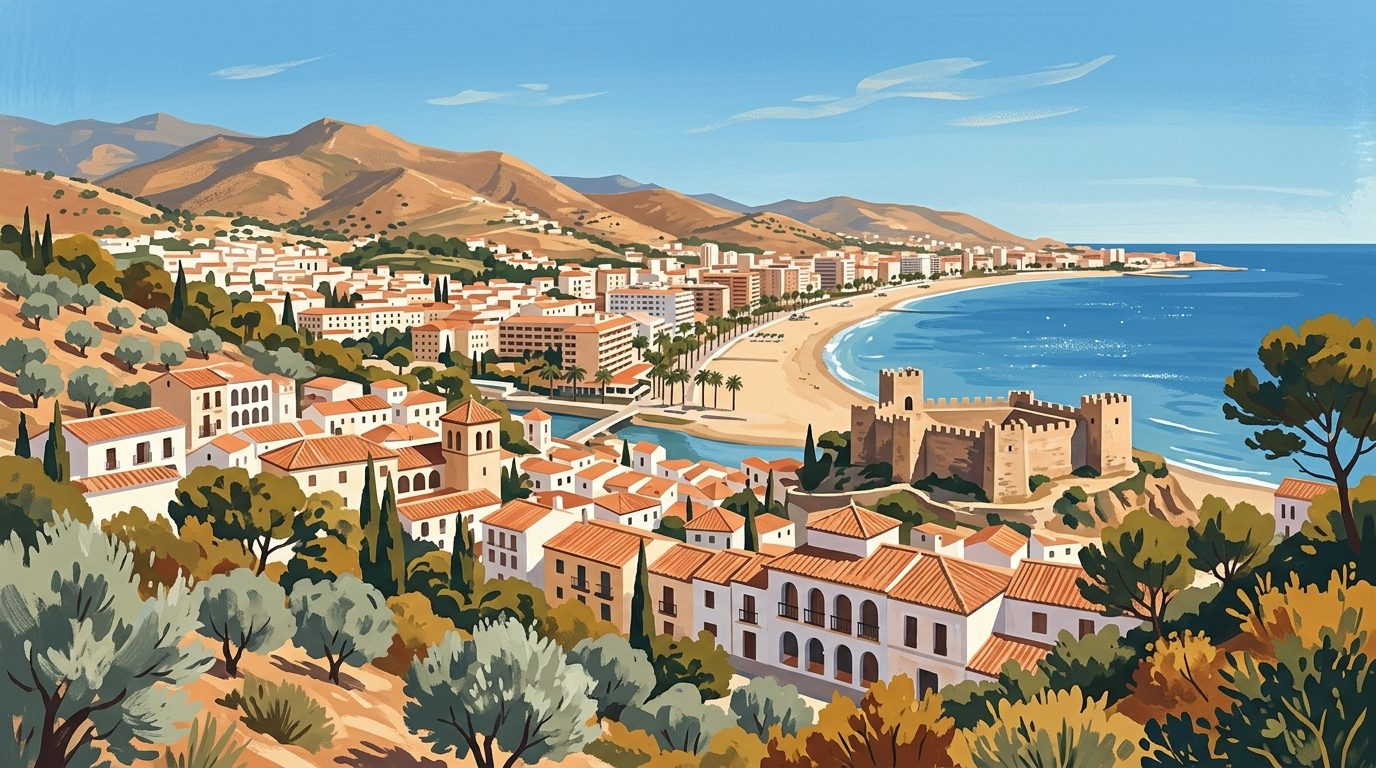
Fuengirola: A Family Favourite on the Costa del Sol
Discover Fuengirola, the family-friendly heart of the Costa del Sol, where Roman ruins and a Moorish castle meet seven kilometres of sandy beaches and a world-class zoo.
6 min read
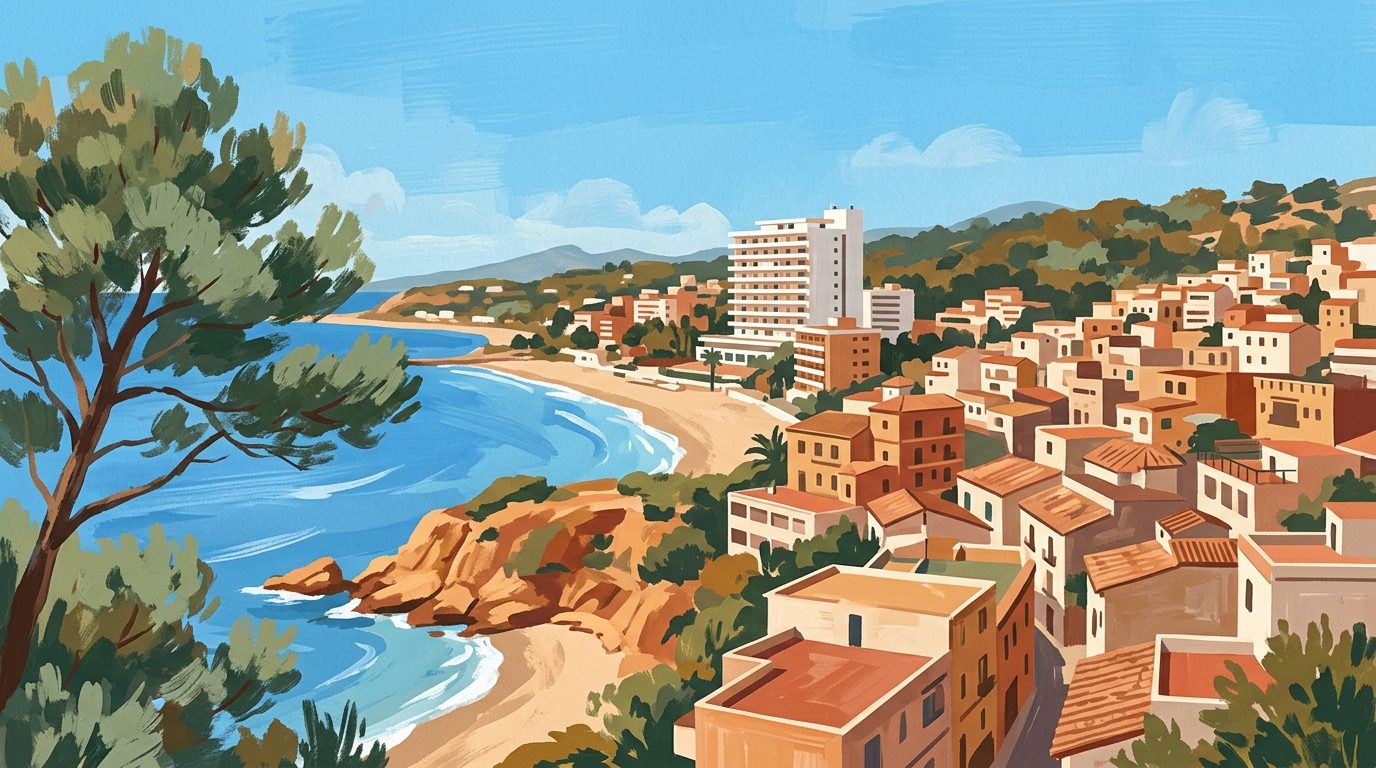
Torremolinos: The Original Spirit of the Costa del Sol
Explore Torremolinos, the pioneer of Andalucían tourism, where traditional fishing heritage meets a lively modern shoreline and inclusive nightlife.
5 min read
More from Granada
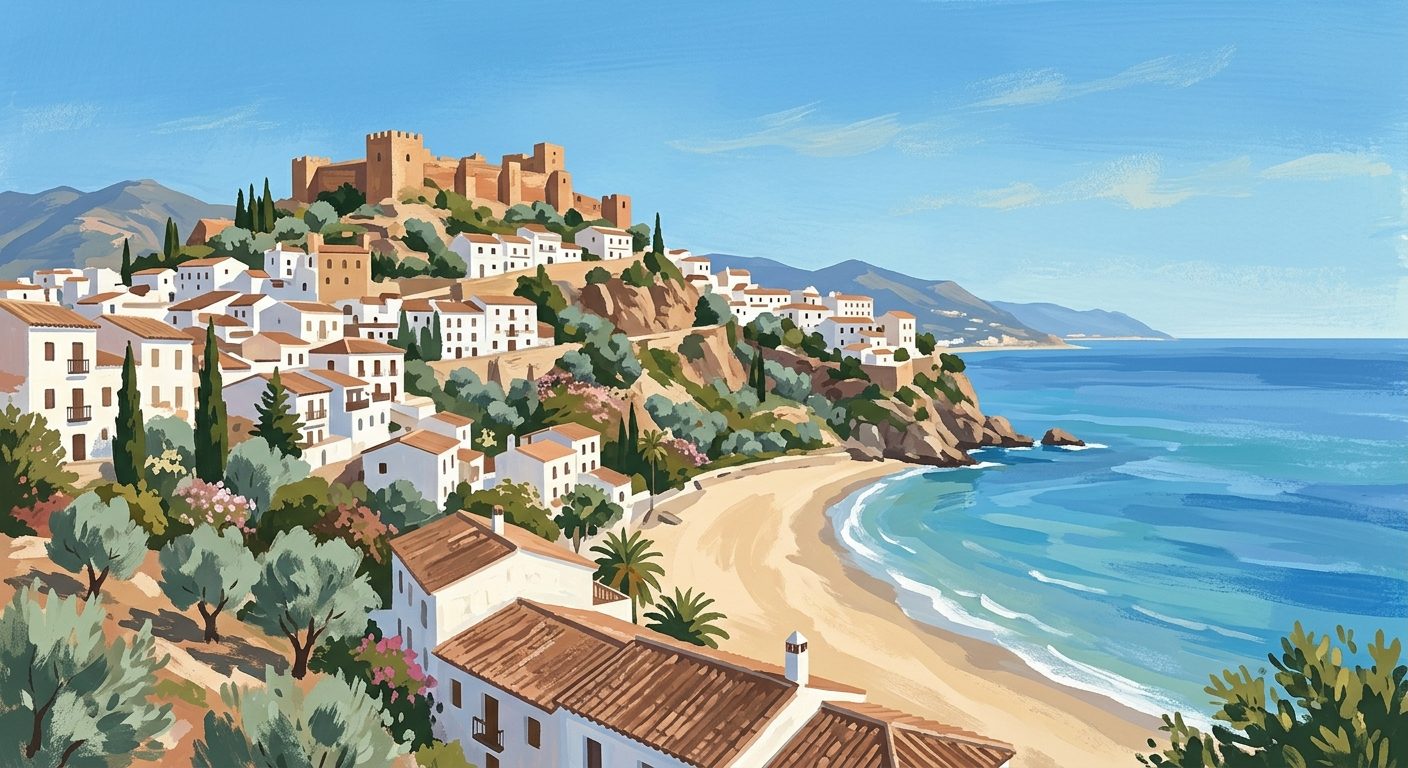
A Guide to Playa de Salobreña on the Costa Tropical
Playa de Salobreña is a vast stretch of dark sand and clear water on the Costa Tropical, overlooked by a historic Moorish castle and dramatic cliffs.
7 min read
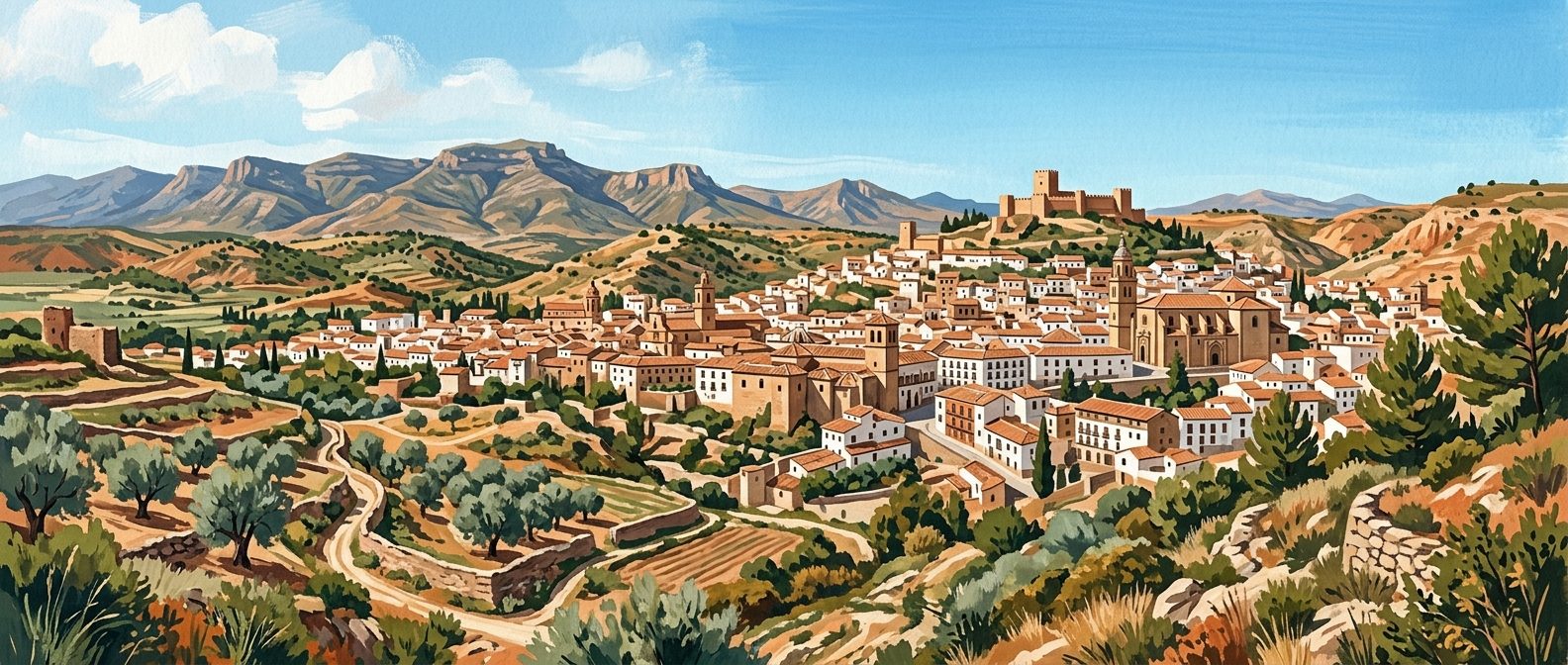
Exploring Baza: The Gateway to Granada’s High Plateau
Discover Baza, a historic gateway to Granada's Altiplano featuring ancient cave dwellings, remarkably preserved Arab baths, and the legacy of the Iberian Lady of Baza.
6 min read
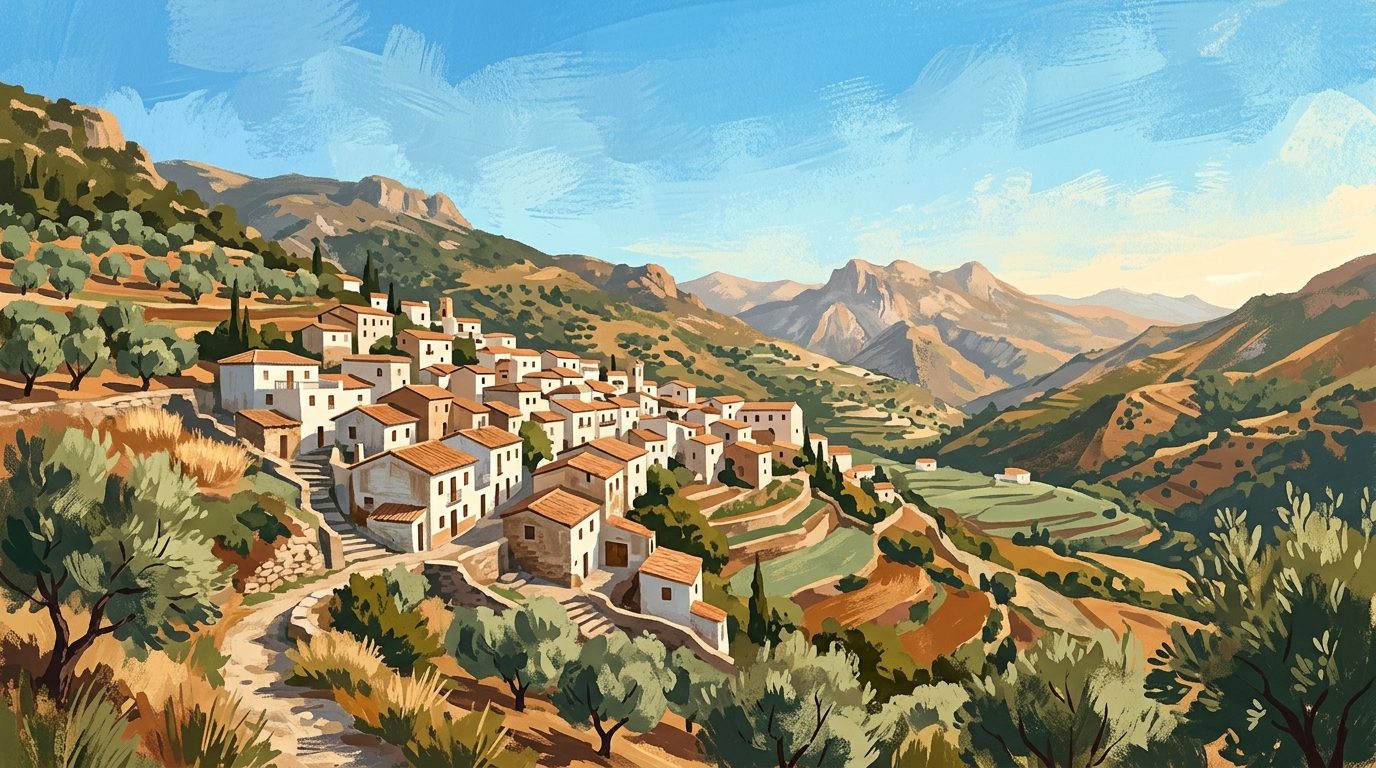
Yegen: Following the Footsteps of Gerald Brenan in the Eastern Alpujarra
Discover Yegen, the tranquil Alpujarran village made famous by writer Gerald Brenan, featuring traditional architecture and scenic mountain trails.
5 min read
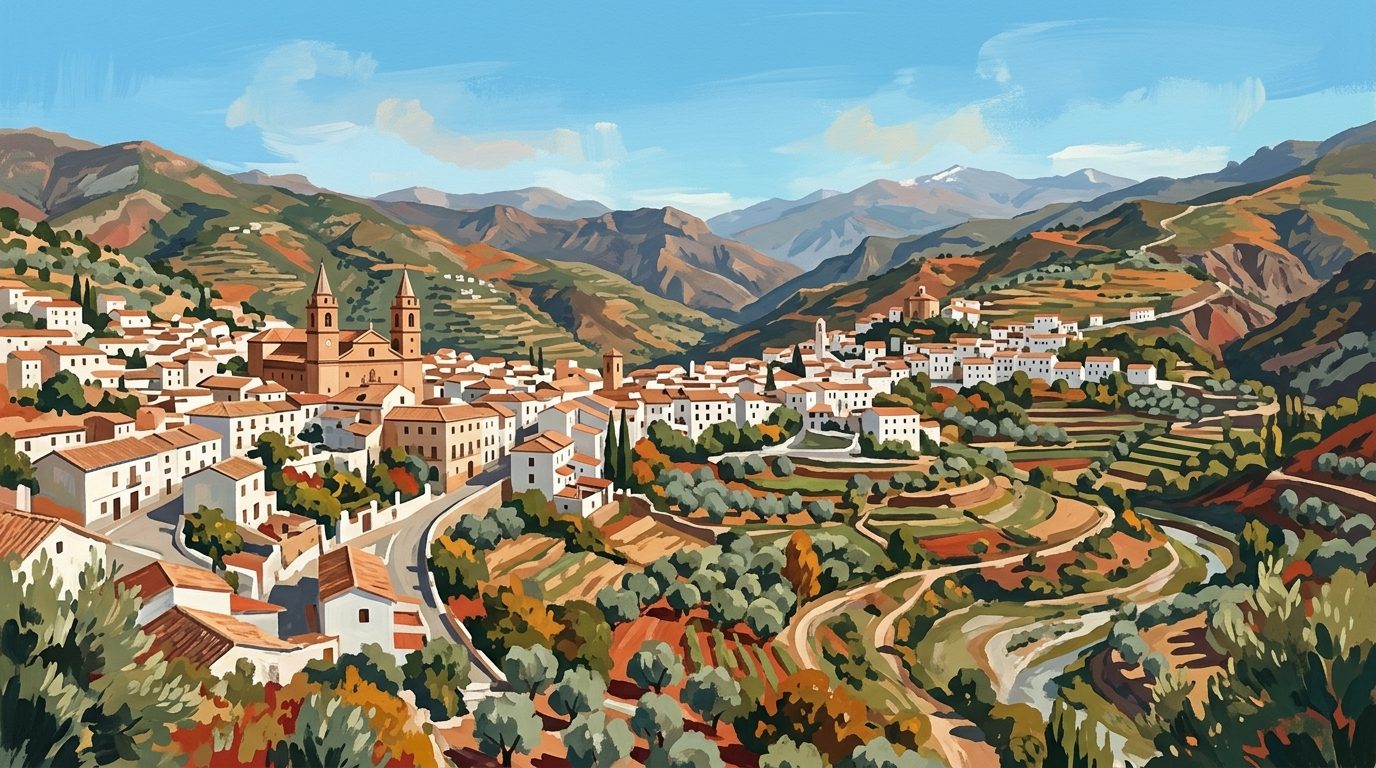
Órgiva: The Eclectic Heart of the Alpujarra Granadina
Discover Órgiva, the unique market town of the Alpujarras where traditional Spanish culture meets an international alternative community.
6 min read
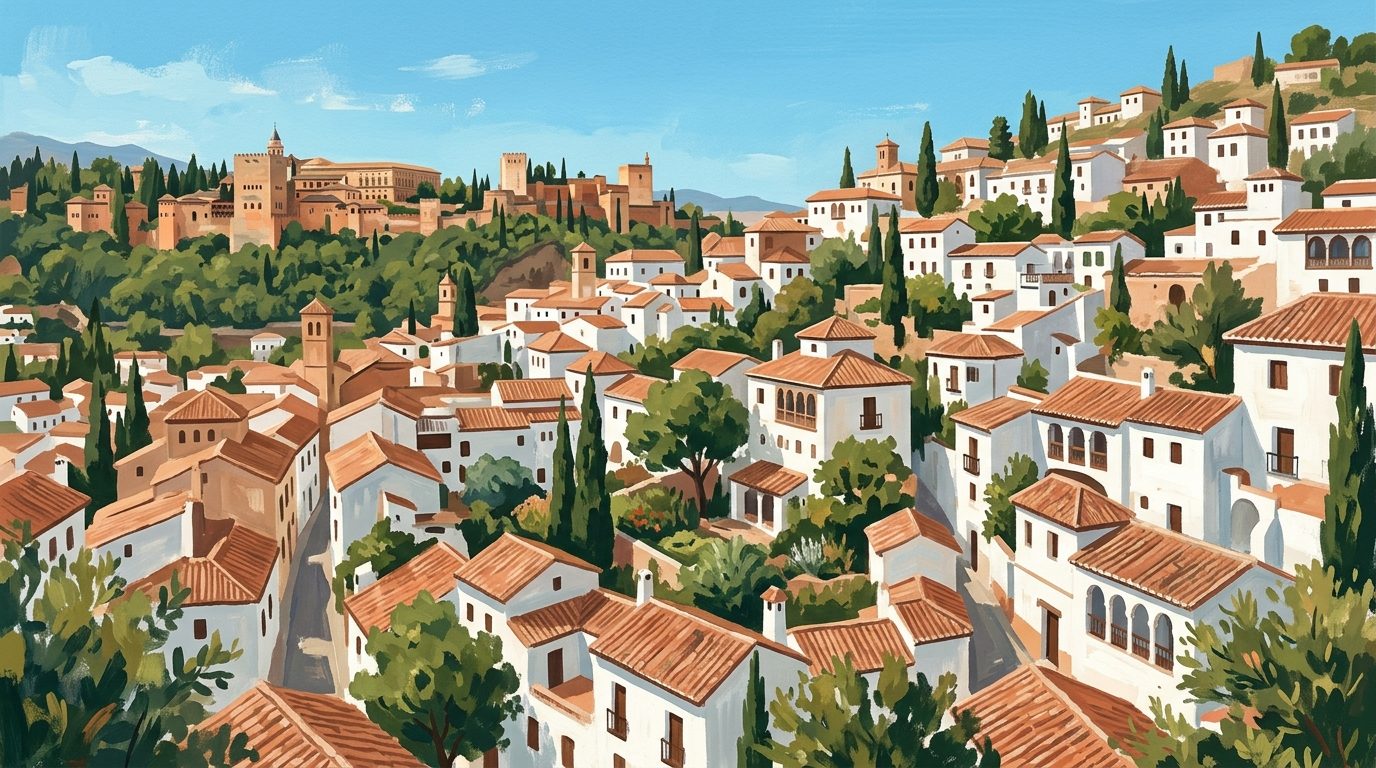
Exploring the Albaicín: Granada’s Medieval Moorish Quarter
Rising steeply above Granada, the Albaicín is a medieval Moorish quarter of whitewashed houses, secret gardens, and the city's most spectacular Alhambra views.
5 min read
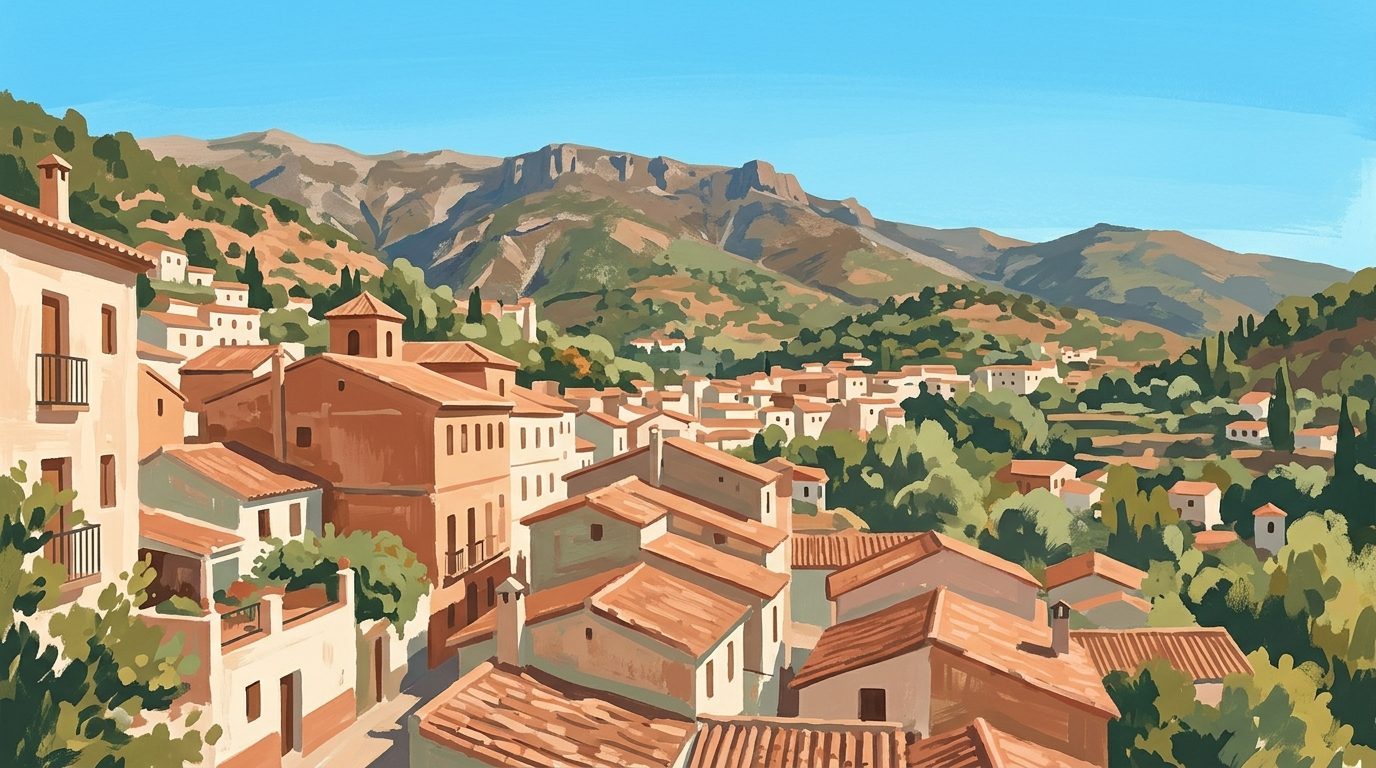
Lanjarón: The Gateway to the Alpujarras and Town of Eternal Springs
Discover Lanjarón, the famous spa town of the Alpujarras known for its curative waters, historic thermal baths, and the lively San Juan water festival.
5 min read
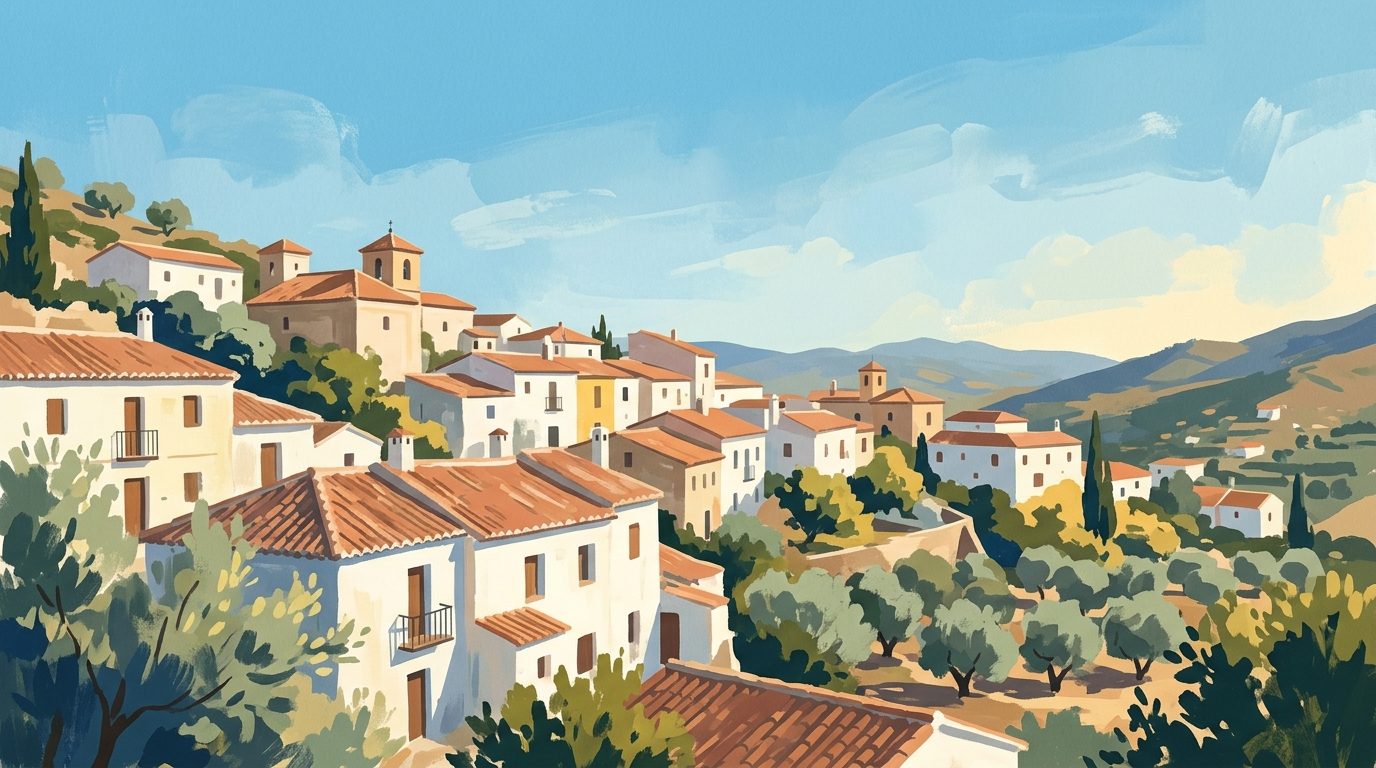
A Guide to Nigüelas: The Balcony of the Lecrín Valley
Discover Nigüelas, the highest village in the Lecrín Valley, known for its 15th-century oil mill museum and spectacular mountain hiking trails.
6 min read
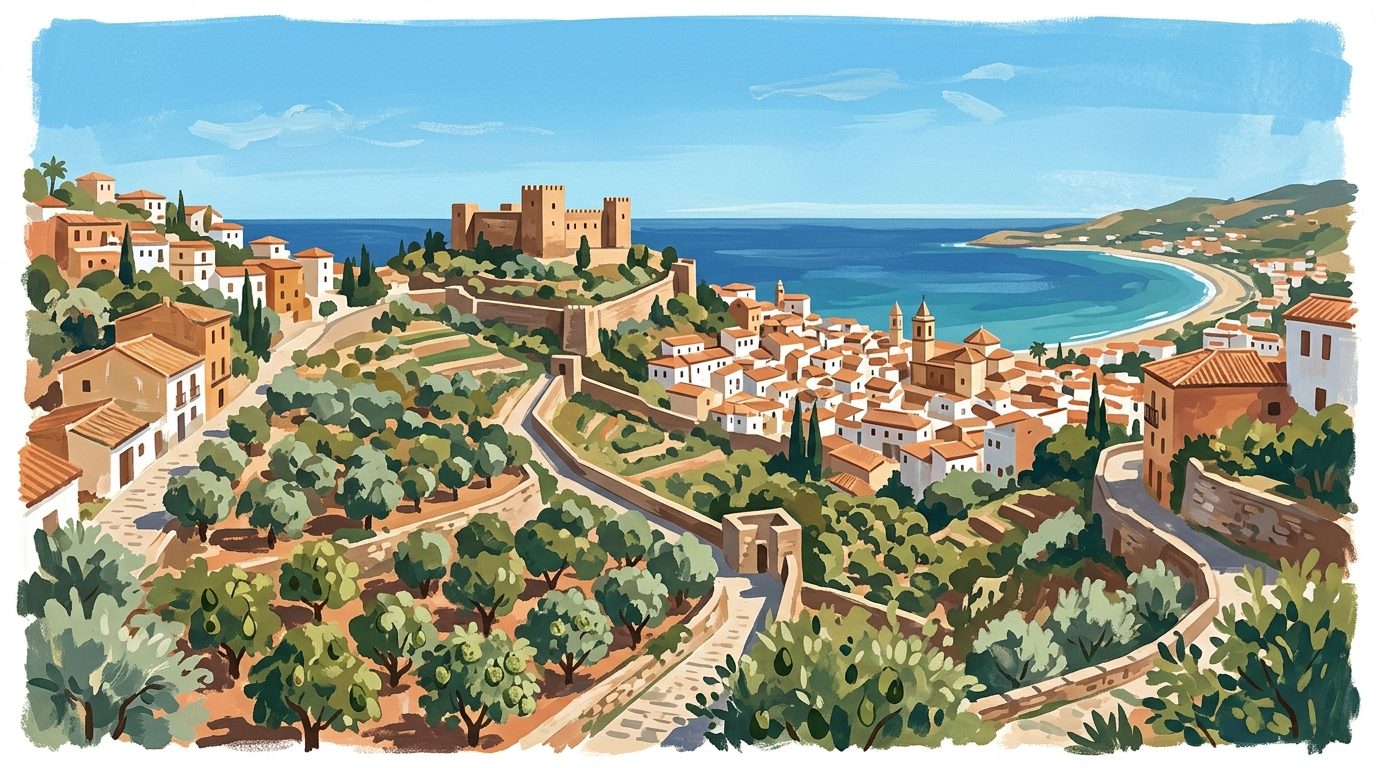
Exploring Almuñécar: A Guide to History and Heritage on the Costa Tropical
Almuñécar offers a distinct pace of life on the Granada coast, where Phoenician ruins sit alongside orchards of custard apples and avocados.
6 min read
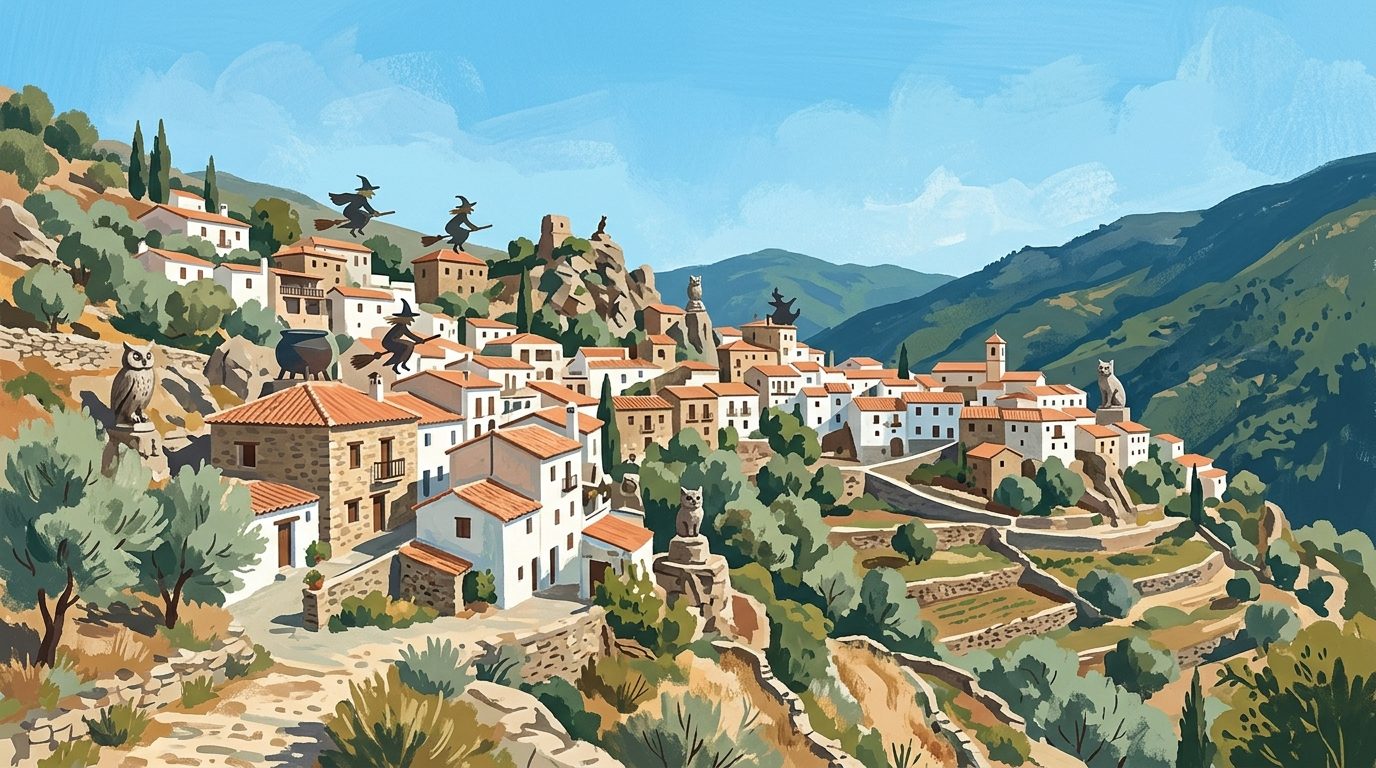
Soportújar: The Witchcraft Village of the Alpujarra Granadina
Soportújar has transformed its historical nickname into a full-scale tribute to witchcraft and folklore. This mountain village in the Alpujarra offers a peculiar blend of traditional architecture and fantastical sculptures.
5 min read
Newsletter
More stories from Andalucía
Weekly notes, seasonal picks, and the next guides worth bookmarking.