
Place guide · Málaga
A Local Guide to Playa de La Malagueta in Málaga
Playa de La Malagueta is the iconic urban beach of Málaga, known for its dark sand, sardine skewers, and immediate proximity to the city centre.
By Dan · Updated 29 June 2026 · 7 min read
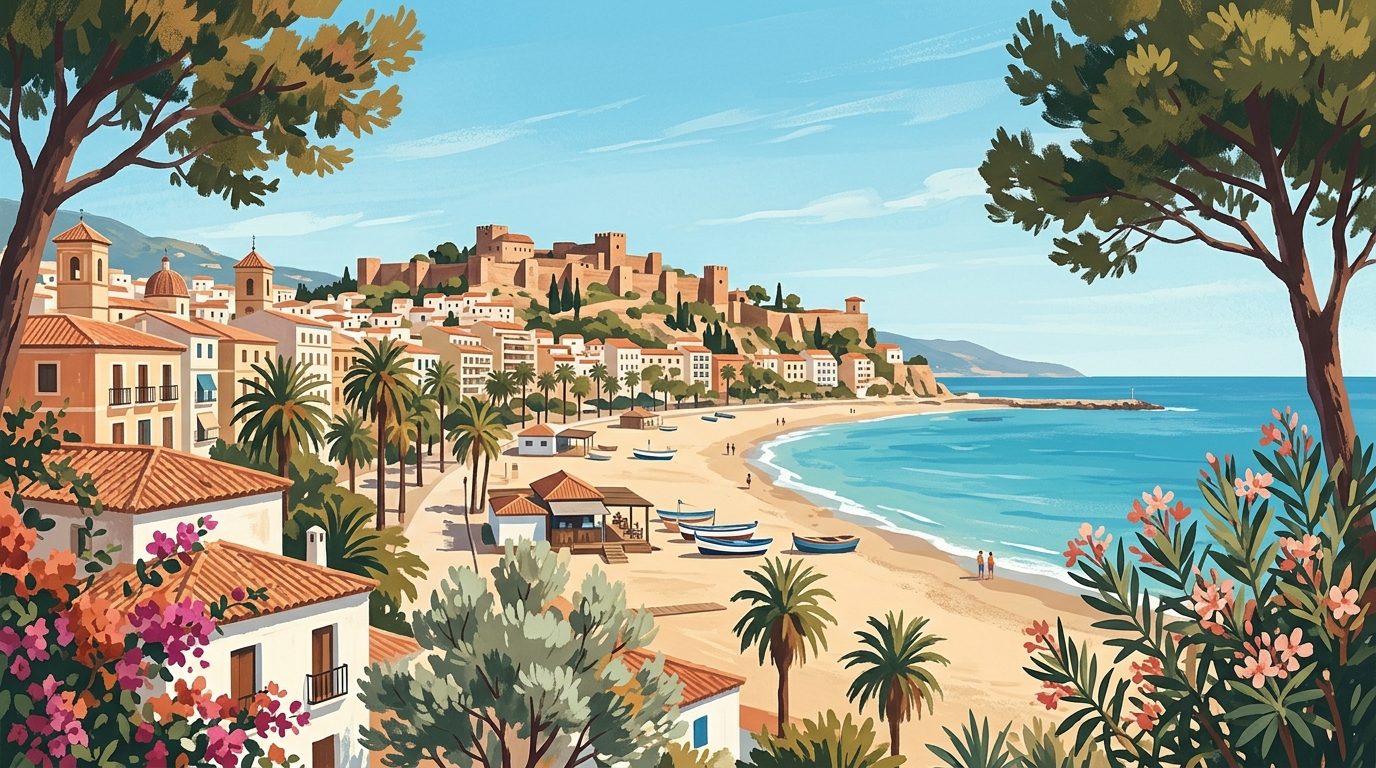
Playa de La Malagueta serves as the urban heartbeat of Málaga, offering an immediate escape from the city streets to the Mediterranean shore. This man-made stretch of dark sand is defined by its iconic sculpture and its proximity to the palm-shaded promenade of Muelle Uno.
Playa de La Malagueta is perhaps the most photographed beach in the province, though not necessarily for its natural wildness. It is an urban miracle of sorts, a functional and social space that has successfully integrated the industrial history of a major port city with the leisure requirements of a modern European destination. For the traveller staying in the city centre, it provides the luxury of moving from a Renaissance cathedral or a Picasso museum to a sun lounger in less than fifteen minutes on foot. This accessibility makes it a unique proposition among Andalucían coastal spots, where the beach is often a separate entity from the cultural core.
The beach is not a product of natural geological shelf formation but was largely created in the late 19th century. This history is visible in its layout and the way it hugs the curve of the coastline, protected by the port infrastructure to the west. It has become an essential part of the Malagueño identity, serving as a backyard for the residents of the high-rise apartments that line the Paseo Marítimo Pablo Ruiz Picasso. While it lacks the turquoise waters of the Cabo de Gata or the white dunes of Tarifa, it offers a distinct Mediterranean atmosphere that is grounded, social, and deeply connected to the local gastronomic culture of the espeto.
The beach itself
The sand at La Malagueta is typical of the Costa del Sol coastline, consisting of a dark, coarse grain that is often mixed with small pebbles near the shoreline. Because it is an artificial beach, the sand is regularly replenished. It is remarkably wide, stretching roughly 1,200 metres in length and averaging 60 metres in width. This scale allows for a significant volume of visitors, though during July and August, the space between umbrellas becomes quite narrow. One of the most important things to note for swimmers is the gradient of the sea floor. Unlike the shallow, shelving beaches found further west toward Estepona, the water at La Malagueta becomes deep quite rapidly, often within three or four steps of entering the sea.
Water clarity is generally good, particularly in the mornings before the wind picks up or the afternoon crowds stir the sandy bottom. It holds a Blue Flag rating for the 2026 season, which confirms the quality of the water, the provision of environmental information, and the standard of safety services. There are no designated naturist sections on this beach, as it is a strictly family-oriented urban space. For those seeking clothing-optional areas, a trip further east to Guadalmar or Almayate is required. The beach is exceptionally family-friendly, featuring several playground areas on the sand and calm waters, provided the Levante wind is not blowing too strongly.
Getting there & parking
Reaching Playa de La Malagueta from Málaga city centre is straightforward. From the Plaza de la Marina, you simply walk through the Palmeral de las Sorpresas and Muelle Uno. It is a pleasant, flat walk of approximately 10 to 15 minutes. For those arriving from further afield, the beach is roughly 15 to 20 minutes by car from Málaga-Costa del Sol Airport, depending on traffic along the MA-20 or the city arterial roads.
Parking is the primary challenge for visitors arriving by car. The streets surrounding the beach are notoriously difficult for finding a free spot, especially during the peak season or on weekends. The most reliable and stress-free option is the Muelle Uno underground car park, which is spacious and modern, though it charges standard city rates. If you are determined to find street parking, you might try the residential area of El Limonar or the streets behind the Paseo de Reding, but be prepared for a long search. Public transport is a much more efficient choice. Bus lines 3, 11, 32, 33, 34, and 35 all stop within a few minutes' walk of the sand, connecting the beach to the main transport hubs and the western parts of the city.
Facilities & chiringuitos
The facilities at La Malagueta are among the most comprehensive in Andalucía. Every few hundred metres, you will find showers, foot-washes, and well-maintained public toilets. During the summer season, which typically runs from June to mid-September (dates may be extended if high temperatures persist), lifeguard stations are manned daily from 10:00 to 20:00. Sun-bed hire is available at multiple points, with prices in 2026 usually ranging between €7 and €10 per day (subject to seasonal changes), often including a parasol.
The culinary experience here is centred on the chiringuitos, the traditional Spanish beach bars. These establishments are permanent fixtures and many remain open throughout the year, even in the quieter winter months. Chiringuito Malagueta and Chiringuito Sicsu are two of the most popular spots, offering a classic menu of fried fish (pescaíto frito) and the local speciality: espetos de sardinas. These are fresh sardines skewered on bamboo sticks and roasted over olive-wood fires, traditionally built inside old fishing boats filled with sand. The scent of wood smoke and grilled sea salt is the defining aroma of La Malagueta. For a slightly more formal dining experience, the nearby Muelle Uno offers a variety of international restaurants and the Michelin-starred José Carlos García, located just a five-minute walk from the beach entrance.
Best time to visit
Timing is crucial to enjoying La Malagueta. During the peak of summer, particularly in August, the beach can feel overcrowded and noisy. To experience the beach at its best, arrive early in the morning, around 09:00, when the water is at its calmest and the local retirees are taking their morning dips. This is also the best time for a jog or a walk along the promenade before the heat becomes intense. Sunset is another magical time, as the sky behind the Málaga skyline turns shades of violet and orange, and the temperature becomes comfortable for a late dinner at a chiringuito.
In the low season, from November to March, the beach remains a popular spot for walkers and sunbathers seeking the mild winter sun. However, visitors should be aware of the "Terral" wind. In summer, this hot wind from the north can push temperatures above 40 degrees Celsius, making the beach almost unbearable. Conversely, in winter, a strong Levante wind from the east can bring choppy seas and cooler air. Always check the flag system: green means safe, yellow suggests caution due to currents or jellyfish, and red means swimming is strictly forbidden.
Combine with
A visit to La Malagueta is easily paired with a trip to the Alcazaba and the Gibralfaro Castle. You can spend the morning exploring the Moorish fortifications and taking in the panoramic views of the bay, then descend through the park to the beach for a cooling swim and a lunch of grilled sardines. Alternatively, a short walk east along the promenade leads to the old fishing district of Pedregalejo. While La Malagueta is the city's grand urban beach, Pedregalejo offers a more bohemian and traditional feel with smaller coves and a vast array of seafood restaurants. The walk between the two takes about 30 to 40 minutes and is a favourite local pastime on Sunday afternoons.
Practical notes
When packing for La Malagueta, remember that the dark sand absorbs heat efficiently. Flip-flops or beach shoes are essential to avoid burning your feet during the walk from your towel to the water. The beach is fully accessible for those with reduced mobility, featuring wooden ramps that lead close to the water's edge and amphibious chairs available through the municipal beach accessibility service during the summer months.
Regarding local regulations, dogs are not permitted on the sand at any time of year, and fines can be steep if you are caught by the local police who patrol the promenade. Music must be kept at a reasonable volume, and fires are strictly prohibited unless they are the official fires of the chiringuitos. While the waters are generally safe, be mindful of the rapid increase in depth. There are rarely strong riptides, but the wake from large ferries entering and leaving the nearby port can occasionally create unexpected waves for small children playing at the water's edge.
Last reviewed: 21 June 2026 · Editorial policy
Related guides
Torremolinos: The Original Spirit of the Costa del Sol
Explore Torremolinos, the pioneer of Andalucían tourism, where traditional fishing heritage meets a lively modern shoreline and inclusive nightlife.
5 min read
Playa de la Fontanilla: Marbella's Premier Urban Beach
Playa de la Fontanilla is the quintessential Marbella town beach, offering refined amenities and a prime location right on the Paseo Marítimo. This central stretch of coastline provides a sophisticated urban beach experience with excellent dining and accessible facilities.
6 min read

The Complete Guide to the Costa del Sol
Spanning 150 kilometres of Mediterranean shoreline, the Costa del Sol is the most developed coastal strip in Spain. Discover where to find quiet coves, excellent seafood and the right resort for your style of travel.
9 min read
A Guide to Playa de La Antilla: The Traditional Atlantic Escape of Lepe
Playa de La Antilla offers a vast expanse of fine golden sand and a family-friendly atmosphere on the Huelva coastline. It remains a firm favourite for those seeking traditional Andalucían summer vibes.
6 min read
A Local Guide to Playa de la Fontanilla in Conil de la Frontera
Playa de la Fontanilla is a wide, golden expanse of Atlantic coastline in Conil de la Frontera, famous for its shallow waters and exceptional seafood restaurants.
7 min read
A Local Guide to the Urban Beaches of Málaga City
Discover the diverse urban beaches of Málaga City, from the central sands of Malagueta to the traditional seafood coves of Pedregalejo and El Palo.
6 min read
More from Málaga
Playa de Burriana: A Guide to Nerja's Premier Beach
Discover Playa de Burriana, the most iconic beach in Nerja, known for its wide sands, excellent chiringuitos, and clear waters on the Costa del Sol.
7 min read
Playa de Cabopino: Dunes, Pines and Clear Waters near Marbella
A protected enclave of natural dunes and fine sand situated between Marbella and Fuengirola. This coastal stretch offers a rare glimpse of the original Mediterranean landscape.
7 min read
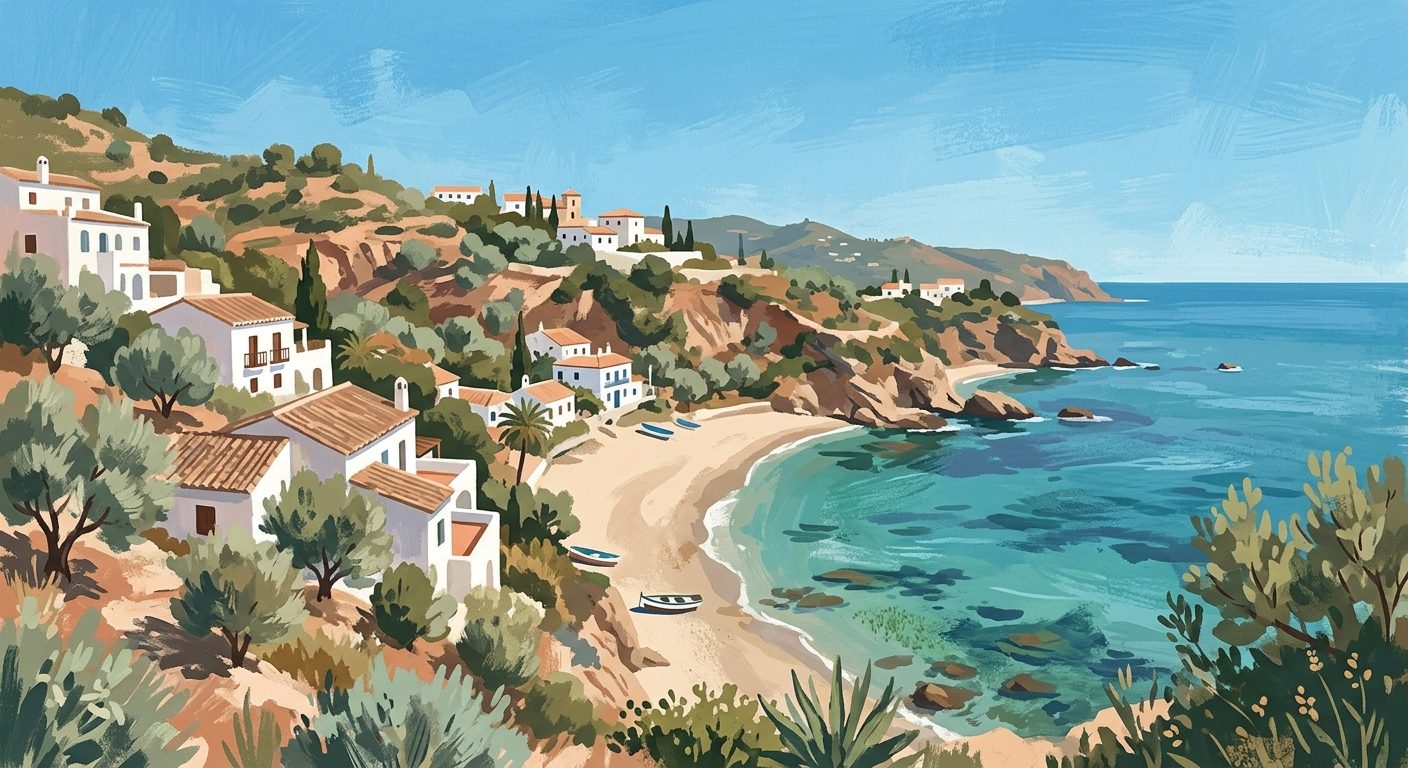
A Guide to Playa de Maro: The Best Snorkelling Beach on the Costa del Sol
Playa de Maro is a rugged, cliff-backed cove that offers some of the clearest waters in the Province of Málaga. This protected stretch of the coast provides a wilder alternative to the urban beaches of nearby Nerja.
7 min read
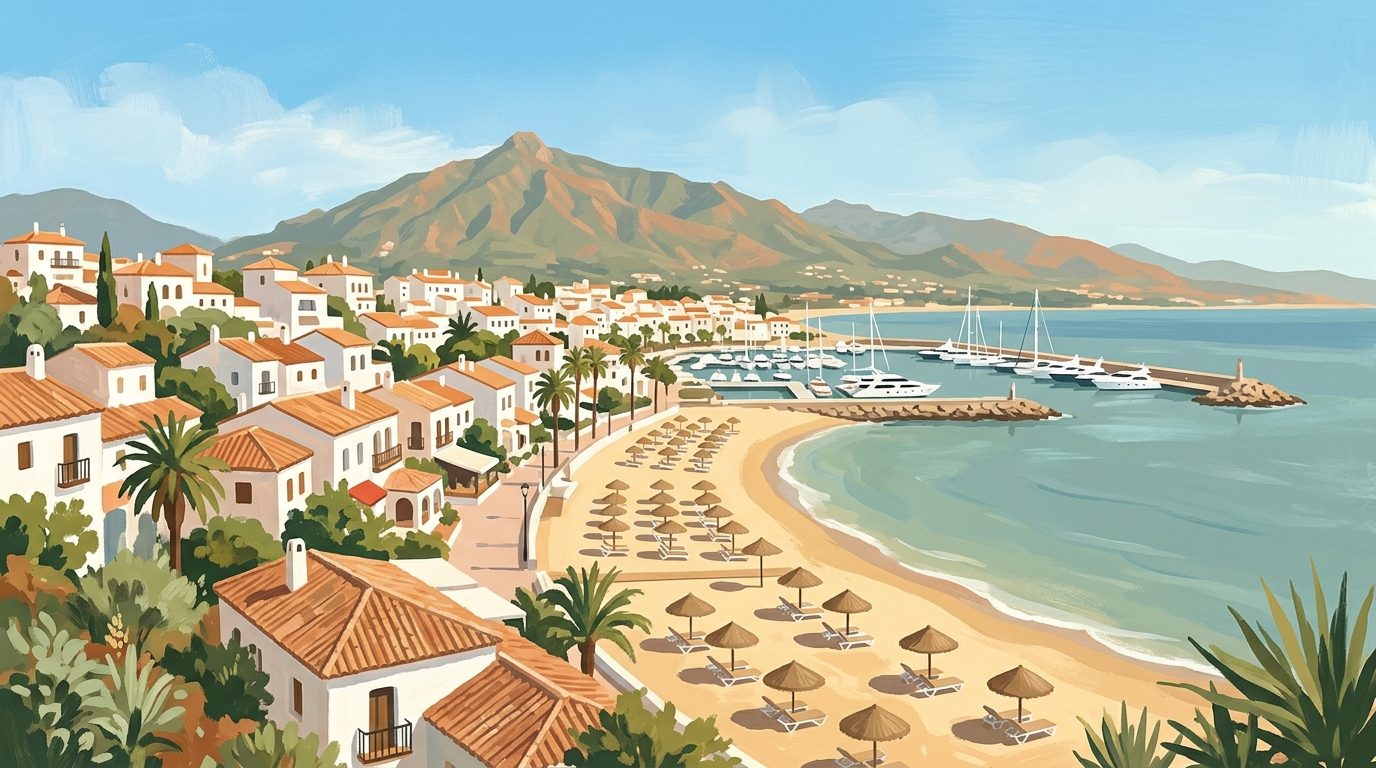
Playa de Puerto Banús: A Guide to the Most Prestigious Sands in Marbella
Discover Playa de Puerto Banús, a refined golden sand beach in Marbella known for its calm waters and luxury amenities. Explore the best chiringuitos, parking tips, and why this Blue Flag beach is perfect for families.
8 min read

Exploring Sierra de las Nieves National Park
Discover the prehistoric Spanish fir forests and the rugged limestone peaks of the Sierra de las Nieves, Málaga’s first National Park.
6 min read

A Guide to Benahavís: The Gastronomic Heart of the Costa del Sol
Discover the culinary heart of the Costa del Sol in Benahavís, a mountain village famed for its high-end dining, river adventures, and stunning views of the Mediterranean.
5 min read

Casares: A Guide to the White Village of the Sierra Cristellina
Casares sits precariously on a limestone ridge, its whitewashed houses stacked like sugar cubes beneath the remains of a Moorish fortress.
6 min read

A Guide to Vélez-Málaga and Torre del Mar: History and Coast in the Axarquía
Discover the dual appeal of the Axarquía capital, from the Moorish fortress of Vélez-Málaga to the extensive Mediterranean promenade of Torre del Mar.
5 min read

Archidona: The Octagonal Heart of Inland Málaga
Discover Archidona, a northern Málaga town famous for its unique 18th-century octagonal square and a Moorish fortress with views over the olive groves.
5 min read
Newsletter
More stories from Andalucía
Weekly notes, seasonal picks, and the next guides worth bookmarking.