
Things to do · Almería
Hiking and Walking in Almería: Deserts, Volcanic Coasts and High Sierras
Discover the raw beauty of Almería’s diverse landscapes, from the volcanic cliffs of Cabo de Gata to the rugged badlands of the Tabernas Desert.
By Dan · Updated 16 July 2026 · 6 min read
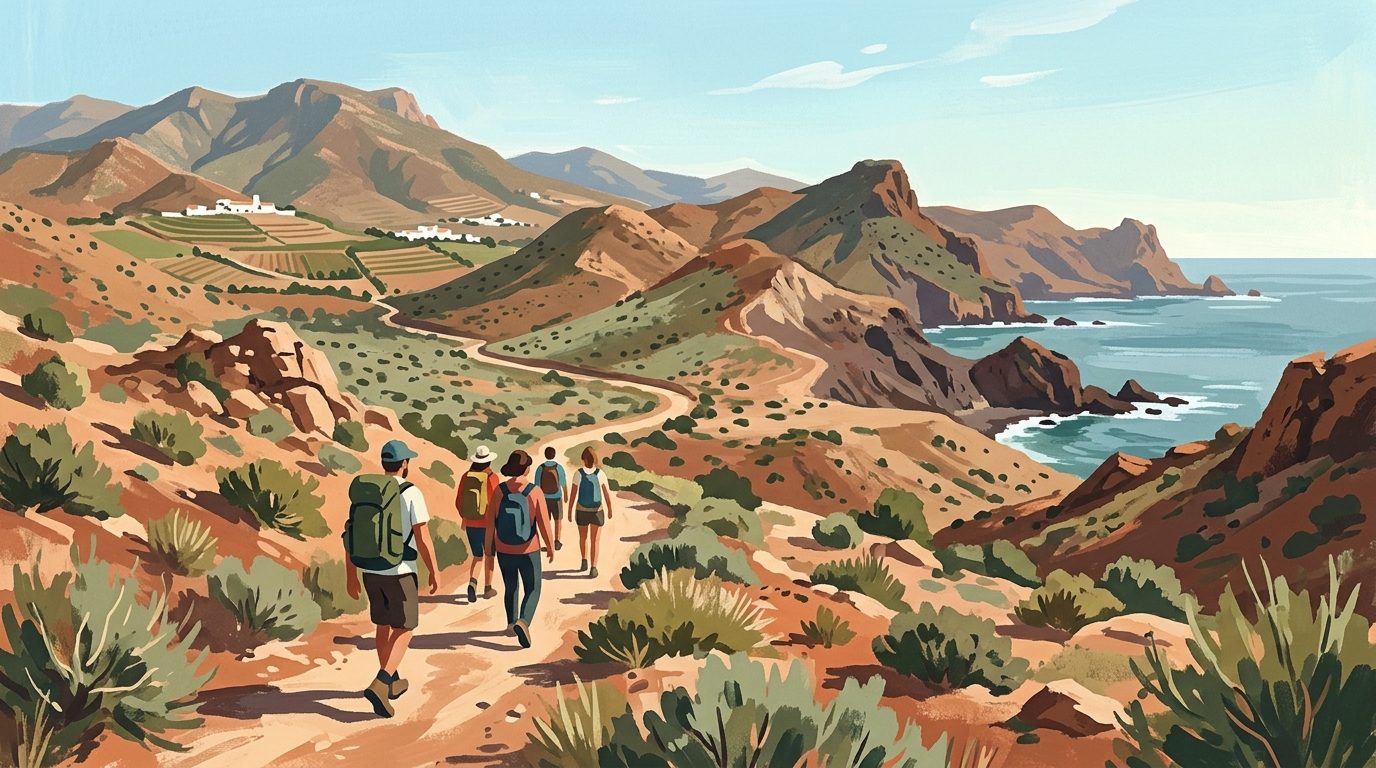
Almería offers the most diverse walking terrain in southern Spain, ranging from the arid badlands of Europe’s only desert to the jagged volcanic cliffs of the Mediterranean shore. This is a region for those who prefer their trails quiet, their landscapes raw, and their adventures far from the crowds of the western Costa del Sol.
When most people think of Almería, they picture the scorched sets of Spaghetti Westerns or the sea of plastic greenhouses seen from space. However, step away from the industrial agriculture and the film sets, and you will find a province that is a walker’s dream. Almería is home to a staggering variety of ecosystems. You can start your morning trekking through the lunar landscapes of the Tabernas Desert and spend your afternoon ascending the pine-clad heights of the Sierra de los Filabres or the limestone peaks of Sierra María-Los Vélez.
The appeal here lies in the starkness. Unlike the green, humid hills of the north, Almería’s beauty is skeletal and geological. The air is exceptionally clear (which is why Europe’s most powerful telescopes are located here), and the light has a quality that has drawn artists and filmmakers for decades. For anyone seeking a challenging mountain ascent or a gentle coastal stroll between secluded coves, the province provides trails that feel remarkably private.Even in peak season, it is easy to find yourself alone with the scent of wild rosemary and the sound of the Mediterranean lapping against dark volcanic rock. This guide explores the best corners of the province to lace up your boots and head out into the wild.
Best Places for Hiking in Almería
Cabo de Gata-Níjar Natural Park: The Volcanic Coast
The Cabo de Gata-Níjar Natural Park is perhaps the most famous walking destination in the province. As Spain’s largest protected coastal area, it is a landscape of ancient lava flows, fossilised sand dunes, and salt pans. The walking here is largely coastal, following the GR-92 long-distance path that skirts the shoreline. For official maps and trail updates, visit the Junta de Andalucía's Ventana del Visitante portal.
A classic route starts in the village of San José and winds its way to the beaches of Los Genoveses and Mónsul. This is an easy-to-moderate trail that takes you past iconic film locations and through valleys filled with agave plants and prickly pears. For something slightly more rugged, the path from Las Negras to the secluded cove of San Pedro is excellent. San Pedro is only accessible by foot or boat and is home to a small off-grid community and a freshwater spring. The cliffs here are spectacular, offering views of the deep turquoise water against the ochre-coloured earth.
The Tabernas Desert: Walking the Badlands
Walking in the Tabernas Desert feels like stepping onto another planet. This is the only true desert in Europe, characterised by "badlands": steep-sided gullies, dry riverbeds (ramblas), and eroded ridges. The lack of vegetation makes the geological layers and tectonic shifts clearly visible to the naked eye.
The Sendero del Desierto (PR-A 269) is the most popular route, starting near the Oasys MiniHollywood film set (check local opening times if planning to visit the park itself). This 9-kilometre circular trail takes you through the heart of the landscape used by Sergio Leone in the 1960s. You will walk through the Rambla del Infierno, where the towering sandstone walls provide a small amount of shade. It is essential to stay on the marked paths here, as the terrain can be disorienting and the ground surprisingly fragile. The best time to visit is during the winter or early spring when the temperatures are manageable and the occasional desert flower might bloom.
Sierra de los Filabres: The Roof of Almería
The Sierra de los Filabres is the province's largest mountain range, acting as a massive wall between the desert and the northern plains. This is where you go for altitude and cooler air. The landscape is dominated by vast pine forests and the shining white domes of the Calar Alto Observatory, situated at 2,168 metres.
Hiking here is a different world compared to the coast. The trails around the village of Bacares are particularly rewarding. You can hike up to the peak of Calar Alto for 360-degree views that, on a clear day, stretch across the Mediterranean to the Rif Mountains of Africa and west to the snow-capped Sierra Nevada. The air is thin and crisp, and the silence is absolute. For a less strenuous walk, explore the ancient silk-producing villages like Senés or Velefique, where stone-paved tracks connect small clusters of slate-roofed houses.
Sierra María-Los Vélez: The Green North
In the far north of the province lies the Sierra María-Los Vélez Natural Park. This area feels more like the Alps than the Almería coast. It is a region of high limestone crags, dense forests of Holm oak, and surprisingly lush valleys. In winter, it is common to see these peaks covered in a thick blanket of snow. Trail conditions and closures can be checked via the Ventana del Visitante site.
A highlight for walkers is the ascent of the Pico María (2,045m). The trail starts from the Ermita de la Virgen de la Cabeza and climbs steeply through pine forest before reaching the rocky summit ridge. From the top, the views over the plains of Altiplano are immense. For those interested in history, the walk to the Cueva de los Letreros near Vélez-Blanco is essential. While the walk is short, it leads to a UNESCO World Heritage site containing prehistoric rock paintings, including the Indalo, which has become the symbol of Almería province.
Practical Information
Hiking in Almería requires more preparation than in wetter climates. Water is the most critical factor; outside of the mountain villages, there are almost no natural springs or fountains. You should carry at least three litres per person for a half-day walk, and significantly more in the desert areas.
The best season for walking is from October to May. During the summer months (June to September), temperatures frequently exceed 40°C, making hiking dangerous. Even in winter, the sun is powerful, so high-factor sun protection and a wide-brimmed hat are mandatory. Footwear should be sturdy with a good grip, as the volcanic rock in Cabo de Gata and the loose scree in the Sierras can be very taxing on the ankles. Most trails are marked with the standard white and yellow (PR) or white and red (GR) paint strokes, but carrying a physical map or a GPS device with offline maps is highly recommended as mobile signal can be patchy in deep canyons and high mountain valleys.
Local Tips
Start your walks at sunrise. Not only will you avoid the midday heat, but the low light makes the desert and coastal colours much more dramatic for photography. After your hike, head to a local bar in a village like Níjar or Lucainena de las Torres. In Almería, the tradition of the free tapa with every drink remains strong; it is the perfect way to refuel on local goat cheese or 'migas' (fried breadcrumbs with peppers and chorizo). Finally, keep an eye on the wind forecast. If the 'Levante' (easterly wind) is blowing hard, avoid the high coastal cliffs and head inland to the sheltered ramblas of the desert instead.
Last reviewed: 21 June 2026 · Editorial policy
Related guides
Exploring the Trails: A Guide to Hiking and Walking in Málaga
Discover the rugged interior of Málaga through its diverse walking trails, from the spectacular Caminito del Rey to the prehistoric limestone peaks of El Torcal.
7 min read
A Guide to Hiking and Walking in Andalucía
Discover the best hiking trails in Andalucía, from the high peaks of the Sierra Nevada to the volcanic coast of Cabo de Gata and the lush forests of Grazalema.
7 min read
Hiking and Walking in Cádiz: From Atlantic Cliffs to Mountain Peaks
Discover the diverse landscapes of Cádiz, from the high-altitude Spanish Fir forests of Grazalema to the dramatic coastal cliffs of Barbate.
6 min read
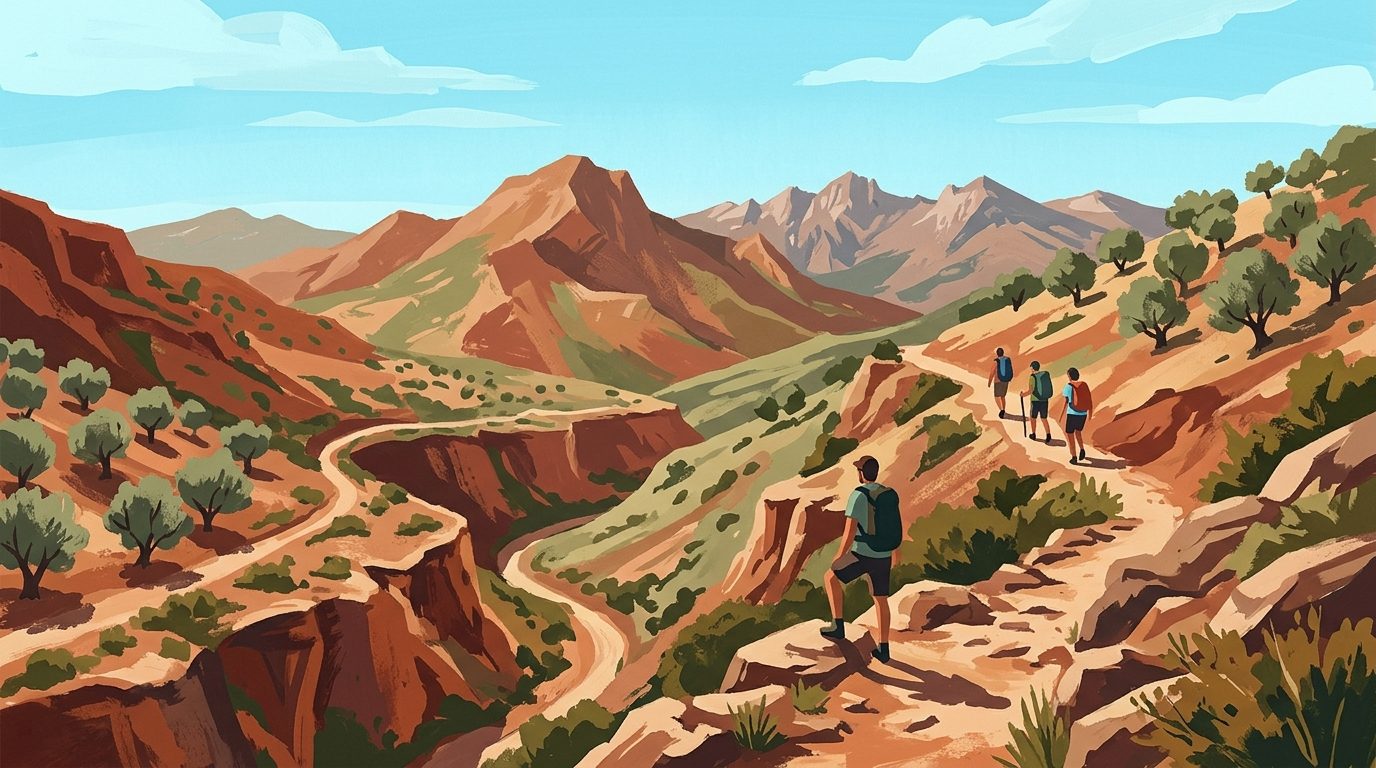
Hiking and Walking in Granada: From High Peaks to Gorge Trails
From the high-altitude peaks of the Sierra Nevada to the terraced valleys of the Alpujarras, Granada offers some of the most varied walking terrain in southern Spain.
6 min read
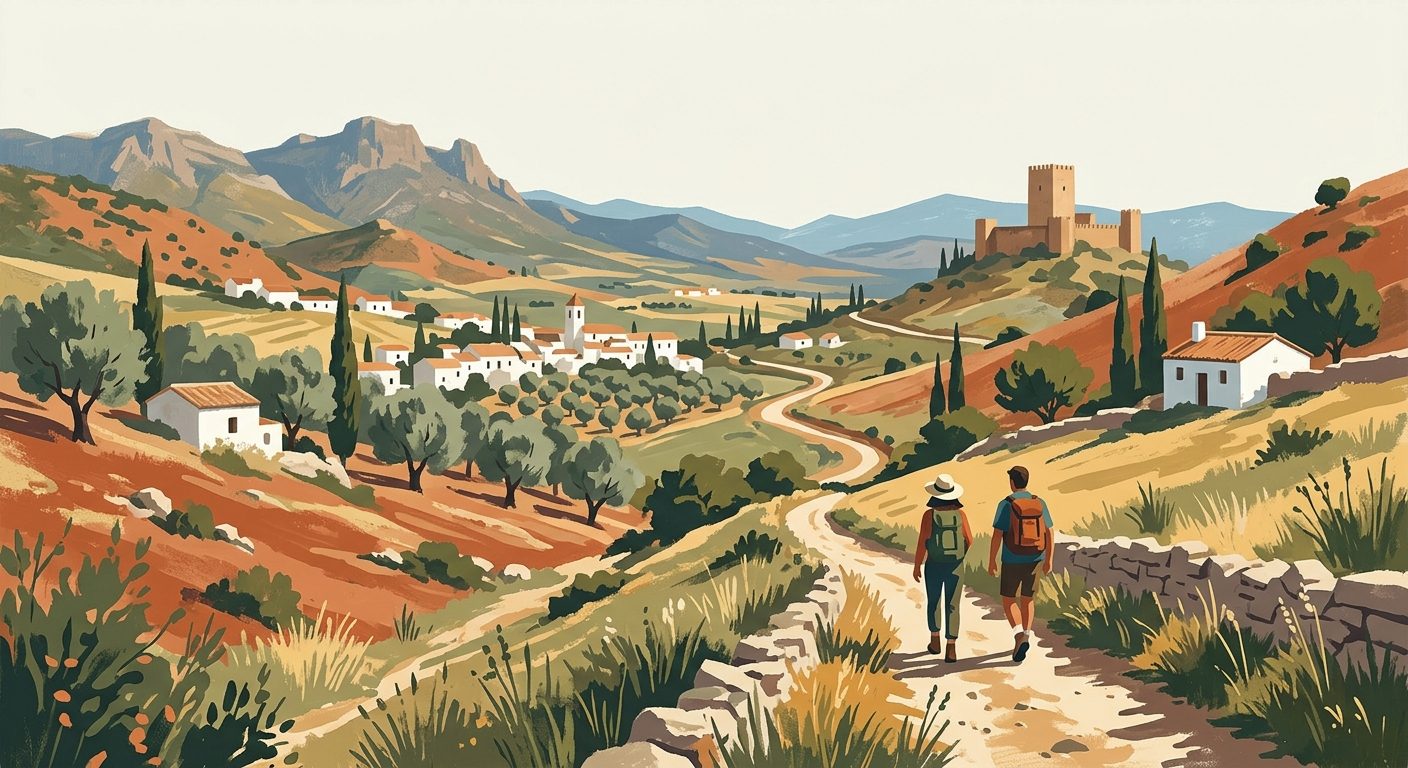
Exploring the Trails: A Guide to Hiking and Walking in Sevilla
Sevilla province offers a diverse range of walking landscapes, from the dramatic karst formations of the north to the tranquil riverside paths of the Guadalquivir.
5 min read
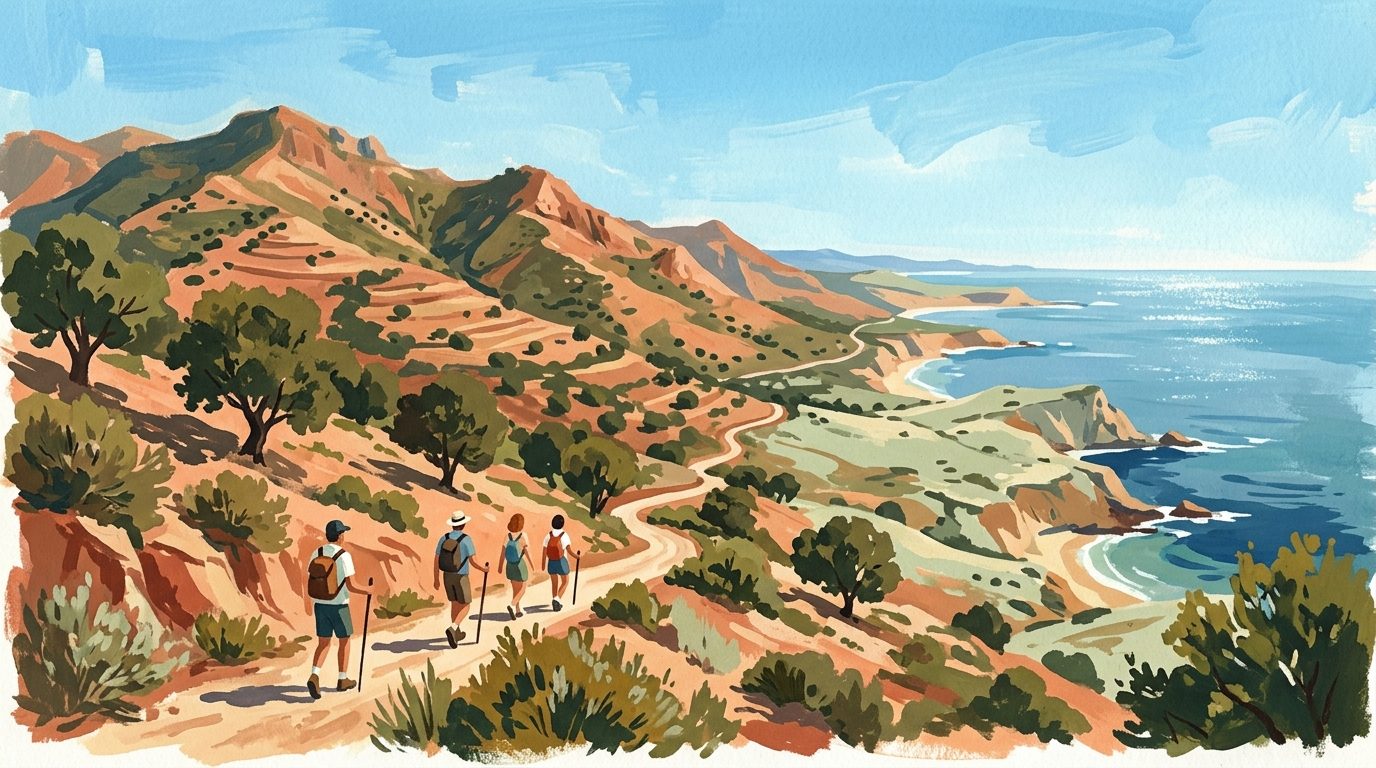
Hiking and Walking in Huelva: Trails from the Mountains to the Atlantic
Huelva offers a remarkable variety of terrain, from the dense chestnut forests of the Sierra de Aracena to the salt marshes of the Atlantic coast. It remains one of the least developed provinces for walking, providing quiet trails and authentic mountain villages.
6 min read
More from Almería
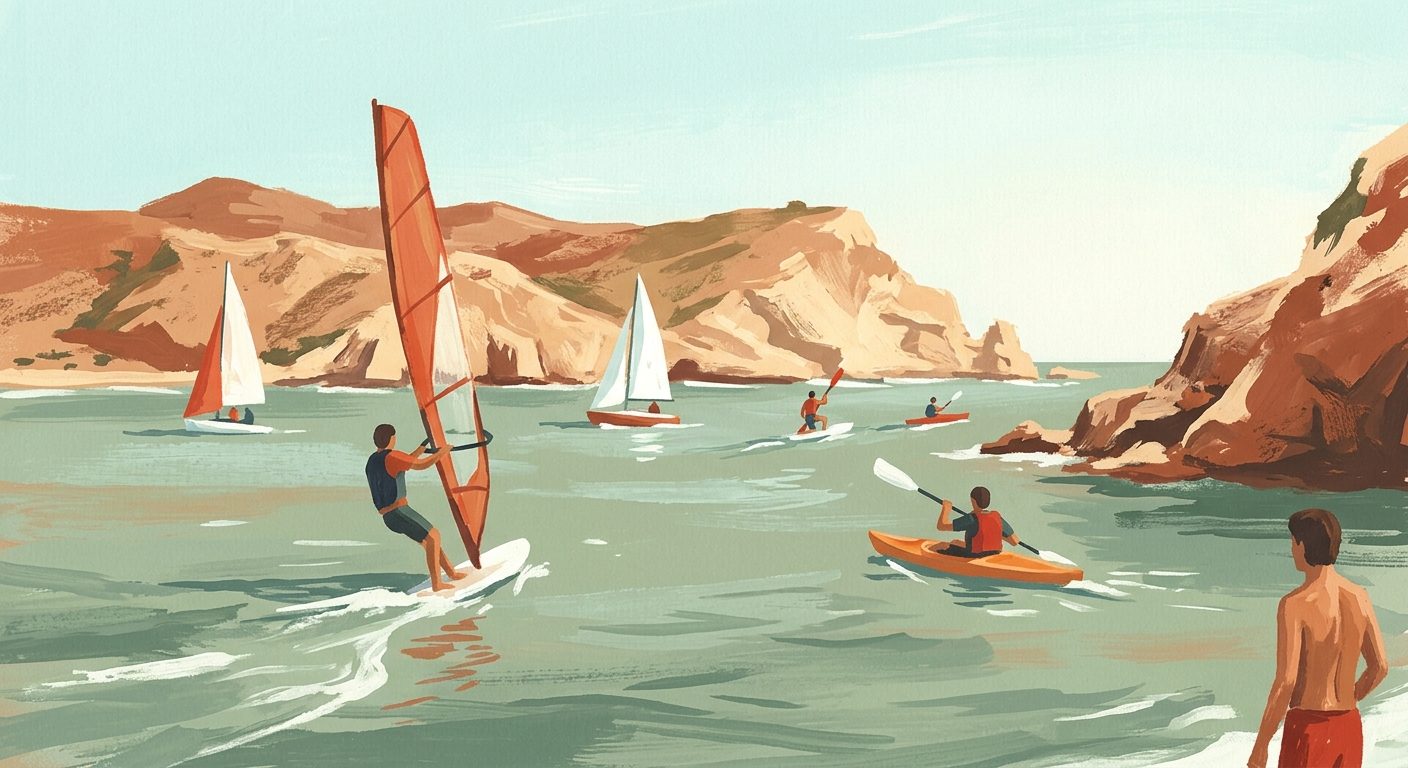
The Best Water Sports in Almería: A Coastal Guide
Discover the rugged volcanic coastline of Almería through world-class diving, kayaking, and paddleboarding in the protected waters of Cabo de Gata.
6 min read
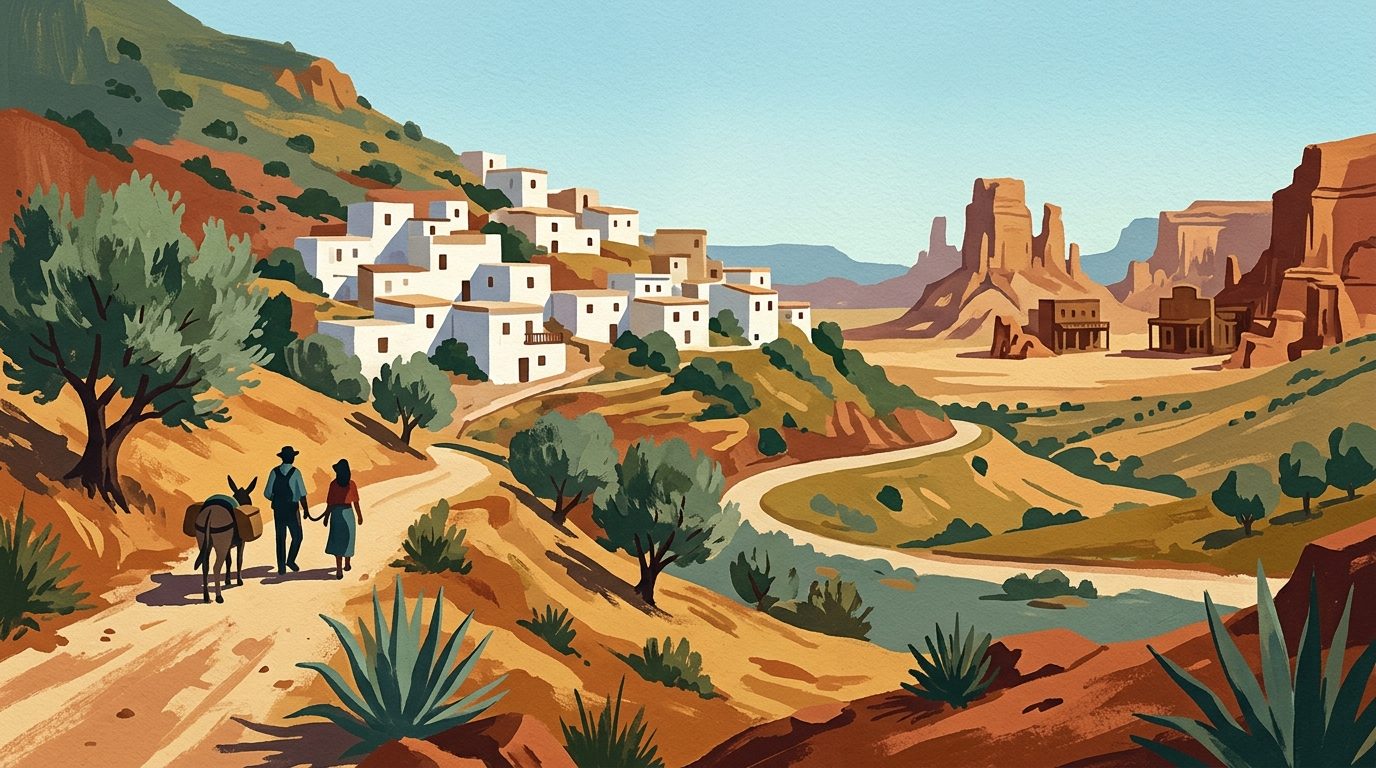
The Best Day Trips from Almería: From Desert Film Sets to Whitewashed Villages
Discover the rugged beauty of Almería with day trips to the volcanic Cabo de Gata coast, the cinematic Tabernas Desert, and the white-washed streets of Mojácar.
6 min read
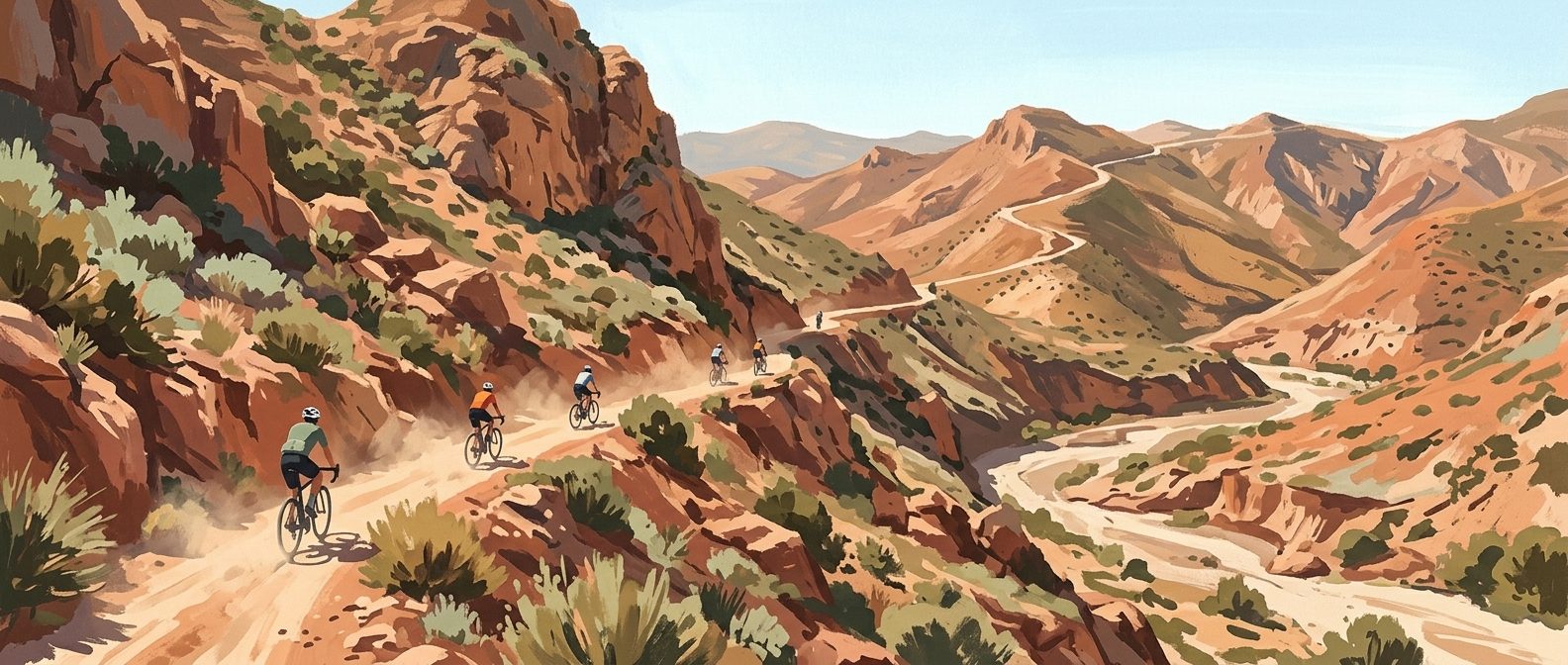
Cycling in Almería: The Ultimate Guide to Desert Trails and Mountain Passes
Discover the rugged beauty of Almería on two wheels, from the cinematic Tabernas Desert to the challenging switchbacks of the Alto de Velefique.
6 min read
Newsletter
More stories from Andalucía
Weekly notes, seasonal picks, and the next guides worth bookmarking.