
Feature
The Shadow War: Guerrilla Resistance and the Postwar Years in Andalucía
For over a decade after the official cessation of hostilities, the rugged mountains of southern Spain echoed with a clandestine war. Here, fugitive fighters known as the maquis defied the new regime, surviving in the limestone crevices of the sierras.
By Dan · Updated 24 June 2026 · 8 min read
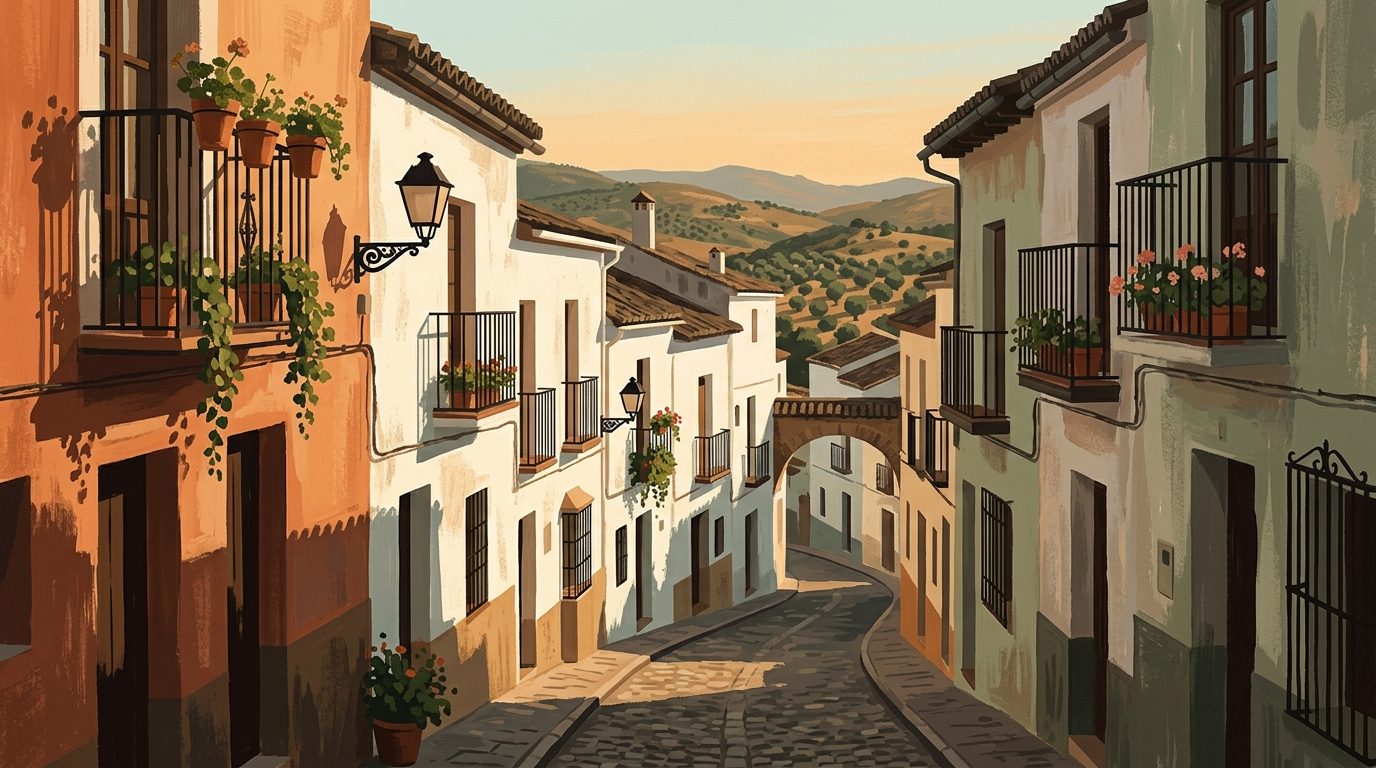
For over a decade after the official cessation of hostilities, the rugged mountains of southern Spain echoed with a clandestine war. Here, fugitive fighters known as the maquis defied the new regime, surviving in the limestone crevices of the sierras.
In the deep valleys of the Alcornocales forest, the damp winters cut through wool and leather. It was here, beneath the dense canopy of cork oaks, that scattered groups of men and women sought refuge in the aftermath of the Spanish Civil War (1936 to 1939). They were the 'huidos', fugitives from the advancing Nationalist forces, who chose the freezing isolation of the mountains over certain imprisonment or execution in the lowlands. Over time, these desperate survivors transformed into an organised guerrilla resistance, adopting the French term 'maquis'. Their armed struggle against the Francoist state would drag on into the early 1950s, fighting a shadow war across the peaks of the Sierra Sur, the Serranía de Ronda, and the Sierra de Cádiz.
While the cities of Andalucía were subjugated under a new totalitarian order, the remote sierras remained a persistent, bleeding wound for the dictatorship. The regime responded with overwhelming military force, suffocating economic controls, and a campaign of terror that targeted not only the combatants but the rural populations who supported them. This era, defined by extreme hunger and pervasive fear, fundamentally reshaped the social fabric of the region. Entire villages were emptied, families were torn apart, and the landscape itself became a heavily militarised zone where every shepherd or charcoal burner was treated as a potential insurgent.
From Fugitives to Guerrillas
The initial phase of the resistance was driven by simple survival. As the conflict ended, thousands of Republican soldiers, trade unionists, and political activists fled their homes. Many attempted to reach the coast or cross into the British territory of Gibraltar, but those cut off by military cordons had no choice but to retreat upward. The limestone ranges stretching from Cádiz to Jaén offered ideal cover. Deep caves, precipitous ravines, and thick Mediterranean scrub provided natural fortresses that conventional military units found nearly impossible to penetrate.
By the mid-1940s, these scattered bands had begun to organise into structured units. Inspired by the liberation of France from Nazi occupation and hoping for a swift Allied intervention in Spain, the Andalucían guerrillas formed official commands. The Agrupación Guerrillera Fermín Galán, led by experienced figures like Bernabé López Calle, operated extensively across the borders of Cádiz and Málaga. Armed with leftover wartime rifles, crude explosives, and weapons captured from rural outposts, they carried out sabotage on infrastructure, kidnapped wealthy landowners for ransom to fund their operations, and executed local informants.
Their tactics relied heavily on the 'enlaces', a vital, covert network of civilian sympathisers, family members, and rural workers. These couriers risked their lives to provide food, medicine, ammunition, and intelligence to the men in the mountains. The life of a guerrilla was exceptionally harsh. Constantly on the move to avoid detection, they endured freezing rain and scorching summer heat with minimal supplies. Medical care was almost non-existent, and a simple infection could be as deadly as a bullet. Despite these conditions, the maquis maintained a fierce discipline, driven by ideological conviction and the knowledge that surrender meant torture and a firing squad.
The Counter-Insurgency and the Years of Hunger
The Francoist state viewed the guerrillas not as political combatants but as common criminals, referring to them exclusively as 'bandoleros' to strip them of any ideological legitimacy. To eradicate the threat, the regime deployed the Guardia Civil in massive numbers, turning the Andalucían countryside into a surveillance state. The authorities declared large tracts of the sierras as military exclusion zones. If a civilian was found in these areas outside permitted daylight hours, they could be shot on sight under the Ley de Fugas, a brutal piece of legislation that allowed guards to execute prisoners under the false pretence that they were attempting to escape.
The regime's most devastating weapon against the resistance, however, was hunger. The 1940s are universally remembered in Andalucía as the 'Años de Hambre' (Years of Hunger). Agricultural production had collapsed, and the state imposed strict, unyielding rationing. A thriving black market, known as the 'estraperlo', emerged, enriching corrupt local officials while the working classes starved. The Guardia Civil deliberately restricted food supplies to mountain villages, calculating that starving the civilian population would ultimately sever the supply lines to the guerrillas.
To completely break the civilian support networks, the state employed 'contrapartidas', covert units of civil guards disguised as guerrillas. These fake units would approach isolated farmhouses at night, asking for food or shelter. If the terrified inhabitants offered assistance, they were immediately arrested, subjected to severe torture, and often summarily executed. This psychological tactic spread acute paranoia across the region. Neighbours could no longer trust one another, and the vital link between the maquis and the rural population began to fracture irreparably. The systematic repression of the enlaces proved far more effective in dismantling the resistance than direct military engagements in the mountains.
The Collapse of the Armed Struggle
The beginning of the Cold War effectively sealed the fate of the Andalucían maquis. As the global geopolitical landscape shifted, the Allied powers decided that a stable, anti-communist Spain under Francisco Franco was strategically preferable to the uncertainty of a renewed democratic conflict. The anticipated international intervention to overthrow the dictatorship never materialised. Realising the futility of the military effort, the Spanish Communist Party (PCE) officially changed its strategy in 1948, ordering the dissolution of the guerrilla units and urging fighters to secretly infiltrate official state syndicates instead.
For the men and women still hiding in the rugged terrain of Andalucía, this directive from exiled leaders felt like an abandonment. Cut off from external support, lacking ammunition, and facing an increasingly sophisticated and heavily armed military opponent, their numbers rapidly dwindled. The early 1950s saw the final, desperate shootouts. Prominent leaders were hunted down, betrayed by starving informers, or killed in elaborate ambushes. A fortunate few managed to slip across the border into France or escape via clandestine boats to North Africa, but the vast majority died in the sierras or faced military tribunals and execution.
The state then enforced a strict, decades-long silence over the conflict. Bodies were thrown into unmarked mass graves, and families were explicitly forbidden from mourning their dead publicly. The history of the maquis was actively erased from official records, replaced by relentless state propaganda that praised the pacification and civilising of the countryside. It would take decades, long after the transition to democracy, for historians, local researchers, and forensic archaeologists to begin piecing together the true scale of the resistance and the state terror that crushed it.
Where to see it today
The physical scars of this era are scattered across the Andalucían landscape, often hidden in remote locations or uncovered in recently excavated urban sites. A visit to these specific locations provides a deeply sobering connection to the lived reality of the postwar years.
La Sauceda (Cádiz)
Deep within the dense oak forests of the Los Alcornocales Natural Park lies the ruined valley of La Sauceda. Once a thriving, entirely isolated hamlet that swelled with refugees fleeing the initial military uprising, it was heavily bombed by Nationalist aviation in the autumn of 1936. Following its capture by infantry, the surviving civilian population faced brutal reprisals, and the overgrown valley subsequently became a major hideout for the maquis. Today, you can hike along a quiet trail to the haunting remains of the village. The stone walls of the old rural chapel and scattered dwellings are slowly being swallowed by the forest roots. A short distance away, the restored cemetery of La Sauceda serves as a powerful memorial. During recent archaeological interventions at the nearby Cortijo de El Marrufo, researchers located the remains of dozens of executed civilians, validating decades of whispered oral histories. The cemetery now holds their scientifically identified remains, marked by simple plaques.
Memorial de Pico Reja (Sevilla)
In the municipal cemetery of San Fernando in Sevilla, the Pico Reja memorial stands over the site of what was one of the largest mass graves in Western Europe. Between 2020 and 2023, forensic archaeologists painstakingly excavated the vast trench, recovering the remains of over 1,700 victims of Francoist repression. The scientific rigour of the excavation laid bare the brutal reality of the postwar executions. Researchers uncovered skeletons with clear evidence of bound wrists, fatal gunshots to the skull, and personal effects like shattered spectacles and rotting leather boots. Today, a dignified ossuary and a striking columbarium memorialise the victims on the exact site of the trench. The inscribed panels surrounding the monument provide crucial historical context regarding the systematic elimination of political opponents, trade union leaders, and citizens accused of supporting the guerrilla resistance. It is a profound, meticulously researched site of memory that forces visitors to confront the immense human cost of the regime's consolidation of power.
If you visit
When planning a trip to La Sauceda, the most comfortable window is between October and May. The summer months in the Alcornocales are intensely hot, and the extreme risk of forest fires often leads to restricted access or closed trails. The hike to the ruined village requires sturdy footwear and plenty of water, as there are absolutely no facilities or mobile phone coverage on the route. For additional historical context and exhibition hours, visit the Casa de la Memoria La Sauceda website before travelling. Access to the Pico Reja memorial in Sevilla is straightforward, as it sits within the main San Fernando cemetery, which is open daily to the public (consult the Seville City Council's 'Cementerio de San Fernando' portal for confirmed opening times). It is advisable to visit early in the morning to avoid the midday heat, taking ample time to read the detailed explanatory panels that trace the forensic archaeological process and the grim historical timeline of the postwar repression.
Last reviewed: 21 June 2026 · Editorial policy
Related guides
The Sound of Silence: Inside Semana Santa
The drumbeat hits the sternum first, a rhythmic thud that vibrates through the marrow before the ear registers the sound. Then comes the silence: a heavy, suffocating quiet.
7 min read
The Ghost in the Garden: Searching for the Al-Andalus Within
Eight centuries of Al-Andalus did not vanish in 1492; they simply moved indoors, into the kitchens, and onto the tip of the tongue.
7 min read
Journey Through Time: Unveiling Andalucía's Magnificent Moorish Legacy
Discover the enchanting Moorish legacy of Andalucía, from Granada's Alhambra to Córdoba's Mezquita, and look at the long history of Al-Andalus in southern Spain.
6 min read
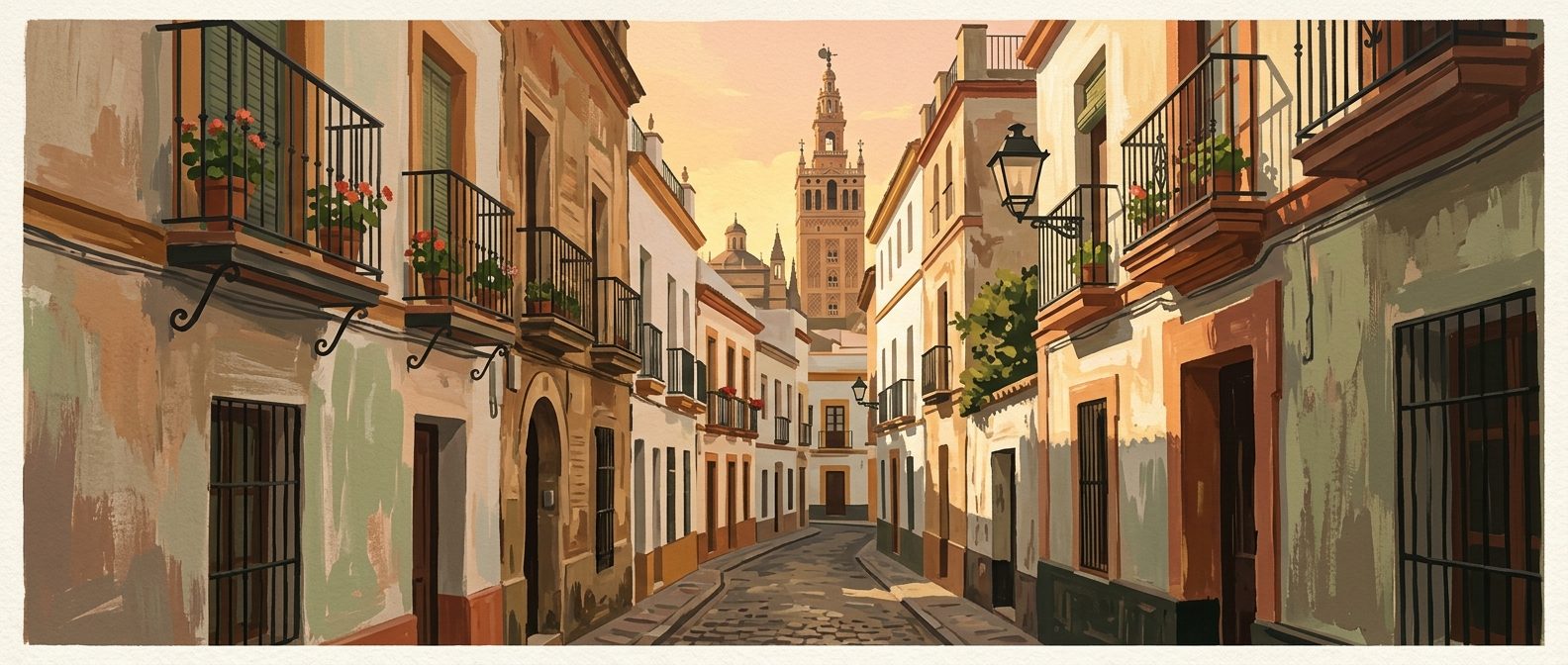
The Siege of the Real: Inside Sevilla’s Private Universe
Beyond the yellow dust of the Real, Sevilla’s great fair is a labyrinth of closed doors where the city’s true social hierarchy is revealed in the clinking of glasses.
8 min read
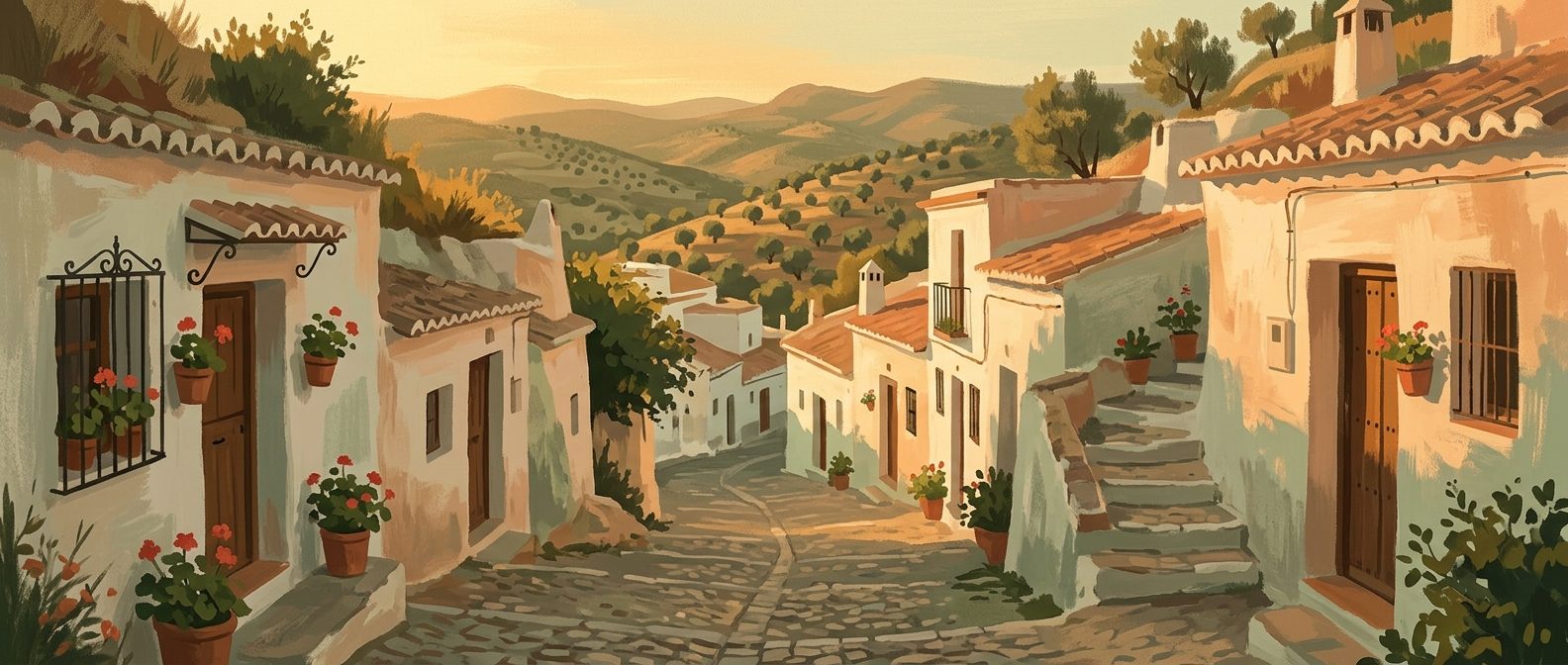
Beyond the White Caves: The Unseen Struggle of Sacromonte
The whitewash on Curro’s fingers is thick as paste, a seasonal ritual of reclaiming a home from the damp appetite of the hillside.
7 min read
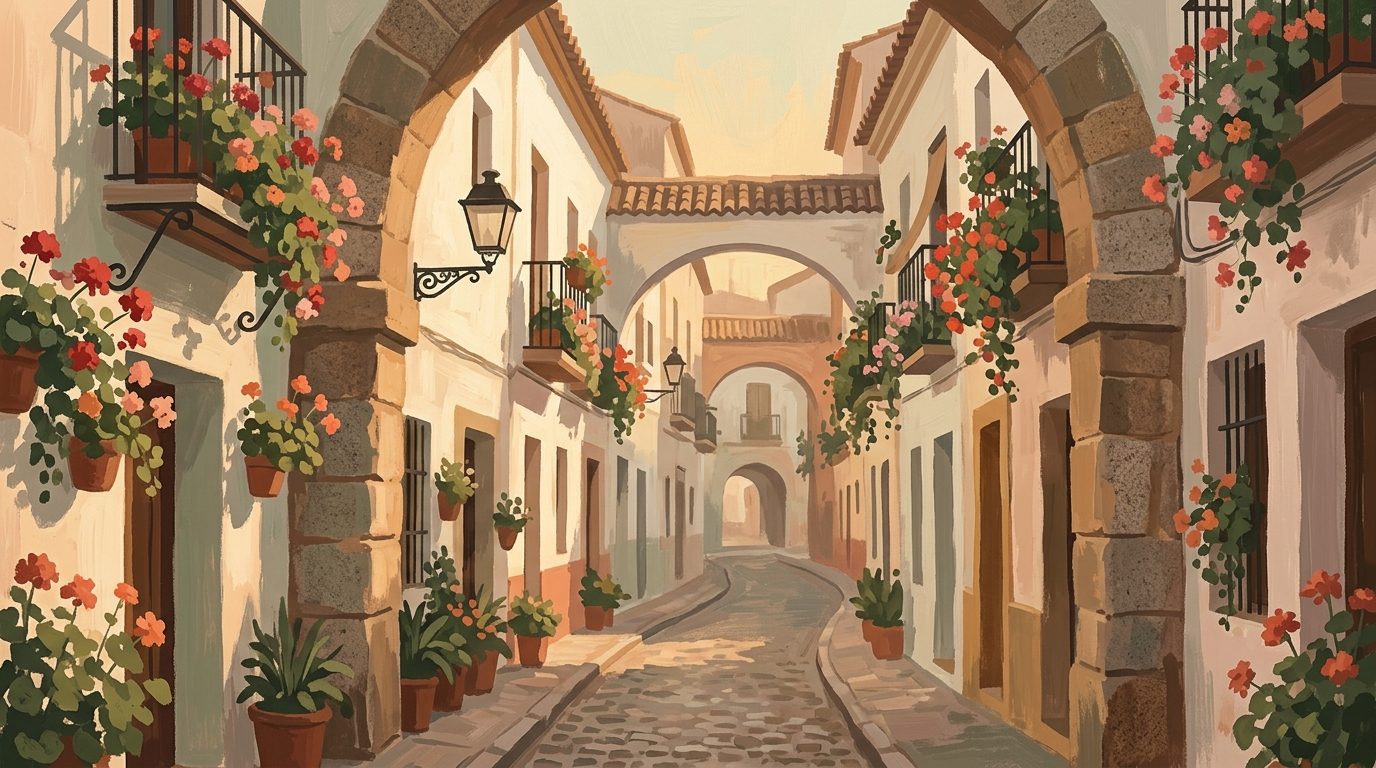
The Granite and the Geranium: The Fragile Geometry of Córdoba’s May
For two weeks in May, Córdoba’s residents throw open the doors of their private courtyards, turning a city of stone into a living, breathing laboratory of botanical obsession.
6 min read
More guides
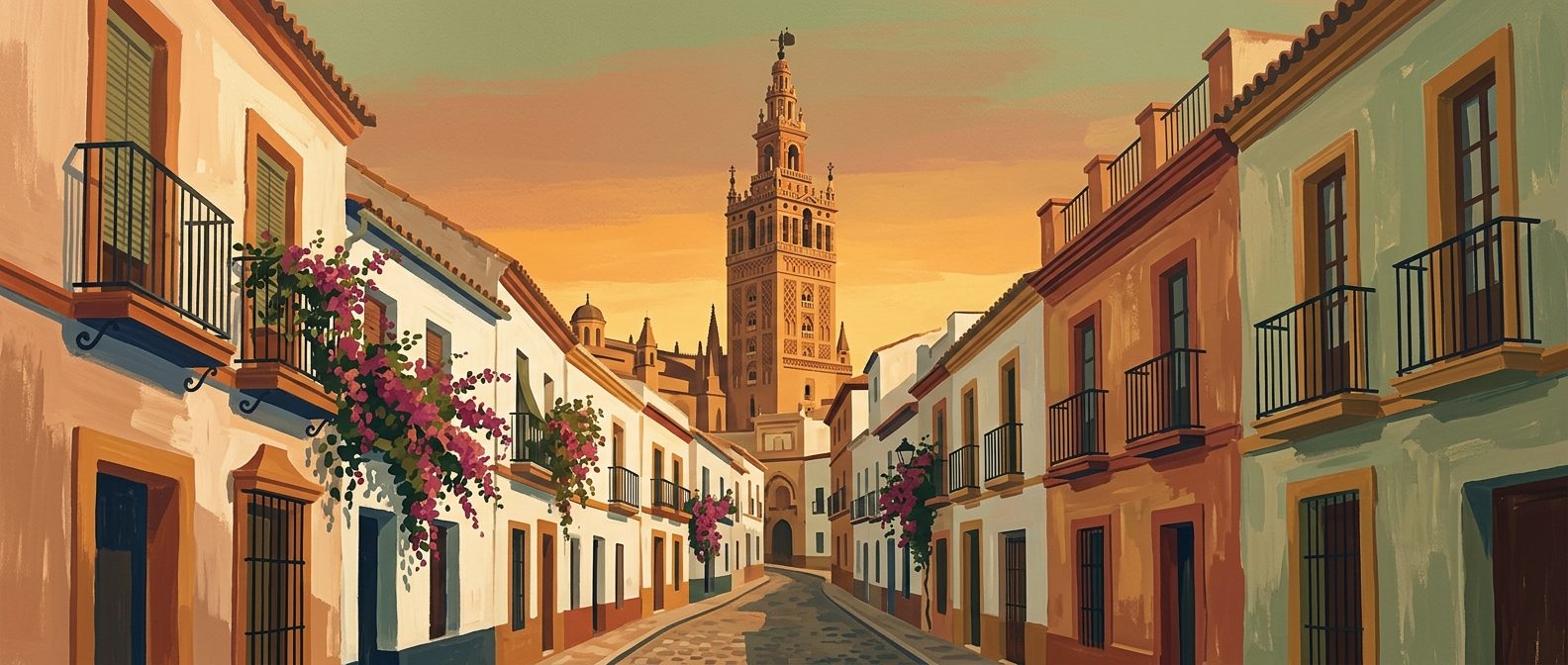
UNESCO World Heritage Sites in Andalucía
A curated guide to the cultural and natural sites in Andalucía recognised by UNESCO for their universal value. These landmarks offer a profound insight into the diverse civilisations of the region.
6 min read
The Best Beaches in Andalucía
From the Atlantic dunes of Huelva to the volcanic coves of Almería, the coastline of southern Spain offers an unparalleled variety of maritime landscapes.
6 min read
Phoenicians and Tartessians in Andalucía
Around three thousand years ago, eastern Mediterranean merchants arrived on the Iberian coast seeking silver and copper. Their arrival sparked a cultural collision that transformed local chiefdoms into the legendary civilisation of Tartessos.
6 min read
Roman Andalucía: Ruins and Archaeological Sites
Discover the monumental legacy of the Roman province of Baetica, from grand amphitheatres in the Guadalquivir valley to maritime cities on the Atlantic coast.
7 min read
Geological Wonders: Caves and Karst Landscapes of Andalucía
Discover the subterranean wonders and prehistoric secrets preserved within the limestone massifs and gypsum deposits of southern Spain.
6 min read
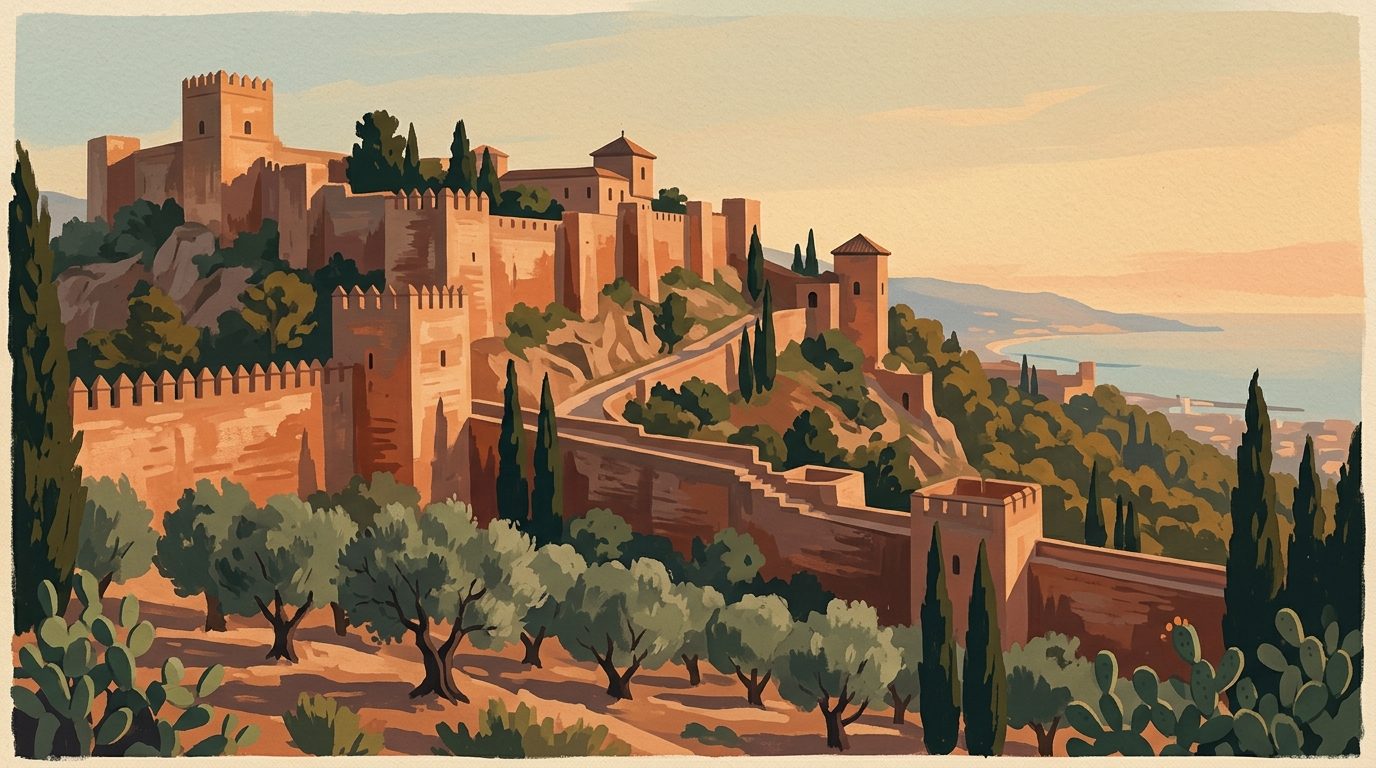
Castles and Fortresses of Andalucía
The fortresses of Andalucía are the stone guardians of a complex past, marking the ancient frontiers between empires and offering some of the most spectacular views in the southern peninsula.
6 min read
The Iberians in Andalucía: Warlords, Sculptors and the Dawn of Iron
Who were the sophisticated, iron-working peoples who controlled southern Spain before the Roman conquest? Their fortified hill towns and striking stone sculptures reveal a formidable culture caught between ancient local traditions and Mediterranean ambition.
6 min read
UNESCO Geoparks and Natural Wonders of Andalucía
Discover the geological heritage of Southern Spain through its UNESCO-designated geoparks and natural wonders. Explore the tectonic history and diverse ecosystems of Almería, Granada, and Cádiz.
6 min read
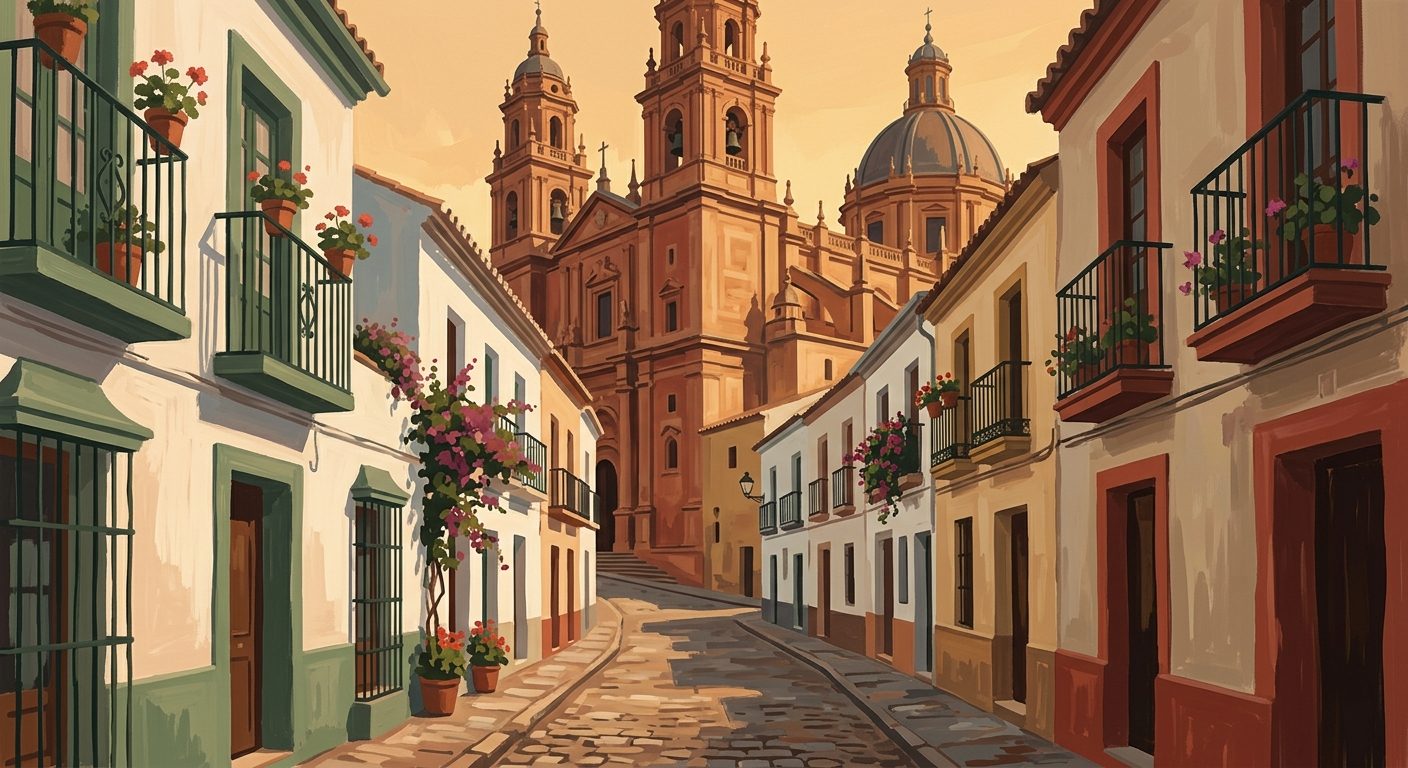
Cathedrals and Great Churches of Andalucía
A guide to the monumental religious architecture of Southern Spain, from the vast Gothic nave of Sevilla to the Renaissance masterworks of Jaén and Granada.
6 min read
Newsletter
More stories from Andalucía
Weekly notes, seasonal picks, and the next guides worth bookmarking.