
The Best Beaches in Andalucía
From the Atlantic dunes of Huelva to the volcanic coves of Almería, the coastline of southern Spain offers an unparalleled variety of maritime landscapes.
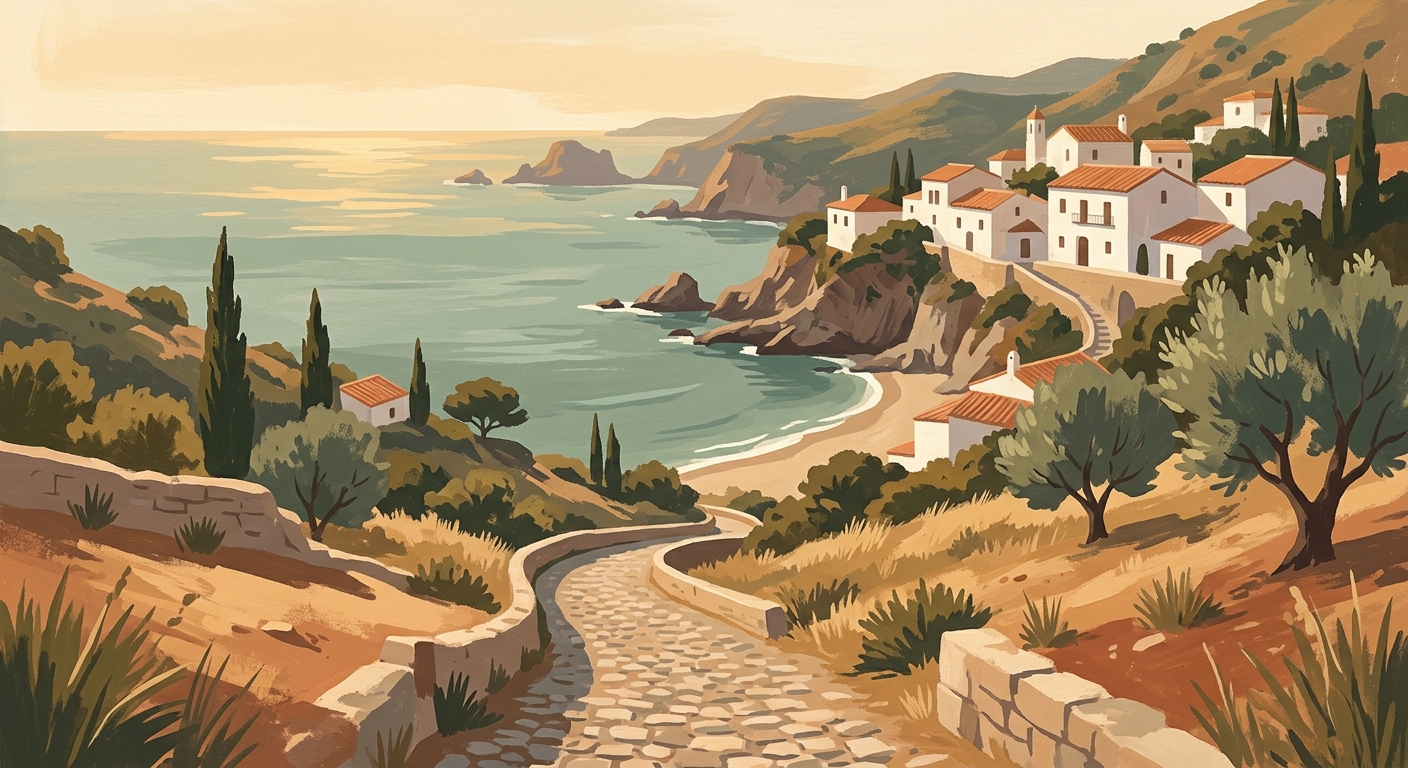
The Andalucían coastline stretches for nearly a thousand kilometres, encompassing both the wild Atlantic waves and the calm Mediterranean tide. Visitors can explore a curated selection of the most significant coastal locations across the southern tip of the Iberian Peninsula.
The shoreline of Andalucía represents more than just a place for summer recreation. It is a frontier where distinct cultures and two great bodies of water meet. From the Huelva border with Portugal to the eastern reaches of Almería, these beaches have served as gateways for Phoenician traders, Roman governors, and Moorish fleets. Understanding the coastal geography is essential for any visitor seeking to grasp the identity of the region. The coastline is an extensive historical legacy, once guarded by watchtowers that still stand on rocky outcrops to warn of pirate raids. Each province offers a specific character based on its geological formation and maritime climate. Huelva and Cádiz face the Atlantic, providing wide, windswept plains of white sand and shifting dunes. Moving eastward past the Strait of Gibraltar, the Mediterranean influence takes over. The Costa del Sol in Málaga offers developed infrastructure and golden sands, while the Costa Tropical in Granada and the shores of Almería provide rugged cliffs and volcanic sands. This diversity ensures that whether a traveller seeks a remote cove or a well-serviced urban beach, the south of Spain can satisfy that requirement.
How they cluster
The beaches of Andalucía are traditionally grouped into four distinct coastal stretches, each defined by the province it occupies and the sea that laps its shores. To the west, the Costa de la Luz spans Huelva and Cádiz. These are Atlantic beaches, characterised by cold, oxygenated waters, intense winds, and vast, fine-grained sandbanks. Huelva features beaches backed by the pine forests of the Doñana National Park, while Cádiz offers a mix of urban sands and wild, rural stretches popular with windsurfers near the Strait of Gibraltar.
Moving east, the Costa del Sol in Málaga is perhaps the most famous stretch. It is characterised by dark, fine sand and a high density of services, ranging from traditional beach bars to sophisticated ports. Following this is the Costa Tropical in the province of Granada. Here, the Sierra Nevada mountains almost meet the sea, creating a microclimate that allows for tropical fruit cultivation right up to the water's edge. The beaches here often consist of pebbles or coarse sand, offering exceptionally clear water for diving. Finally, the Costa de Almería occupies the eastern corner. This area is home to the Cabo de Gata-Níjar Natural Park, a volcanic landscape where the beaches are secluded, arid, and untouched by major urban development.
In what order to visit
For those planning a multi-stop coastal journey, a west to east trajectory provides a logical flow and a fascinating study in geographical change. Beginning in the province of Huelva, one can experience the immense dunes that border the Atlantic before crossing the Guadalquivir river towards the province of Cádiz. This route allows for a stop in the Sherry Triangle before reaching the wind-dominated shores of Tarifa, where the Atlantic and Mediterranean meet. This point marks a significant transition in both the temperature of the water and the strength of the currents.
Continuing eastwards along the N-340 or the A-7 motorway, the journey moves into the province of Málaga. This section of the trip is ideal for those who appreciate coastal towns with historical centres and modern amenities. After the Málaga coastline, the road climbs into the cliffs of the Costa Tropical in Granada, offering dramatic views from the highway. The final leg of the journey leads into Almería. This province requires more time for exploration, as many of its finest locations are accessible only by unpaved tracks or footpaths within the protected natural park. Ending the journey in Almería provides a stark contrast to the start in Huelva, moving from the lush Atlantic marshes to the desert-like volcanic coves of the east.
When to go
The timing of a coastal visit to Andalucía is heavily influenced by the seasonal winds and temperatures. The peak summer months of July and August see the highest temperatures and the largest crowds. While the sea temperature is at its most comfortable during this period, those seeking a more tranquil experience should consider the shoulder seasons. May and June offer long hours of daylight and pleasant temperatures, while September and October provide the warmest Mediterranean waters after the summer heat has soaked into the coastline.
Wind is a crucial factor, particularly in the province of Cádiz. The Levante (an easterly wind) can be strong and persistent, making some beaches uncomfortable for sunbathing but perfect for water sports. Conversely, the Poniente (a westerly wind) is cooler and generally brings calmer conditions to the Atlantic shore. Checking the wind forecast is a daily ritual for locals and regular visitors alike. In Almería and Granada, the sheltered nature of the coves means they can be enjoyed even in the cooler months of spring and autumn, as the surrounding cliffs provide protection from the breeze.
Practical notes
When visiting the beaches of Andalucía, it is useful to understand the local infrastructure and environmental protections. Many beaches carry the Blue Flag (Bandera Azul) designation (check their official website for the latest 2026 awarded beaches), which indicates high standards of cleanliness, water quality, and safety services. In more developed areas, such as the Costa del Sol, most beaches are equipped with showers, toilets, and accessible ramps for those with limited mobility, and use a standard flag system (Green for safe, Yellow for caution, Red for no swimming). However, in protected areas like Cabo de Gata in Almería or the Atlantic beaches of Huelva, services may be minimal or non-existent to preserve the natural state of the environment.
Parking can be a challenge during the summer, especially at the more popular rural beaches where space is strictly limited to prevent ecological damage. During the peak summer months, many protected beaches implement a shuttle bus (lanzadera) system and close vehicle access entirely, so it is advisable to check local transport schedules via the Carboneras or Níjar municipal websites (ayuntamiento) early in the morning, as service dates for the 2026 season typically run from mid-June to mid-September. Additionally, the Andalucían beach bar, known as a chiringuito, is a fundamental part of the experience. These establishments range from simple wooden huts serving fried fish to elegant restaurants. For the more remote coves, particularly in Granada and Almería, travellers should carry sufficient water and food, as there may be no commercial facilities within walking distance. Respecting the local environment is paramount: visitors are expected to remove all litter and avoid disturbing the protected flora on the dunes. The following list details the specific coastal locations that define the best of the Andalucían shoreline.
Notable beaches to explore
- Playa de Bolonia (Cádiz): Famous for its massive sand dune and the adjacent Roman ruins of Baelo Claudia, this expansive Atlantic beach offers pristine sands and clear waters.
- Playa de los Muertos (Almería): Located in the Cabo de Gata-Níjar Natural Park, this striking pebble beach features exceptionally clear, azure water backed by dramatic volcanic cliffs. Access requires a steep 15 to 20-minute walk down from the parking area. Note that during peak summer, a shuttle bus service often replaces private car access to the trailhead (services for the 2026 season typically run from mid-June to mid-September, but check local schedules before travelling).
- La Malagueta (Málaga): A classic urban beach located just a short walk from the city centre. It provides excellent facilities, calm Mediterranean waters, and numerous chiringuitos serving traditional roasted sardines.
18 guides in this collection
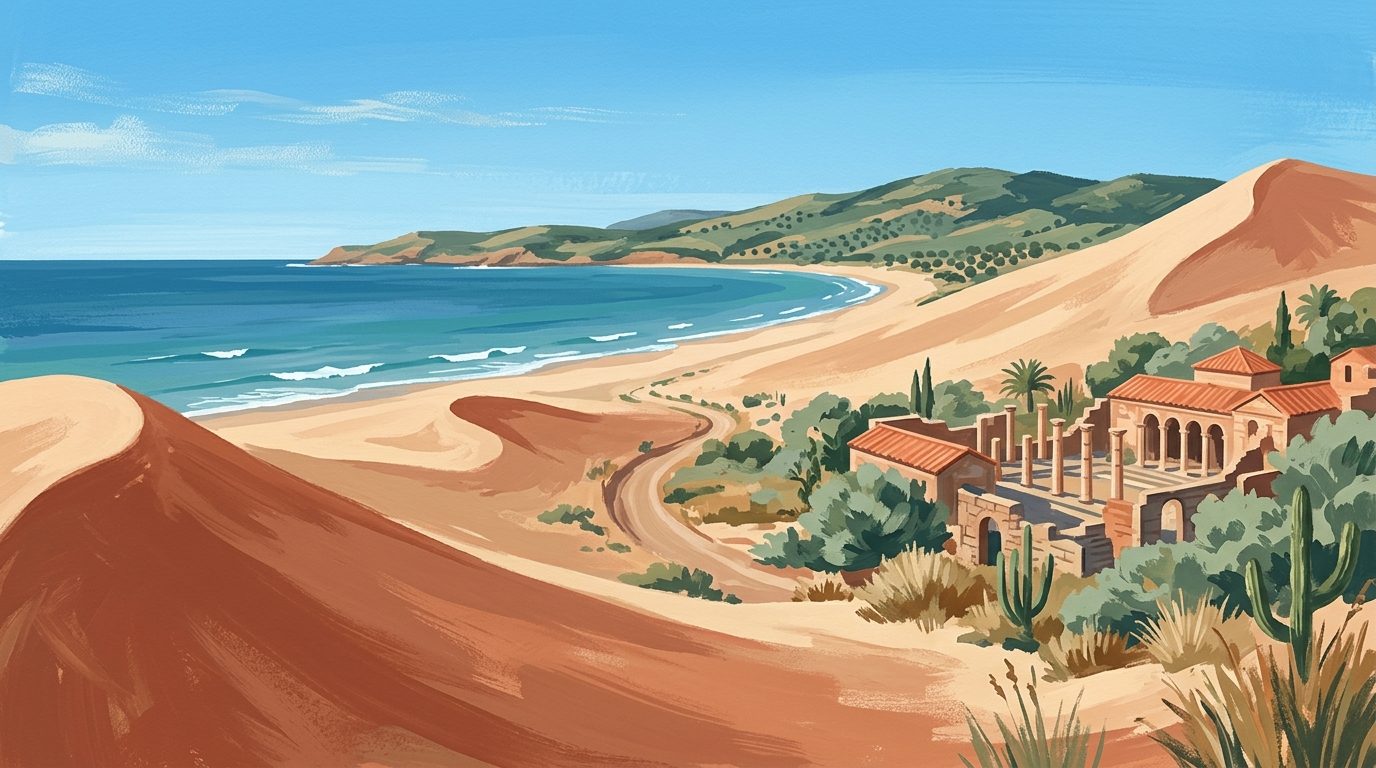
A Complete Guide to Playa de Bolonia: Dunes, Ruins, and Atlantic Wilds
Playa de Bolonia is a spectacular stretch of Atlantic coastline where massive sand dunes meet the ruins of a Roman city. This wild beach offers some of the clearest water in Cádiz.
6 min read
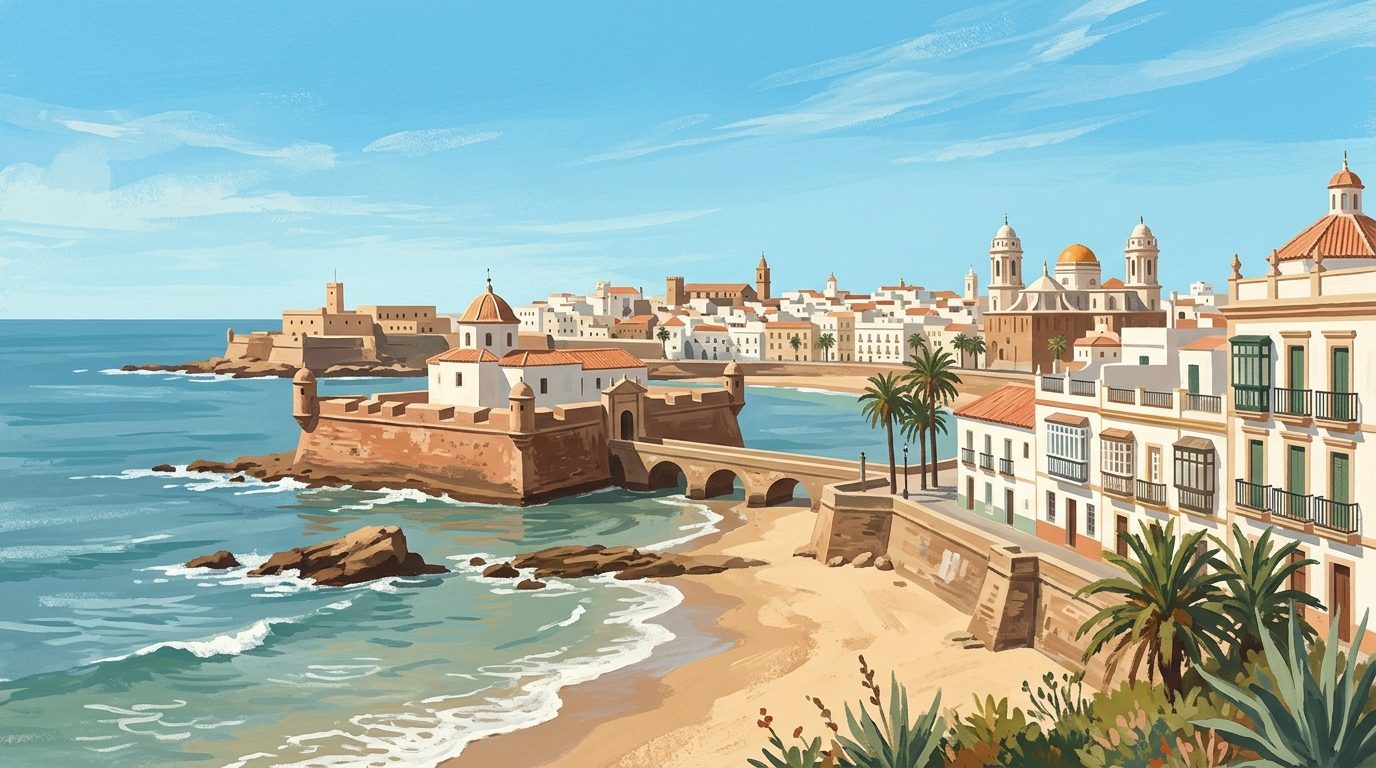
Playa de La Caleta: A Guide to the Historic Heart of Cádiz
Playa de La Caleta is a historic urban bay in Cádiz, famous for its calm waters, ancient fortresses, and the stunning white Balneario spa building.
7 min read
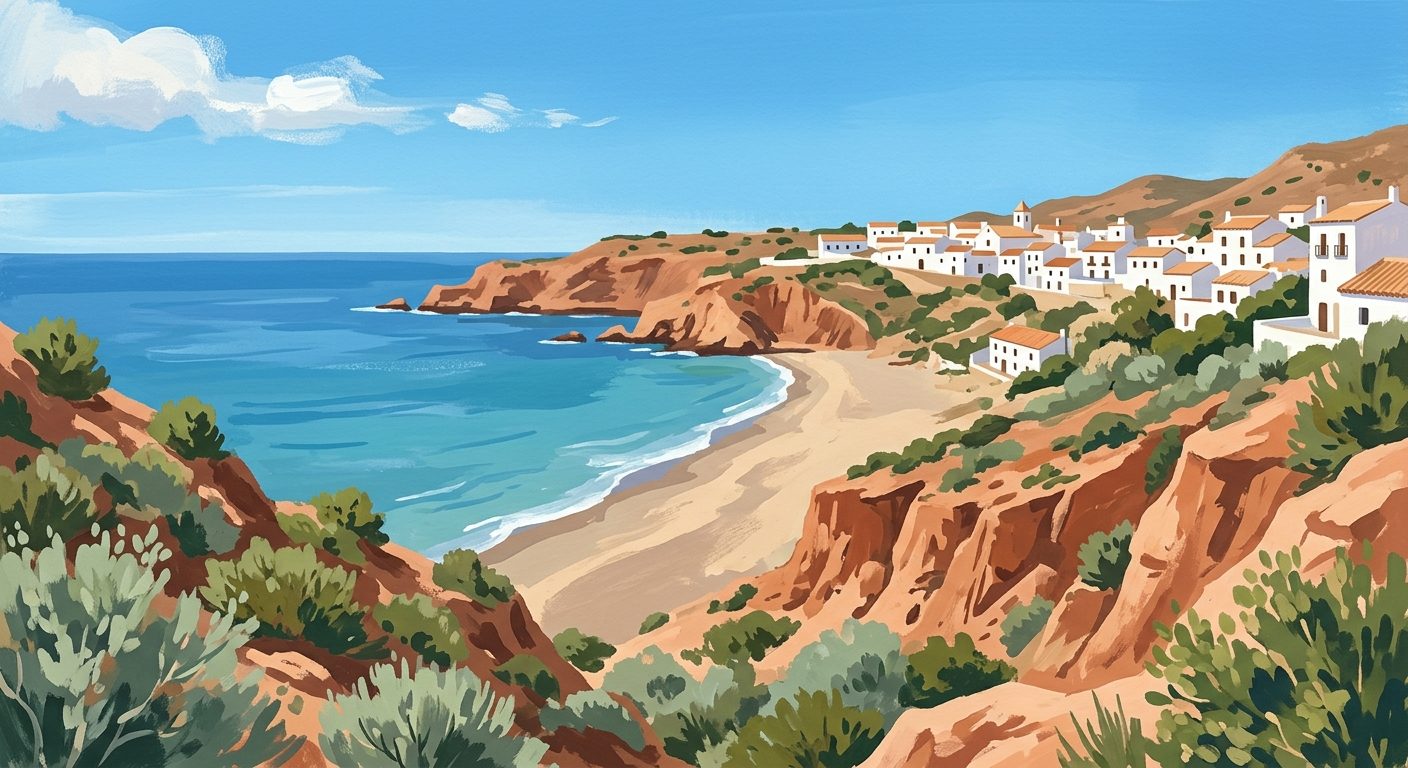
Playa de los Muertos: Almería's Wild Coastal Masterpiece
Playa de los Muertos is a starkly beautiful stretch of white volcanic pebbles and turquoise water, offering some of the clearest swimming conditions in Andalucía.
7 min read
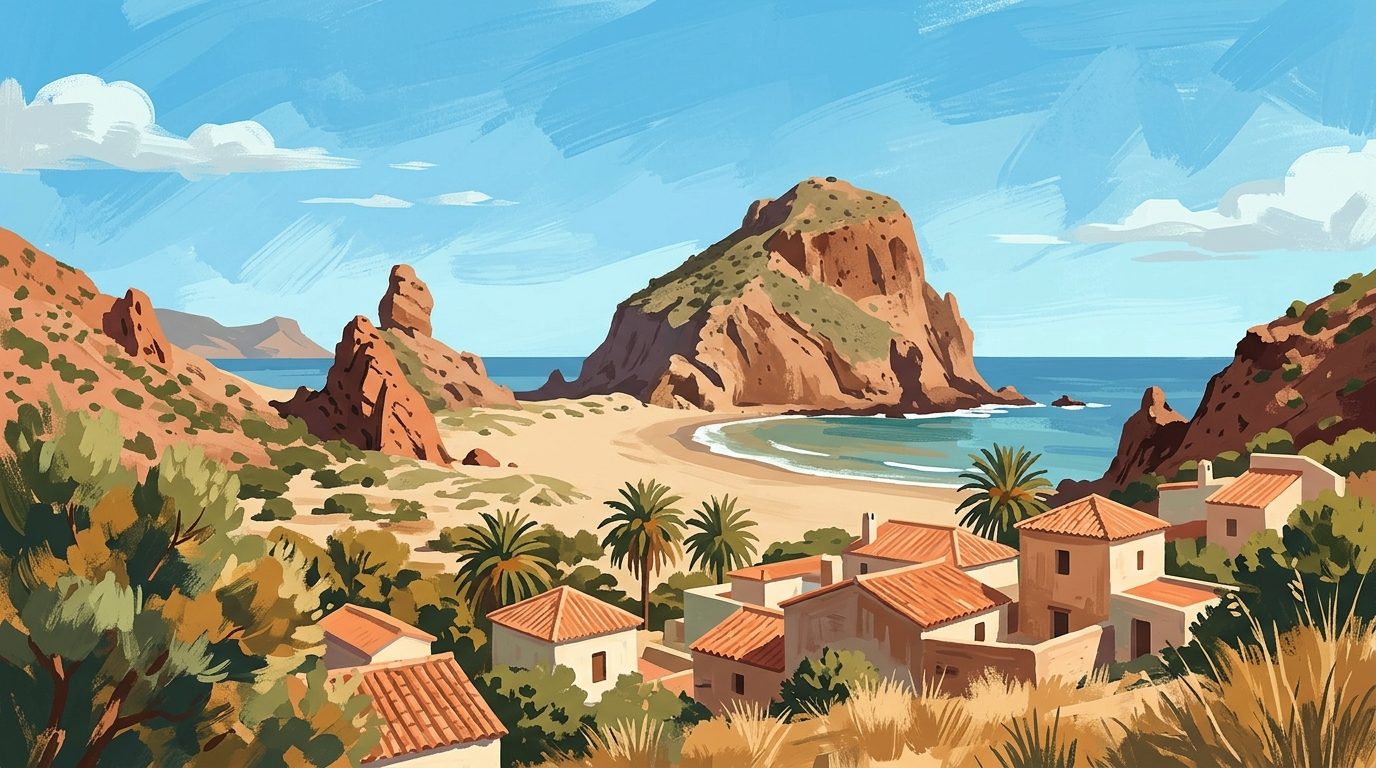
A Guide to Playa de Mónsul: The Volcanic Masterpiece of Cabo de Gata
Discover the volcanic beauty of Playa de Mónsul, an iconic Almerían beach famous for its dramatic lava formations and cinematic history.
7 min read
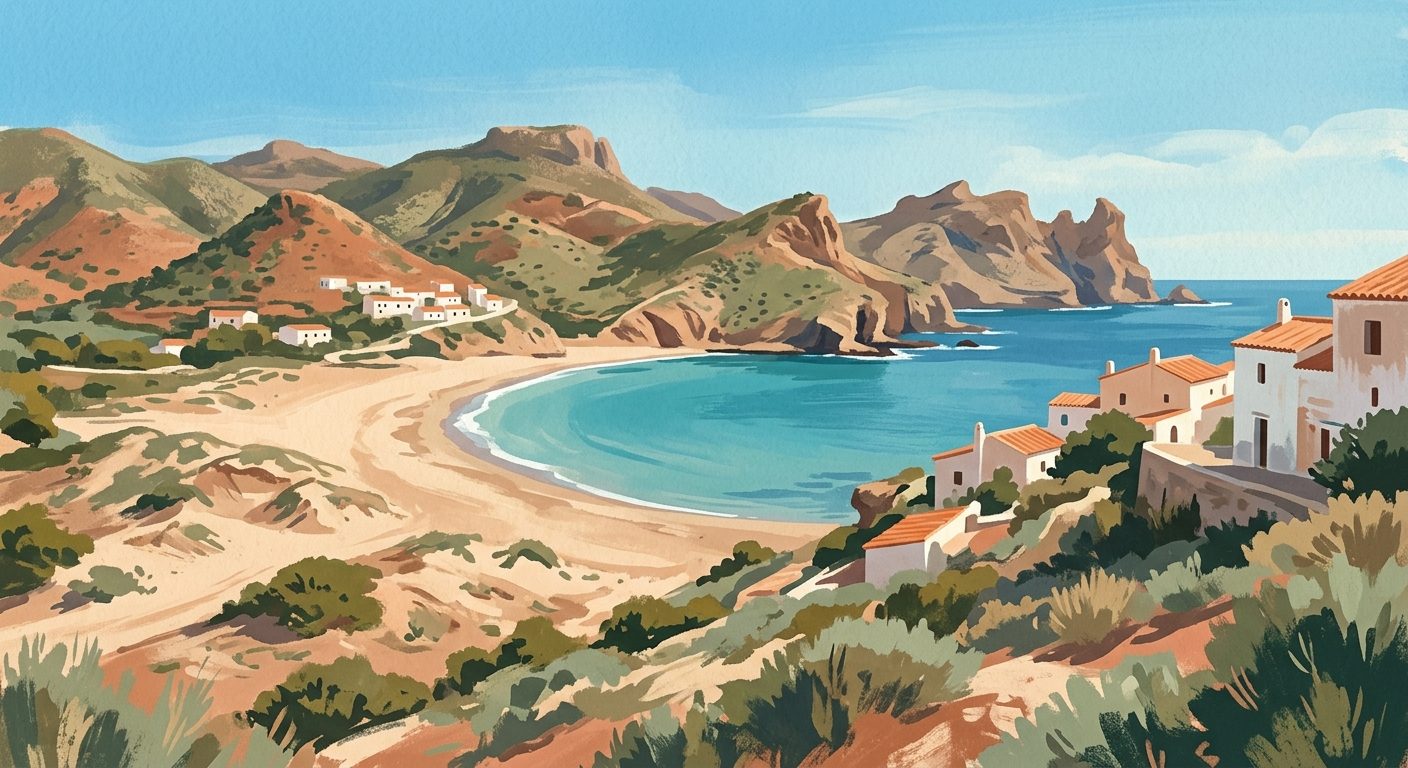
Playa de los Genoveses: A Guide to the Wild Heart of Cabo de Gata
Experience the untouched beauty of Playa de los Genoveses, a vast volcanic bay in Almería where golden sands meet shallow turquoise waters in a protected natural park.
7 min read
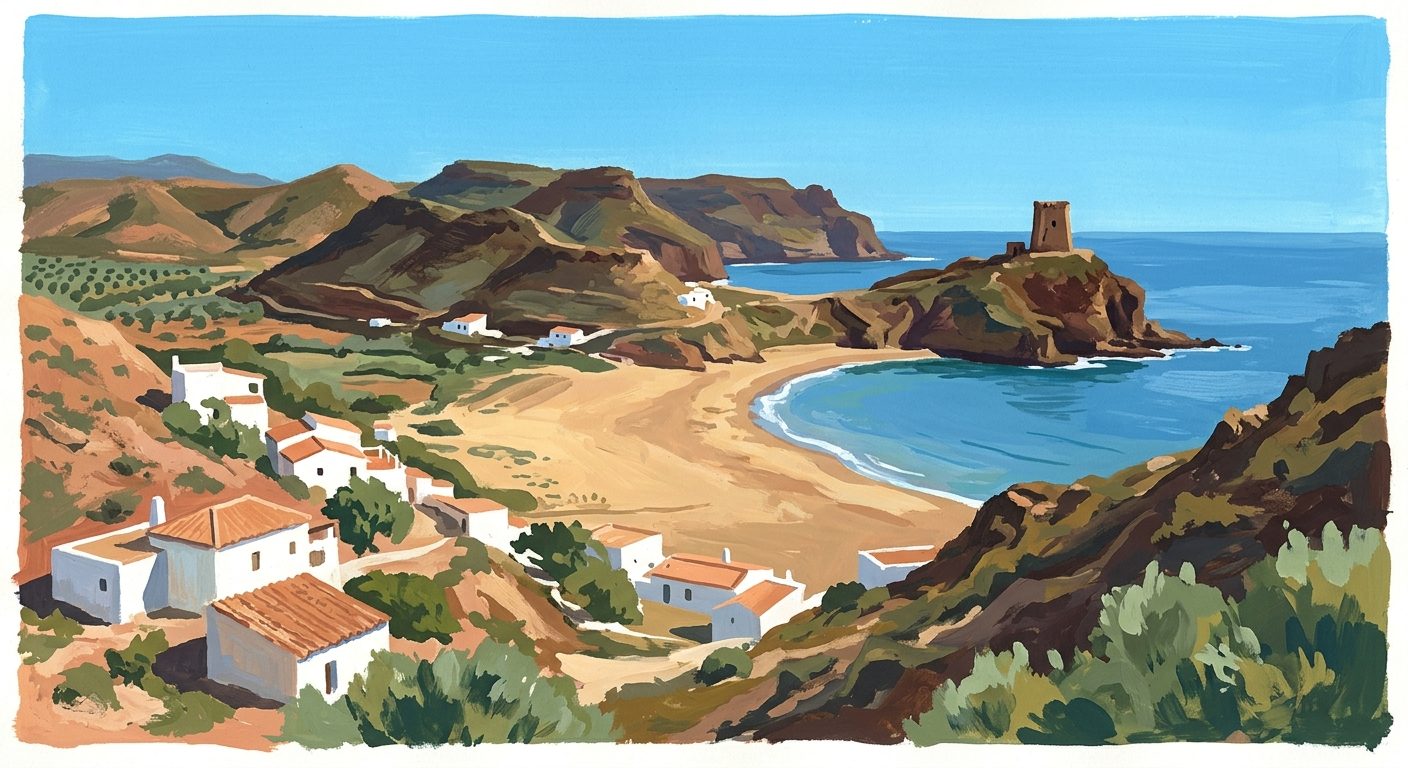
Playa del Playazo: A Guide to Rodalquilar's Golden Coast
A sweeping valley of golden sand flanked by volcanic cliffs and the historic Castillo de San Ramón. This is one of the most accessible yet visually striking beaches in Almería.
7 min read
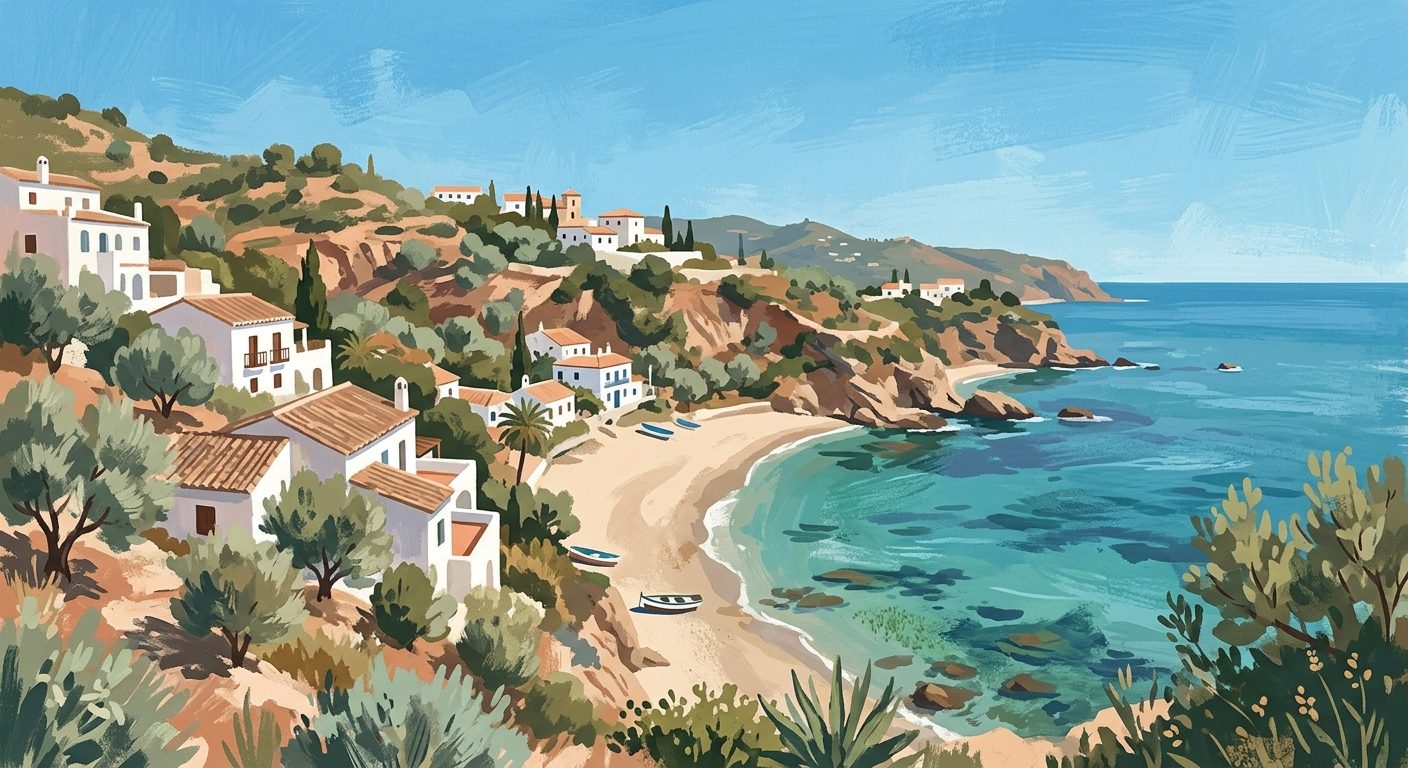
A Guide to Playa de Maro: The Best Snorkelling Beach on the Costa del Sol
Playa de Maro is a rugged, cliff-backed cove that offers some of the clearest waters in the Province of Málaga. This protected stretch of the coast provides a wilder alternative to the urban beaches of nearby Nerja.
7 min read
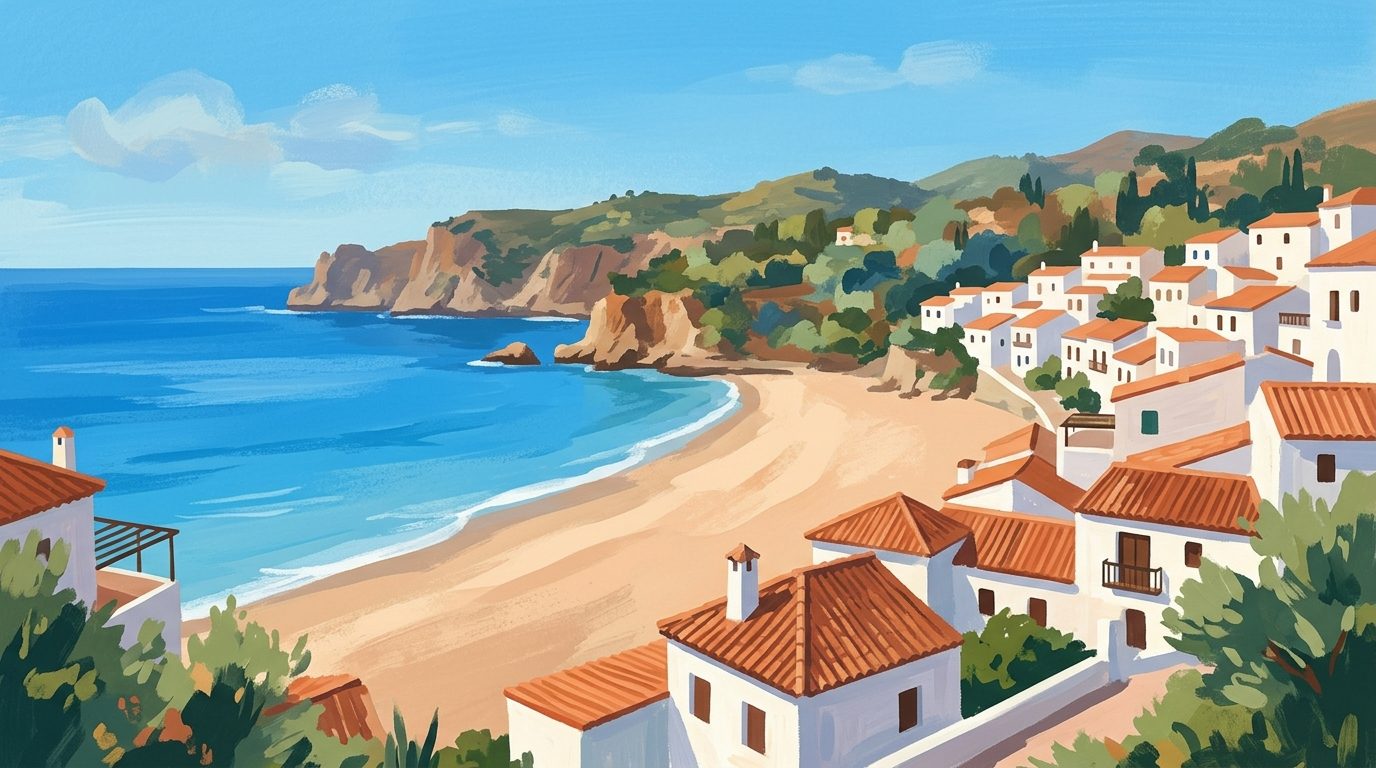
Playa de Burriana: A Guide to Nerja's Premier Beach
Discover Playa de Burriana, the most iconic beach in Nerja, known for its wide sands, excellent chiringuitos, and clear waters on the Costa del Sol.
7 min read

A Local Guide to Playa de La Malagueta in Málaga
Playa de La Malagueta is the iconic urban beach of Málaga, known for its dark sand, sardine skewers, and immediate proximity to the city centre.
7 min read

Playa de Cabopino: Dunes, Pines and Clear Waters near Marbella
A protected enclave of natural dunes and fine sand situated between Marbella and Fuengirola. This coastal stretch offers a rare glimpse of the original Mediterranean landscape.
7 min read
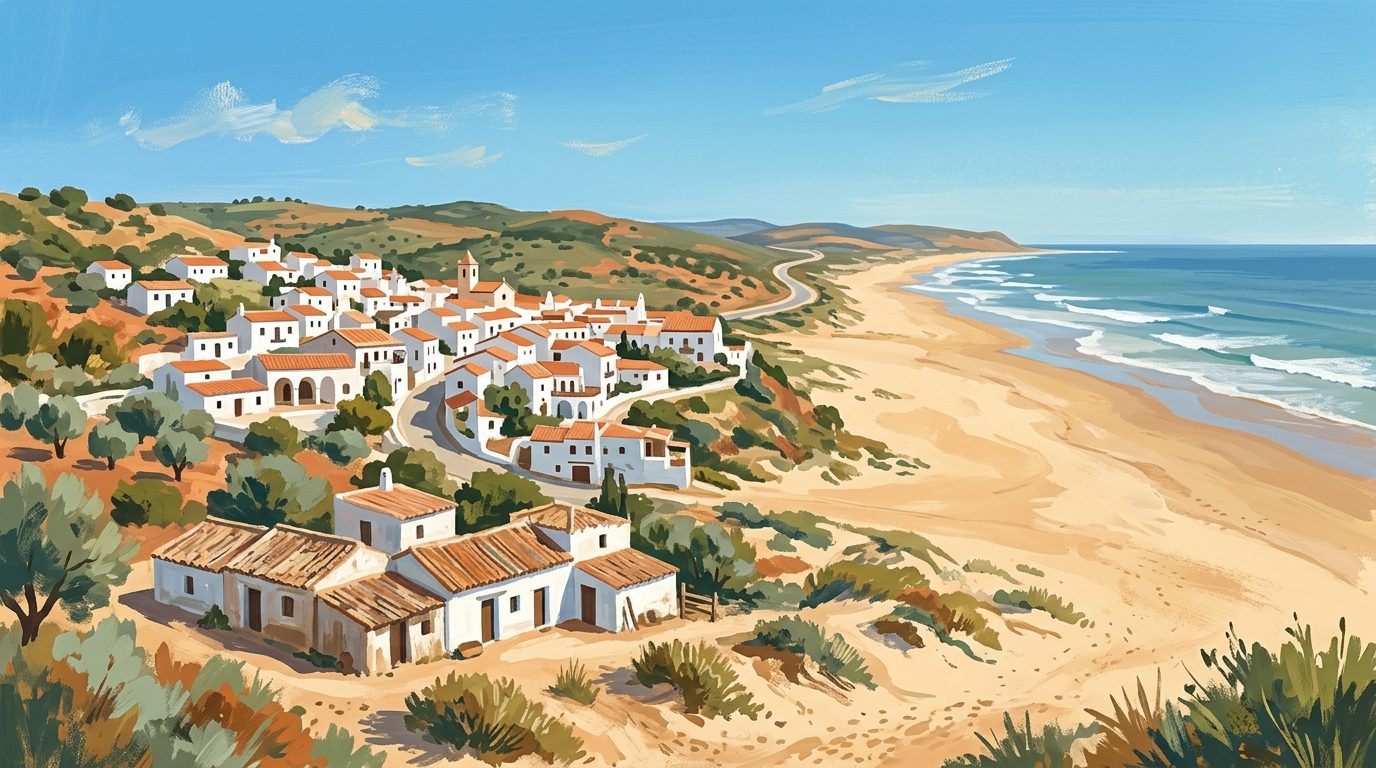
Playa de El Palmar: A Guide to the Surfing Capital of Cádiz
Playa de El Palmar is the undisputed surfing capital of the Costa de la Luz, offering eight kilometres of golden sand and some of the finest sunsets in the province of Cádiz. This expansive shoreline balances a wild, Atlantic character with a thriving scene of beach bars and surf schools.
7 min read
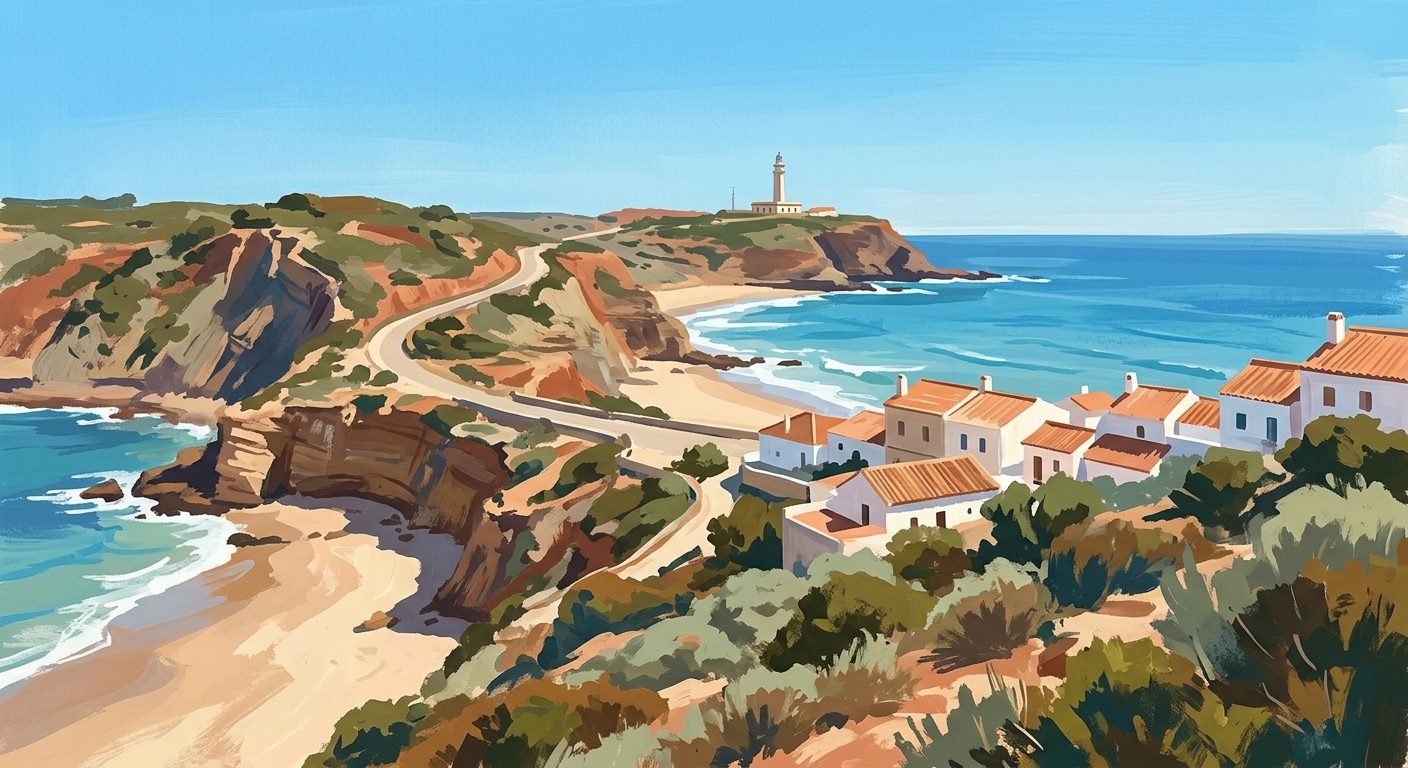
Playa de los Caños de Meca: A Guide to the Cádiz Coastline
Discover the wild Atlantic beauty of Playa de los Caños de Meca, from its freshwater springs to the historic Cape Trafalgar lighthouse.
7 min read
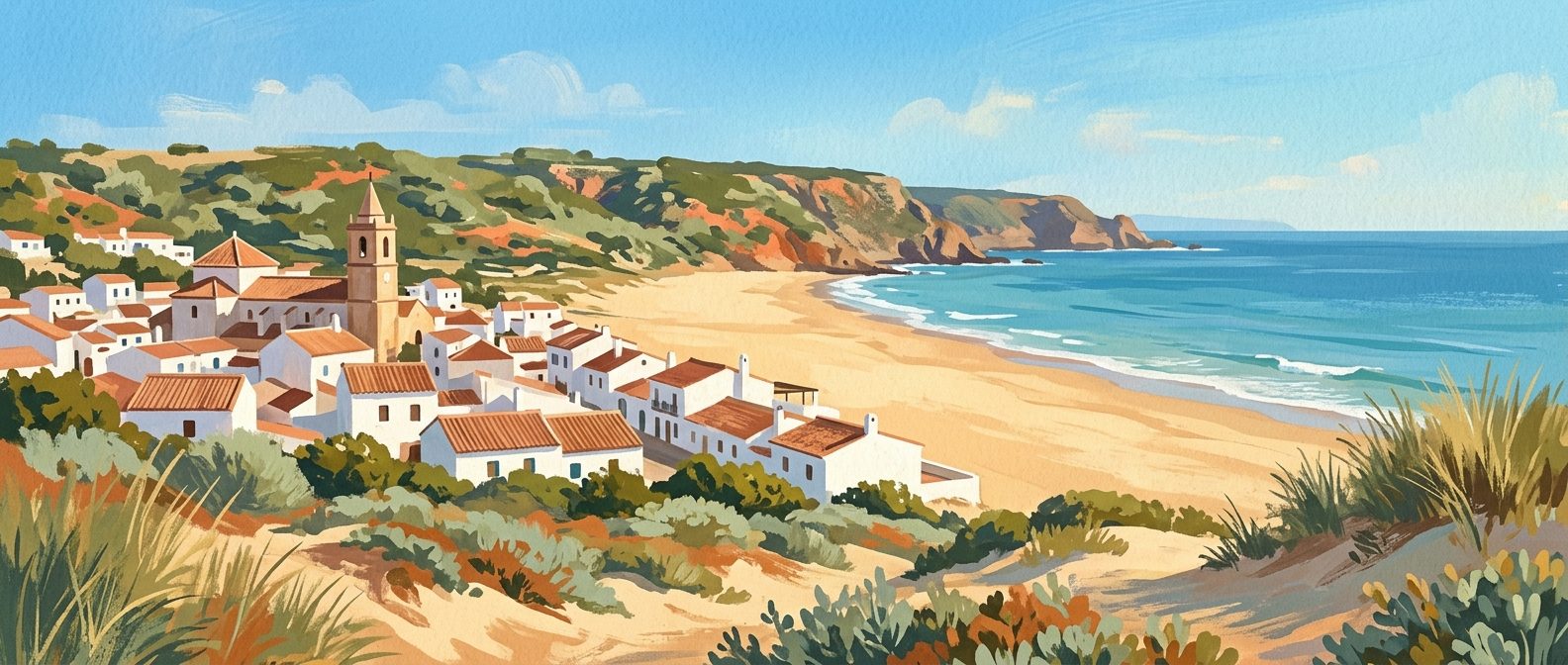
Playa de Zahara de los Atunes: A Guide to the Golden Coast of Cádiz
Experience the vast golden sands and clear Atlantic waters of Playa de Zahara de los Atunes, a highlight of the Cádiz coastline. Discover the best chiringuitos, parking tips, and the ideal times to visit.
6 min read
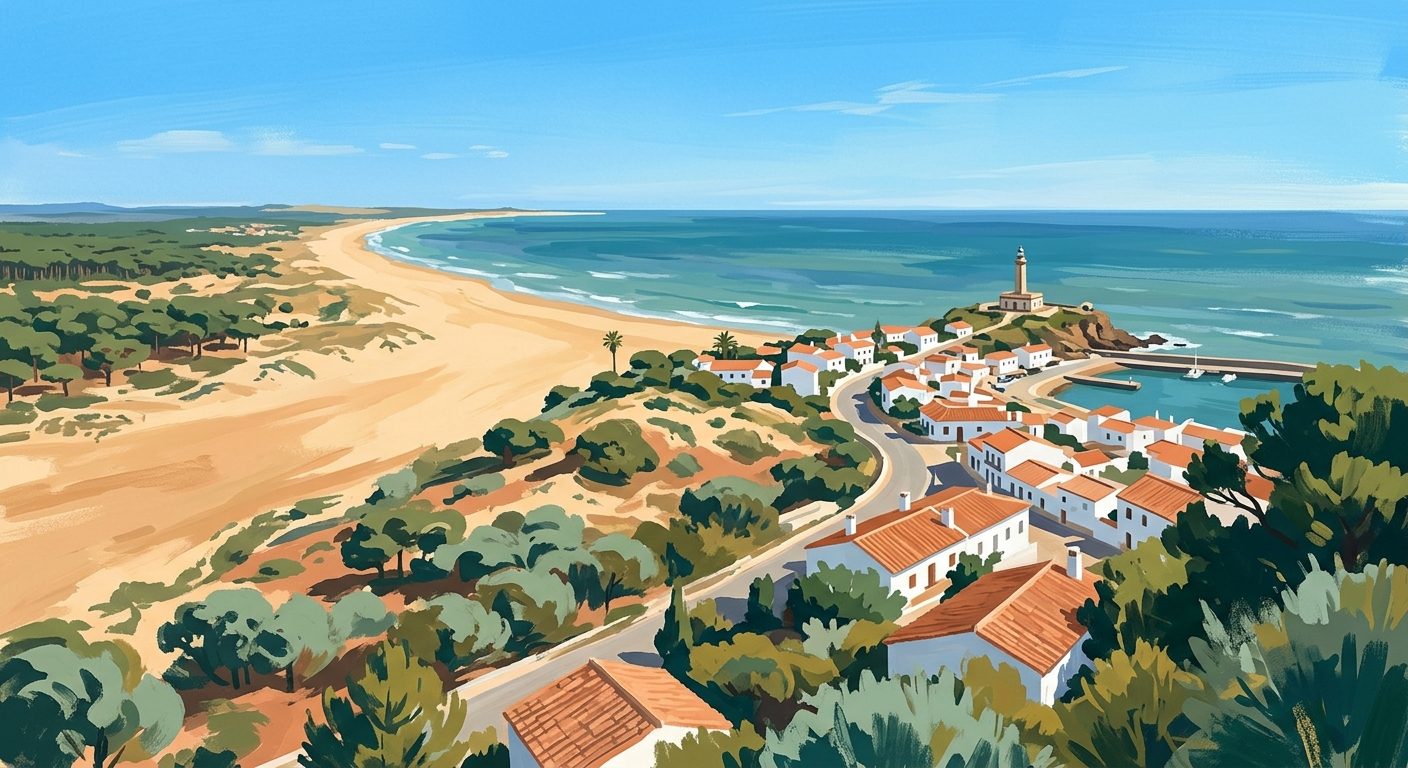
A Complete Guide to Playa de Mazagón: Huelva’s Atlantic Wilderness
Playa de Mazagón is a sprawling Atlantic beach in Huelva, known for its soft golden sand and dramatic sandstone cliffs. Discover everything from the best seafood chiringuitos to the essential safety tips for navigating the tides.
7 min read
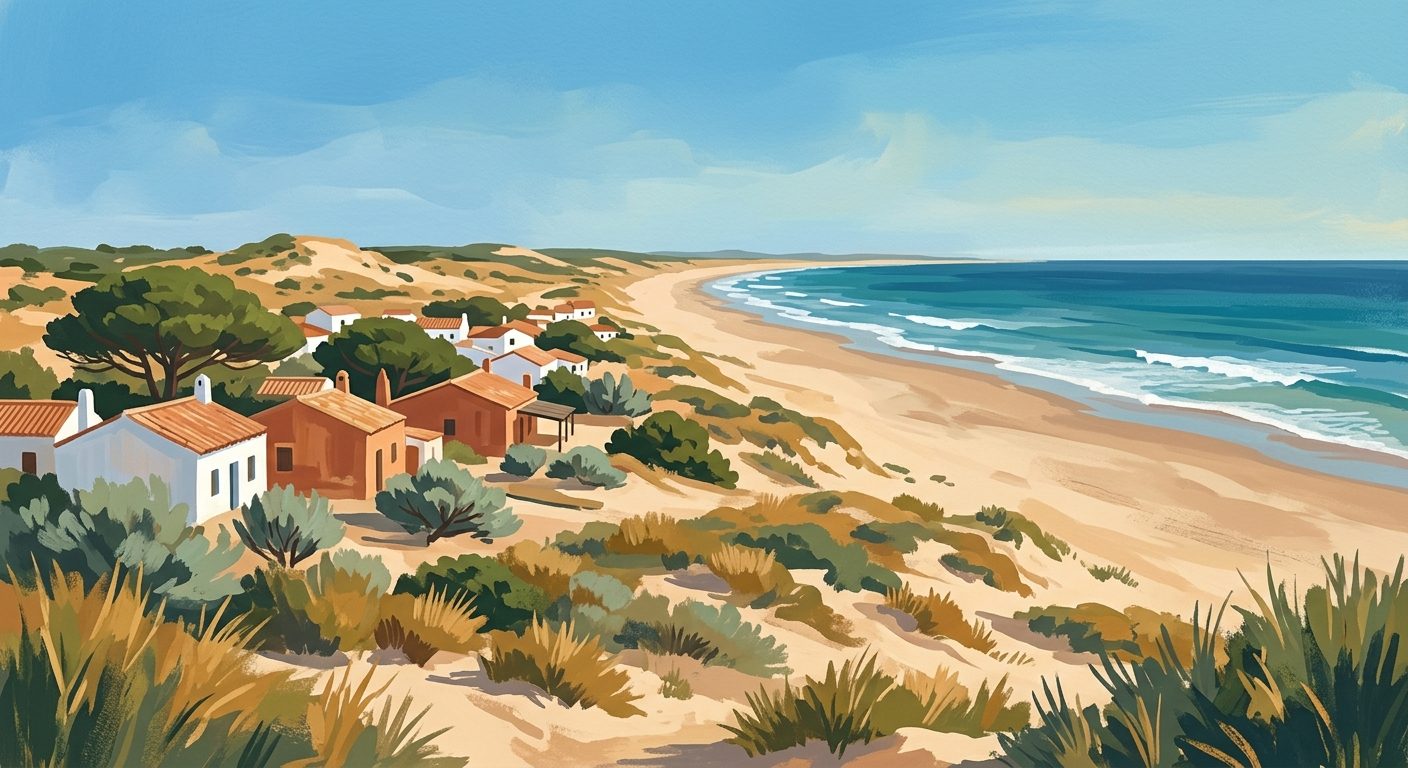
Playa de Castilla: The Wild Frontier of the Doñana Coastline
Playa de Castilla is a vast, 20-kilometre stretch of wild Atlantic coastline bordered by the spectacular orange cliffs of the Doñana National Park.
7 min read
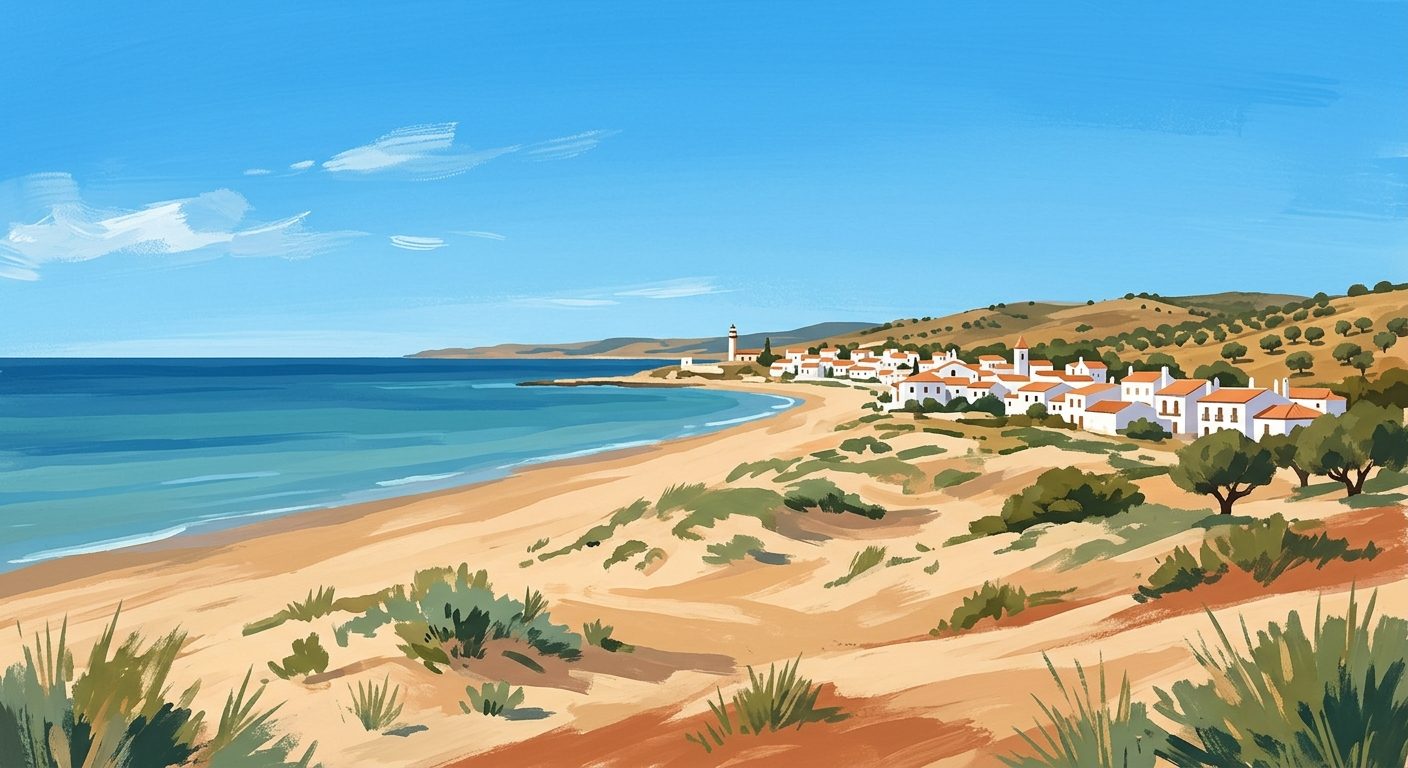
Playa de Isla Canela Beach Guide: Huelva Coastline
Playa de Isla Canela is a vast stretch of fine sand where the Guadiana River meets the Atlantic, famous for its shallow lagoons and family-friendly atmosphere.
7 min read
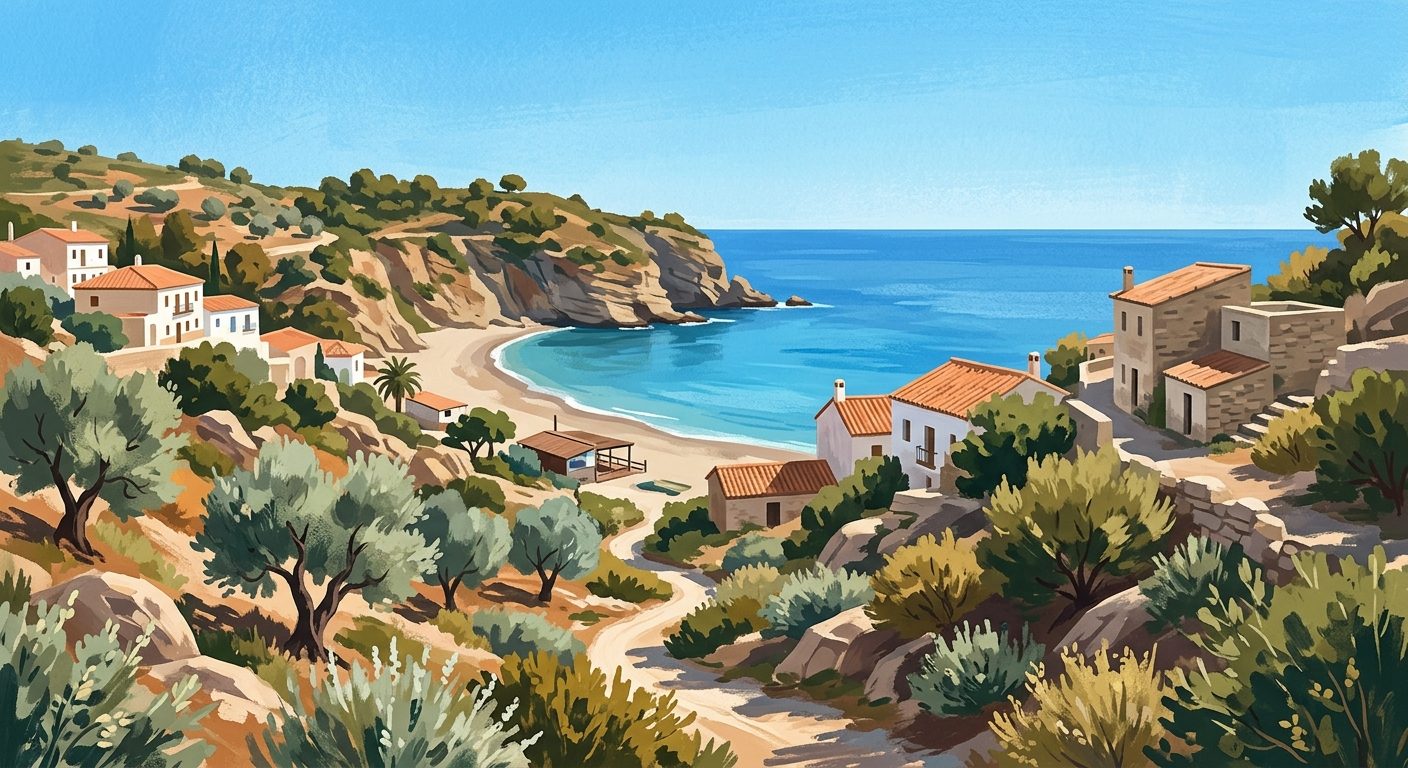
Playa de Cantarriján: A Comprehensive Guide to Granada's Premier Naturist Beach
Playa de Cantarriján is a protected naturist-friendly cove on the Granada coast, offering crystal-clear water and a tranquil escape from the busier resorts.
7 min read
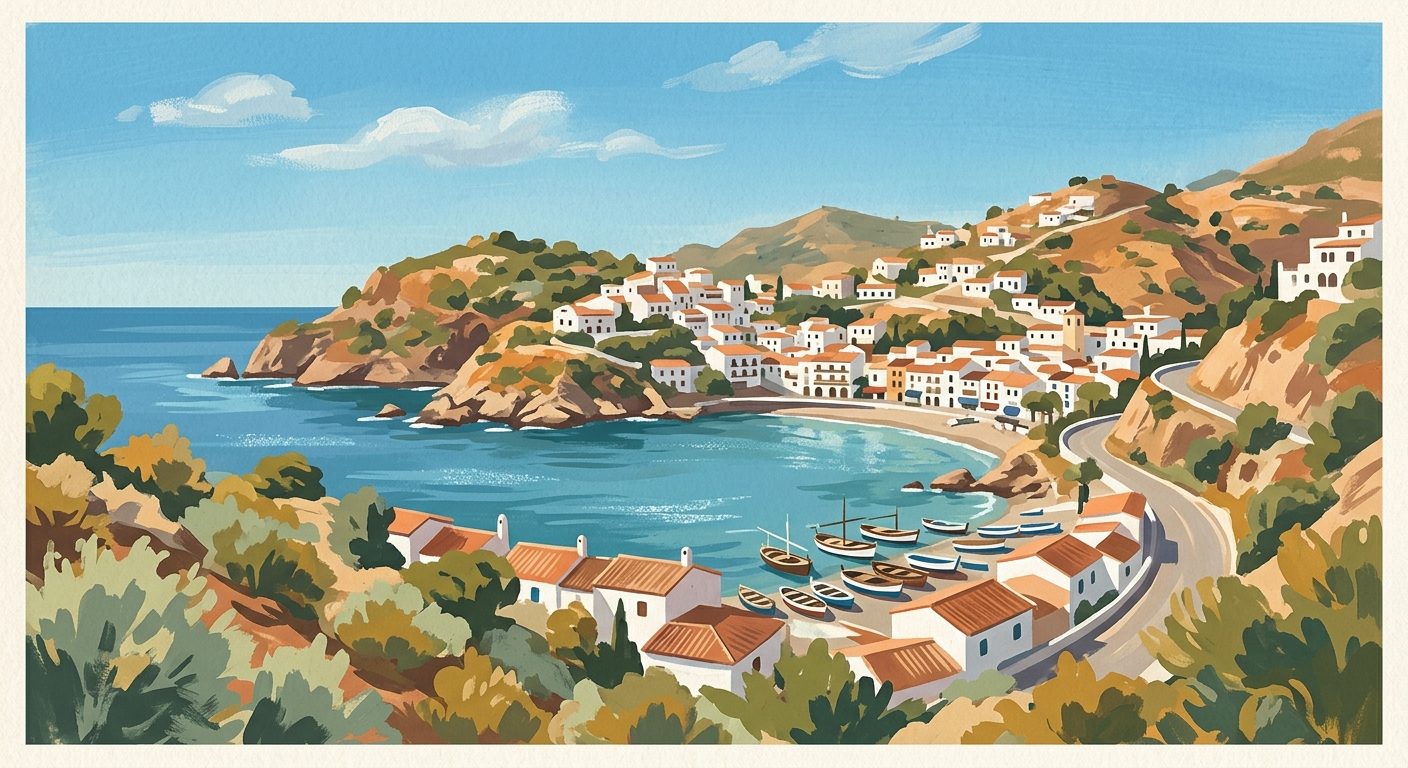
A Guide to Playa de La Herradura: The Horseshoe Bay of the Costa Tropical
A curved bay on the Costa Tropical providing clear waters and a relaxed alternative to the busier resorts of Málaga. It remains a favourite for scuba divers and families seeking a classic Mediterranean setting.
7 min read