
Roman Andalucía: Ruins and Archaeological Sites
Discover the monumental legacy of the Roman province of Baetica, from grand amphitheatres in the Guadalquivir valley to maritime cities on the Atlantic coast.
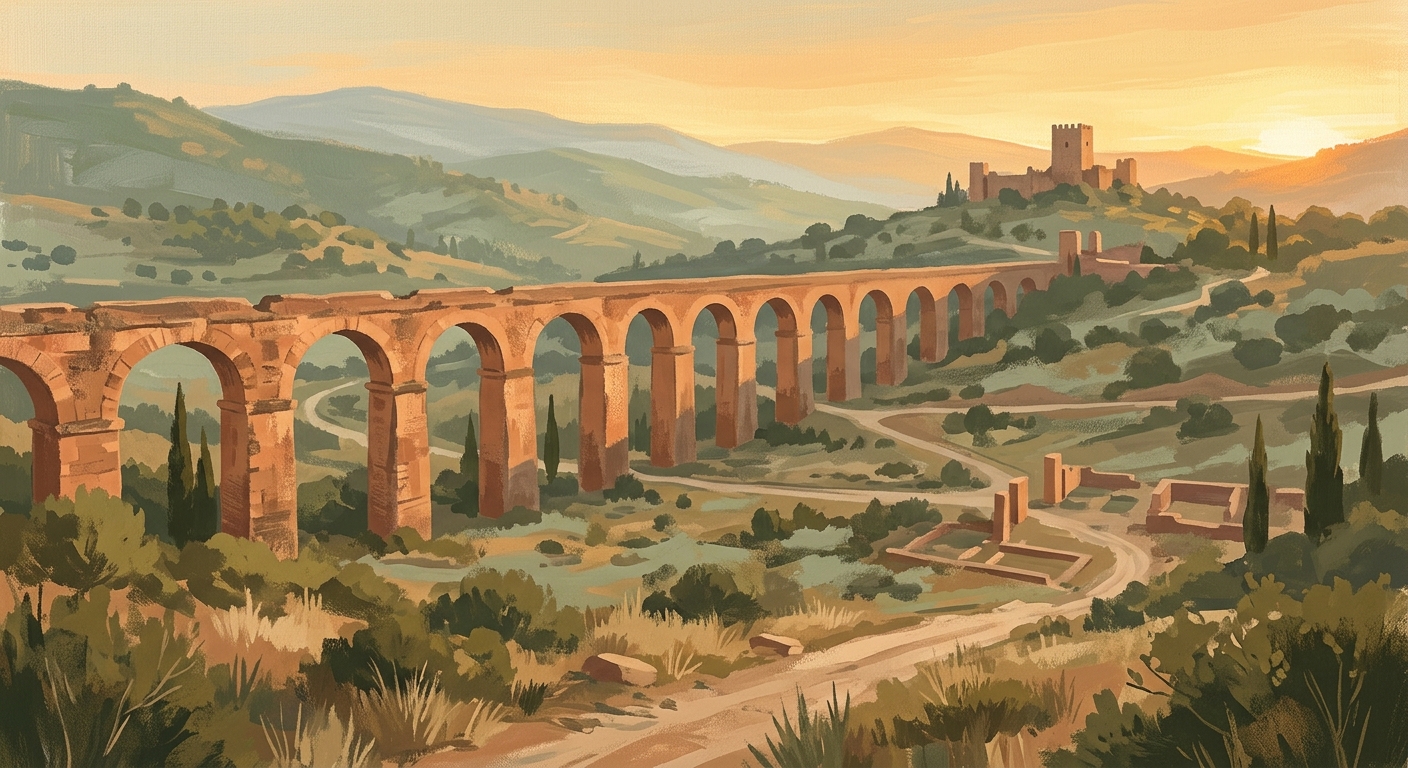
The Roman province of Baetica was among the most prosperous regions of the empire, leaving behind a monumental legacy of amphitheatres, temples, and entire cities. Exploring these sites offers a profound connection to the foundations of Western Mediterranean culture.
The Significance of Baetica
The Roman presence in the Iberian Peninsula reached its zenith in the territory now known as Andalucía. As the province of Baetica, this region served as a cornerstone of the Roman Empire, providing not only essential resources such as olive oil, minerals, and wheat, but also giving rise to some of Rome's most influential figures. It was here that the emperors Trajan and Hadrian were born, marking the first time that men from the provinces ascended to the highest office in the Roman world. This deep connection to the imperial centre ensured that the cities of Baetica were constructed with a level of grandeur and sophistication that rivalled the capital itself.
Travellers who explore these ruins gain an understanding of how the Roman administration transformed the landscape. They introduced complex irrigation systems, paved roads that linked the Atlantic to the Mediterranean, and urban grids that still define the layout of several modern cities. The preservation of these sites allows for a direct encounter with the everyday lives of the ancient population, from the spectacle of the gladiatorial arena to the quiet domesticity of the peristyle gardens in private villas. The influence of Roman law, language, and architecture remains a fundamental layer of the Andalucían identity today, making these archaeological sites more than mere ruins; they are the blueprints of modern Europe.
The strategic importance of the region was largely due to the Guadalquivir river, known then as the Baetis. This navigable waterway allowed for the efficient transport of goods from the fertile interior to the Atlantic coast and onward to Rome. Consequently, the river banks became lined with thriving urban centres that showcased the height of Roman engineering and luxury. From the monumental public buildings of Corduba and Italica to the industrial fish-salting factories of the coast, the remains tell a story of a highly organised and economically integrated society.
How they cluster
The Roman sites of Andalucía can be logically grouped into three main geographical and functional categories, which help in planning an itinerary based on location and historical context. The first cluster is found in the Guadalquivir Valley, primarily within the provinces of Sevilla and Córdoba. This area was the political and administrative heart of Baetica. Here, the sites are characterised by their monumental scale, including massive amphitheatres, large-scale mosaics, and sophisticated urban planning that reflected the imperial favour bestowed upon the region. These sites provide the best examples of civic and religious architecture, such as temples and forums.
The second cluster is located along the coastlines of Cádiz and Málaga. These sites represent the maritime and industrial strength of the province. Many of these locations were originally Phoenician settlements that the Romans expanded and industrialised. They are famous for their involvement in the production of garum, a fermented fish sauce that was a staple of the Roman diet and a highly valuable export. These coastal sites offer a unique perspective on the Roman relationship with the sea, featuring ruins of port facilities, thermal baths overlooking the water, and well-preserved fish-processing tanks.
The third cluster is situated in the interior and eastern parts of the region, particularly in Jaén and the foothills of the Sierra Morena. These sites were often established to control mining operations or to govern the vast agricultural estates that produced the empire's olive oil. The archaeology here tends to focus on defensive structures, storage facilities, and elite villas. These locations provide insight into the rural economy and the military presence required to maintain order and secure the flow of goods to the river ports.
In what order to visit
For those wishing to experience the full scope of Roman Andalucía, a logical sequence would begin in the west and move towards the east, following the historical flow of trade. Starting in the province of Sevilla allows for an immediate introduction to the grandeur of imperial architecture. The massive amphitheatres and residential districts found here set a high standard for the rest of the journey. From here, a move south towards the coast of Cádiz offers a shift in perspective, focusing on the maritime trade and the stunning natural settings that the Romans chose for their seaside retreats.
Following the coastline east into Málaga provides further examples of how Roman urban life integrated with the Mediterranean shore. After exploring these coastal ruins, the journey should turn inland toward the province of Córdoba. This was the provincial capital, and although much of the Roman city lies beneath the modern one, the surviving elements such as the bridge and the remains of temples are essential for understanding the administrative power of Baetica. The sequence can then be concluded in the province of Jaén, where the focus shifts to the frontier cities and the agricultural wealth of the interior.
Alternatively, one could follow the route of the Via Augusta, the longest and most important road in Roman Hispania. This route roughly follows the Guadalquivir valley and then heads towards the coast, providing a historical narrative of how troops, merchants, and officials moved through the landscape. This approach emphasises the connectivity of the Roman world and the logistical brilliance that allowed such a large empire to function as a single economic unit.
When to go
The timing of a visit is crucial for enjoying these archaeological sites, many of which are located in open, exposed landscapes with little shade. The spring months of March, April, and May are ideal, as the weather is mild and the surrounding countryside is often in full bloom. During this period, the temperatures are comfortable for walking through large outdoor complexes, and the natural light is perfect for photography, particularly at sites located near the sea where the water and ruins create a striking visual contrast.
Autumn, specifically September and October, is another excellent window. The intense heat of the summer has typically faded, yet the days remain long enough to visit multiple locations in a single day. Visiting in winter can also be rewarding, especially in the southern coastal areas where the climate remains temperate. However, the shorter daylight hours may require a more condensed schedule. The summer months of July and August should generally be avoided for the inland sites, as the heat in the Guadalquivir valley can be extreme, often exceeding forty degrees Celsius, which makes exploring outdoor ruins difficult and physically demanding.
Practical notes
When planning a trip to the Roman ruins of Andalucía, it is important to check the opening hours in advance, as many sites have distinct summer and winter schedules. Many of the most significant archaeological ensembles are managed by the regional government and offer free entry to European Union citizens with valid ID (please note that following Brexit, UK citizens are usually required to pay the modest non-EU visitor fee; check on the operator's website before travelling). It is worth noting that several sites are closed on Mondays, which is a standard practice for many public museums and monuments in Spain.
Accessibility varies across the different locations. While some sites have invested in wooden walkways and ramps to accommodate wheelchairs and those with limited mobility, others remain quite rugged, with uneven stone paths and steep inclines. Sturdy walking shoes are highly recommended regardless of the site. Additionally, many of the more remote sites have limited facilities, so it is advisable to carry water and sun protection. For the more popular locations near major cities, pre-booking tickets online can be helpful during peak travel seasons to ensure entry, though many sites are vast enough that they rarely feel overcrowded.
The following list provides a detailed look at the specific Roman sites across the region, each contributing its own unique piece to the puzzle of ancient Baetica.
Italica (Santiponce, Sevilla)
Located just outside Sevilla, Italica was the birthplace of the emperors Trajan and Hadrian. The site is renowned for its colossal amphitheatre, which was one of the largest in the empire, and its remarkably preserved floor mosaics. For current opening times, visit the official Italica website.
Baelo Claudia (Bolonia, Tarifa)
Situated on the stunning Bolonia beach in the province of Cádiz, Baelo Claudia offers a comprehensive look at a Roman maritime town. Visitors can explore the remains of the forum, temples, theatre, and the extensive garum production facilities. Check the Baelo Claudia portal for visitor information.
Acinipo (Ronda, Málaga)
Perched on a high plateau surrounded by the Serranía de Ronda, Acinipo features a spectacular theatre carved directly into the bedrock. The site highlights the agricultural wealth of the interior and offers sweeping views of the surrounding countryside. Access details are available via the official Acinipo archaeological enclave page.
Carteia (San Roque, Cádiz)
This archaeological enclave at the head of the Bay of Gibraltar was originally a Phoenician settlement before becoming a significant Roman port. It is notable for its defensive walls, thermal baths, and maritime industrial zones. Guided tour schedules can be found on the official Carteia archaeological enclave page.
The Roman Bridge (Córdoba)
Spanning the Guadalquivir river, this imposing structure formed part of the Via Augusta. While heavily restored over the centuries, its foundational arches remain a reminder of Roman engineering. As a public thoroughfare, it is open at all times, seamlessly connecting the ancient and modern city.
11 guides in this collection
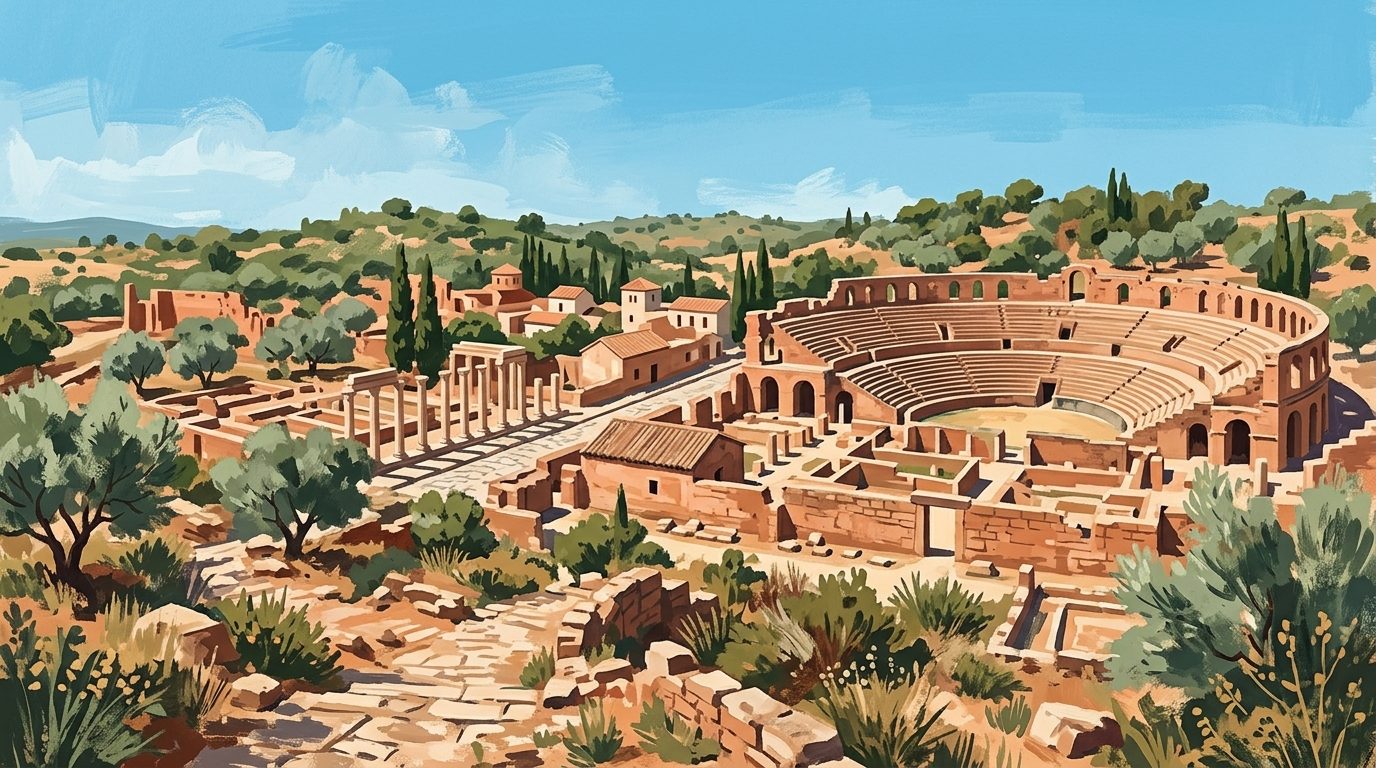
Itálica: Walking the Imperial Streets of Roman Sevilla
Discover Itálica, the first Roman city in Hispania and birthplace of emperors Trajan and Hadrian, featuring a massive amphitheatre and stunning mosaics.
5 min read
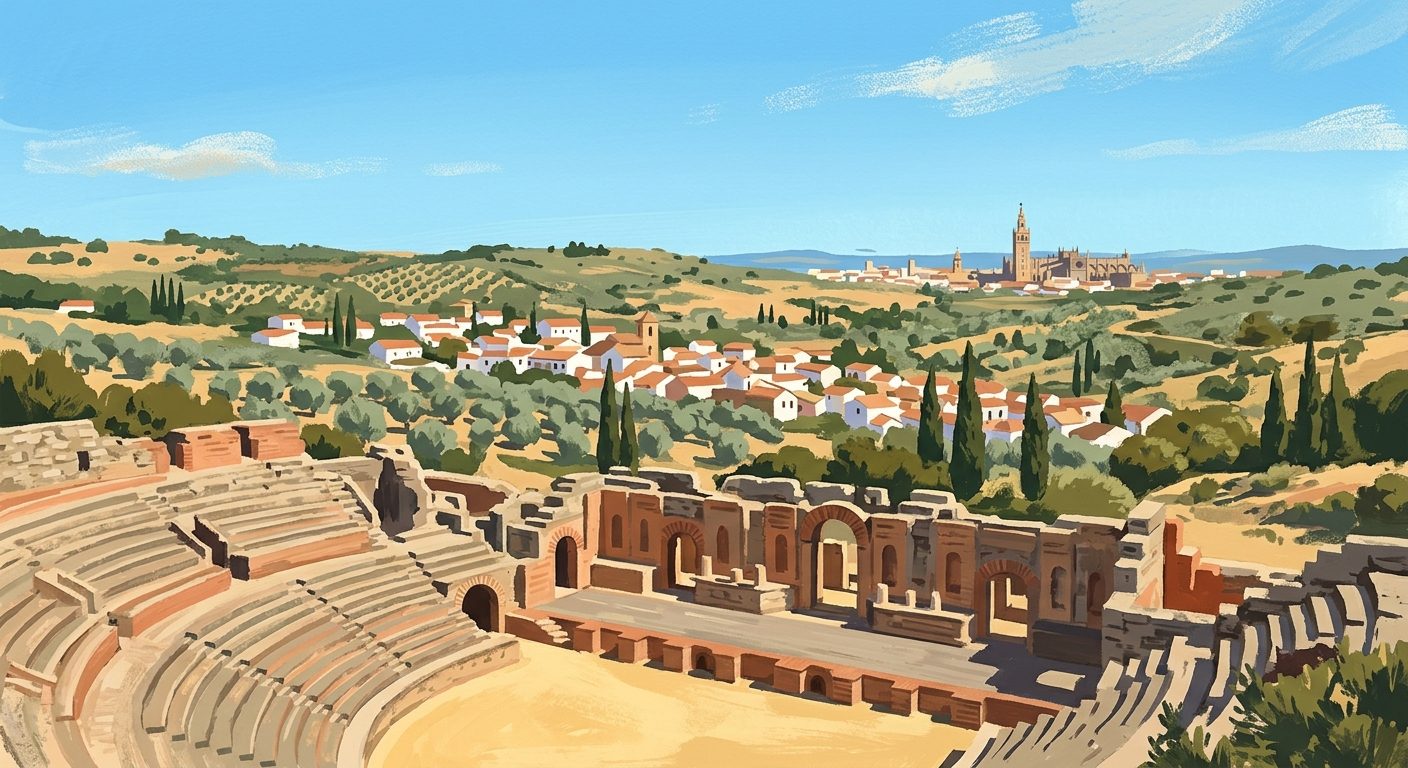
Rome on the Guadalquivir: A Guide to Itálica and Roman Sevilla
Walk the streets of Hadrian's birthplace at Itálica and uncover the Roman foundations hidden beneath modern Sevilla.
6 min read
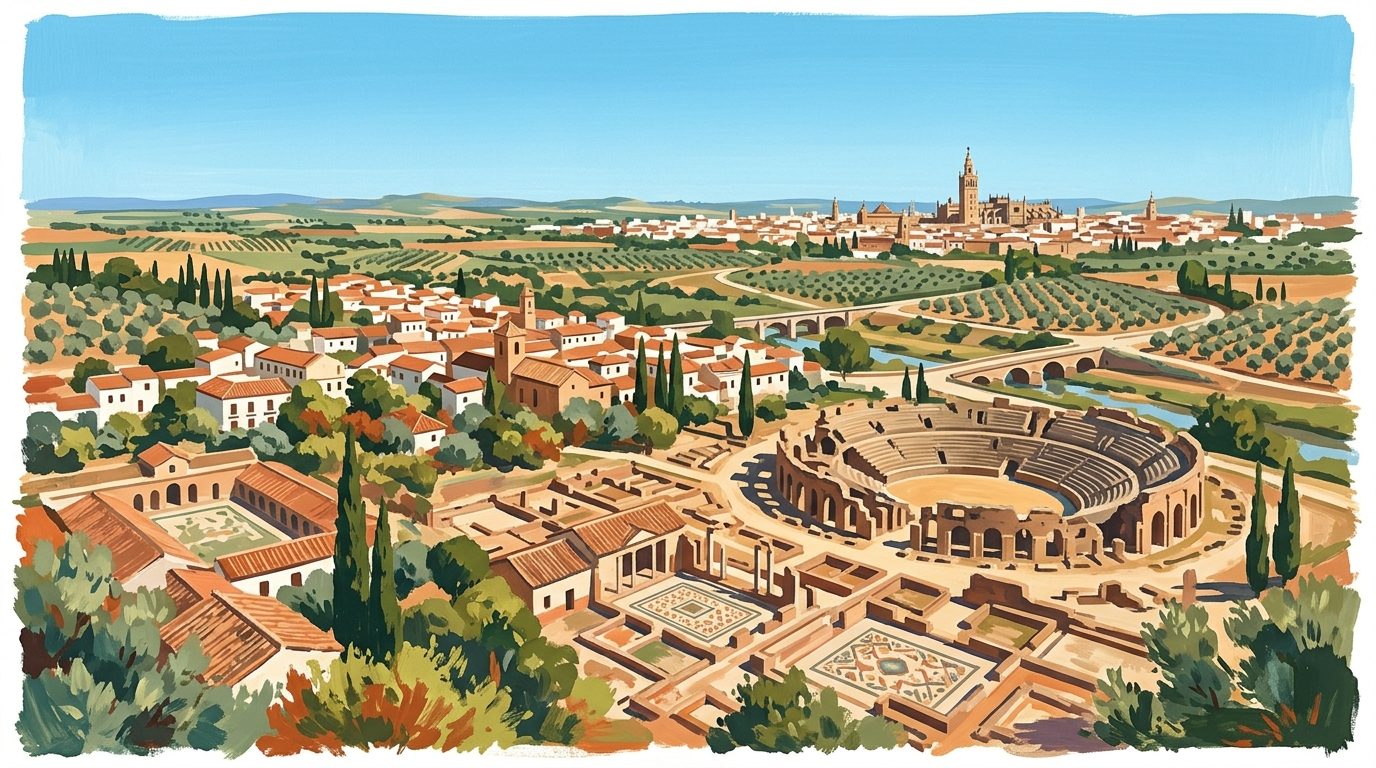
Santiponce: The Roman Legacy and Mediaeval Grandeur of Sevilla's Gateway
Discover Santiponce, the gateway to the Roman ruins of Itálica and the historic San Isidoro del Campo monastery just outside Sevilla.
5 min read
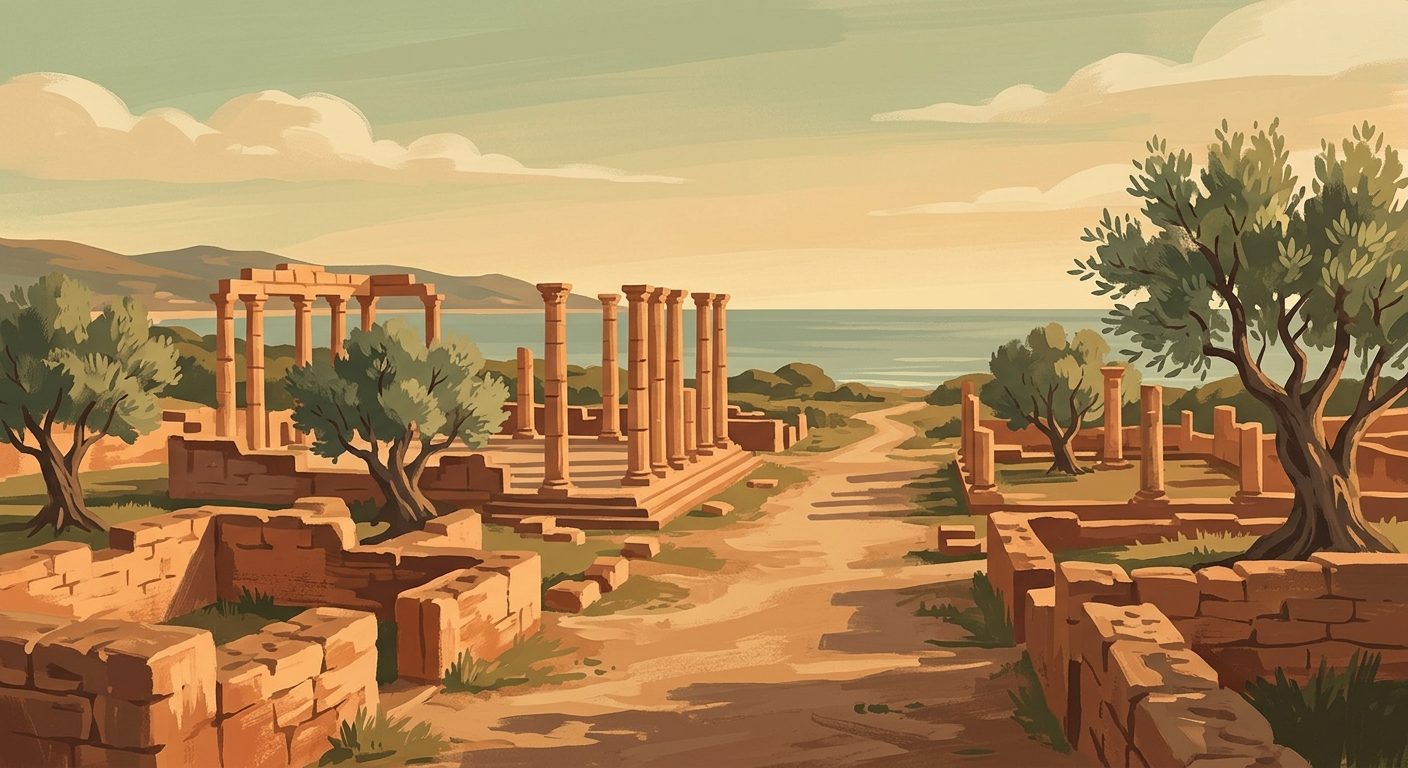
Roman Hispania Baetica: Itálica, Baelo Claudia and the Olive Economy
How did a distant southern province become the economic engine of the Roman Empire and the birthplace of emperors? The answer lies in the fertile soils and sheltered harbours of Hispania Baetica.
7 min read
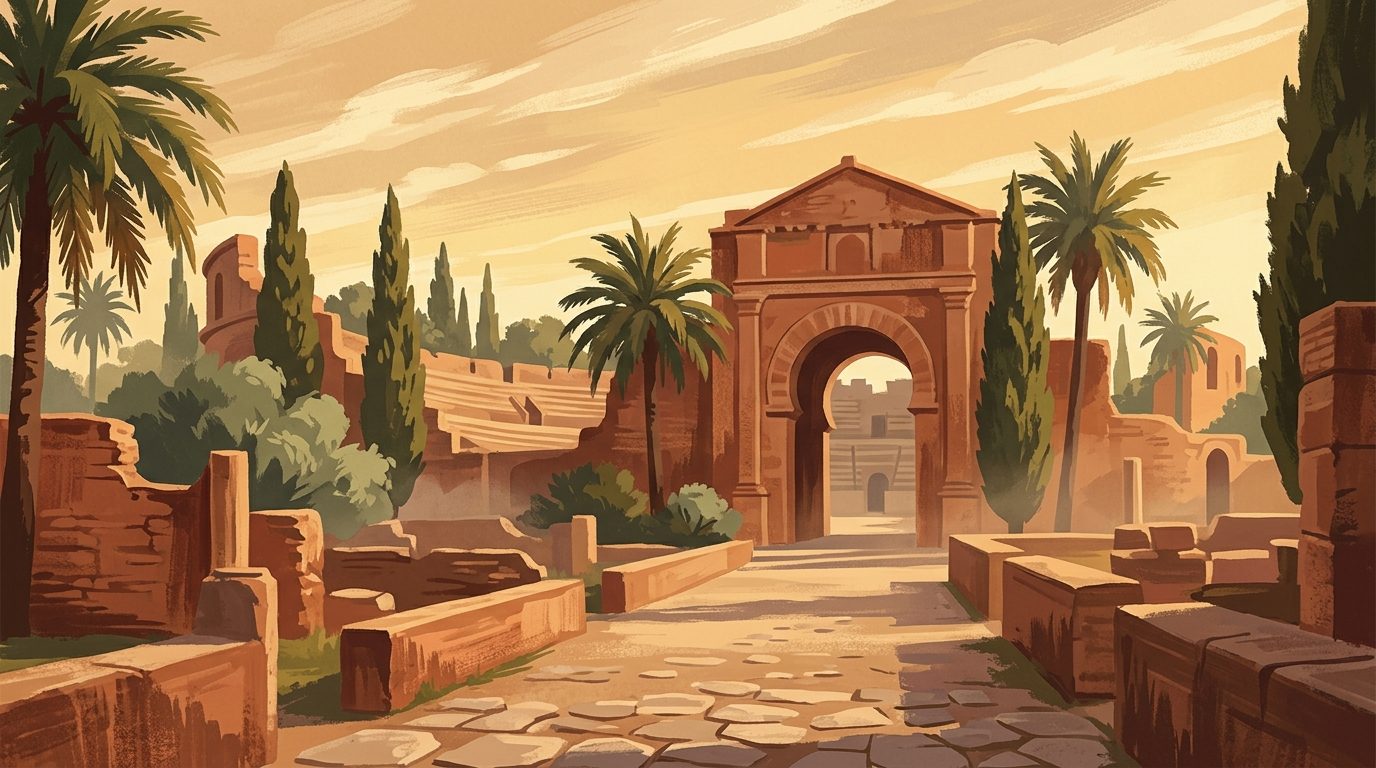
Itálica and the Emperor-Makers
Founded for wounded soldiers after a crushing military victory, Itálica rose from a provincial outpost to become a political powerhouse. By the second century AD, this settlement in southern Spain was reshaping the Roman world, producing two of its most formidable emperors.
9 min read
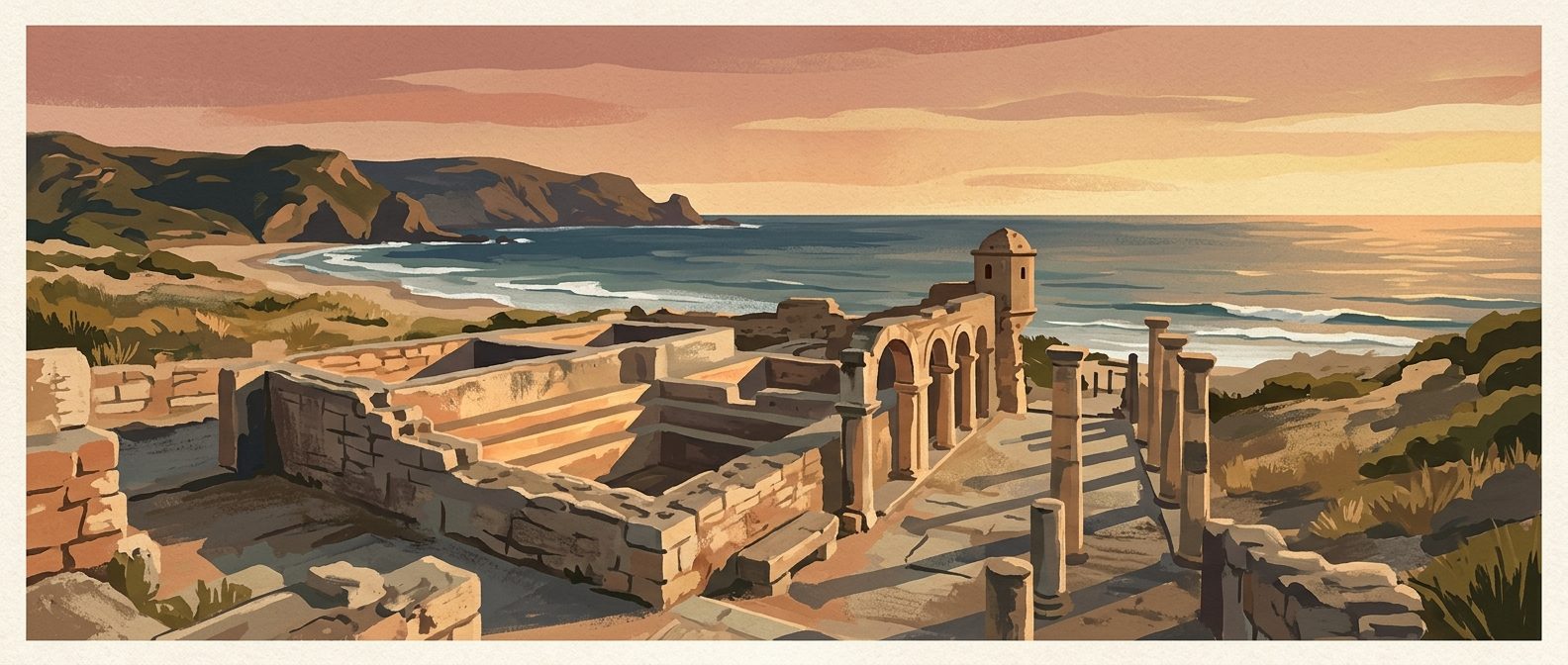
Baelo Claudia and the Garum Trade
On the windswept sands of the Cádiz coast, a complete Roman city was built entirely around the seasonal migration of bluefin tuna. This coastal settlement produced the empire's most prized condiment, shipping millions of amphorae to Rome.
8 min read
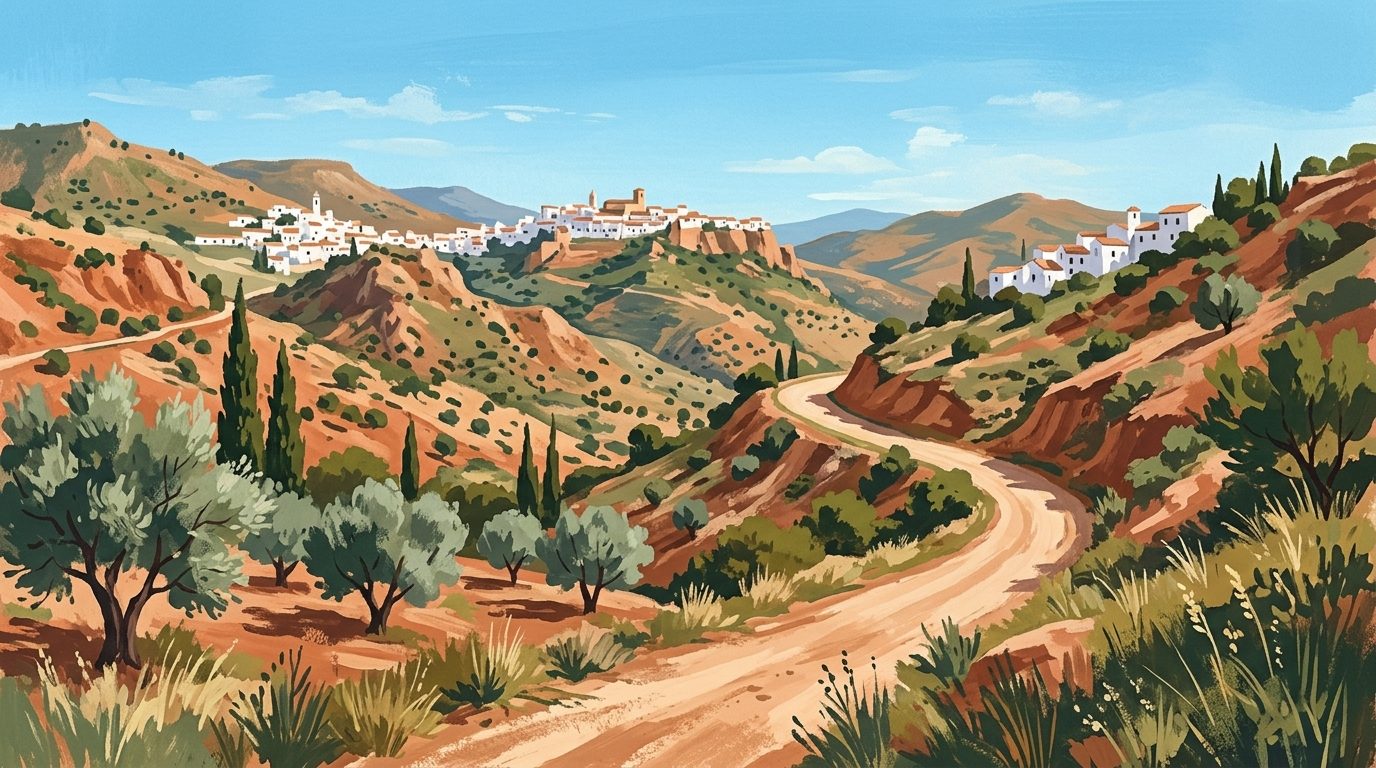
Roman Andalucía Heritage Trail
Before the Moorish emirs reshaped southern Spain, this territory was the fiercely wealthy Roman province of Baetica, a crucial supplier of olive oil and emperors to the empire. This seven-day route traces the classical footprint across Andalucía, leading you from coastal fish-salting ruins and lonely mountain amphitheatres to the architectural remnants that bridged the fall of Rome and the rise of Al-Andalus.
9 min read
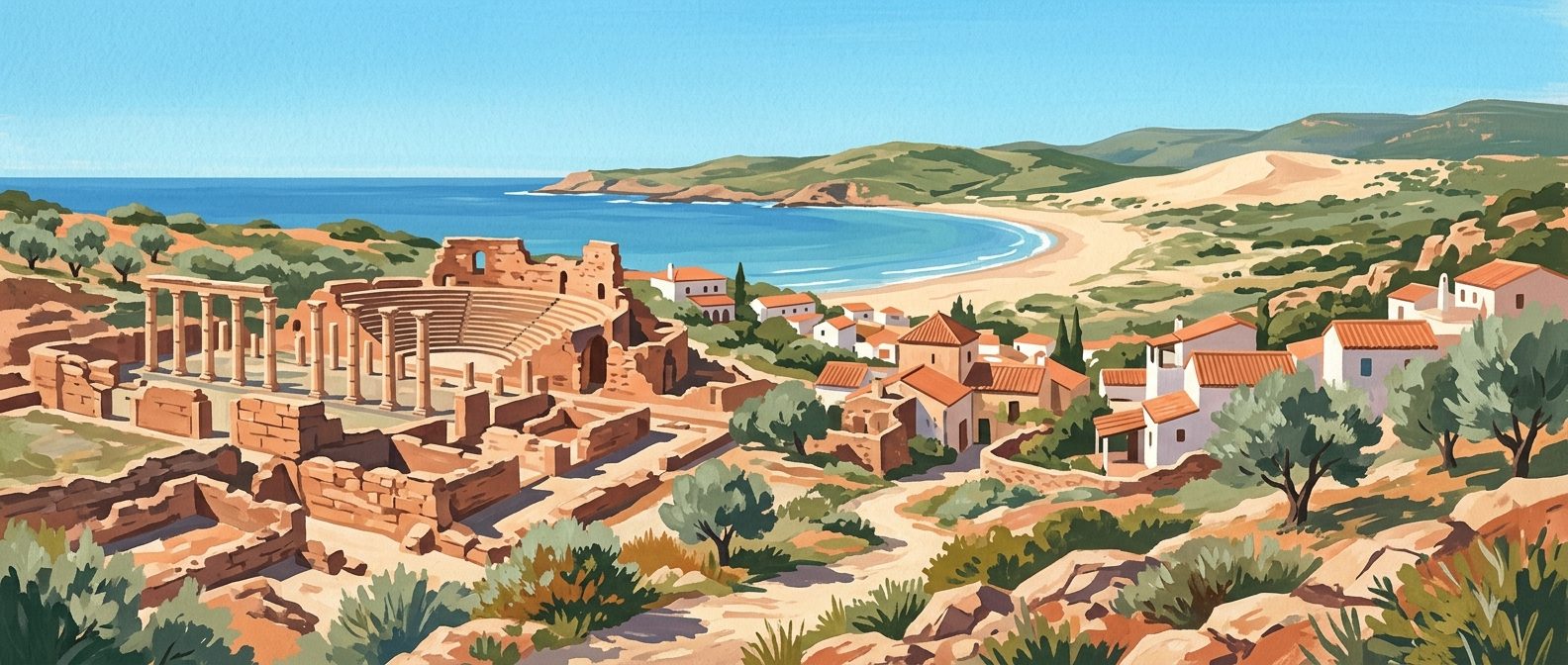
Bolonia: A Guide to the Cádiz Coast’s Roman Ruins and Great Dune
A quiet coastal hamlet where the remarkably intact ruins of Baelo Claudia meet a towering Atlantic sand dune. This Cádiz highlight offers a slower pace of life and a glimpse into Roman maritime history.
5 min read
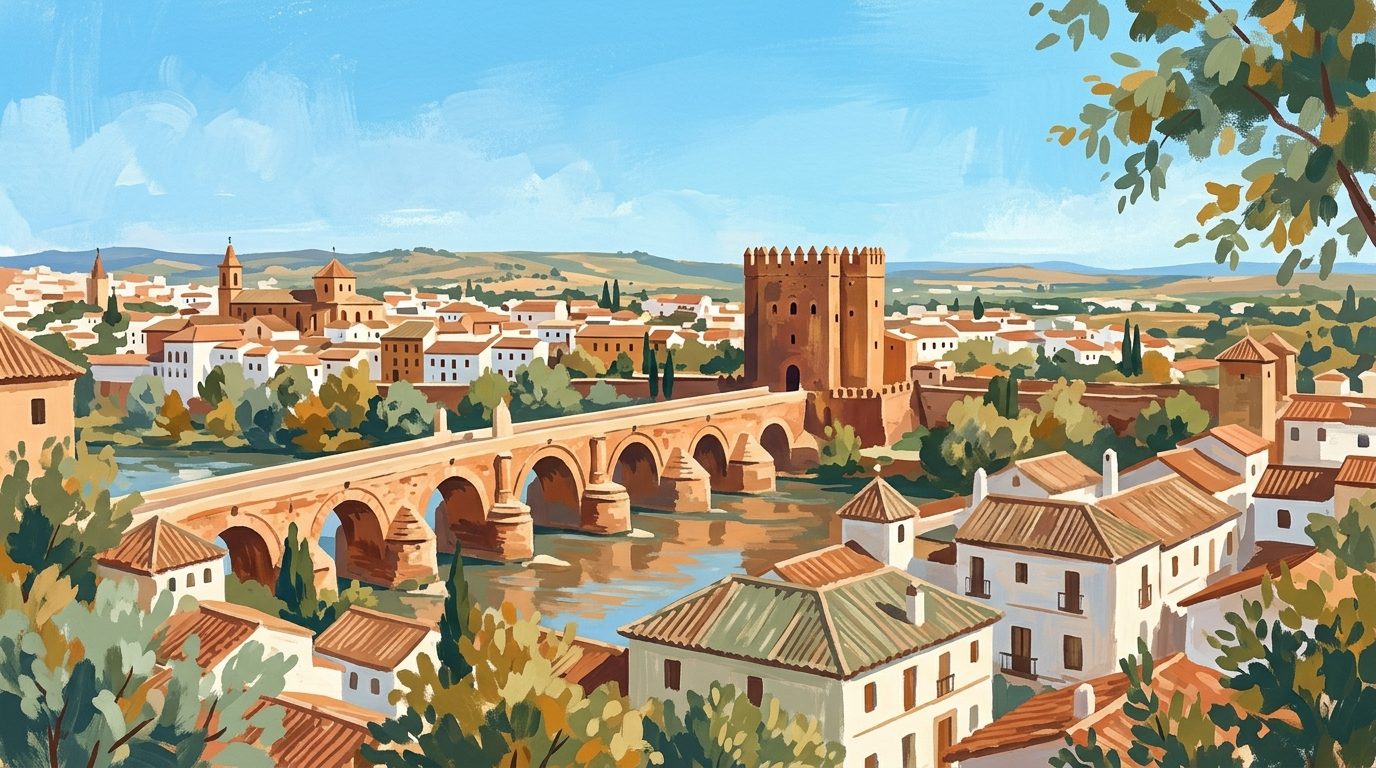
Crossing History: A Guide to the Roman Bridge and Calahorra Tower in Córdoba
Walk across two thousand years of history on Córdoba's Roman Bridge and explore the Almohad-era Calahorra Tower, which offers the city's finest views and a museum dedicated to Andalucían heritage.
6 min read
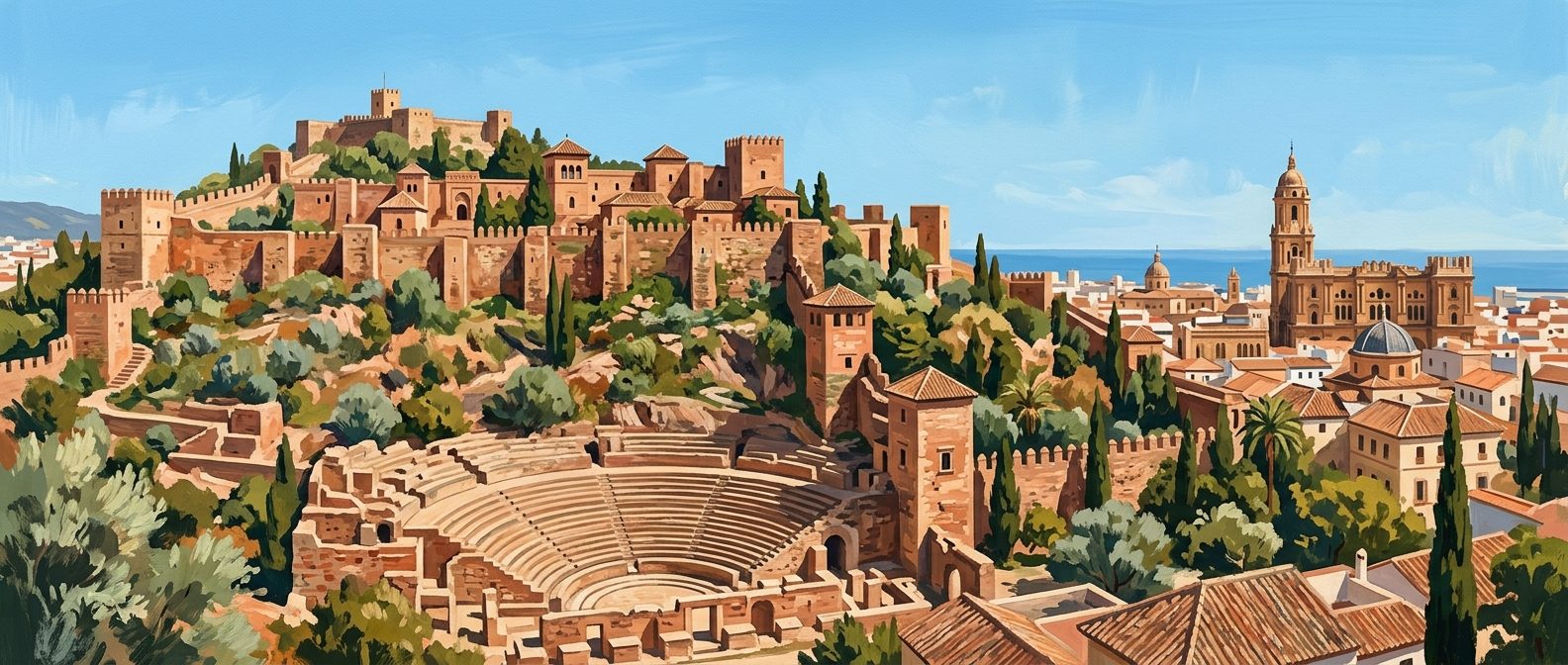
A Guide to the Alcazaba and Roman Theatre in Málaga
Discover the layers of Málaga's history at the 1st-century Roman Theatre and the formidable Moorish Alcazaba fortress.
5 min read
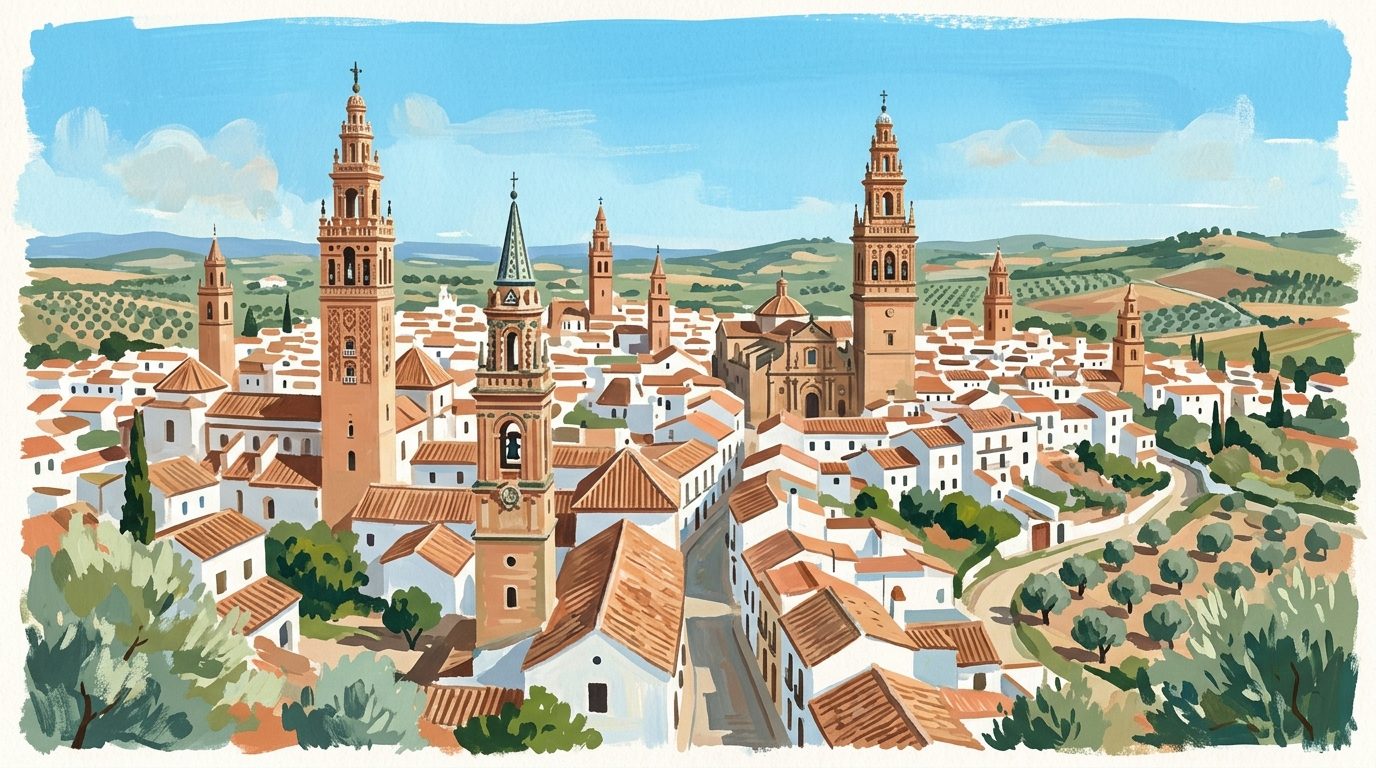
A Guide to Écija: The City of Towers and Roman Treasures
Often called the frying pan of Andalucía for its intense summer heat, Écija rewards visitors with an extraordinary skyline of Baroque towers and world-class Roman mosaics.
6 min read