
Castles and Fortresses of Andalucía
The fortresses of Andalucía are the stone guardians of a complex past, marking the ancient frontiers between empires and offering some of the most spectacular views in the southern peninsula.
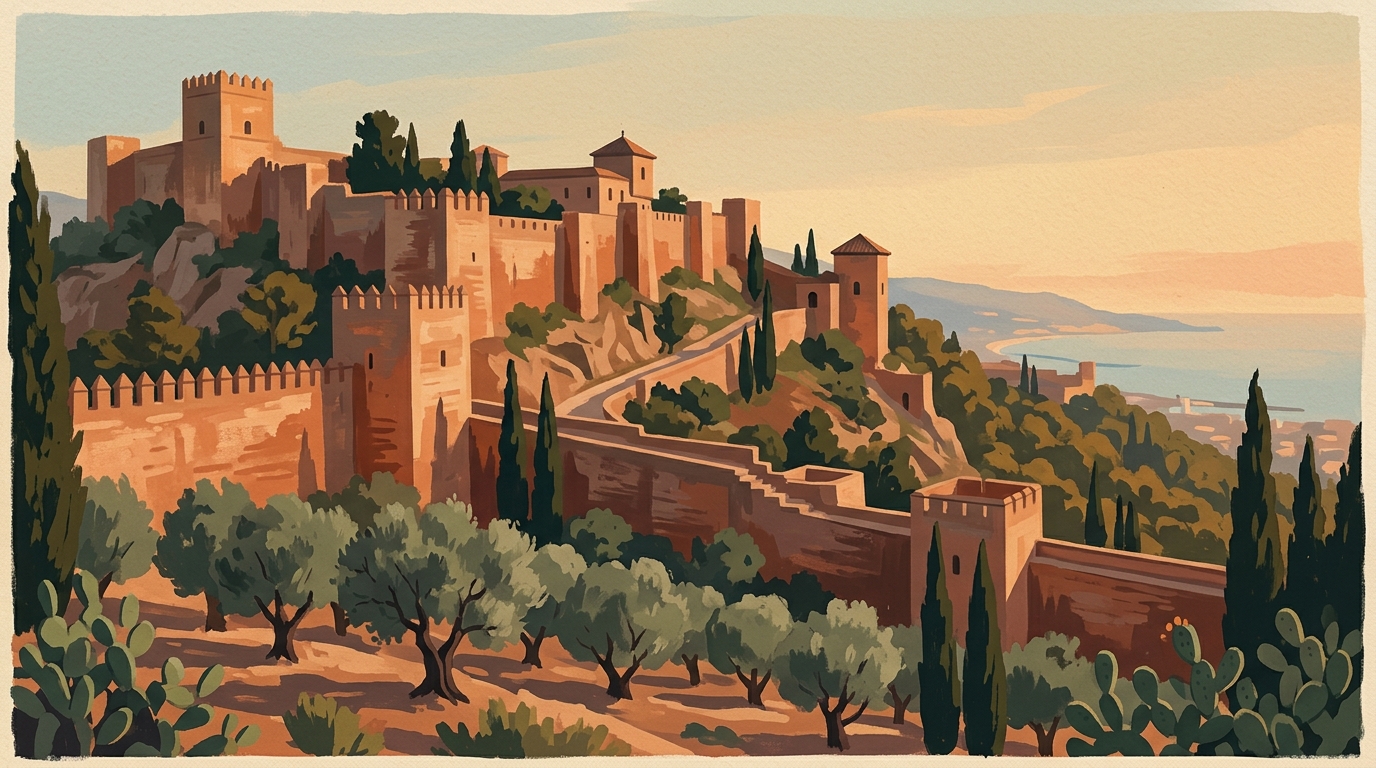
The skylines of Andalucía are defined by the sharp silhouettes of stone battlements and watchtowers that have stood for a millennium. These fortifications offer a tangible record of the frontier conflicts that shaped the southern Iberian Peninsula.
To understand the soul of Andalucía, one must first look to its summits. For centuries, this region was the literal edge of the known world, a volatile frontier where the Islamic caliphates and the Christian kingdoms of the north contested every acre of territory. This enduring state of conflict necessitated a level of defensive construction that was perhaps unparalleled in Western Europe. The resulting legacy is a landscape punctuated by heavy stone walls, crenellated towers, and formidable gates that tell a story of power, resistance, and cultural synthesis. These structures are not merely ruins. They are the physical anchors of the towns they once protected, influencing the layout of streets and the very identity of the local population.
The architectural variety found within these fortifications is immense. You will encounter the Alcazaba, a term derived from the Arabic word for a citadel, which typically served as the administrative and military heart of a Moorish city. These often feature the distinctive horseshoe arches and geometric brickwork of the Almohad and Nasrid periods. Conversely, the Castillos built or modified after the Christian conquest often incorporate Gothic and Renaissance elements, such as massive square keeps and artillery platforms designed to withstand the advent of gunpowder. For the traveller, visiting these sites provides a deep historical legacy that transcends books. Standing on a rampart in Jaén or Almería allows you to see the terrain through the eyes of a medieval scout, recognising why a particular hill or river bend was worth a thousand lives to defend.
How they cluster
When planning a journey through these defensive wonders, it is helpful to think of them in three primary geographic and thematic clusters. The first is the Frontier of the Reconquista, concentrated heavily in the province of Jaén (home to the Route of the Castles and Battles). This area is often cited as having the highest density of castles and watchtowers in Europe. Because Jaén was the gateway between the plateau of Castile and the valleys of Andalucía, it became a laboratory for defensive architecture. Here, the fortresses are rugged, functional, and built to withstand prolonged sieges.
The second cluster is the Coastal Defence Network. This spans the provinces of Cádiz, Málaga, Granada, and Almería. These sites were not only built to defend against land-based armies but also to protect the population from Barbary pirates and later from rival European navies. You will find a mix of sprawling citadels and isolated watchtowers, known as torres vigías, which formed a sophisticated visual signalling system along the Mediterranean and Atlantic shores. In Almería, the fortifications take on a stark, desert-like quality, while in Cádiz, they are often integrated into the naval defences of the ancient ports.
The third grouping is the Guadalquivir Valley axis. Following the great river from the Atlantic to the interior, these fortresses protected the primary trade routes of the region. This group includes some of the most palatial examples of the theme, where the need for defence was balanced with the desire for luxury and political display. In cities like Sevilla and Córdoba, the fortifications evolved into complex royal residences, such as the Real Alcázar and the Alcázar de los Reyes Cristianos, where the military exterior hides delicate courtyards and intricate stonework.
In what order to visit
For a comprehensive experience, a journey starting in the north and moving south towards the coast offers a logical chronological and geographic flow. Begin in the province of Jaén, the undisputed capital of Andalucían fortresses. From here, you can follow the historical path of the frontier, moving south-west towards the provinces of Córdoba and Sevilla. This route follows the slow movement of the Christian armies during the thirteenth century, allowing you to see how older Moorish foundations were adapted and expanded by their new owners.
After exploring the river valley, head south towards the province of Cádiz. This allows for a transition from the heavy, inland masonry to the coastal bastions that look out across the Strait of Gibraltar. Finally, travel east along the coast through Málaga and Granada, concluding in Almería. This final leg of the journey showcases the last holdouts of the Nasrid Kingdom. Ending at the Great Alcazaba of Almería is particularly rewarding, as its scale and the arid beauty of its surroundings provide a powerful conclusion to the historical narrative of the region. If you prefer a shorter trip, focusing on a single province like Jaén or Cádiz can be equally fulfilling, as both contain a sufficient variety of sites to occupy a week of exploration.
When to go
Timing is critical when visiting Andalucían fortresses, as many are located on high, exposed ridges with very little shade. The spring months of April, May, and early June are ideal. During this period, the countryside is green, the wildflowers are in bloom, and the temperatures are moderate enough for the steep climbs required to reach many battlements. The clarity of the air in spring also ensures that the views from the towers are at their most spectacular, often extending for dozens of kilometres.
Autumn, particularly late September and October, is another excellent window. The intense heat of the summer has dissipated, but the days remain long and bright. Visiting in the height of summer is generally discouraged for inland sites, especially in Jaén, Córdoba, and Sevilla, where temperatures regularly exceed forty degrees Celsius. If you do visit in summer, plan your climbs for the very early morning and seek out coastal sites where the sea breeze offers some relief. Winter can be surprisingly cold in the higher elevations of the Baetic System, though the lack of crowds and the crisp, low sun can make for excellent photography.
Practical notes
When preparing for a tour of these sites, keep in mind that many are located in rural areas where opening hours can be idiosyncratic. While major monuments are open daily, smaller fortresses in village settings may only open on weekends. Alternatively, some sites are managed by local town halls (Ayuntamientos) and may require prior arrangement via email or phone. It is always wise to check the specific municipal website (Ayuntamiento) of the town or the official Andalucían tourism portal (andalucia.org) before setting out. Comfortable, sturdy footwear is a non-negotiable requirement: many of these sites feature original medieval paving, steep stone stairs, and uneven gravel paths that can be slippery when dry.
Accessibility varies significantly between sites. While modern restorations have introduced ramps and lifts to some of the larger urban citadels, many of the more remote castles remain in a semi-ruined state that requires a degree of physical fitness to navigate. Always carry water, as the climb to the top of a hilltop fortress can be more strenuous than it appears from the town square. For those interested in the technical aspects of the architecture, look for sites that have been awarded the SICTED quality mark, which often indicates better signage and interpretive materials in multiple languages. Finally, remember that these are protected heritage sites. Respect the masonry and stay within designated paths to help preserve these thousand-year-old structures for the future.
10 guides in this collection
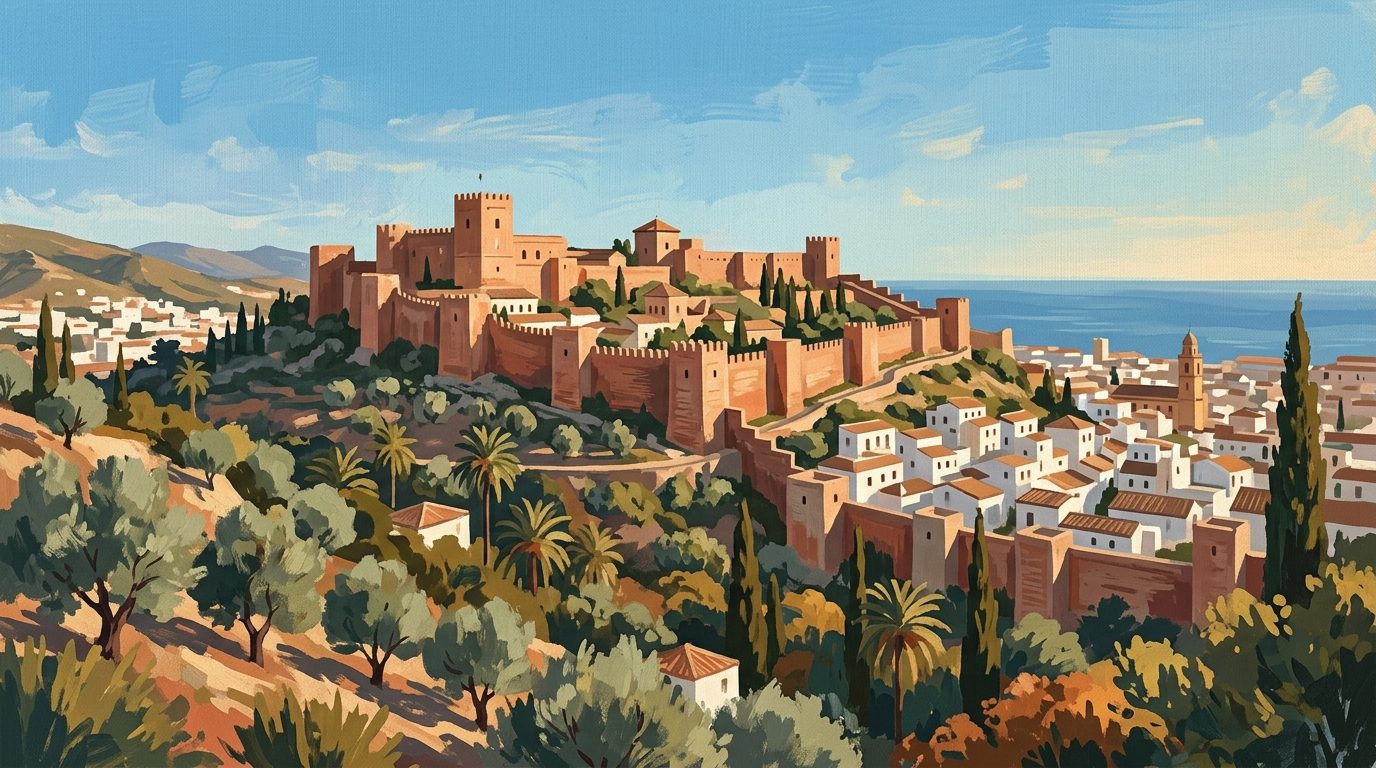
A Guide to the Alcazaba de Almería: Spain’s Coastal Citadel
Discover the Alcazaba de Almería, Spain's largest Moorish fortress. Explore its three enclosures, stunning gardens, and the filming locations for Game of Thrones.
6 min read
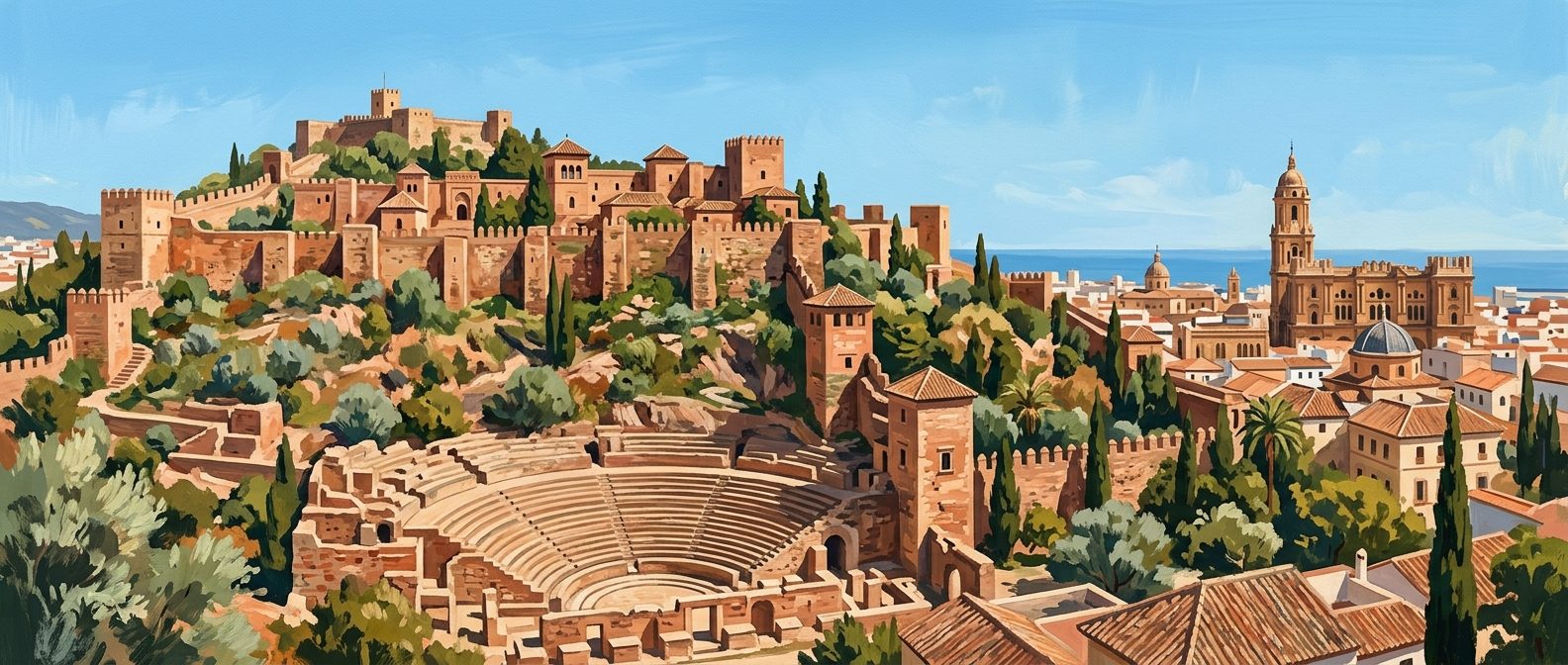
A Guide to the Alcazaba and Roman Theatre in Málaga
Discover the layers of Málaga's history at the 1st-century Roman Theatre and the formidable Moorish Alcazaba fortress.
5 min read
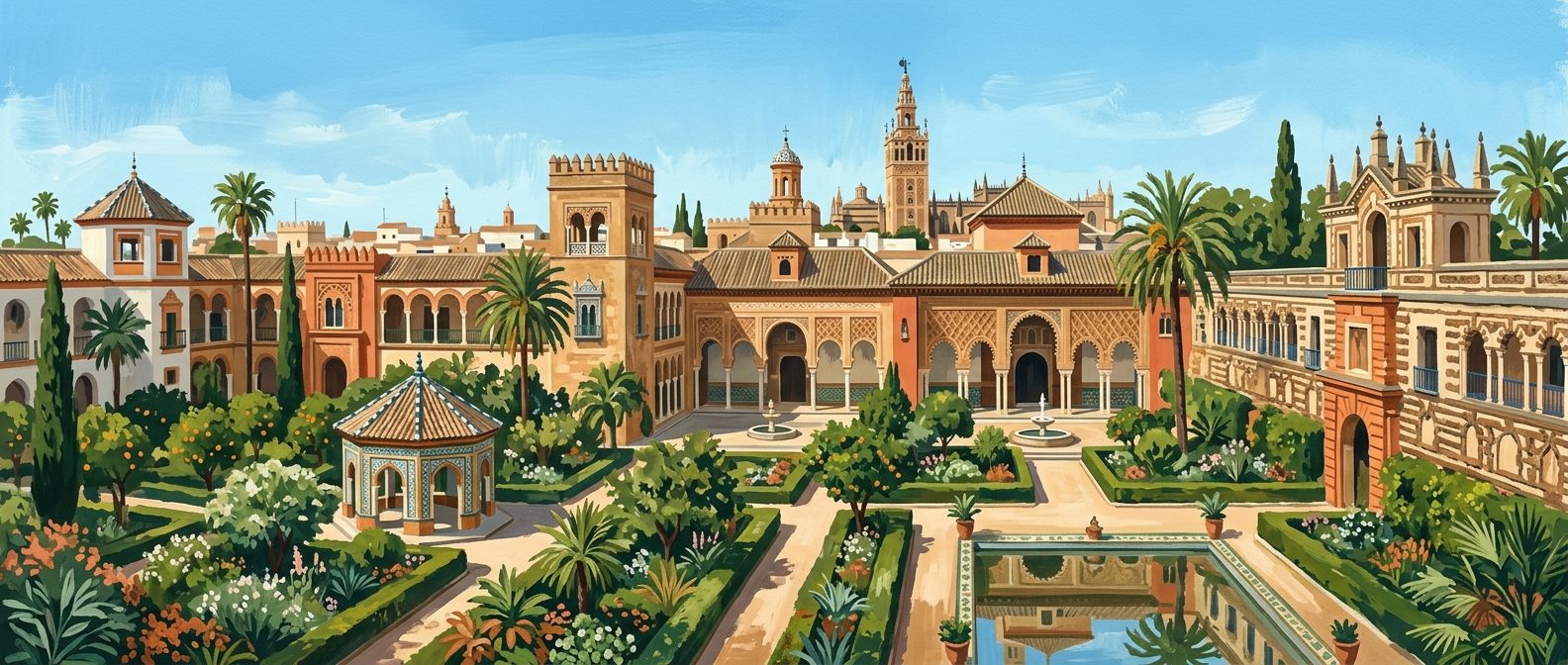
Exploring the Real Alcázar de Sevilla: A Guide to Europe’s Oldest Royal Palace
The Real Alcázar is a sprawling complex where Islamic art and Christian kingship collide in a spectacular display of Mudéjar craftsmanship. As Europe’s oldest royal palace still in use, it offers a peaceful walk through shaded courtyards and vast, fragrant gardens.
5 min read
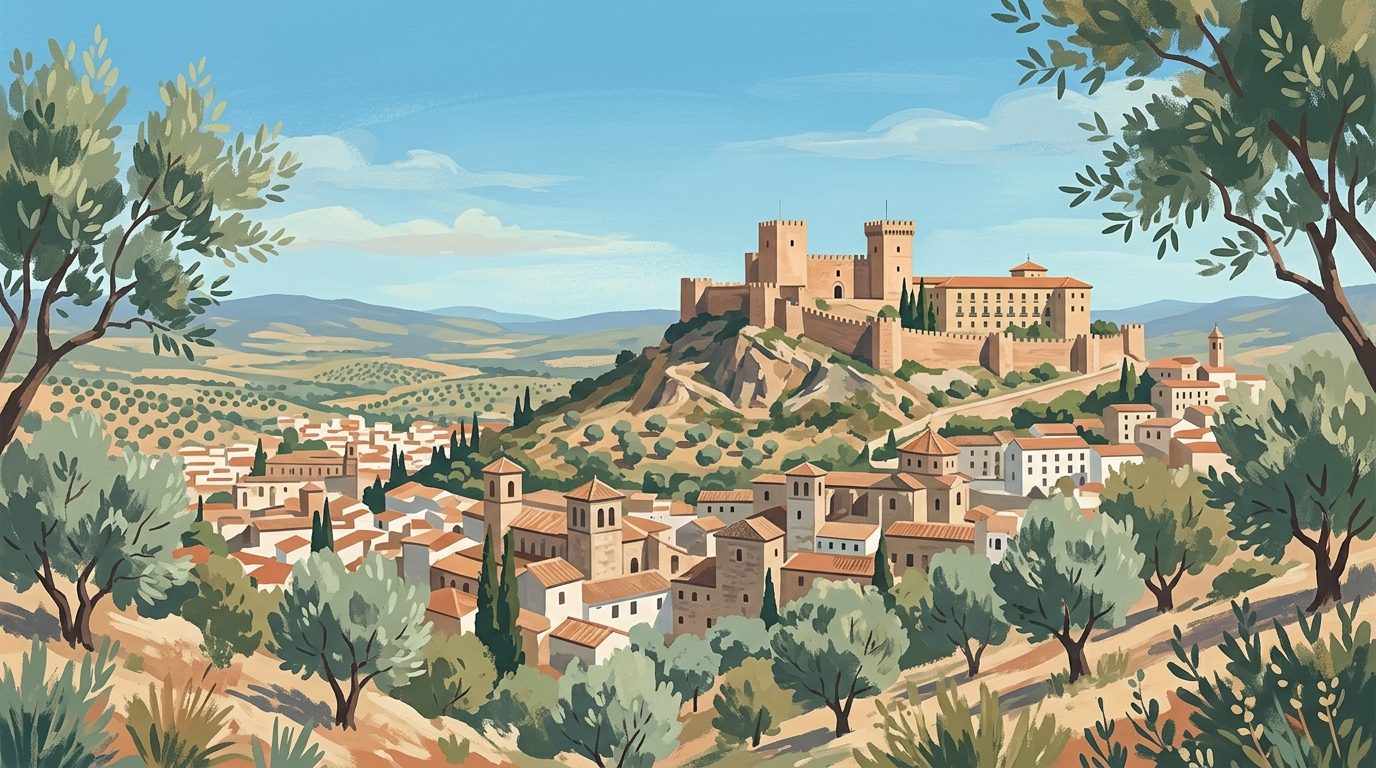
Santa Catalina Castle: The Fortress Guarding Jaén’s Sea of Olives
Perched on a rocky crag 800 metres above the city, Santa Catalina Castle offers an unrivalled perspective on the vast olive groves of the Guadalquivir valley.
5 min read
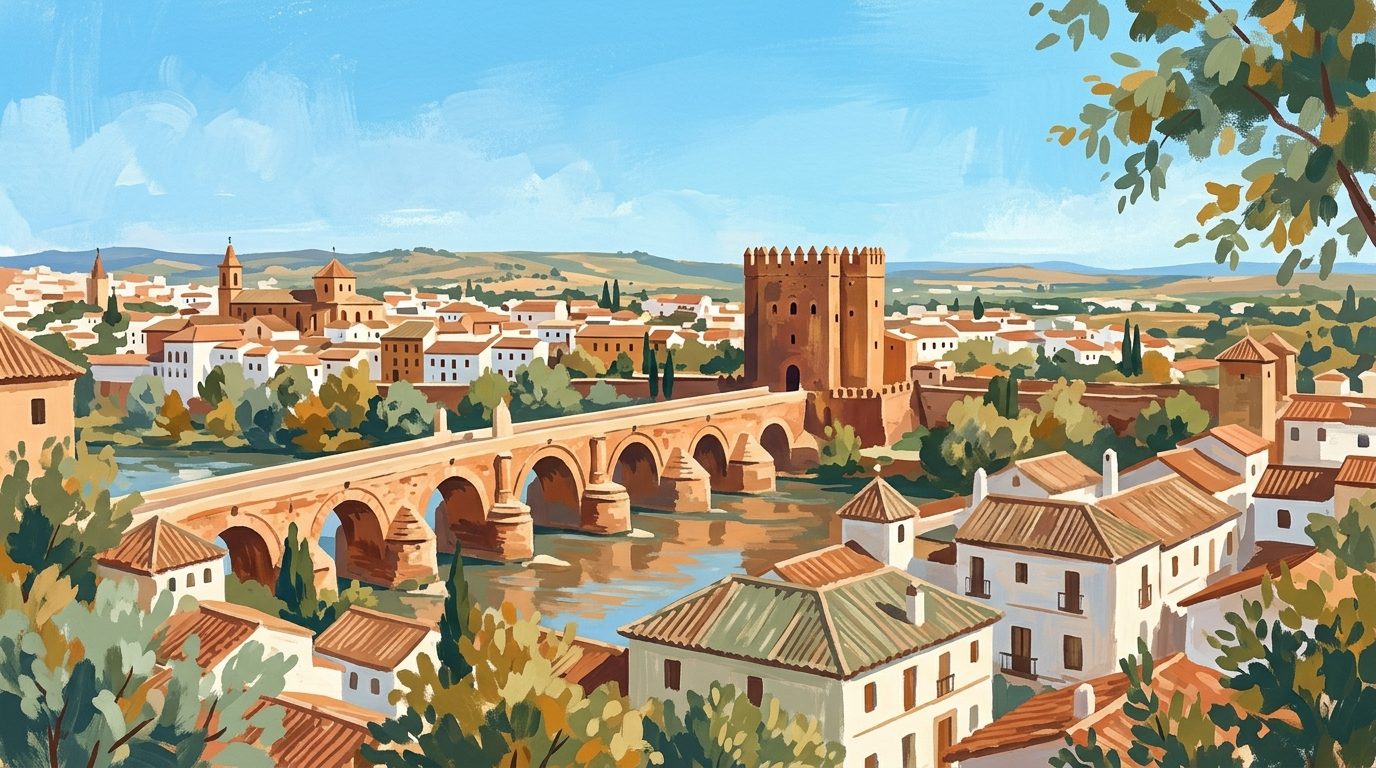
Crossing History: A Guide to the Roman Bridge and Calahorra Tower in Córdoba
Walk across two thousand years of history on Córdoba's Roman Bridge and explore the Almohad-era Calahorra Tower, which offers the city's finest views and a museum dedicated to Andalucían heritage.
6 min read
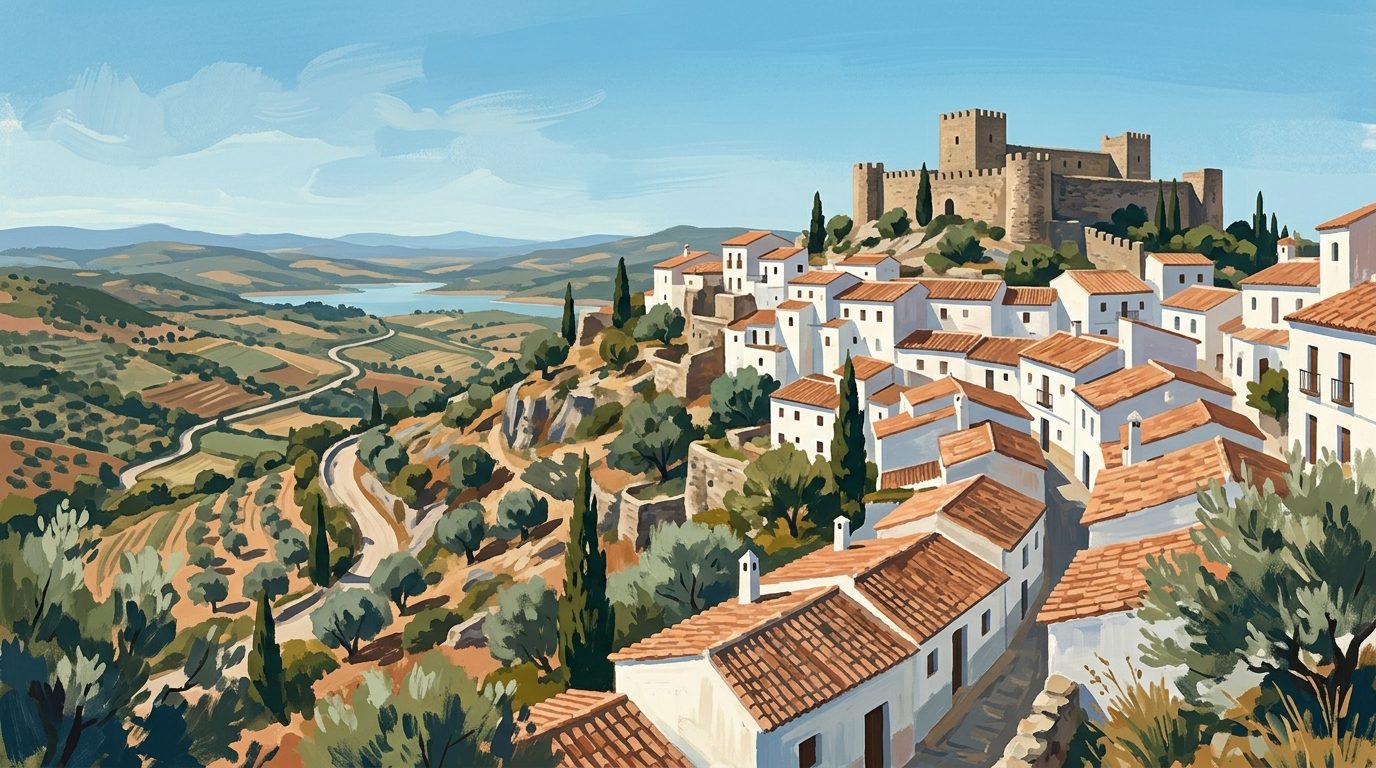
Exploring Castellar de la Frontera: The Fortress Village of Cádiz
Discover Castellar de la Frontera, a unique medieval village contained entirely within a Moorish fortress in the heart of the Alcornocales forest.
5 min read
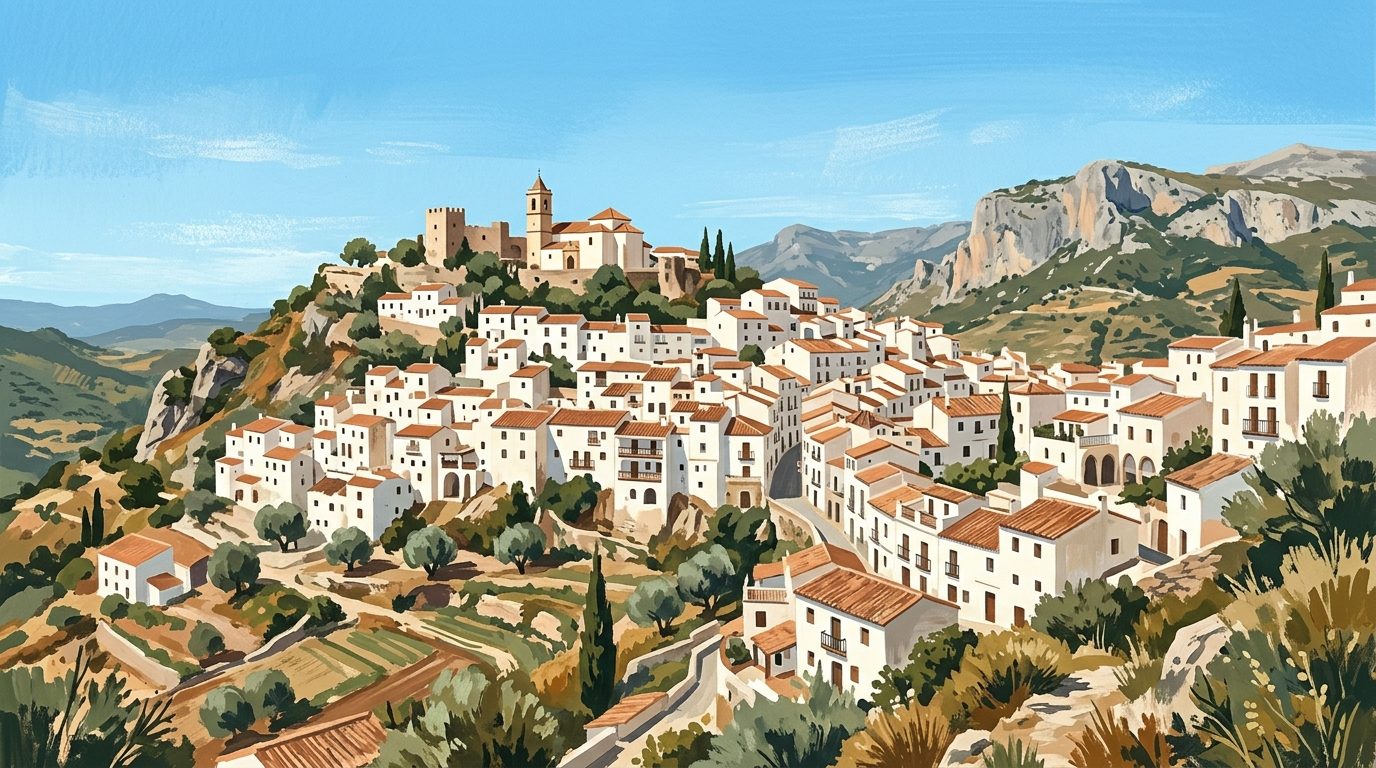
Casares: A Guide to the White Village of the Sierra Cristellina
Casares sits precariously on a limestone ridge, its whitewashed houses stacked like sugar cubes beneath the remains of a Moorish fortress.
6 min read
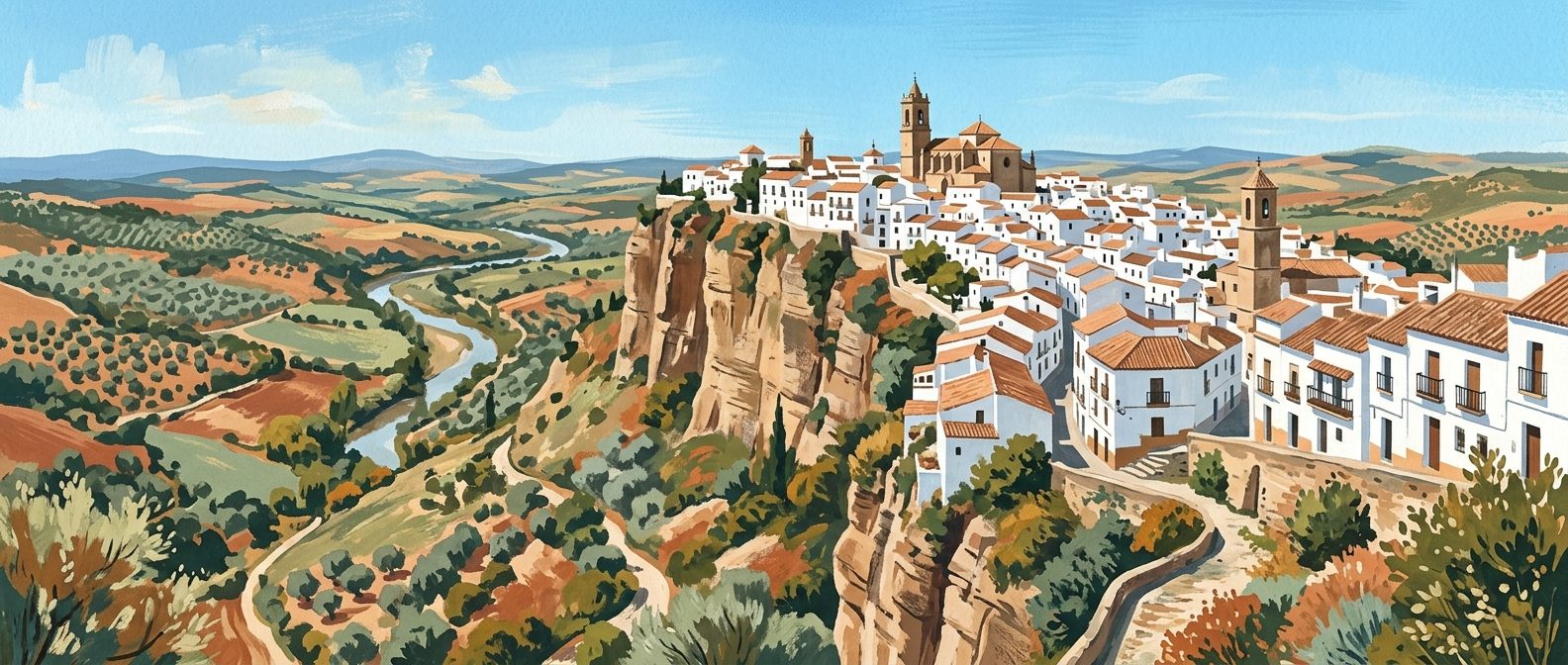
Exploring Arcos de la Frontera: The Gateway to the White Villages
Perched on a sheer limestone ridge, Arcos de la Frontera provides a dramatic introduction to the White Villages of Cádiz, where narrow streets end in vertical drops.
5 min read
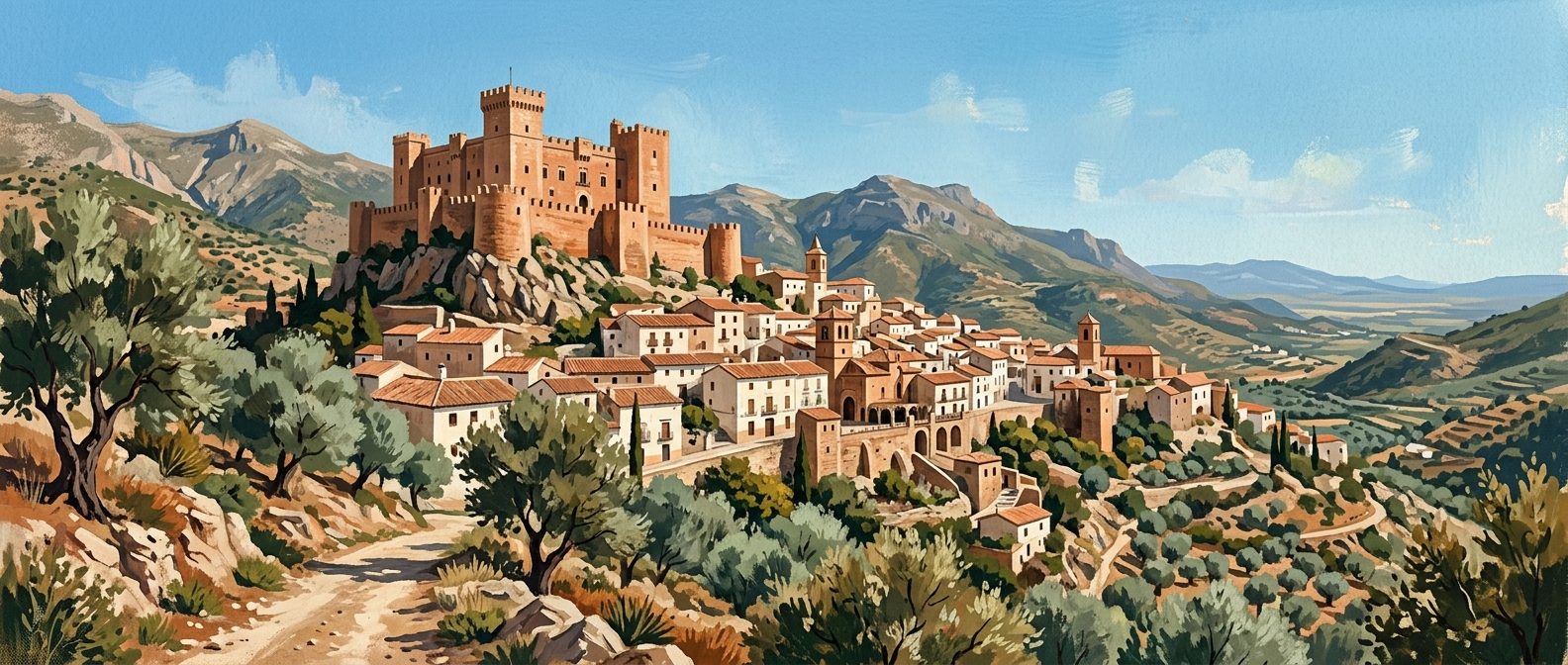
Vélez-Blanco: The Renaissance Stronghold of the Almería Highlands
Discover Vélez-Blanco, a high-altitude Almerían village featuring a 16th-century Renaissance castle and UNESCO-listed prehistoric cave art.
6 min read
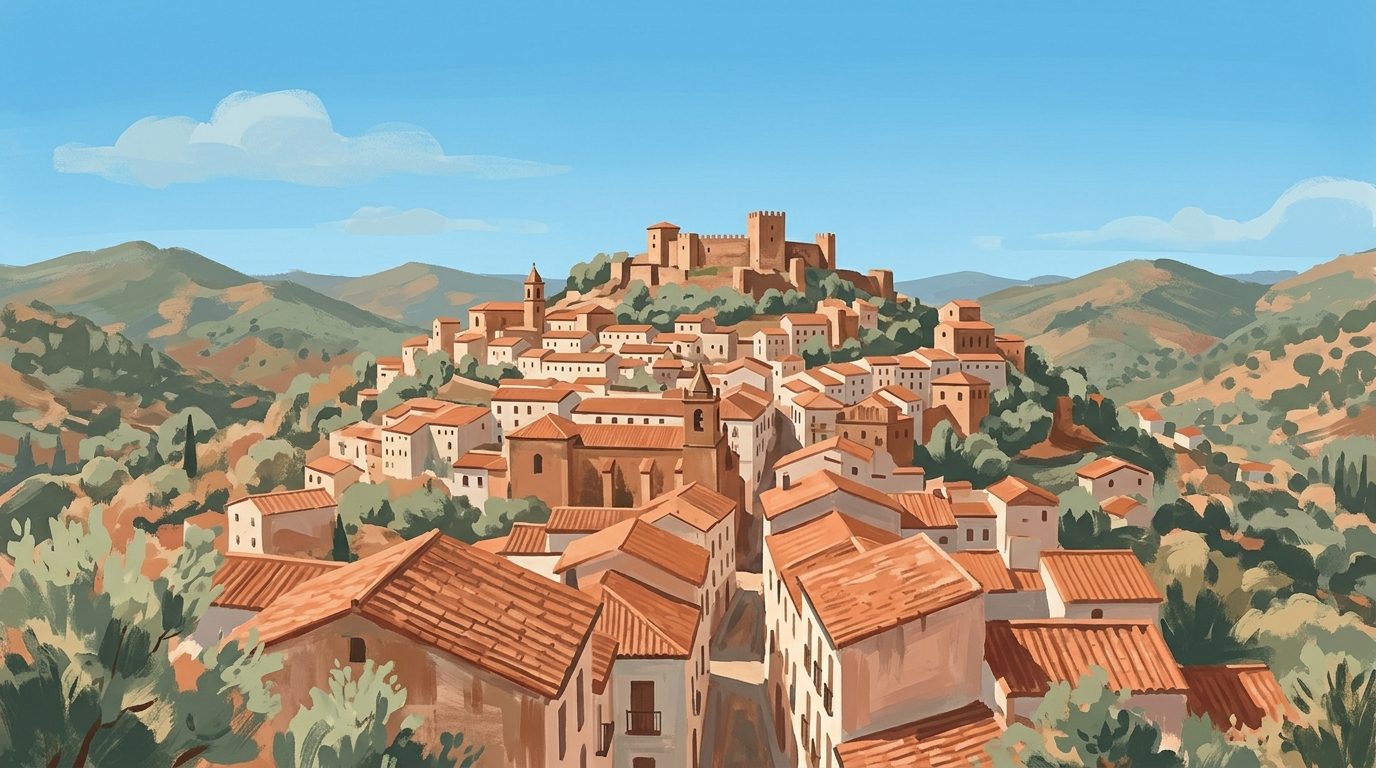
Exploring Aracena: From Subterranean Wonders to Gourmet Traditions
Aracena stands as the administrative and cultural heart of Huelva’s northern mountain range, famous for its underground water-formed caves and world-class cured ham. Above ground, the town is a network of whitewashed streets that climb towards a medieval fortress.
6 min read