
Cathedrals and Great Churches of Andalucía
A guide to the monumental religious architecture of Southern Spain, from the vast Gothic nave of Sevilla to the Renaissance masterworks of Jaén and Granada.
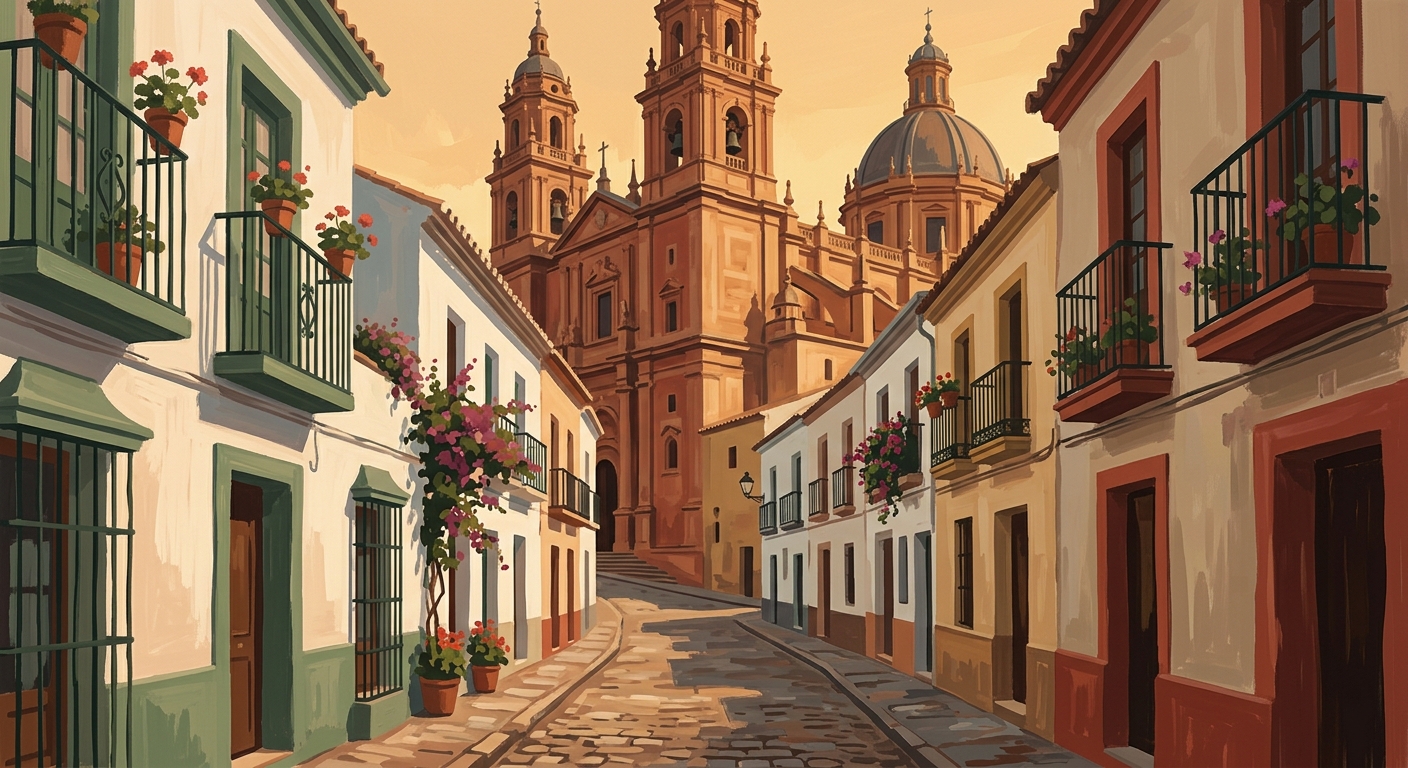
The ecclesiastical architecture of the region serves as a monumental record of the transition between civilisations and the triumph of the Spanish Renaissance. These sites offer a journey through stone and light, revealing the spiritual and political ambitions of the people who built them.
The religious architecture of Andalucía is not merely a collection of places of worship. It serves as a physical chronicle of the shifting powers that shaped the Iberian Peninsula over the last millennium. Following the conquest of the Nasrid and Almohad territories, the new Christian monarchs sought to project their authority through scale and beauty. This led to a unique architectural phenomenon where Gothic foundations often sit atop former mosque structures, eventually giving way to the soaring heights of the Renaissance and the theatricality of the Baroque. For the traveller, visiting these sites offers an understanding of how Andalucía evolved into its modern form.
From the Mezquita-Catedral in Córdoba, which famously preserves its Islamic past through a forest of arches, to the immense Gothic presence in Sevilla, these buildings were the cultural and political centres of their age. They house priceless art, intricate choir stalls, and expansive archives that tell the story of a region at the crossroads of Europe and Africa. To walk through these naves is to witness the artistic ambition of centuries and the profound influence of the Catholic Church on the social fabric of the south. These structures define the skyline of every major city, acting as navigational anchors and symbols of civic pride.
How they cluster
To better understand the landscape of Andalucían sacred architecture, it helps to view them in regional clusters. In the western provinces of Sevilla, Cádiz, and Huelva, the influence of the Age of Discovery is palpable. The Great Cathedral of Sevilla, the largest Gothic building in the world, sets a standard for scale that influenced the coastal churches where explorers prayed before departing for the Americas. Moving inland to the central core of the region, the dialogue between Islamic and Christian styles becomes the primary focus. Here, the adaptation of existing structures created spaces that are unique in the world, blending horseshoe arches with Gothic vaults and Renaissance chapels.
In the eastern provinces of Granada, Jaén, and Almería, the focus shifts toward the pure Renaissance and the later Baroque. The work of architects like Diego de Siloé and Andrés de Vandelvira provides a masterclass in proportion and light, representing the height of 16th-century humanist thought. These eastern cathedrals often feel more cohesive in their design, as they were frequently built from the ground up on sites where previous structures had been completely cleared or significantly altered to fit the new aesthetic of the Spanish Empire. In Almería, this takes a unique turn with the cathedral-fortress, designed to protect the congregation from Mediterranean pirate raids.
In what order to visit
A logical journey through these monuments can follow the historic path of the Reconquista, starting in the north and moving south, or simply traversing the region from west to east. Beginning in Sevilla allows for a grand introduction to the Gothic style and the sheer scale of Andalucían ambition. From there, a journey east leads to Córdoba, where the ecclesiastical history is at its most complex and visually striking. Continuing further east into Jaén, one enters the heart of the Andalucían Renaissance. This province provides a quieter, more contemplative experience compared to the larger cities, with the monuments of Jaén and Baeza showing a rare stylistic purity.
Alternatively, those interested in the maritime history of the region might start at the coast. Beginning with the neoclassical and Baroque facades of Cádiz Cathedral, travellers can move along the Atlantic towards Huelva before turning inland. For a mountain-focused route, the cathedrals of Granada and Guadix offer a stark contrast to the coastal styles. These buildings are often framed by the Sierra Nevada, providing a dramatic backdrop that emphasises their massive stone facades. A final stop in Almería reveals the defensive nature of religious buildings on the frontier, representing a fascinating bridge between military and religious architecture that is rarely seen elsewhere in Europe.
When to go
The timing of a visit can significantly alter the experience of these spaces. Spring is arguably the most atmospheric season, particularly during the weeks surrounding Easter. This is when many of the churches become the focal point of local life, as religious brotherhoods prepare for traditional processions. Late spring also brings the spectacular Corpus Christi celebrations in May or June, which are major events for the cathedrals of Sevilla and Granada. The scent of incense and orange blossom fills the air, though visitors should be prepared for larger crowds and limited access during specific liturgical events. The cool temperatures of spring also make the climb up various bell towers much more comfortable.
Autumn offers a temperate climate for those planning to drive between several provinces, providing clear skies and excellent natural light for those interested in architectural photography. The light during October and November is particularly beautiful for capturing the texture of the limestone and sandstone exteriors. While the summer months are popular with holidaymakers, the interior of a cathedral remains one of the best places to find respite from the Andalucían sun. The thick stone walls provide natural insulation, making a midday visit a practical way to escape the heat while continuing your cultural exploration in a quiet, temperature-controlled environment.
Practical notes
Planning a visit to these great churches requires attention to the distinction between cultural visits and liturgical hours. Most cathedrals in Andalucía charge an entry fee for tourists, which usually includes an audio guide or access to a museum and the cloisters. A helpful detail to remember is that free entry periods often exist for EU citizens or residents during specific slots (typically requiring online reservation in advance; check on the operator's website before travelling). It is important to note that during scheduled Mass, sightseeing is generally prohibited. Checking the official website for each monument before arrival is essential, particularly for the Mezquita-Catedral in Córdoba and the Catedral de Sevilla, where liturgical events frequently alter tourist access. Many of these sites now offer online booking with specific time slots, which is highly recommended for the most popular locations in Sevilla and Granada to avoid long queues.
For those interested in panoramic views, several cathedrals allow visitors to climb their towers (such as the Giralda in Sevilla or the bell tower in Córdoba). These climbs often require a separate ticket or a specific time slot. Accessibility has improved greatly in recent years, with ramps and lifts installed in many historic naves, though some older bell towers, crypts, and roof-walks may still remain difficult to reach for those with limited mobility. Always wear comfortable shoes, as the stone floors can be uneven and the distances within these massive complexes are often greater than they appear from the outside. Most sites require a basic level of dress decorum; ensure shoulders and knees are covered, and remove hats when entering. Carrying a light scarf or pashmina is a sensible precaution for those in summer attire.
Official resources
- Catedral de Sevilla
- Mezquita-Catedral de Córdoba
- Catedral de Granada
- Catedral de Jaén
- Catedral de Almería
Explore the following selection to discover the specific cathedrals and churches that define the eight provinces of the region.
9 guides in this collection
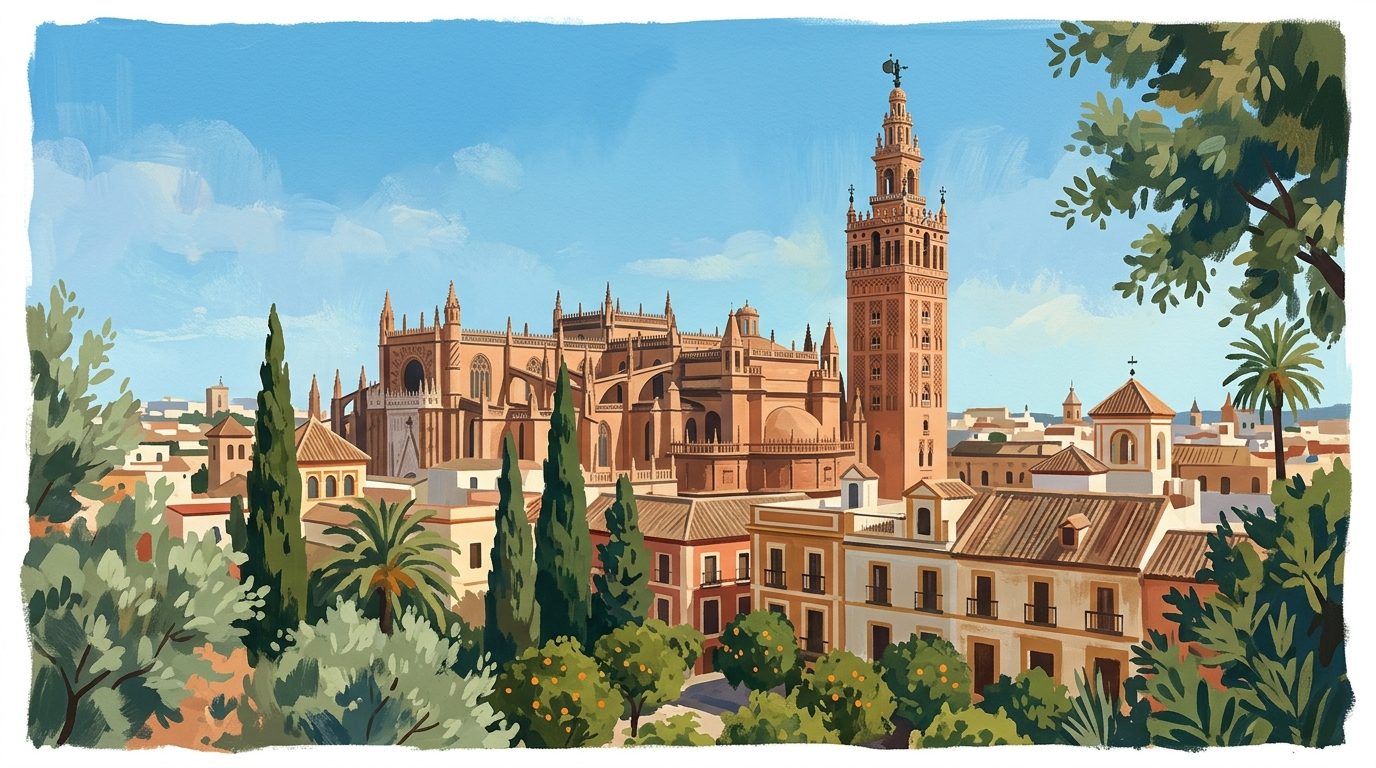
Exploring Sevilla Cathedral and the Giralda Tower
Sevilla Cathedral is the largest Gothic church in the world, home to the Giralda tower and the tomb of Christopher Columbus.
5 min read
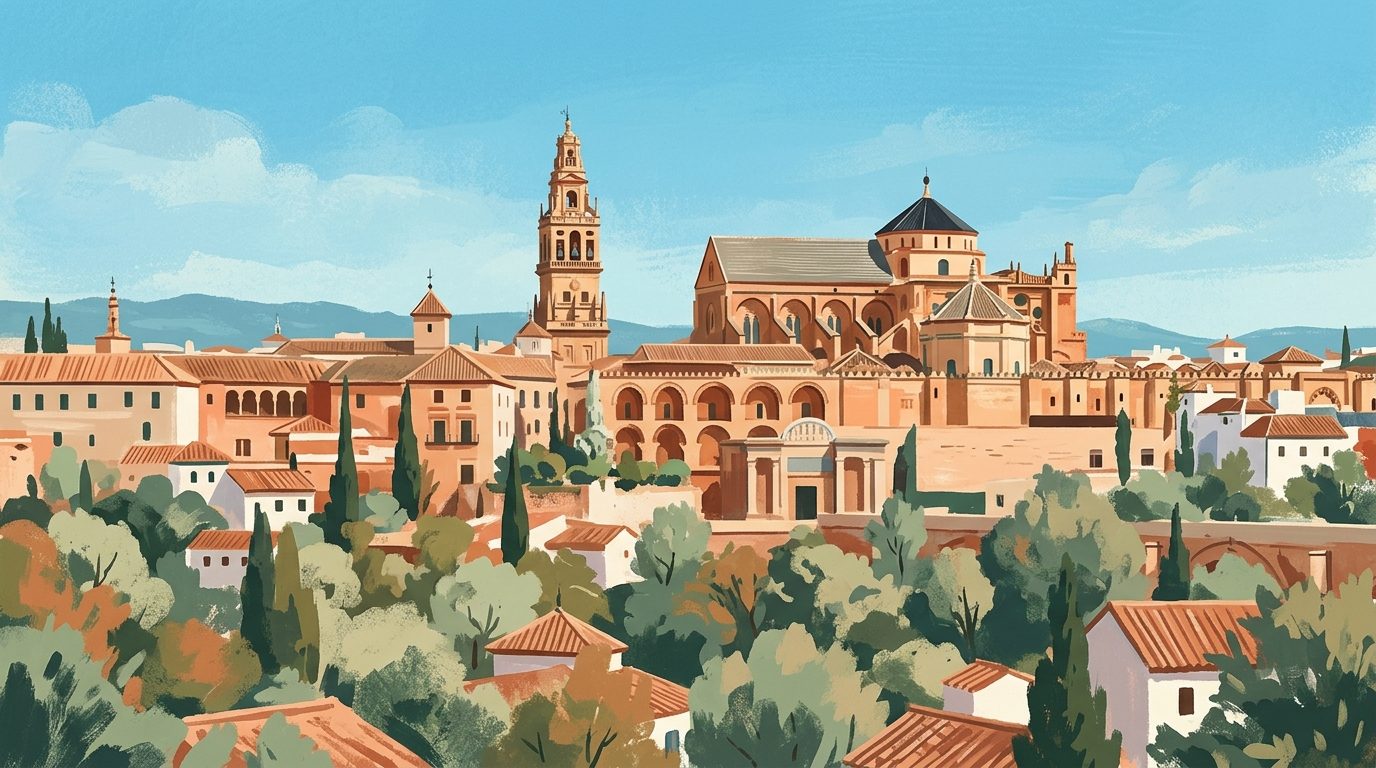
The Mezquita-Cathedral of Córdoba: A Guide to the Great Mosque
Discover the architectural wonder of Córdoba's Mezquita-Cathedral, where 856 columns meet a Renaissance nave in the heart of Al-Andalus.
5 min read
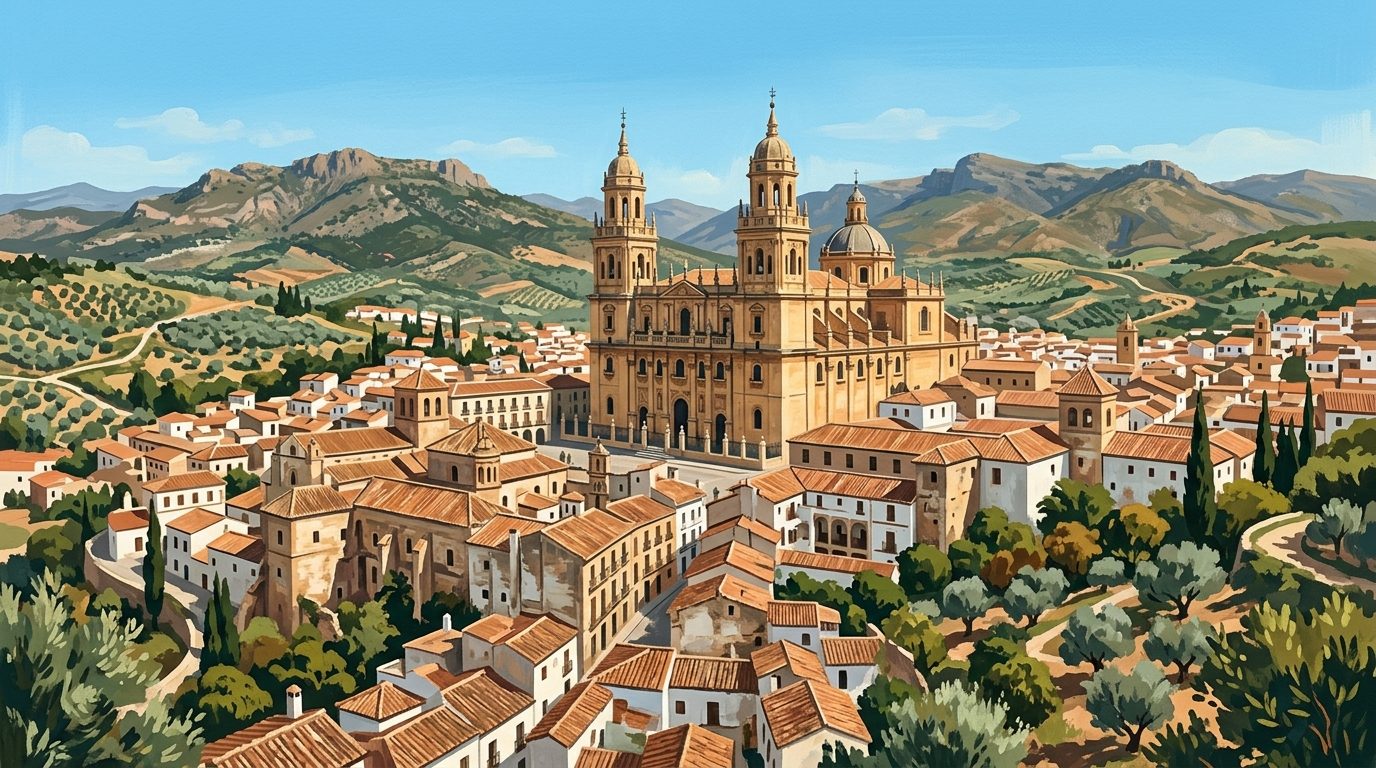
The Renaissance Masterpiece of Jaén Cathedral
Jaén Cathedral stands as the definitive blueprint for Latin American Renaissance architecture, a triumph of proportion and light designed by Andrés de Vandelvira.
6 min read
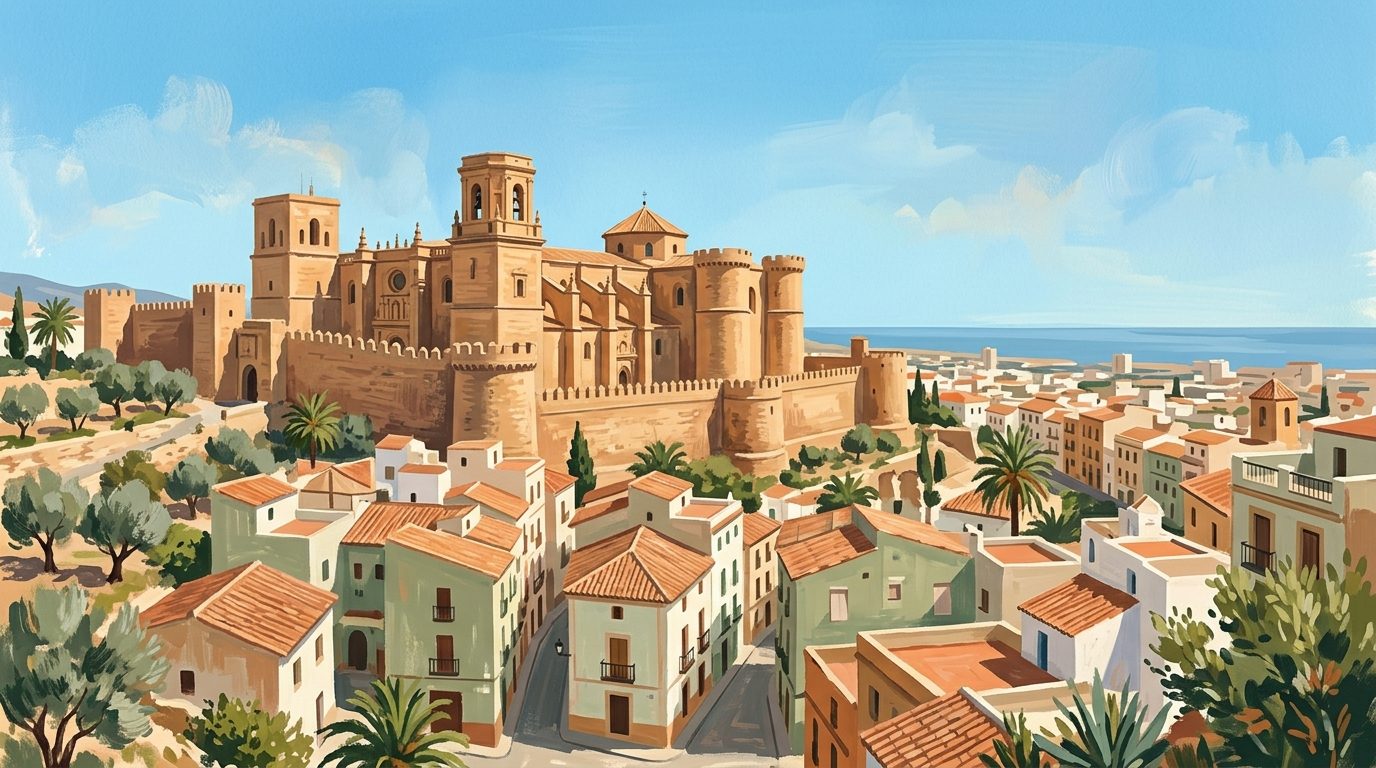
A Guide to Almería Cathedral and the Historic City Centre
Discover the unique fortress-cathedral of Almería and explore the historic centre’s palm-lined squares and traditional tapas bars.
5 min read
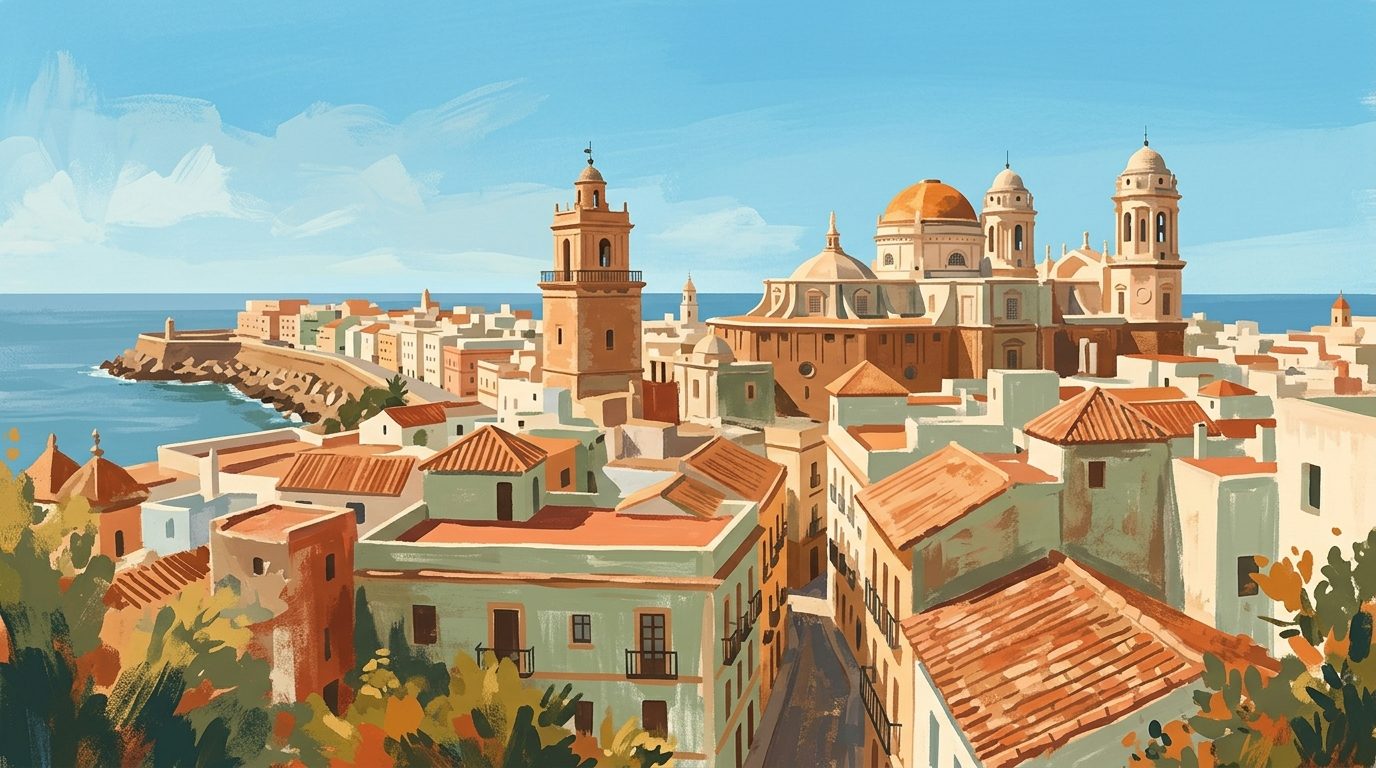
Exploring Cádiz Cathedral and Torre Tavira: The Golden Cupola and the Watchman’s View
Cádiz Cathedral and Torre Tavira offer the perfect perspective on the city’s maritime history, featuring Baroque architecture, a subterranean crypt, and the famous Camera Obscura.
5 min read
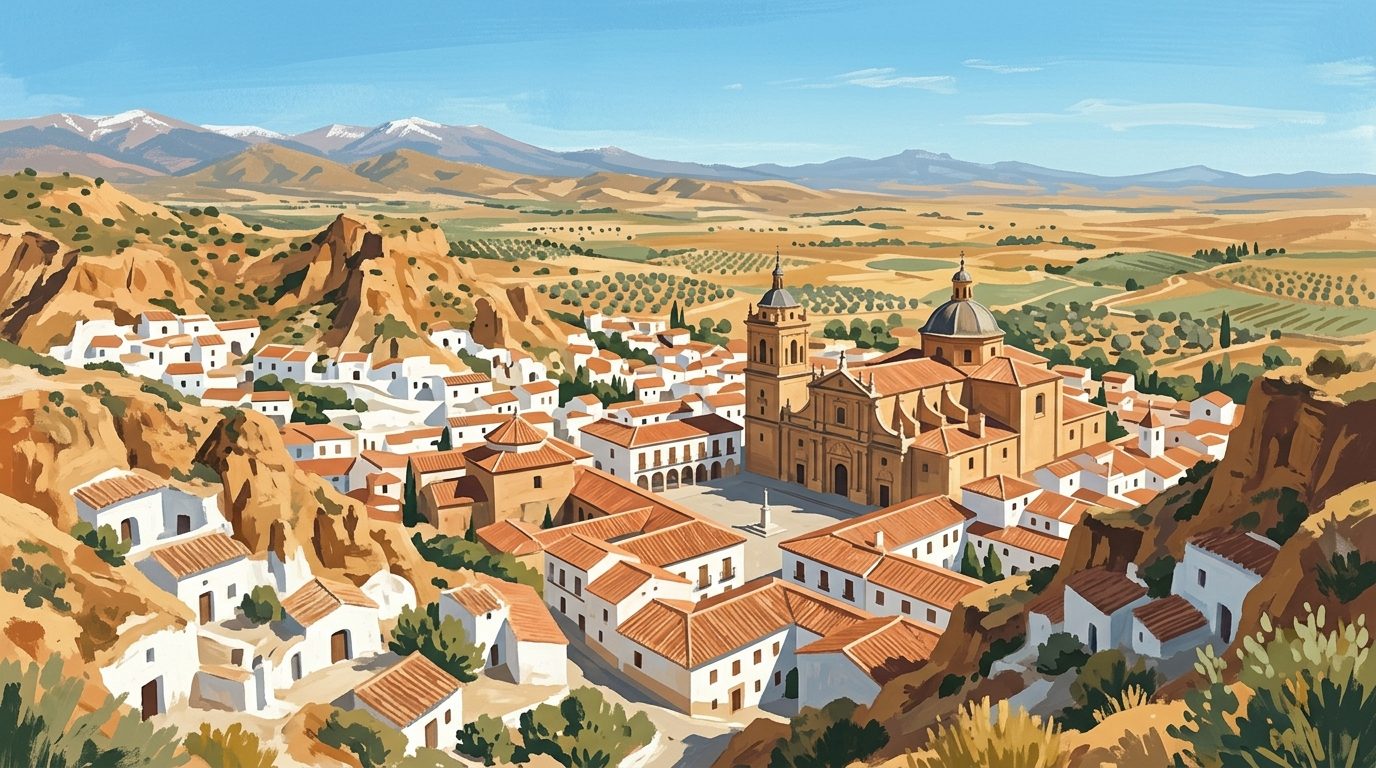
Guadix: A Guide to the Underground City of the Granada Badlands
Discover Guadix, where thousands of residents live in whitewashed caves carved into the clay hillsides. This guide covers the cave district, the grand cathedral, and the best places to stay underground.
5 min read
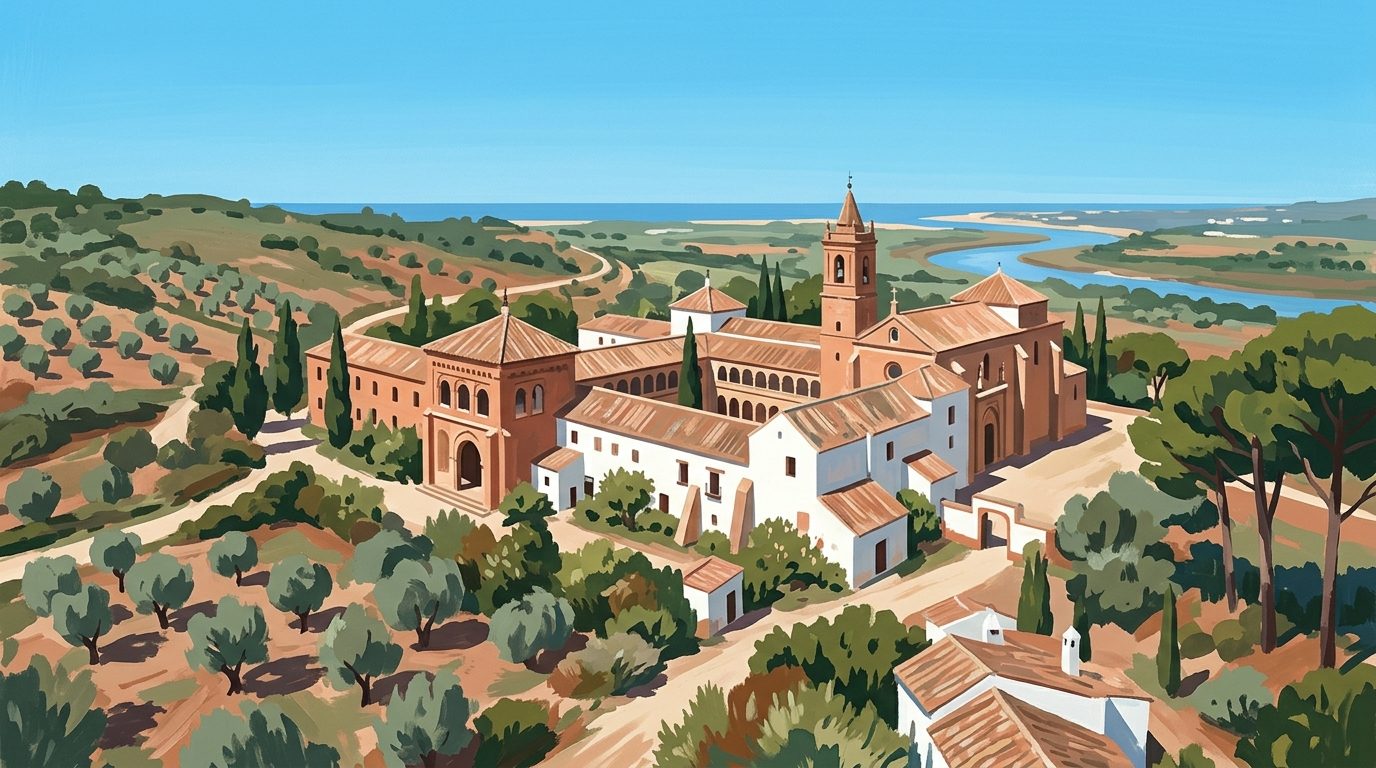
A Guide to La Rábida Monastery: The Franciscan Cradle of Discovery
Discover the Franciscan friary where Christopher Columbus planned his first voyage and explore the beautiful Mudéjar architecture overlooking the Tinto river.
6 min read
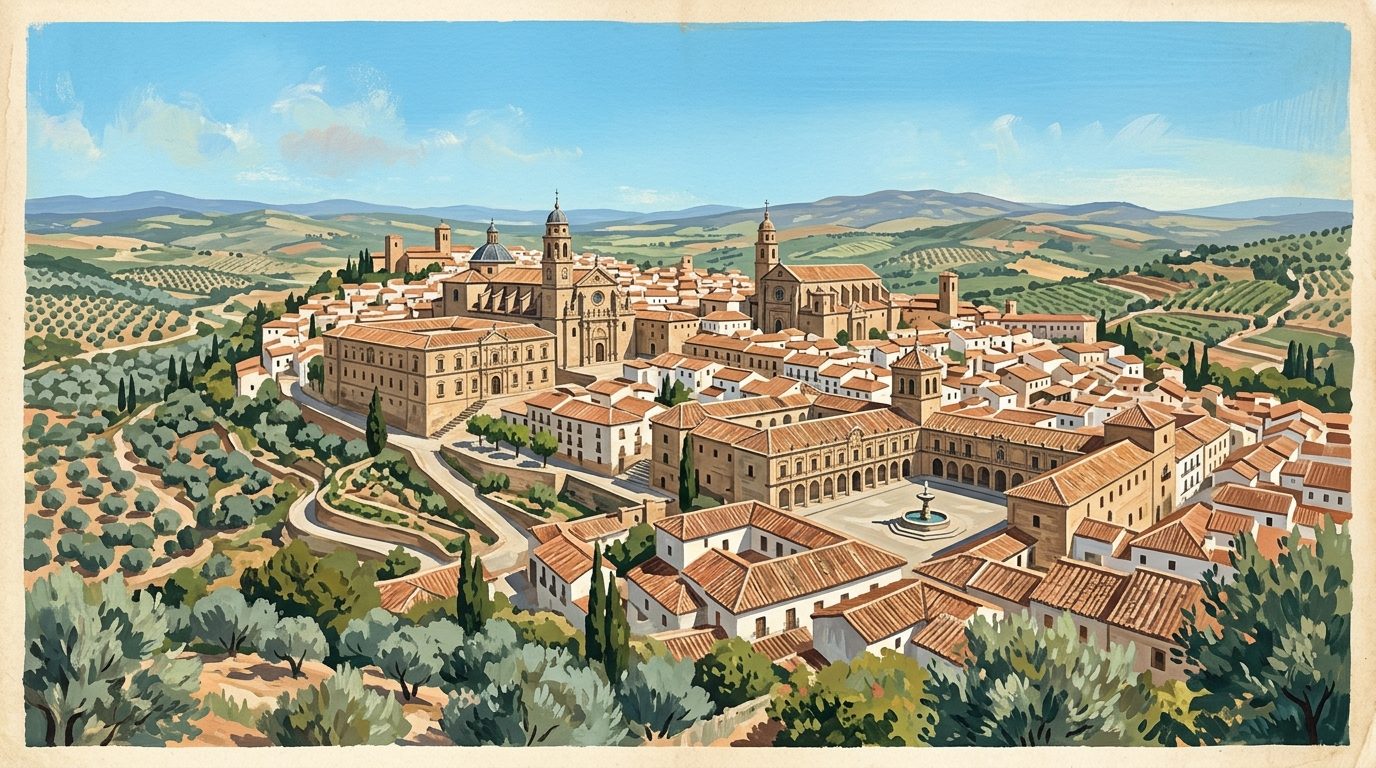
Exploring Baeza: The Golden Heart of the Spanish Renaissance
Standing among the quiet plazas of Baeza, you feel the weight of the Spanish Renaissance in every golden stone. This compact town, overlooking the vast olive orchards of Jaén, offers a preserved glimpse into sixteenth-century power and piety.
6 min read
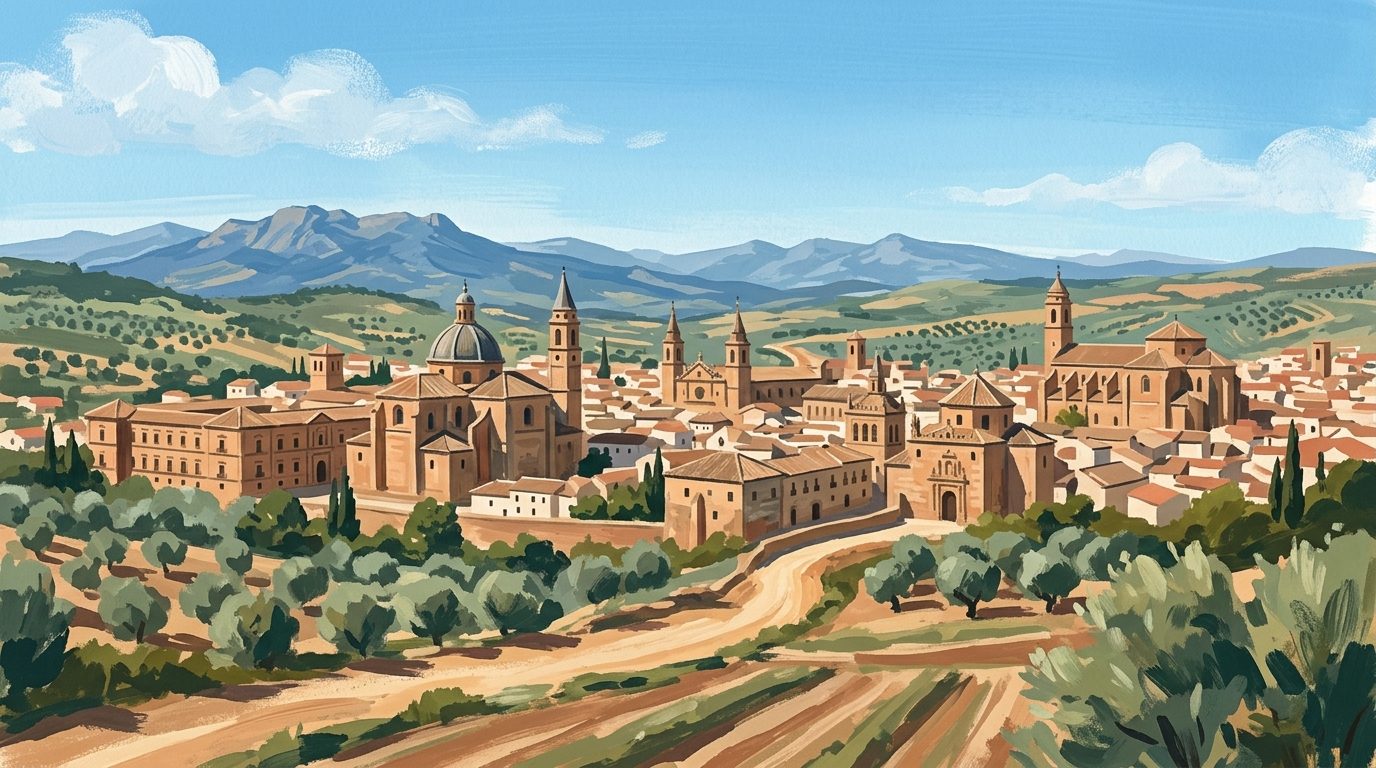
The Renaissance Splendour of Úbeda
Built on the wealth of imperial administrators, Úbeda stands as a reminder of the Italian Renaissance adapted for the Spanish heartland.
5 min read