
Itinerary
Andalucía Solo: The Backpacker's Ten Days Route
A 10-day blueprint for solo travellers navigating Andalucía by bus and train. From the free tapas of Granada to the desert beaches of Cabo de Gata, this is the definitive backpacker route.
By Dan · Updated 26 May 2026 · 10 min read
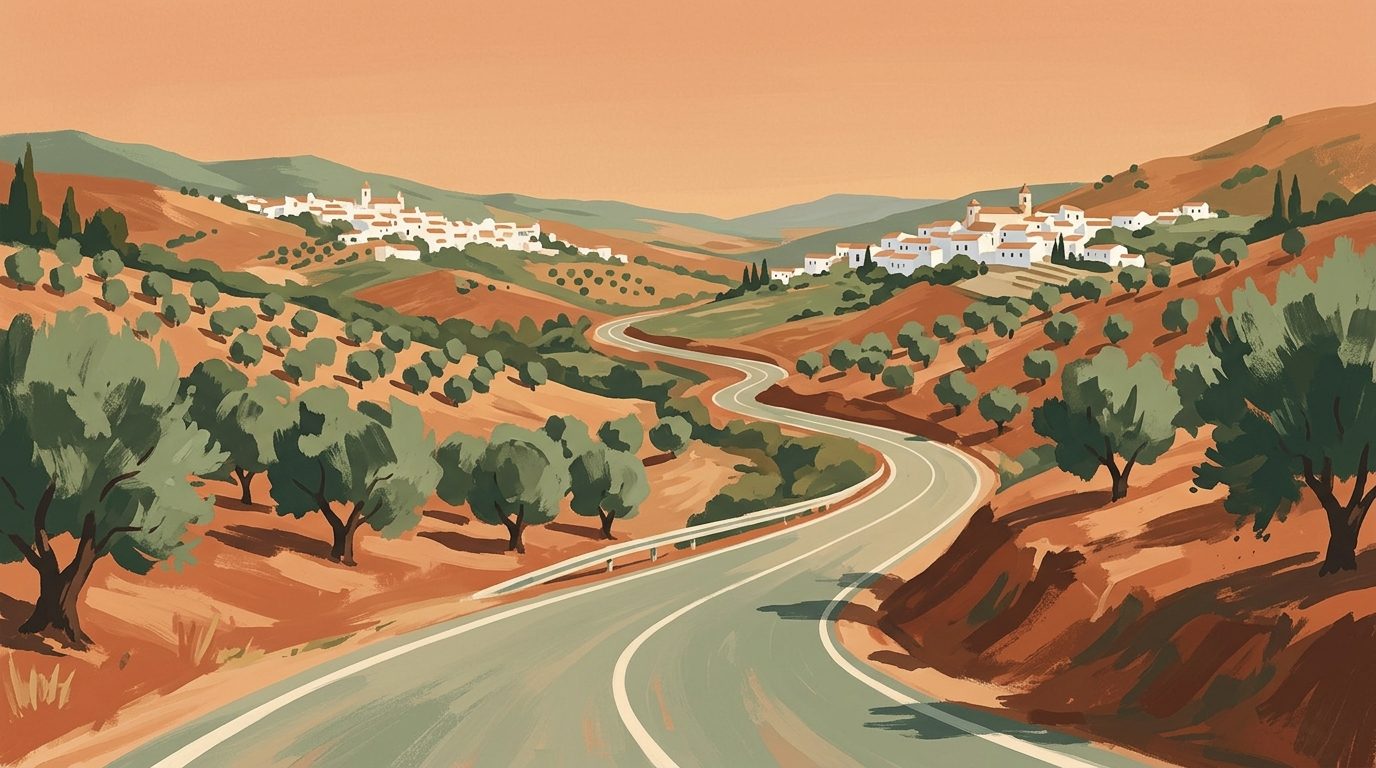
Backpacking southern Spain solo is about more than just the Alhambra; it is about finding the best 2-euro tapas in Granada and the wildest beaches in Almería. This route connects the social hubs of the west with the rugged coast of the east using nothing but trains and buses.
Andalucía is perhaps the easiest region in Europe for a solo traveller to navigate. The infrastructure is solid, the hostels are world-class social hubs, and the cultural habit of eating at bars makes solo dining feel entirely natural. This itinerary is designed for the traveller who wants to skip the expensive car rentals and instead rely on the extensive ALSA bus network and Renfe trains. It moves from the grand, formal architecture of Sevilla through the ancient streets of Cádiz, into the high-energy student atmosphere of Granada, before hitting the desert landscapes of Cabo de Gata and ending in the rejuvenated coastal city of Málaga.
This route works because it balances the heavy-hitting historical sites with periods of downtime on some of the Mediterranean’s most isolated beaches. It is a budget-conscious plan that prioritises experiences over luxury, focusing on free walking tours, communal hostel dinners, and the legendary free tapas culture of Granada. You will cover a significant distance, but by following this specific order, you avoid backtracking and keep your transit times under four hours between most stops.
Day 1: Sevilla, The Arrival and Santa Cruz
After landing at Sevilla (SVQ), take the EA bus into the city centre. It costs €4 and drops you at Prado de San Sebastián, a short walk from the main hostel districts. Check into a hostel in the Santa Cruz or Alfalfa areas. These neighbourhoods are the labyrinthine heart of the city and provide the best social baseline for your first night.
Spend your first afternoon walking. Start at the Cathedral of Sevilla and the Giralda. Entry is €12, but the scale of the world’s largest Gothic cathedral is worth the price. By 17:00, head to the Plaza de España. It is free to enter and remains one of the most impressive architectural feats in Spain. The afternoon sun hits the brickwork perfectly for photography.
For dinner, avoid the tourist menus on Avenida de la Constitución. Walk to Las Teresas in Santa Cruz. Stand at the bar; it is cheaper and more social than a table. Order a glass of Manzanilla sherry and a plate of Jamón Ibérico. If you are looking for a social start, most hostels in this area run a pub crawl or a communal terrace dinner. Join it. Sevilla stays awake late, and the bars around Calle Pérez Galdós are where the locals and backpackers mix.
Day 2: Sevilla, The Art of the Triana Side
Cross the Isabel II Bridge into Triana. This was traditionally the gypsy and ceramic-making quarter, and it retains a grit that the city centre lacks. Visit the Mercado de Triana in the morning (09:00-14:00) to see the fresh produce and grab a cheap coffee and a 'tostada con tomate'.
In the afternoon, head back across the river to the Metropol Parasol (known as Las Setas). It costs €15 to walk the rooftop at sunset, but if you are on a strict budget, the view from the base is free. Spend your final Sevilla evening at El Rinconcillo on Calle Gerona. Founded in 1670, it is the oldest bar in the city. The waiters still write your tab in chalk on the wooden bar top. It is an essential Sevilla experience that costs no more than the price of a couple of cañas (small beers) and a plate of spinach with chickpeas (Espinacas con Garbanzos).
Day 3: Cádiz, The Oldest City in the West
Take the morning Renfe MD train from Sevilla Santa Justa to Cádiz. The journey takes 1 hour and 40 minutes and costs roughly €16.35. Cádiz is a peninsula, surrounded by the Atlantic, and has a salty, weathered charm that feels completely different from the inland heat of Sevilla.
Drop your bags at a hostel in the Casco Antiguo (Old Town). Everything here is walkable. Head straight to the Torre Tavira (€7) to see the Camera Obscura. It provides a real-time projection of the city and is the best way to orient yourself. Follow this with a walk to La Caleta beach, situated between two old forts. It is the best spot for a swim and a sunset beer.
For food, go to Taberna Casa Manteca in the La Viña neighbourhood. It is a legendary spot decorated with bullfighting memorabilia. They serve cold meats and cheeses on squares of wax paper. It is crowded, loud, and the perfect place for a solo traveller to soak up the atmosphere without feeling conspicuous.
Day 4: Granada, The Tapas Capital
This is your longest transit day. Take the ALSA bus from Cádiz to Granada. There are no direct trains, and the bus is the most efficient method, taking roughly 4.5 hours. Book the 'Supra' service if you want more legroom, but the standard bus is perfectly fine for €30.
Arrive in Granada and head to the Albaicín district. This is the old Moorish quarter with cobbled hills and white-washed houses. Most social hostels are located here. Granada is famous for its 'free tapas' rule: every time you buy a drink, you get a plate of food for free. Start your evening at Calle Elvira. Buy a beer at Bodegas Castañeda and wait for your food to arrive. Two drinks will often constitute a full dinner for under €6.
Before bed, walk up to the Mirador de San Nicolás. The view of the Alhambra lit up against the Sierra Nevada mountains is free and frequented by local musicians and travellers alike.
Day 5: Granada, The Alhambra
You must book your Alhambra tickets at least two to three months in advance via the official website. Do not rely on resellers. You want the 'Alhambra General' ticket (€19.05) which includes the Nasrid Palaces. Your entry time for the palaces is strict; do not be late.
The Alhambra is a massive complex; expect to spend at least four hours here. Wear comfortable shoes as you will be walking up and down hills. After your visit, walk back down through the Paseo de los Tristes along the river Darro. It is the most scenic street in the city.
In the evening, seek out Los Diamantes on Calle Navas. They are famous for their fried fish. It is standing room only, and as a solo traveller, it is easy to squeeze into a gap at the bar. Order a 'caña' and enjoy the complimentary fried prawns or calamari that come with it.
Day 6: Granada, Sacromonte and Caves
Spend your third day in Granada exploring Sacromonte, the traditional home of the city's Roma community. The houses here are caves cut into the hillside. Visit the Museo Cuevas del Sacromonte (€5) to understand the history of cave living and the origins of Flamenco in this district.
For a social afternoon, many backpackers hike up to the San Miguel Alto hermitage. It is a steep walk, but it offers a 360-degree view of the city and the mountains. It is a popular spot for people to gather with snacks and drinks from a local supermarket to watch the sun go down.
Day 7: Almería & Cabo de Gata, The Wild East
Take the ALSA bus from Granada to Almería (2 hours). From Almería, take the local bus M-202 to the village of San José. This is the gateway to the Cabo de Gata-Níjar Natural Park. This area is a volcanic desert and feels remarkably different from the rest of Andalucía.
San José is a small, white-washed fishing village that has become a hub for eco-tourism. Stay in the local hostel or a small pension. Spend the afternoon at the village beach or walk 30 minutes to Playa de los Genoveses, a huge, undeveloped bay with golden sand. There are no bars or shops on these beaches, so you must bring your own water and food from the supermarket in San José.
Day 8: Cabo de Gata, Volcanic Shores
Rent a mountain bike or take the seasonal shuttle bus from San José to Playa de Mónsul. This beach is famous for its massive volcanic rock formations and was a filming location for Indiana Jones. It is rugged, windy, and spectacular.
In the evening, eat at Casa Miguel en San José. It is a straightforward, no-frills spot where you can get fresh local fish. The atmosphere in the village is relaxed; it is a place to recharge after the social intensity of Sevilla and Granada. If you are feeling adventurous, look for a local kayak tour to explore the sea caves along the coast.
Day 9: Málaga, The Port City
Take the bus back to Almería and then the ALSA bus to Málaga (3.5 hours). Málaga has transformed from a transit point into a major cultural centre. Stay in the Soho or La Merced areas to be close to the action.
Visit the Picasso Museum (€12). Picasso was born here, and the collection is housed in a beautiful 16th-century palace. Follow this with a climb up to the Gibralfaro Castle. The walk is steep, but the view over the bullring and the port is the classic Málaga postcard shot.
For your final nights, the food scene in Málaga is exceptional. Go to Antigua Casa de Guardia, a winery founded in 1840. They serve local sweet wines directly from the barrel. For dinner, Cortijo de Pepe near Plaza de la Merced serves excellent grilled meats and traditional tapas at a reasonable price.
Day 10: Málaga, Beach and Departure
On your final morning, walk to La Malagueta beach for a final dip in the Mediterranean. Look for the 'chiringuitos' (beach bars) cooking 'espetos de sardinas' (sardines on a skewer) over open pits of sand. It is the signature dish of the city and costs about €5 per skewer.
The Málaga Airport (AGP) is incredibly easy to reach. Take the C1 Cercanías train from the 'Málaga Centro Alameda' station. It costs less than €2 and takes 12 minutes to reach the terminal. Ensure you arrive at the station at least 2 hours before your flight.
Getting Around
For a solo backpacker, do not hire a car. Parking in Sevilla and Granada is an expensive nightmare, and the cities are designed for walking. The regional bus company, ALSA, is your primary mode of transport. Their buses are modern, have Wi-Fi, and are very reliable. Buy your tickets on the ALSA app a few days in advance to get the best prices.
For the Sevilla to Cádiz leg, the Renfe Media Distancia (MD) train is superior to the bus. You can buy these tickets at the station machines on the day of travel, though booking online avoids queues.
Where to Stay
- Sevilla: Look for hostels in Santa Cruz for history or Alameda de Hércules for a more alternative, nightlife-focused vibe.
- Cádiz: Stay in the Casco Antiguo. Staying in the newer hotel district by the main beach will disconnect you from the historical centre.
- Granada: The Albaicín is the most atmospheric choice, though the hills are steep. The area around Calle Elvira is the most social for solo travellers.
- San José (Cabo de Gata): This is a small village; any location is fine, but being close to the harbour puts you near the bus stop.
- Málaga: The Soho district is trendy and close to the art galleries, while La Merced is closer to the bars and nightlife.
Best Time for This Itinerary
Avoid July and August at all costs. The heat in Sevilla and Granada regularly exceeds 40°C, making walking almost impossible. The best times are May-June and September-October. In May, you will catch the orange blossom scent in Sevilla. In late September, the sea in Cabo de Gata is at its warmest, and the student crowds are returning to Granada, ensuring the bars are active.
Practical Planning
Total Budget: Expect to spend €600-€800 for the 10 days, excluding flights. This covers hostel dorms (€25-40/night), transport (€100 total), food, and major entry tickets.
Advance Bookings: The Alhambra (3 months out) and Sevilla Cathedral (1 week out) are non-negotiable bookings. For hostels, if you are travelling in peak May or September, book at least 3 weeks in advance to secure the top-rated social hostels.
What to pack: A reusable water bottle (tap water is safe and there are many fountains), comfortable walking trainers, and a lightweight daypack for beach days and hikes.
Last reviewed: 21 June 2026 · Editorial policy
Related guides
A Practical Guide to Solo Travel in Andalucía
Andalucía is a safe, accessible destination for solo travellers, offering excellent public transport and a social dining culture perfectly suited to those exploring alone.
7 min read
Budget Backpacker Guide to Andalucía
Andalucía on a shoestring is entirely possible if you know where to eat, how to travel, and which timing tricks unlock the region's monuments for free. Taking this approach strips away the tourist premium to show you exactly how to backpack southern Spain on less than €50 a day.
10 min read
Accessibility Guide to Andalucía: Travel and Logistics
A practical accessibility guide to Andalucía, with city terrain notes, rail and airport assistance checks, hotel-room questions, adapted beaches and official source links.
6 min read
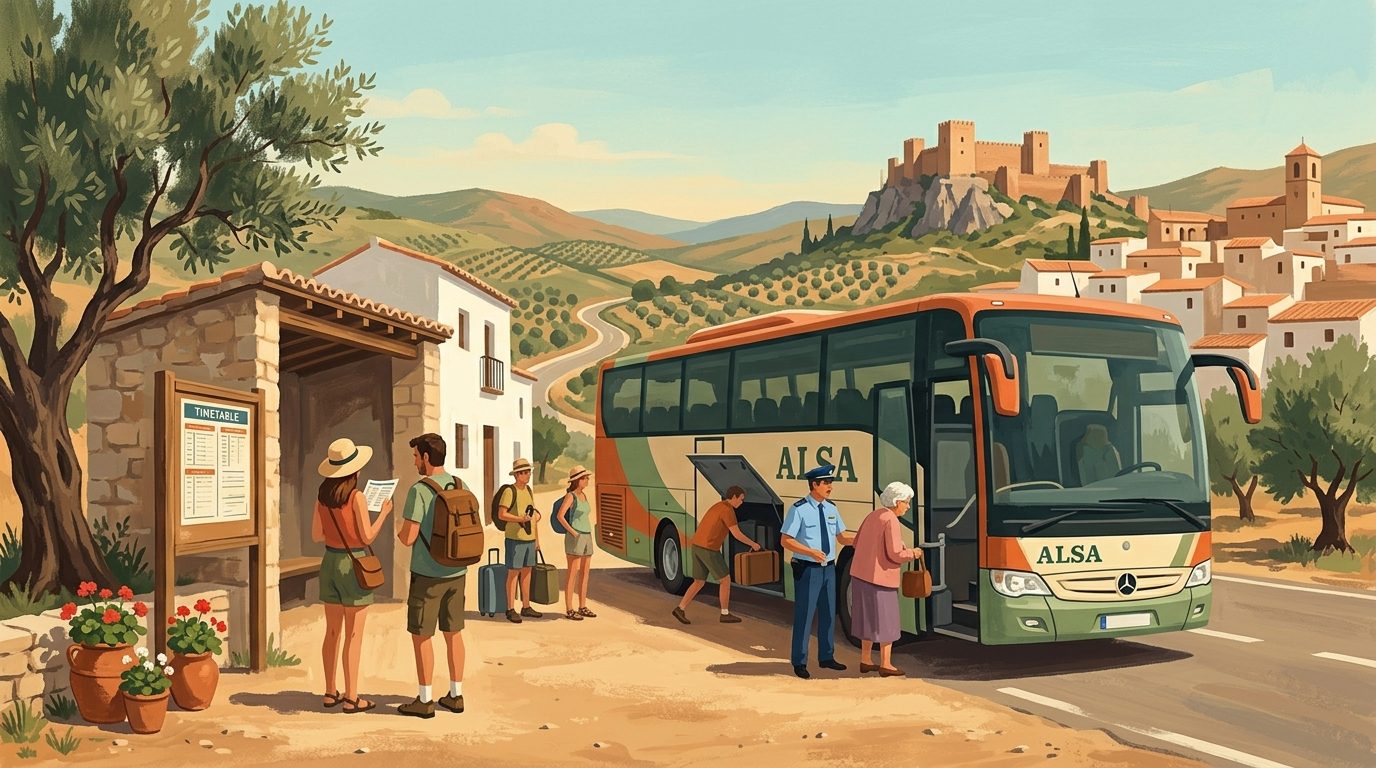
A Practical Guide to Bus Travel in Andalucía with Alsa
A comprehensive guide to using Alsa buses in Andalucía, covering booking tips, major routes, luggage rules, and station facilities.
7 min read
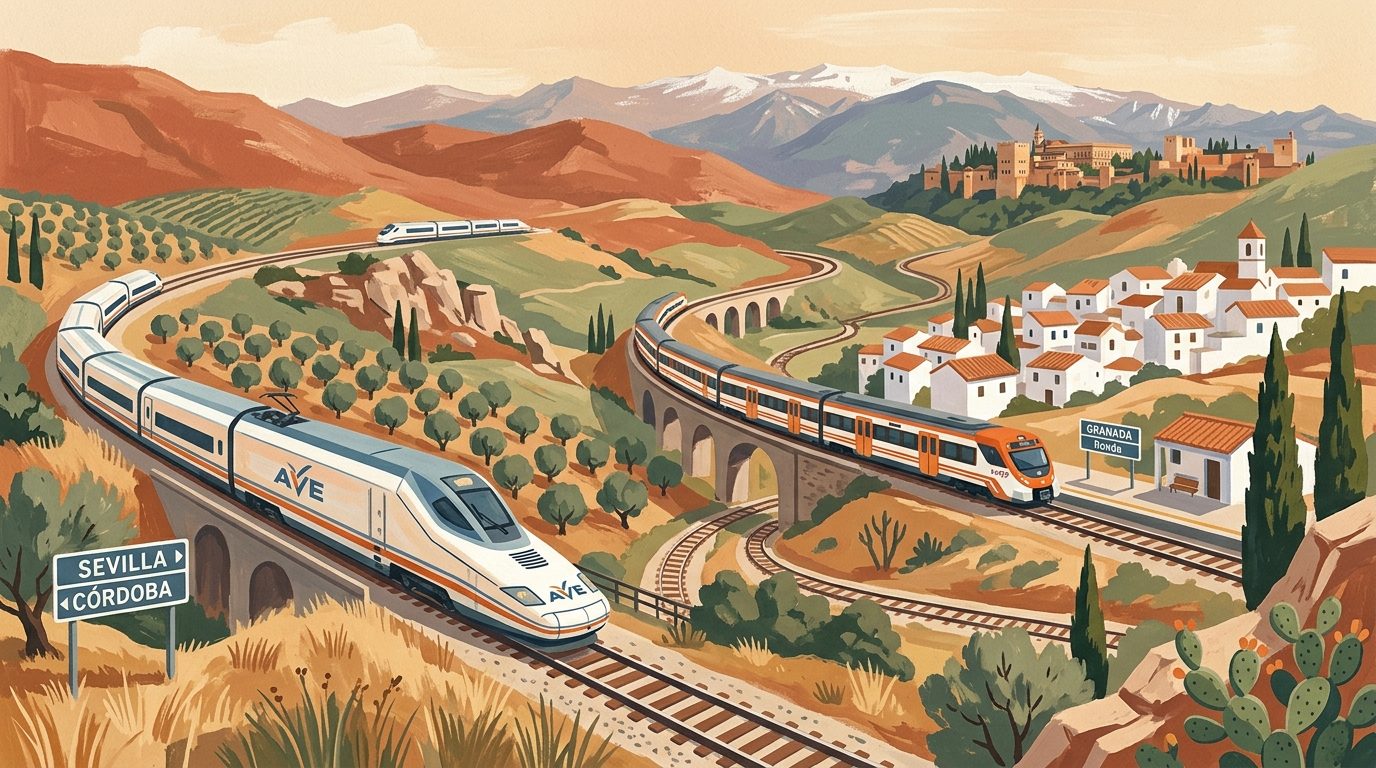
Guide to Train Travel in Andalucía: Renfe, AVE, and Regional Routes
A practical guide to train travel in Andalucía, covering AVE, Avant, Media Distancia, Cercanías, airport rail, booking checks, accessibility and operator links.
8 min read
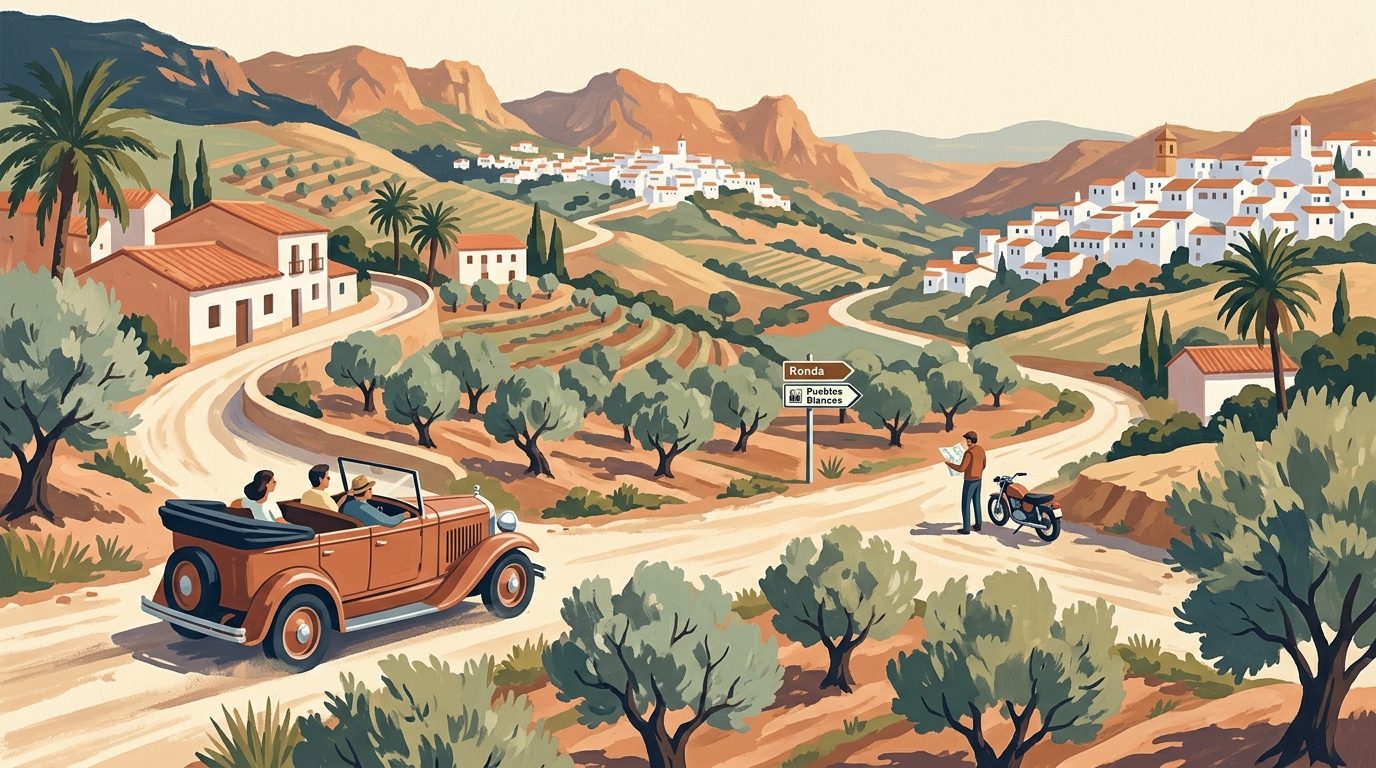
Hiring a Car in Andalucía: A Practical Guide
A practical guide to hiring a car in Andalucía, covering rental contracts, deposits, insurance exclusions, parking, tolls, cross-border rules and official driving checks.
7 min read
More guides
5 Days in Jaén: Renaissance Cities and Cazorla
A realistic five-day driving itinerary through Jaén province, balancing the monumental Renaissance architecture of Úbeda and Baeza with the rugged mountain wilderness of the Sierra de Cazorla.
11 min read
5 Days in Huelva: Atlantic Coast, Doñana and Sierra
A realistic five-day driving route through Huelva province, linking the maritime history of the capital with the tidal wetlands of Doñana and the chestnut forests of the Sierra de Aracena.
12 min read
5 Days in Almería: City, Desert and Cabo de Gata
A realistic five-day driving itinerary through Almería province, balancing the historic capital, the cinematic Tabernas badlands, and the protected volcanic shores of Cabo de Gata.
13 min read
One Week in Sevilla: A Complete Seven Days Itinerary
Spending a full week in Sevilla allows you to slow down and adopt the local rhythm. You can explore the monumental centre, wander through neighbourhood markets, and take the train to nearby Andalucían cities without feeling rushed.
13 min read
Two Days in Granada: A Step-by-Step Itinerary
Two days in Granada gives you just enough time to explore the Alhambra and lose yourself in the steep alleys of the Albaicín. This itinerary balances major monuments with the city's legendary free tapas culture.
10 min read
48 Hours in Sevilla: A Weekend Itinerary
Spend a weekend in Sevilla navigating the royal palaces, historic tapas bars and shaded plazas. This two-day plan balances major architectural sights with long lunches and evening walks along the river.
8 min read
Three Days in Sevilla: The Complete Itinerary
Spend 72 hours exploring the heart of the Andalucían capital. This pacing allows time for the Real Alcázar, late tapas in Triana and the essential afternoon siesta.
9 min read
Two Days in Sevilla: A Complete Itinerary
Two days in Sevilla requires strict prioritisation to avoid exhaustion under the Andalucían sun. This itinerary balances the grand monuments of the historic centre with the slower, more local rhythm of Triana and Santa Cruz.
10 min read
A Weekend in Cordoba: Two Days in Andalucía's Caliphate City
Spend 48 hours in Cordoba exploring the mesmerising Mezquita, getting lost in the whitewashed streets of the Judería, and eating excellent salmorejo.
9 min read
Newsletter
More stories from Andalucía
Weekly notes, seasonal picks, and the next guides worth bookmarking.