
Itinerary
48 Hours in Sevilla: A Weekend Itinerary
Spend a weekend in Sevilla navigating the royal palaces, historic tapas bars and shaded plazas. This two-day plan balances major architectural sights with long lunches and evening walks along the river.
By Dan · Updated 29 June 2026 · 8 min read
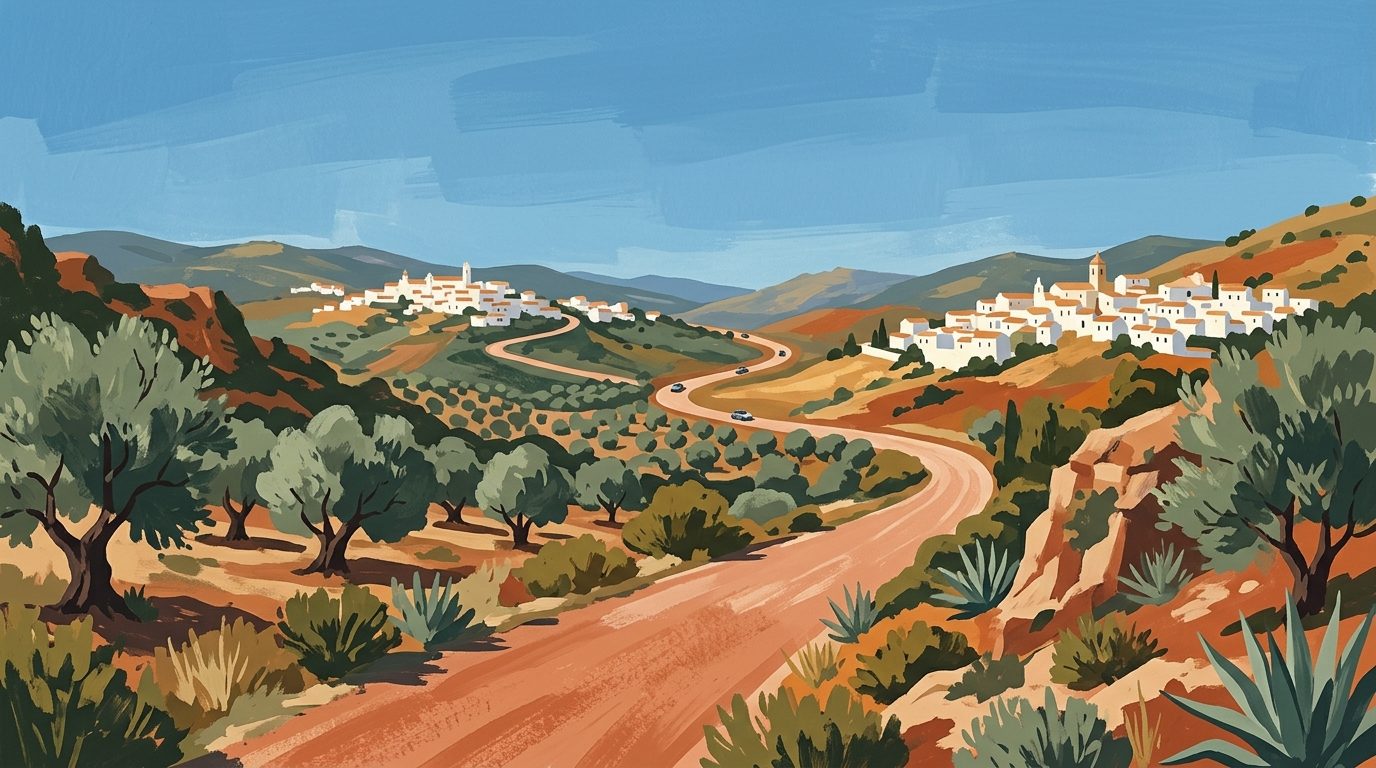
Book the royal sites, then let Sevilla set the pace
A Sevilla weekend should be planned around two fixed entries: the Real Alcázar and the Cathedral/Giralda. Once those are booked, keep the rest flexible enough for long lunches, heat breaks, Triana evenings and unexpected restaurant closures.
The city is flat but physically demanding because distances, cobbles and heat add up quickly. In summer, treat the afternoon pause as part of the itinerary rather than lost time, and use the tram, buses or taxis instead of forcing every cross-town walk.
Sevilla demands a slower pace. The heat, the late hours and the sheer scale of its monumental core mean you must adapt to the local rhythm to truly enjoy a weekend here.
Sevilla is a city that enforces its own schedule. Attempting to rush through its streets between noon and early evening during the warmer months is a fast route to exhaustion. A successful weekend requires embracing the local rhythm. That means leaving your hotel by nine in the morning, enjoying a heavy lunch around two in the afternoon, retreating for a rest, and not thinking about dinner until at least nine at night.
Forty-eight hours is enough time to absorb the monumental scale of the southern capital, provided you focus on the central neighbourhoods and resist the urge to pack in distant excursions. The key is balance. You will spend one day navigating the grand royal sites and the ancient medieval quarter, while the second day shifts towards grand parklands, aristocratic mansions and the lively northern districts. If time is short, skip the minor museum interiors in favour of the streets themselves. The architecture, the shifting light and the sheer volume of excellent tapas bars provide more than enough entertainment for a two-day stay.
Day 1: Royal Palaces and the Old Quarter
Morning
Start your weekend at the Real Alcázar. Pre-booking your ticket online several weeks ahead via the official alcazarsevilla.org portal is completely non-negotiable. Book for a 9:30 am entry to avoid the worst of the crowds and the midday sun. Walk through the Puerta del León and spend two hours exploring the complex. The Mudéjar architecture is the highlight, specifically the intricate plasterwork and reflective pool of the Patio de las Doncellas. Do not skip the subterranean Baños de Doña María de Padilla, a vaulted crypt with a long, still pool of water that provides immediate relief from the heat, before walking out into the expansive, peacock-filled gardens.
From the exit, you are immediately in the Barrio Santa Cruz, the former Jewish quarter. The walking time between the palace and the central maze of streets is less than five minutes. Spend an hour wandering through Plaza de Doña Elvira and Callejón del Agua. The streets here are intentionally narrow to provide shade, lined with wrought-iron balconies and internal patios filled with the scent of jasmine.
Lunch
Walk ten minutes west towards the Arenal neighbourhood, leaving the densest tourist crowds behind. Casa Morales on Calle García de Vinuesa is a civic institution. Aim to arrive right at 1:30 pm or 2:00 pm to secure a spot before the local residents descend. Stand in the back room surrounded by enormous clay wine vats. Order the montadito de pringá (a slow-cooked pork and black pudding sandwich) and a glass of chilled fino sherry. This is not a place to sit and linger for hours, but rather a superb introduction to the informal standing culture of Andalucían dining.
Afternoon
After lunch, cross the Avenue de la Constitución to the Catedral de Santa María de la Sede. You must also book this ticket well in advance via the official website. The sheer scale of the largest Gothic cathedral in the world requires at least ninety minutes to appreciate. Find the monumental tomb of Christopher Columbus, then begin the ascent of La Giralda. The bell tower features a series of thirty-four ramps instead of stairs, originally designed so the muezzin could ride a horse to the top. The views over the city rooftops are spectacular.
Exit through the shaded Patio de los Naranjos. By now, the mid-afternoon heat will be setting in. Take this opportunity to return to your accommodation for a rest. The streets are largely empty between 4:00 pm and 7:00 pm, and trying to push through the fatigue is a mistake.
Evening
Emerge around 8:00 pm and walk towards the Guadalquivir river. Cross the Puente de Isabel II (commonly known as the Triana Bridge) into the Triana neighbourhood. The walking time from the cathedral is roughly twenty minutes. Triana has a distinct, proud identity rooted in its ceramic and maritime industries. Walk down Calle Betis for views back across the water to the illuminated Torre del Oro.
For dinner, navigate to Calle Antillano Campos and find Las Golondrinas. It is a loud, crowded and brilliant tapas bar. Order the grilled mushrooms with alioli and the radishes, followed by tender pork cheek (carrillada). Expect to stand, shout your order to the bar staff, and enjoy the chaotic, energetic atmosphere until late into the night.
Day 2: Grand Plazas and City Views
Morning
Start early at the Plaza de España. Arriving by 8:30 am or 9:00 am guarantees you can photograph the spectacular semi-circular brick and tile complex before the large tour groups arrive. Built for the 1929 Ibero-American Exposition, the plaza features a moat and intricately painted ceramic alcoves representing the provinces of Spain.
Directly behind the plaza lies the Parque de María Luisa. Spend an hour walking through the shaded, tree-lined avenues. Seek out the Plaza de América and the quiet, tiled fountains scattered throughout the grounds. The park provides incredible relief from the rising morning temperatures and offers a quiet contrast to the dense historic centre.
Lunch
Leave the park and head north into the historic centre. It is a thirty-minute walk, so you may prefer to take the Metro-Centro tram from Prado de San Sebastián to Plaza Nueva. From there, navigate to Bodega Dos de Mayo in the San Lorenzo district. Arrive by 1:30 pm and secure a table outside on the plaza if the weather is favourable. The menu is extensive and deeply traditional. The salmorejo (a thick, cold tomato and garlic soup topped with ham) and the bacalao (salt cod) are highly recommended.
Afternoon
Walk fifteen minutes east to Casa de Pilatos. This aristocratic palace is an excellent alternative to the Real Alcázar if you prefer a quieter environment without the massive crowds. It features a similar blend of Mudéjar, Gothic and Renaissance architecture, with some of the finest azulejo tiles in Andalucía lining its lower courtyards. You will only need an hour to explore the ground floor.
From the palace, walk ten minutes north-west to Plaza de la Encarnación. Here you will find the Metropol Parasol, known universally by locals as Las Setas (The Mushrooms). Purchase a ticket for the rooftop walkway. Time your visit for the golden hour, about an hour before sunset. The undulating wooden structure provides panoramic, uninterrupted views as the city changes colour in the fading light.
Evening
Walk fifteen minutes north from Las Setas to the Alameda de Hércules. This massive, rectangular plaza is the centre of alternative Sevilla, flanked by towering Roman columns at its southern end. The perimeter is packed with bars, restaurants and late-night cafés where families, students and older locals mix.
Espacio Eslava on nearby Calle Eslava is your target for dinner. It is incredibly popular, so joining the queue right at 8:00 pm is a wise strategy. The tapas here are modern and inventive, offering a contrast to the traditional fare of the previous day. The slow-cooked egg served on a boletus mushroom cake and the cigarillo of brie and cuttlefish are outstanding. After dinner, return to the Alameda for a final drink at any of the outdoor terraces, watching the crowds walk by until past midnight.
Where to stay
Barrio Santa Cruz: Excellent for a first visit due to its immediate proximity to the Real Alcázar and the Cathedral. However, the narrow medieval streets trap the heat, and the tourist foot traffic can be overwhelming during the day. Taxis cannot access most hotels here, meaning you will have to carry your luggage over uneven cobblestones.
El Arenal: Situated between the Cathedral and the river. This is arguably the most convenient central neighbourhood for a weekend stay. You are close to the major monuments but have access to superior, less tourist-focused dining options. The streets are largely flat and very walkable.
San Lorenzo and the Macarena: Located to the north of the commercial centre, surrounding the Alameda de Hércules. Choose this district if you prioritise evening food culture and a more residential atmosphere. The walk south to the Cathedral takes about twenty minutes.
Triana: Across the Guadalquivir river on the western bank. Staying here provides a distinct, fiercely independent neighbourhood atmosphere. It is ideal for a second visit to the city. You will cross the bridge every morning to reach the historic centre, which takes about fifteen minutes on foot.
Practical notes
Arrival logistics: The San Pablo Airport is ten kilometres from the centre. The EA airport bus is the most efficient public transport option. It departs every thirty minutes and terminates at Plaza de Armas, with a crucial stop at Prado de San Sebastián, which is ideal for accessing Santa Cruz and Arenal. Taxis offer a fixed rate (usually between €25 and €35 depending on the time of day) from the airport to the historic centre.
Tickets to pre-book: Do not arrive in Sevilla assuming you can buy monument tickets on the day. The Real Alcázar and the Cathedral require booking online several weeks in advance, especially during the peak seasons of spring and autumn. If you want to visit the rooftop of Las Setas exactly at sunset, secure that specific time slot online at least a week prior.
Getting around: The city is overwhelmingly flat. Walking is the primary and most enjoyable mode of transport. The Metro-Centro tram is useful for travelling between San Bernardo, Prado de San Sebastián and Plaza Nueva. Wear highly supportive, broken-in walking shoes. The cobblestones are notoriously uneven and will quickly punish poor footwear choices.
Seasonal considerations and clothing: If you visit between June and September, the midday heat is aggressive, often exceeding forty degrees Celsius. Lightweight linen clothing, a wide hat and a strict adherence to the afternoon rest period are mandatory for survival. Winter mornings are surprisingly crisp, often hovering around five degrees, but they usually warm up to pleasant, sunny afternoons. Bring light layers if travelling between November and February.
Sunday and Monday closures: Be aware that many excellent independent restaurants close on Sundays or Monday nights. Major museums operate reduced hours on Mondays. Always verify the opening hours of specific tapas bars on the morning of your visit, as unexpected seasonal closures are very common in Andalucía.
Last reviewed: 21 June 2026 · Editorial policy
Related guides
A Long Weekend in Sevilla: The Definitive Four Days Itinerary
A precise 4-day guide to Sevilla, covering the Gothic Cathedral, royal palaces, Triana's pottery workshops, and the best tapas bars in the city.
8 min read
A Perfect Weekend in Granada
A practical three-day guide to Granada, focusing on the Alhambra, the winding lanes of the Albaicín, and the city's unique tapas culture.
8 min read
A Perfect Weekend Itinerary for Ronda
Spend 48 hours exploring the dramatic gorge of Ronda, walking its ancient walls and sampling its excellent tapas scene. This practical weekend guide helps you navigate the crowds and savour the local rhythm.
8 min read
Two Days in Cordoba: A Complete Itinerary
Two days in Cordoba gives you enough time to look beyond the famous arches of the Mezquita and explore the quiet residential courtyards that define the city.
8 min read
Three Days in Cordoba: An Itinerary for Independent Travellers
A three-day stay allows you to experience Cordoba without the typical day-tripper rush. Take time to explore aristocratic palaces, authentic tapas taverns and the ruined caliphate city of Medina Azahara.
8 min read
Three Days in Cadiz: The Ultimate Itinerary for Independent Travellers
Three days allows you to completely sink into the maritime rhythm of Europe's oldest city. You can cover the historic centre, explore the twin seaside fortresses, and still have time for a sherry tasting afternoon across the bay.
7 min read
More guides

5 Days in Jaén: Renaissance Cities and Cazorla
A realistic five-day driving itinerary through Jaén province, balancing the monumental Renaissance architecture of Úbeda and Baeza with the rugged mountain wilderness of the Sierra de Cazorla.
11 min read
5 Days in Huelva: Atlantic Coast, Doñana and Sierra
A realistic five-day driving route through Huelva province, linking the maritime history of the capital with the tidal wetlands of Doñana and the chestnut forests of the Sierra de Aracena.
12 min read
5 Days in Almería: City, Desert and Cabo de Gata
A realistic five-day driving itinerary through Almería province, balancing the historic capital, the cinematic Tabernas badlands, and the protected volcanic shores of Cabo de Gata.
13 min read
One Week in Sevilla: A Complete Seven Days Itinerary
Spending a full week in Sevilla allows you to slow down and adopt the local rhythm. You can explore the monumental centre, wander through neighbourhood markets, and take the train to nearby Andalucían cities without feeling rushed.
13 min read
Two Days in Granada: A Step-by-Step Itinerary
Two days in Granada gives you just enough time to explore the Alhambra and lose yourself in the steep alleys of the Albaicín. This itinerary balances major monuments with the city's legendary free tapas culture.
10 min read
Three Days in Sevilla: The Complete Itinerary
Spend 72 hours exploring the heart of the Andalucían capital. This pacing allows time for the Real Alcázar, late tapas in Triana and the essential afternoon siesta.
9 min read
Two Days in Sevilla: A Complete Itinerary
Two days in Sevilla requires strict prioritisation to avoid exhaustion under the Andalucían sun. This itinerary balances the grand monuments of the historic centre with the slower, more local rhythm of Triana and Santa Cruz.
10 min read
A Weekend in Cordoba: Two Days in Andalucía's Caliphate City
Spend 48 hours in Cordoba exploring the mesmerising Mezquita, getting lost in the whitewashed streets of the Judería, and eating excellent salmorejo.
9 min read
Seven Days in Cordoba: The Complete One-Week Itinerary
Seven days in Cordoba allows you to sink into the slow rhythm of Southern Spain. Beyond the famous Mosque Cathedral, a full week gives you time to explore aristocratic palaces, sip local wines in ancient taverns, and venture out to the olive groves and castles of the surrounding province.
13 min read
Newsletter
More stories from Andalucía
Weekly notes, seasonal picks, and the next guides worth bookmarking.