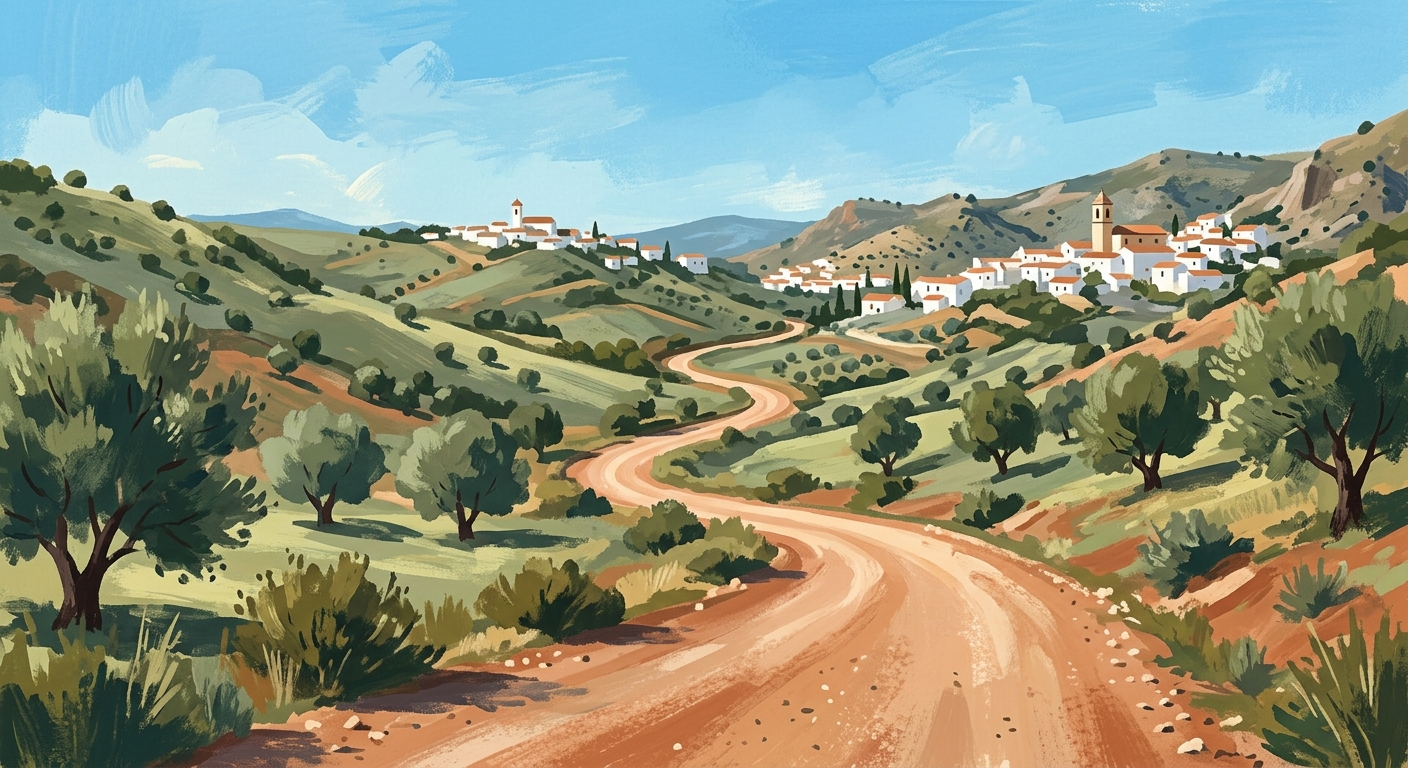
itinerary
Two days in Sevilla requires strict prioritisation to avoid exhaustion under the Andalucían sun. This itinerary balances the grand monuments of the historic centre with the slower, more local rhythm of Triana and Santa Cruz.
itinerary
2 Days in Sevilla: A Complete Itinerary
1 May 2026 · 10 min read · 2,113 words
Two days in Sevilla requires strict prioritisation to avoid exhaustion under the Andalucían sun. This itinerary balances the grand monuments of the historic centre with the slower, more local rhythm of Triana and Santa Cruz.
Forty-eight hours in the Andalucían capital provides just enough time to experience the major monuments, savour the extraordinary local food, and adjust to the unique rhythm of the deep south. Attempting a non-stop sightseeing marathon here will leave you exhausted, particularly in the warmer months. The secret to enjoying Sevilla is adapting entirely to the local timetable: late breakfasts, long lunches, a complete pause in the mid-afternoon, and dinners that rarely start before nine o'clock.
In two days, you can thoroughly explore the magnificent Real Alcázar and the colossal Cathedral, lose yourself in the narrow alleys of Barrio Santa Cruz, and cross the Guadalquivir river to experience the proud, independent spirit of Triana. To make this work, you must ruthlessly skip peripheral sights. Leave the Roman ruins of Itálica, the distant Macarena basilica, and the fine arts museum for a future visit.
The pacing of this itinerary accounts for the inescapable reality of the midday heat, which dictates life here from May to October. By clustering geographically close locations and leaving room for the afternoon pause, you can experience the city without feeling overwhelmed. You will do a huge amount of walking, so comfortable shoes are essential for navigating the endless cobblestones. Sevilla is flat, but its historic core is a labyrinth where GPS signals frequently fail, so part of the experience is simply allowing yourself to get slightly lost.
Day 1: The Royal Sights and Santa Cruz
Morning
Start your day early at the Real Alcázar, the spectacular royal palace complex that served as the residence for both Moorish and Christian rulers. You absolutely must book your timed entry ticket weeks in advance online. Enter exactly at your allotted time to explore the exquisite mudéjar courtyards, particularly the Patio de las Doncellas with its sunken garden and reflective pool, before the heaviest tour groups arrive. Make sure to venture downstairs to the atmospheric Baños de Doña María de Padilla, a vaulted rainwater tank that offers a cool respite. Dedicate at least two hours to the palace rooms and the extensive, peacock-filled gardens.
From the exit of the Alcázar in the Patio de Banderas, it is a brief two-minute walk to the Cathedral of Sevilla. This immense structure is the largest Gothic church in the world. Again, pre-book a combined ticket that includes access to the Giralda tower. Inside the cavernous nave, you will find the tomb of Christopher Columbus, held aloft by four statues representing the kingdoms of Spain. The climb up the Giralda, originally a minaret, is via a series of 35 gently sloping ramps rather than stairs. The ascent takes around 15 to 20 minutes and rewards you with panoramic views across the rooftops of the entire city.
Lunch
By half past one, you will be more than ready to eat. Walk five minutes from the Cathedral to the edge of Barrio Santa Cruz. Bodega Santa Cruz Las Columnas on Calle Mateos Gago is a local institution. It is loud, crowded and thoroughly authentic. Stand at the bar, order a cold Cruzcampo beer or a glass of dry manzanilla sherry, and ask for a plate of espinacas con garbanzos (spinach with chickpeas) and some fried aubergine with honey. Do not be intimidated by the shouting waiters or the lack of formal queues. They will chalk your running tab directly on the wooden bar in front of you.
Afternoon
The hours between three and six o'clock are strictly for resting. The streets empty out, and the heat reaches its peak. If you are visiting between November and March, you might choose to keep exploring, but otherwise, retreating to your accommodation for a siesta is highly recommended.
Once the late afternoon shadows lengthen, wander through the pedestrianised labyrinth of Barrio Santa Cruz. Originally the Jewish quarter, this area is a tangle of narrow alleys, whitewashed walls, and wrought-iron balconies spilling over with jasmine. Keep your phone in your pocket and simply turn whichever way looks most appealing. Look out for the picturesque Plaza de Doña Elvira with its tiled benches and orange trees. Eventually, navigate your way to the Hospital de los Venerables, a beautifully restored 17th-century building featuring a stunning baroque church and a courtyard that rarely suffers from long queues.
Evening
Take a leisurely 15-minute walk south to the Plaza de España just before sunset. Built for the 1929 Ibero-American Exposition, this sweeping semi-circular pavilion is an architectural marvel of brick and ceramic tiles. The golden hour light turns the complex into a spectacular sight, perfect for photography. It is cooler now, and you can comfortably admire the tiled alcoves representing the different provinces of Spain, or perhaps hire a small rowing boat to take out on the canal.
For dinner, walk back towards the Arenal neighbourhood near the river. Bodeguita Romero on Calle Harinas is legendary for its montadito de pringá, a small toasted sandwich filled with rich, slow-cooked pork, chorizo, and black pudding. Arrive by half past eight to secure a spot at the bar, or book a table in advance if you prefer a formal seated meal. Finish the night with a slow stroll past the illuminated Cathedral.
Day 2: Aristocratic Palaces, Triana and the River
Morning
Head north to the Palacio de las Dueñas, the private residence belonging to the House of Alba. Arrive when the gates open at ten o'clock. The bougainvillea-draped courtyards, lemon trees, and eclectic art collection offer a much more intimate look at noble Andalucían life than the sprawling Alcázar. The celebrated Spanish poet Antonio Machado was born in a room here, and the atmosphere remains deeply romantic. It takes roughly an hour to wander through the ground floor rooms and gardens.
From the palace, walk 10 minutes south to the Metropol Parasol, known universally to locals as Las Setas (The Mushrooms). This massive wooden structure provides a striking, controversial modern contrast to the surrounding historic streets. Pay the entry fee at the subterranean level to ride the lift to the undulating walkway on the roof. The morning light is excellent for photography up here, offering a completely different perspective of the city skyline. If you have time, the Antiquarium in the basement houses excellent Roman mosaics discovered during the construction.
Lunch
You are perfectly positioned to eat at El Rinconcillo on Calle Gerona, a brief five-minute walk from Las Setas. Established in 1670, it is officially recognised as the oldest tapas bar in the city. The mahogany bar, dusty sherry bottles, and curing hams hanging from the ceiling create a wonderful, cinematic atmosphere. Try the hand-carved jamón ibérico and the pavías de bacalao (battered cod strips). The bar fills up rapidly after one o'clock, so arrive promptly to claim a standing spot downstairs rather than opting for the formal restaurant upstairs.
Afternoon
After your meal, take a 20-minute walk west towards the Guadalquivir river. Cross the iconic iron Puente de Isabel II, commonly known as the Triana bridge. You are now in Triana, a fiercely proud working-class neighbourhood famous for its historic connection to flamenco, ceramics, and maritime exploration.
Immediately on your right as you cross the bridge is the Mercado de Triana, built over the remains of the Castillo de San Jorge. Take a quick walk through the market stalls selling fresh produce and cured meats. Afterwards, walk south down Calle Betis, which runs directly alongside the river, offering excellent views back towards the Torre del Oro and the Cathedral. Turn inland to Calle Alfarería to browse the traditional tile workshops. Cerámica Santa Ana is an excellent place to pick up authentic, hand-painted souvenirs. The pace of life here is noticeably slower than in the monumental centre, so take your time and perhaps stop for an afternoon coffee in the pedestrianised Calle San Jacinto.
Evening
Stay in Triana as the evening approaches. The riverside becomes a popular gathering spot for locals enjoying the cooling breeze off the water. For dinner, head to Blanca Paloma on Calle San Jacinto. It is hugely popular with the neighbourhood crowd, so expect to wait for a table if you arrive after nine o'clock. Their aubergines stuffed with prawns and their grilled meats are exceptional.
End your two days with an authentic flamenco performance. While Triana has many impromptu bars where locals might sing, securing tickets for a dedicated venue ensures you see top-tier professional dancers and musicians. Casa de la Memoria, located back across the river in the central district, offers a highly respected, unamplified show in an intimate courtyard setting. The focus here is entirely on the art of the guitar, the singing, and the dance, without the distraction of a dinner service. You must book your tickets several days in advance, as the small venue sells out nightly.
Where to stay
Barrio Santa Cruz is the most obvious choice for first-time visitors due to its immediate proximity to the Cathedral and the Alcázar. You will pay a premium for the central location, and you may have to drag your luggage over cobblestones from the nearest taxi drop-off, but waking up among the narrow, orange-tree-lined alleys is incredibly atmospheric and allows you to easily return to your room for a midday break.
The Arenal neighbourhood sits comfortably between the Cathedral and the river. It is slightly more spacious than Santa Cruz and offers an extraordinary density of excellent tapas bars and restaurants. It is an ideal base if food is your primary focus, and it provides easy, flat walking access to both the historic centre and the bridge to Triana.
Triana, situated across the Guadalquivir, appeals to independent travellers seeking a more residential, local feel. Hotels and guesthouses here are often better value, and the morning atmosphere in the cafes feels distinctly untouristy. You will need to add a 15 to 20-minute walk to reach the main monuments, but the evening stroll back across the illuminated bridge is always a highlight of the day.
The Alameda de Hércules district, located to the north of the centre, is perfect if you prefer a bohemian atmosphere and late-night socialising. The massive tree-lined plaza is surrounded by alternative cafes, craft beer bars, and vintage shops. It is a 25-minute walk to the Cathedral, but it places you very close to Palacio de las Dueñas and Las Setas.
Practical notes
Arriving in the city is straightforward. The EA airport bus runs frequently and takes around 35 minutes to reach the centre, stopping at the Prado de San Sebastián and the Plaza de Armas bus station. Tickets are purchased directly from the driver. If you arrive at the central Santa Justa train station on the high-speed AVE line, joining the official taxi rank queue is usually the most efficient choice; a ride to most central hotels costs under ten euros. Once you drop your bags, walking is the best way to get around, though the MetroCentro tram (Line T1) is useful for travelling from the Plaza Nueva down to the Prado de San Sebastián if your feet are tired.
Booking tickets in advance is absolutely mandatory for the Real Alcázar. Tickets for the morning slots regularly sell out weeks ahead, and without one, you will either be turned away or forced to stand in a slow-moving queue for hours in the heat. You should also pre-book your Cathedral entry to bypass the long lines that form in the Plaza Virgen de los Reyes. Print your tickets or save the PDF files directly to your phone for scanning at the security entrances.
When packing, you must consider the extreme variations in the Andalucían climate. Between June and September, lightweight, breathable fabrics like linen are essential, and you should always carry a refillable bottle of water. In the winter months, from December to February, mornings and evenings are surprisingly cold and damp, requiring a warm jacket or a thick jumper. However, the midday winter sun will often warm up enough for you to peel down to a t-shirt. Whatever the season, flat, supportive shoes with good grip are crucial, as the polished historic cobblestones can be slippery and highly uneven.
Finally, keep a close eye on the calendar. Many smaller museums, civic buildings, and a significant number of restaurants close entirely on Mondays. Sundays have a very specific cultural rhythm, with large, multi-generational family lunches dominating the afternoon. This means you should book a table well in advance if you want a formal sit-down meal on a Sunday, and expect many tapas bars to close their doors by late afternoon, completely skipping the evening service.
More guides
1 Week in Sevilla: A Complete 7-Day Itinerary
Spending a full week in Sevilla allows you to slow down and adopt the local rhythm. You can explore the monumental centre, wander through neighbourhood markets, and take the train to nearby Andalucían cities without feeling rushed.
13 min read
Read guide →
3 Days in Sevilla: The Complete Itinerary
Spend 72 hours exploring the heart of the Andalucían capital. This pacing allows time for the Real Alcázar, late tapas in Triana and the essential afternoon siesta.
9 min read
Read guide →
A Weekend in Cordoba: Two Days in Andalucía's Caliphate City
Spend 48 hours in Cordoba exploring the mesmerising Mezquita, getting lost in the whitewashed streets of the Judería, and eating excellent salmorejo.
9 min read
Read guide →
7 Days in Cordoba: The Complete One-Week Itinerary
Seven days in Cordoba allows you to sink into the slow rhythm of Southern Spain. Beyond the famous Mosque Cathedral, a full week gives you time to explore aristocratic palaces, sip local wines in ancient taverns, and venture out to the olive groves and castles of the surrounding province.
12 min read
Read guide →
One Week in Ronda: A Seven-Day Itinerary for the Serranía
A seven-day stay in Ronda allows you to experience the deep gorge and ancient streets long after the day-trippers have left. Using the city as a base, you can easily explore the surrounding white villages, hike the Sierra de las Nieves, and settle into the true rhythm of mountain life.
13 min read
Read guide →
3 Days in Granada: The Perfect Itinerary
Spend three days exploring Granada without the rush. Discover how to pace your visits to the Alhambra, navigate the winding Albaicín, and master the free tapas culture.
8 min read
Read guide →
Seven Days in Malaga: A One-Week Itinerary
Spending a full week in Malaga allows you to explore the historic centre at a relaxed pace while leaving time for the coast and nearby mountains. This plan balances world-class art and Moorish architecture with long lunches by the Mediterranean Sea.
12 min read
Read guide →
A Perfect Weekend Itinerary for Malaga
Spend 48 hours in Malaga discovering a coastal city that balances centuries of Moorish architecture with excellent art galleries and outstanding local seafood. This weekend plan helps you navigate the historic centre, avoid the longest queues, and eat at the best neighbourhood tapas bars.
9 min read
Read guide →
3 Days in Malaga: A Complete Itinerary
Plan the perfect 72 hours in Malaga with our detailed daily itinerary, balancing Moorish history and world-class art with authentic Andalucían tapas.
8 min read
Read guide →Newsletter
More stories from Andalucía
Weekly notes, seasonal picks, and the next guides worth bookmarking.