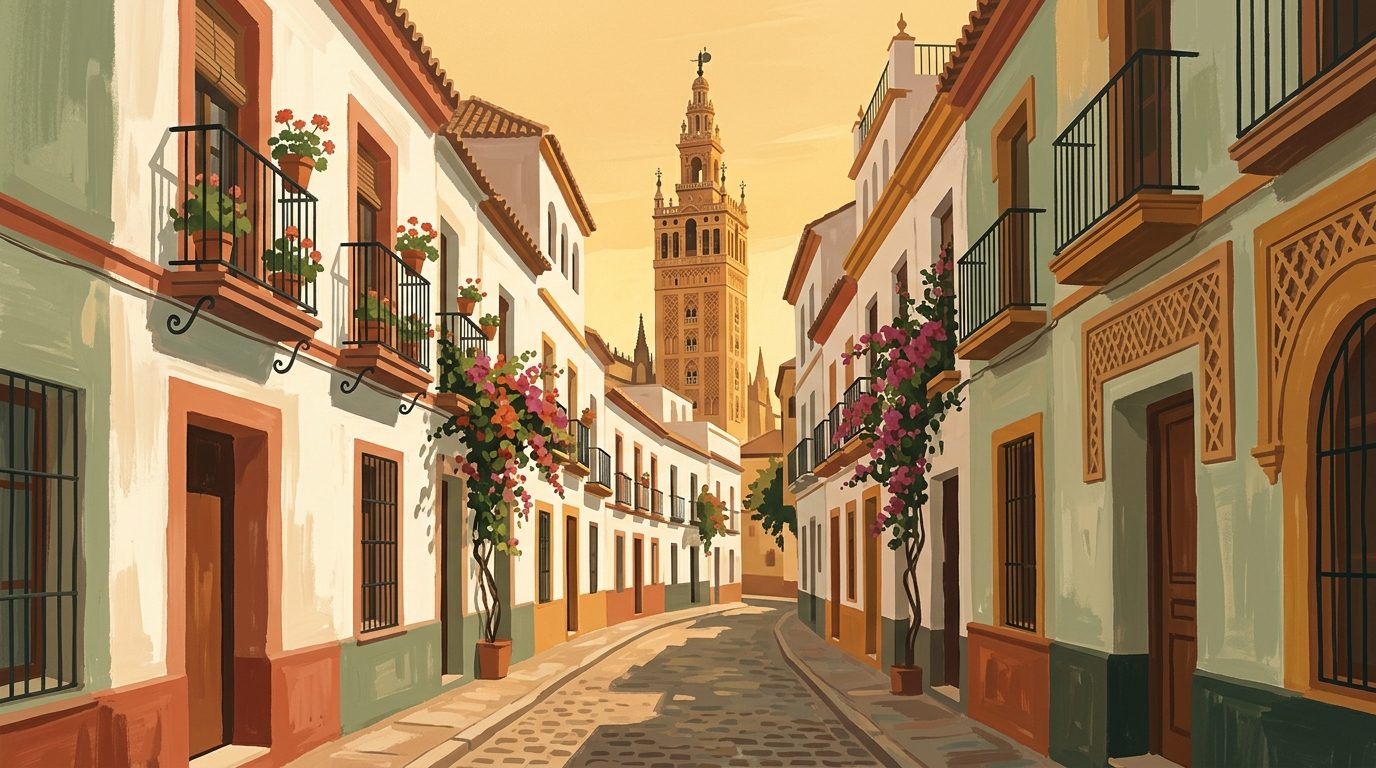
Often called the frying pan of Andalucía for its intense summer heat, Écija rewards visitors with an extraordinary skyline of Baroque towers and world-class Roman mosaics. This riverside city on the Genil offers a preserved journey through the 18th century within its whitewashed streets.
Écija sits midway between Sevilla and Córdoba, situated in the fertile countryside of the Lower Guadalquivir. While many travellers bypass it on the motorway, those who stop find one of the most architecturally significant towns in southern Spain. It is famously known as La Sartén de Andalucía (The Frying Pan of Andalucía) because temperatures here frequently exceed 40°C in July and August. However, visiting during the spring, autumn, or winter reveals a city of immense elegance and historical weight.
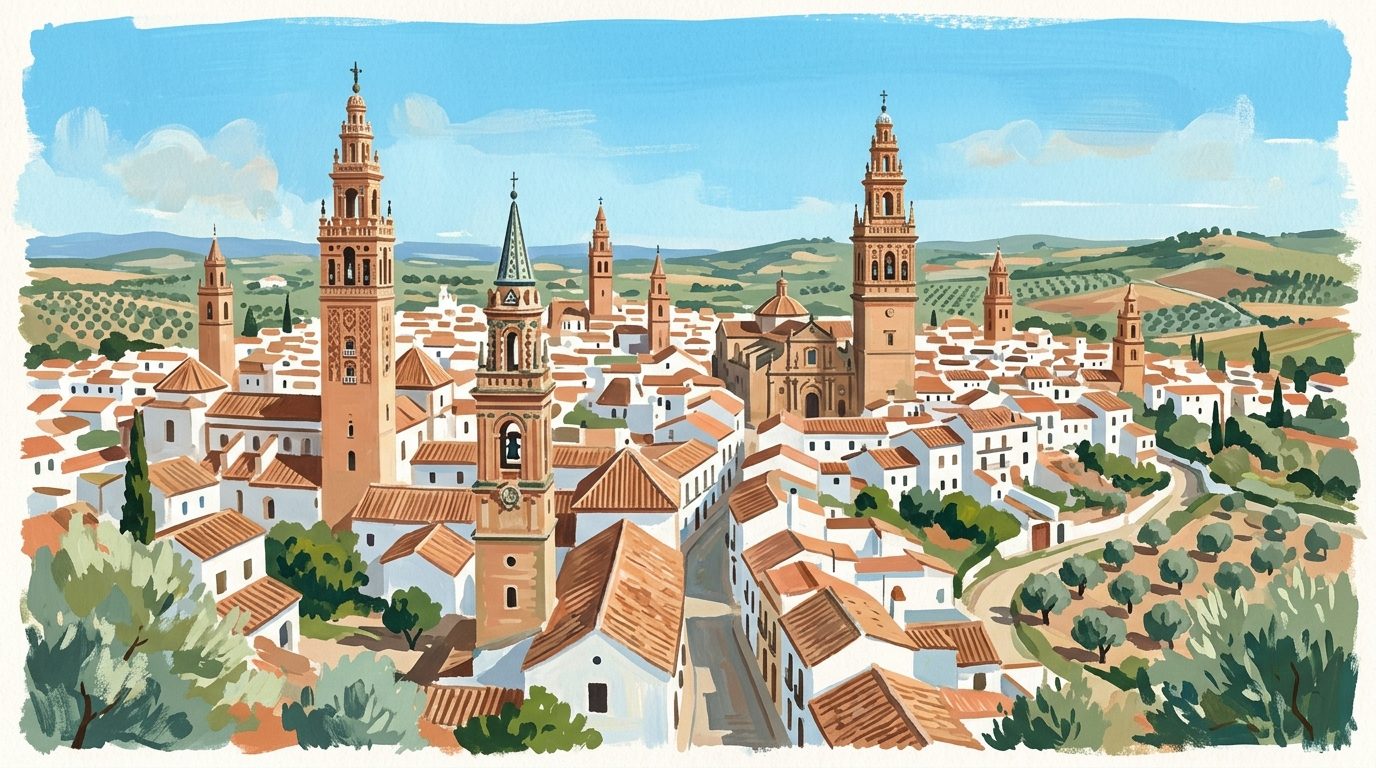
The town reached its peak of prosperity during the 18th century when a powerful local aristocracy grew wealthy from the surrounding olive groves and grain fields. This era of abundance left behind a legacy of grand civil palaces and a skyline dominated by eleven ornate bell towers. Beyond its Baroque façades, Écija holds deep Roman roots; as the ancient colony of Astigi, it was once a major capital of the Roman province of Baetica, a history that continues to emerge from the ground today.
The City of Towers
The defining feature of Écija is its collection of 18th-century bell towers. These structures are more than mere steeples; they are masterpieces of brickwork and ceramic decoration that reflect the competitive spirit of the local parishes during the Baroque era.
San Juan and the Baroque Skyline
The tower of the Church of San Juan is widely considered the finest in the city. Its design is exceptionally detailed, featuring stone carvings, vivid ceramic tiles, and a multi-tiered structure that tapers elegantly into the sky. Visitors can climb to the bell level for a panoramic view across the rooftops of the old quarter. Nearby, the tower of Santa Maria provides a more sober but equally imposing presence, while the twin towers of the Church of La Concepción (known as Las Gemelas) offer a perfectly symmetrical addition to the skyline. Each tower is unique, with different patterns of azulejos (ceramic tiles) reflecting the light at sunset.
Roman Treasures and Archaeological Heritage
Long before the Baroque period, Écija was a pivotal Roman administrative centre. Recent excavations have brought to light artefacts that rival those found in much larger European cities.
Palacio de Benamejí: Municipal Historical Museum
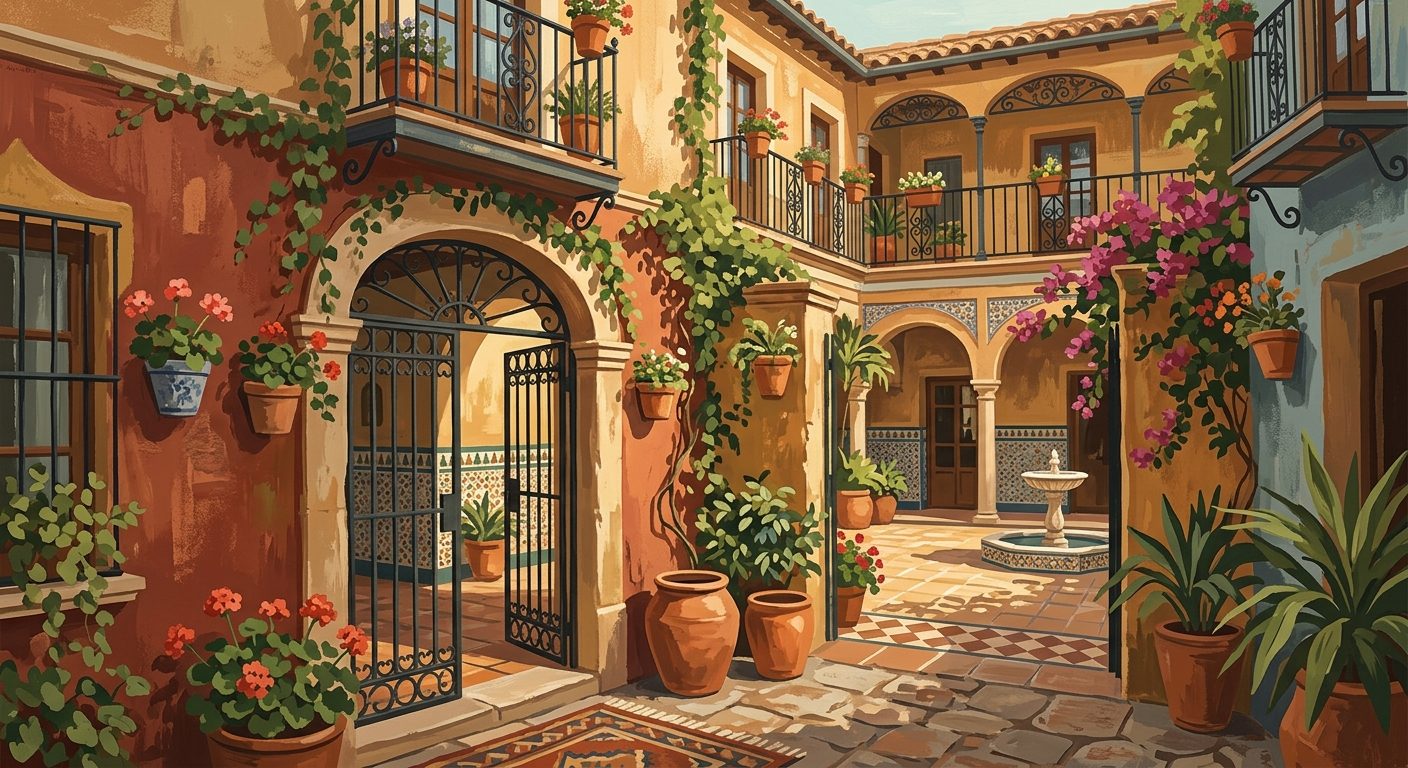
Housed in the grand Palacio de Benamejí, the Municipal Historical Museum is an essential stop. The palace itself is a magnificent example of 18th-century civil architecture, with a massive stone portal and a traditional shaded courtyard. Inside, the collection is dominated by the "Wounded Amazon of Écija". Found in 2002 during excavations in the Plaza de España, this 2nd-century AD marble statue is one of the best-preserved examples of its kind in the world, still retaining traces of its original polychrome paint.
The museum also displays a series of remarkably intact Roman mosaics. The Triumph of Bacchus and the Seasons mosaics are particularly noted for their fine detail and scale. These were once the floors of grand Roman villas, proving that Écija was a place of high culture and wealth nearly two millennia ago.
Civil Architecture and Grand Palaces
Walking through the narrow streets of the historical centre, you will encounter the massive stone gateways of former aristocratic residences. These buildings were designed to show the status of the families that controlled the surrounding agricultural lands.
Palacio de Peñaflor
Perhaps the most unusual building in the city is the Palacio de los Marqueses de Peñaflor. Its façade is famously curved to follow the bend of the street, and it features a long, continuous balcony supported by stone lions. The exterior is decorated with frescos depicting architectural elements and figures in the trompe l'oeil style. While parts of the interior have faced periods of neglect, ongoing restoration work allows visitors to appreciate the grand staircase and the ornate mirador (lookout tower) that provides a unique perspective on the town’s layout.
Plaza de España: El Salón
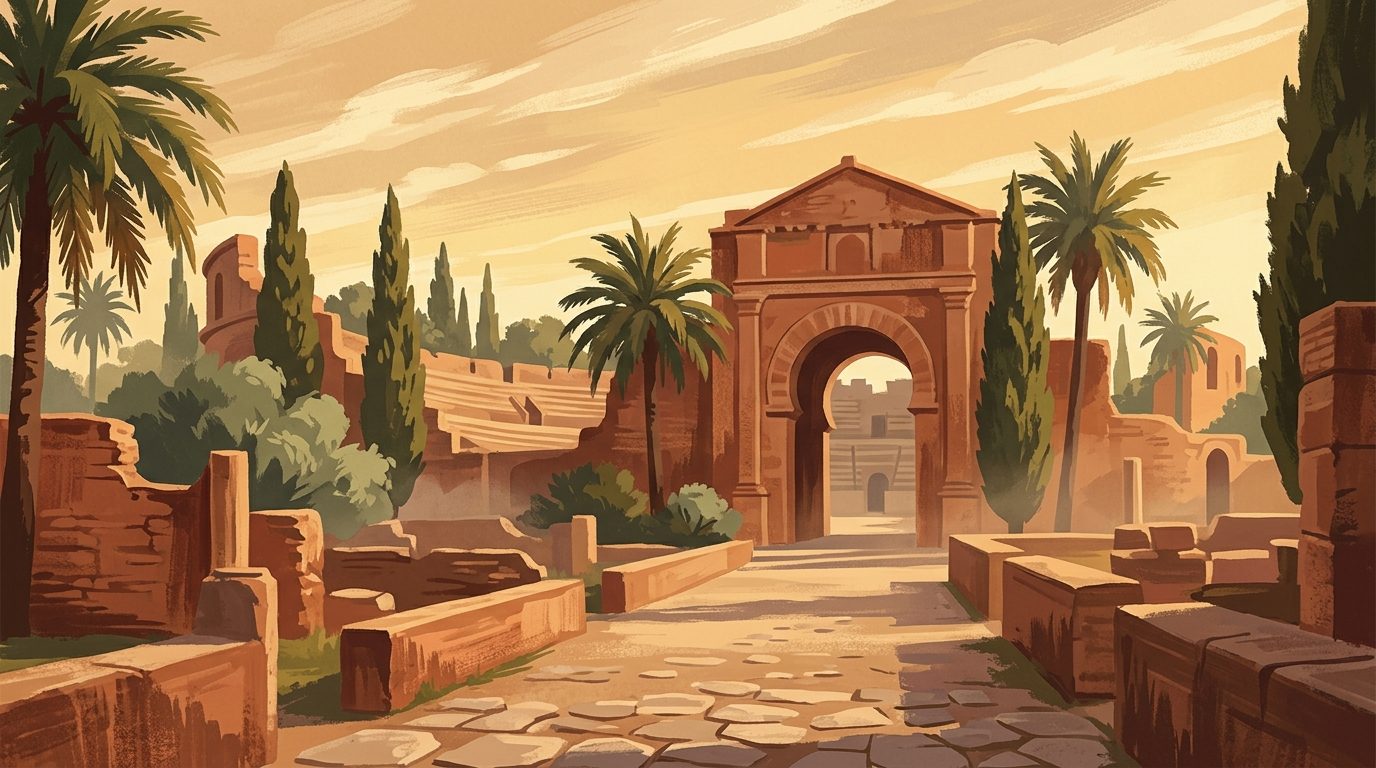
The heart of social life in Écija is the Plaza de España, locally referred to as "El Salón." This wide open space is bordered by cafes and the town hall. Beneath the square lies a modern car park, but during its construction, significant Roman ruins were uncovered. Parts of these excavations remain visible, showing the ancient forum and street levels of Roman Astigi, literally sitting beneath the modern feet of the townspeople.
Practical Information
Opening Times:
The Municipal Historical Museum (Palacio de Benamejí) is generally open Monday to Friday from 10:00 to 13:30 and 16:30 to 18:30. On Saturdays, it opens from 10:00 to 14:00 and 18:30 to 20:00, and Sundays from 10:00 to 15:00. We recommend checking the official Turismo de Écija website for the summer schedule, which usually takes effect from mid-June to mid-September.
Ticket Prices:
General admission to the Municipal Historical Museum is €4, with reduced rates of €2 for students and seniors (check on the operator's website before travelling). Entry to the Palacio de Peñaflor is €3 for a guided visit. Most churches are free to enter during service times, though some charge a nominal fee of €2 or €3 for access to the towers or sacristy museums.
How to Get There:
By car, Écija is easily reached via the A-4 motorway, approximately 50 minutes from Sevilla and 40 minutes from Córdoba. Regular bus services are operated by ALSA and Monbus from Sevilla’s Plaza de Armas station, with the journey taking roughly one hour. The bus station in Écija is located on Avenida del Genil, a 10-minute walk from the central Plaza de España.
Parking:
Driving in the very centre of Écija can be difficult due to narrow streets. The most convenient option is the underground Indigo car park beneath the Plaza de España, which is open 24 hours and offers easy access to all major monuments.
Where to Eat Nearby
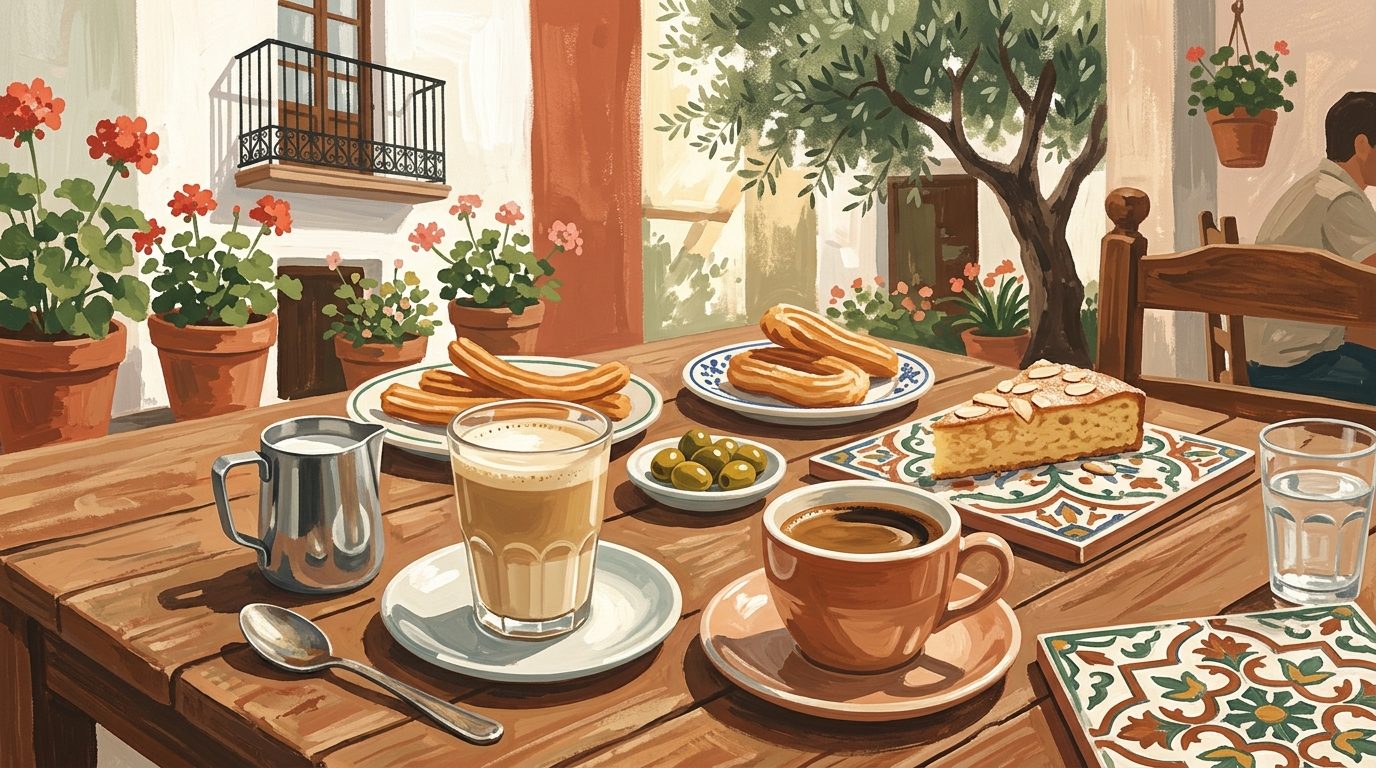
For a traditional experience, Restaurante Hispania on the Plaza de España offers classic local dishes such as Sopa de Gato (a traditional garlic and bread soup) and Mollete de Écija. If you prefer dining within a historical setting, Restaurante Las Ninfas is located inside the Palacio de Benamejí, offering a menu that blends modern Andalucían cooking with traditional flavours. For excellent tapas in a casual environment, Casa Pirula is a local favourite known for its high-quality ingredients and friendly service. Do try the local pastries, specifically the Yemas de San Pablo, which are made by the local convent.
Where to Stay
Hotel Infanta Leonor is a modern and comfortable four-star option located within easy walking distance of the main square. It features a rooftop pool which is a welcome relief during the warmer months. For a more historic atmosphere, Palacio de los Granados is a boutique hotel situated in a converted 18th-century palace. It retains many original features, including a beautiful central courtyard and high-beamed ceilings, providing a quiet retreat from the sun-drenched streets outside.