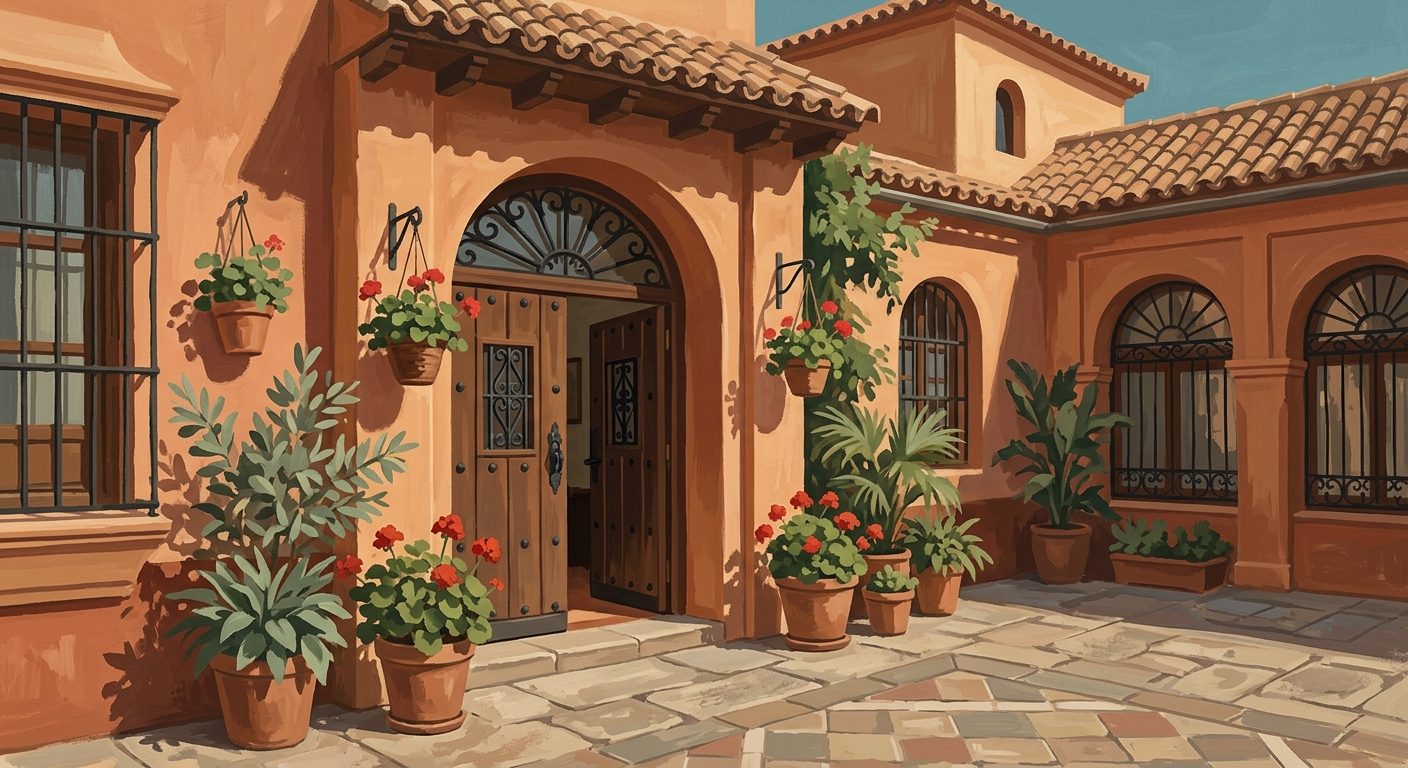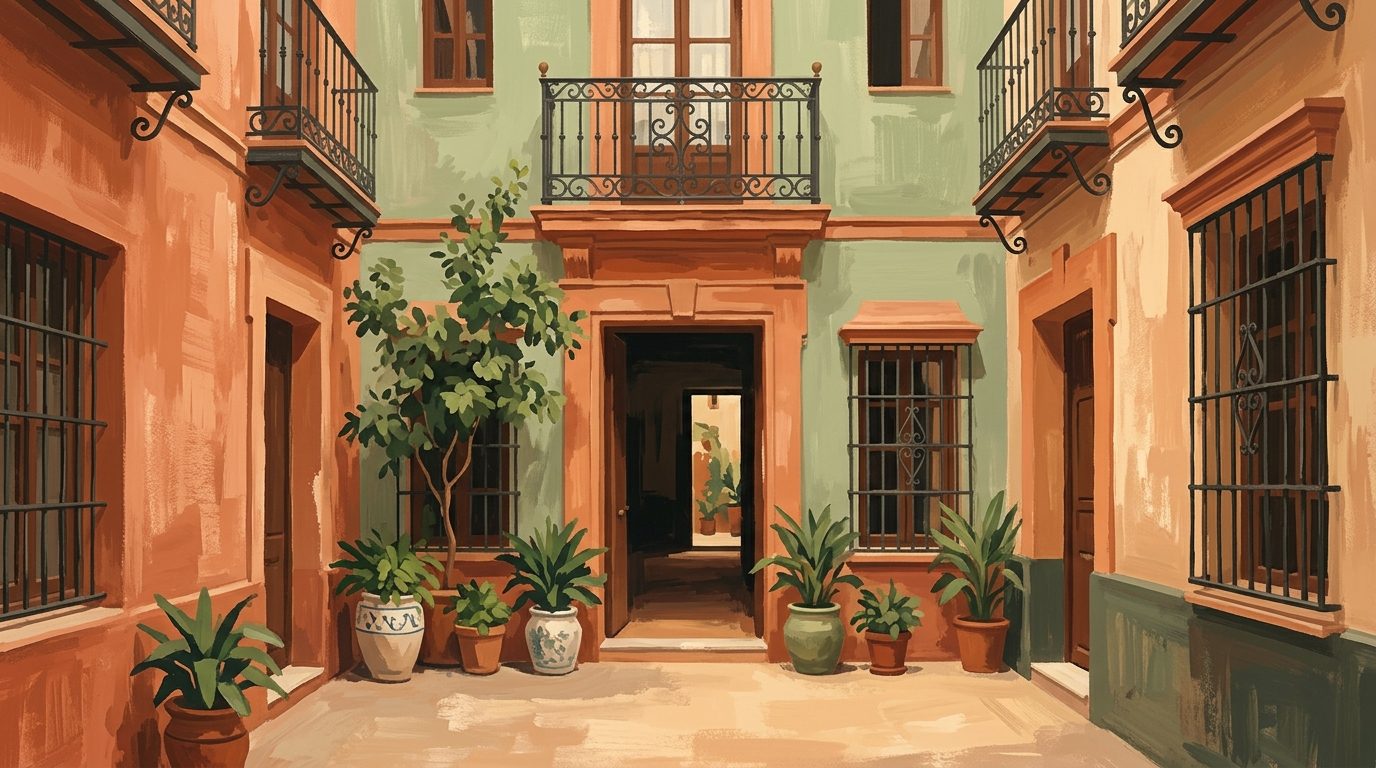
Utrera stands as a pillar of Andalucían identity, where the deep echoes of flamenco meet some of the most impressive religious architecture in the province of Sevilla. It is a town defined by the white heat of the Lower Guadalquivir countryside and a cultural legacy that remains remarkably lived-in today.
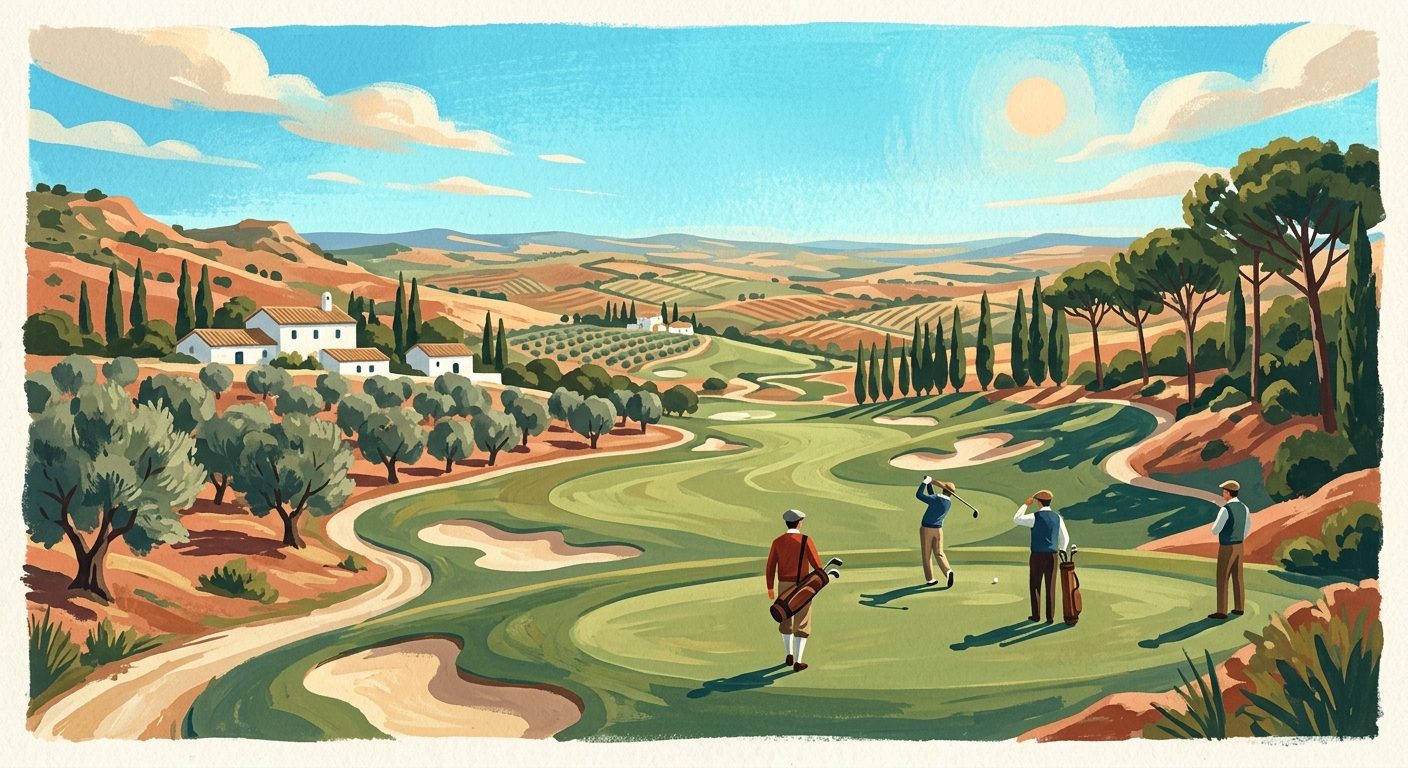
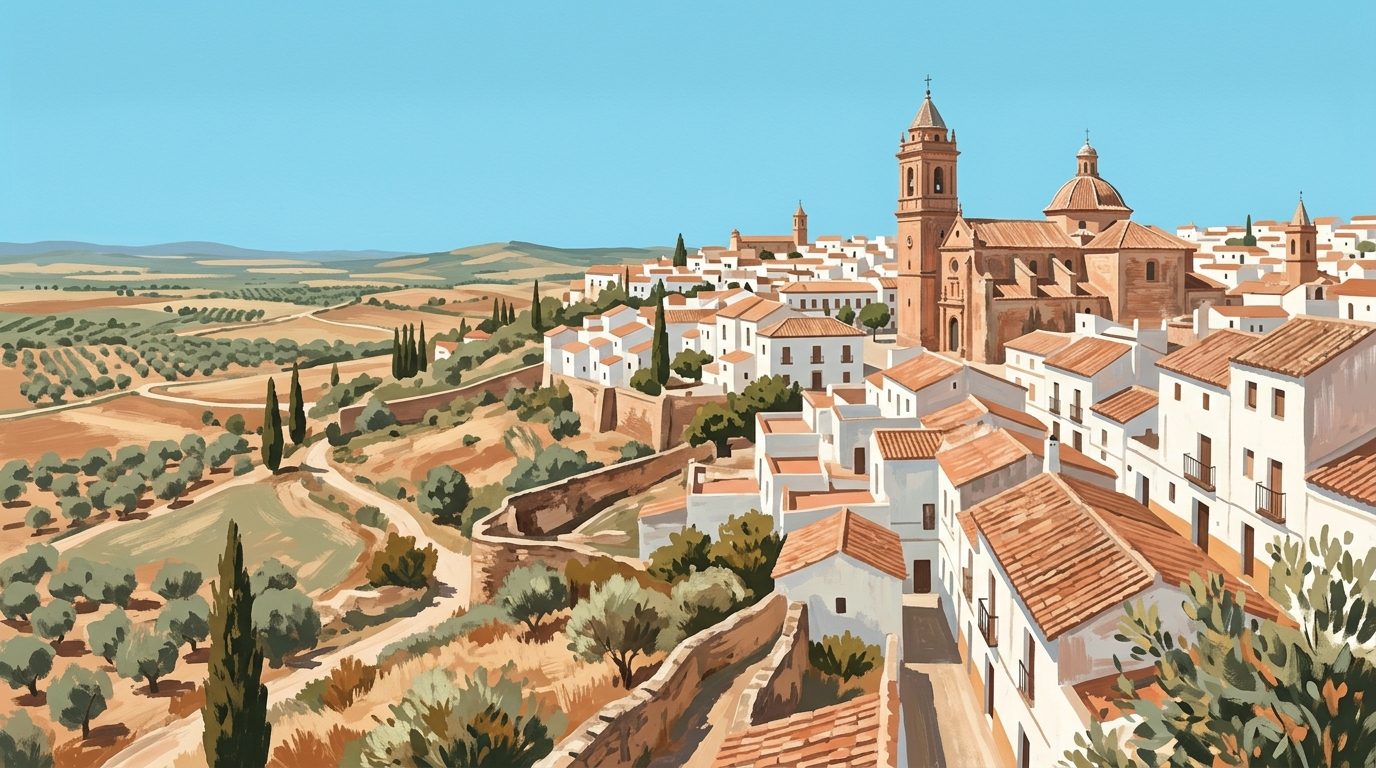
Located roughly 30 kilometres south of Sevilla, Utrera is a substantial town that often plays second fiddle to the provincial capital, yet it possesses an atmosphere entirely its own. This is the heart of the Campiña, an agricultural expanse where the horizon is dominated by olive groves and cotton fields. For those who follow the history of Andalucían music, Utrera is hallowed ground. It is widely regarded as one of the birthplaces of flamenco, specifically the soleá style, and has produced some of the genre's most legendary voices.
The town’s layout reflects its historical importance as a defensive and religious hub. From the medieval walls of its castle to the towering steeples of its Gothic and Renaissance churches, Utrera provides a visual timeline of the region's development. Despite its size, the central historic core feels intimate, with narrow streets opening onto expansive squares like the Plaza del Altozano, where local life unfolds around outdoor cafes and traditional bakeries. It is a place for the slow traveller who values authenticity over polished tourist trails.
What to See & Do
The Medieval Castillo de Utrera
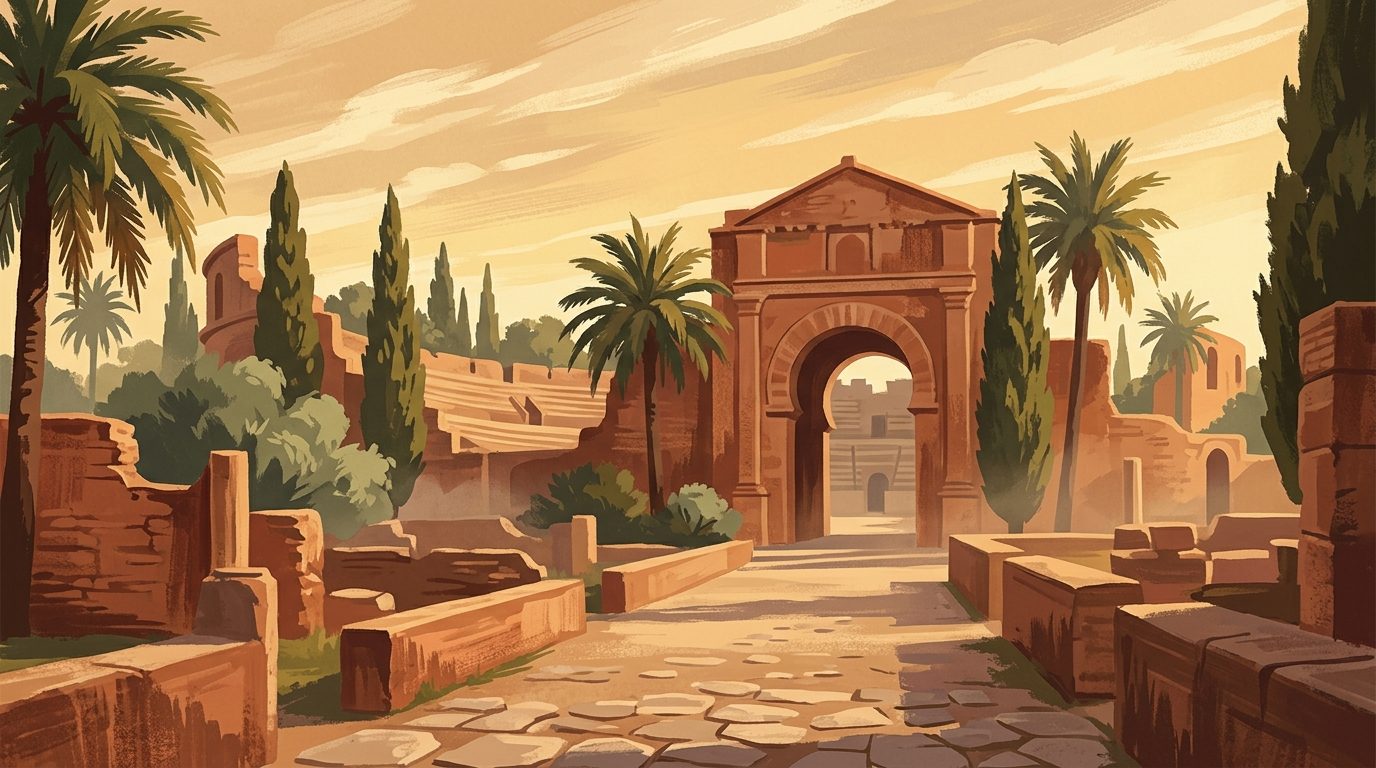
The castle is the physical anchor of the town’s history. Built upon Roman foundations and significantly expanded during the 13th and 14th centuries, it served as a vital part of the defensive line protecting Sevilla from the south. Today, visitors can explore the keep (Torre del Homenaje) and walk along the restored battlements. From these heights, you get a clear view of the surrounding countryside, understanding how the town controlled the vast agricultural plains. The interior often hosts cultural exhibitions, and the surrounding gardens provide a quiet space away from the town’s traffic.
The Great Parishes: Santiago and Santa María
Utrera is unusual for having two massive, competing parish churches within a short distance of one another. The Parroquia de Santiago el Mayor is a late Gothic masterpiece. Its interior is soaring and solemn, featuring a 16th-century ribbed vault that is among the finest in the region. Look for the Puerta del Perdón, an intricate Gothic portal that shows the wealth the town accumulated through agriculture and trade.
A short walk away stands the Parroquia de Santa María de la Mesa. Its name comes from the flat-topped hill upon which it sits. While it shares Gothic roots with Santiago, its main entrance is a stunning example of Renaissance design. The church is famous for its tower, which is a recognisable landmark across the Lower Guadalquivir. The bells of Santa María are legendary; local bell-ringers have a centuries-old tradition of performing acrobatic leaps to ring the heavy bells, a spectacle that still takes place during major festivals.
Santuario de Nuestra Señora de la Consolación
To understand the spiritual heart of Utrera, you must walk down the long, tree-lined Paseo de Consolación to the Santuario. This church is the site of one of the most important pilgrimages in Andalucía. The interior is a riot of Baroque gold and intricate woodwork. The Virgin of Consolación is the patroness of the town, and the walls of the sanctuary are lined with ex-votos: small paintings and objects left by devotees in thanks for perceived miracles. The walk from the centre to the sanctuary is a local ritual, especially on Sunday mornings when families take the air under the shade of the tall trees.
The Birthplace of the Soleá
Flamenco is not a performance for tourists here; it is the town’s DNA. Utrera is the home of legends like Fernanda and Bernarda de Utrera, sisters who became icons of the soleá, the deep, soulful 'mother' of flamenco styles. In the Plaza del Altozano, you will find a monument dedicated to them. If you visit in June, you might catch the Potaje Gitano, the oldest flamenco festival in Spain, which combines a traditional bean stew with world-class performances. Throughout the year, you can hear local artists in the smaller peñas (flamenco clubs) scattered around the town centre.
The Jewish Quarter and El Niño Perdido
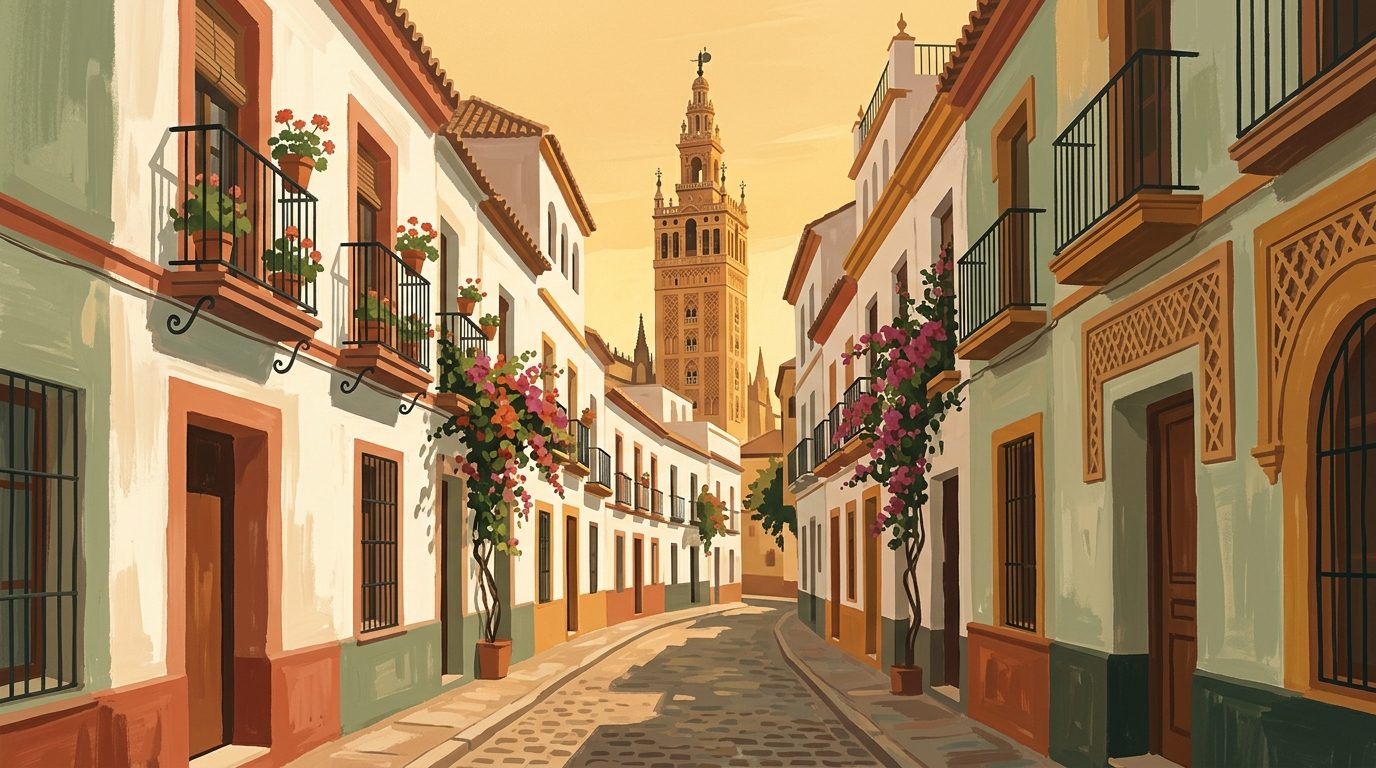
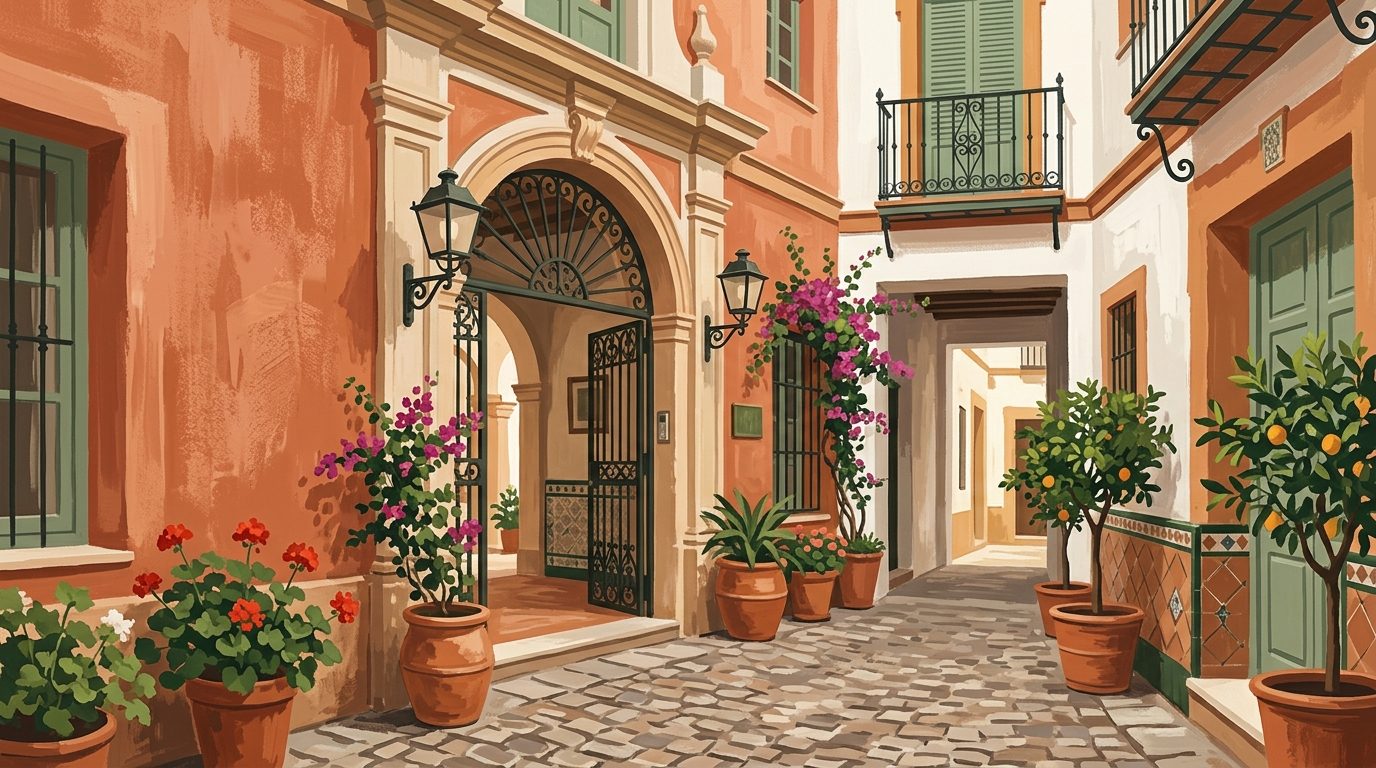
For a change of pace, wander into the narrow alleyways of the former Jewish quarter. The most atmospheric spot is the Callejón del Niño Perdido. This narrow, arched passage leads into a small, whitewashed square that feels disconnected from the modern town. It is one of the most photographed spots in Utrera, showing the Moorish and Jewish influences on the town's urban design before the Christian reconquest reshaped the larger plazas.
Practical Information
Opening Times: Most monuments in Utrera follow traditional hours. The Castillo is open Tuesday to Sunday from 10:00 to 14:00 (it is advisable to check the official Turismo de Utrera website for seasonal variations), with afternoon hours (16:00 to 18:00) in the winter. Churches like Santa María and Santiago are generally open for visitors from 11:00 to 13:00 and shortly before evening Mass. The Santuario de Consolación is open daily from 08:00 to 13:00 and 17:00 to 20:00.
Ticket Prices: Entry to the Castillo is usually free or costs a nominal fee of approximately €2 (check the official tourism portal for current fees). The churches are free to enter for prayer, but a donation of €2 is requested for those wishing to explore the architectural features and small museums inside.
How to Get There: Utrera is exceptionally well-connected to Sevilla. The C1 Cercanías train runs every 30 to 60 minutes from Sevilla’s Santa Justa and San Bernardo stations, taking about 30 minutes. If driving from Sevilla, take the A-376 (the 'Autovía del Guadaira'), which leads directly to the town in about 25 minutes.
Parking: Parking in the very centre is difficult due to narrow streets. It is better to park in the large open spaces near the Plaza del Altozano or at the San Juan Bosco underground car park. There is also ample parking near the train station, which is a 10-minute walk from the historic core.
Where to Eat Nearby
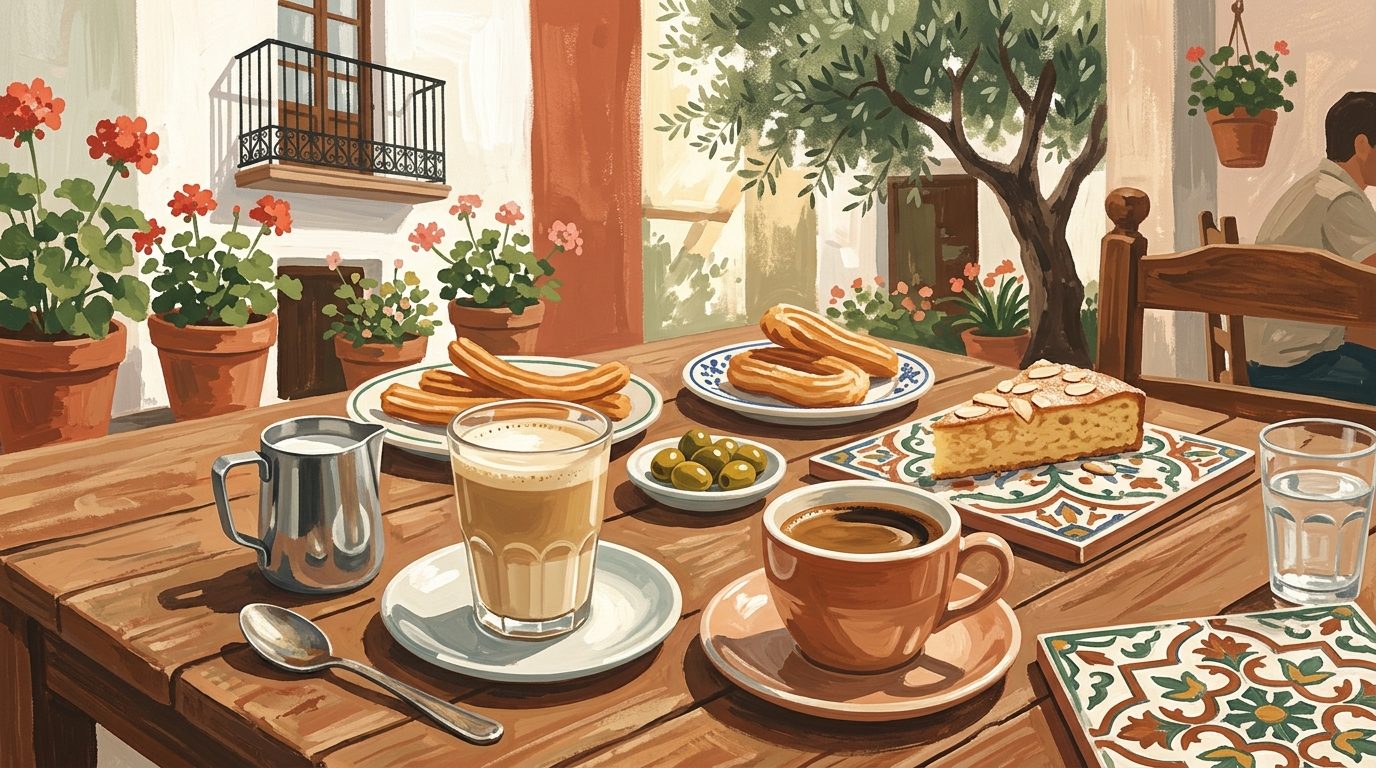
No visit to Utrera is complete without trying a mostachón. This is a flat, spiced sponge biscuit baked on brown paper. The most traditional place to buy them is Confitería Diego Vázquez on Calle Sevilla, where the recipe has remained unchanged for generations. For a proper meal, Besana Tapas (check current opening status before visiting) offers a modern twist on local ingredients, serving inventive small plates in a stylish setting near the Plaza del Altozano. If you prefer something traditional, L'Atelier (confirm opening status online) provides high-quality regional dishes, focusing on the heavy, slow-cooked stews and grilled meats typical of the Sevilla countryside.
Where to Stay
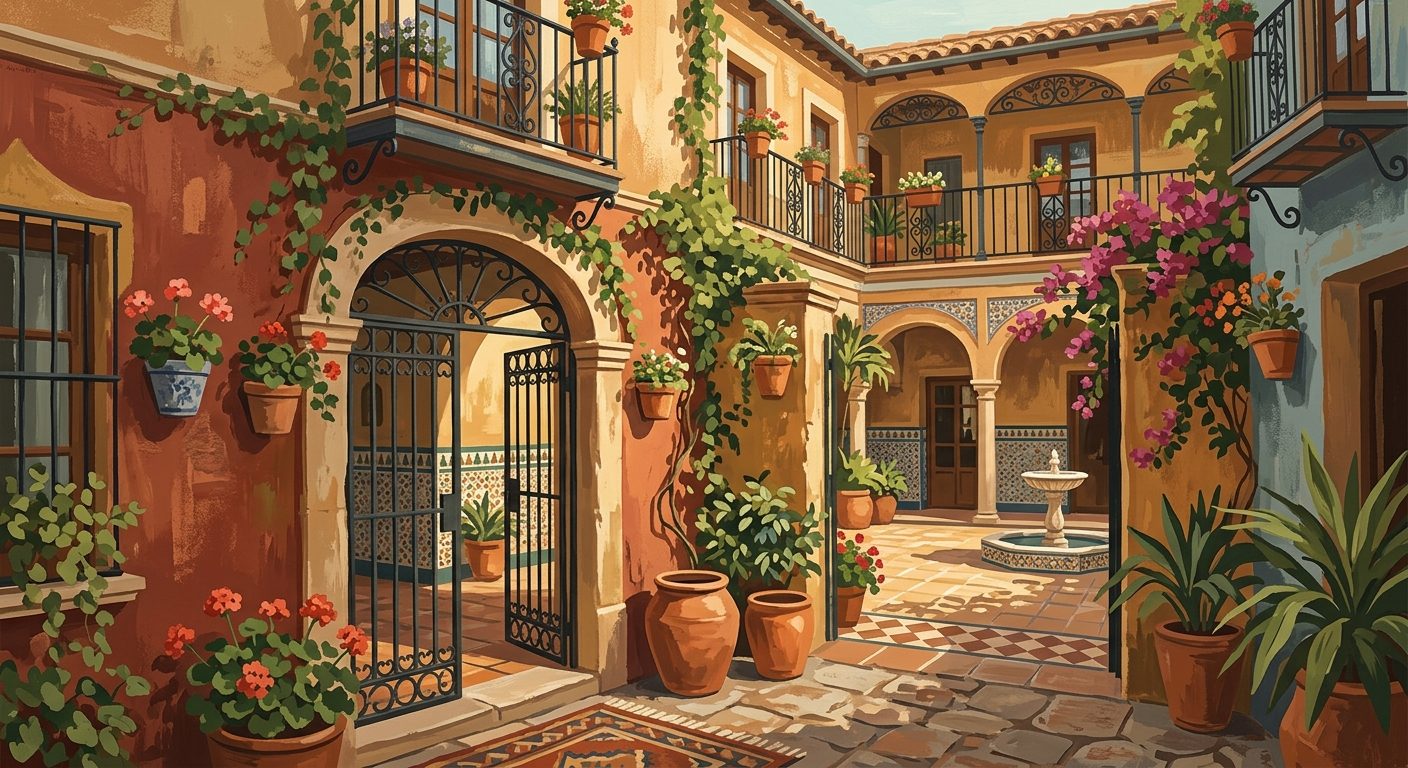
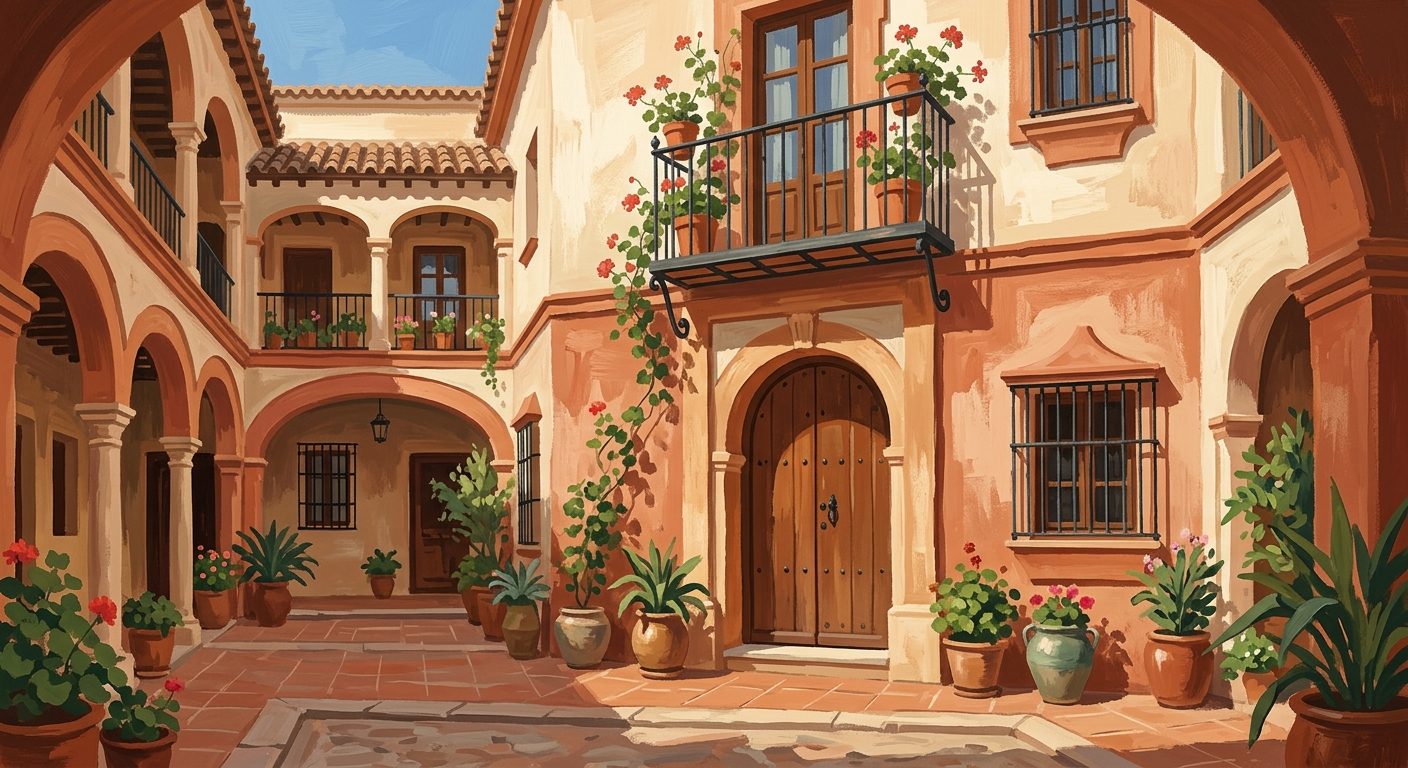
Utrera is often visited as a day trip from Sevilla, but staying overnight allows you to experience the evening atmosphere of the plazas. Hotel Veracruz is the most reliable option, located within easy walking distance of the main sights. It offers comfortable, traditional rooms and a courtyard that stays cool in the summer heat. For a more local experience, several small guesthouses (pensiones) are found near the train station and the Plaza del Altozano, providing simple but clean accommodation.