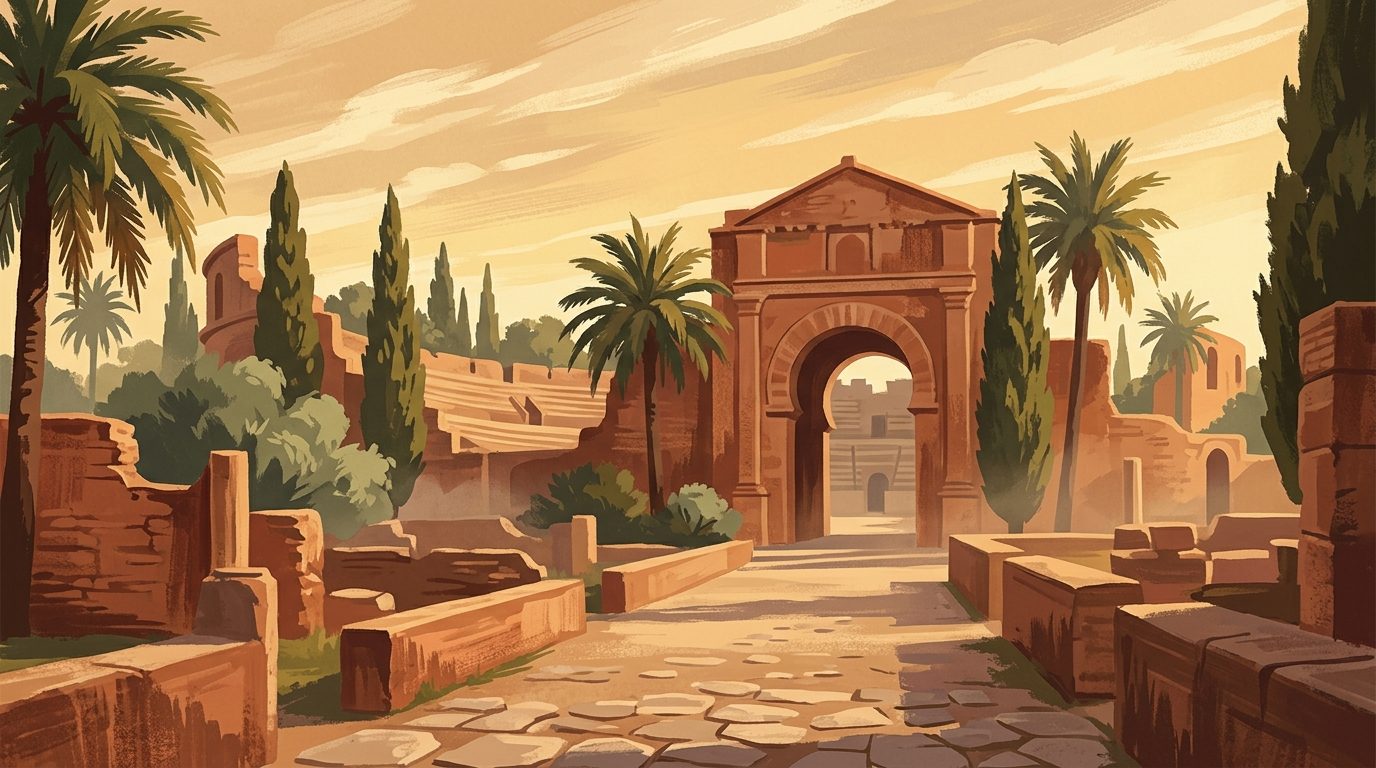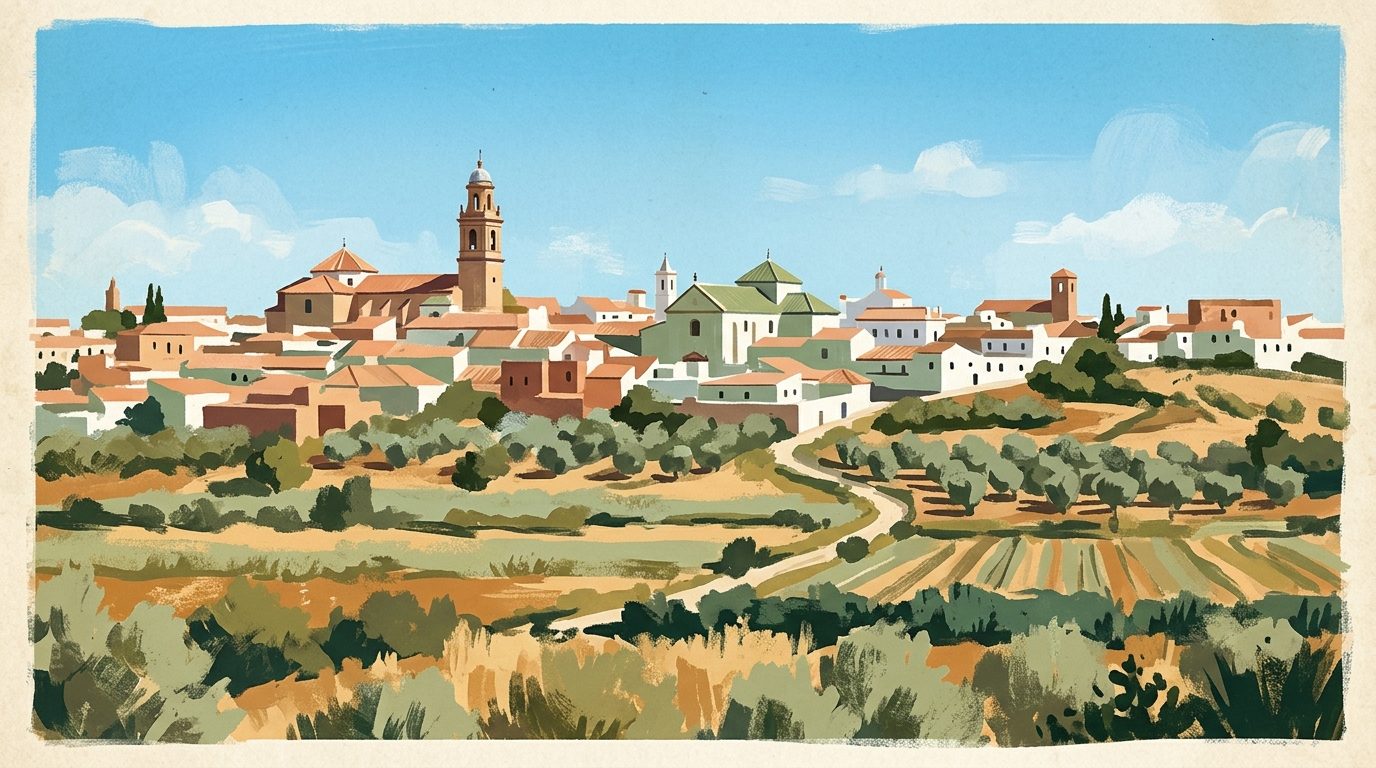
Beyond the well-trodden paths of Sevilla, Lebrija offers a unique look at Andalucían life where the white hills of the Sherry region meet the vast rice paddies of the Guadalquivir. It is a town defined by its independent spirit, ancient pottery traditions, and the legacy of the man who first codified the Spanish language.
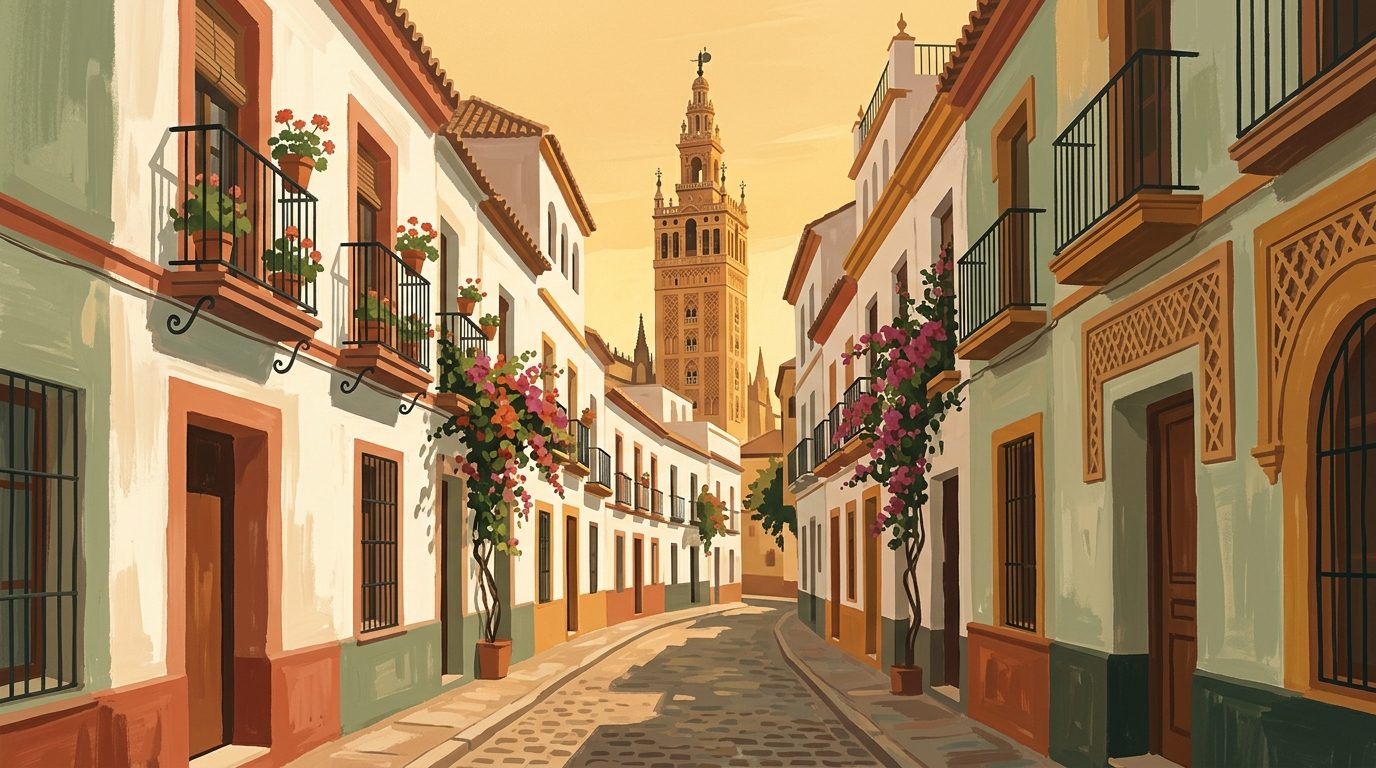
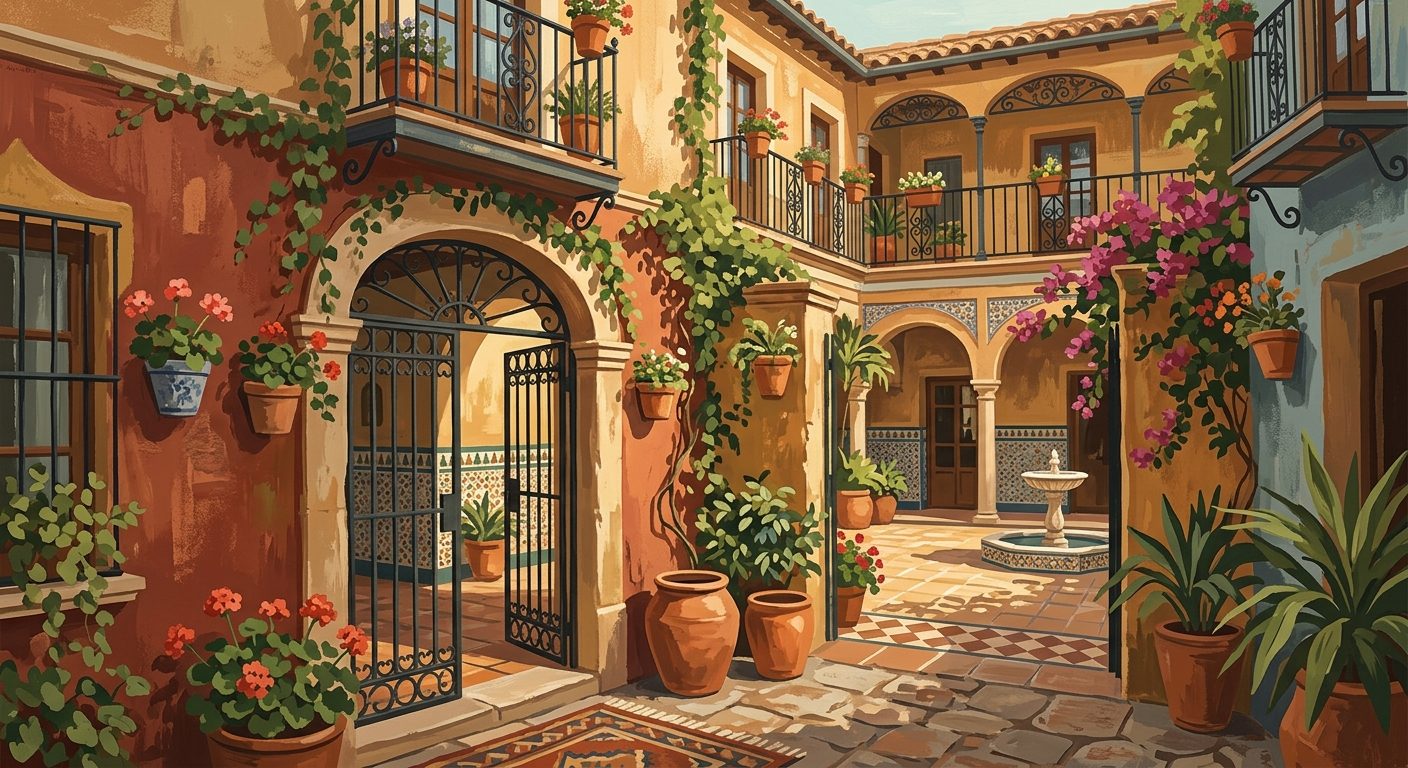
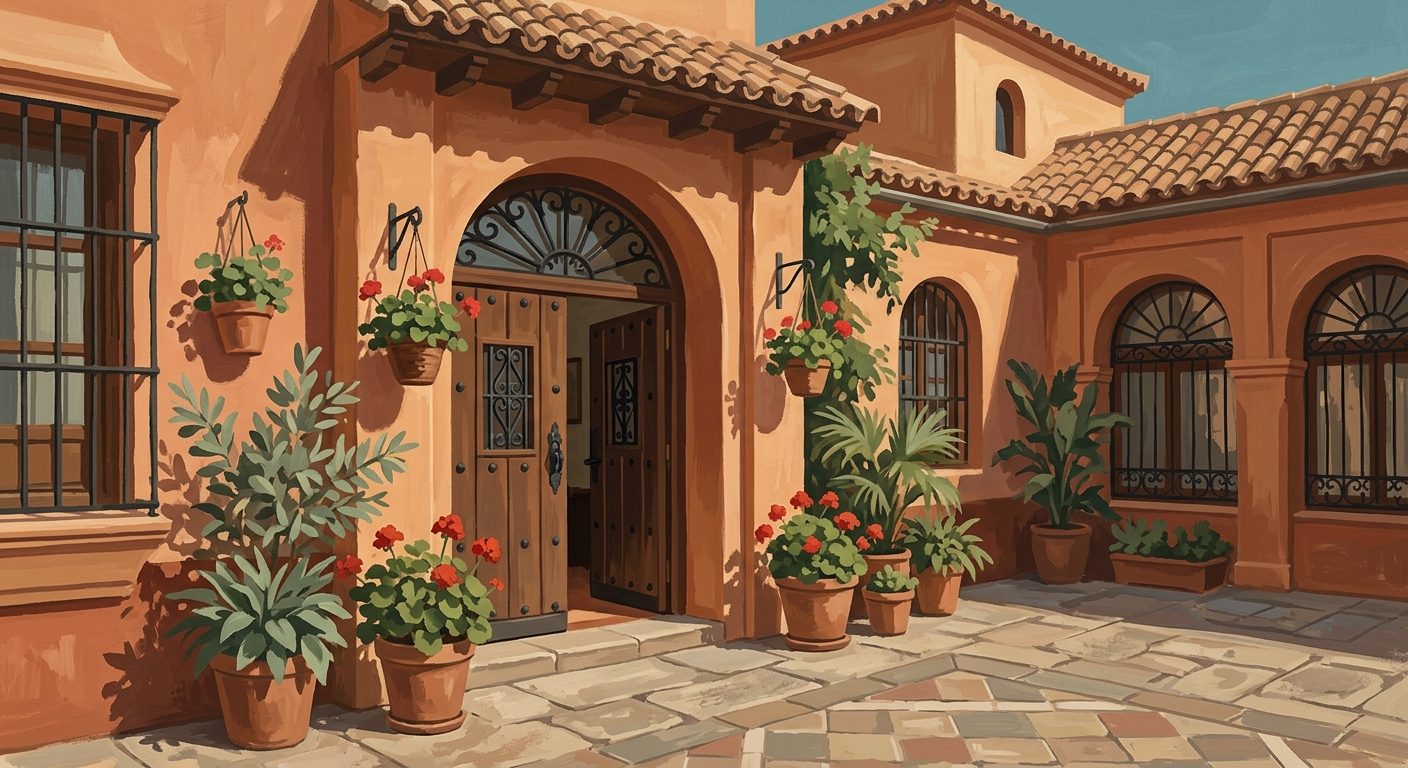
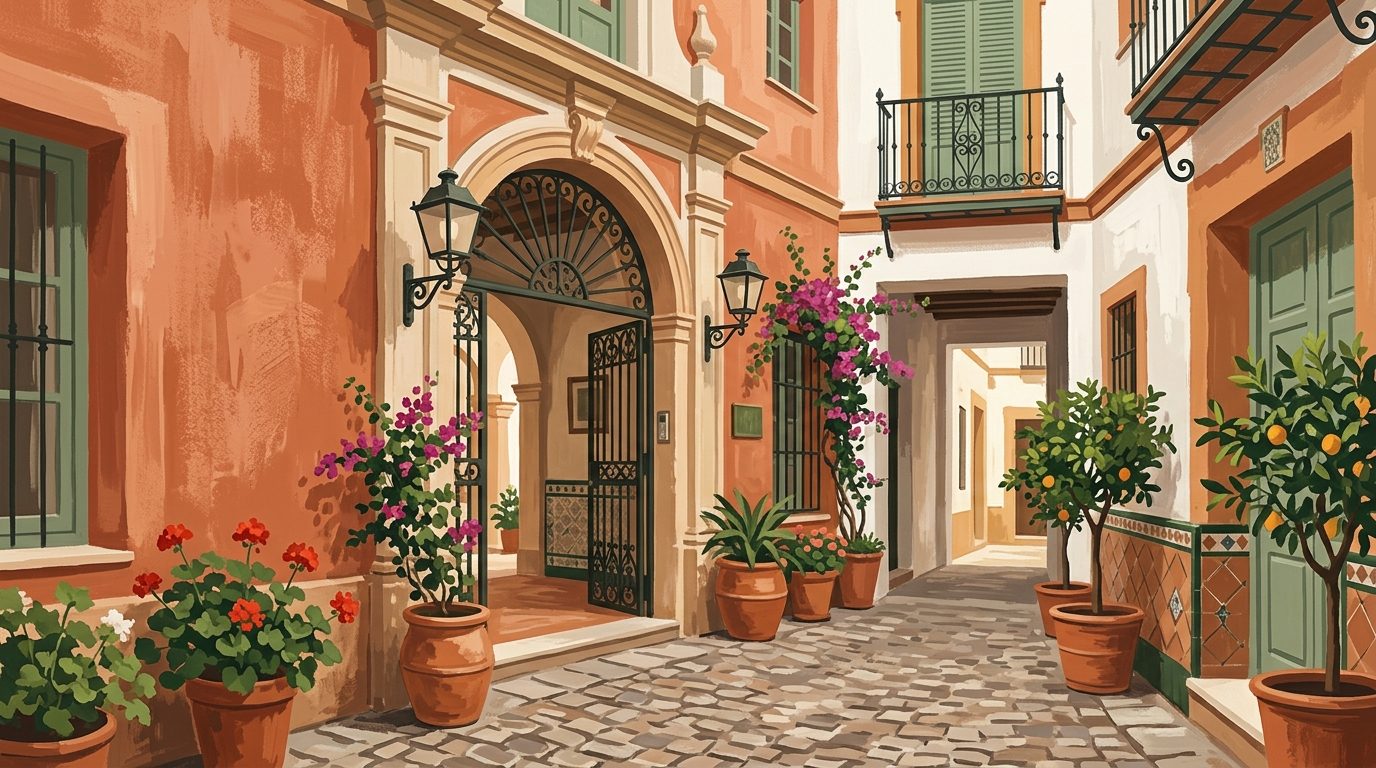
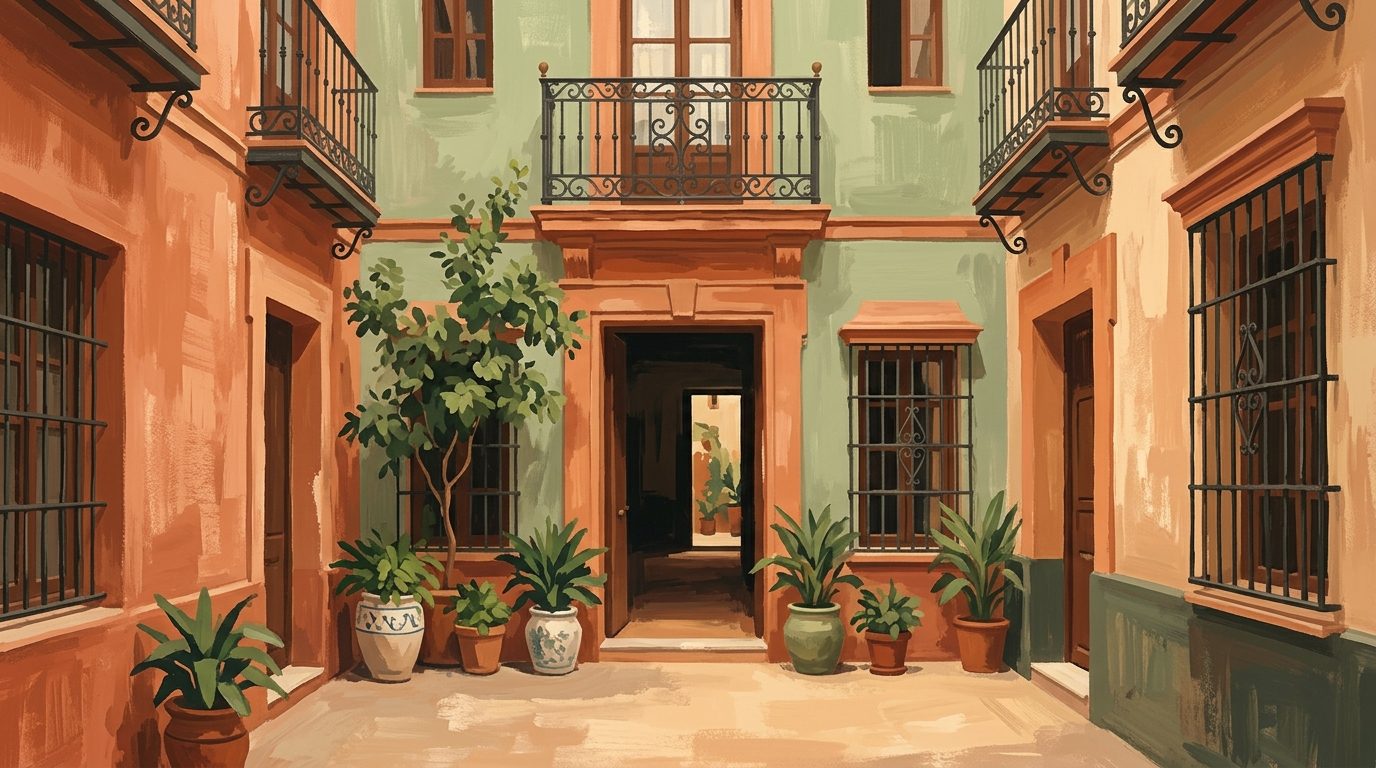
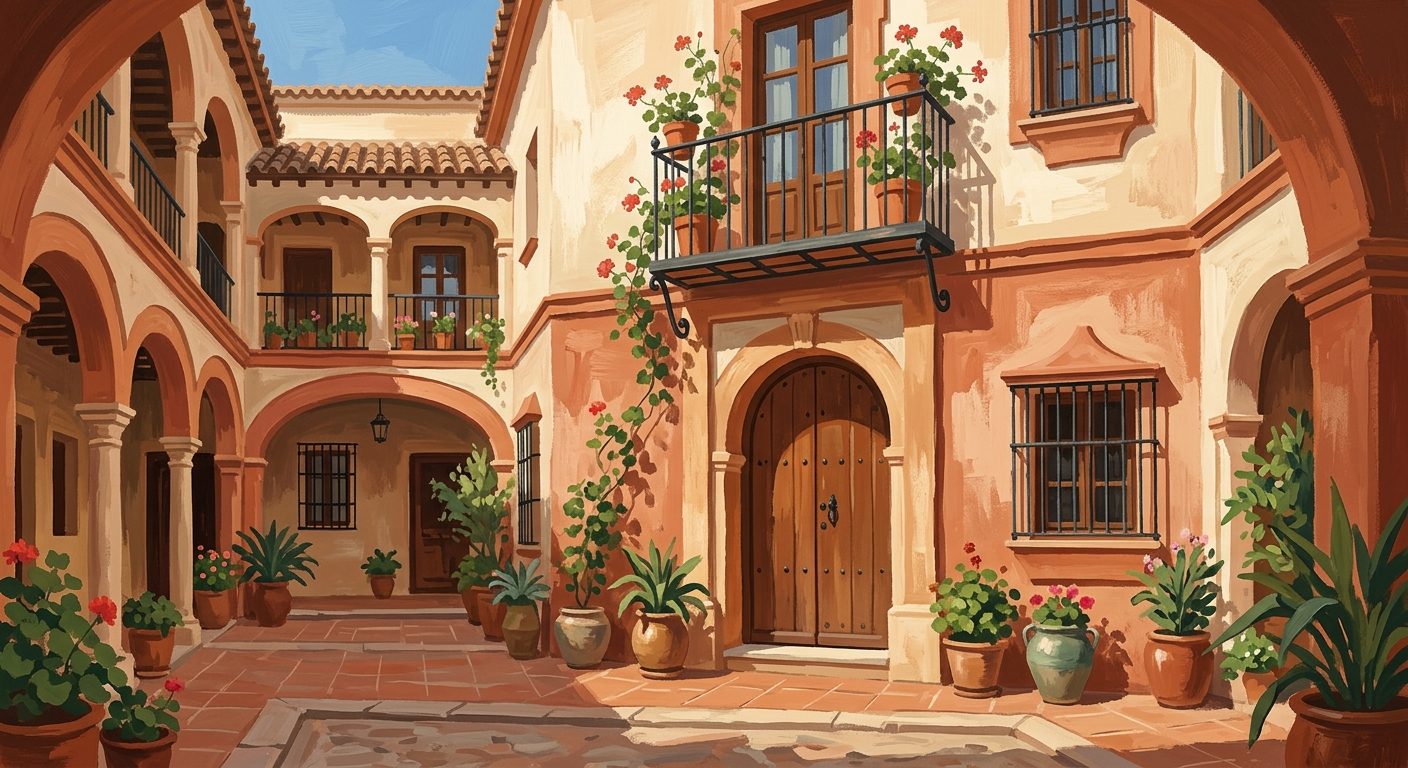
To understand Lebrija, one must look at its geography. Positioned on the edge of the Lower Guadalquivir, it serves as a bridge between the rolling vineyards of the Sherry triangle and the flat, water-logged expanses of the Doñana marshes. This is not a town built for mass tourism; it is a hard-working agricultural hub that has maintained a sturdy sense of identity. While the white-washed streets and orange-tree-lined plazas may feel familiar to those who know the province of Sevilla, Lebrija has a distinct atmosphere shaped by the river and the sea breeze that rolls in from the Atlantic.
Historically, this was the site of the ancient Sea of Tartessos. Today, the water has receded to leave behind some of the most fertile soil in Spain. The town is famous for two seemingly disparate things: the production of high-quality rice and the birth of Elio Antonio de Nebrija, the scholar who published the first grammar of the Spanish language in 1492. Visitors come here to find a slower pace of life, authentic Mudéjar architecture, and a wine culture that is fiercely proud of its own Protected Designation of Origin.
What to See & Do
The Parroquia de Nuestra Señora de la Oliva
The most striking landmark in Lebrija is undoubtedly the Parish Church of Our Lady of the Olive. Known locally as the "Giraldilla," its bell tower is a clear homage to the Giralda in Sevilla. Built originally in the 13th century on the site of a former mosque, the church is a structural timeline of Andalucían art. You can trace the transition from the Almohad foundations through Gothic naves to the ornate Baroque altarpiece created by Alonso Cano.
Inside, the atmosphere is cool and quiet, providing a sharp relief from the Sevillian sun. The retablo mayor is a masterpiece of the 17th century, but the true interest lies in the cloister, the Patio de los Naranjos, which retains the layout of the original mosque's courtyard. It is one of the best examples of how Islamic and Christian architectural styles were layered over one another during the Reconquista.
The Legacy of Elio Antonio de Nebrija
In 1492, while Columbus was sailing for the Americas, a man from Lebrija was busy standardising the language he would take with him. Elio Antonio de Nebrija is the town's most famous son, and his presence is felt throughout the centre. A large bronze statue of the scholar stands in the Plaza de España, depicting him with the tools of his trade. For those interested in the evolution of the Spanish language, the town often hosts exhibitions and cultural programmes dedicated to his work, especially in the local cultural centre that carries his name.
Traditional Pottery at Alfarería Juan Sebastián
Lebrija remains one of the few places in the province where traditional pottery is still a living trade rather than a museum piece. The workshop of Juan Sebastián López is an essential stop for anyone interested in craft. Here, they still use the ancient Moorish-style kilns to fire the clay. The local clay, known as barro blanco, is unique to this area and produces a pale, porous ceramic that was historically used to keep water cool in the summer heat. Watching the potters at work provides a tangible connection to the town's Roman and Moorish past.
Wine Tasting at Bodegas González Palacios
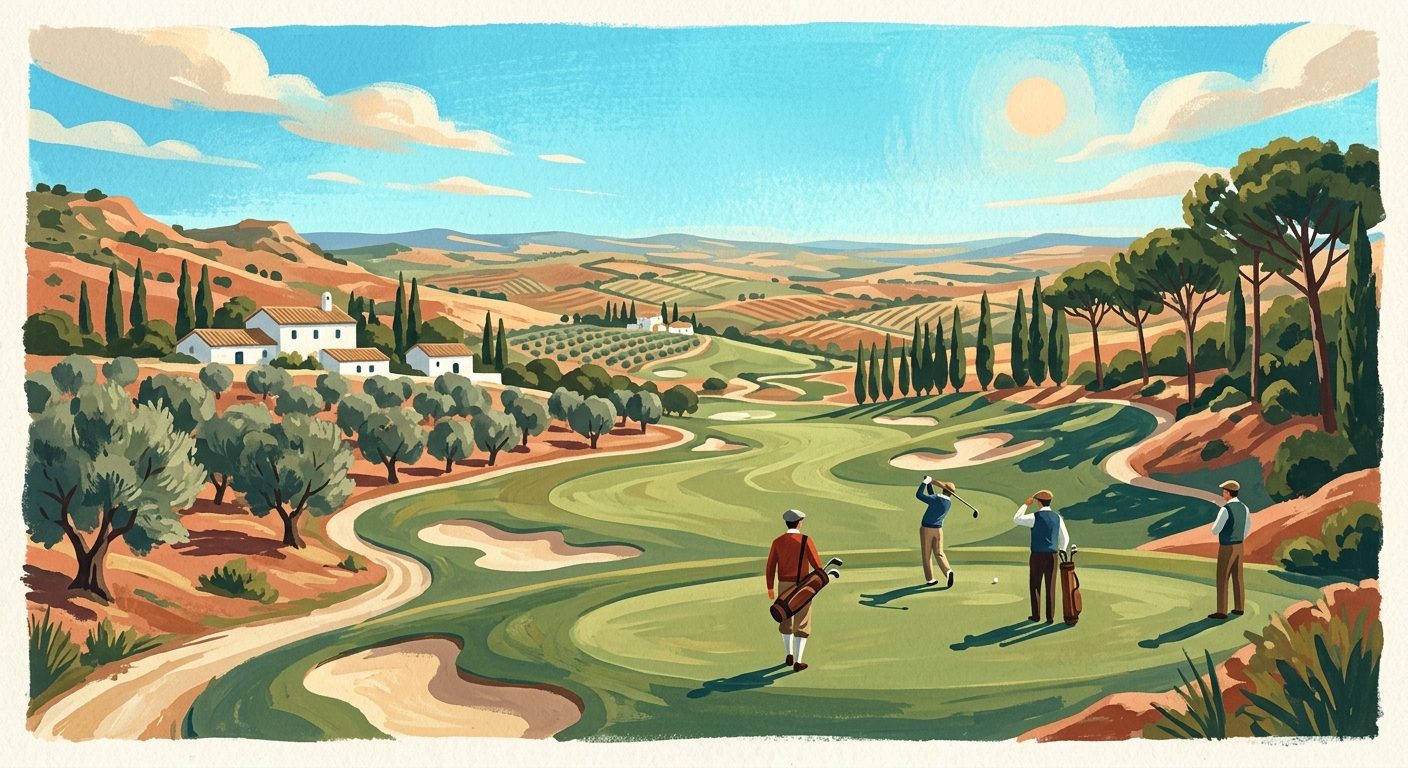
While most people associate fortified wines with Jerez or Sanlúcar, Lebrija has its own specific wine tradition. Bodegas González Palacios is the primary producer here and the only winery that falls under the "Vino de Calidad de Lebrija" designation. Their vineyards, particularly the Pago de Overo, are situated on hills of white albariza soil, much like their neighbours in Sherry country.
A visit here allows you to sample wines that bridge the gap between dry table wines and fortified classics. Their "Frasquito" is a local favourite, a dry, flor-aged wine that captures the salinity of the nearby marshes. The winery offers tours that explain how the Atlantic breezes influence the aging process, followed by tastings in their traditional cellar.
The Marshes and Rice Paddies
Just a short drive from the town centre, the landscape flattens into the marismas. This area is part of the largest rice-producing region in Spain. Depending on the time of year, the fields are either shimmering sheets of water reflecting the sky or lush green carpets. It is a paradise for birdwatchers, as the marshes serve as a gateway to the Doñana National Park. You can often see flamingos, storks, and various birds of prey from the tracks that criss-cross the agricultural land. The best time to visit the fields is in the late afternoon when the light turns gold and the scale of the landscape becomes truly apparent.
Practical Information
Opening Times: The Parroquia de Nuestra Señora de la Oliva is typically open for visits from Tuesday to Friday, 10:30 to 12:30 (note: religious holidays and local festivals may affect this). During the summer months, these hours may shift to the evening (19:30 to 20:30) to avoid the heat. It is always wise to check the local parish schedule as times can change based on religious services.
Ticket Prices: Entry to the church is generally free, though a small donation is encouraged for the upkeep of the building. Guided tours at Bodegas González Palacios usually require advance booking and cost approximately €15 to €20 per person, depending on the number of wines included in the tasting (check on the operator's website before travelling).
How to Get There: Lebrija is well-connected by rail. The Renfe Cercanías C1 line runs frequently from Sevilla’s Santa Justa and San Bernardo stations, with a journey time of about 45 to 50 minutes. Media Distancia trains also connect Lebrija with Jerez de la Frontera (20 minutes) and Cádiz (50 minutes). If you are driving, the A-4 motorway connects the town to both Sevilla and Jerez.
Parking: The town centre has several narrow streets where parking is difficult. It is best to leave your vehicle in the larger car parks near the Plaza de España or the designated parking areas near the train station and walk the short distance into the historic heart.
Where to Eat Nearby
For a true taste of Lebrija, head to Venta Luis Rey on the outskirts of town. This family-run establishment is famous for its "Huevos al Rey," a hearty dish of fried potatoes, peppers, ham, and eggs. It is a local institution that serves the agricultural community and visitors alike. In the town centre, La Taberna del Truji offers a more contemporary take on local flavours. They have won several awards in the local tapas trail for their creative use of ingredients like spinach with four cheeses and freshly breaded fish. If you happen to be visiting in the spring, look out for caracoles (snails) served in a spicy broth, a seasonal staple in Lebrija’s bars.
Where to Stay
Accommodation in Lebrija is modest but comfortable. Hotel Barrio Nuevo is a top choice, located in a quiet part of the centre with well-appointed, soundproofed rooms and an excellent internal restaurant, Miano. For a slightly more modern feel, the LB Lebrija Hotel provides easy access to the town's main sights and is well-regarded for its clean, bright rooms and professional service. Both options provide a great base for exploring the surrounding countryside and nearby marshes.