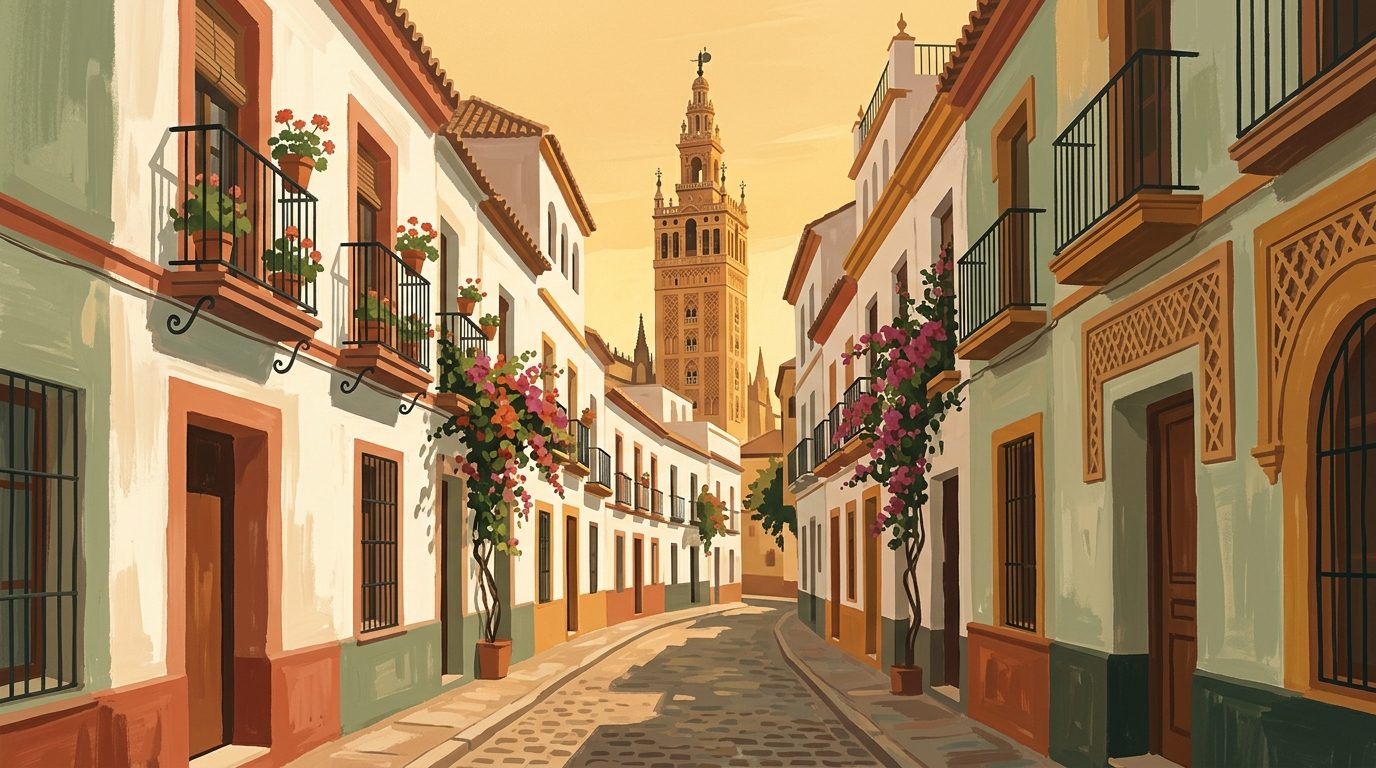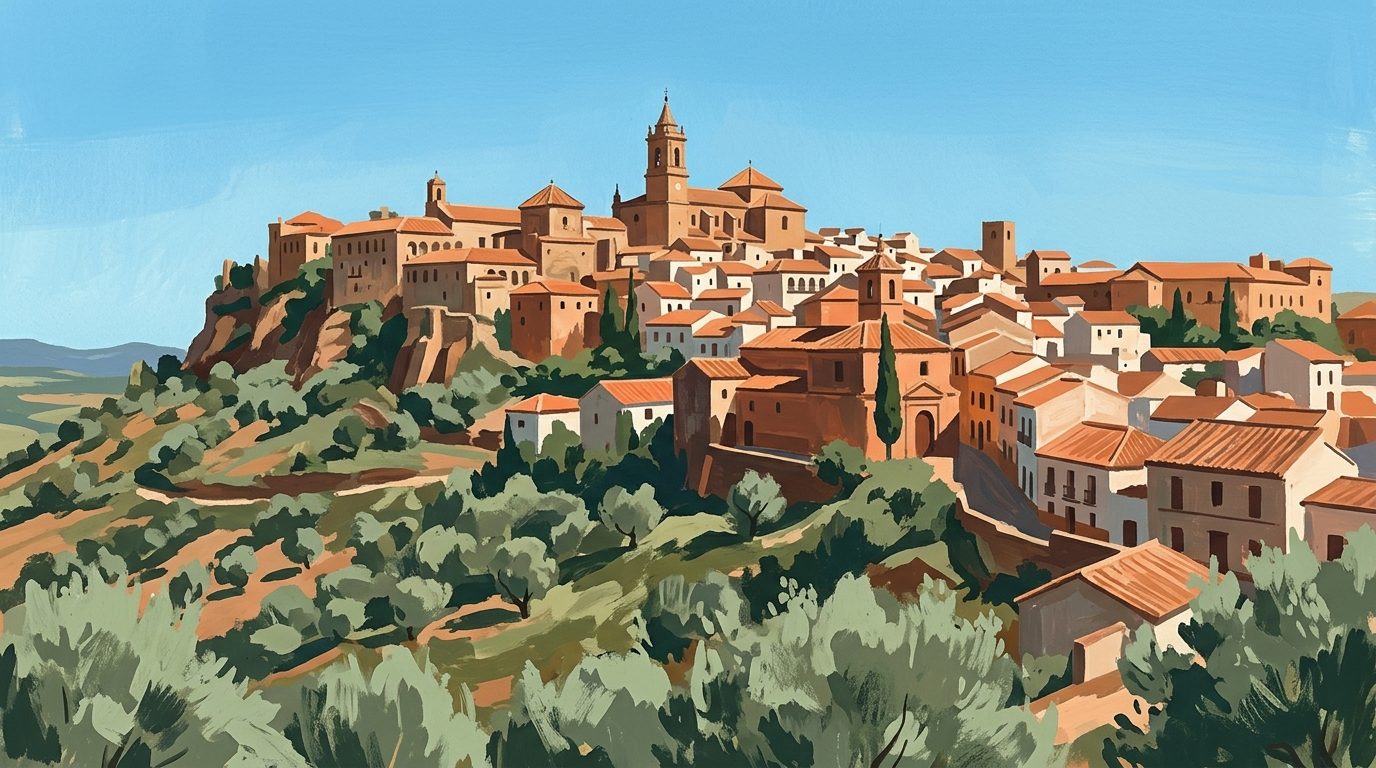
Estepa is a town that commands attention from miles away, its white-washed streets clinging to the limestone slopes of the Cerro de San Cristóbal. Known across Spain as the heart of Christmas confectionery, it offers a blend of religious grandeur and panoramic views that justify its title as the Balcony of Andalucía.
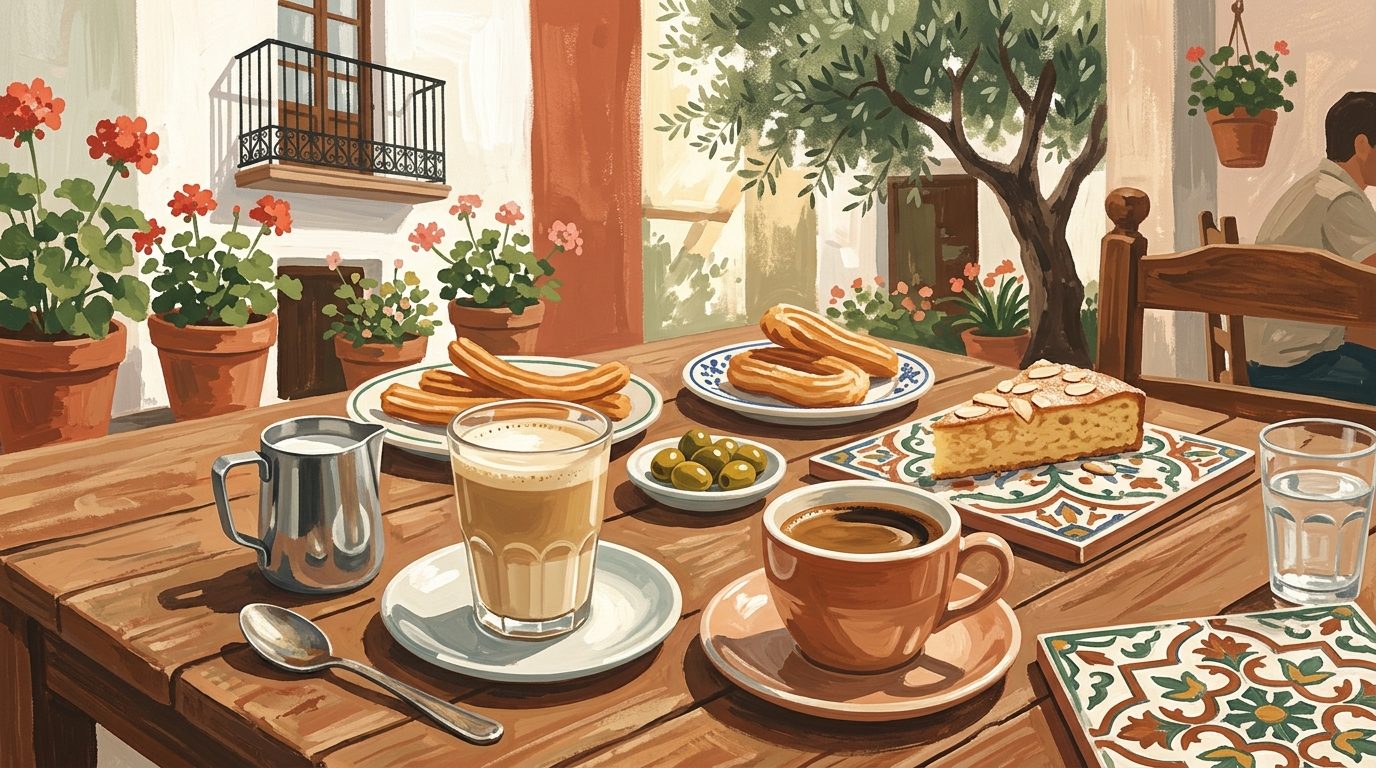
Estepa is a place you often smell before you see. As you approach this town on the eastern edge of Sevilla province, the scent of toasted flour, cinnamon, and sugar hangs in the air, particularly during the autumn months. It sits atop the Cerro de San Cristóbal, a natural watchtower looking out over the vast expanse of the Guadalquivir valley. For most Spaniards, the name Estepa is synonymous with the holidays, as this is the production hub for mantecados and polvorones, the crumbly shortbreads that are essential to any Spanish table in December.
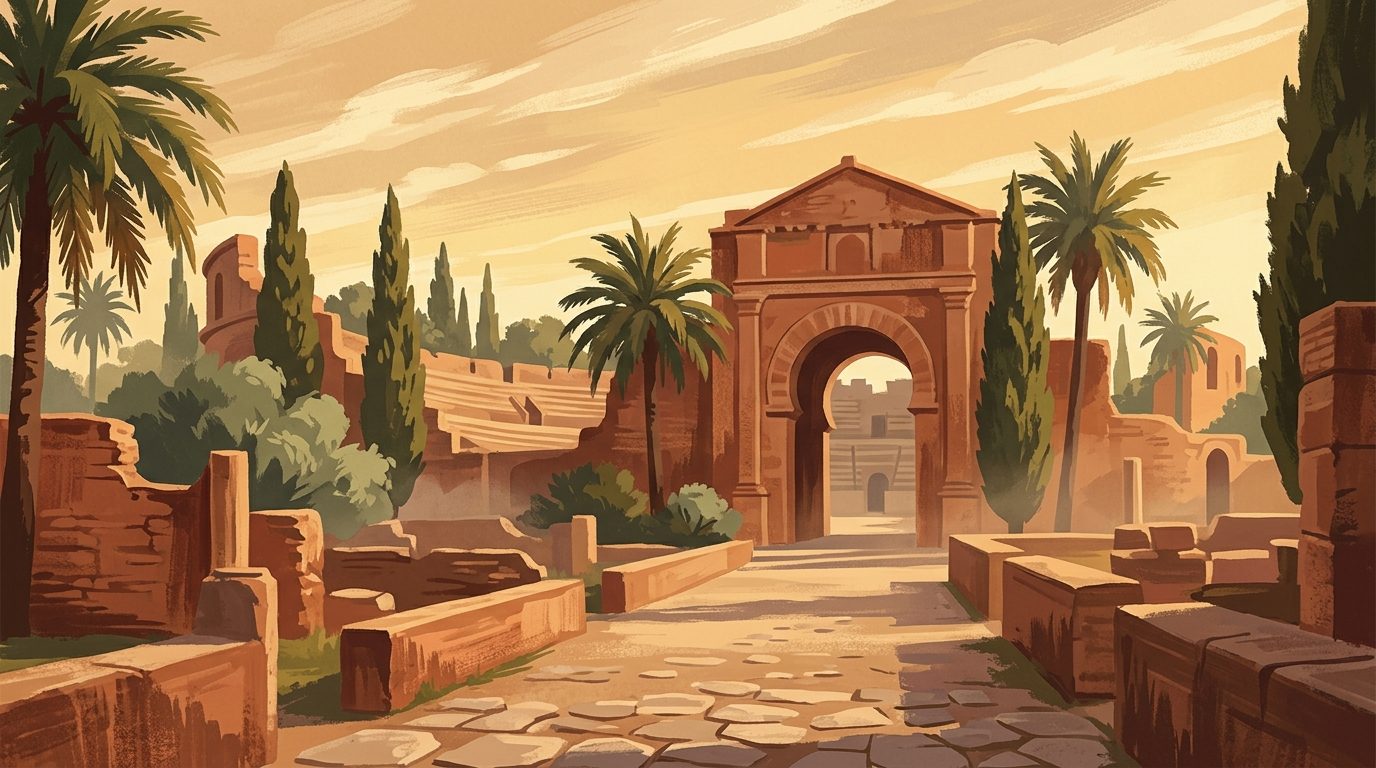
However, reducing Estepa to its biscuit industry does a disservice to its long and occasionally dramatic past. This was once the Carthaginian stronghold of Astapa, whose citizens famously chose collective suicide over surrender to Roman invaders in 208 BC. Today, the town is far more peaceful, offering a layered architectural experience that moves from Moorish fortifications to the ornate excesses of the Andalucían Baroque. It is a town of two halves: the ancient, silent quarter on the hill and the commercial, industrious town that spreads out below.
What to See & Do
The Cerro de San Cristóbal
The highest point of the town is where Estepa’s story began. This fortified hilltop, or recinto amurallado, contains the most significant monuments and offers the most impressive viewpoints. You can walk the perimeter of the old Moorish walls, which were later reinforced by the Order of Santiago after the Christian conquest in 1241. At the summit stands the Torre del Homenaje, a robust 14th-century keep that remains as a symbol of the town's defensive importance between the Christian and Nasrid territories.
Also on the hill is the Iglesia de Santa María la Mayor. Built between the 14th and 16th centuries over the site of an earlier mosque, it is a fascinating example of the transition from Gothic to Renaissance styles. Inside, the high altar is a masterclass in Baroque carving. Just a short walk away is the Convento de Santa Clara, founded in 1599. The convent is still home to a community of cloistered nuns who continue a centuries-old tradition of baking. If you see the small revolving wooden window (the torno), you can purchase their handmade bienmesabe or crucetas without ever coming face-to-face with the bakers.
The Sweet Heritage of Mantecados
(Editor's Note: As of May 2026, please be aware that the mantecado factory tours and the City of Chocolate are highly seasonal. While Estepa remains a beautiful destination year-round, these industrial tours are currently unavailable and typically reopen in October.)
In the 16th century, the surplus of lard from the local oak-forest pigs led the nuns of Santa Clara to start experimenting with shortbread. However, the industry truly took off in the 19th century thanks to Micaela Ruiz Téllez, known as "La Colchona". She refined the recipe by drying the flour so the biscuits would stay fresh for longer, allowing her husband, a muleteer, to sell them in distant towns.
Today, there are over 20 factories in Estepa. Many open their doors to visitors from October to December. The Museo del Mantecado, run by the La Estepeña factory, is the most popular choice. It features a "City of Chocolate", a large-scale model of a famous city or landmark made entirely of chocolate, alongside traditional machinery and dioramas explaining the production process. For a more traditional experience, seek out La Colchona on Calle Santa Ana, which still uses wood-fired ovens for some of its products.
Torre de la Victoria
Standing 40 metres tall in the lower part of the town, the Torre de la Victoria is one of the finest examples of 18th-century Baroque architecture in the province. It was originally part of a convent that was demolished in the 1930s, leaving the tower as a solitary, magnificent landmark. Its five levels are intricately decorated with carved brick and stone, culminating in a spire that can be seen from almost any point in the surrounding countryside. Climbing to the top provides a bird's-eye view of the town's tiled roofs and the silver-green olive groves of the Campiña.
Palacio de los Marqueses de Cerverales
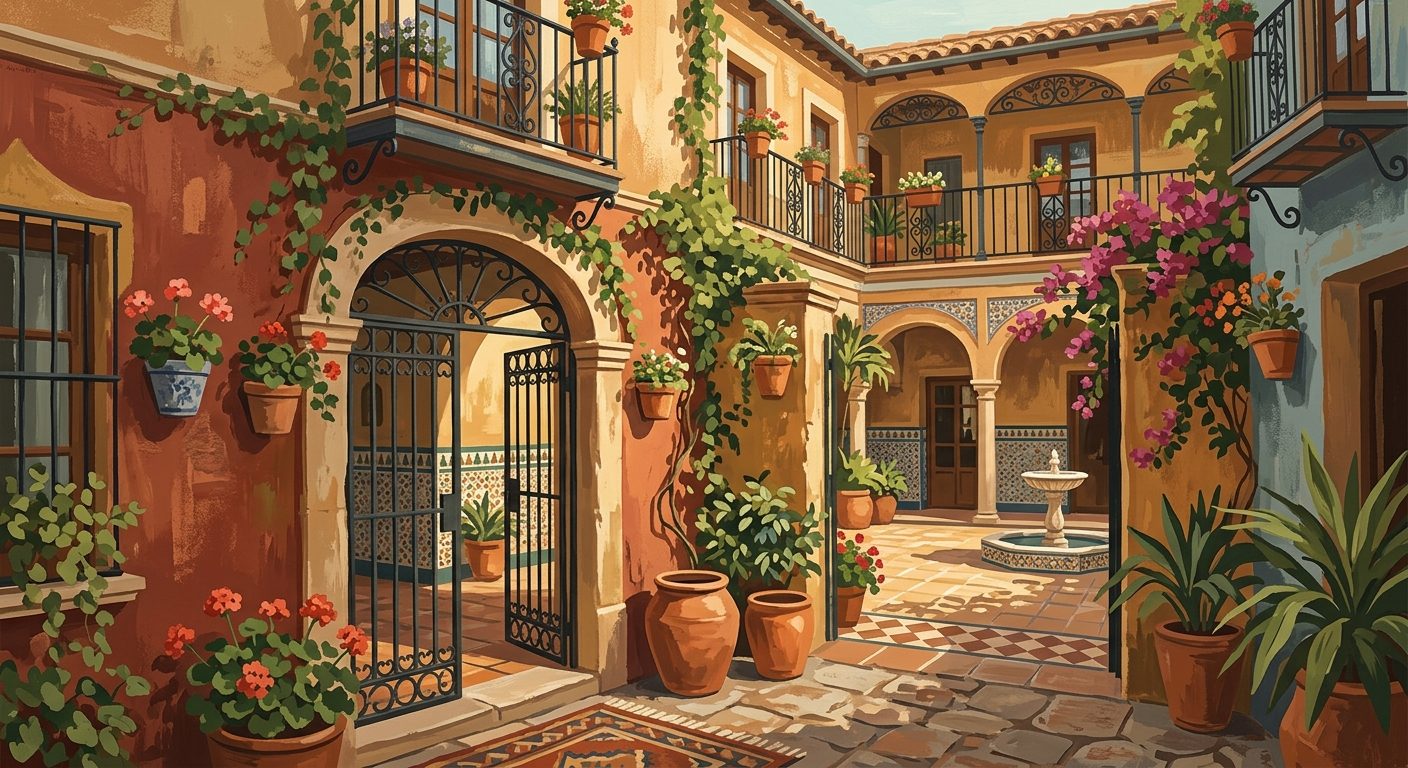
For a look at the civil architecture of the 18th century, the palace on Calle Castillejos is the town's standout building. It was completed in 1756 and remains remarkably well-preserved. Its façade features striking Solomonic columns, spiralling pillars that were a hallmark of the period. The interior is arranged around a central courtyard and houses a collection of period furniture and art that reflects the wealth Estepa enjoyed as a marquisate.
Practical Information
Getting There: Estepa is located directly on the A-92 motorway, which links Sevilla and Málaga. By car, it is roughly 1 hour and 15 minutes from Sevilla (110km) and 1 hour from Málaga. If you are using public transport, Monbus and ALSA run several daily services from Sevilla’s Prado de San Sebastián and Plaza de Armas stations. The journey takes approximately 1 hour and 50 minutes. We recommend checking the operators' websites for current 2026/2027 timetables, as weekend services can vary significantly. The nearest train stations are in Pedrera and Puente Genil-Herrera, from which you would need a local bus or taxi.
Opening Times & Prices:
- Conjunto Monumental (Alcazaba & Torre del Homenaje): Open Tuesday to Saturday 10:30 to 13:30 and 15:30 to 18:00; Sundays 10:30 to 13:30 (please check local summer variations on the official website before travelling). General entry is approximately 4.40€.
- Torre de la Victoria: Entry is usually 2.20€. Visits are often scheduled at 12:00 and 16:30; check with the tourist office in the Torre Ochavada for daily changes, or consult the official tourism website.
- La Estepeña Museum: Entry is around 3.50€. It is open daily during the "campaign" season (typically October to early January). Outside these months, the museum and "City of Chocolate" are usually closed to the public.
- Convento de Santa Clara: The church and museum can be visited for a small fee (around 2€), generally from 10:00 to 13:30 and 16:00 to 18:00.
Parking: There is a car park at the top of the Cerro de San Cristóbal, which is convenient for visiting the historic monuments. For the lower town and factories, parking along the Avenida de Andalucía is usually the easiest option.
Where to Eat Nearby
For a meal with a view, Restaurante El Balcón de Andalucía at the top of the hill is hard to beat. They specialise in traditional Andalucían dishes such as salmorejo and grilled meats, and the terrace looks directly out over the plains. In the lower town, Bodeguita El Choti is a local favourite for tapas; try the flamenquín or their seasonal stews. If you are looking for something hearty, Restaurante Don Polvorón, located near the main road, is a convenient spot that caters well to travellers with large portions of local game and Estepa-style chickpeas.
Where to Stay
Accommodations in Estepa are functional and comfortable. Hotel Don Polvorón is a reliable choice, offering large rooms and easy access to the motorway and the main biscuit outlets. For a more rural feel, Hotel Manantial de la Plata is located slightly outside the town centre and provides a quiet environment with lovely views of the Sierra Sur. If you prefer staying in the heart of the town, there are several small guesthouses and apartments near the Plaza del Carmen.