
Things to do · Córdoba
Cycling in Córdoba: The Best Routes and Practical Guide
From the flat trails of the Guadalquivir valley to the rugged peaks of the Sierras Subbéticas, Córdoba offers a diverse landscape for cyclists of all abilities.
By Dan · Updated 16 July 2026 · 6 min read
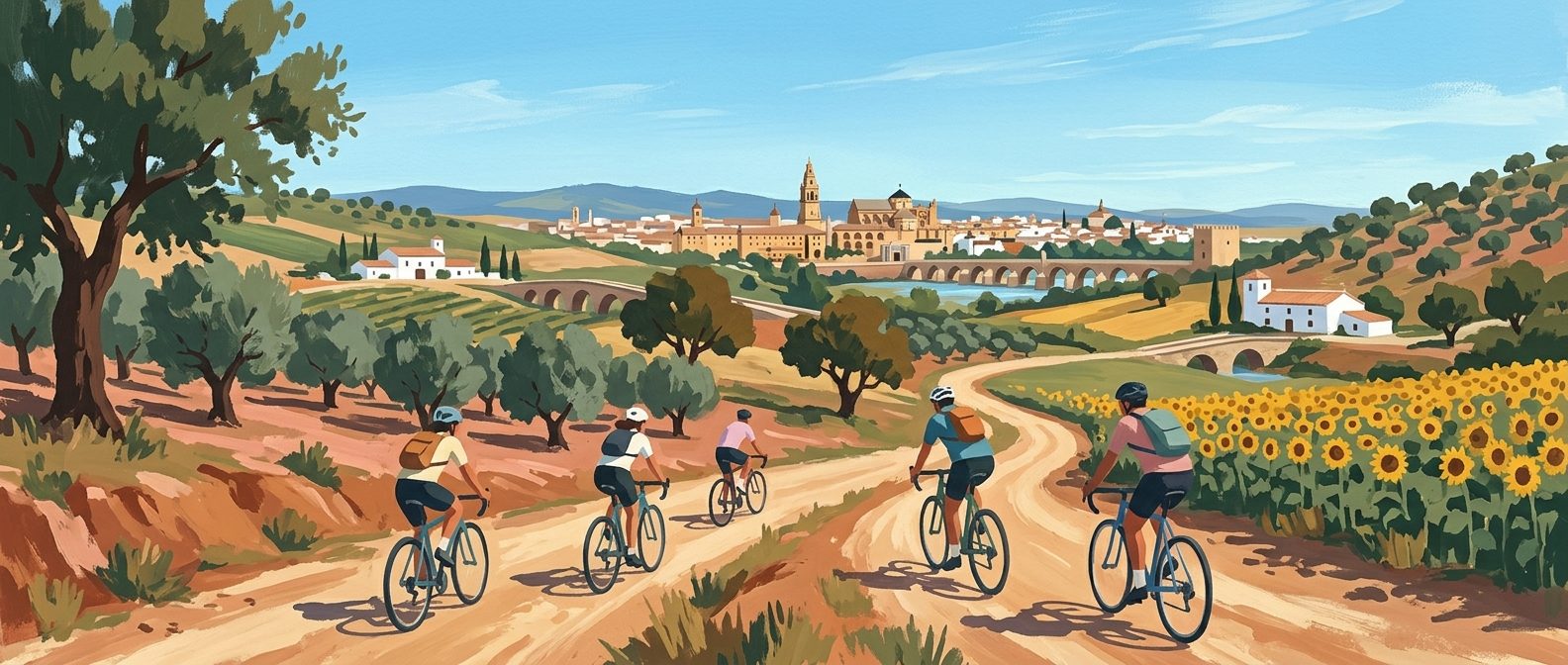
From the flat trails of the Guadalquivir valley to the rugged peaks of the Sierras Subbéticas, Córdoba offers a diverse landscape for cyclists of all abilities. Skip the city buses and discover the province through its network of disused railways and riverside paths.
While many visitors focus solely on the architectural wonders of the provincial capital, Córdoba is increasingly becoming a destination for those who prefer to explore on two wheels. The province is split into distinct geographical zones, each offering a different type of riding. To the north, the Sierra Morena provides challenging climbs and technical mountain bike trails through oak forests. In the centre, the Guadalquivir river creates a flat corridor perfect for relaxed excursions. To the south, the rolling hills of the Campiña and the dramatic limestone peaks of the Sierras Subbéticas provide some of the most scenic cycling in southern Spain.
The infrastructure for cyclists has improved significantly in recent years. The expansion of the Vías Verdes (Greenways), disused railway lines converted into non-motorised paths (see viasverdes.com for official maps), means that even those with little experience can enjoy long-distance rides without worrying about traffic. If you want a gentle morning roll past Roman ruins or a multi-day odyssey through olive groves, Córdoba has a route that fits. This guide breaks down the best places to ride, where to hire gear, and how to plan your trip to avoid the infamous Andalucían heat.
Best Places for Cycling in Córdoba
Vía Verde del Aceite (The Olive Oil Greenway)
The Vía Verde del Aceite is arguably the most famous cycling route in the province. Stretching for 128 kilometres from Jaén to Puente Genil, a large portion of this trail runs through the south of Córdoba. It follows the path of the old nineteenth-century railway that was used to transport olive oil to the ports. Because it follows a train line, the gradients are never steeper than 3%, making it accessible for families and casual riders.
The section through the Subbética region is particularly impressive. You will cross several massive iron viaducts designed by the school of Gustave Eiffel, which offer panoramic views over a landscape dominated by millions of olive trees. The old railway stations, such as those in Luque, Doña Mencía, and Cabra, have been restored and now house cafes, restaurants, and bike hire centres. The Centro Cicloturista in Doña Mencía is an excellent base for exploring this route, offering mountain bikes, e-bikes, and even specialist equipment for disabled cyclists.
The Sierras Subbéticas Circuit
For those who find the Greenways too tame, the roads and trails surrounding the Sierras Subbéticas Natural Park offer a more strenuous challenge. This area is characterised by steep limestone outcrops and white-washed villages. A popular circuit involves starting in the village of Zuheros, often cited as one of the most beautiful in Spain, and climbing towards the Ermita de la Virgen de la Sierra in Cabra. The ascent is demanding but rewards you with views that reach across the entire province on a clear day.
The terrain here is rocky and technical in places, so a mountain bike or a sturdy gravel bike is recommended if you plan to leave the tarmac. Many local riders use the network of agricultural tracks that connect the olive estates. These paths are usually open to the public but require a good GPS map as signage can be sparse once you move away from the main trails.
The Guadalquivir Towpath
If you are based in Córdoba city and want a ride that doesn't involve a car journey to the start line, the Guadalquivir towpath is the best option. This route follows the river as it winds through the city and out into the countryside. Heading west from the Roman Bridge, you can follow the river towards the Almodóvar del Río reservoir. The path is largely flat and takes you through the Sotos de la Albolafia, a protected natural area home to various bird species.
This is an excellent route for a half-day excursion. You can cycle out to the ruins of Medina Azahara, the tenth-century palace city, which is located about 8 kilometres from the city centre. The path is well-maintained, though it can get dusty in the dry months. For a guided experience that covers the historical context of the river, several operators offer city-based tours.
La Campiña: The Rolling South
The Campiña region, south of the capital, is an area of gentle hills, sunflower fields, and cereal crops. It is significantly different from the rugged mountains to the north and south. The Vía Verde de la Campiña connects Córdoba city with the town of Marchena in Sevilla province, covering 91 kilometres (the Cordobán section is approximately 28km).
This route is ideal for those who enjoy wide-open horizons and big skies. It is particularly beautiful in late spring when the sunflowers are in bloom. However, be aware that there is very little shade on this route. It is an exposed landscape, and the sun can be relentless from midday onwards. Local operators like Bike and Roll (located near the Mezquita) in the city centre provide suitable trekking bikes for this kind of terrain.
Sierra Morena and the GR-48
North of the city lies the Sierra Morena, a range of hills that feel far more remote than the southern parks. The GR-48 is a long-distance trail that crosses the entire range, and several sections are perfectly suited for mountain biking. The terrain here consists of Mediterranean scrubland and cork oak forests. It is common to spot deer, wild boar, and even the occasional Iberian lynx if you are quiet and lucky.
The climbs here are long and steady rather than short and punchy. A popular route for local mountain bikers is the ascent to the Santuario de Santo Domingo, which offers a testing climb followed by a fast, flowing descent back towards the city. The trails are often shared with hikers and horse riders, so standard trail etiquette applies.
Practical Information
Cycling in Córdoba requires some planning, particularly regarding the climate. The best seasons for a cycling holiday are spring (March to May) and autumn (October to November). During these windows, the temperatures range from 18 to 26 degrees Celsius. Avoid cycling in July and August, when temperatures frequently top 40 degrees, making physical exertion dangerous during daylight hours.
Bike rental prices generally range from €15 to €25 per day for a standard mountain or trekking bike, while e-bikes typically cost between €35 and €50. Most rental shops will provide a helmet, a basic repair kit, and a lock. If you are planning to take your bike on a train, Renfe (the national rail provider) allows bikes on Media Distancia and Cercanías trains, but space is limited and usually requires a free reservation made in advance. High-speed AVE trains only allow folded bikes or those in a dedicated transport bag.
Water is your most important piece of gear. While many villages have public fountains (fuentes), these can sometimes be turned off or marked as "no potable" (non-drinking water). Always carry at least two litres of water for any ride longer than two hours.
Local Tips
To experience cycling like a local, start your ride at daybreak. In Córdoba, the "cycling window" usually closes by 11:00 am in the warmer months. After your ride, look for a local bar serving a "Desayuno Molinero." This traditional miller’s breakfast consists of toasted local bread, garlic, salt, and a generous amount of regional extra virgin olive oil. It is the quintessential fuel for riders in this part of the world. Additionally, be mindful of the wind; the Guadalquivir valley can act as a wind tunnel. Check the forecast for the "Levante" (east wind) or "Poniente" (west wind), as a headwind on the flat Campiña routes can make a 20-kilometre return journey feel double the distance.
Last reviewed: 21 June 2026 · Editorial policy
Related guides
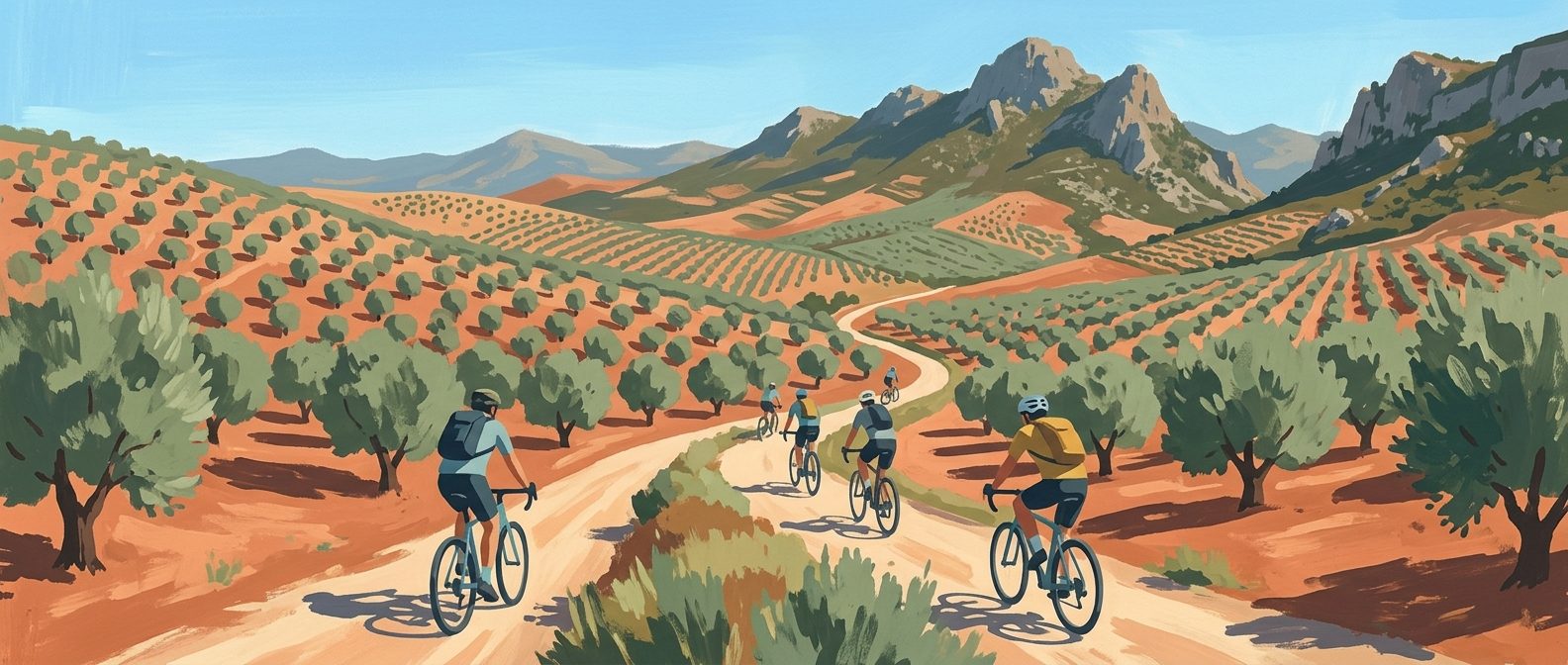
Cycling in Jaén: From Infinite Olive Groves to Rugged Mountain Peaks
Discover why Jaén is Spain’s best-kept secret for cyclists, from the flat Vía Verde del Aceite to the technical trails of the Sierras de Cazorla.
6 min read
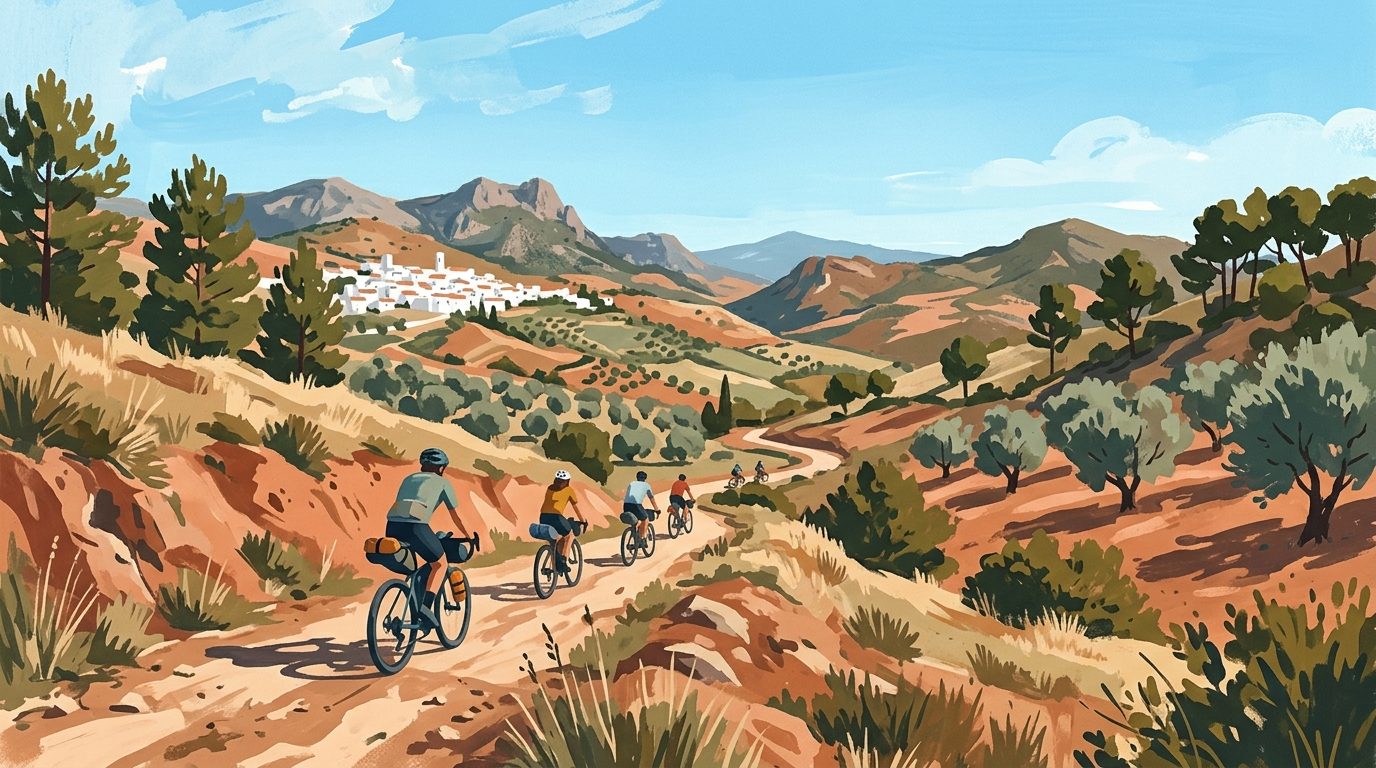
Bikepacking in Andalucía: A Complete Guide to Two-Wheeled Adventures
Discover how to plan the ultimate bikepacking adventure in southern Spain. Our guide covers route planning, essential gear, weather windows, and tips for navigating wild terrain.
13 min read
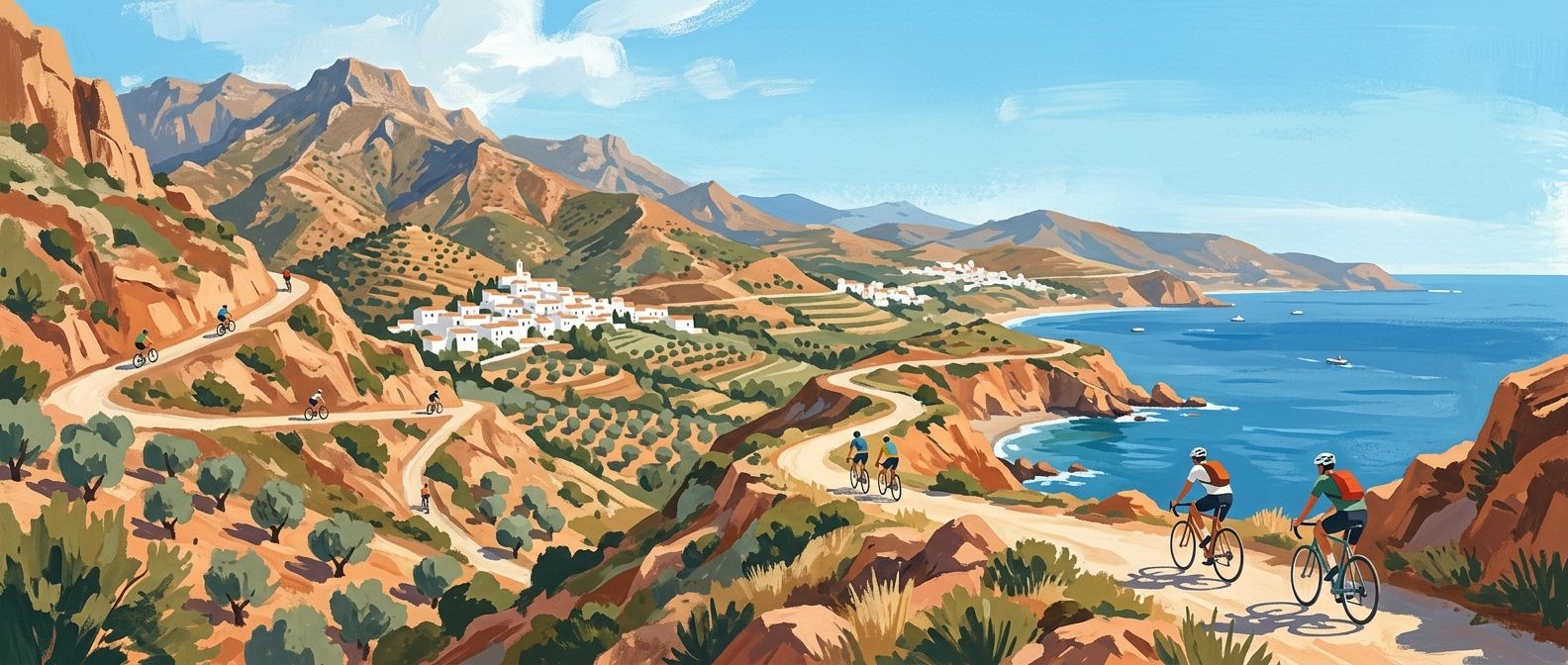
A Guide to Cycling in Málaga: From Coastal Paths to Mountain Peaks
Discover the best of cycling in Málaga, from the gentle coastal Senda Litoral to the challenging peaks of the Montes de Málaga and the rugged Axarquía hills.
6 min read
Cycling in Cádiz: A Guide to the Best Coastal and Mountain Routes
From the family-friendly Vía Verde de la Sierra to the challenging climbs of the Grazalema mountains, Cádiz province is a premier destination for cyclists of all levels.
6 min read
A Complete Guide to Cycling in Andalucía
Andalucía offers some of the most varied cycling terrain in Europe, ranging from the gruelling climbs of the Sierra Nevada to family-friendly paths along converted railway lines.
6 min read
A Guide to Cycling in Granada: From High Peaks to Valley Floors
From the highest paved road in Europe to technical mountain bike trails through olive groves, Granada offers some of the most varied terrain in Andalucía for cyclists of all disciplines.
6 min read
More from Córdoba
Golf in Córdoba Province: Courses, Holidays, and Shops
Discover practical tips, course details, and holiday planning advice for playing golf in Córdoba province, from the mountain fairways of Sierra Morena to the historic greens of Los Pedroches.
10 min read
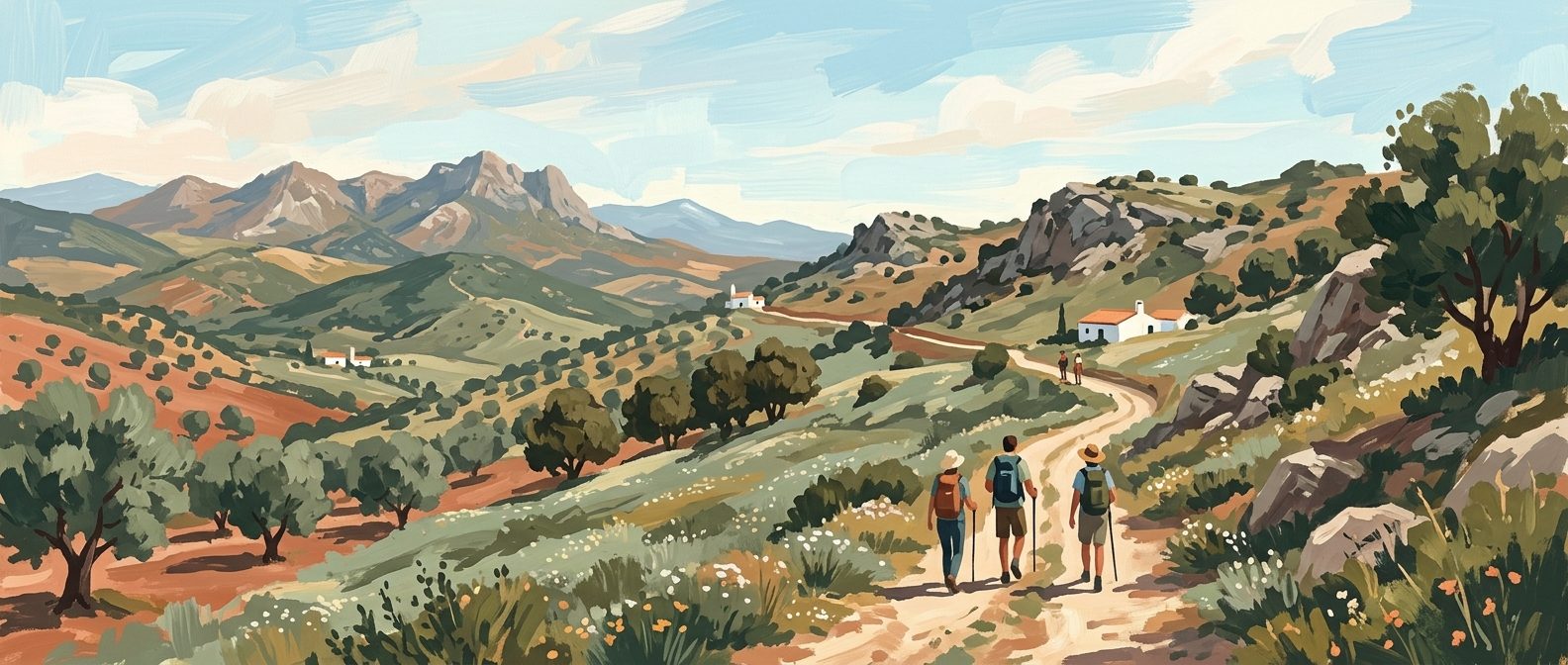
Exploring the Trails of Córdoba: From the Sierra Morena to the Subbética
Escape the city heat and explore the diverse landscapes of Córdoba, from the rugged limestone peaks of the south to the Mediterranean forests of the Sierra Morena.
6 min read
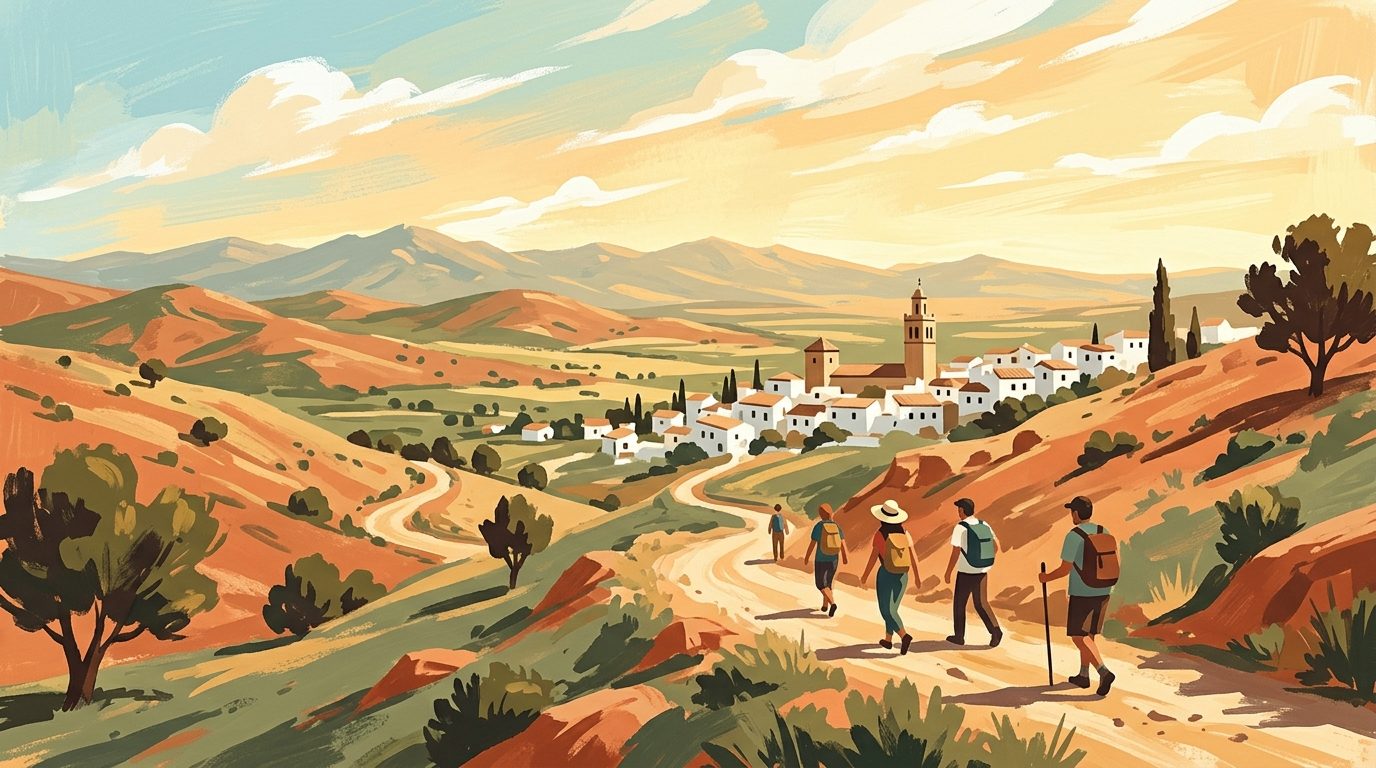
Beyond the Mezquita: The Best Day Trips from Córdoba
Discover the best day trips from Córdoba, from the ruins of Medina Azahara to the white villages and olive groves of the Subbética mountains.
9 min read
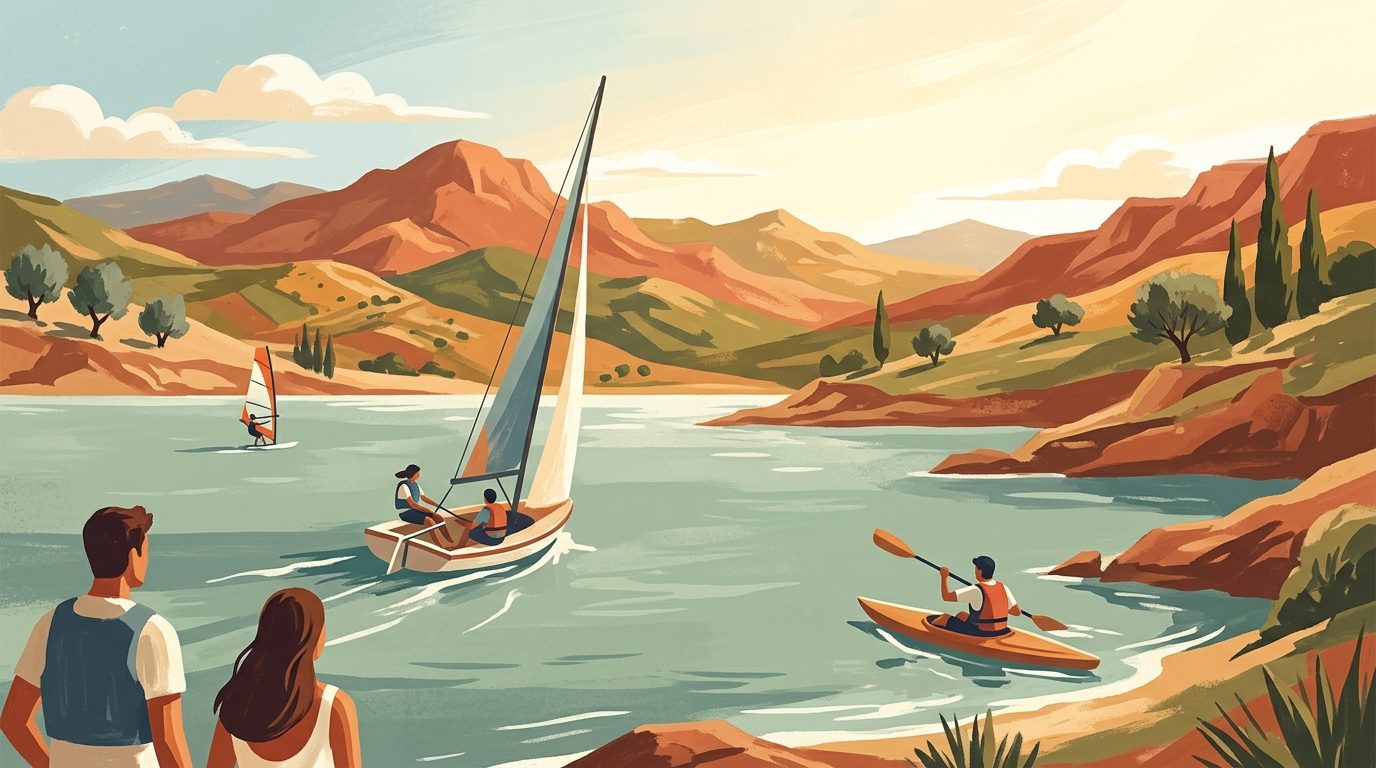
Water Sports in Córdoba: A Guide to the Inland Sea and the Great River
Escape the heat of the city and discover the best spots for kayaking, paddleboarding, and sailing across the province of Córdoba.
6 min read
Newsletter
More stories from Andalucía
Weekly notes, seasonal picks, and the next guides worth bookmarking.