
Things to do · Cádiz
Riding the Atlantic: A Guide to Water Sports in Cádiz
Discover the best kitesurfing, surfing, and whale watching across the province of Cádiz, from the wind-whipped shores of Tarifa to the Atlantic rollers of El Palmar.
By Dan · Updated 16 July 2026 · 6 min read
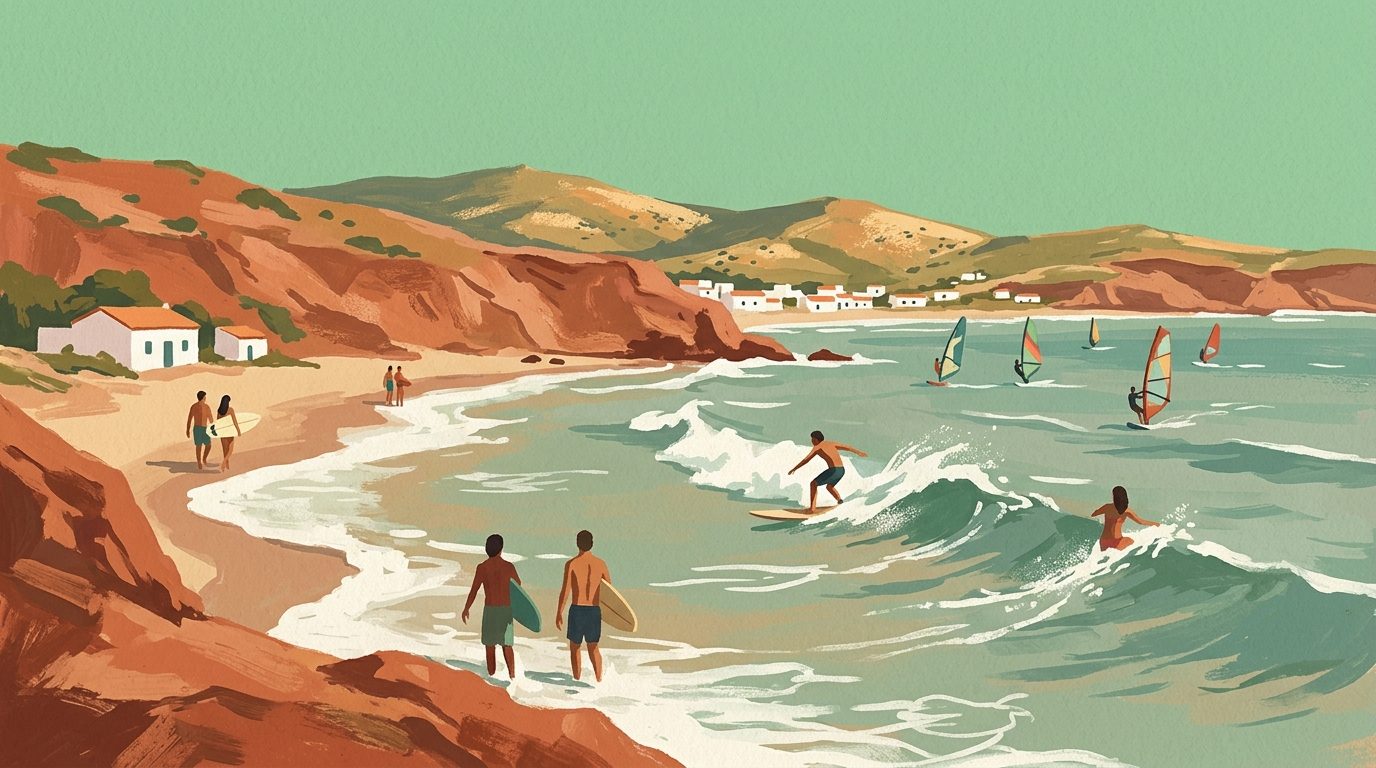
With over 200 kilometres of Atlantic coastline, Cádiz is the undisputed capital of wind and wave sports in Southern Europe. From the high-velocity wind tunnels of Tarifa to the consistent Atlantic rollers at El Palmar, this province provides world-class conditions for every level of waterman.
Cádiz is not your typical Mediterranean beach destination. Sitting on the edge of the Atlantic Ocean, the province is defined by two powerful winds, the Levante and the Poniente, and a rugged coastline that stretches from the Sherry Triangle down to the Pillars of Hercules. For those who find lying on a sun lounger a bit tedious, this is the premier playground in Andalucía. The water here is cooler, the waves are more powerful, and the culture is deeply rooted in the rhythm of the tides.
The variety of spots is impressive for anyone looking to harness the gale-force winds of the Strait of Gibraltar or catch your first wave on a longboard.The beauty of the Cádiz coast lies in its accessibility; you can find world-class kite spots and beginner-friendly surf breaks within a thirty-minute drive of each other. Local infrastructure is excellent, with numerous schools and rental shops that operate year-round, reflecting the region's status as a global hub for water-based activities. While the summer months bring the largest crowds, the water sports scene thrives well into the autumn and spring, often providing the best conditions for those who know where to look.
Best Places for Water Sports in Cádiz
Tarifa: The Wind Capital of Europe
Tarifa is the southernmost point of mainland Europe, where the Atlantic and Mediterranean squeeze through a narrow gap, creating a natural wind tunnel. This geographical quirk makes it one of the most reliable places on the planet for wind-dependent sports. The town lives and breathes kitesurfing and windsurfing. When the Levante (an easterly wind) blows, it can reach speeds that challenge even the pros, while the Poniente (from the west) offers more consistent, cooler breezes ideal for learning.
For kitesurfing, Los Lances beach is the main hub, featuring wide sandy banks and designated areas for schools. Valdevaqueros is another legendary spot, often filled with a colourful array of kites and sails against the backdrop of a massive sand dune. If you are looking to learn, KTS Tarifa or Freeride Tarifa are established operators with experienced instructors. A three-day introductory kitesurfing course typically costs between €300 and €450 depending on group size (check on the operator's website before travelling).
El Palmar: The Surf Soul of Andalucía
Located just south of Conil de la Frontera, El Palmar is a small coastal hamlet that has become the centre of the Andalucían surf scene. Unlike the rocky breaks of northern Spain, El Palmar offers a long, sandy beach break that is particularly forgiving for beginners but can produce hollow, fast waves for experts when the swell picks up in winter. The atmosphere here is laid-back, with surf shacks and wooden boardwalks lining the shore.
The best time for surfing is from October to April, when the Atlantic low-pressure systems send consistent swell towards the coast. During the summer, the waves are smaller and perfect for those trying the sport for the first time. O’Neill Surf Academy Spain and Escuela de Surf El Palmar offer group lessons starting at approximately €35 to €45 per session (check seasonal rates), including board and wetsuit hire.
Bolonia: Windsurfing and Scenic SUP
Bolonia is famous for its Roman ruins and its towering sand dune, but it is also an exceptional spot for windsurfing, especially when the Levante wind is too strong in Tarifa. The bay offers some protection, creating flatter water that is excellent for speed and carving. When the wind drops, the crystal-clear turquoise waters of Bolonia are perfect for Stand Up Paddleboarding (SUP). Paddling out gives you a unique perspective of the Baelo Claudia archaeological site and the natural park surrounding the bay.
Expect to pay around €20 to €25 per hour for SUP rental (check seasonal rates). For windsurfing enthusiasts, Tarifa Spin Out (located just a short drive away at Valdevaqueros) is the go-to for high-end gear.
The Strait of Gibraltar: Whale and Dolphin Watching
The narrow stretch of water between Spain and Morocco is a biological hotspot. The meeting of currents brings an abundance of nutrients, attracting seven different species of whales and dolphins. This is one of the few places in Europe where you can reliably see orcas (killer whales) in the wild, particularly in July and August when they follow the bluefin tuna migration. Common dolphins, striped dolphins, and pilot whales are resident year-round.
Responsible operators like Turmares or Firmm run boat trips from Tarifa harbour. These tours are led by marine biologists who ensure the animals are not distressed by the vessels. Prices for a two-hour boat trip usually start from around €35 to €55 per person (check on the operator's website before travelling).
Sancti Petri: Kayaking to the Castle
In Chiclana de la Frontera, the abandoned island of Sancti Petri is home to a fort that once held a temple dedicated to Hercules. The best way to reach it is by kayak or SUP from the Sancti Petri marina. The route takes you through the marshes of the Bahía de Cádiz Natural Park, an area of high ecological value teeming with birdlife. The water here is generally calm, making it a great family-friendly activity. Novojet offers guided kayak tours to the castle, often timed to coincide with the sunset over the Atlantic.
Practical Information
Cádiz is a year-round destination, but your chosen activity should dictate your timing. For surfing, the peak season is autumn through to early spring. For kitesurfing and windsurfing, the summer months (June to September) offer the most reliable winds, though the beaches can be crowded. Whale watching is best between April and October. A 3/2mm wetsuit is usually sufficient for most of the year, though you may want a 4/3mm if you are spending long hours in the water during January or February.
Costs are generally lower than in Northern Europe. A two-hour surf lesson averages €40 (check seasonal rates), while a full day of equipment hire for windsurfing is around €70 (check seasonal rates). Most operators speak excellent English, particularly in Tarifa, but knowing a few basic Spanish phrases is always appreciated by the local instructors. Bring high-factor waterproof sunblock; the Atlantic breeze often masks the intensity of the Andalucían sun.
Local Tips
If the Levante wind is blowing hard (over 30 knots), locals often head to Canos de Meca. The headland provides a bit of shelter and creates a different wave dynamic that can be more manageable than the open beaches. After a session in El Palmar, do as the locals do and grab a ‘tuna manteca’ bocadillo from one of the small shops. It is the traditional fuel of the Cádiz surfer. Finally, always check the wind forecast on Windguru or Windy; in this part of the world, the wind dictates your daily plans more than the clock does.
Last reviewed: 21 June 2026 · Editorial policy
Related guides
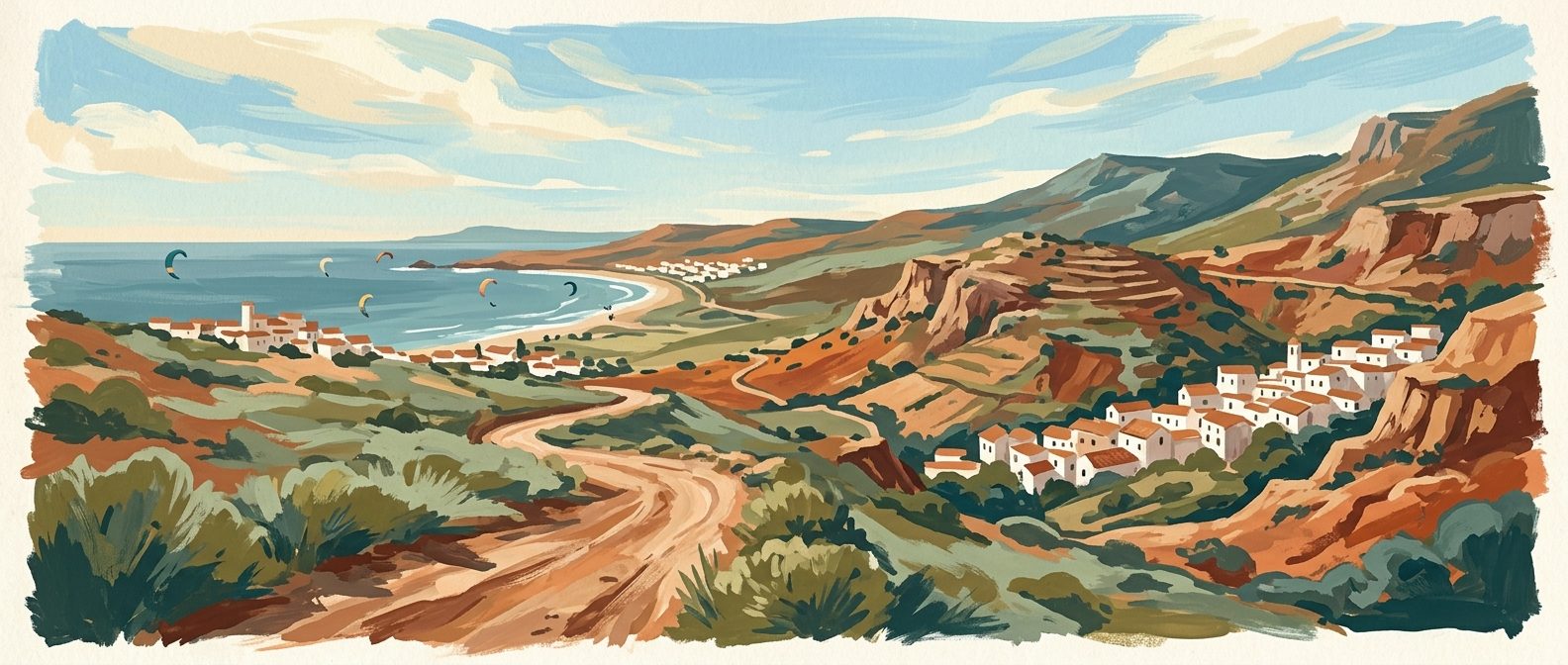
Kitesurfing in Tarifa: The Ultimate Guide to Europe's Wind Capital
Europe's southernmost tip is defined by two relentless winds and a coastline uniquely shaped to harness them. You can tarifa remains the undisputed proving ground for wind-chasers if you are launching your first kite or mastering unhooked tricks.
10 min read
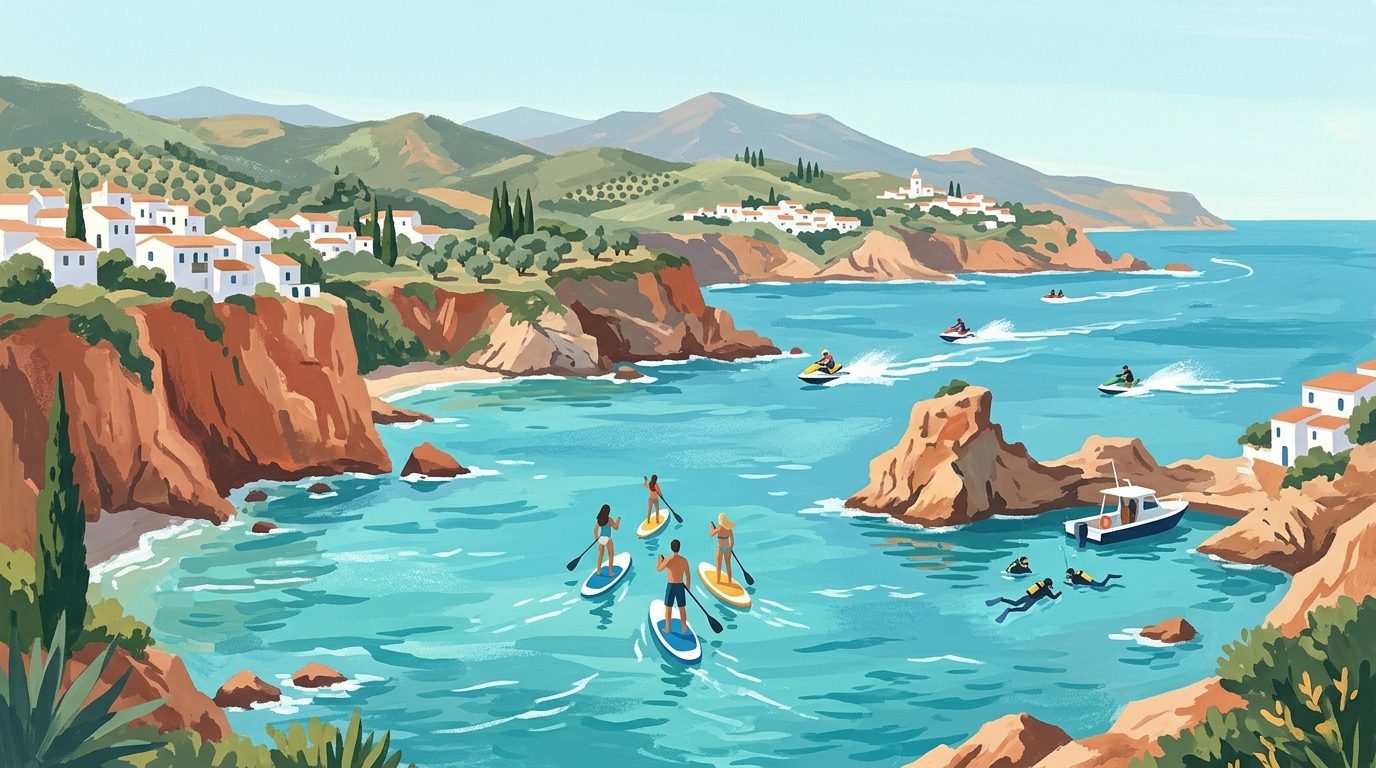
A Guide to Water Sports in Málaga: From SUP to Scuba
Discover the best locations for stand-up paddleboarding, diving, and jet skiing along the Costa del Sol with our practical guide to Málaga's water sports.
6 min read
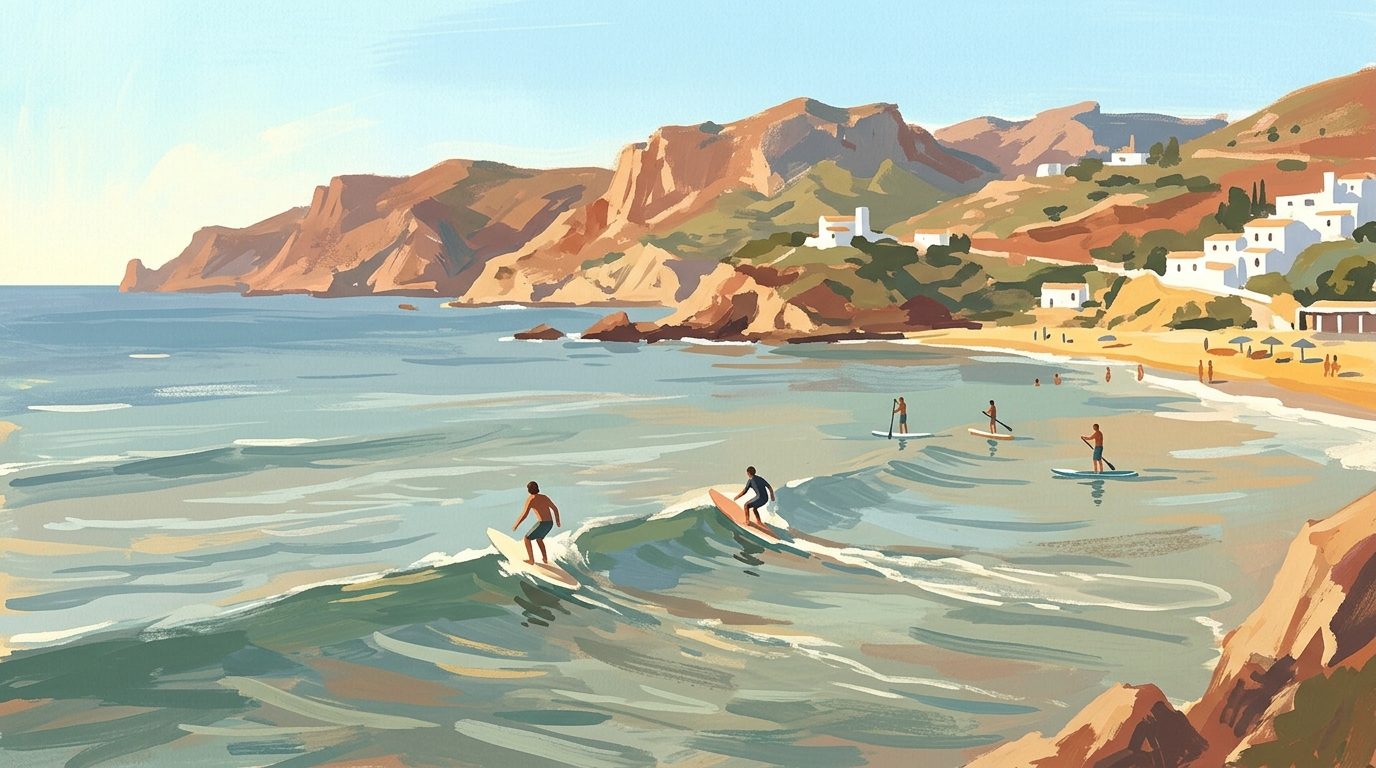
Surfing and SUP in Andalucía: A Guide to the Best Breaks and Bays
From the powerful Atlantic swells of the Costa de la Luz to the glassy Mediterranean coves of Almería, Andalucía offers world-class conditions for every level of surfer and paddler.
6 min read
Costa de la Luz: The Complete Guide
The Costa de la Luz is an untamed stretch of Atlantic shoreline defined by wild dunes, pine forests and stiff sea breezes. Spanning the coastlines of Huelva and Cádiz, it offers a stark alternative to the concrete resorts of the Mediterranean.
9 min read
Playa de El Palmar: A Guide to the Surfing Capital of Cádiz
Playa de El Palmar is the undisputed surfing capital of the Costa de la Luz, offering eight kilometres of golden sand and some of the finest sunsets in the province of Cádiz. This expansive shoreline balances a wild, Atlantic character with a thriving scene of beach bars and surf schools.
7 min read
A Guide to Water Sports in Granada: From Reservoirs to the Tropical Coast
Discover the best spots for diving, kayaking, and reservoir swimming in Granada, from the marine reserves of La Herradura to the turquoise waters of Los Bermejales.
6 min read
More from Cádiz

The Ultimate Guide to Golf in Cádiz Province
Discover the finest golf courses, resorts, and practical tips for planning your next golf holiday in the province of Cádiz. From championship layouts to essential details on green fees and club hire, everything you need is covered.
11 min read

Discover the Enchanting Pueblos Blancos: Andalucía's Whitewashed Gems Await
Journey through Andalucía's iconic Pueblos Blancos, where historic whitewashed villages cling to dramatic hillsides, offering wide views and authentic Spanish charm.
5 min read
Hiking and Walking in Cádiz: From Atlantic Cliffs to Mountain Peaks
Discover the diverse landscapes of Cádiz, from the high-altitude Spanish Fir forests of Grazalema to the dramatic coastal cliffs of Barbate.
6 min read
Cycling in Cádiz: A Guide to the Best Coastal and Mountain Routes
From the family-friendly Vía Verde de la Sierra to the challenging climbs of the Grazalema mountains, Cádiz province is a premier destination for cyclists of all levels.
6 min read
Day Trips from Cádiz: Coastal Castles and Sherry Cities
Discover the best day trips from Cádiz, featuring world-class sherry bodegas in Jerez, the hilltop beauty of Vejer, and the ancient Roman ruins of Bolonia.
7 min read
Newsletter
More stories from Andalucía
Weekly notes, seasonal picks, and the next guides worth bookmarking.