
Things to do · Granada
Hiking and Walking in Granada: From High Peaks to Gorge Trails
From the high-altitude peaks of the Sierra Nevada to the terraced valleys of the Alpujarras, Granada offers some of the most varied walking terrain in southern Spain.
By Dan · Updated 16 July 2026 · 6 min read
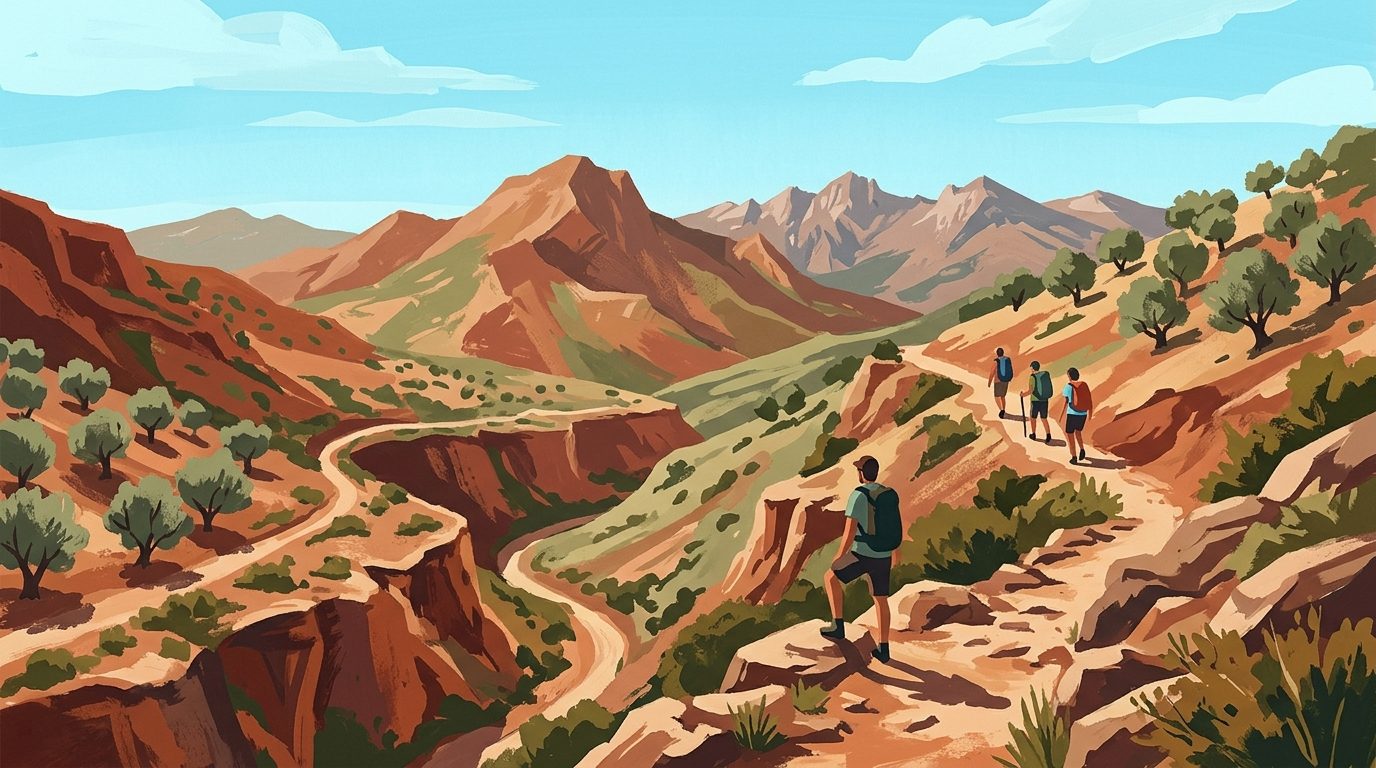
From the high-altitude peaks of the Sierra Nevada to the terraced valleys of the Alpujarras, Granada offers some of the most varied walking terrain in southern Spain. For anyone navigating the hanging bridges of Monachil or following historic mining tracks, the landscape is as challenging as it is rewarding.
Granada is defined by its verticality. While the city itself sits at a modest 730 metres above sea level, it is overlooked by the highest mountains in the Iberian Peninsula. This dramatic shift in elevation creates a landscape where you can spend the morning trekking through snow-dusted alpine ridges and the afternoon walking through subtropical fruit orchards. For hikers, this diversity means that there is a route for every fitness level and every season, provided you know where to look.
The walking culture here is deeply ingrained. You will find local families out for a Sunday stroll in the lower hills, alongside serious mountaineers preparing for an ascent of Mulhacén. Because the terrain changes so quickly, it is essential to plan according to the time of year. The high peaks are the domain of summer and early autumn, while the river valleys and lower ranges come into their own during the cooler months. The following routes represent the best of the province, offering a mix of adrenaline, history, and natural beauty.
The Best Hiking Routes in Granada
Los Cahorros Gorge, Monachil
Located just 15 minutes from Granada city centre, Los Cahorros is perhaps the most popular day hike for locals and visitors alike. Starting in the village of Monachil, the trail follows the river upstream into a limestone gorge. The standout feature of this walk is the series of hanging bridges, the longest of which stretches 63 metres across the ravine and sways slightly as you cross.
As the gorge narrows, the path becomes more adventurous. You will often find yourself ducking under overhanging rocks or crawling through small tunnels created by the cliff face. It is a fantastic route for families with older children, though it can get busy on weekends. Once you emerge from the narrowest part of the gorge, the trail opens into a wide valley with limestone walls popular with rock climbers. The return leg takes you along the upper rim of the gorge, providing views across the Genil valley and back towards the city. Take the 183 bus (Consorcio de Transporte Metropolitano) from Granada if you want to avoid parking issues in the village.
Vereda de la Estrella
If you only have time for one classic mountain walk, make it the Vereda de la Estrella. Starting from the village of Güéjar Sierra, this trail was originally built to serve the copper and iron mines of the high Sierra. Because it was designed for mules carrying heavy loads, the gradient is surprisingly gentle for a mountain path. What makes this walk special is the perspective it provides of the "Big Three": the north faces of Mulhacén, Veleta, and Alcazaba. These massive walls of rock and ice look particularly imposing from this angle.
The route follows the Genil river, passing through forests of chestnut and oak trees. Keep an eye out for "El Abuelo," a massive, ancient chestnut tree that serves as a local landmark. The full loop is roughly 20 kilometres and takes about 6 to 7 hours, but the terrain is steady. You will pass the ruins of old mining buildings, which offer a glimpse into the industrial past of these mountains.
The High Peaks: Mulhacén and Veleta
For those seeking elevation, the Sierra Nevada National Park offers several peaks over 3,000 metres. Mulhacén, at 3,482 metres, is the highest point in mainland Spain. In the summer months (July to September), the ascent is a long but technically straightforward walk if approached from the south. You can take the National Park shuttle bus (SIAC) from Capileira, which drops you at an altitude of 2,700 metres, making the summit achievable in a few hours.
Veleta is even more accessible, with a paved road reaching almost to the summit. Many hikers start from the Hoya de la Mora at 2,500 metres. The walk to the top takes around 2 to 3 hours and rewards you with views that, on clear days, stretch all the way across the Mediterranean to the Rif Mountains of Morocco. Local operator Spanish Highs offers guided ascents for those who want to tackle these peaks safely, especially outside the peak summer window when crampons and ice axes may be required.
The Alpujarras: The Three Villages Trail
On the southern slopes of the Sierra Nevada lies the Alpujarras, a region of steep valleys and white-washed villages. The walking here is characterised by the ancient "acequias" (irrigation channels) and the GR7 long-distance footpath. A classic route connects the three villages of the Poqueira Gorge: Pampaneira, Bubión, and Capileira.
The paths are well-marked and lead you through terraced farmland where farmers still use traditional methods to grow cherries and walnuts. Walking between the villages allows you to see the unique Berber-style architecture, with flat clay roofs and distinctive "tinaos" (covered walkways). The descent into the gorge and the subsequent climb back up can be steep, so expect a moderate workout. Most walkers start in the highest village, Capileira, and work their way down to Pampaneira, where you can find plenty of spots for a local lunch of "Plato Alpujarreño."
Lecrín Valley: The Citrus Trail
The Lecrín Valley, often referred to by locals as the Valley of Happiness, offers a gentler walking experience. Situated between Granada and the coast, this area stays green throughout the year. The best time to visit is in spring (March and April) when the orange and lemon trees are in blossom, and the scent in the air is incredible.
One of the best routes here is the path around Nigüelas, which takes you past an ancient olive oil mill and the dramatic Falla de Nigüelas, a massive tectonic fault line. The trails here are less rugged than the high mountains and are often shaded by fruit trees, making them a great option for a more relaxed day out. You can easily combine a morning walk with a visit to the local wineries in the area.
Practical Information
Walking in Granada is generally free, though you will need to pay for transport or guided services. The National Park shuttle bus costs approximately €12 for a return trip (check the SIAC website before travelling) and must be booked in advance during the summer season. If you are heading into the high peaks, the Refugio Poqueira offers overnight stays for around €20 per person (check the operator's website before travelling), which is a great way to split up the Mulhacén climb.
Regarding equipment, sturdy walking shoes are sufficient for the Lecrín Valley and Los Cahorros, but proper hiking boots with ankle support are highly recommended for the Vereda de la Estrella and the high peaks due to loose scree. Always carry more water than you think you need; the Andalucían sun is unforgiving, and while there are many mountain springs (fuentes), not all are treated for drinking. The best seasons for walking are spring and autumn, as July and August can be too hot for anything other than the highest altitudes.
Local Tips
Always download your maps for offline use; mobile reception in the deeper valleys like the Alpujarras or the Vereda de la Estrella is notoriously patchy. If you are walking near villages, look for the local "fuentes": many have been there for centuries and provide ice-cold water, but check for a sign saying "Agua no potable" before drinking. Finally, if you are hiking on a weekday, you will often have the trails to yourself, whereas Sundays are the busiest days when entire extended families head to the hills for their weekly exercise.
Last reviewed: 21 June 2026 · Editorial policy
Related guides
Exploring the Trails: A Guide to Hiking and Walking in Málaga
Discover the rugged interior of Málaga through its diverse walking trails, from the spectacular Caminito del Rey to the prehistoric limestone peaks of El Torcal.
7 min read
A Guide to Hiking and Walking in Andalucía
Discover the best hiking trails in Andalucía, from the high peaks of the Sierra Nevada to the volcanic coast of Cabo de Gata and the lush forests of Grazalema.
7 min read
Hiking and Walking in Cádiz: From Atlantic Cliffs to Mountain Peaks
Discover the diverse landscapes of Cádiz, from the high-altitude Spanish Fir forests of Grazalema to the dramatic coastal cliffs of Barbate.
6 min read
Exploring the Trails: A Guide to Hiking and Walking in Sevilla
Sevilla province offers a diverse range of walking landscapes, from the dramatic karst formations of the north to the tranquil riverside paths of the Guadalquivir.
5 min read
Hiking and Walking in Almería: Deserts, Volcanic Coasts and High Sierras
Discover the raw beauty of Almería’s diverse landscapes, from the volcanic cliffs of Cabo de Gata to the rugged badlands of the Tabernas Desert.
6 min read
Hiking and Walking in Huelva: Trails from the Mountains to the Atlantic
Huelva offers a remarkable variety of terrain, from the dense chestnut forests of the Sierra de Aracena to the salt marshes of the Atlantic coast. It remains one of the least developed provinces for walking, providing quiet trails and authentic mountain villages.
6 min read
More from Granada
Golf in Granada Province: A Practical Guide to Courses, Holidays and Gear
Plan your perfect golfing trip with our practical guide to Granada's 18-hole courses. Discover green fees, club rental, and the best locations for a golf holiday.
12 min read
A Guide to Cycling in Granada: From High Peaks to Valley Floors
From the highest paved road in Europe to technical mountain bike trails through olive groves, Granada offers some of the most varied terrain in Andalucía for cyclists of all disciplines.
6 min read
The Best Day Trips from Granada: Sierra Peaks and Cave Dwellings
Escape the city and discover the diverse landscapes surrounding Granada, from the whitewashed villages of the Alpujarras to the extraordinary cave dwellings of Guadix.
6 min read
Unveiling Granada's Soul: A Journey Through the Albaicín and Sacromonte Quarters
Walk through Granada’s Albaicín and Sacromonte quarters with context on Moorish streets, cave houses, flamenco heritage, viewpoints and practical routes.
7 min read
Granada's Enduring Moorish Soul: Beyond the Alhambra
Discover Granada's profound Moorish legacy beyond the Alhambra, delving into the ancient Albaicín quarter, overlooked architecture, and the layered culture that defines the city.
5 min read
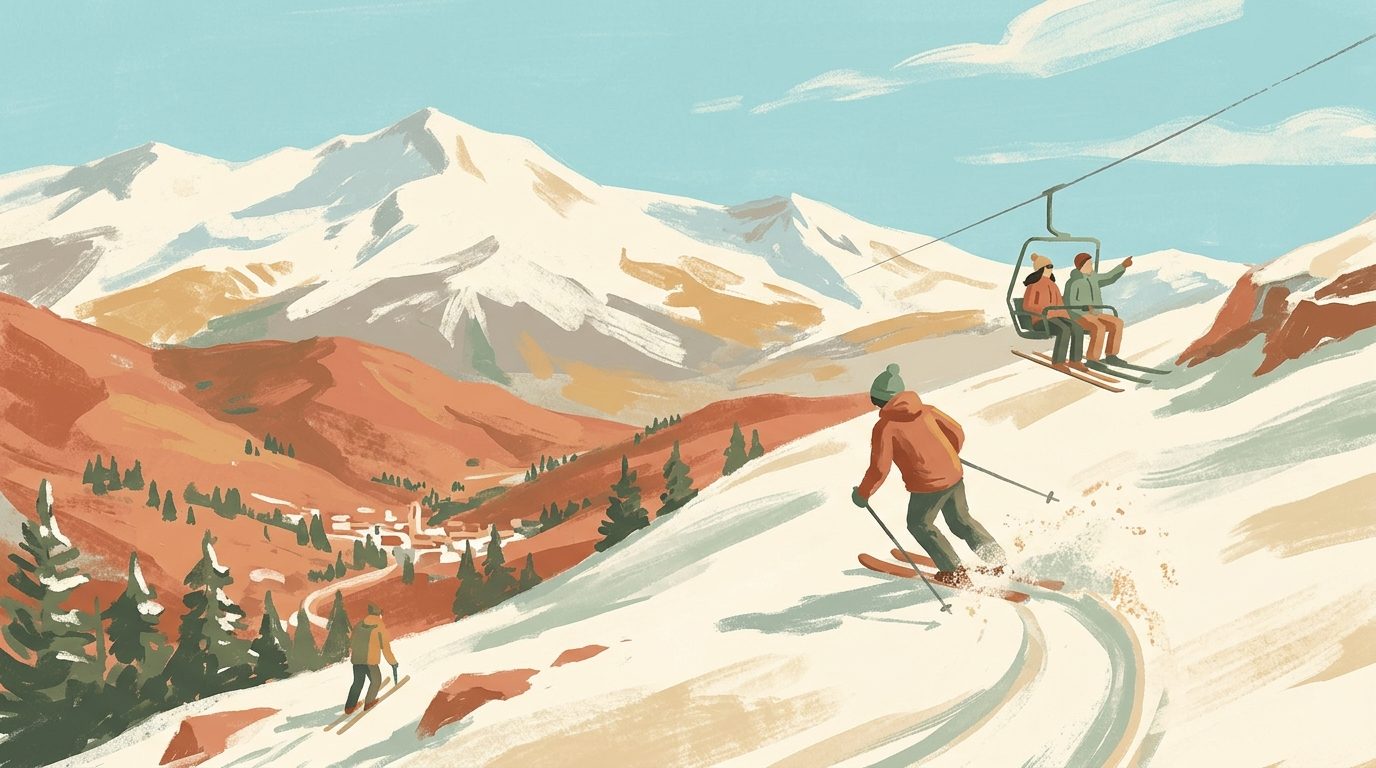
Skiing in Sierra Nevada: A Guide to the Sunniest Slopes in Europe
Experience the unique thrill of skiing in southern Spain, where you can carve through snow in the morning and relax by the Mediterranean in the afternoon. Discover everything from the 110km of pistes in Sierra Nevada to the best spots for tapas in Pradollano.
5 min read
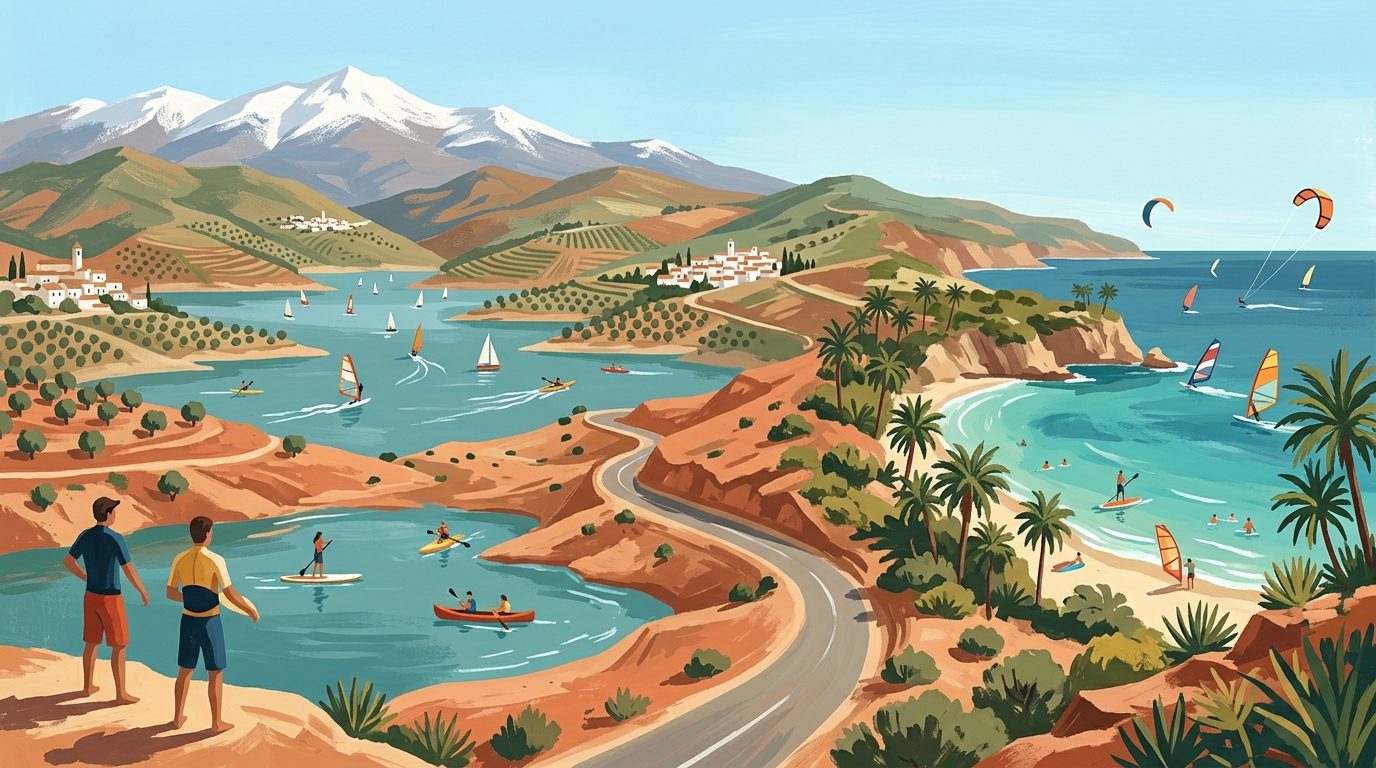
A Guide to Water Sports in Granada: From Reservoirs to the Tropical Coast
Discover the best spots for diving, kayaking, and reservoir swimming in Granada, from the marine reserves of La Herradura to the turquoise waters of Los Bermejales.
6 min read
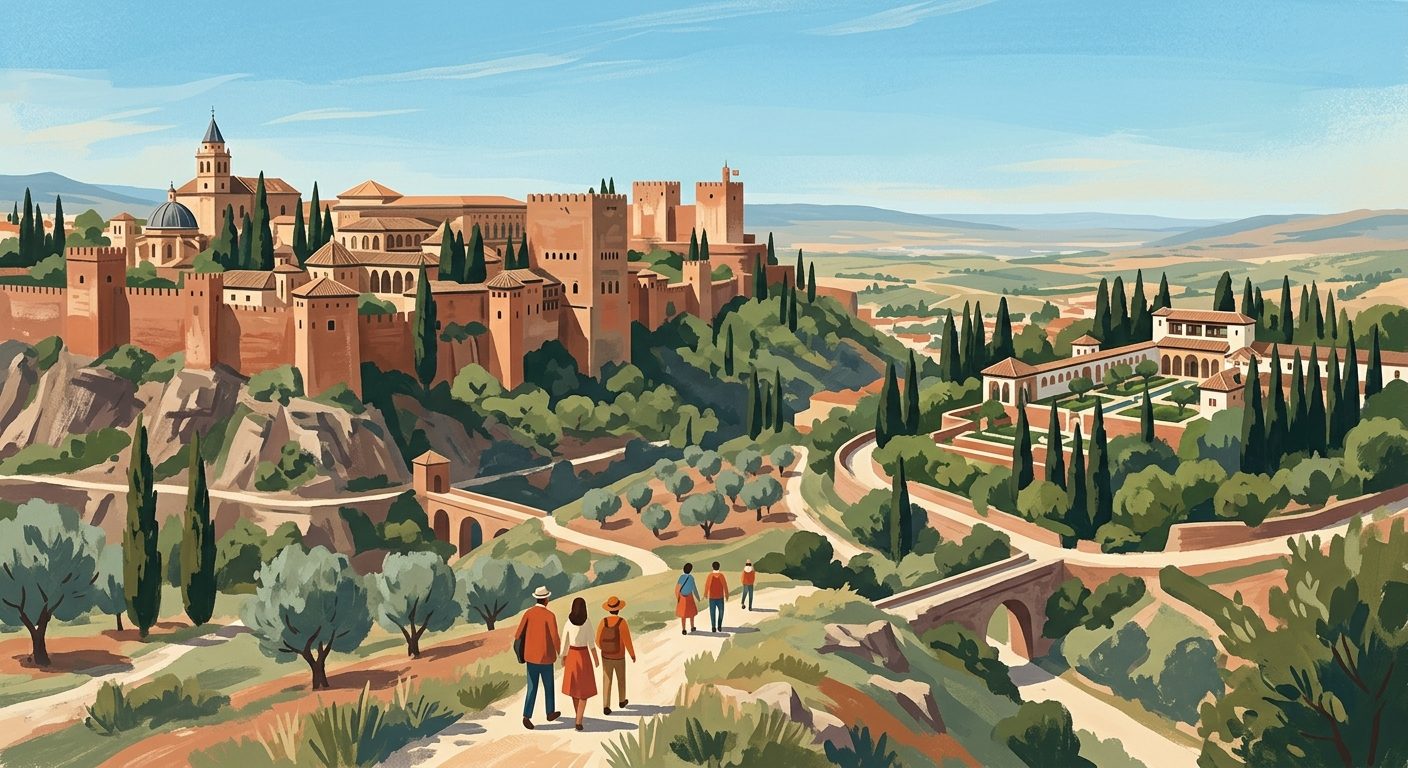
The Alhambra and Generalife: A Detailed Guide to Granada's Moorish Masterpiece
Explore the Alhambra and Generalife in Granada, from the Nasrid Palaces and beautiful courtyards to practical ticket, timing, and essential ID entry tips.
6 min read
Newsletter
More stories from Andalucía
Weekly notes, seasonal picks, and the next guides worth bookmarking.