
Seasonal guide · Málaga
Málaga in December: Winter Light and Festive Traditions
Málaga transforms into a city of light and social warmth during December, offering a mild escape from the harsh northern European winter.
By Dan · Updated 7 June 2026 · 7 min read
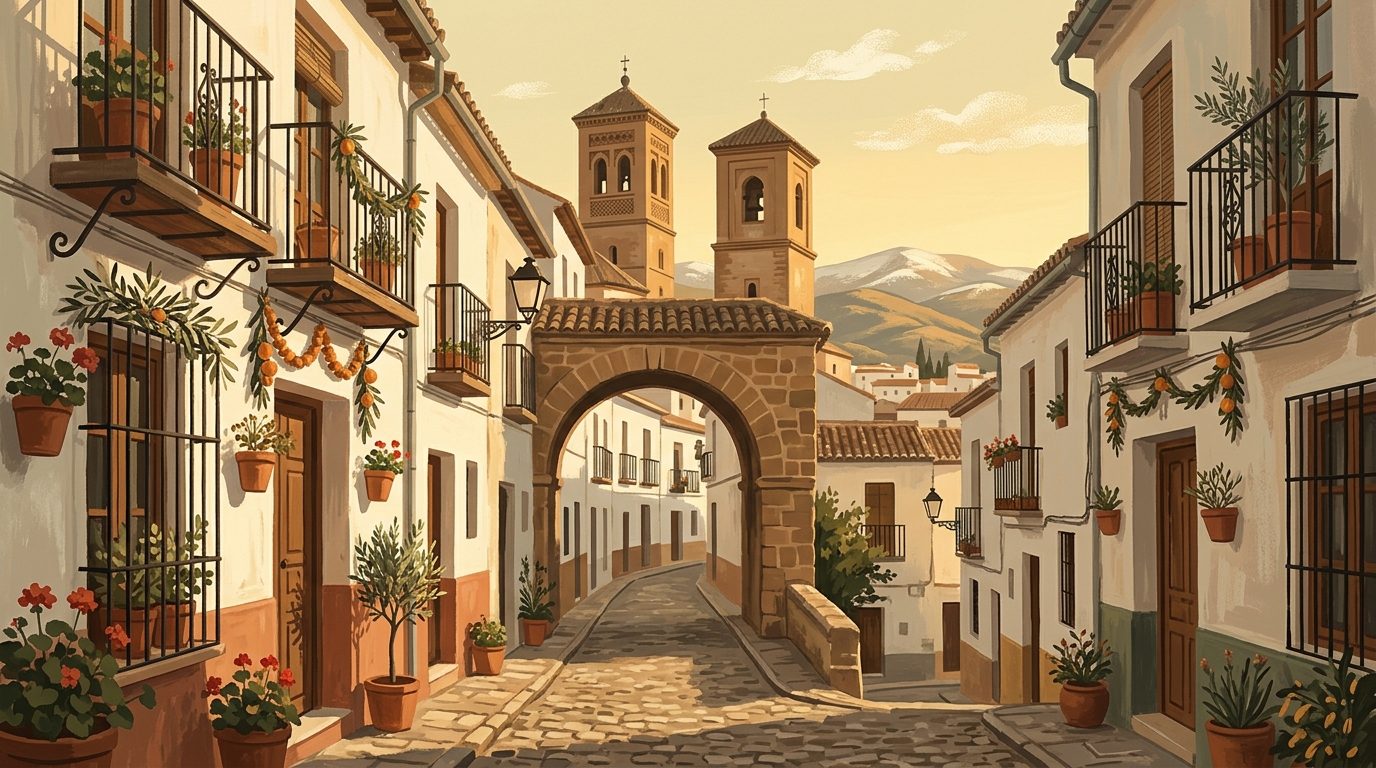
Málaga transforms into a city of light and social warmth during December, offering a mild escape from the harsh northern European winter. It is a period where the Mediterranean sun lingers on the seafront while the mountain villages prepare for traditional festivities.
December in Málaga province is an exercise in clarity. As much of Europe descends into grey skies and biting winds, the Costa del Sol maintains a brightness that can feel surreal to the uninitiated visitor. The city of Málaga itself becomes the focus of attention, shedding its summer beach-resort skin to reveal a sophisticated urban heart that takes Christmas celebrations seriously. Unlike the sweltering humidity of July, December provides a crisp atmosphere where the scent of roasted chestnuts (castañas asadas) mingles with the salty sea breeze. It is a month of early sunsets that ignite the sky in shades of violet and orange, leading into evenings defined by the spectacular Alumbrado de Navidad (Christmas lighting).
While the city draws the crowds for its festive displays, the rest of the province offers a quieter, more reflective experience. The coastal towns like Nerja and Estepona remain active but at a much slower pace, while the mountain towns of the Serranía de Ronda and the Axarquía region experience a true winter chill. Life moves indoors to the traditional ventas (country inns) where fireplaces are lit and hearty stews replace the grilled sardines of the summer months. It is a time for walking on empty beaches, hiking through pine forests without the threat of heatstroke, and experiencing the Andalucían culture of hospitality in its most authentic form.
The Weather in December
The weather in Málaga province during December is arguably some of the finest in Europe for this time of year, though it is markedly different depending on your proximity to the Mediterranean. On the coast, daytime temperatures typically hover between 17°C and 19°C. When the sun is out, it can feel warm enough for a t-shirt, particularly in sheltered spots. However, as soon as the sun dips below the horizon, usually around 18:00, the temperature drops sharply to around 9°C or 10°C.
Inland and in the mountain regions, the story is different. Towns like Ronda and Antequera, situated at higher altitudes and away from the sea’s tempering influence, are significantly colder. Daytime highs might only reach 12°C, and night-time temperatures frequently drop towards freezing, particularly in late December. Frost is not uncommon in the mornings in these areas. Rainfall is a possibility; December is one of the wetter months, averaging about five or six days of rain, but this often comes in short, heavy bursts rather than the persistent drizzle common in northern latitudes. The wind, known as the Poniente, can occasionally bring a chill off the Atlantic, making the coastal air feel sharper than the thermometer suggests.
Regarding what to wear, layers are essential. You will need a light jacket or woollen jumper for the day and a heavier coat for the evenings. If you plan to visit the mountains, bring a scarf, gloves, and a proper winter jacket. Comfortable walking shoes are a priority, as the province is best explored on foot during this temperate window.
Events & Festivals
The social calendar in December is dominated by Christmas and the lead-up to the New Year. The most significant event is the Alumbrado de Navidad (Christmas Lights), which usually begins in late November and runs through the first week of January. The Calle Marqués de Larios in Málaga city is the centrepiece, featuring an architectural light display that performs coordinated shows to music several times each evening. It is a major draw for people from all over Spain.
On the 8th of December, the Fiesta de la Inmaculada Concepción (Feast of the Immaculate Conception) is a public holiday. You will see religious processions in many towns, and it marks the unofficial start of the Christmas season. This is also when the Ruta de los Belenes (Nativity Scene Route) opens. These belenes are intricate, often hand-crafted displays of the nativity, found in town halls, churches, and social clubs across the province. Some, like the one in the Málaga Cathedral or the Town Hall, are immense in scale.
Mid-month, keep an ear out for Zambombas. Originally from Jerez but popular throughout the province, these are gatherings where people sing traditional Christmas carols (villancicos) accompanied by a zambomba, a friction drum. These events are soulful, energetic, and deeply communal. On the 28th of December, the city hosts the Fiesta Mayor de Verdiales. Held at the Puerto de la Torre on the outskirts of the city, this is a celebration of an ancient form of flamenco music and dance unique to Málaga. Groups (pandas) compete in three different styles, wearing elaborate hats decorated with flowers and mirrors. Finally, Nochevieja (New Year’s Eve) is celebrated with the tradition of eating twelve grapes, one for each strike of the clock at midnight, usually in the main town square, such as Plaza de la Constitución.
What to Do in December
For those interested in culture, December is the ideal time to visit the province’s museums without the long queues of the spring and summer. The Picasso Museum (official site) and the Carmen Thyssen Museum in the city centre provide a warm refuge on cooler days. Additionally, the Jardín Botánico La Concepción (Botanical Gardens) on the northern edge of the city often hosts a special evening light show called 'Las Luces del Botánico', where the exotic plants are illuminated in a themed walking trail (check the official website for the current year's theme and dates).
Outdoor enthusiasts will find the conditions perfect for hiking. The Caminito del Rey, which can be dangerously hot in July, is pleasant in December, though it is important to book well in advance via the official portal as it remains popular. The clear winter air also provides exceptional visibility for the viewpoints in the Sierra de las Nieves National Park. For a more relaxed experience, a walk along the Senda Litoral (Coastal Path) allows you to enjoy the sea air and the sight of the Mediterranean without the crowds of sunbathers.
Gastronomy is another highlight. December is the season for Mantecados and Polvorones, traditional Spanish shortbreads. The town of Antequera is famous for these treats, and visiting the local convents to buy sweets through a revolving wooden window (el torno) is a charming tradition. In the restaurants, look for winter dishes like Plato de los Montes (a hearty combination of pork, chorizo, egg, and peppers) or Berza Malagueña (a thick chickpea and vegetable stew).
For a scenic day trip, Ronda is atmospheric in December. While it can be misty, the sight of the Tajo gorge emerging from the winter clouds is spectacular. The town is quieter, and the local wineries provide a perfect setting for a tasting session by a fire. Similarly, Nerja offers a milder climate; a visit to the Nerja Caves followed by a walk on the Balcón de Europa is a classic December afternoon activity.
Who Should Visit?
- Culture Lovers: The abundance of museums, nativity routes, and the Verdiales festival make this a peak time for those seeking authentic Andalucían traditions.
- Hikers and Walkers: With daytime temperatures around 18°C on the coast, the physical demands of the local trails are far more manageable than in the summer.
- Families: The Christmas light shows and the festive atmosphere are very child-friendly, and the lack of extreme heat makes sightseeing with young children easier.
- Budget Travellers: Outside of the peak Christmas week (December 24th to January 1st), flights and accommodation can be significantly cheaper than in the autumn or spring.
- Winter Sun Seekers: While not beach-weather in the swimming sense, the high number of sunshine hours provides a much-needed Vitamin D boost for those coming from northern climates.
Practical Notes
Crowd levels in Málaga city are high during the evenings when the Christmas lights are on, particularly on weekends. If you prefer a quieter experience, visit the city on a weekday morning. In contrast, the coastal resorts are much quieter than usual, though some seasonal shops and restaurants may close for a few weeks. Prices for accommodation remain stable and affordable during the first two weeks of the month but expect a significant spike for the period between Christmas Eve and New Year’s Day.
If you plan on dining out on the 24th or 31st of December, reservations are mandatory and should be made weeks in advance. Many smaller establishments close on Christmas Day and New Year’s Day, though larger hotels and some international restaurants remain open. Public transport continues to run efficiently, but check for reduced schedules on bank holidays (6th, 8th, 25th of December and 1st of January).
Monthly Verdict
Málaga in December is a sophisticated destination that balances festive energy with the quietude of the Mediterranean winter. It is best suited for those who appreciate cultural depth, mild weather, and the unique light of a southern European winter. While the mountains require warm clothing, the coast provides a spring-like respite that is refreshing and restorative. It is not a month for swimming, but it is undoubtedly one of the best months for experiencing the soul of the province.
Last reviewed: 21 June 2026 · Editorial policy
Related guides
Málaga in November: A Guide to the Season of Calm and Light
Experience the calm of Málaga in November, from the traditional chestnut festivals in the mountains to the spectacular Christmas light switch-on in the city.
6 min read
Málaga in March: Spring Arrivals and Coastal Calm
March in Málaga offers a serene transition as the province awakens with orange blossom scents, early spring sunshine, and the anticipation of Easter traditions.
6 min read
Cádiz in February (Carnaval)
February transforms the oldest city in the West into a theatre of satire, where the Atlantic breeze carries the sound of copper whistles and witty choruses.
6 min read
Málaga in February: Almond Blossom and Winter Sun
February in Málaga province offers a quiet transition, where the scent of almond blossom fills the air and the city streets remain peaceful before the spring rush.
7 min read
Málaga in May: The Sweet Spot of the Andalucían Calendar
May is the month when the Costa del Sol truly wakes up, offering a balance of warm sunshine and the tail end of the spring bloom. It is the ideal window for those who want to explore the mountains and the Mediterranean without the oppressive heat of July.
6 min read
Andalucía in April
April brings the intoxicating scent of orange blossom and the dramatic spectacle of Semana Santa to Andalucía, offering the perfect balance of warm weather and cultural depth.
7 min read
More from Málaga
Málaga in April: Spring Festivals, Orange Blossom, and the First Glimpse of Summer
April in Málaga brings lively spring festivals, occasional Semana Santa processions, and the first warm days perfect for beach lunches and mountain hiking.
7 min read
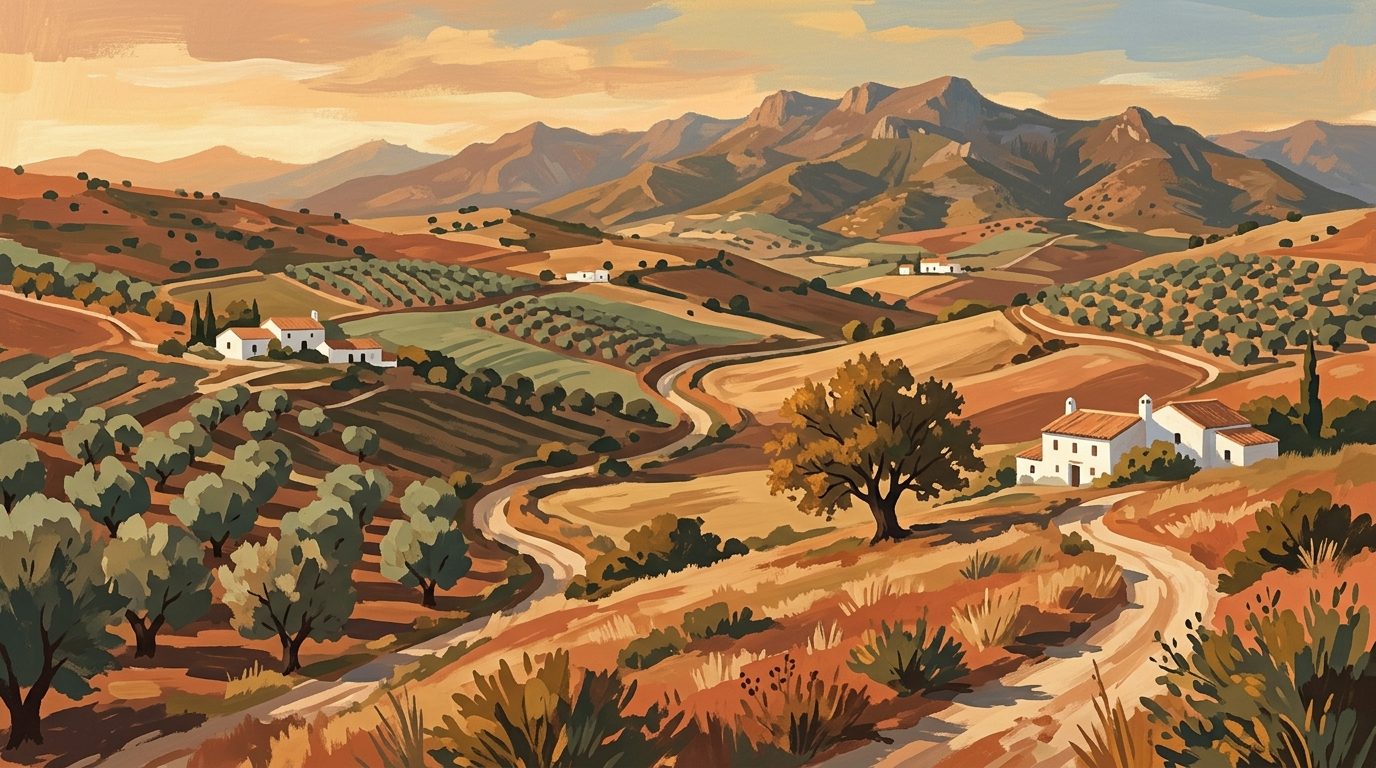
Málaga in October
October in Málaga represents the transition from the scorching summer heat to a mellow, golden clarity. It is a period where the Mediterranean remains warm enough for swimming, yet the inland mountains become crisp and accessible for exploration.
7 min read
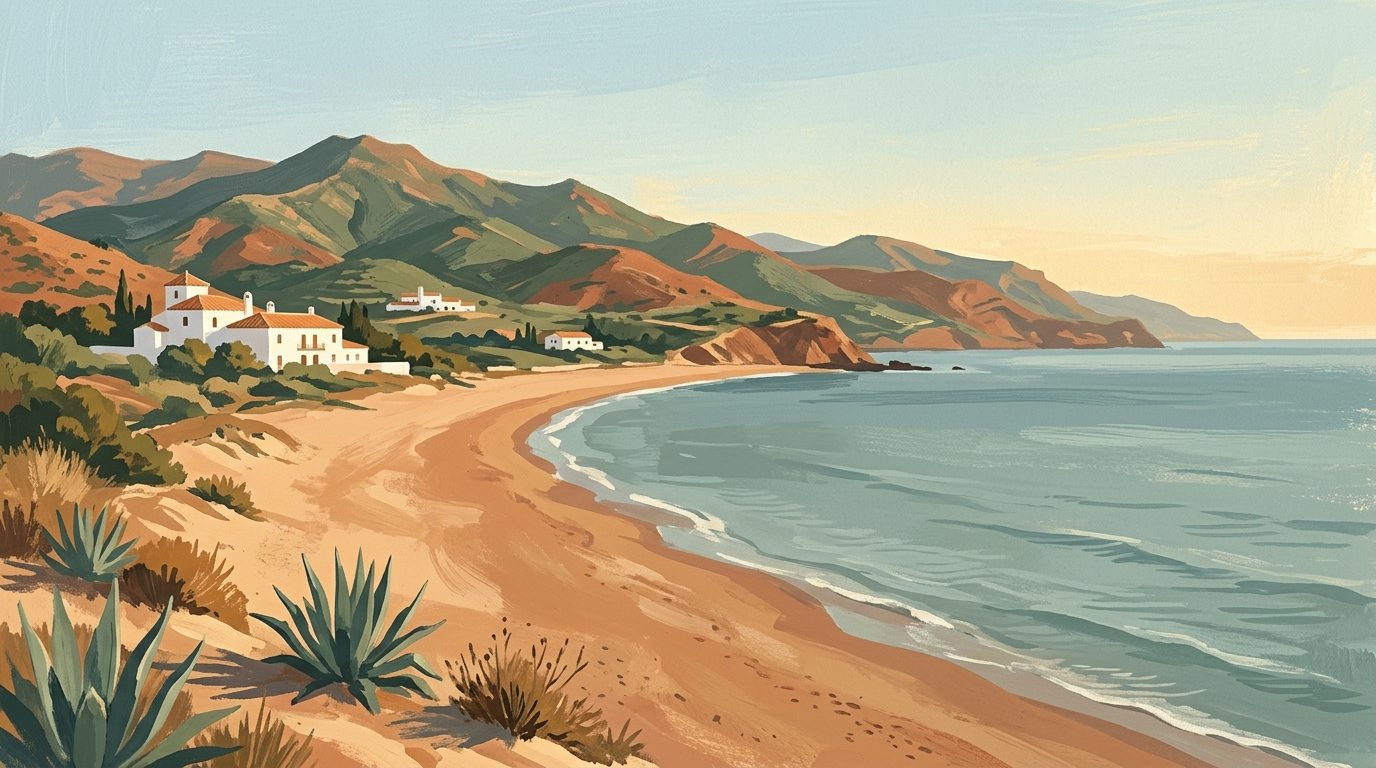
Málaga in January: Quiet Shores and Crisp Mountain Air
Discover Málaga in January, a month of crisp blue skies, 17°C coastal afternoons, and the quietest streets of the year.
6 min read
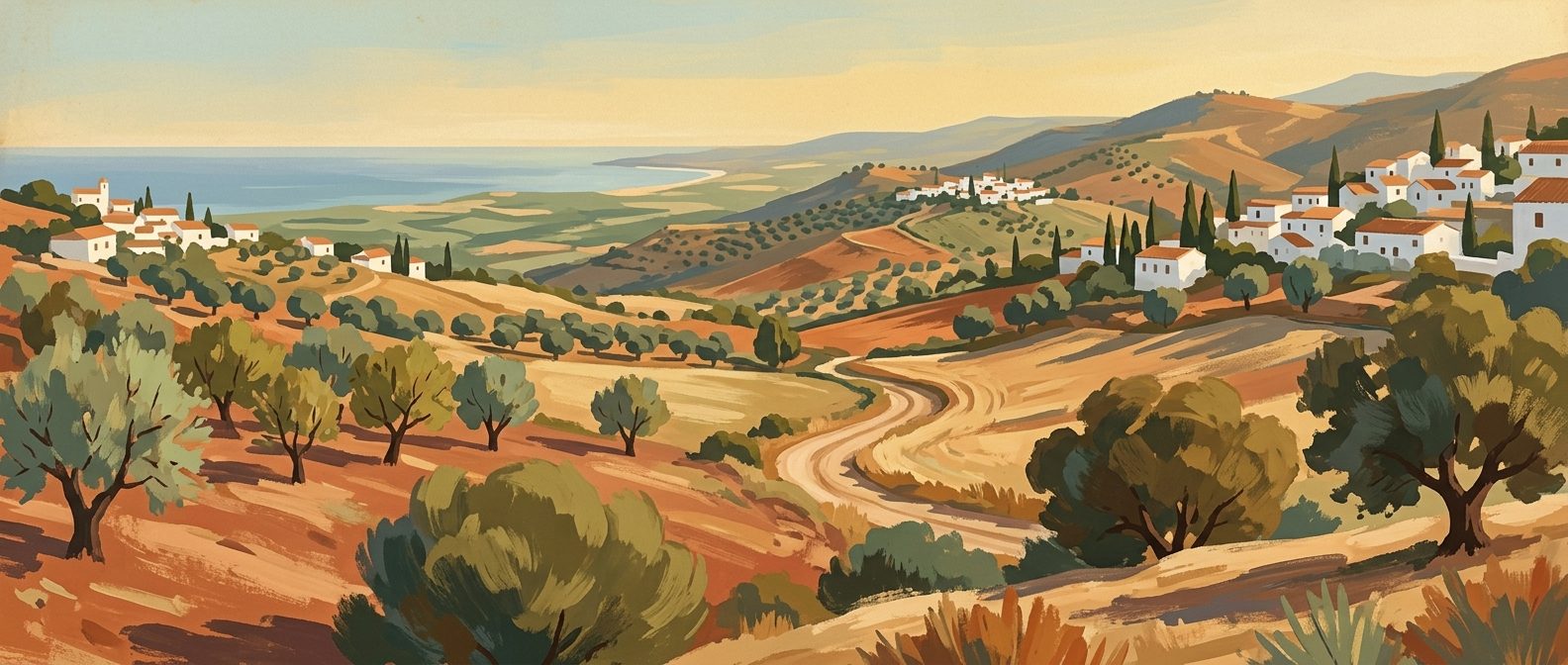
Málaga in September: A Mellow Transition
Málaga in September offers a gentle transition with warm seas, harvest festivals in the Axarquía, and a softening of the summer heat.
6 min read
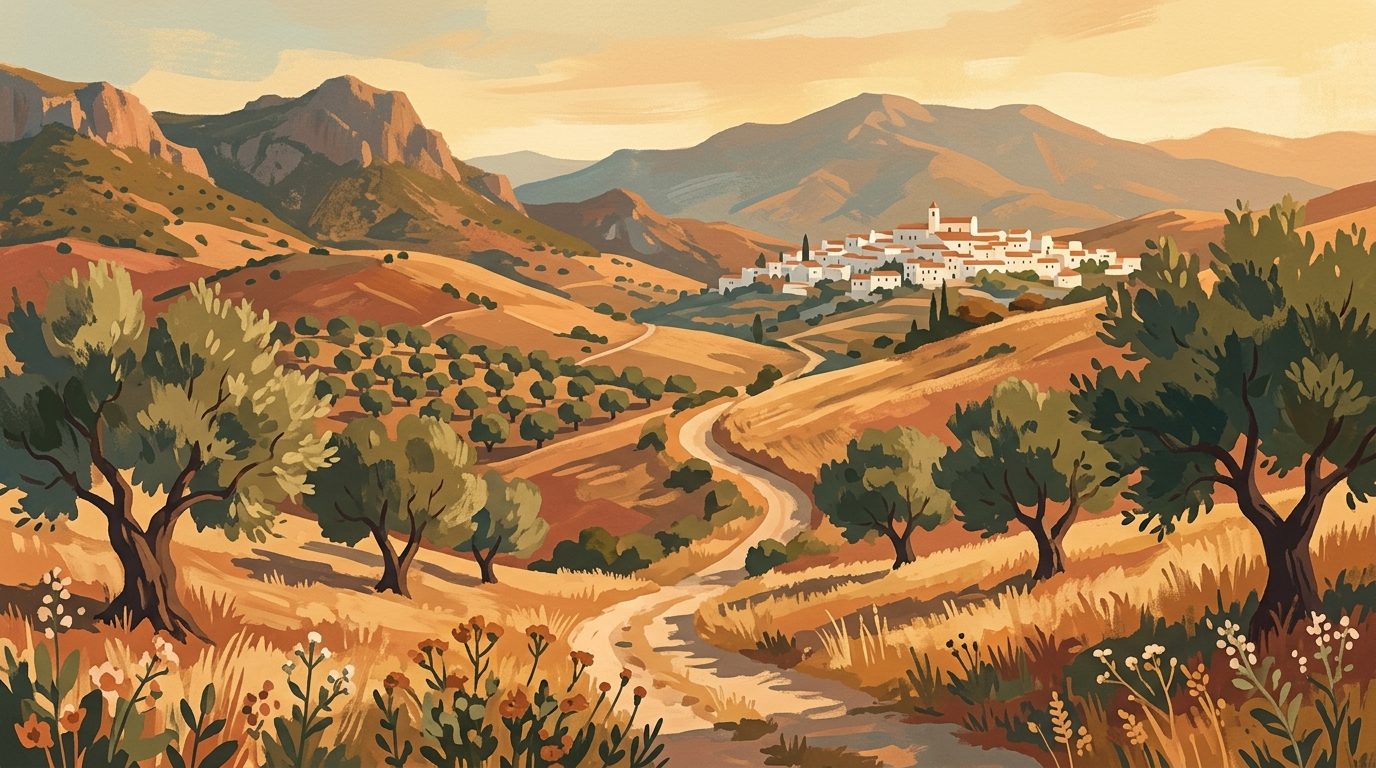
Málaga in July
Experience the height of the Mediterranean summer in Málaga, where 38°C heat is balanced by maritime festivals, roasted sardines on the beach, and a lively night culture.
6 min read
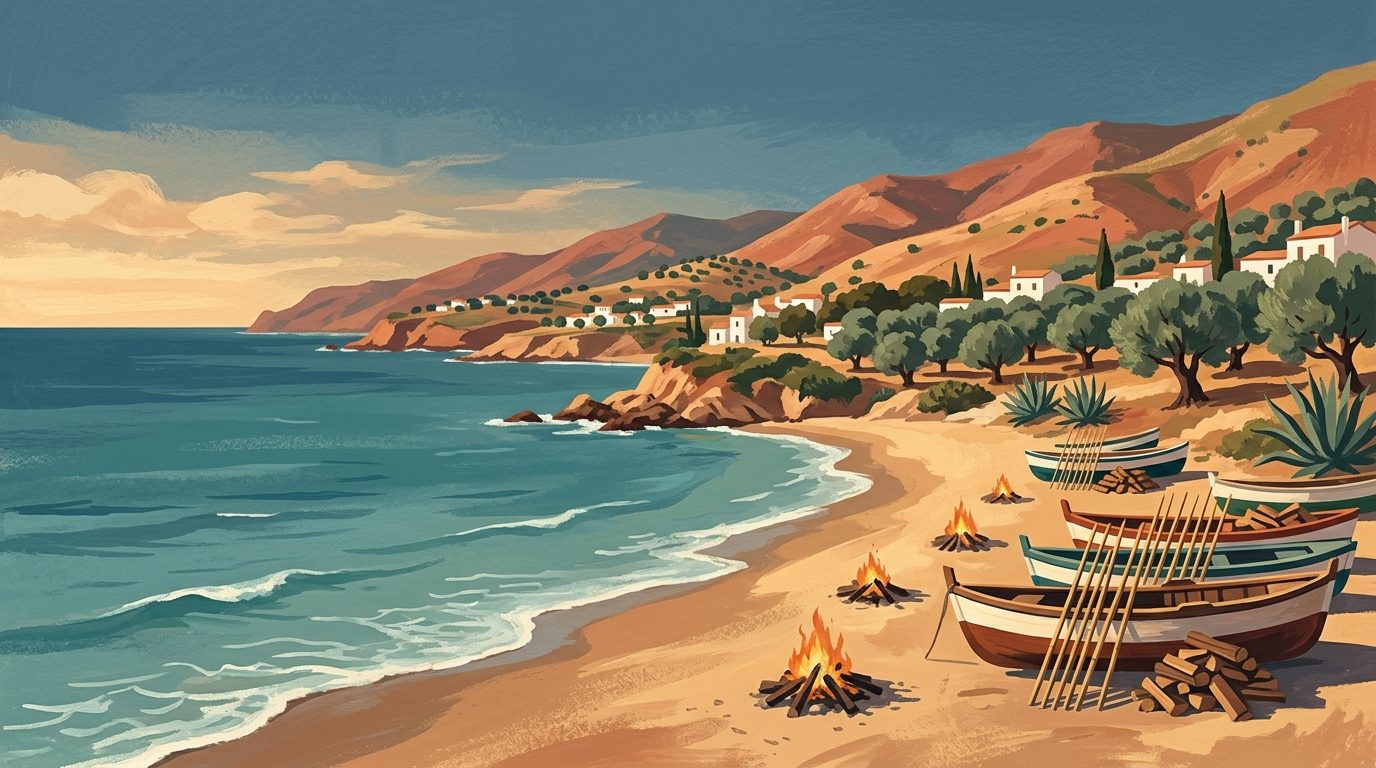
Málaga in June: Sunshine, Sardines and San Juan
June in Málaga offers the perfect blend of long, sun-soaked days and the first warm swimming temperatures of the year. From the bonfires of San Juan to the sardine spits on the beach, it is the quintessential month for a Mediterranean escape.
7 min read
Málaga in August: Feria Season and Peak Summer Heat
August in Málaga is defined by the high-energy celebrations of the city fair and the intense heat of the terral wind. It is a month for late nights, sea swims, and embracing the slow pace of peak summer.
6 min read
Newsletter
More stories from Andalucía
Weekly notes, seasonal picks, and the next guides worth bookmarking.