
Seasonal guide · Málaga
Málaga in January: Quiet Shores and Crisp Mountain Air
Discover Málaga in January, a month of crisp blue skies, 17°C coastal afternoons, and the quietest streets of the year.
By Dan · Updated 7 June 2026 · 6 min read
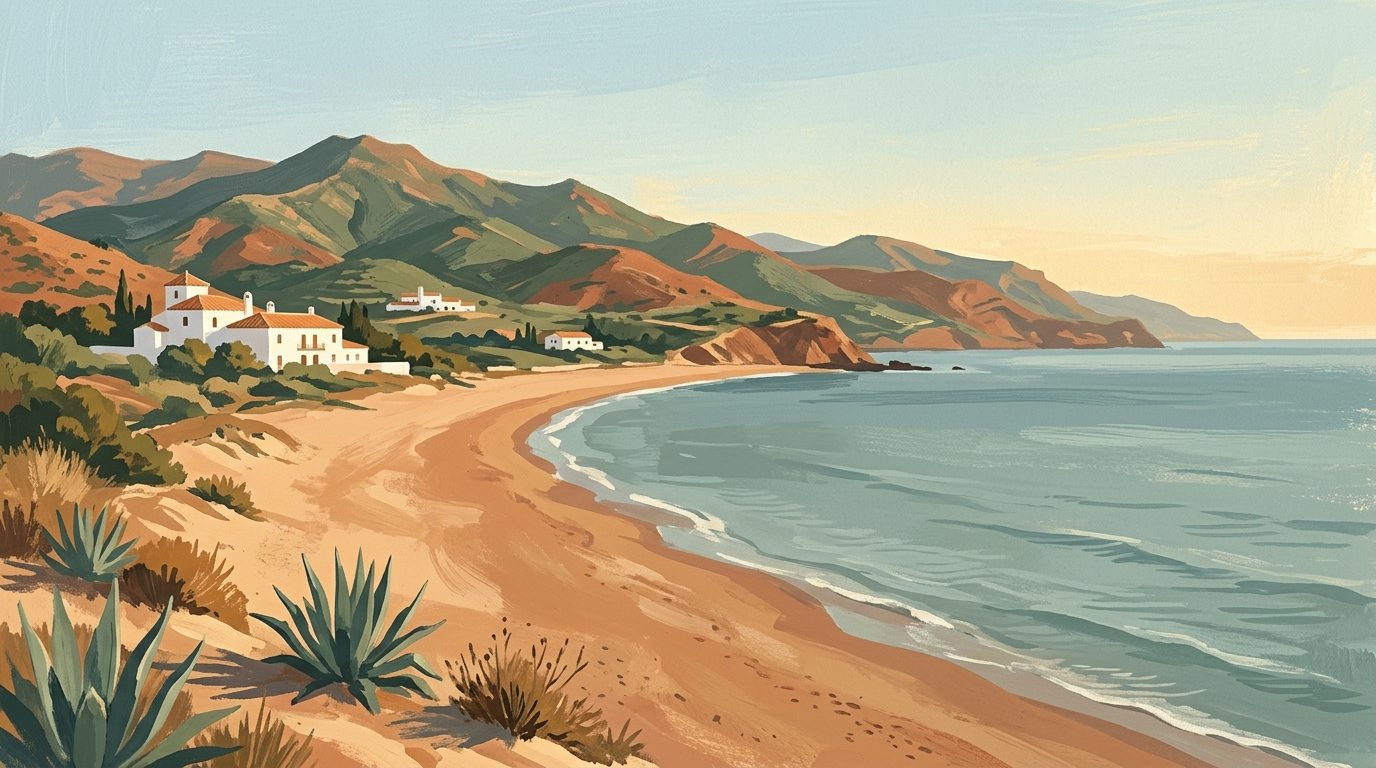
January in Málaga offers a sharp, clean clarity to the sky and a rare chance to see the province’s cultural treasures without the weight of the summer crowds. It is a month for long walks on cool sands and afternoon coffees in the sun, where the air is fresh but the frost remains a stranger to the coast.
What to Expect: The Character of the Month
January in Málaga province is a month of two distinct halves. The first week is an extension of the festive season, culminating in the high-energy celebrations of the Three Kings. Once the Epiphany passes on 6th January, a profound quiet settles over the region. This is when the province feels most authentic. The heavy tourism of the Costa del Sol retreats, leaving the promenade to the locals and the savvy travellers who prefer 17°C and sunshine to the grey dampness of Northern Europe.
The atmosphere is calm and contemplative. In Málaga city, the light is particularly striking; the low winter sun reflects off the marble pavements of Calle Larios, creating a bright, polished environment. While the beach resorts are quiet, they are not dead. Unlike other Mediterranean destinations that shut down entirely, the Costa del Sol remains functional, though at a much slower pace. In the mountains of the Axarquía and the Serranía de Ronda, the air is cold and invigorates the senses, often smelling of woodsmoke and damp earth. It is a time for slow travel, long lunches in village squares, and experiencing the province at its most relaxed.
Weather: A Tale of Two Altitudes
The weather in Málaga during January is arguably the best in mainland Europe, but it requires careful planning. On the coast, you can expect average daytime highs of 17°C (63°F) to 18°C (64°F). When the sun is out, it feels significantly warmer, and it is common to see people sitting in t-shirts at outdoor cafés. However, as soon as the sun drops behind the mountains, usually around 6:00 PM, the temperature falls sharply to around 8°C (46°F) or 9°C (48°F). The sea is far too cold for swimming, though the hardy few may still take a dip.
Inland, the conditions are very different. If you head to Ronda or the white villages of the Genal Valley, daytime temperatures might only reach 10°C (50°F), and overnight frosts are common. Rainfall in January averages about 60mm across the month, typically falling in heavy bursts over two or three days followed by a week of clear, blue skies. The wind can occasionally be biting, particularly the "Poniente" which blows from the west.
What to wear: Layers are essential. You will need a light jacket or wool jumper for the day, but a proper winter coat is necessary for the evenings or if you plan to visit the interior mountains. Bring comfortable walking shoes, as this is the best month for urban exploration and hiking.
Events & Festivals
Cabalgata de Reyes (Three Kings Parade), 5th January: This is the primary event of the month. On the evening of the 5th, every town and village in the province hosts a parade where the Three Kings arrive to throw sweets to children. In Málaga city, this is a large-scale production with floats and music. It is a family-oriented evening that captures the local spirit perfectly.
Día de los Reyes Magos (Epiphany), 6th January: A public holiday where families gather to eat Roscón de Reyes, a sweet bread ring topped with candied fruits. Most shops and many restaurants will be closed on this day.
Las Rebajas (The Winter Sales), Starts 7th January: For those interested in shopping, the day after Epiphany marks the start of the massive winter sales. Prices at major retailers and small boutiques alike drop significantly, making it a popular time for a city break in Málaga.
Free Entry Sundays: The Alcazaba and Castillo de Gibralfaro offer free entry on Sunday afternoons (usually from 14:00), providing a perfect low-cost winter activity to explore the city's Moorish architectural heritage.
What to Do: Experiences for the Winter Months
Art Without the Crowds
January is the ideal time to visit the Museo Picasso Málaga and the Centre Pompidou. During the summer, these venues can feel cramped, but in January, you can stand alone with Picasso’s works. The silence of the galleries enhances the experience, allowing for a deeper connection with the art.
Hiking the Caminito del Rey
The famous walkway through the El Chorro gorge is often too hot to enjoy in the summer. In January, the cool air makes the hike comfortable. You will need to book tickets in advance via the official website, as even in winter, this remains a sought-after experience, but you are much more likely to find a slot on short notice compared to the spring months.
Exploring the Nerja Caves
The Cuevas de Nerja maintain a constant temperature of around 19°C year-round. In January, they feel like a warm refuge. Visiting the caves in the low season means you can avoid the long queues and take your time admiring the vast stalactites and stalagmites in the subterranean chambers.
Misty Mornings in Ronda
Ronda in January is incredibly atmospheric. The Tajo gorge is often filled with a low-lying mist in the early morning, which clears to reveal the dramatic bridge, the Puente Nuevo. It is a wonderful time to eat hearty mountain stews like Rabo de Toro (oxtail) in a local tavern with a roaring fire.
Who Should Visit?
- Budget Travellers: Accommodation prices are at their lowest point of the year. You can often find four-star hotels in the city centre for the price of a budget hostel in July.
- Culture Seekers: If you want to visit museums, cathedrals, and historical sites without dodging selfie sticks, this is your month.
- Hikers and Walkers: The mild coastal temperatures and crisp mountain air provide perfect conditions for the Gran Senda de Málaga (Great Málaga Path).
- Remote Workers: Málaga has a thriving community of digital nomads who enjoy the quiet cafés and reliable winter sun.
- Not for: Beach-goers or those looking for late-night party scenes in the resort towns, as many clubs and seasonal bars are closed.
Practical Notes
Crowds: Aside from the first week of January, crowds are non-existent. You can usually walk into popular restaurants without a reservation, and the narrow streets of the old town are easily navigable.
Prices: Flights to Málaga-Costa del Sol Airport are significantly cheaper in January. Car rental prices also plummet, occasionally costing significantly less than half of summer rates, often starting under €15 per day (though be sure to check the insurance terms). Dining out remains affordable, and the lunch-time Menú del Día continues to offer excellent value for around €12 to €15.
Booking Advice: While you don't need to book museums far in advance, check the opening hours of smaller village attractions or restaurants, as some take their annual holidays during the last two weeks of January.
Monthly Verdict
January is the thinking person’s month to visit Málaga. It swaps the frenetic energy and heat of the summer for a sophisticated, quiet charm. While you won't be swimming in the sea, the trade-off is a province that feels entirely open to you, offering spectacular light, affordable luxury, and the space to breathe in some of the freshest air in Spain.
Last reviewed: 21 June 2026 · Editorial policy
Related guides
Almería in February: A Prelude to Spring in Europe’s Only Desert
February transforms Almería into a landscape of white almond blossoms and early wildflowers, offering the mildest winter climate in mainland Europe.
6 min read
Almería in January: Desert Solitude and Winter Sun
January in Almería offers the sunniest winter skies in Europe, with crisp desert air, empty volcanic beaches, and the lowest prices of the year.
7 min read
Málaga in November: A Guide to the Season of Calm and Light
Experience the calm of Málaga in November, from the traditional chestnut festivals in the mountains to the spectacular Christmas light switch-on in the city.
6 min read
Málaga in December: Winter Light and Festive Traditions
Málaga transforms into a city of light and social warmth during December, offering a mild escape from the harsh northern European winter.
7 min read
Málaga in February: Almond Blossom and Winter Sun
February in Málaga province offers a quiet transition, where the scent of almond blossom fills the air and the city streets remain peaceful before the spring rush.
7 min read
Málaga in March: Spring Arrivals and Coastal Calm
March in Málaga offers a serene transition as the province awakens with orange blossom scents, early spring sunshine, and the anticipation of Easter traditions.
6 min read
More from Málaga
Málaga in May: The Sweet Spot of the Andalucían Calendar
May is the month when the Costa del Sol truly wakes up, offering a balance of warm sunshine and the tail end of the spring bloom. It is the ideal window for those who want to explore the mountains and the Mediterranean without the oppressive heat of July.
6 min read
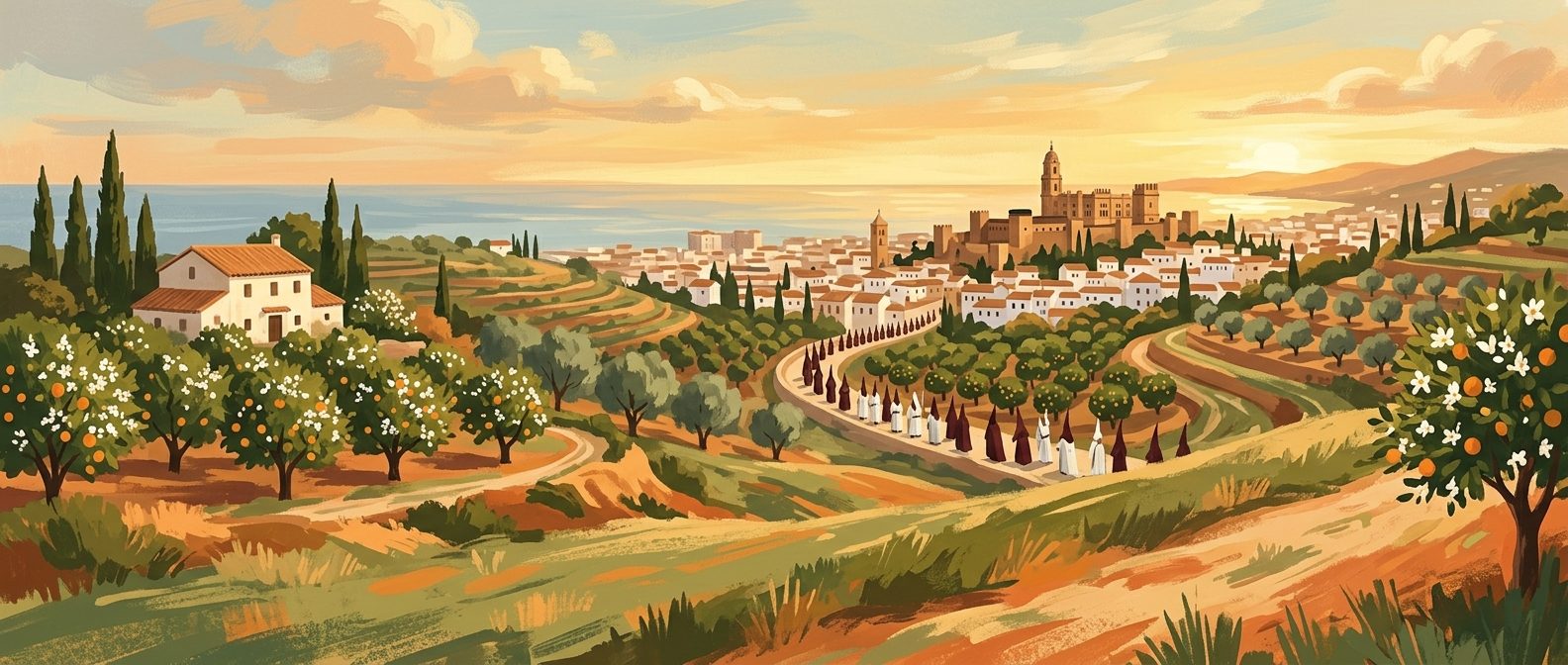
Málaga in April: Spring Festivals, Orange Blossom, and the First Glimpse of Summer
April in Málaga brings lively spring festivals, occasional Semana Santa processions, and the first warm days perfect for beach lunches and mountain hiking.
7 min read
Málaga in October
October in Málaga represents the transition from the scorching summer heat to a mellow, golden clarity. It is a period where the Mediterranean remains warm enough for swimming, yet the inland mountains become crisp and accessible for exploration.
7 min read
Málaga in September: A Mellow Transition
Málaga in September offers a gentle transition with warm seas, harvest festivals in the Axarquía, and a softening of the summer heat.
6 min read
Málaga in July
Experience the height of the Mediterranean summer in Málaga, where 38°C heat is balanced by maritime festivals, roasted sardines on the beach, and a lively night culture.
6 min read
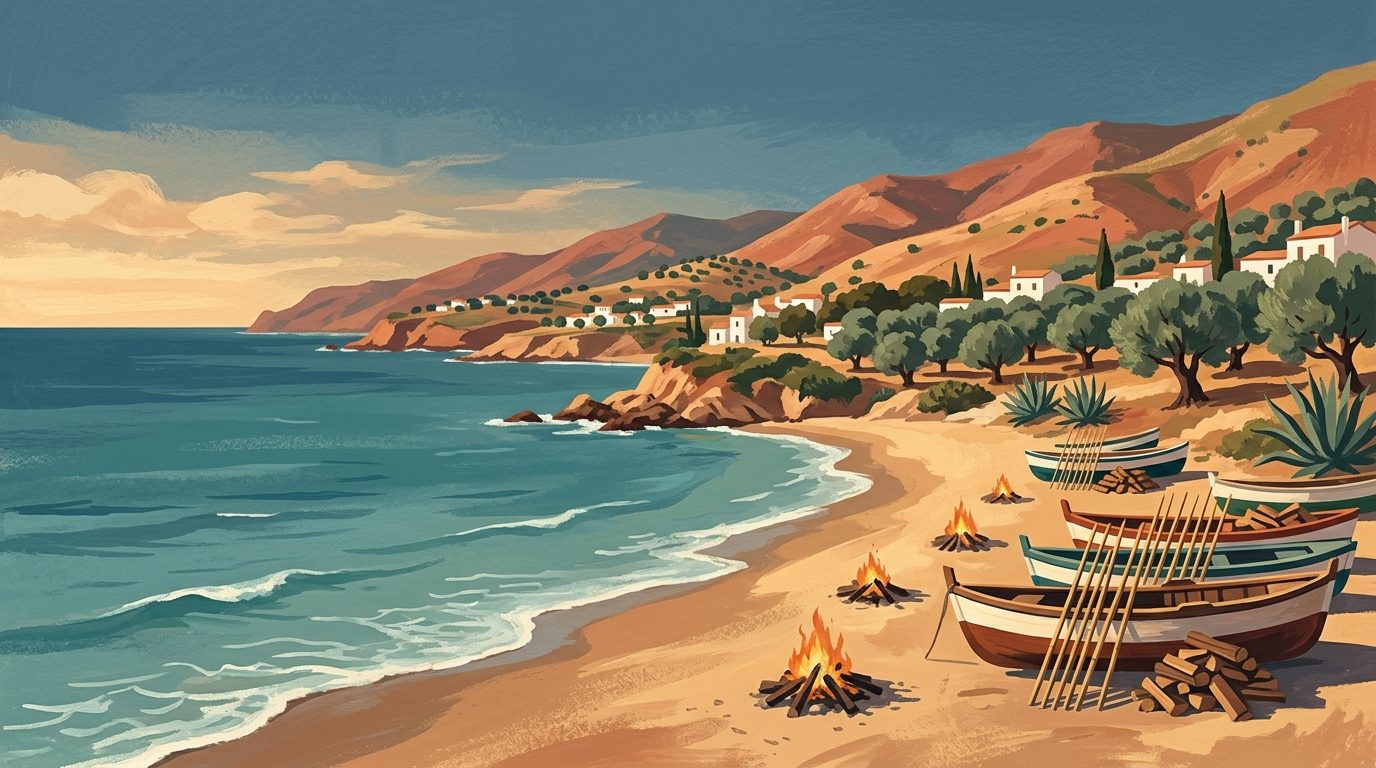
Málaga in June: Sunshine, Sardines and San Juan
June in Málaga offers the perfect blend of long, sun-soaked days and the first warm swimming temperatures of the year. From the bonfires of San Juan to the sardine spits on the beach, it is the quintessential month for a Mediterranean escape.
7 min read
Málaga in August: Feria Season and Peak Summer Heat
August in Málaga is defined by the high-energy celebrations of the city fair and the intense heat of the terral wind. It is a month for late nights, sea swims, and embracing the slow pace of peak summer.
6 min read
Newsletter
More stories from Andalucía
Weekly notes, seasonal picks, and the next guides worth bookmarking.