
Seasonal guide · Cádiz
Cádiz in February (Carnaval)
February transforms the oldest city in the West into a theatre of satire, where the Atlantic breeze carries the sound of copper whistles and witty choruses.
By Dan · Updated 22 June 2026 · 6 min read
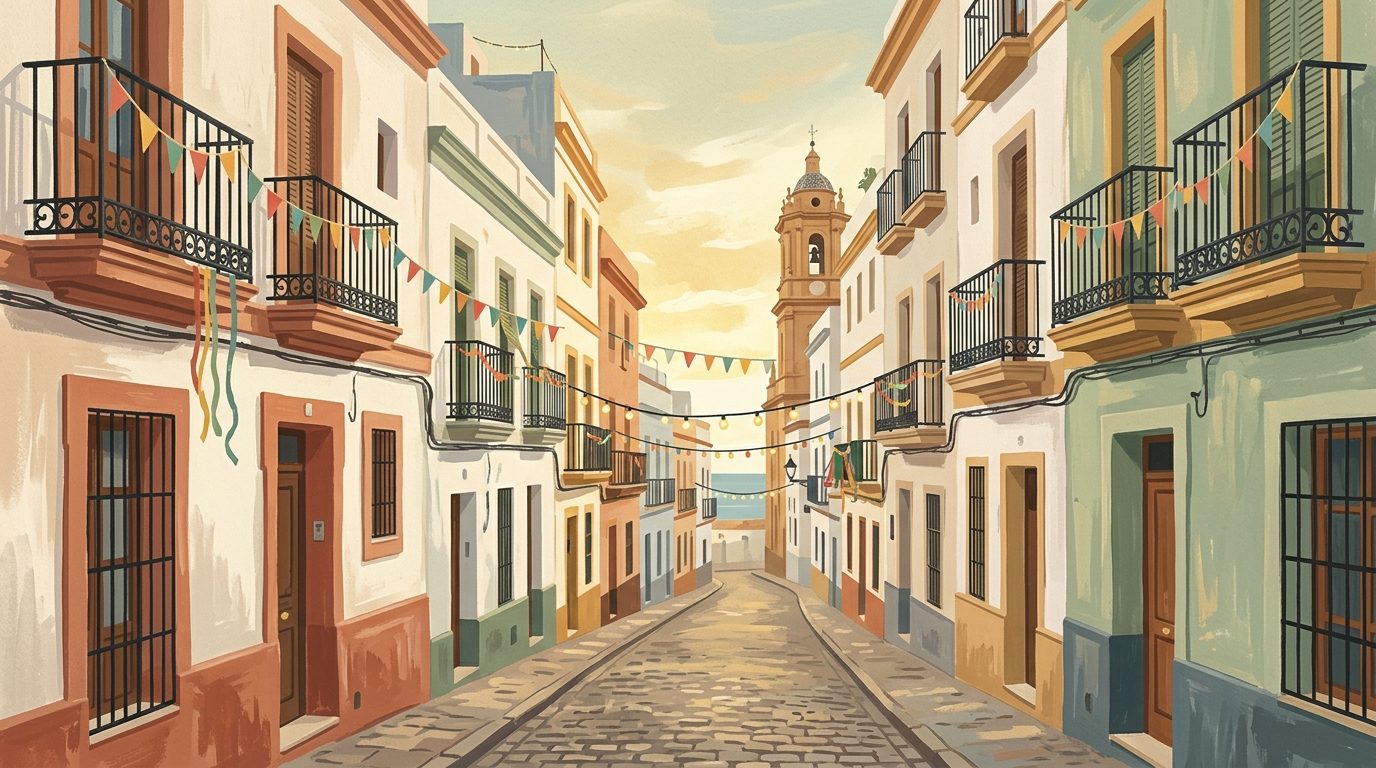
While much of Europe remains locked in a grey winter, the province of Cádiz erupts into a fortnight of satire and song. February transforms the oldest city in the West into an open-air theatre where wit is the primary currency.
To visit the province of Cádiz in February is to witness a unique cultural phenomenon that exists nowhere else in Spain. While other provinces are beginning to see the first blossoms of almond trees, Cádiz is preoccupied with the biting wit of its street poets. This is the month of the Carnaval de Cádiz, an event so significant that it dictates the rhythm of life for the entire province. The atmosphere is distinct from the religious solemnity found elsewhere in Andalucía; here, the mood is irreverent, sharp-tongued, and relentlessly social.
Beyond the capital city, the province offers a different kind of winter appeal. The Atlantic coast feels raw and powerful, with surfers replacing the sunbathers of August. Inland, the mountains of the Sierra de Grazalema are at their greenest, fed by winter rains. It is a month of extremes: the crowded, noisy streets of the city versus the silent, mist-covered peaks of the interior. For those willing to trade guaranteed beach weather for authentic culture and dramatic landscapes, February is an exceptional time to explore this corner of the south.
Weather: Atlantic Freshness
Weather in Cádiz during February is influenced heavily by the Atlantic Ocean. It is rarely freezing, but the humidity and the wind can make it feel cooler than the thermometer suggests. On the coast, in cities like Cádiz, Rota, or El Puerto de Santa María, you can expect daytime highs of 16°C to 18°C. When the sun is out and the wind drops, it can feel warm enough for a light jacket. At night, temperatures hover around 9°C or 10°C.
The interior of the province is a different matter. In the Pueblos Blancos (White Villages) like Arcos de la Frontera or Grazalema, temperatures are lower. Grazalema is statistically the wettest place in Spain, and in February, it often lives up to that reputation. Expect highs of 12°C in the mountains, with nights dropping close to 4°C. Rainfall across the province averages about six or seven days in the month, usually arriving in short, heavy Atlantic fronts rather than persistent drizzle.
When packing, layers are essential. You will need a windproof jacket for the coastal promenades and a heavier coat if you plan to head into the hills. If you are attending the Carnaval, remember that the most famous events happen outdoors at night; standing in a narrow stone alley for three hours watching a musical group requires warm footwear and a good scarf.
Events & Festivals: The Spirit of Carnaval
The Carnaval de Cádiz is the undisputed highlight. Unlike the glitzy parades of Rio or the masks of Venice, Cádiz is about the copla: the song. The official dates usually span eleven days in February, often starting the Thursday before Ash Wednesday (for 2027, the festival runs from 4 to 14 February), though the city starts celebrating weeks earlier with various gastronomic events.
- Gastronomic Previews: In the weeks leading up to the main event, the city hosts the Erizada (Sea Urchin Festival), the Ostionada (Oyster Festival), and the Pestiñada (Honey Fritter Festival). These are free public events where thousands of people gather to eat local delicacies and hear the first songs of the season.
- The Official Contest (COAC): Held at the Gran Teatro Falla, this month-long competition involves four types of groups: Chirigotas (satirical and funny), Comparsas (poetic and musical), Coros (large choirs), and Cuartetos (theatrical sketches).
- Callejeras and Ilegales: These are the unofficial groups who do not compete in the theatre but perform on street corners, stairs, and in doorways. For many, these "illegal" groups are the true heart of the festival, offering the sharpest political and social critiques.
- Carnaval Chiquito: Taking place on the Sunday following the official end of the festival, this informal finale offers a final chance to hear the street groups in a more relaxed setting.
- Carnaval de Sanlúcar: While smaller than the capital's event, Sanlúcar de Barrameda also holds significant celebrations. (Note: The city's famous beach horse races take place in August, not during the winter carnival).
What to Do
Engage with the Street Culture: In Cádiz city, find a spot in the Barrio de la Viña or near the Plaza de las Flores. You don't need a ticket; simply follow the sound of the pito de caña (kazoo-like reed whistles). Even if your Spanish is limited, the energy, the elaborate costumes (known as tipos), and the communal singing are infectious. Almost everyone in the city wears a costume, or at least a funny hat, on the first Saturday of the festival.
Winter Surfing: February brings some of the most consistent swells to the coast. El Palmar, near Vejer de la Frontera, is the epicentre of the surfing scene. The water is cold (around 15°C), so a good wetsuit is required, but the waves are far superior to the flat conditions of summer.
Hiking the Spanish Fir Forests: In the Sierra de Grazalema, February is the ideal time to hike the Sendero del Pinsapar. This trail leads through a forest of rare Spanish Fir trees that survived the last ice age. (Note: You must obtain a permit from the Junta de Andalucía visitor centre in El Bosque in advance to hike this route). In summer, the heat makes this hike gruelling, and access is restricted due to fire risks. In February, the air is crisp, the moss is thick, and you may even see a dusting of snow on the highest peaks like El Torreón.
Sherry Tasting in El Puerto: If the February rain arrives, retreat into the cathedral-like bodegas of El Puerto de Santa María. The humidity of the winter months is actually beneficial for the development of the flor (the layer of yeast) in the sherry barrels. Visiting a producer like Osborne or Gutierrez Colosía provides a warm, fragrant escape from the Atlantic wind.
Who Should Visit
- Culture Seekers: If you want to see the Spanish people at their most creative and subversive, the carnival is a masterclass in folk art.
- Hikers and Nature Lovers: The interior mountains are lush, green, and perfect for long-distance walking without the threat of heatstroke.
- Surfers: February offers the best Atlantic breaks for intermediate and advanced surfers.
- Budget Travellers (Outside the City): While the capital is expensive during festival dates, the rest of the province is very affordable during the low season.
Practical Notes: Crowds and Prices
Planning is critical for February. If you intend to stay in Cádiz city during the Carnaval, you must book your accommodation at least four to six months in advance (consult the official tourist board for guidance). Prices for a basic apartment can triple during the festival weekends. Many visitors choose to stay in Jerez de la Frontera or El Puerto de Santa María and take the C1 Cercanías (commuter train) from Jerez or El Puerto into the city. Be aware that the last trains back are incredibly crowded.
Restaurants in the city centre will be packed, and many stop taking reservations during the festival, moving instead to a standing-room-only tapas format. For a quieter experience, visit during the weekdays between the two big festival weekends; the atmosphere is more local, and you can actually find a place to sit.
Outside of the carnival zones, the province is quiet. Towns like Tarifa or Conil de la Frontera are in their "hibernation" phase: many beach chiringuitos will be closed, but the local taverns remain open and offer a much more authentic, slow-paced experience than in July.
Monthly Verdict
February in Cádiz is a month of two identities. It is at once the loudest place in Spain and one of the most serene. If you embrace the chaos of the Carnaval, you will find a level of wit and community that is deeply moving. If you head to the mountains, you will find a green, watered landscape that defies the stereotype of dry Spain. It is not a month for sun-seekers, but it is a month for those who want to feel the true pulse of the province.
Last reviewed: 14 July 2026 · Editorial policy
Related guides
Málaga in November: A Guide to the Season of Calm and Light
Experience the calm of Málaga in November, from the traditional chestnut festivals in the mountains to the spectacular Christmas light switch-on in the city.
6 min read
Málaga in December: Winter Light and Festive Traditions
Málaga transforms into a city of light and social warmth during December, offering a mild escape from the harsh northern European winter.
7 min read
Málaga in March: Spring Arrivals and Coastal Calm
March in Málaga offers a serene transition as the province awakens with orange blossom scents, early spring sunshine, and the anticipation of Easter traditions.
6 min read
Cádiz in December: Atlantic Drama and Festive Traditions
Atlantic winds meet the warm glow of festive lights, creating a unique coastal Christmas atmosphere where the air smells of roasted chestnuts and sea salt.
6 min read
Andalucía in April
April brings the intoxicating scent of orange blossom and the dramatic spectacle of Semana Santa to Andalucía, offering the perfect balance of warm weather and cultural depth.
7 min read
Andalucía in May: A Guide to Spring Weather and Festivals
May is the peak of spring in Andalucía, offering the perfect balance of warm sunshine and famous cultural events like the Córdoba Patio Festival.
6 min read
More from Cádiz
Cádiz in October: A Season of Golden Light and Atlantic Swells
October in Cádiz brings a welcome cooling of the Atlantic air and the return of the province to its locals, offering perfect conditions for hiking the Sierra and surfing the swell.
6 min read
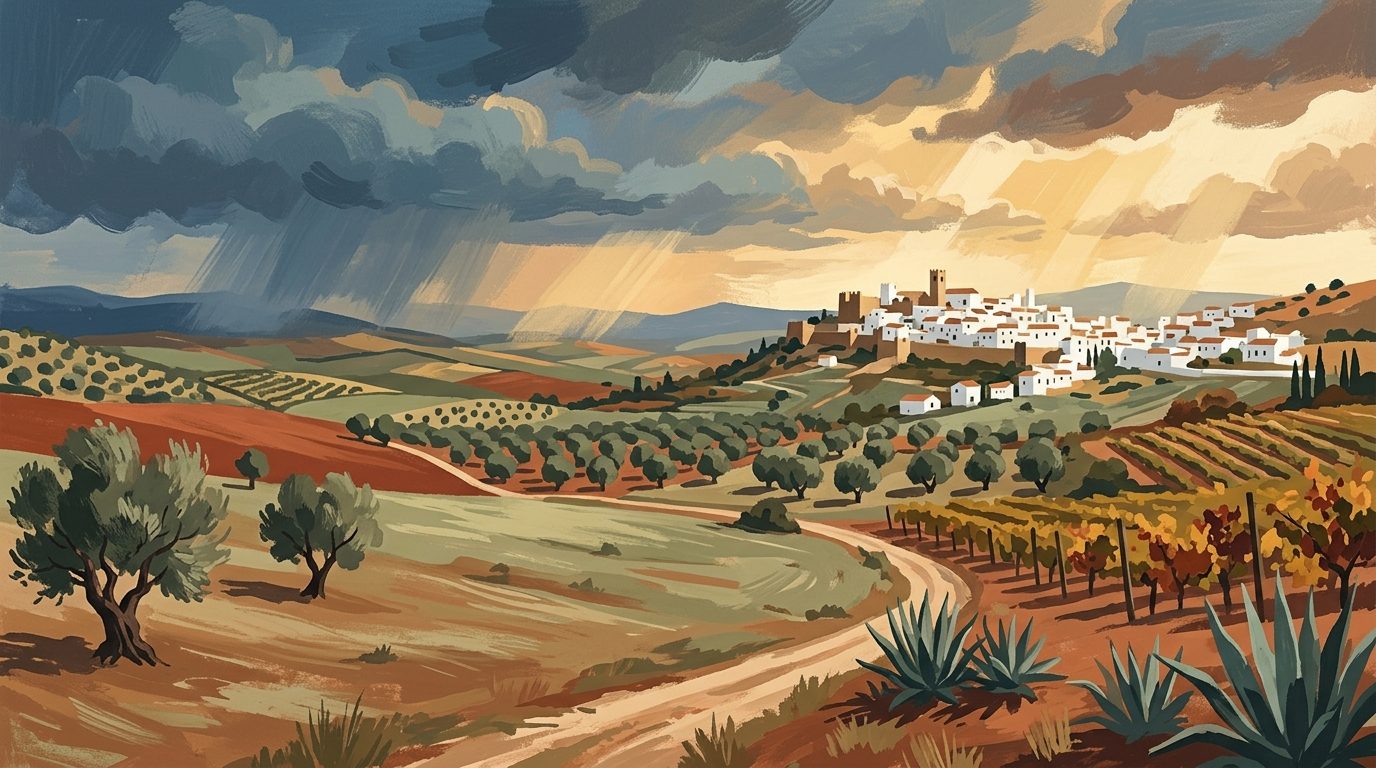
Cádiz in November: Sherry, Storms, and Solitude
November reveals the raw Atlantic beauty of Cádiz, offering a quiet intimacy and low prices that the summer months simply cannot match.
6 min read
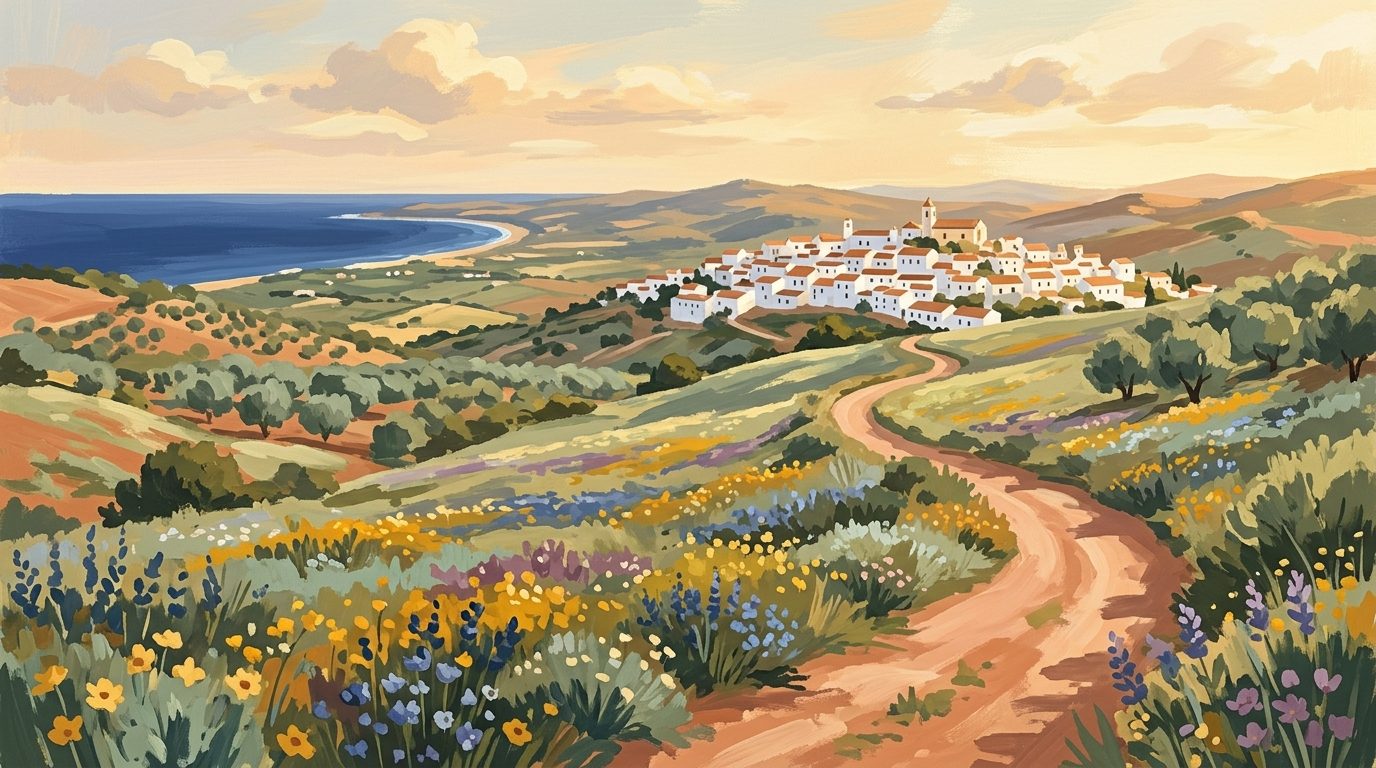
Cádiz in April: Wildflowers, White Villages, and the Atlantic Spring
Experience the Atlantic spring in Cádiz, where the Sierra de Grazalema blooms with wildflowers and the white villages host the dramatic processions of Semana Santa.
6 min read
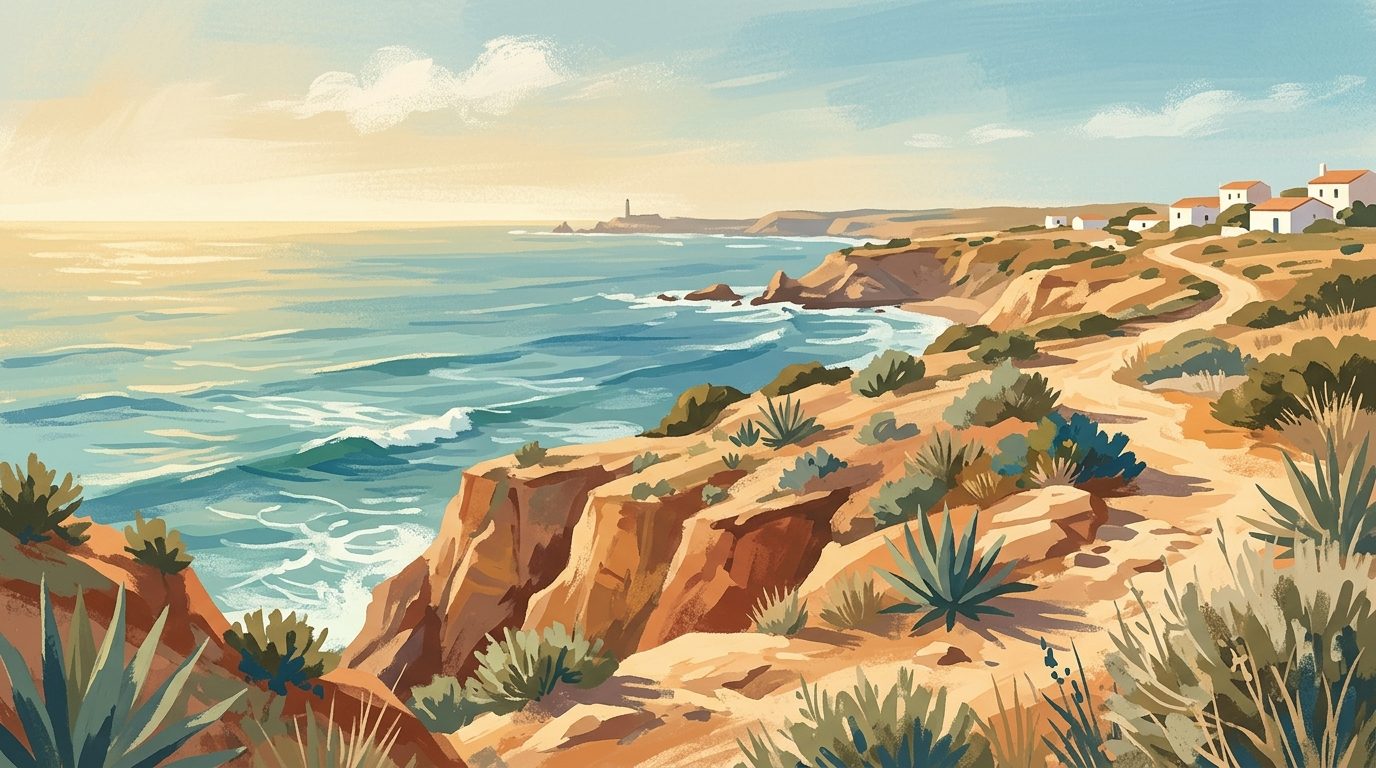
Cádiz in July: Atlantic Breezes and High Summer Energy
July brings the height of summer to Cádiz, where the Atlantic breeze provides a welcome escape from the inland heat and the province's white sands become the social heart of Spain.
6 min read
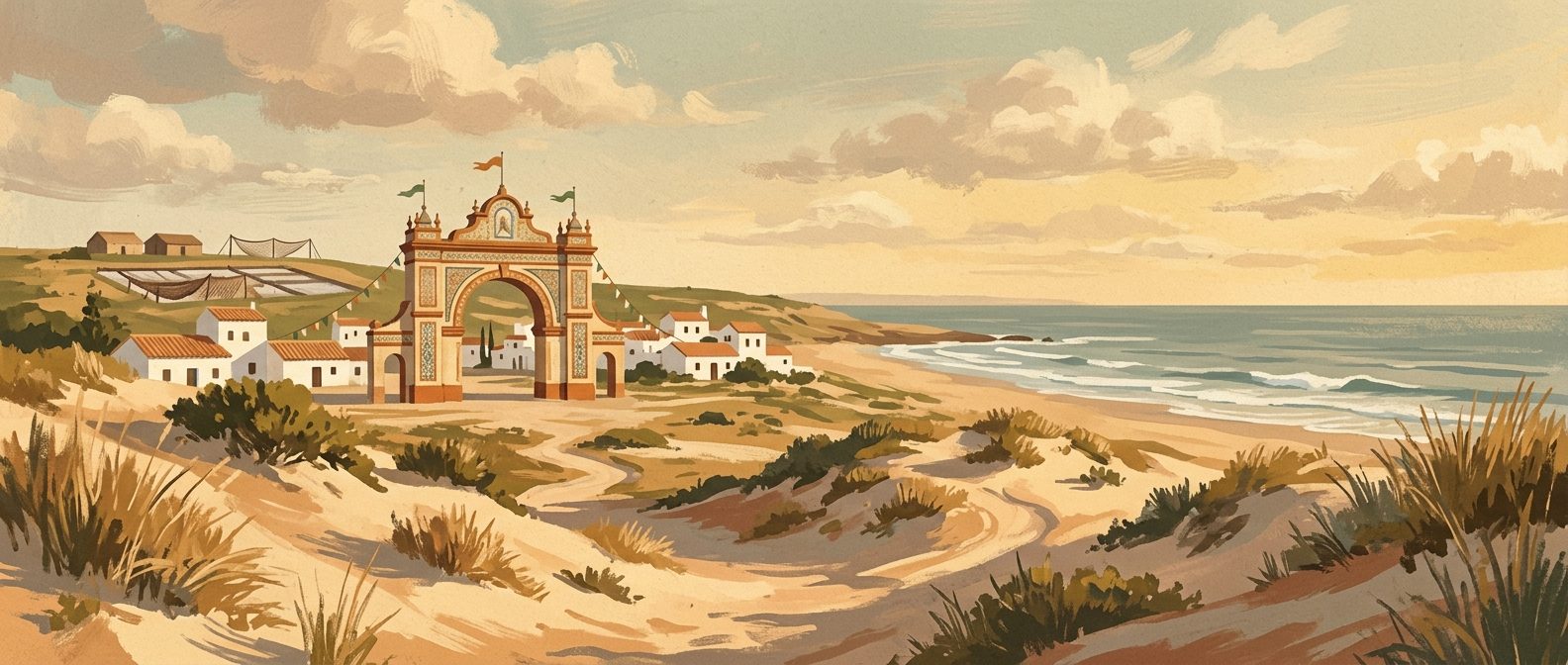
Cádiz in May: Wild Beaches, Horse Fairs, and the Atlantic Harvest
May in Cádiz offers a perfect balance of mild Atlantic breezes, the world-renowned Jerez Horse Fair, and the start of the prestigious Bluefin tuna season.
6 min read
Cádiz in January: Bright Light and Winter Waves
Cádiz in January offers a sharp Atlantic clarity, empty beaches, and the authentic start of the carnival season, ideal for budget travellers and surfers.
6 min read
Cádiz in September: Harvest Moon and Atlantic Swells
Cádiz in September offers the perfect balance of warm Atlantic waters and the start of the sherry harvest, as the summer crowds depart and the province returns to its authentic rhythm.
6 min read
Cádiz in August: Atlantic Breezes and High Summer Rituals
Atlantic breezes offer a welcome reprieve from the stifling heat found elsewhere in southern Spain. In August, the province of Cádiz becomes the social heart of the peninsula, centred around its wide sandy shores and salt-tinged air.
6 min read
Cádiz in March: Wildflowers, Whale Watching, and White Villages
Experience the crisp Atlantic light and the first scents of orange blossom as Cádiz transitions into spring. From hiking the lush Sierra de Grazalema to whale watching in Tarifa, March offers a quiet, authentic side of the province.
6 min read
Newsletter
More stories from Andalucía
Weekly notes, seasonal picks, and the next guides worth bookmarking.