
Seasonal guide · Córdoba
Córdoba in September: A Guide to the Late Summer Transition
September in Córdoba is a month of transition where the fierce summer heat begins to wane and the city's local life returns to the squares and courtyards.
By Dan · Updated 8 May 2026 · 7 min read
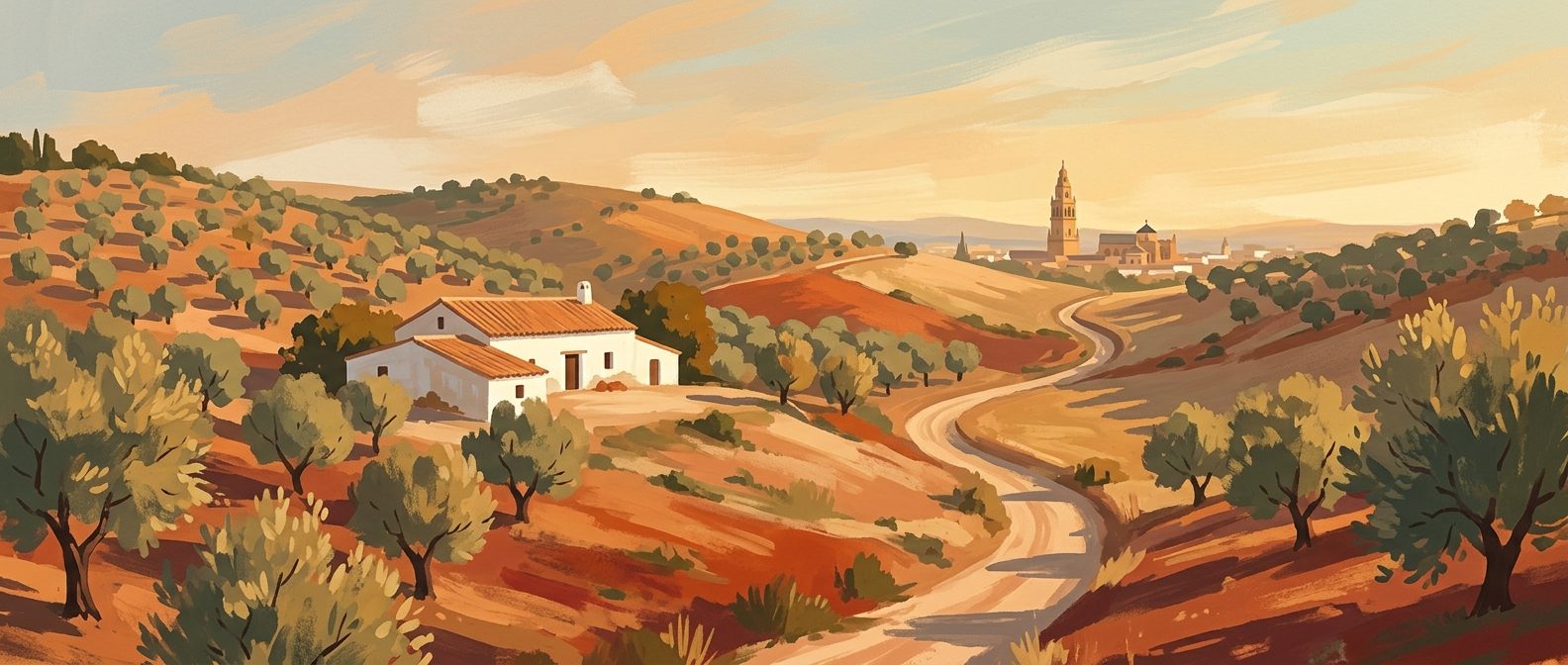
As the intense heat of the high summer begins to lift, Córdoba province enters a period of revitalisation where the local population reclaims the streets. It is a month of warm evenings, ripening olives, and a gradual return to the outdoor cultural life that defines the region.
What to Expect
September in Córdoba is defined by a distinct shift in pace. For the first two weeks, the province often feels like an extension of August; the sun remains formidable and the landscape is parched to a golden ochre. However, there is a tangible change in the air as the month progresses. The canícula (the dog days of summer) has passed, and while the mercury still climbs high in the afternoons, the nights begin to offer a refreshing coolness that was absent in July.
In the city of Córdoba, you will notice the "vuelta al cole" (back to school) energy. Shops that closed for the August holidays reopen their shutters, and the local cordobeses return from their coastal apartments. This gives the city a more authentic, lived-in feel compared to the peak tourist months of May or October. In the wider province, particularly in the south, the agricultural rhythm accelerates. The olive groves of the Campiña and the Sierras Subbéticas prepare for the coming harvest, and the light takes on a softer, more amber quality that is a delight for photographers.
While the city remains one of the hottest places in Europe during the day, the cultural calendar begins to fill up. It is a month for long, late dinners in the squares of the Judería and early morning walks through the quiet streets before the midday sun dictates a siesta. It is a practical month for those who want to see the major monuments without the crushing crowds of the spring, provided they can still manage temperatures that frequently exceed 30°C.
Weather and Temperatures
The weather in Córdoba during September is reliably sunny, with very little chance of rain until the very end of the month. On average, the city sees only two days of rain across the entire month, usually in the form of a brief, heavy thunderstorm that clears the air.
Inland City (Córdoba): Expect daytime highs to average around 32°C to 35°C (90°F to 95°F). It is not uncommon for the first week of the month to see spikes reaching 38°C. However, the overnight lows drop to a comfortable 17°C (63°F), making the evenings perfect for outdoor dining. Humidity is low, which makes the heat more manageable than on the coast, but the sun remains very strong.
The Subbética Mountains: In towns like Priego de Córdoba or Zuheros, the altitude provides some relief. Daytime temperatures are usually three to four degrees lower than in the city, and the nights can feel genuinely crisp, sometimes dropping to 14°C. If you are staying in the mountains, a light jacket or jumper is necessary for the late evenings.
The Campiña: The flat agricultural plains between the city and the southern mountains remain extremely hot. There is little shade here, and temperatures mirror those of the city. If you are visiting vineyards in Montilla or olive mills near Baena, aim for morning appointments.
What to wear: Breathable fabrics like linen and cotton are essential. You will need high-factor sunscreen, a wide-brimmed hat, and quality sunglasses. For the evenings, especially towards the end of the month or in the mountains, a light layer is advisable. Despite the heat, remember that when visiting the Mezquita-Catedral, modest dress is expected.
Events and Festivals
September is a month of local celebrations that feel less like tourist spectacles and more like community gatherings. The most significant event in the city is the Velá de la Fuensanta, held around September 8th (Tuesday in 2026). This is a traditional fair centred around the Sanctuary of Our Lady of Fuensanta. It is famous for its pottery stalls and the traditional "campanitas" (ceramic bells) that children ring. You will also see locals gathered around the statue of the caiman; legend says a man once used his umbrella to kill a crocodile that had escaped from the river, and a stuffed caiman still hangs in the sanctuary today. (Check the official tourism board website for the latest festival programme).
Flamenco lovers should look for the Noches de Flamenco en el Alcázar. These performances often take place in the gardens of the Alcázar de los Reyes Cristianos, providing an atmospheric setting for world-class guitar and dance (check on the official tourism board website before travelling to confirm 2026 dates). Because the sun sets earlier in September (around 8:30 pm), these evening performances become more comfortable and accessible than in the peak of summer.
Outside the city, the Feria Real de Nuestra Señora de la Sierra in Cabra (September 3rd to 8th) is one of the oldest and most traditional fairs in Andalucía. It is a spectacle of horses, traditional dress, and casetas (tents) where the local wine flows freely. In the wine-producing region of Montilla, the Fiesta de la Vendimia Montilla-Moriles celebrates the grape harvest with tastings and treading of the grapes, usually occurring in the first week of the month.
What to Do
Sightseeing in September requires a strategic approach. The key is to start early. The Mezquita-Catedral (Great Mosque-Cathedral) is best visited the moment it opens, usually at 10:00 am (though early morning silent visits are often available from 8:30 am to 9:30 am, except on Sundays and religious holidays; check the official Cabildo website for the latest 2026 schedule). By midday, the thick stone walls provide a cool sanctuary from the external heat.
For a unique September experience, head to the Embalse de Iznájar. This massive reservoir, often referred to as the "Lake of Andalucía," has a dedicated inland beach (Valdearenas). In September, the water is at its warmest after the summer sun, but the summer crowds have mostly departed. You can rent kayaks or pedal boats and enjoy the views of the whitewashed village of Iznájar perched on the hill above.
Late September marks the very beginning of the olive harvest cycle in the lower altitudes of the province. While the main harvest for oil happens later in the year, the "verdeo" (harvesting green olives for eating) begins now. Visiting an almazara (olive mill) in the Subbética region allows you to see the machinery being prepared and perhaps taste the early season oils. Many mills offer guided tours that explain the process from tree to bottle.
Finally, the archaeological site of Medina Azahara, located just outside the city, is best visited in the late afternoon. As the sun begins to set over the ruins of the 10th-century caliphate city, the stone takes on a golden glow, and the heat becomes tolerable enough to walk the extensive site. Most tourists depart by 2:00 pm, so a late afternoon visit often feels like having the entire palace to yourself.
Who Should Visit
- Culture Seekers: Those who want to see the Mezquita and Medina Azahara without the two-hour queues of May.
- Budget Travellers: Accommodation prices in the city are significantly lower in September than in the peak spring months.
- Slow Travellers: Visitors who enjoy the rhythm of the siesta and late-night dining.
- Photographers: The dust in the air and the lower sun create exceptional light conditions across the dry plains.
- Food Lovers: It is the perfect time for cold soups like salmorejo and mazamorra, which are staples of the local diet.
Practical Notes
Crowds: Expect low to moderate crowds. The city is "reclaimed" by the locals after September 15th, which means restaurants and bars will be lively, but the main monuments remain relatively quiet. Large tour groups tend to wait until October when the weather is cooler.
Prices: You can find excellent value in September. Mid-range hotels in the Judería or the modern centre often drop their rates to attract visitors before the October peak. Booking two to three weeks in advance is usually sufficient.
Logistics: Be aware that some smaller museums and shops may still be operating on "horario de verano" (summer hours), meaning they close between 2:00 pm and 5:00 pm or 6:00 pm. Always check the opening times for smaller provincial attractions, as they can be inconsistent during this transitional month. The AVE high-speed train connects Córdoba to Madrid, Sevilla, and Málaga, making it a very easy city to access for a short break.
Monthly Verdict
September in Córdoba is for the traveller who respects the sun. It offers the chance to see the province in a raw, authentic state, free from the artifice of the high tourist season. While the afternoons demand a slow pace and a shaded terrace, the rewards are quiet monuments, warm Mediterranean evenings, and a glimpse into the traditional agricultural life of inland Andalucía as it prepares for the autumn harvest.
Last reviewed: 21 June 2026 · Editorial policy
Related guides
Córdoba in August: Navigating the Frying Pan of Europe
Experience the intense beauty of Córdoba in August, where the city embraces a nocturnal rhythm to escape the 44°C heat. From dawn visits to the Mezquita to starlit nights at Medina Azahara, discover how to master the Andalucían summer.
6 min read
Córdoba in July: Surviving and Thriving in the Spanish Oven
July in Córdoba is a month of sensory extremes, where the white-hot intensity of the Spanish afternoon gives way to extraordinary nocturnal energy.
6 min read
Málaga in August: Feria Season and Peak Summer Heat
August in Málaga is defined by the high-energy celebrations of the city fair and the intense heat of the terral wind. It is a month for late nights, sea swims, and embracing the slow pace of peak summer.
6 min read
Andalucía in September: Harvest Moon and Coastal Calm
September marks the transition from the intense summer heat to a more manageable warmth, as the grape harvest begins in the sherry triangle and coastal crowds begin to thin.
7 min read
Andalucía in June: Heat, Heritage, and Midsummer Magic
June in Andalucía offers reliable sunshine, lively midsummer festivals, and the perfect balance between the freshness of spring and the intense heat of high summer.
7 min read
Sevilla in June: Golden Hours and the Rising Heat
June in Sevilla marks the final transition before the searing intensity of high summer, offering long, golden evenings and the scent of jasmine lingering in the cooling air.
6 min read
More from Córdoba
Córdoba in April: Orange Blossom and Spring Anticipation
April in Córdoba marks the transition from the damp winter to the floral intensity of spring, characterised by the scent of orange blossom and the solemnity of Holy Week.
6 min read
Córdoba in January: Crisp Skies and Quiet Courtyards
January brings crisp, blue-sky days and a profound stillness to Córdoba’s historic streets, making it the ideal month for those seeking cultural depth without the crowds.
7 min read
Córdoba in November: Olive Groves and Autumn Stillness
November in Córdoba is defined by the heavy scent of crushed olives and the golden light of the Subbética mountains. As the summer heat fades, the province settles into a quiet, productive rhythm.
6 min read
Córdoba in December: A Guide to Winter in the Caliphate City
Experience the crisp air and festive traditions of Córdoba in December, from the orange-heavy gardens of the Alcázar to the chocolate nativity scenes of Rute.
6 min read
Córdoba in February: Almond Blossom and Baroque Silence
Experience Córdoba in February, a month of crisp air, white almond blossoms, and the quietest streets of the year.
7 min read
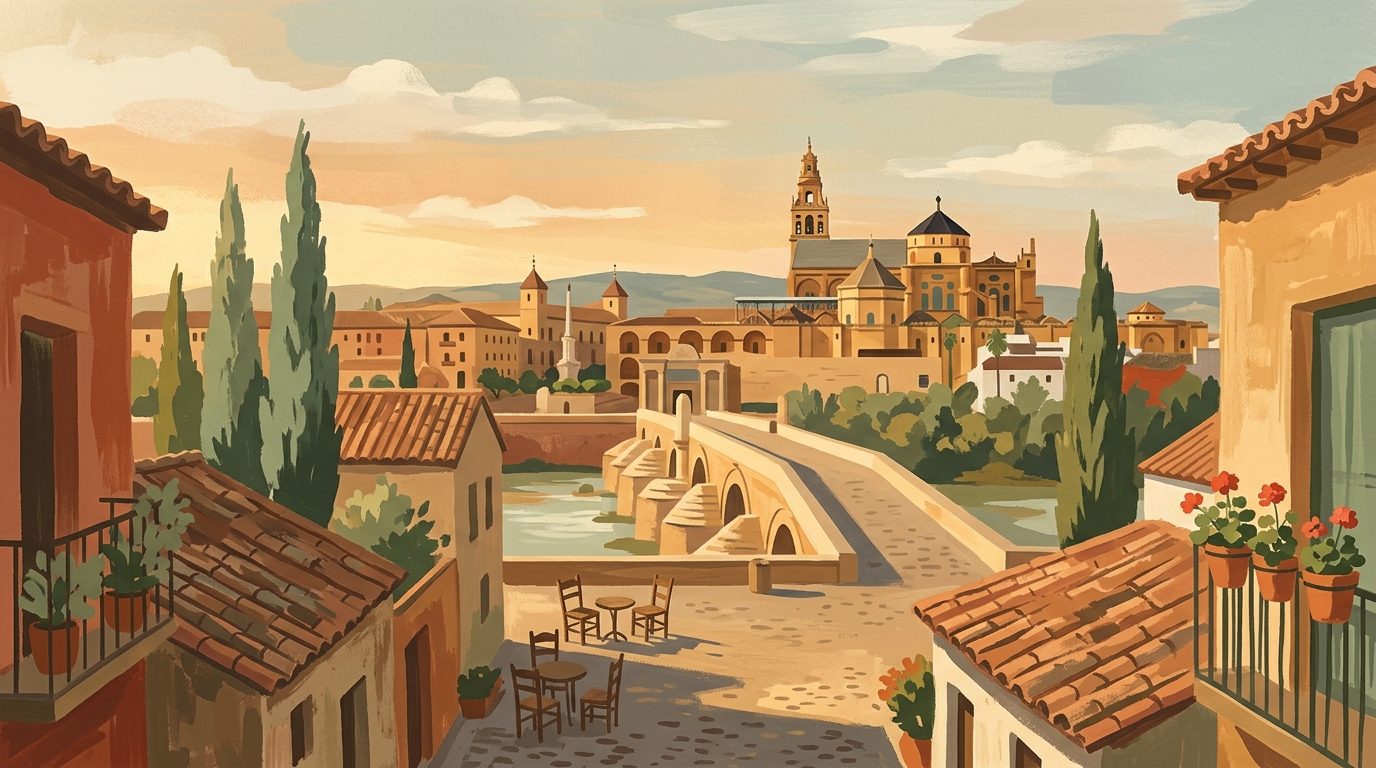
Córdoba in October: A Guide to the Golden Season
October marks the definitive end of the crushing heat in the Guadalquivir valley, replaced by golden light and the first scent of woodsmoke in the mountain villages.
6 min read
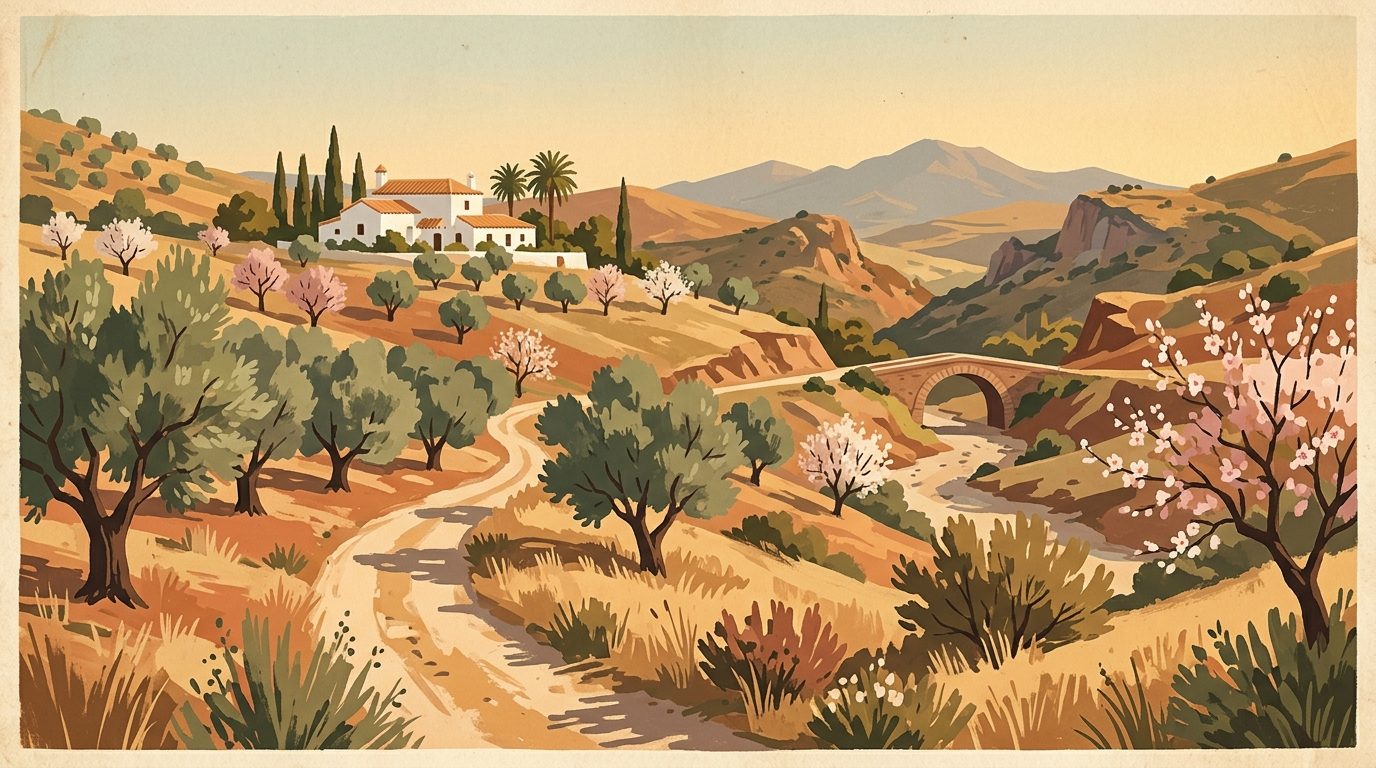
A Guide to Visiting Córdoba in March
Experience the intoxicating scent of orange blossom and the first flush of spring wildflowers in the Subbética mountains as Córdoba awakens from winter.
6 min read
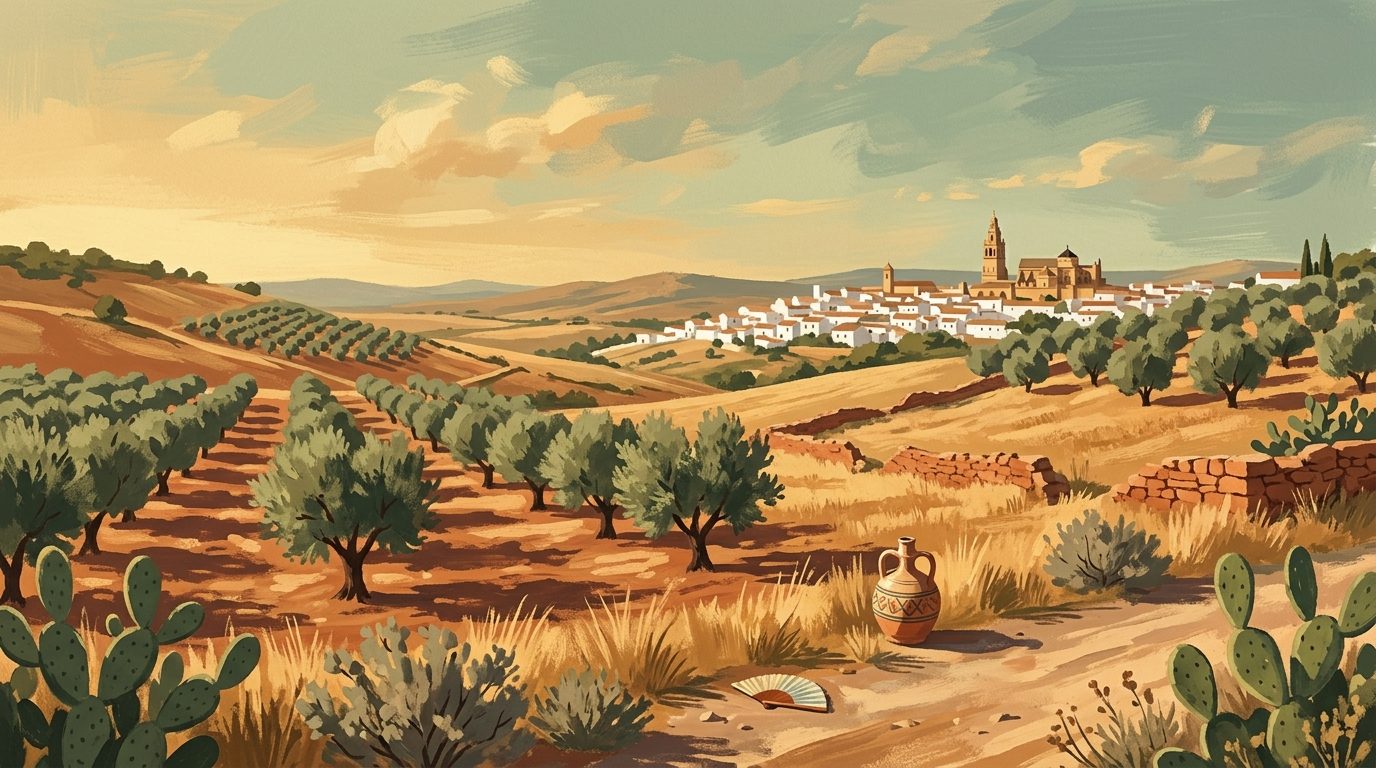
Córdoba in June: Embracing the Early Summer Heat
Experience the transition into the Andalucían summer with nocturnal flamenco, early morning visits to the Mezquita, and the golden light of Medina Azahara.
6 min read
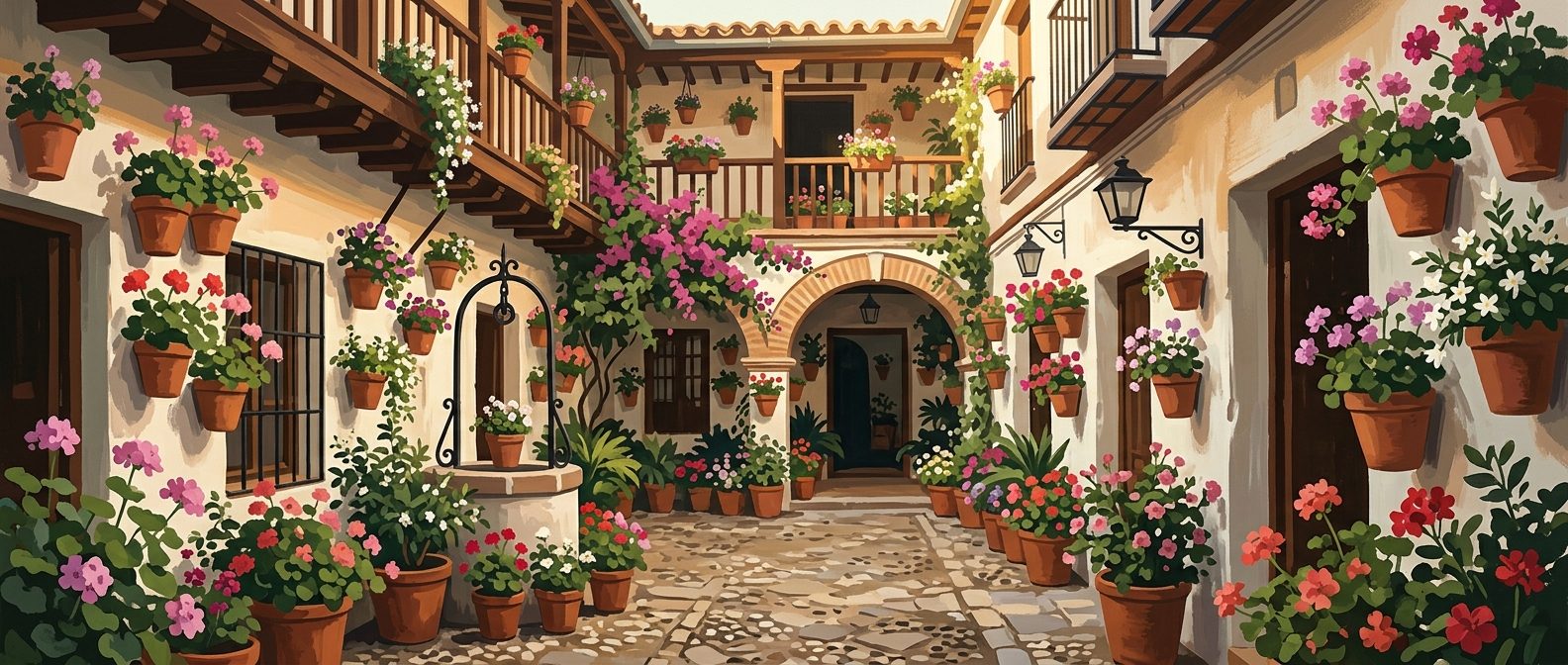
Córdoba in May: The Patio Festival
Experience the world-renowned Festival de los Patios and the spirited Mayo Cordobés in Córdoba province this May.
7 min read
Newsletter
More stories from Andalucía
Weekly notes, seasonal picks, and the next guides worth bookmarking.