
Seasonal guide · Córdoba
A Guide to Visiting Córdoba in March
Experience the intoxicating scent of orange blossom and the first flush of spring wildflowers in the Subbética mountains as Córdoba awakens from winter.
By Dan · Updated 7 June 2026 · 6 min read
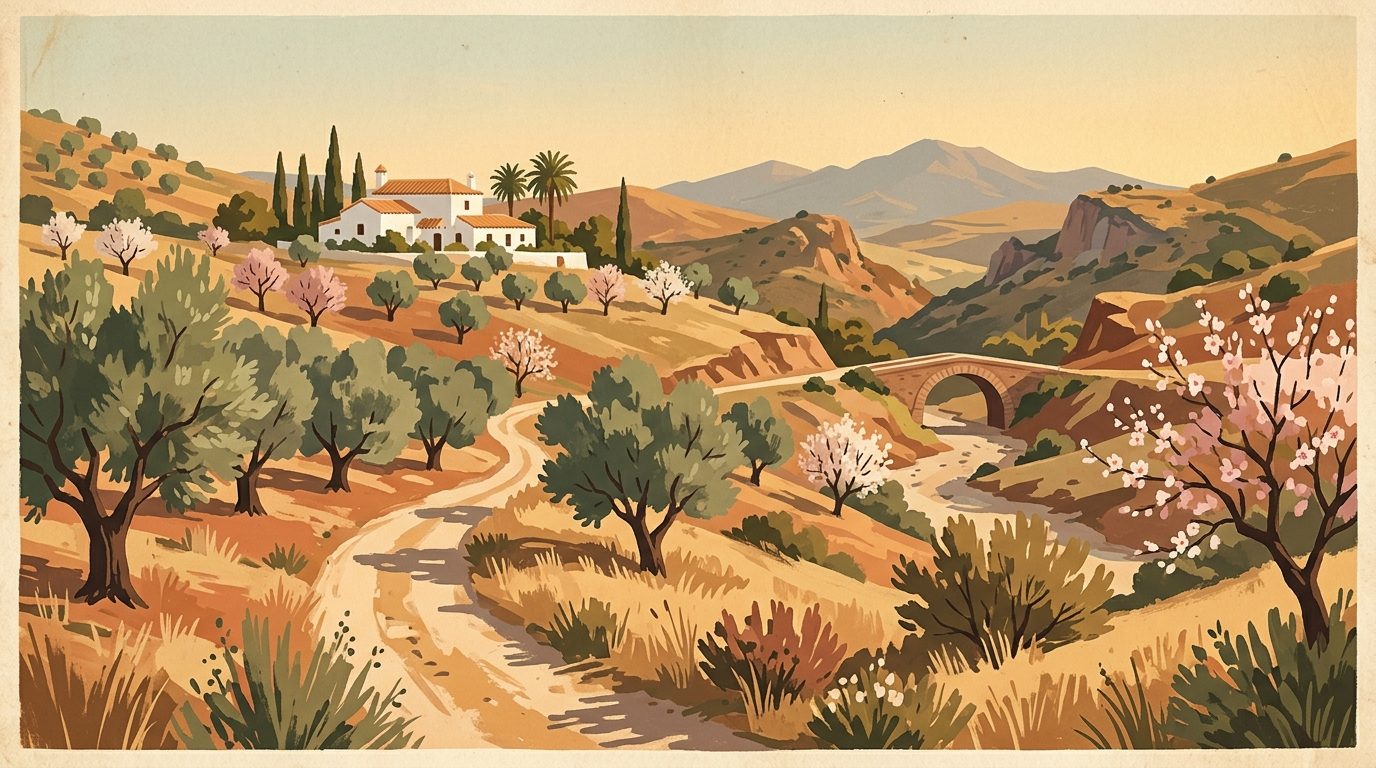
March is the month when Córdoba begins to breathe again, exhaling the sweet, heavy scent of orange blossom throughout its narrow stone corridors. It is a period of transition where the crisp winter air softens into a gentle warmth, perfect for exploring the province before the fierce summer sun takes hold.
March in Córdoba represents a distinct atmospheric shift. As the rest of Europe often remains under a grey shroud, this Andalucían province begins to show its first definitive signs of spring. For those who find the intense heat of July and August oppressive, March offers a climate that is comfortable for physical activity and long days spent wandering the streets of the Judería (the old Jewish Quarter). It is a month characterised by the arrival of the azahar (citrus blossom), the return of outdoor café culture, and a palpable sense of anticipation as the city prepares for its most solemn and significant religious events.
While the city of Córdoba itself is the primary draw, the wider province is equally compelling during this month. The olive groves of the south and the rugged granite landscapes of the north are washed in a fresh green that will soon fade to gold. The rivers are full, the waterfalls in the mountains are active, and the local produce begins to change, with artichokes and broad beans appearing on menus across the region. This is a time of quiet beauty, situated just before the peak tourist season of May, allowing for a more authentic interaction with the local pace of life.
Weather & Climate
The weather in Córdoba during March is generally mild but can be unpredictable. In the city, located in the Guadalquivir valley, daytime temperatures typically reach a pleasant 18°C to 21°C (64°F to 70°F). However, the valley acts as a funnel for air, and when the sun sets, the temperature drops significantly, often hovering around 7°C or 8°C (45°F to 46°F). You will see locals still wearing heavy wool coats well into the evening, even if the afternoon was warm enough for short sleeves.
Rain is a possibility in March, with an average of six or seven rainy days across the month. These are rarely persistent downpours; instead, they tend to be passing showers that leave the air feeling fresh and clean. In the mountainous regions, such as the Sierras Subbéticas in the south of the province or the Sierra Morena to the north, temperatures are consistently 4°C to 5°C cooler than in the city. In towns like Priego de Córdoba or Zuheros, you may encounter morning mists and a much sharper chill in the shade.
What to pack: Layering is the only sensible approach. Bring light cotton or linen for the afternoons, but a medium-weight jacket or a trench coat is essential for the mornings and evenings. A sturdy umbrella and comfortable walking shoes that can handle occasionally damp cobblestones are also recommended.
Events & Festivals
The most significant event in March is often Semana Santa (Holy Week). Because the dates are determined by the lunar calendar, this festival frequently begins in late March. This is a week of intense emotion and tradition, where Hermandades (religious brotherhoods) carry enormous, ornate pasos (floats) through the narrow streets. The processions are accompanied by the haunting sound of saetas (flamenco prayers sung from balconies) and the smell of incense and melting beeswax.
Even if Semana Santa falls in April, the weeks leading up to it in March are filled with Cuaresma (Lent) preparations. You will find many churches hosting concerts of processional music and smaller exhibitions of religious art. In the towns of the province, such as Aguilar de la Frontera or Baena, these traditions are often even more austere and traditional than in the city.
In early March, you might still catch the tail end of the Carnaval de Córdoba (check the Ayuntamiento's culture website for current year dates). While not as famous as the carnival in Cádiz, Córdoba’s version features chirigotas (satirical singing groups) performing in the streets and theatres, providing a sharp, humorous contrast to the solemnity that follows later in the month.
What to Do in March
This is the ideal month for architectural exploration without the exhaustion of high temperatures. The Mezquita-Catedral (Cathedral-Mosque) is a constant, but in March, the Patio de los Naranjos (Court of the Orange Trees) is at its most sensory. The trees are heavy with both fruit and blossom, creating an aroma that defines the Cordobés spring.
The Alcázar de los Reyes Cristianos features gardens that are beginning to flourish in March. While the full roses of May are yet to arrive, the terraced ponds are surrounded by fresh greenery, pansies, and the first tulips. It is a quiet time to sit by the water before the large tour groups arrive in late spring.
For those willing to venture out of the city, the Parque Natural de las Sierras Subbéticas is extraordinary in March. This is the peak time for wild orchids and irises to bloom across the limestone crags. Hiking the Río Bailón trail from the village of Zuheros offers spectacular views of the canyon and the chance to see peregrine falcons nesting in the cliffs. The Vía Verde del Aceite, a disused railway line converted into a cycling and walking path, is also at its best now, cutting through an endless sea of silver-green olive trees.
Visiting the archaeological site of Medina Azahara, the ruins of a 10th-century palace-city just outside the capital, is also highly recommended in March. The walk down the hillside is far more manageable in 20°C heat than in the 40°C of summer, and the almond trees surrounding the site are often still in their late-flowering stage.
Who Should Visit?
- Culture Lovers: Those interested in religious history and traditional music will find the pre-Easter atmosphere and the processions of Semana Santa deeply moving.
- Hikers and Nature Enthusiasts: The Subbética and Sierra Morena mountains are in their prime, offering cool temperatures and a landscape flush with wildflowers.
- Photographers: The soft spring light and the white-washed villages against a backdrop of green hills provide excellent conditions for photography.
- Budget Travellers: If you visit in early March (avoiding the actual week of Semana Santa), hotel prices remain lower than in the peak months of May and September.
Practical Notes
Crowds: For the first three weeks of March, Córdoba is relatively quiet. You can often walk into popular tapas bars without a reservation. However, if your visit coincides with Semana Santa, the city becomes incredibly crowded. Streets are blocked for processions, and moving through the city centre can take three times longer than usual.
Prices: Expect standard mid-season pricing for the majority of the month. If you are staying during Holy Week, be prepared for accommodation prices to double or even triple. Many hotels in the Judería are booked up to a year in advance for these specific dates.
Booking Advice: Even in the quieter parts of March, it is wise to book tickets for the Mezquita-Catedral (via the official Mezquita-Catedral de Córdoba website) and Medina Azahara online in advance to secure your preferred time slot. If you plan to dine at some of the city's more renowned traditional taverns, such as those near the Plaza de la Corredera, a call a day ahead is usually sufficient.
Monthly Verdict
March is arguably the most sensory month to visit Córdoba. It offers a unique window of time where the province is green, the air is fragrant, and the climate is kind to those on foot. While the weather requires a little more preparation than the consistent heat of summer, the reward is a landscape and a city that feel alive, fresh, and deeply authentic. It is the best choice for anyone who wants to see the soul of Andalucía without the distraction of the peak-season crowds.
Best for: Flower enthusiasts, hikers, and those seeking cultural authenticity.
Not ideal for: Travellers looking for guaranteed sunbathing weather or those who find large religious crowds overwhelming (during Semana Santa).
Last reviewed: 21 June 2026 · Editorial policy
Related guides
Córdoba in April: Orange Blossom and Spring Anticipation
April in Córdoba marks the transition from the damp winter to the floral intensity of spring, characterised by the scent of orange blossom and the solemnity of Holy Week.
6 min read
Andalucía in April
April brings the intoxicating scent of orange blossom and the dramatic spectacle of Semana Santa to Andalucía, offering the perfect balance of warm weather and cultural depth.
7 min read
Andalucía in May: A Guide to Spring Weather and Festivals
May is the peak of spring in Andalucía, offering the perfect balance of warm sunshine and famous cultural events like the Córdoba Patio Festival.
6 min read
Málaga in May: The Sweet Spot of the Andalucían Calendar
May is the month when the Costa del Sol truly wakes up, offering a balance of warm sunshine and the tail end of the spring bloom. It is the ideal window for those who want to explore the mountains and the Mediterranean without the oppressive heat of July.
6 min read
Andalucía in February: Blossoms, Carnival, and Crisp Winter Sun
February in Andalucía brings the stunning almond blossom season and the world-famous street parties of the Cádiz Carnival, all under a mild winter sun.
6 min read
Andalucía in March: A Guide to the Scent of Spring
March is a month of transition where the scent of orange blossom fills the air and the first warmth of spring touches the southern Spanish landscape.
6 min read
More from Córdoba
Córdoba in September: A Guide to the Late Summer Transition
September in Córdoba is a month of transition where the fierce summer heat begins to wane and the city's local life returns to the squares and courtyards.
7 min read
Córdoba in July: Surviving and Thriving in the Spanish Oven
July in Córdoba is a month of sensory extremes, where the white-hot intensity of the Spanish afternoon gives way to extraordinary nocturnal energy.
6 min read
Córdoba in January: Crisp Skies and Quiet Courtyards
January brings crisp, blue-sky days and a profound stillness to Córdoba’s historic streets, making it the ideal month for those seeking cultural depth without the crowds.
7 min read
Córdoba in November: Olive Groves and Autumn Stillness
November in Córdoba is defined by the heavy scent of crushed olives and the golden light of the Subbética mountains. As the summer heat fades, the province settles into a quiet, productive rhythm.
6 min read

Córdoba in December: A Guide to Winter in the Caliphate City
Experience the crisp air and festive traditions of Córdoba in December, from the orange-heavy gardens of the Alcázar to the chocolate nativity scenes of Rute.
6 min read
Córdoba in August: Navigating the Frying Pan of Europe
Experience the intense beauty of Córdoba in August, where the city embraces a nocturnal rhythm to escape the 44°C heat. From dawn visits to the Mezquita to starlit nights at Medina Azahara, discover how to master the Andalucían summer.
6 min read
Córdoba in February: Almond Blossom and Baroque Silence
Experience Córdoba in February, a month of crisp air, white almond blossoms, and the quietest streets of the year.
7 min read

Córdoba in October: A Guide to the Golden Season
October marks the definitive end of the crushing heat in the Guadalquivir valley, replaced by golden light and the first scent of woodsmoke in the mountain villages.
6 min read
Córdoba in June: Embracing the Early Summer Heat
Experience the transition into the Andalucían summer with nocturnal flamenco, early morning visits to the Mezquita, and the golden light of Medina Azahara.
6 min read
Newsletter
More stories from Andalucía
Weekly notes, seasonal picks, and the next guides worth bookmarking.