
Seasonal guide · Córdoba
Córdoba in February: Almond Blossom and Baroque Silence
Experience Córdoba in February, a month of crisp air, white almond blossoms, and the quietest streets of the year.
By Dan · Updated 7 June 2026 · 7 min read
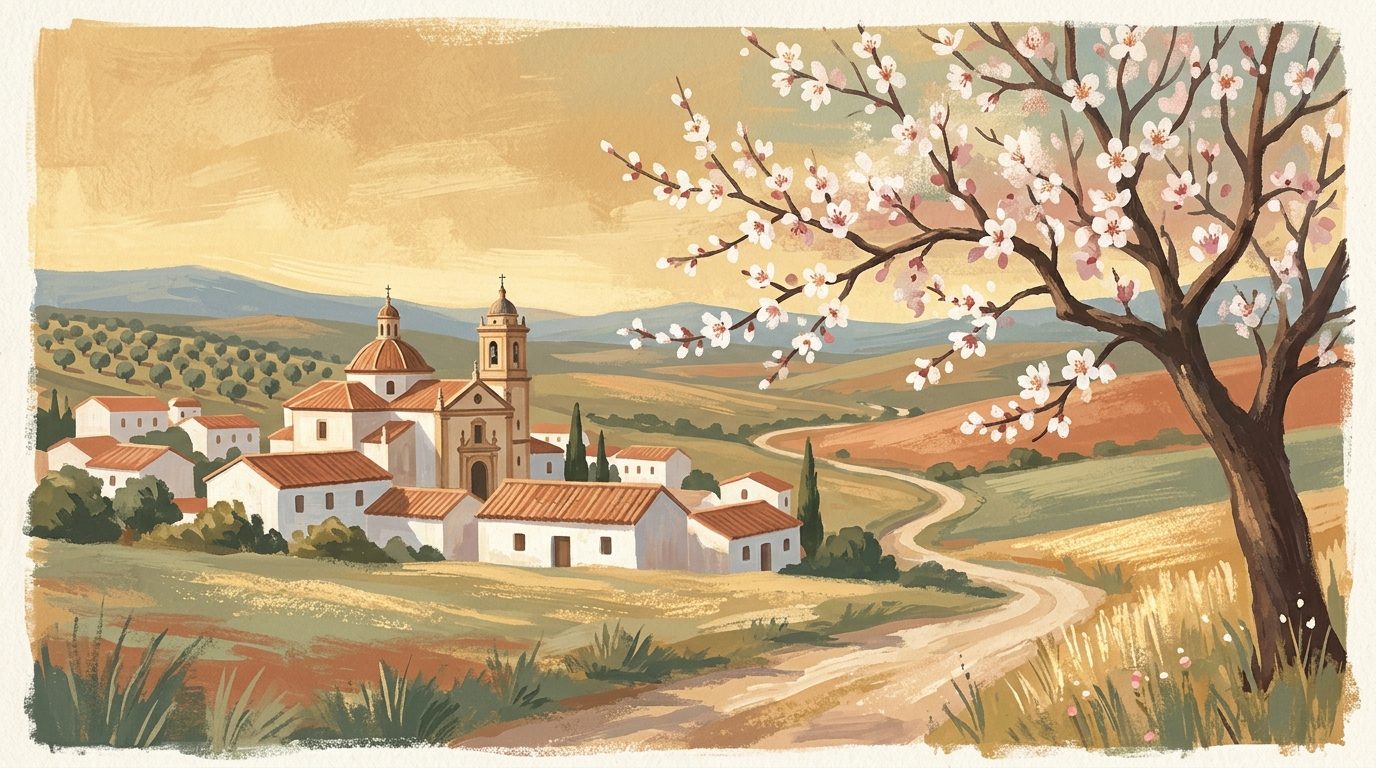
February in Córdoba offers a crisp, clear-eyed view of the province before the heavy heat and crowds of spring arrive. It is a month of white almond blossom and cool morning mists across the Guadalquivir valley.
To visit Córdoba in February is to catch the province in a state of quiet preparation. While the rest of northern Europe remains gripped by deep winter, this corner of Andalucía is already beginning to stir. In the city, the orange trees remain heavy with bitter fruit, and the air carries the scent of woodsmoke from the surrounding mountains. This is a period of transition, where the harshness of the Castilian winter begins to yield to the softer, longer days of the southern spring. For the traveller, this translates to an authentic experience unburdened by the crush of the May festivals or the oppressive heat of July.
The pace of life in February is slow and follows the rhythm of the light. Morning frost is common in the countryside, particularly in the northern reaches of the Sierra Morena and the southern peaks of the Sierras Subbéticas. However, by midday, the sun often gains enough strength to allow for an outdoor lunch in a sheltered plaza. There is a specific clarity to the light this month that photographers find appealing; the sky is often a hard, brilliant blue, providing a sharp background for the golden limestone of the city’s monuments. It is a month for those who prefer contemplation over spectacle, and for those who value the ability to stand alone in a cathedral-mosque that will be crowded with thousands just a few weeks later.
Weather: Sharp Mornings and Sunny Afternoons
The weather in Córdoba during February is characterised by significant temperature fluctuations between day and night. In the city of Córdoba, you can expect average daytime highs of 16°C (61°F), though on sunny days it can easily reach 19°C (66°F). However, once the sun sets, the temperature drops rapidly, often falling to 4°C (39°F) or lower. Nighttime frosts are not unusual, especially in the wider province.
Rainfall is a possibility, as February is technically still part of the wetter season in Andalucía. You should expect around six or seven days of rain throughout the month, usually in the form of passing Atlantic fronts rather than persistent drizzle. In the mountain regions, such as the Sierras Subbéticas near Priego de Córdoba, temperatures are consistently 4-5 degrees lower than in the valley, and the wind can feel quite biting on exposed ridges.
Clothing strategy is essential. A heavy coat is required for the early mornings and late evenings, but you will want layers that can be easily removed. A light wool jumper and a medium-weight jacket are the standard uniform for locals. If you are planning to visit the mountains, thermal layers and waterproof footwear are advisable, as the trails can be muddy after winter rains.
Events & Festivals: Satire and Celebration
While February is generally quiet, two significant events mark the calendar. The first is the Carnaval de Córdoba (Córdoba Carnival). While it does not reach the epic proportions of the celebrations in Cádiz, it is a spirited and local affair. The focus is on the chirigotas and comparsas, musical groups that perform satirical songs about local politics and social issues. These performances take place in the Gran Teatro and move into the streets of the old town during the final weekend of the month. It is a wonderful opportunity to see the Cordobese at their most irreverent.
The second major date is 28 February, Día de Andalucía (Andalucía Day). This is a regional public holiday celebrating the 1980 referendum on Andalusian autonomy. It is a day of immense local pride. You will see the green and white flag of the region hanging from balconies across the province. Many museums have free entry, and most villages host communal breakfasts featuring tostada de aceite (toast with olive oil) and music. Note that most shops and many restaurants will close on this day, particularly outside the primary tourist zones, so plan your supplies accordingly.
What to Do: From the Mezquita to the Mountains
The primary advantage of visiting in February is the accessibility of the Mezquita-Catedral. During the peak season, the forest of columns can feel crowded, but in February, you can often find a quiet corner to appreciate the architectural layers of this eighth-century mosque and sixteenth-century cathedral. The lack of queues also means you can spontaneously decide to climb the bell tower for a view over the Judería (Jewish Quarter), though booking your time slot online is still recommended to guarantee entry (check the official website for real-time availability before travelling).
In the province, the campiña (the rolling agricultural countryside) undergoes a spectacular change. This is the time for the almond blossom. The trees, particularly around the Valle del Guadiato and the southern slopes of the Subbéticas, erupt in shades of white and pale pink. It is a brief window of beauty that signals the end of winter. Walking trails near villages like Zuheros or Luque offer excellent views of these blossoming orchards against the backdrop of grey limestone crags.
For those interested in art and history, Priego de Córdoba is an essential stop. Known as the capital of the Cordobese Baroque, its churches, such as the Iglesia de la Asunción and the Iglesia de la Aurora, feature some of the most intricate plasterwork and gilded altarpieces in Spain. In the summer, these interiors can feel oppressive, but in the cool air of February, they are peaceful sanctuaries. Additionally, the town’s Adarve (a natural balcony overlooking the valley) offers sweeping views of the olive groves which are currently finishing their harvest.
Gastronomy this month focuses on winter comforts. It is the peak season for rabo de toro (oxtail stew) and alcachofas a la montillana (artichokes cooked in local Montilla-Moriles wine). If you visit the town of Baena, you can witness the final stages of the olive oil pressing season. Purchasing a bottle of freshly pressed, unfiltered extra virgin olive oil in February is a culinary highlight; the oil is a bright, peppery green and at its most potent.
Who Should Visit?
- Culture Lovers: This is arguably the best month for those who want to study the Mezquita, Medina Azahara, and the provincial museums without being moved along by tour groups.
- Photographers: The sharp winter light and the almond blossoms provide exceptional conditions for landscape and architectural photography.
- Budget Travellers: February is low season. Hotel prices in the city centre can be up to 50% cheaper than they are during the May patios festival.
- Hikers: The temperatures are perfect for the Vía Verde de la Subbética, a converted railway line that offers flat, easy walking through the heart of the olive-growing region.
- Peace Seekers: The narrow streets of the Judería regain their residential, quiet character in the evenings, away from the tourist rush.
Practical Notes
Crowd levels in February are at their annual low, meaning you can walk into most restaurants without a reservation, even the popular ones near the river. Prices for accommodation are very competitive, but be aware that some smaller hotels in the mountain villages may close for a few weeks in February for renovations, so check availability in advance. For further local details and up-to-date opening hours, consult the official tourism board (Turismo de Córdoba) before travelling.
Transport remains reliable. The high-speed AVE train connects Córdoba to Sevilla, Málaga, and Madrid, making it an easy addition to a wider Andalucían itinerary. If you are exploring the province, a rental car is highly recommended as bus services to the smaller white villages can be infrequent during the winter months. One final tip: ensure your chosen accommodation has heating. Many traditional Andalucían houses are designed to stay cool in the summer and can be remarkably chilly in February if they lack modern climate control.
Monthly Verdict
February in Córdoba is a month of understated rewards. It lacks the explosive colours of the spring festivals, but it compensates with a raw, authentic beauty and a sense of space that is hard to find at other times of the year. If you enjoy the smell of woodsmoke, the sight of blossoming orchards, and the ability to explore world-class heritage sites in near-solitude, Córdoba in February is an excellent choice.
Last reviewed: 21 June 2026 · Editorial policy
Related guides
Andalucía in February: Blossoms, Carnival, and Crisp Winter Sun
February in Andalucía brings the stunning almond blossom season and the world-famous street parties of the Cádiz Carnival, all under a mild winter sun.
6 min read
Málaga in February: Almond Blossom and Winter Sun
February in Málaga province offers a quiet transition, where the scent of almond blossom fills the air and the city streets remain peaceful before the spring rush.
7 min read
A Guide to Visiting Córdoba in March
Experience the intoxicating scent of orange blossom and the first flush of spring wildflowers in the Subbética mountains as Córdoba awakens from winter.
6 min read
Córdoba in November: Olive Groves and Autumn Stillness
November in Córdoba is defined by the heavy scent of crushed olives and the golden light of the Subbética mountains. As the summer heat fades, the province settles into a quiet, productive rhythm.
6 min read
Córdoba in January: Crisp Skies and Quiet Courtyards
January brings crisp, blue-sky days and a profound stillness to Córdoba’s historic streets, making it the ideal month for those seeking cultural depth without the crowds.
7 min read

The Floral Courtyards of Córdoba: A Guide to the Patios and Palacio de Viana
Discover the flower-filled courtyards of Córdoba, from the twelve aristocratic patios of the Palacio de Viana to the UNESCO-listed private homes that open their doors during the May Patio Festival.
6 min read
More from Córdoba
Córdoba in September: A Guide to the Late Summer Transition
September in Córdoba is a month of transition where the fierce summer heat begins to wane and the city's local life returns to the squares and courtyards.
7 min read
Córdoba in April: Orange Blossom and Spring Anticipation
April in Córdoba marks the transition from the damp winter to the floral intensity of spring, characterised by the scent of orange blossom and the solemnity of Holy Week.
6 min read
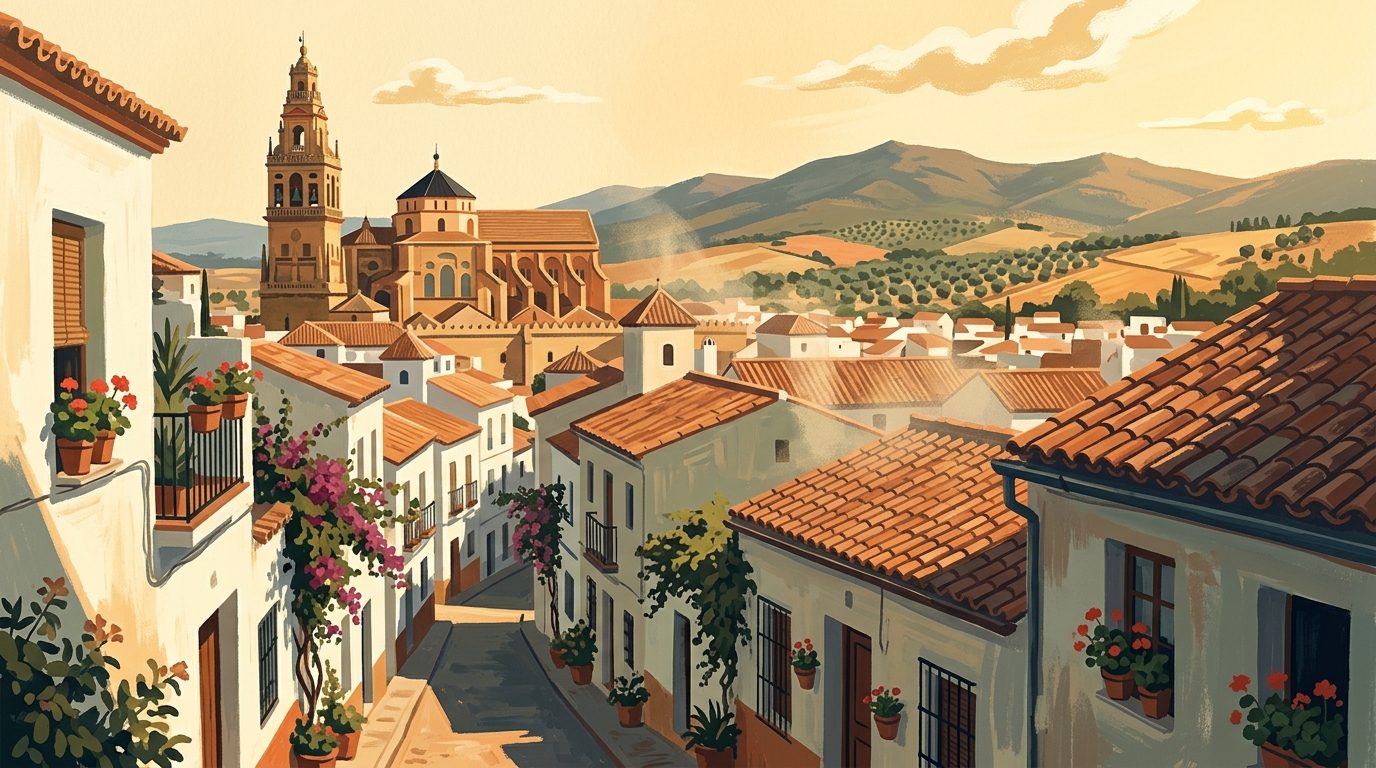
Córdoba in July: Surviving and Thriving in the Spanish Oven
July in Córdoba is a month of sensory extremes, where the white-hot intensity of the Spanish afternoon gives way to extraordinary nocturnal energy.
6 min read

Córdoba in December: A Guide to Winter in the Caliphate City
Experience the crisp air and festive traditions of Córdoba in December, from the orange-heavy gardens of the Alcázar to the chocolate nativity scenes of Rute.
6 min read
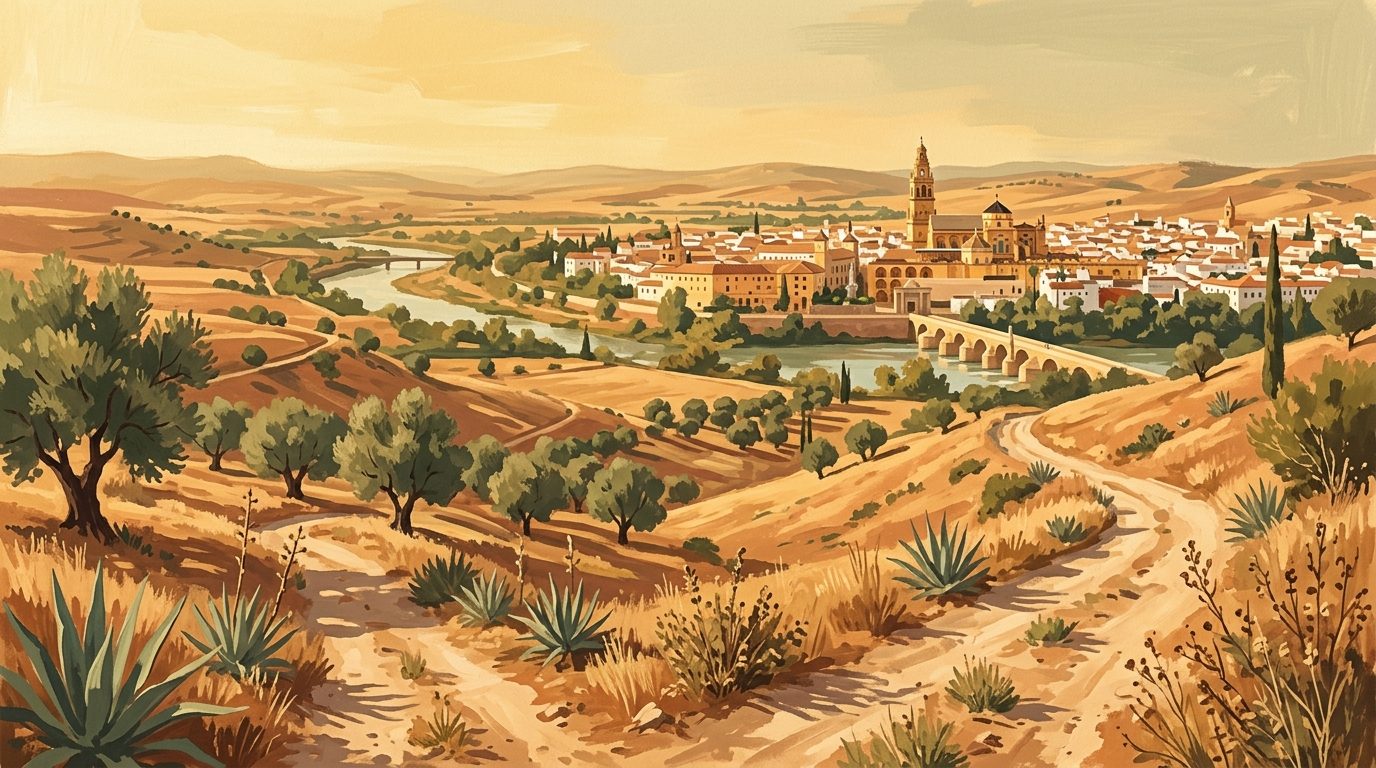
Córdoba in August: Navigating the Frying Pan of Europe
Experience the intense beauty of Córdoba in August, where the city embraces a nocturnal rhythm to escape the 44°C heat. From dawn visits to the Mezquita to starlit nights at Medina Azahara, discover how to master the Andalucían summer.
6 min read
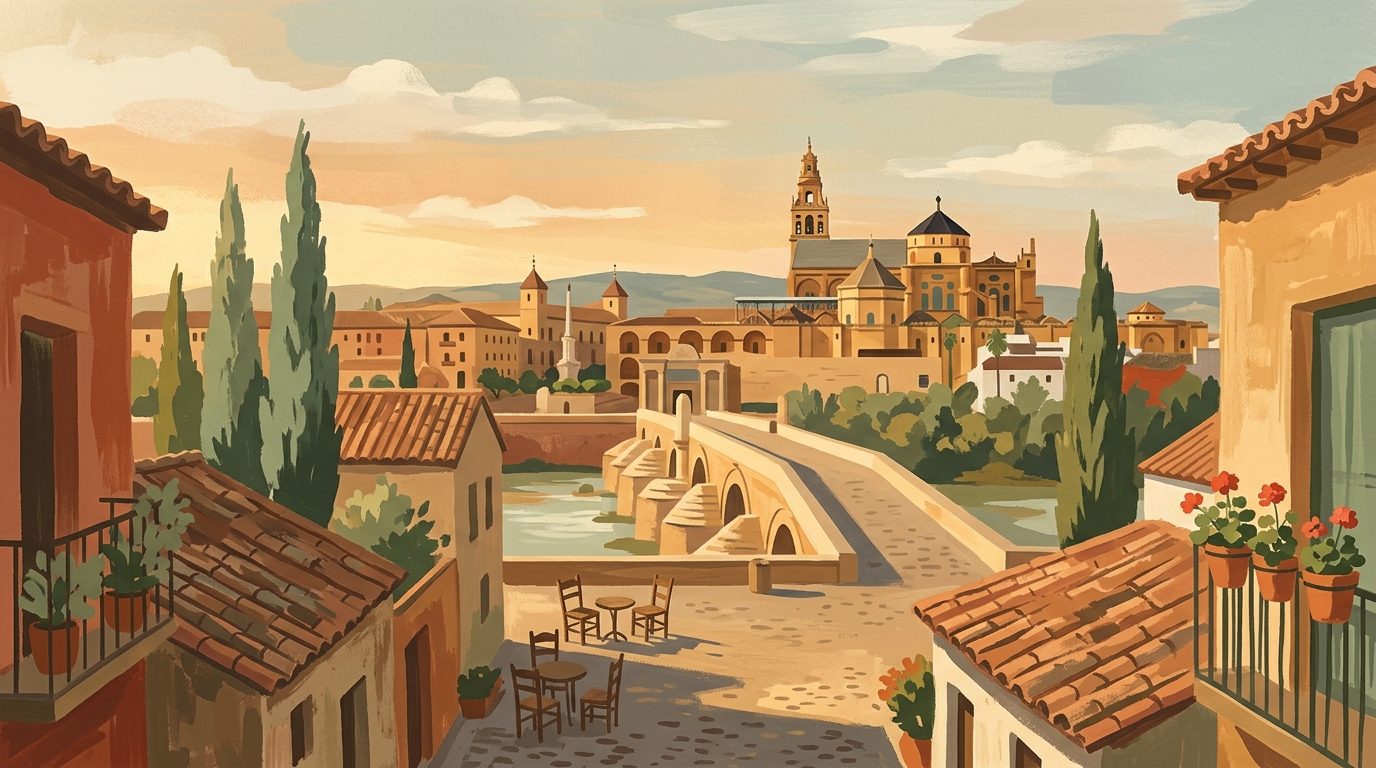
Córdoba in October: A Guide to the Golden Season
October marks the definitive end of the crushing heat in the Guadalquivir valley, replaced by golden light and the first scent of woodsmoke in the mountain villages.
6 min read
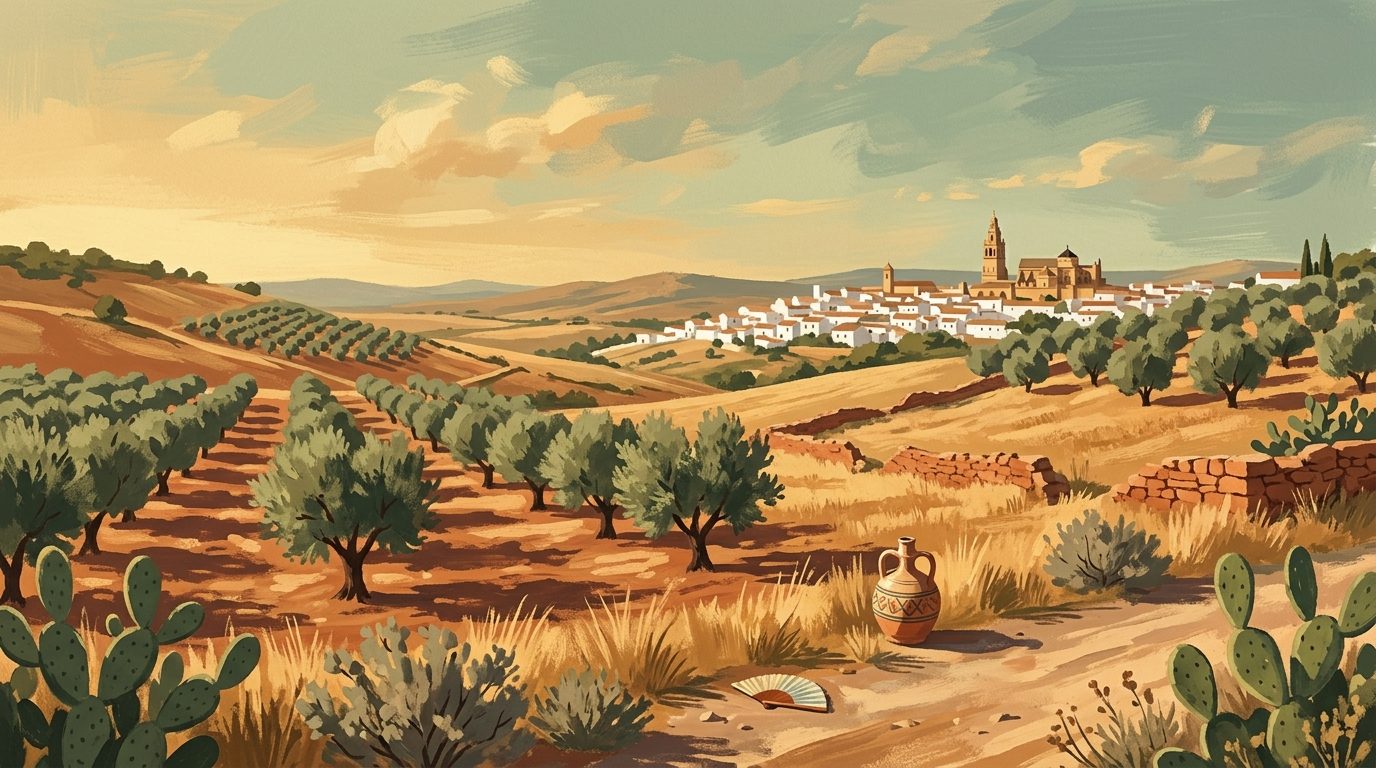
Córdoba in June: Embracing the Early Summer Heat
Experience the transition into the Andalucían summer with nocturnal flamenco, early morning visits to the Mezquita, and the golden light of Medina Azahara.
6 min read
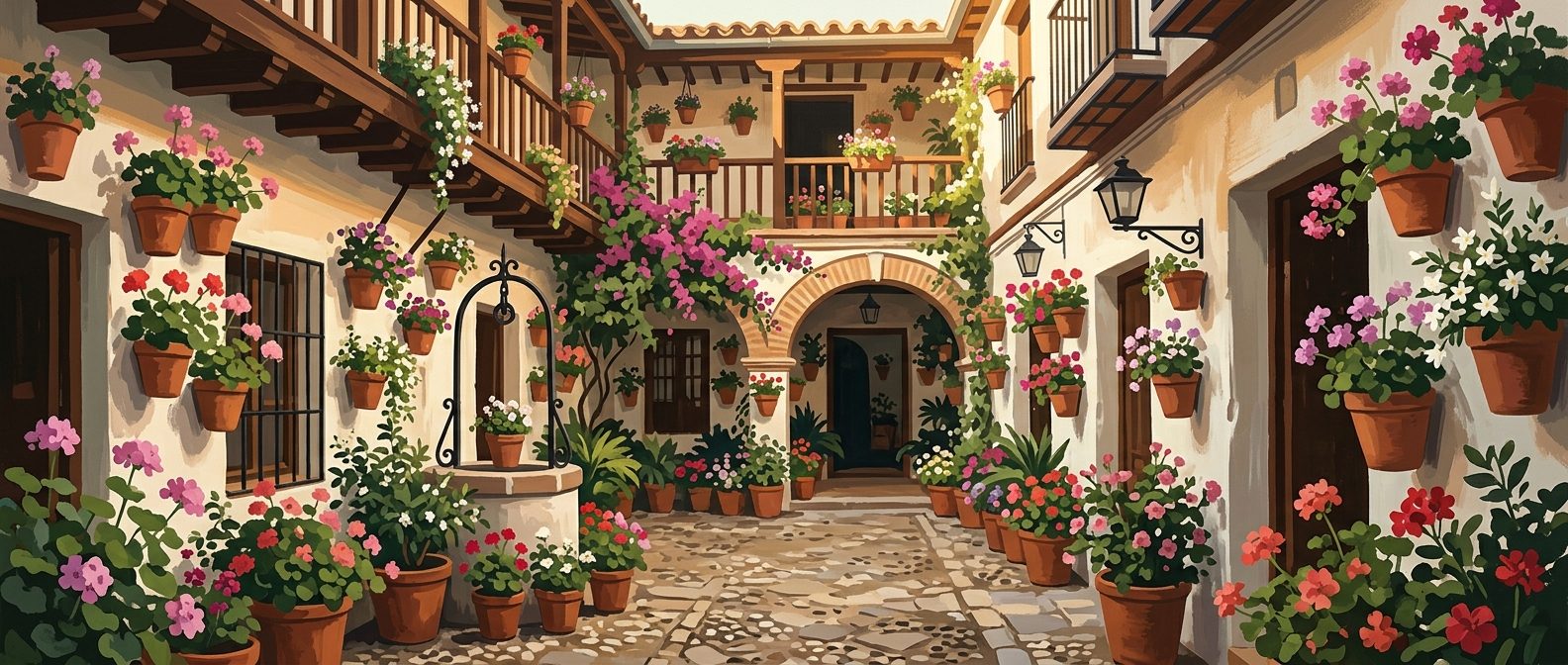
Córdoba in May: The Patio Festival
Experience the world-renowned Festival de los Patios and the spirited Mayo Cordobés in Córdoba province this May.
7 min read
Newsletter
More stories from Andalucía
Weekly notes, seasonal picks, and the next guides worth bookmarking.