
Seasonal guide · Córdoba
Córdoba in January: Crisp Skies and Quiet Courtyards
January brings crisp, blue-sky days and a profound stillness to Córdoba’s historic streets, making it the ideal month for those seeking cultural depth without the crowds.
By Dan · Updated 5 June 2026 · 7 min read
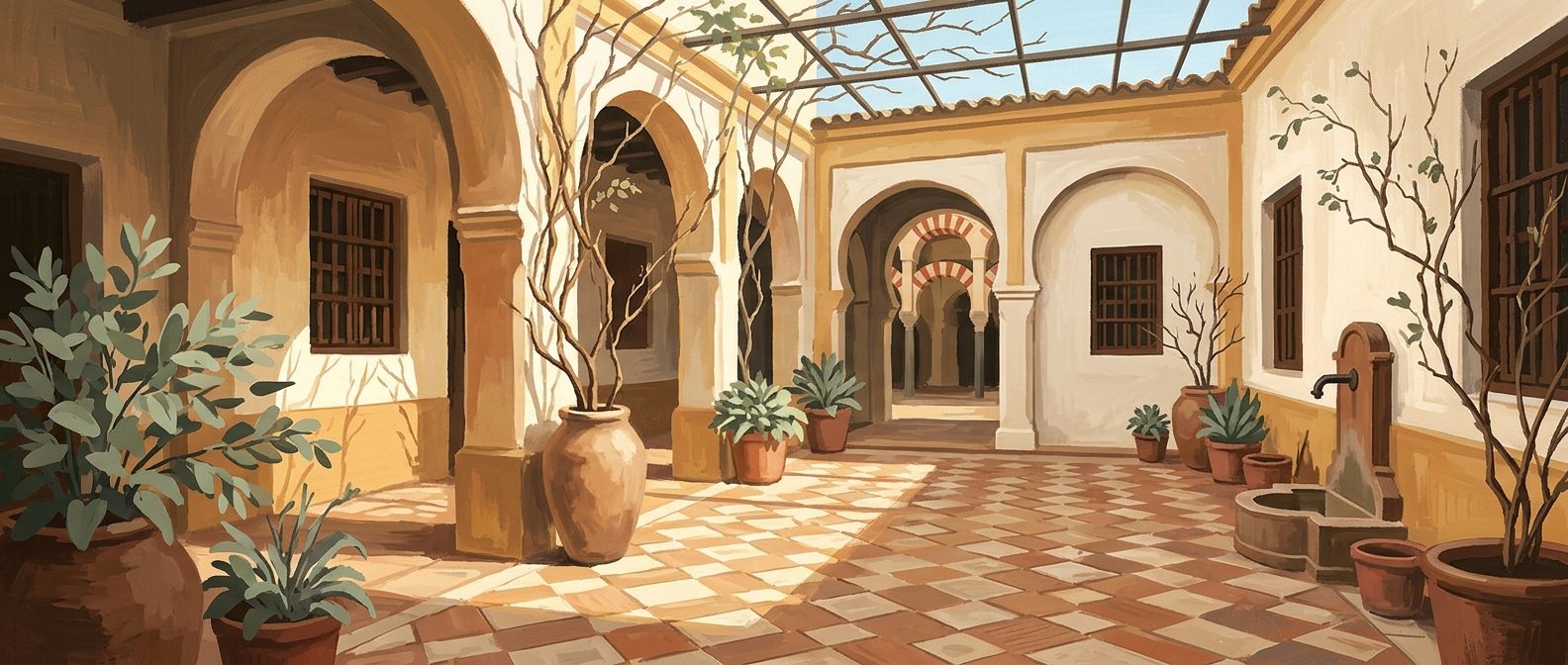
January in Córdoba is a season of sharp contrasts, where the biting morning chill gives way to brilliant, cloudless afternoons and streets lined with trees heavy with bitter oranges. It is the quietest time of year, offering a rare opportunity to walk the Jewish Quarter in near-solitude.
While the rest of Europe often endures grey skies and drizzle throughout January, Córdoba offers a different winter experience. The province, located in the heart of the Guadalquivir valley, experiences some of the most consistent sunshine in Spain during this month. However, do not be deceived by the bright light; January is the coldest month of the year here. The air is dry and bracing, the light is incredibly clear, and the city sheds its tourist-heavy skin to reveal its authentic, provincial character.
For those who find the intense heat of the Cordoban summer oppressive, January is a revelation. The city's famous stone monuments, which act as thermal sponges in July, are cool to the touch. The scent of woodsmoke from traditional fireplaces drifts through the whitewashed streets of the Judería (Jewish Quarter), and the orange trees that line almost every plaza are laden with fruit. While these oranges are too bitter to eat straight from the tree, they provide a stunning visual backdrop of bright orange against the deep blue winter sky.
The Weather in January
Weather in the province of Córdoba during January is defined by its stability. You can expect a high percentage of sunny days, but the temperature fluctuations between day and night are significant. Understanding these shifts is vital for a comfortable trip.
In the City: In Córdoba city, daytime temperatures typically reach around 14°C to 16°C. In direct sunlight, it can feel warm enough to sit outside for a coffee with just a light jumper. However, as soon as the sun dips behind the high stone walls of the old city, the temperature drops rapidly. Night-time temperatures frequently hover around 3°C or 4°C, and morning frosts are common on the outskirts of the city.
In the Highlands: If you venture south into the Sierras Subbéticas or north into Los Pedroches, the conditions are harsher. In towns like Priego de Córdoba or Zuheros, daytimes are cooler (around 10°C) and night-time temperatures regularly drop below freezing. Snow is rare but not unheard of on the highest peaks of the Subbéticas, such as La Tiñosa.
Rainfall: January is not typically a very wet month, averaging about six or seven days of rain. When it does rain, it tends to be light showers rather than the torrential downpours seen in autumn. Generally, you can expect crisp, dry air which makes for excellent visibility for photography and hiking.
What to wear: Layers are essential. You will need a heavy coat for the mornings and evenings, but you will likely want to remove it by 2:00 PM. A scarf is a local staple, protecting against the sharp winds that can whip through the narrow alleyways. Comfortable walking shoes are a must for the cobblestones, and sunglasses are non-negotiable given the winter sun's intensity.
Events & Festivals
The first half of January is dominated by the conclusion of the Christmas season, while the latter half is quieter, punctuated by traditional saints' days.
Cabalgata de los Reyes Magos (5th January)
The Three Kings Parade is the most significant event for local families. On the evening of 5th January, a large procession winds through the city streets. Elaborate floats carry Melchior, Caspar, and Balthazar, who throw tonnes of sweets (caramelos) to the crowds. It is a loud, joyful, and chaotic event that marks the true climax of the holiday season in Spain, as this is when children traditionally receive their gifts.
Fiesta de San Antón (17th January)
Dedicated to Saint Anthony Abbot, the patron saint of animals, this festival is observed in several towns across the province. The most traditional celebrations involve the blessing of pets and livestock at local churches. In some villages, large bonfires (luminarias) are lit on the eve of the festival, around which neighbours gather to roast chorizo and sardines. It is a wonderful look at the rural traditions that still underpin Cordoban life.
What to Do in Córdoba in January
January is the best month for architectural appreciation. The lack of crowds means you can truly see the city’s bones. This is the time to visit the Mezquita-Catedral (Mosque-Cathedral) at your own pace. In the summer, the forest of columns can feel crowded, but in January, the silence of the space is restored. If you arrive for the early morning mass (traditionally 8:30 AM to 9:30 AM Mon-Sat, though check the Mezquita-Catedral official website for service updates), you can often enter for free and experience the monument in the grey dawn light before the main tourist groups arrive.
The Judería is equally transformed. The narrow streets, such as the famous Calleja de las Flores, are usually packed with tour groups. In January, you might find yourself entirely alone in these passages. It is also the perfect time to visit the Alcázar de los Reyes Cristianos. While the gardens are less colourful than in spring, the structural beauty of the cypress trees and the cold, clear reflection pools create a peaceful, meditative atmosphere.
For a trip out of the city, January is the ideal time to visit Medina Azahara, the 10th-century palace-city ruins located 8km away. In summer, the exposed hillside site is punishingly hot. In January, the cool air makes the extensive walking required to see the ruins a pleasure. The archaeological museum at the site is world-class and provides a warm respite if the wind picks up.
In the wider province, January marks the final stages of the olive harvest. Visiting an almazara (olive oil mill) in Baena or Lucena allows you to smell the intense, peppery aroma of freshly pressed oil. Many mills offer tastings of the 'aceite nuevo' (new oil), which is at its most potent and flavourful during these weeks. This green, cloudy oil drizzled over toasted bread is the quintessential Cordoban winter breakfast.
Who Should Visit?
- Culture Lovers: This is your prime time. With no queues for the major monuments and plenty of space in the museums, you can absorb the history without distraction.
- Budget Travellers: January is the lowest of the low seasons. Hotel prices are at their floor, and many high-end establishments offer significant discounts to fill rooms.
- Photography Enthusiasts: The winter light in Córdoba is exceptional. The low sun creates long shadows across the arches of the Mezquita and the Roman Bridge, while the lack of haze ensures crisp landscape shots in the Sierras.
- Hikers: The Sierras Subbéticas offer stunning limestone karst landscapes. In January, the air is perfect for strenuous walking that would be impossible in the summer heat.
- Foodies: Winter is the season for hearty Cordoban stews. It is the best time to eat Rabo de Toro (braised oxtail) or Potaje de Garbanzos (chickpea stew) in a cosy tavern.
Practical Notes
Crowds: Expect very low levels of tourism. You will rarely need to book tickets for monuments far in advance, and getting a table at the city’s top-rated taverns is much easier than during the May festivals.
Prices: Accommodation prices are roughly 40-50% lower than they are in May. Flight prices to nearby Seville or Málaga also tend to be at their annual low during the middle two weeks of January.
Opening Hours: Be aware that some smaller museums or rural attractions may have reduced winter hours. Always check the 'horario de invierno' (winter schedule) before travelling. Most monuments close slightly earlier in the evening to coincide with sunset.
Atmosphere: While the city is quiet, it is not dead. The local population is active, and the bars are full of residents enjoying their city without the summer influx. The atmosphere is relaxed, authentic, and unhurried.
Monthly Verdict
January in Córdoba is for the discerning traveller who values peace and authenticity over beach weather. It is a month of physical cold and visual warmth, where the starkness of the landscape is offset by the hospitality of the taverns and the brilliance of the winter sun. If you pack a warm coat and an appreciation for quiet history, you will find Córdoba at its most dignified and revealing.
Last reviewed: 21 June 2026 · Editorial policy
Related guides
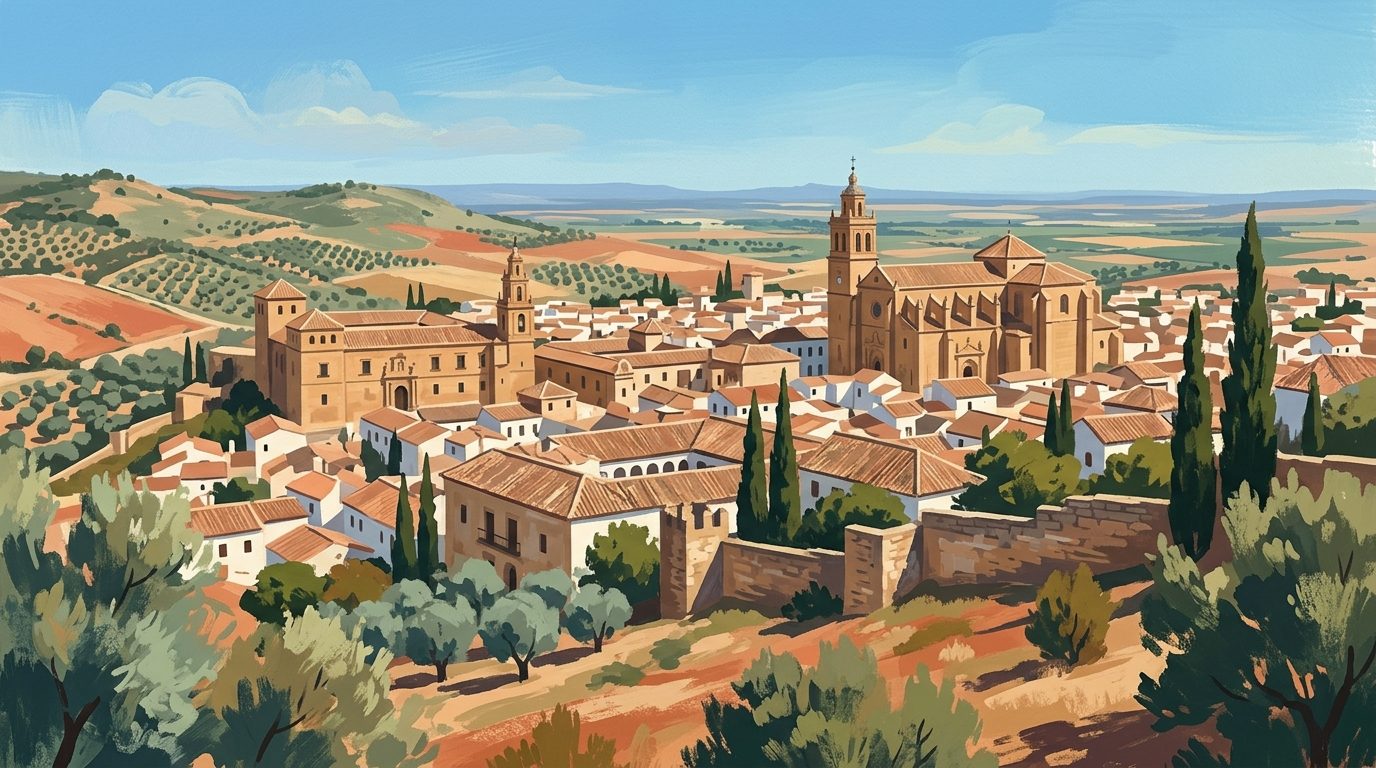
Osuna: The Ducal Grandeur of the Sevillian Countryside
A town of honey-coloured stone and Baroque palaces, Osuna served as a powerful seat for the Dukes of Osuna, leaving behind a skyline of grand churches and one of Spain’s oldest universities.
6 min read
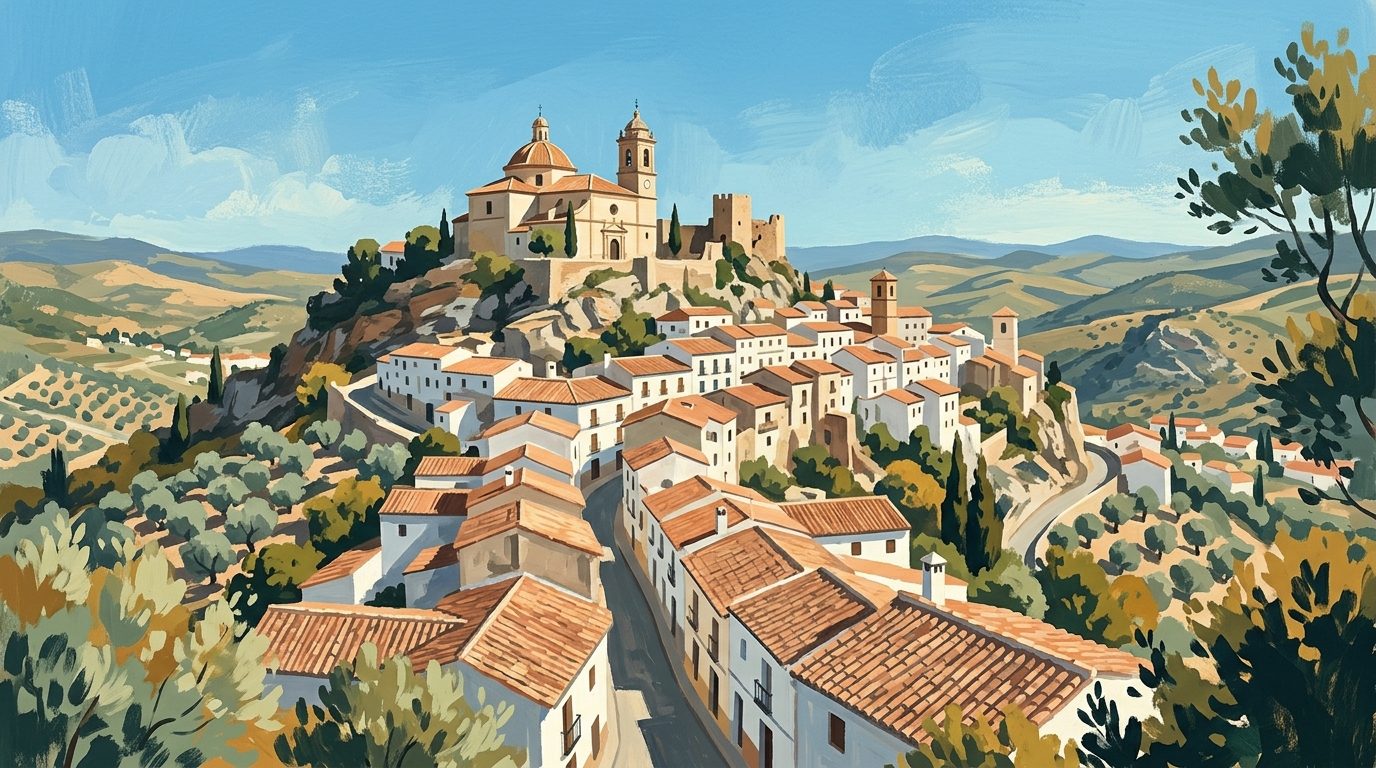
Montefrío: Exploring the Poniente Granadino’s Iconic Hilltop Town
Discover Montefrío, the Granada hilltop town famous for its National Geographic views, circular Neoclassical church, and ancient Moorish fortress.
6 min read
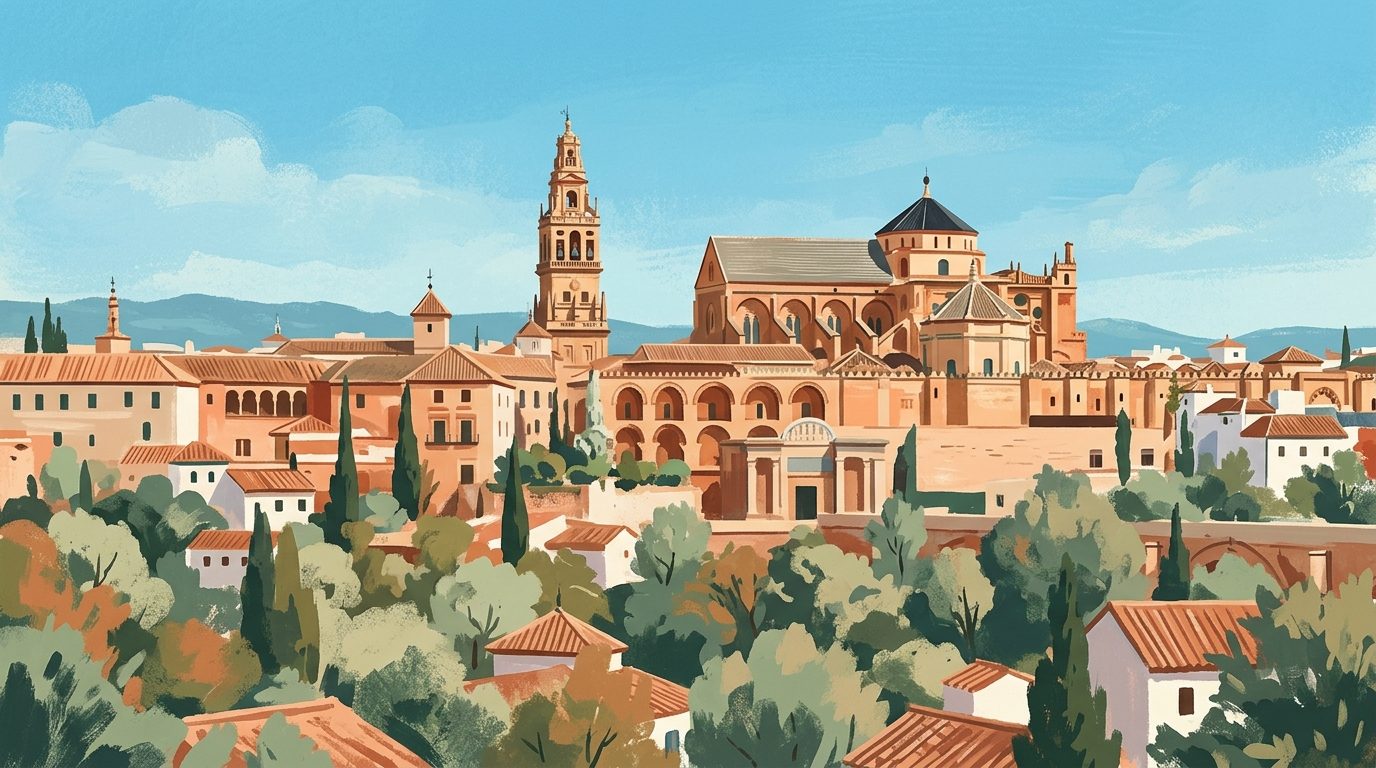
The Mezquita-Cathedral of Córdoba: A Guide to the Great Mosque
Discover the architectural wonder of Córdoba's Mezquita-Cathedral, where 856 columns meet a Renaissance nave in the heart of Al-Andalus.
5 min read
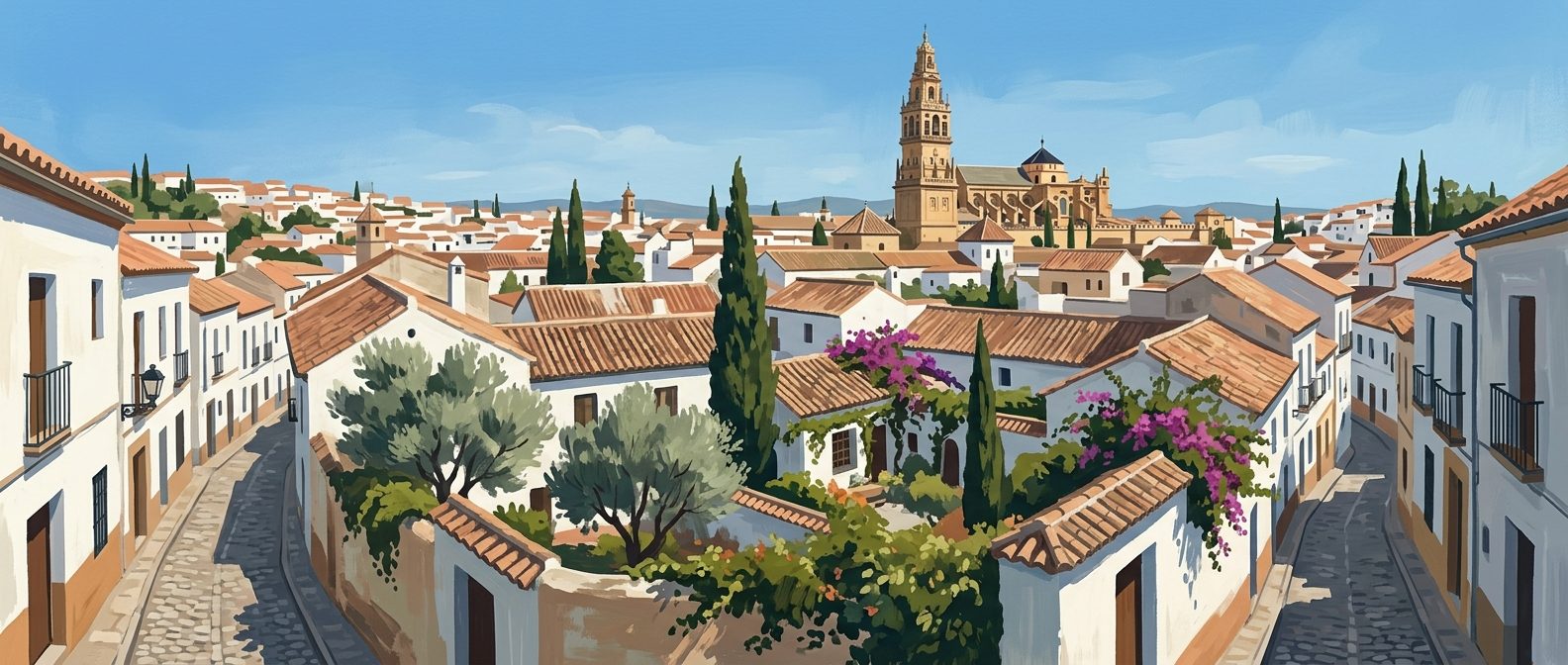
Exploring the Jewish Quarter of Córdoba
A labyrinth of whitewashed alleyways and flower-filled patios, the Judería offers a window into the medieval heart of Sephardic Spain.
6 min read
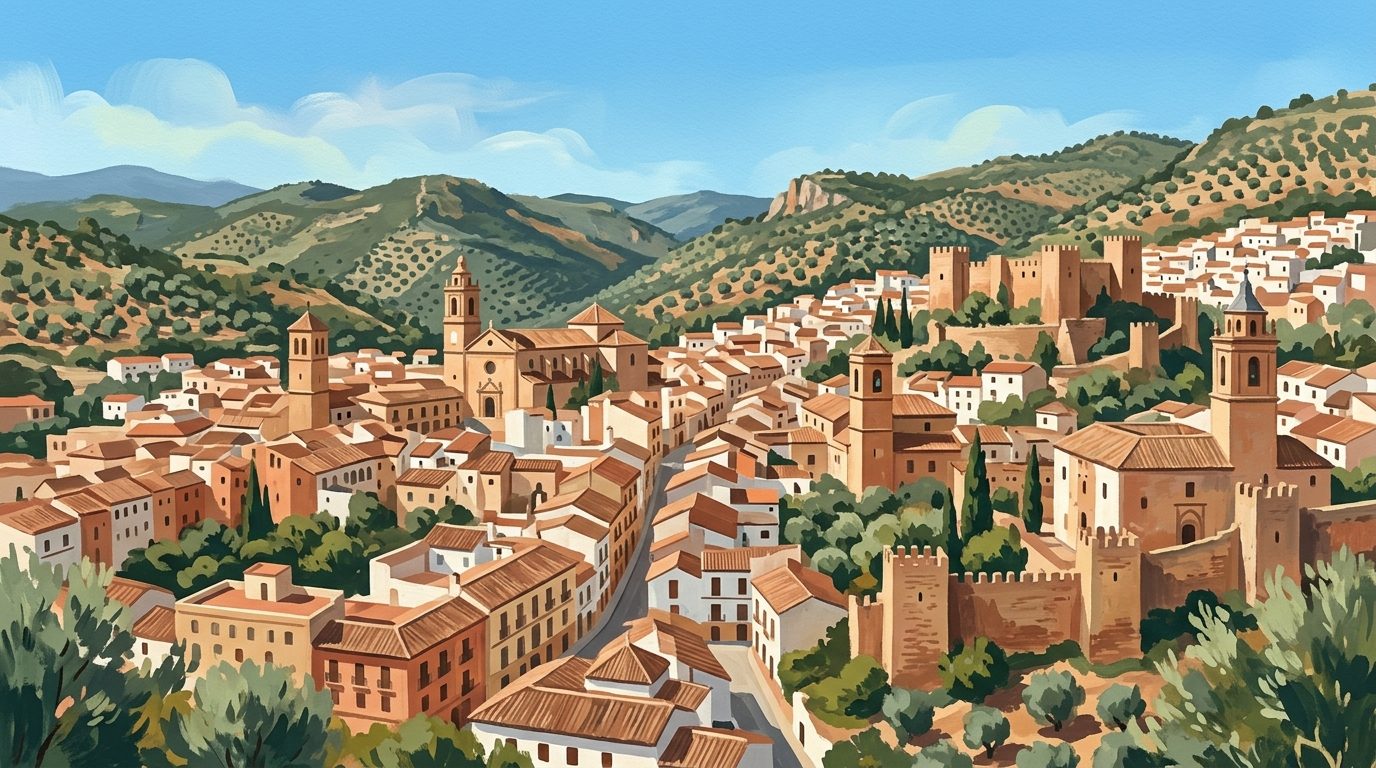
A Guide to Cabra: Red Marble and Mountain Views
Discover Cabra, the heart of the Subbética, famous for its red marble 'Baroque Mosque' and stunning mountain viewpoints.
6 min read
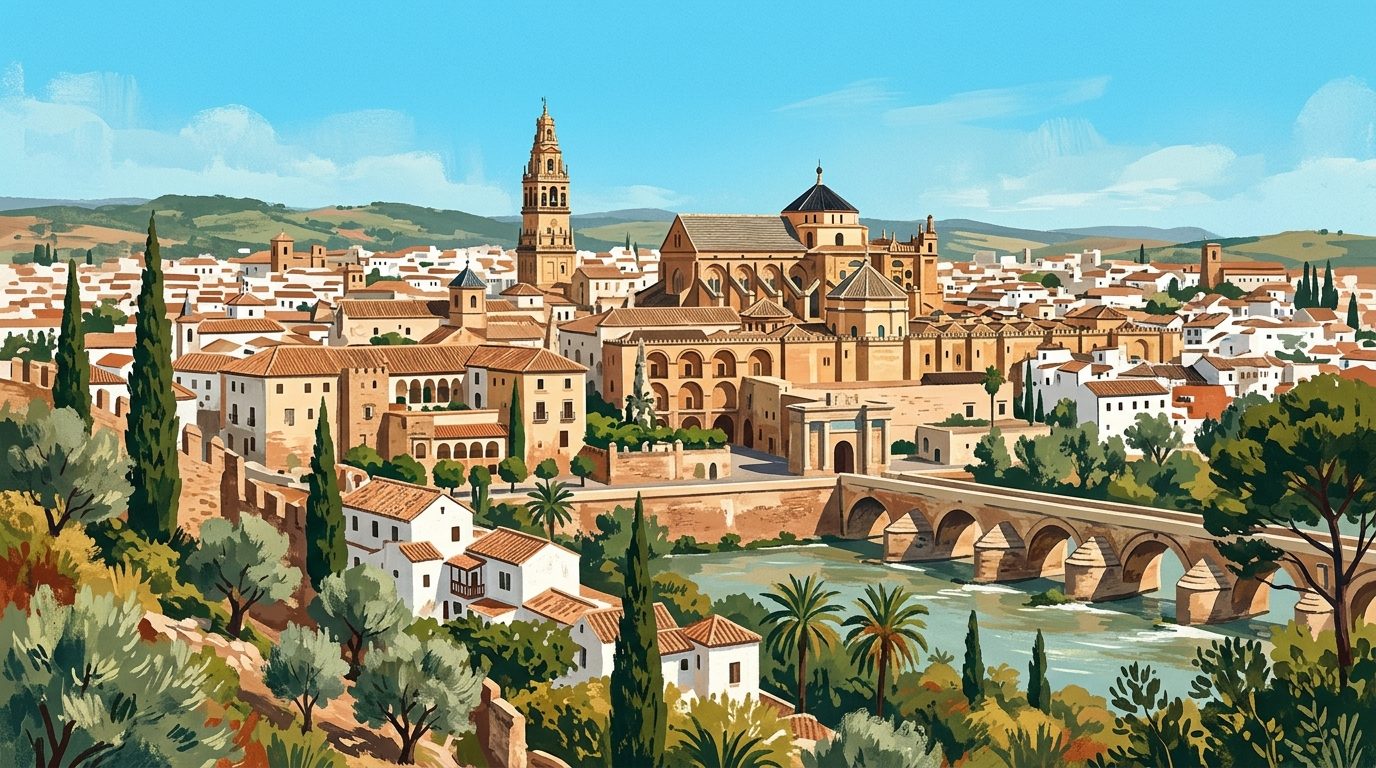
Exploring the Caliphate Capital: A Deep Dive into Córdoba
Discover the layers of the former Caliphate capital, from the mesmerising arches of the Mezquita to the hidden floral courtyards of the Judería.
8 min read
More from Córdoba
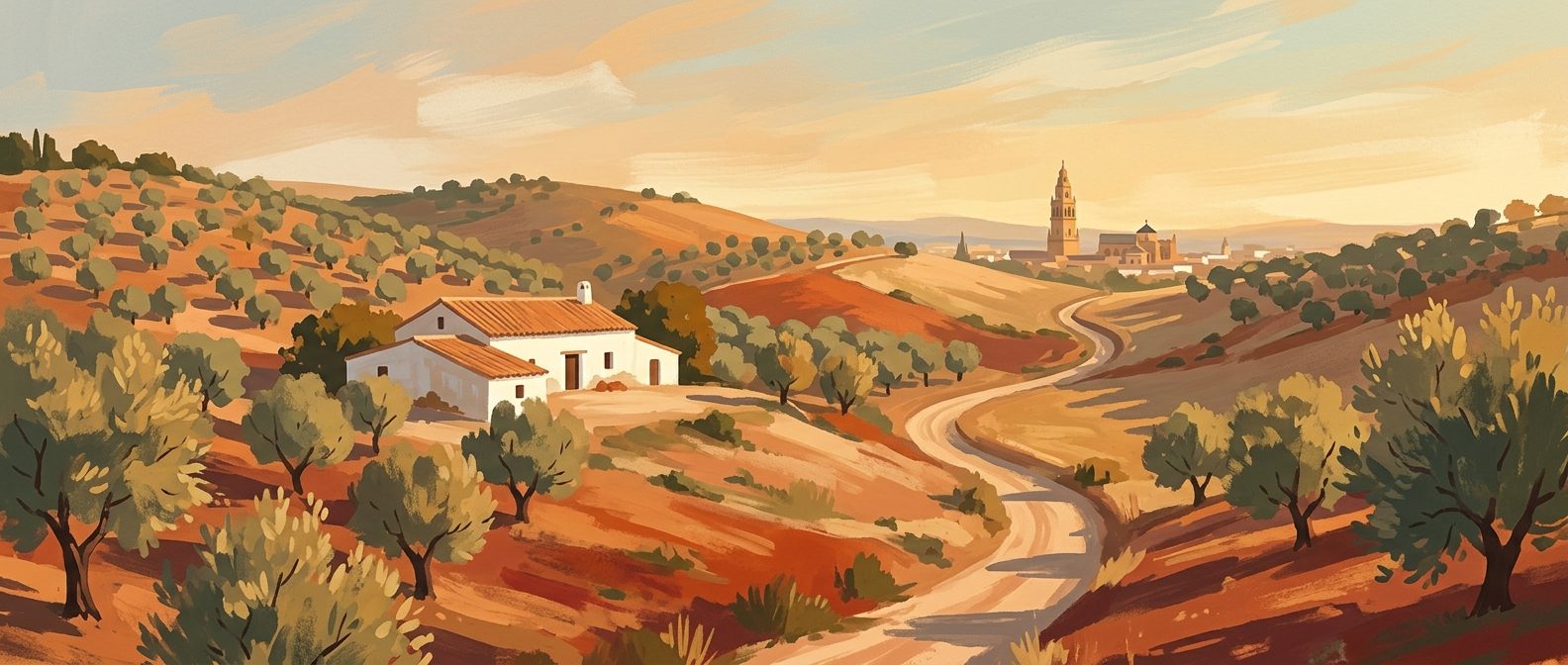
Córdoba in September: A Guide to the Late Summer Transition
September in Córdoba is a month of transition where the fierce summer heat begins to wane and the city's local life returns to the squares and courtyards.
7 min read
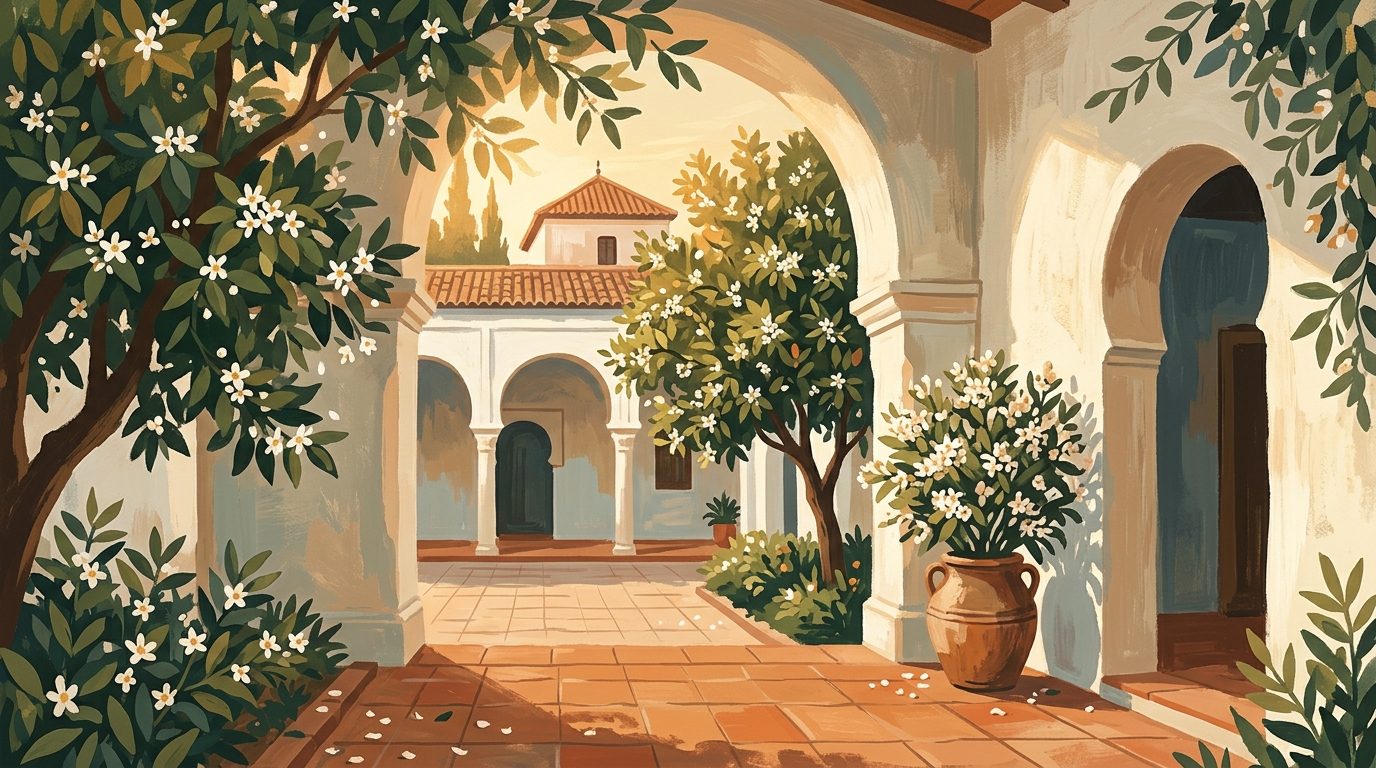
Córdoba in April: Orange Blossom and Spring Anticipation
April in Córdoba marks the transition from the damp winter to the floral intensity of spring, characterised by the scent of orange blossom and the solemnity of Holy Week.
6 min read
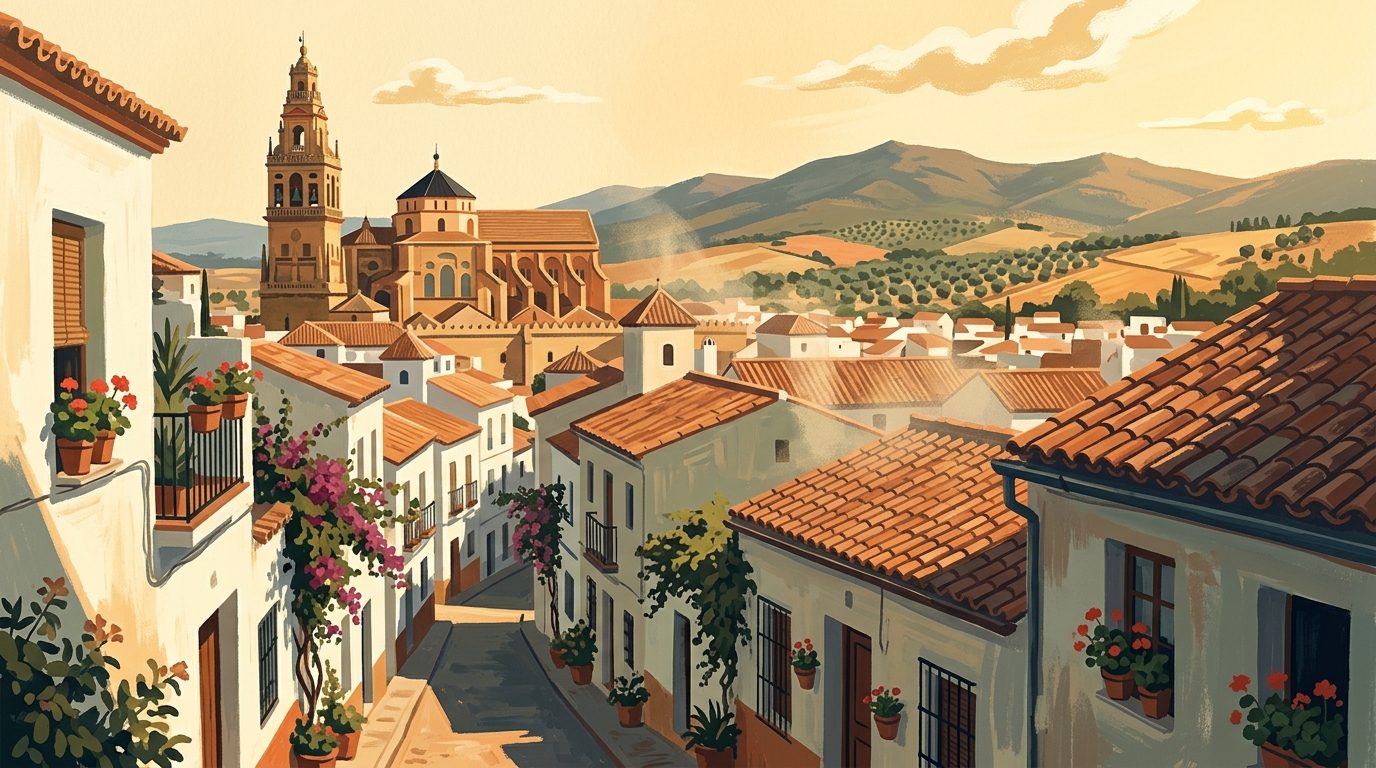
Córdoba in July: Surviving and Thriving in the Spanish Oven
July in Córdoba is a month of sensory extremes, where the white-hot intensity of the Spanish afternoon gives way to extraordinary nocturnal energy.
6 min read
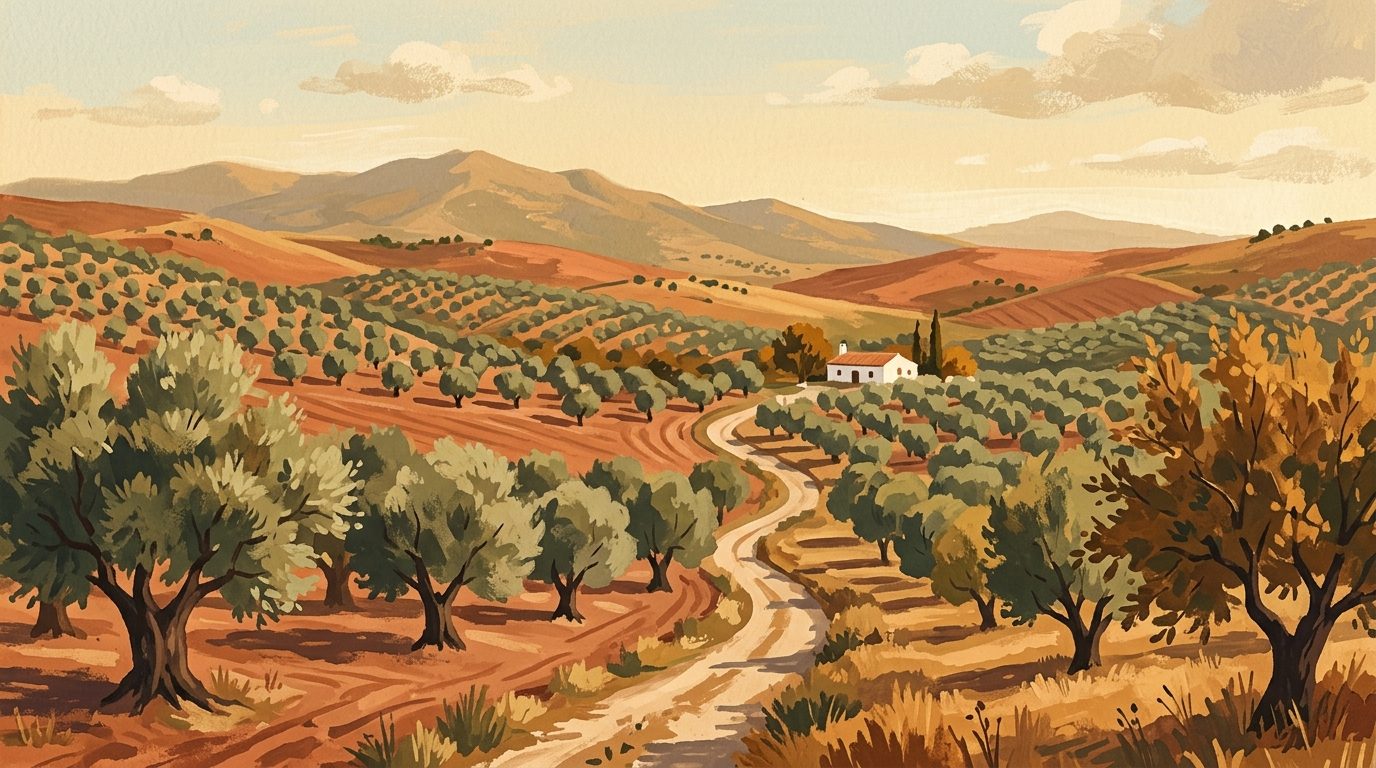
Córdoba in November: Olive Groves and Autumn Stillness
November in Córdoba is defined by the heavy scent of crushed olives and the golden light of the Subbética mountains. As the summer heat fades, the province settles into a quiet, productive rhythm.
6 min read
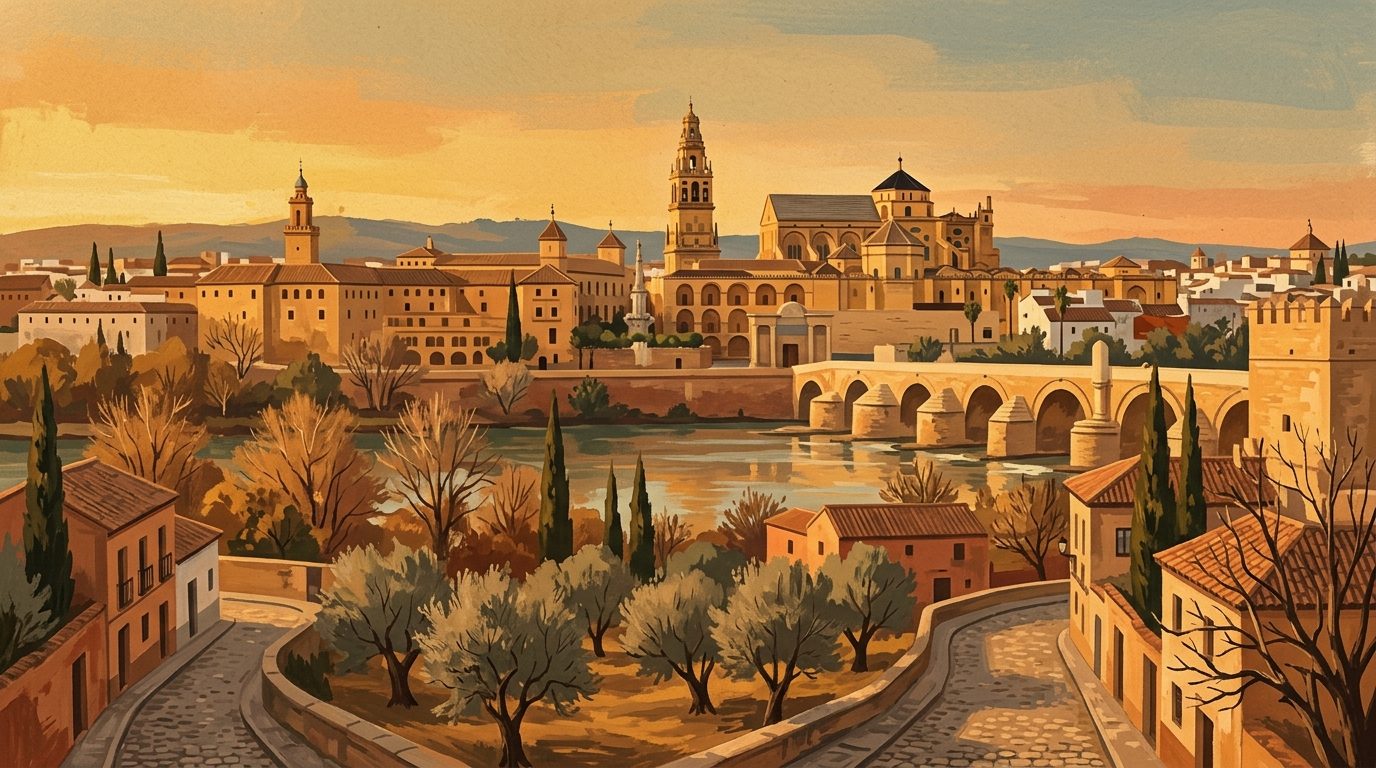
Córdoba in December: A Guide to Winter in the Caliphate City
Experience the crisp air and festive traditions of Córdoba in December, from the orange-heavy gardens of the Alcázar to the chocolate nativity scenes of Rute.
6 min read
Córdoba in August: Navigating the Frying Pan of Europe
Experience the intense beauty of Córdoba in August, where the city embraces a nocturnal rhythm to escape the 44°C heat. From dawn visits to the Mezquita to starlit nights at Medina Azahara, discover how to master the Andalucían summer.
6 min read
Córdoba in February: Almond Blossom and Baroque Silence
Experience Córdoba in February, a month of crisp air, white almond blossoms, and the quietest streets of the year.
7 min read
Córdoba in October: A Guide to the Golden Season
October marks the definitive end of the crushing heat in the Guadalquivir valley, replaced by golden light and the first scent of woodsmoke in the mountain villages.
6 min read
A Guide to Visiting Córdoba in March
Experience the intoxicating scent of orange blossom and the first flush of spring wildflowers in the Subbética mountains as Córdoba awakens from winter.
6 min read
Newsletter
More stories from Andalucía
Weekly notes, seasonal picks, and the next guides worth bookmarking.