
Place guide · Huelva
A Guide to Playa de La Antilla: The Traditional Atlantic Escape of Lepe
Playa de La Antilla offers a vast expanse of fine golden sand and a family-friendly atmosphere on the Huelva coastline. It remains a firm favourite for those seeking traditional Andalucían summer vibes.
By Dan · Updated 29 June 2026 · 6 min read
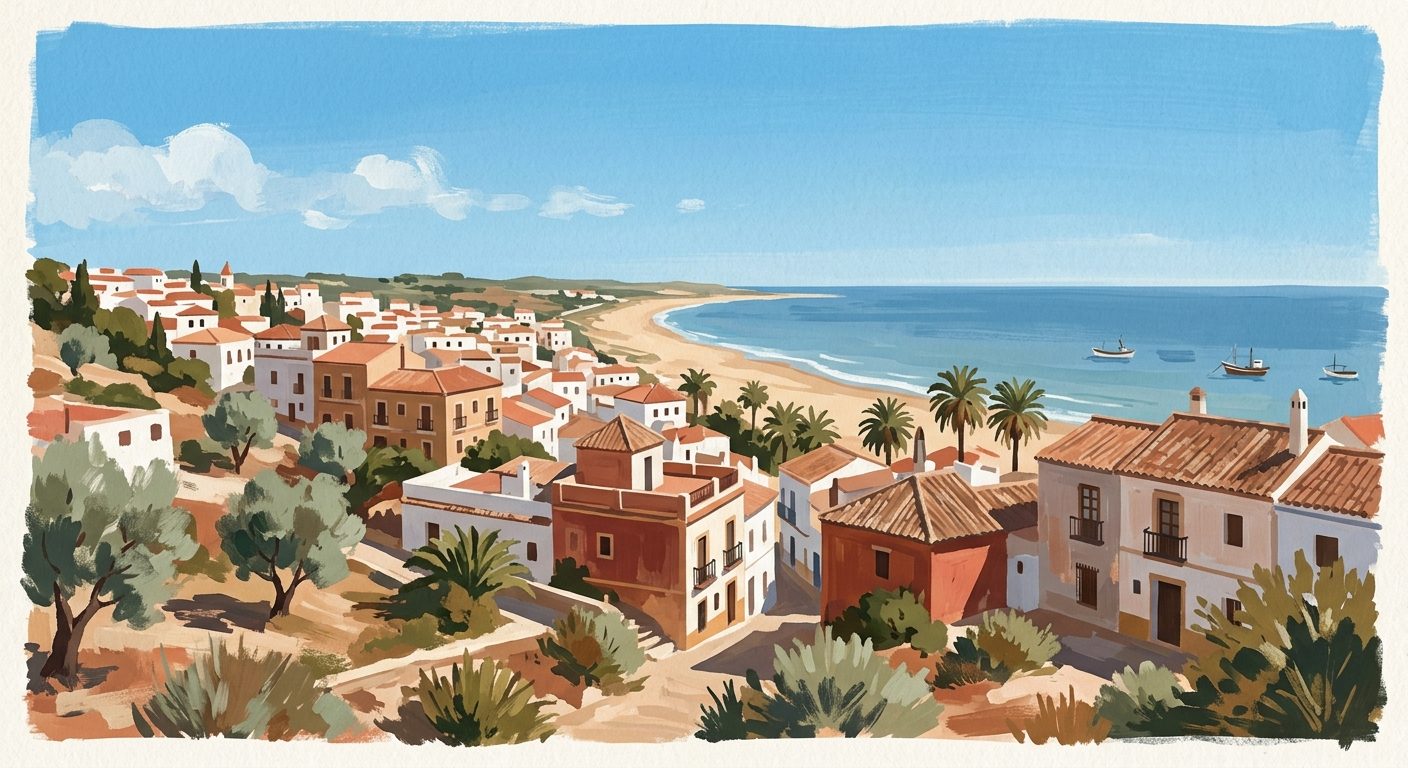
Playa de La Antilla offers a vast expanse of fine golden sand and a family-friendly atmosphere on the Huelva coastline. It remains a firm favourite for those seeking traditional Andalucían summer vibes without the high-rise intensity found in other coastal regions.
Playa de La Antilla is a coastal landmark that defines the summer experience for generations of Spanish families. Located in the province of Huelva, just a short drive from the town of Lepe, this beach serves as a gateway to the wilder Atlantic shore. Unlike the rocky coves of the eastern Mediterranean, this stretch of the Costa de la Luz is defined by its sheer scale. It is a place of horizontal lines where the sky meets a seemingly endless horizon of blue and gold. The character of the beach is deeply rooted in local tradition, maintaining a sense of place that many international resorts have long since lost.
What makes La Antilla distinctive is its balance between accessibility and space. While it transitions seamlessly into the more modern, resort-style development of Islantilla to the west, the heart of La Antilla remains a collection of low-rise apartments and traditional fisherman cottages. The atmosphere here is unpretentious and relaxed. You will not find many international chain hotels or English-themed pubs. Instead, you will find families carrying colourful umbrellas, groups of friends sharing plates of local white prawns, and a shore that provides enough room for everyone even during the peak of the Andalucían summer.
The beach itself
The beach extends for approximately 3.5 kilometres, though it is part of a much larger continuous sandy system. The sand quality is exceptional, featuring a fine, powdery texture and a pale golden hue that feels soft underfoot. Because it faces the Atlantic Ocean, the water clarity is generally high, though the sea can stir up sediment when the winds are strong. The water temperature is noticeably cooler than the Mediterranean, providing a sharp but welcome relief during the heat of July and August.
La Antilla has been awarded the Blue Flag for 2026, maintaining its reputation for cleanliness and water quality. It is a wide beach, often exceeding 80 metres from the promenade to the shoreline, which means you rarely feel hemmed in by your neighbours. The gradient into the water is very gentle, making it an ideal choice for families with young children. Waves are usually moderate, though on windy days they can provide some fun for bodyboarders. There is no official naturist section on Playa de La Antilla itself, those seeking a clothes-optional experience should head further east to the wilder dunes of Playa de Nueva Umbría, which is a short boat trip or a long walk away.
Getting there & parking
Reaching Playa de La Antilla is straightforward by car. If you are travelling from Sevilla, take the A-49 motorway towards Portugal and exit at Lepe (Exit 113). From the town of Lepe, follow the signs for La Antilla for approximately 5 kilometres. The drive from Sevilla airport takes about an hour and fifteen minutes, while Faro airport in Portugal is roughly an hour away in the opposite direction. For those relying on public transport, there are regular bus services operated by Damas from Lepe town centre and Huelva city, though these can be infrequent on Sundays.
Parking is the primary challenge during the peak months of July and August. The central areas near Avenida de Castilla are almost impossible to park in after 11:00 am. If you arrive late, your best bet is to look for spaces in the newer residential streets towards the eastern end of the beach or head towards the large open-air parking lots near the Islantilla border. In the low season, from October to April, parking is abundant and free in almost every street adjacent to the promenade. Be aware that many streets are one-way, which can lead to frustrating loops if you miss a turn.
Facilities & chiringuitos
The facilities at La Antilla are excellent, designed to cater to the large influx of summer visitors. The beach is lined with a comfortable promenade that features numerous ramps and wooden walkways for easy access to the sand. Showers and foot-washes are situated at regular intervals. During the summer season, which typically runs from mid-June to mid-September, a comprehensive lifeguard service is in operation with several watchtowers distributed along the shore (check the Lepe Town Hall website for seasonal updates).
The culinary scene is a highlight of any visit. Chiringuitos (beach bars) here specialise in the incredible seafood of the Huelva coast. Chiringuito Camaleón is a popular choice for its fresh fish and relaxed vibe, while El Mirador offers great views and excellent rice dishes. For a more traditional experience, seek out the smaller establishments in the Barrio de Pescadores (Fisherman’s Quarter), where the fried fish (pescaíto frito) and local coquinas (small clams) are prepared with simple perfection. Sun-beds and umbrellas are available for hire in several designated zones, though many locals prefer to bring their own equipment.
Best time to visit
The ideal time to visit Playa de La Antilla is during the shoulder seasons of June and September. During these months, the weather is reliably warm and sunny, but the intense crowds of the August school holidays have either not yet arrived or have already departed. The water is at its warmest in September, making it the most pleasant time for swimming. May is also a beautiful month, as the surrounding coastal flora is in bloom, though the Atlantic water may still feel a bit brisk for some.
Avoid the month of August if you dislike crowded spaces or struggle with finding parking. During this time, the population of the area swells significantly, and restaurants require advance bookings. Conversely, winter can be a peaceful time for long walks, but be prepared for strong Atlantic winds. Many of the seasonal chiringuitos and shops close from November until the weeks leading up to Easter, giving the town a quiet, sleepy feel that has its own particular charm for those seeking solitude.
Combine with
A visit to La Antilla can easily be paired with a trip to the Port of El Terrón. Located just a few kilometres to the east, this small port sits on the mouth of the Piedras River. It is a fantastic spot to watch the fishing boats come in and to enjoy seafood at even more competitive prices than in the main resort. The atmosphere there is rugged and authentic, providing a contrast to the sandy expanses of the main beach.
Alternatively, you can walk or cycle westward along the shore to Islantilla. This area offers a more modern shopping centre and a different style of landscaped promenade. If you are interested in nature, the Marismas del Río Piedras y Flecha de Nueva Umbría is a protected natural park nearby. It is home to a unique sand spit that grows every year, and it provides a sanctuary for birdlife and the elusive Mediterranean chameleon. Accessing the Flecha (the spit) requires a small ferry ride from El Terrón or El Rompido, but it is well worth the effort for the sense of isolation it provides.
Practical notes
When packing for La Antilla, remember that the Atlantic breeze can be deceptive. The wind often masks the true heat of the sun, so high-factor sunscreen is essential even if it feels cool. A windbreak is a common sight on this beach and can be a very practical investment if you plan to stay all day. In terms of accessibility, the beach is well-equipped with adapted toilets and amphibious chairs for those with limited mobility, primarily located at the main central access points.
Pet owners should note that dogs are strictly prohibited on the beach during the high season, with the restriction usually in place from June to September. During the winter, rules are more relaxed, but it is always best to check local signage at the entrance ramps. Safety is generally high, but always pay attention to the flag system. A red flag here means business, as Atlantic currents can be powerful and unpredictable. Finally, take a moment to explore the local shops in the town for Huelva's famous strawberries and citrus fruits, which are among the best in Andalucía.
Last reviewed: 21 June 2026 · Editorial policy
Related guides
Torremolinos: The Original Spirit of the Costa del Sol
Explore Torremolinos, the pioneer of Andalucían tourism, where traditional fishing heritage meets a lively modern shoreline and inclusive nightlife.
5 min read
Playa de la Fontanilla: Marbella's Premier Urban Beach
Playa de la Fontanilla is the quintessential Marbella town beach, offering refined amenities and a prime location right on the Paseo Marítimo. This central stretch of coastline provides a sophisticated urban beach experience with excellent dining and accessible facilities.
6 min read
A Local Guide to Playa de La Malagueta in Málaga
Playa de La Malagueta is the iconic urban beach of Málaga, known for its dark sand, sardine skewers, and immediate proximity to the city centre.
7 min read
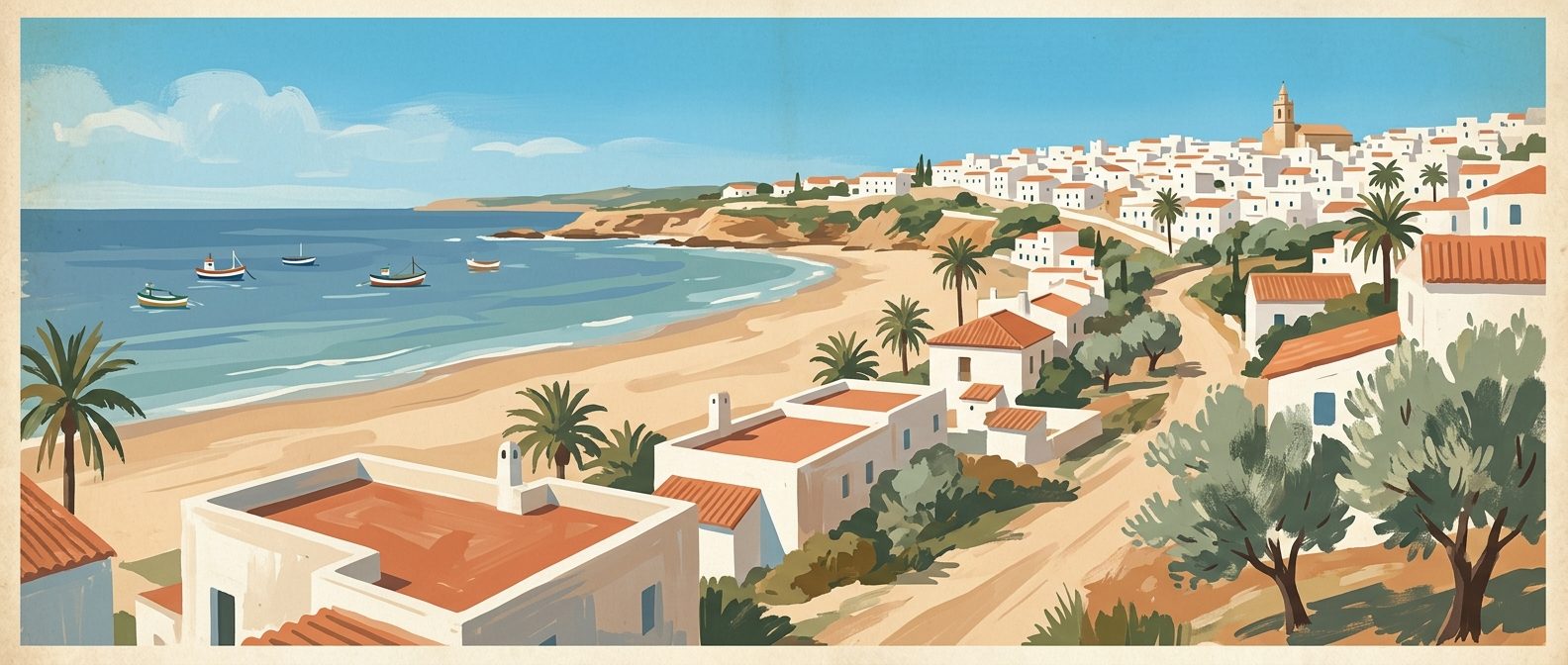
A Local Guide to Playa de la Fontanilla in Conil de la Frontera
Playa de la Fontanilla is a wide, golden expanse of Atlantic coastline in Conil de la Frontera, famous for its shallow waters and exceptional seafood restaurants.
7 min read
The Complete Guide to the Costa del Sol
Spanning 150 kilometres of Mediterranean shoreline, the Costa del Sol is the most developed coastal strip in Spain. Discover where to find quiet coves, excellent seafood and the right resort for your style of travel.
9 min read
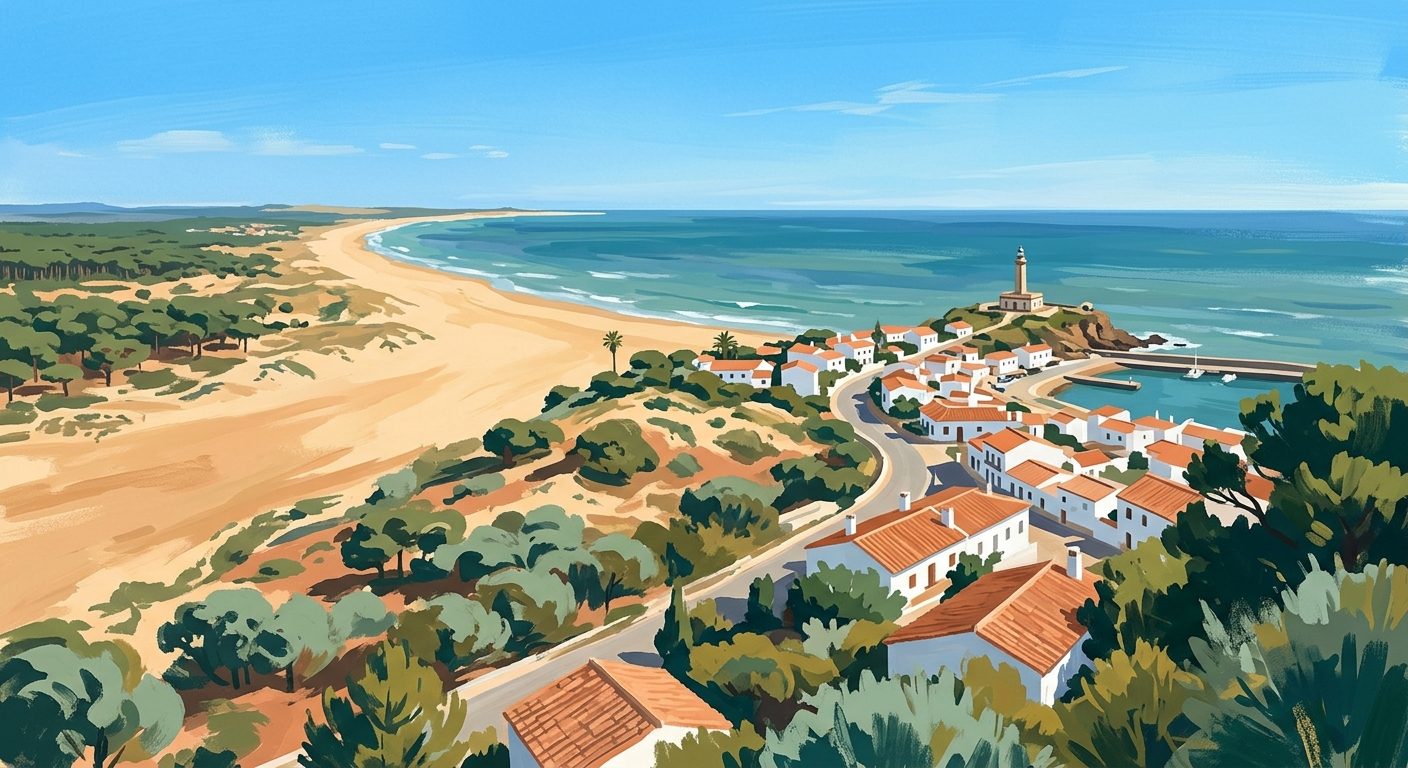
A Complete Guide to Playa de Mazagón: Huelva’s Atlantic Wilderness
Playa de Mazagón is a sprawling Atlantic beach in Huelva, known for its soft golden sand and dramatic sandstone cliffs. Discover everything from the best seafood chiringuitos to the essential safety tips for navigating the tides.
7 min read
More from Huelva
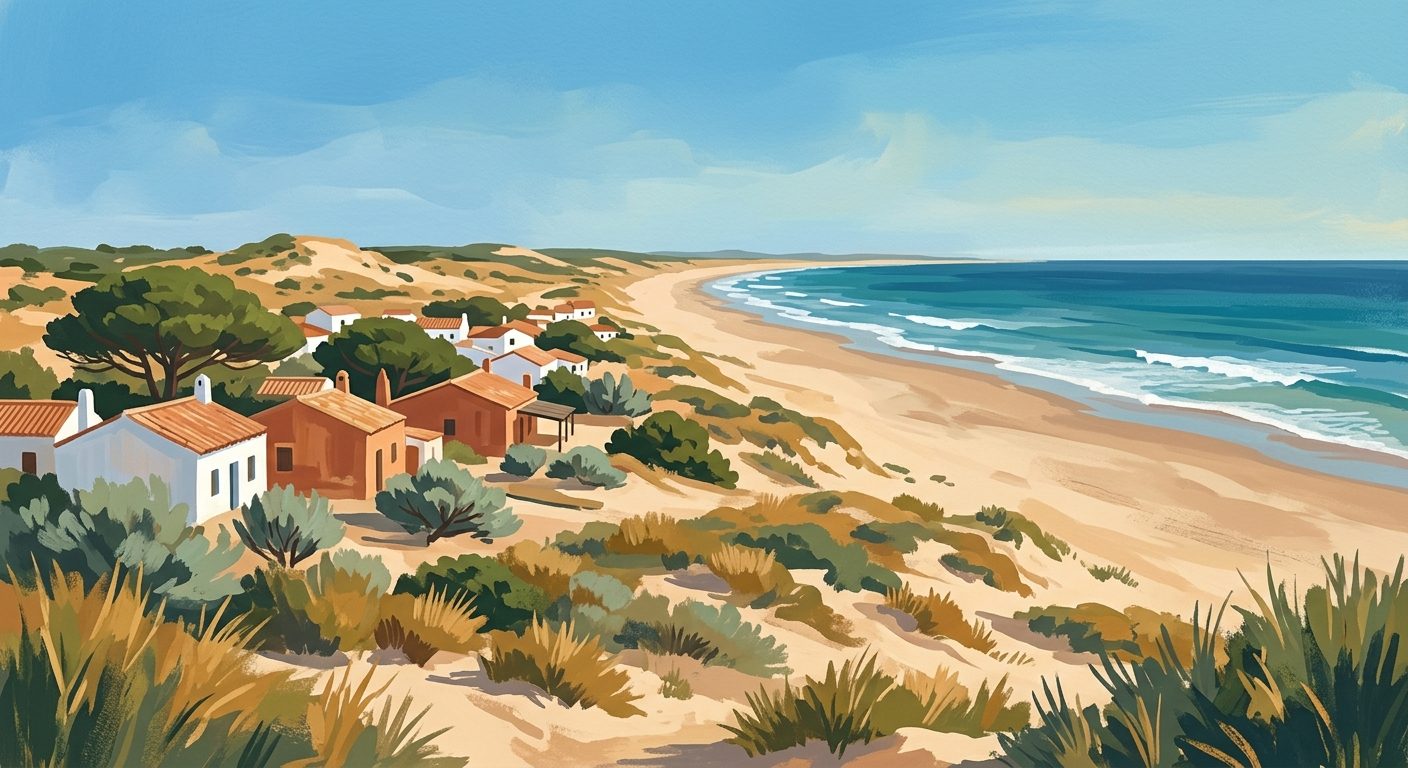
Playa de Castilla: The Wild Frontier of the Doñana Coastline
Playa de Castilla is a vast, 20-kilometre stretch of wild Atlantic coastline bordered by the spectacular orange cliffs of the Doñana National Park.
7 min read
Playa de Isla Canela Beach Guide: Huelva Coastline
Playa de Isla Canela is a vast stretch of fine sand where the Guadiana River meets the Atlantic, famous for its shallow lagoons and family-friendly atmosphere.
7 min read
Matalascañas: The Coastal Gateway to Doñana National Park
A unique coastal resort where urban convenience meets the wild, untouched dunes of Doñana National Park. Discover kilometres of golden sand and the iconic ruins of a 16th-century watchtower.
6 min read
A Guide to Punta Umbría: Huelva's Favourite Atlantic Escape
Discover Punta Umbría, a pine-backed peninsula on the Costa de Huelva famous for its wild Atlantic beaches, British industrial heritage, and exceptional local seafood.
5 min read
Ayamonte: The River Town Where Spain Meets Portugal
Discover Ayamonte, a captivating border town in Huelva. Explore its whitewashed old quarter, take the ferry to Portugal, and enjoy the vast beaches of Isla Canela.
6 min read
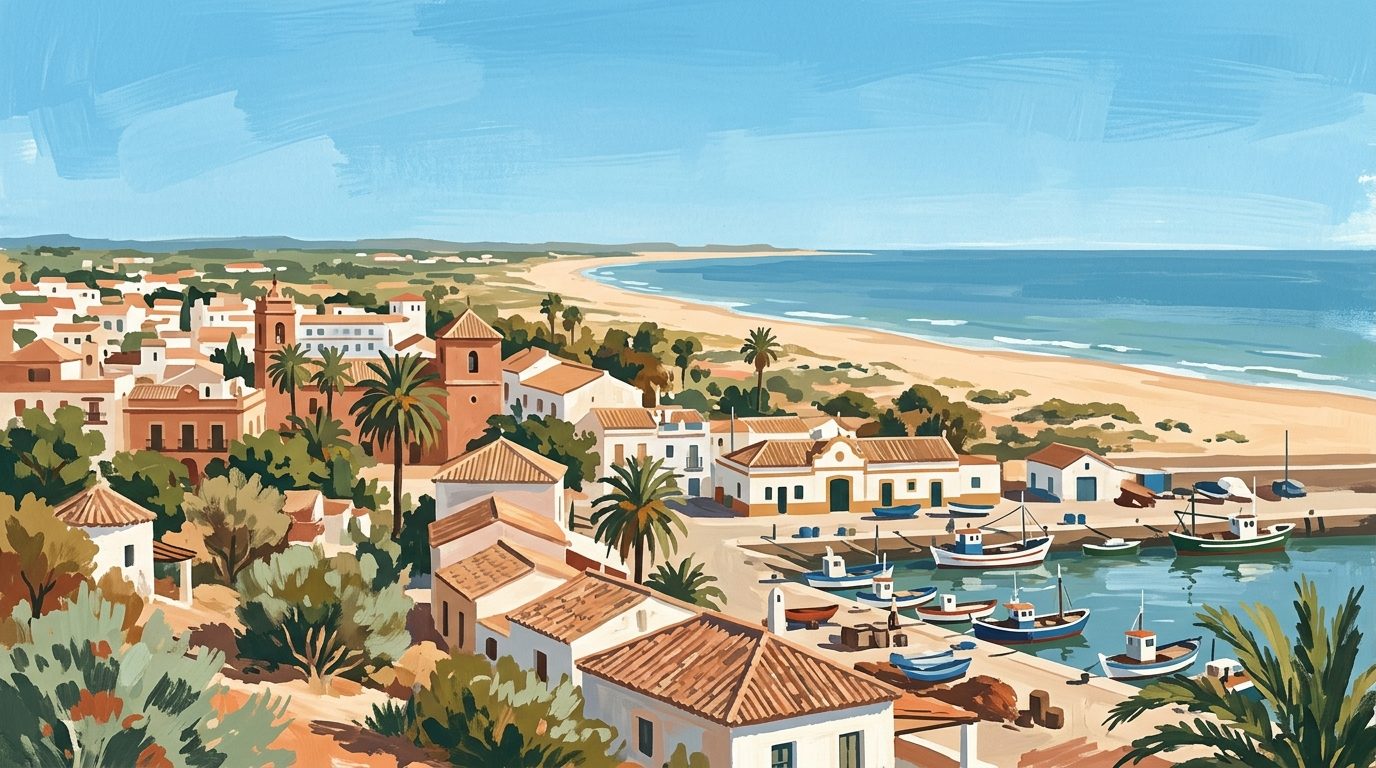
Isla Cristina: The Maritime Heart of the Costa de Huelva
Discover Isla Cristina, Huelva's premier fishing port, where you can explore vast Atlantic beaches, traditional salt pans, and some of Spain's freshest seafood.
6 min read
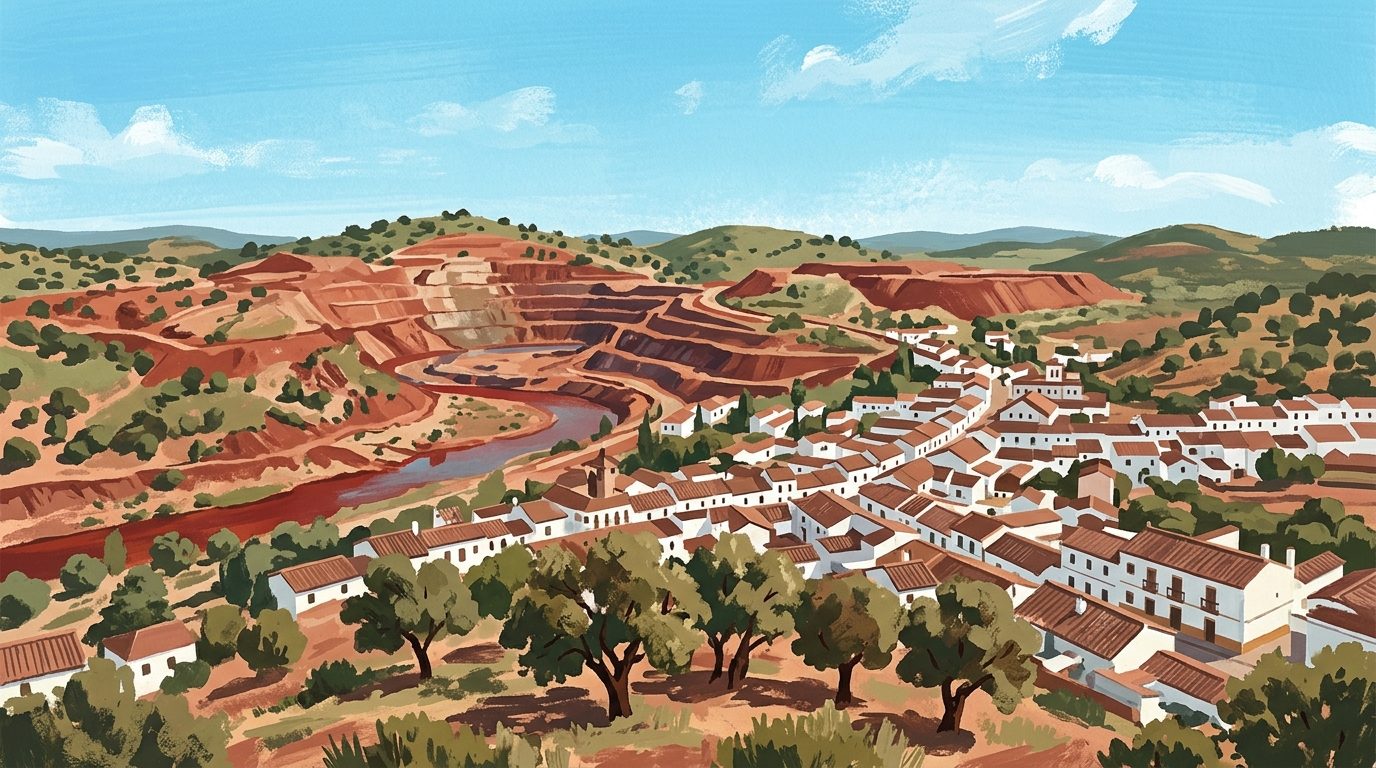
Mars on Earth: A Guide to Minas de Riotinto and Nerva
Discover the otherworldly red landscapes of the Rio Tinto mines in Huelva, where you can explore Victorian British colonies and ride a 19th-century mining train.
5 min read
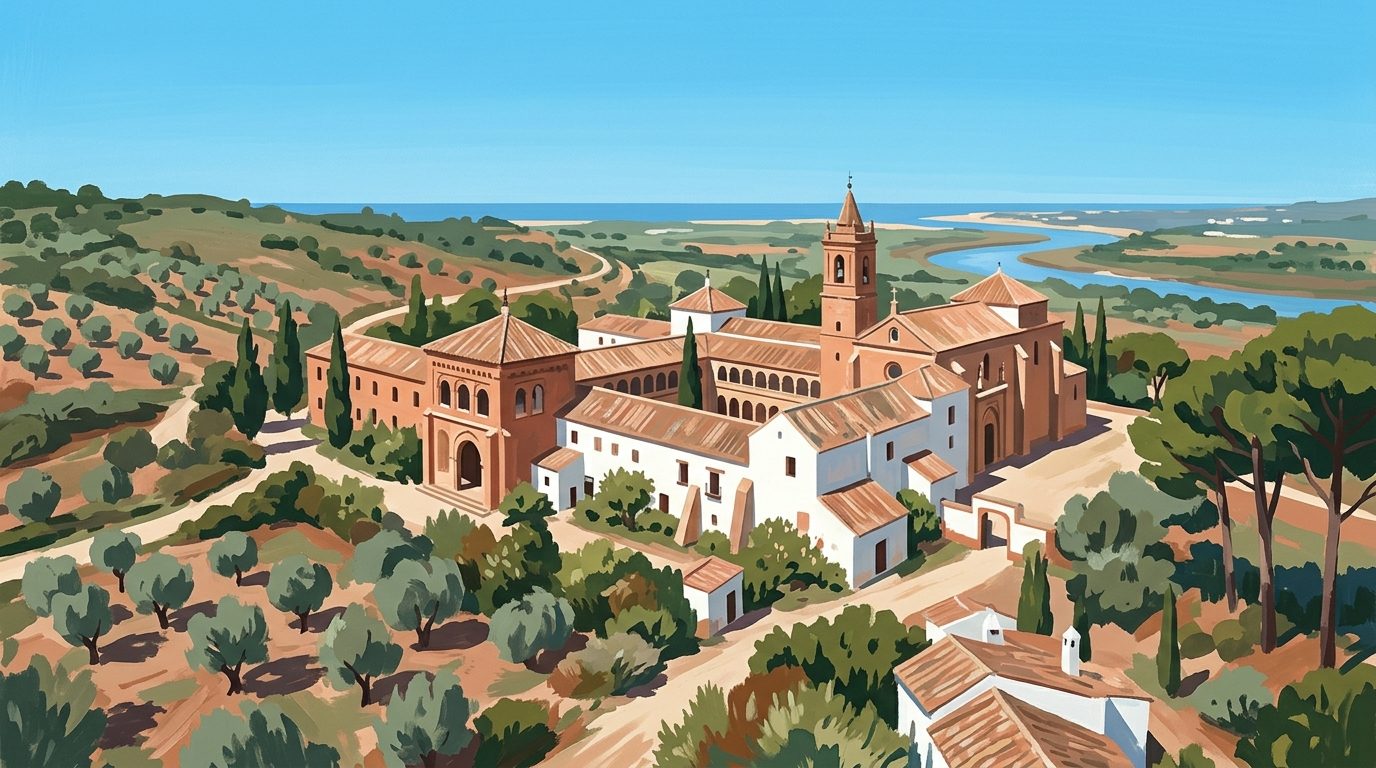
A Guide to La Rábida Monastery: The Franciscan Cradle of Discovery
Discover the Franciscan friary where Christopher Columbus planned his first voyage and explore the beautiful Mudéjar architecture overlooking the Tinto river.
6 min read
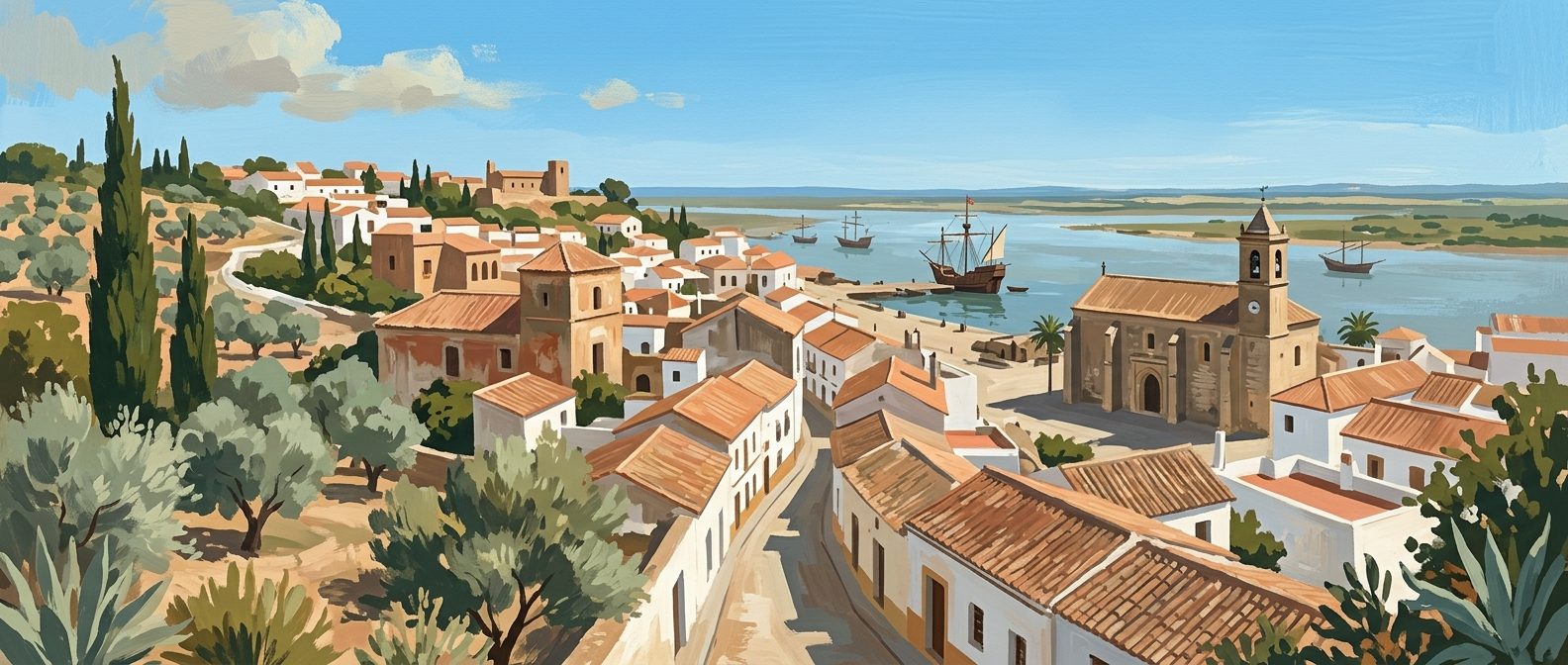
A Guide to Palos de la Frontera: The Port of Discovery
Discover the maritime history of Palos de la Frontera, the port where Columbus's voyage began, and explore the famous Wharf of the Caravels.
6 min read
Newsletter
More stories from Andalucía
Weekly notes, seasonal picks, and the next guides worth bookmarking.