
Place guide · Cádiz
Playa de Costa Ballena: A Guide to the Rota Coastline
Discover Playa de Costa Ballena, a meticulously planned coastal retreat in Cádiz offering four kilometres of golden sand and clear Atlantic waters. This guide explores the best chiringuitos, parking tips, and why this beach is a favourite for families seeking space and quality.
By Dan · Updated 24 July 2026 · 7 min read
This article contains affiliate links. If you book through them, we may earn a small commission at no extra cost to you.
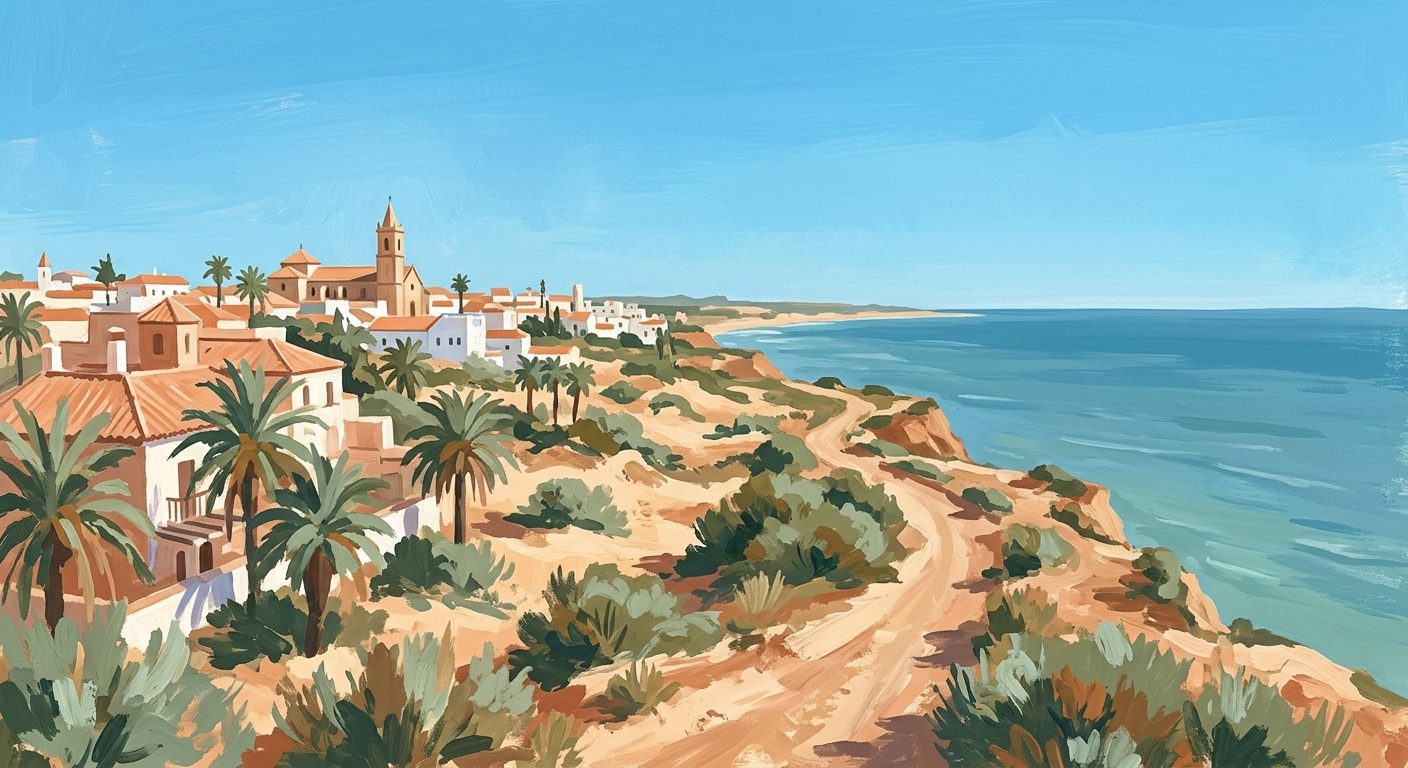
This expanse of the Costa de la Luz provides a refined escape where manicured gardens meet the raw beauty of the Atlantic. It serves as a prime example of how modern tourism can respect the natural coastline through thoughtful planning and low-density architecture.
Introduction
Playa de Costa Ballena is a distinctive destination that stands apart from the typical high-density developments found elsewhere in Southern Spain. Located between the historic towns of Rota and Chipiona in the province of Cádiz, this purpose-built resort was designed with a philosophy of space, greenery, and harmony with the Atlantic environment. The name, which translates to Whale Coast, stems from a local legend suggesting that whales once chose this specific shoreline as their final resting place, a reminder of the peace and natural magnetism of the area. Unlike the chaotic urban sprawl seen in some Mediterranean corridors, Costa Ballena is defined by wide avenues, extensive parklands, and a lack of towering apartment blocks. This makes the beach experience here feel expansive and unhurried.
As a frequent traveller across the Andalucían coast, I find that Costa Ballena offers a specific type of polished comfort. It is a place where the lawns are perfectly mowed, the cycling paths are clearly marked, and the transition from the resort to the sand is managed via long wooden walkways that protect the fragile dune systems. It attracts a discerning crowd, primarily Spanish families from Madrid and Sevilla, alongside Northern Europeans who appreciate the cooler Atlantic breeze and the lack of neon-lit nightlife. The atmosphere is quiet, orderly, and focused entirely on the quality of the sand and the rhythm of the tides.
The beach itself
The beach stretches for approximately four kilometres, offering a vast playground of fine, pale gold sand that feels soft underfoot. The quality of the sand is consistent throughout, though the width of the beach changes dramatically with the tides. During low tide, the receding water reveals a massive expanse of damp, firm sand perfect for long walks or games of football. At high tide, the Atlantic can push right up to the base of the dunes, making the usable space much narrower. The water clarity is generally excellent, often reflecting a deep blue or turquoise hue on calm days. However, because this is the Atlantic coast, the water temperature remains several degrees lower than the Mediterranean, providing a bracing and refreshing swim even in the height of July.
Playa de Costa Ballena consistently earns the Blue Flag award for its cleanliness and environmental management. The entry into the water is gradual, with a shallow shelf that makes it particularly safe for young children to paddle without fear of sudden drops. While there is no official naturist section on this specific beach, the far northern end towards Chipiona becomes significantly quieter and more rugged, where some discreet sunbathing occurs. For families, the beach is near perfect, featuring dedicated play areas on the sand and plenty of space to spread out even when the resort is at high occupancy. The waves are usually moderate, providing enough action for bodyboarding without the dangerous undertows found further south towards Tarifa.
Getting there & parking
Accessing Costa Ballena is straightforward, though it is best reached by car. The resort is situated off the A-491 highway, which connects Rota to Chipiona. From Jerez Airport, the drive takes approximately thirty minutes, making it one of the most accessible coastal spots for international visitors flying into the province. If you are coming from the city of Cádiz, the drive is about forty-five minutes across the impressive Constitución de 1812 Bridge. For those relying on public transport, there are regular bus services from Rota and Sanlúcar de Barrameda, though these can be infrequent during the low season.
Parking is one of the more manageable aspects of Costa Ballena compared to the cramped historic centres of nearby towns. The resort was designed with wide streets and numerous public parking lots. During the shoulder seasons of May, June, and September, you can easily find a spot within a two-minute walk of the beach access ramps. In the peak of August, the situation becomes more competitive as day-trippers arrive from across the province. My advice is to head for the parking areas near the Parque de los Pinos or the lots at the southern end of the resort near the Hotel Barceló. Most of the parking is free, which is a significant advantage for those planning a full day at the seaside.
Facilities & chiringuitos
The facilities at Costa Ballena are well-maintained and distributed evenly along the four-kilometre stretch. Wooden walkways provide easy access for prams and those with limited mobility. There are regular stations for showers and foot-washes, and during the summer season, which typically runs from mid-June to mid-September, lifeguard towers are manned at several points along the beach. Public toilets are available, though they are usually located near the main access points or within the chiringuitos themselves.
The dining scene on the sand is dominated by several high-quality chiringuitos. Chiringuito Sol y Luna is a local favourite, known for its fresh grilled fish and relaxed atmosphere. For a slightly more upscale experience, the Beach Club La Ballena offers comfortable sun-bed hire and a menu that leans towards contemporary Andalucían cuisine. If you prefer something more casual, Chiringuito El Arrecife provides the classic beach bar experience with cold beers and plates of fried puntillitas (small squid). Most of these establishments operate seasonally, so if you visit in the winter months, you will find them closed, though the permanent cafes within the resort town remain open year-round. Sun-bed and umbrella rentals are available in front of the major hotels and chiringuitos, usually costing around twenty euros for a set of two for the day (prices updated for the 2026 season).
Best time to visit
Timing your visit to Costa Ballena is crucial to match your expectations of the Andalucían coast. To experience the beach at its best, I recommend the months of June or September. During these windows, the weather is consistently warm but not oppressive, and the resort lacks the intense crowds of the Spanish holiday season. The water has had time to warm up by September, making it the most comfortable time for swimming. July and August are the busiest months: the beach remains large enough to accommodate everyone, but the restaurants and parking lots reach their limits.
One factor to consider is the Levante wind. While Costa Ballena is slightly more sheltered than the beaches of the Campo de Gibraltar, a strong easterly wind can still blow sand around and make the ocean a bit choppy. Conversely, the Poniente wind from the west brings cooler air and very clear water. In the winter, Costa Ballena becomes a quiet, almost ghost-like retreat. While it is too cold for sunbathing, it is a magnificent time for walking. The Atlantic light in winter is exceptionally sharp and beautiful, and you can often have kilometres of sand entirely to yourself. Avoid visiting during a heavy Atlantic storm, as the wind can be fierce and the beach can temporarily lose some of its sand to the sea.
Combine with
A visit to Playa de Costa Ballena can be easily paired with a trip to the town of Rota. Only a ten-minute drive away, Rota offers a more traditional Spanish experience with its medieval fortress, the Castillo de Luna, and its winding old town streets. The town is famous for its urta a la roteña, a local sea bream dish that is a staple of the bay area. Exploring the naval history of the town and its pleasant plazas provides a nice contrast to the modern resort feel of Costa Ballena.
Alternatively, head five minutes north to Chipiona. This town is home to the tallest lighthouse in Spain, the Faro de Chipiona, which offers incredible views of the Doñana National Park across the Guadalquivir river. Chipiona is also famous for its moscatel wine: visiting a local bodega like Bodegas César Florido is an excellent way to spend an afternoon after a morning on the beach. Combining the modern comforts of Costa Ballena with the heritage and viticulture of Chipiona makes for a very balanced day out on the Costa de la Luz.
Practical notes
When preparing for a day at Costa Ballena, remember that this is an Atlantic beach. The sun is deceptively strong because of the constant sea breeze: high-factor protection is essential. For those with limited mobility, the beach is one of the most accessible in the region. Most access points feature sturdy wooden ramps, and some areas provide amphibious chairs during the peak summer months for those who need assistance entering the water. However, it is always worth checking the specific status of these services at the local tourist office before arrival.
Regarding dogs, the rules are quite strict. During the bathing season, pets are not allowed on the sand. In the low season, from October to May, you will see many locals walking their dogs, but keep in mind that the summer prohibition usually begins on 1 June. Always keep an eye out for updated local signage as regulations can change. Finally, pay attention to the flags. A green flag means safe swimming, but a yellow flag is common here due to the Atlantic currents. While the water looks inviting, the pull can be strong, especially for weaker swimmers. If you see a red flag, stay out of the water entirely: the Atlantic can be unforgiving even on a sunny day.
Last reviewed: 21 June 2026 · Editorial policy
Related guides
A Guide to Playa de Getares in Algeciras
Playa de Getares offers a wide golden shoreline with unique views of the Rock of Gibraltar and the North African coast. This family-friendly beach in Algeciras combines urban facilities with the natural beauty of the Estrecho Natural Park.
7 min read
A Local Guide to Playa de la Fontanilla in Conil de la Frontera
Playa de la Fontanilla is a wide, golden expanse of Atlantic coastline in Conil de la Frontera, famous for its shallow waters and exceptional seafood restaurants.
7 min read
Playa de La Caleta: A Guide to the Historic Heart of Cádiz
Playa de La Caleta is a historic urban bay in Cádiz, famous for its calm waters, ancient fortresses, and the stunning white Balneario spa building.
7 min read
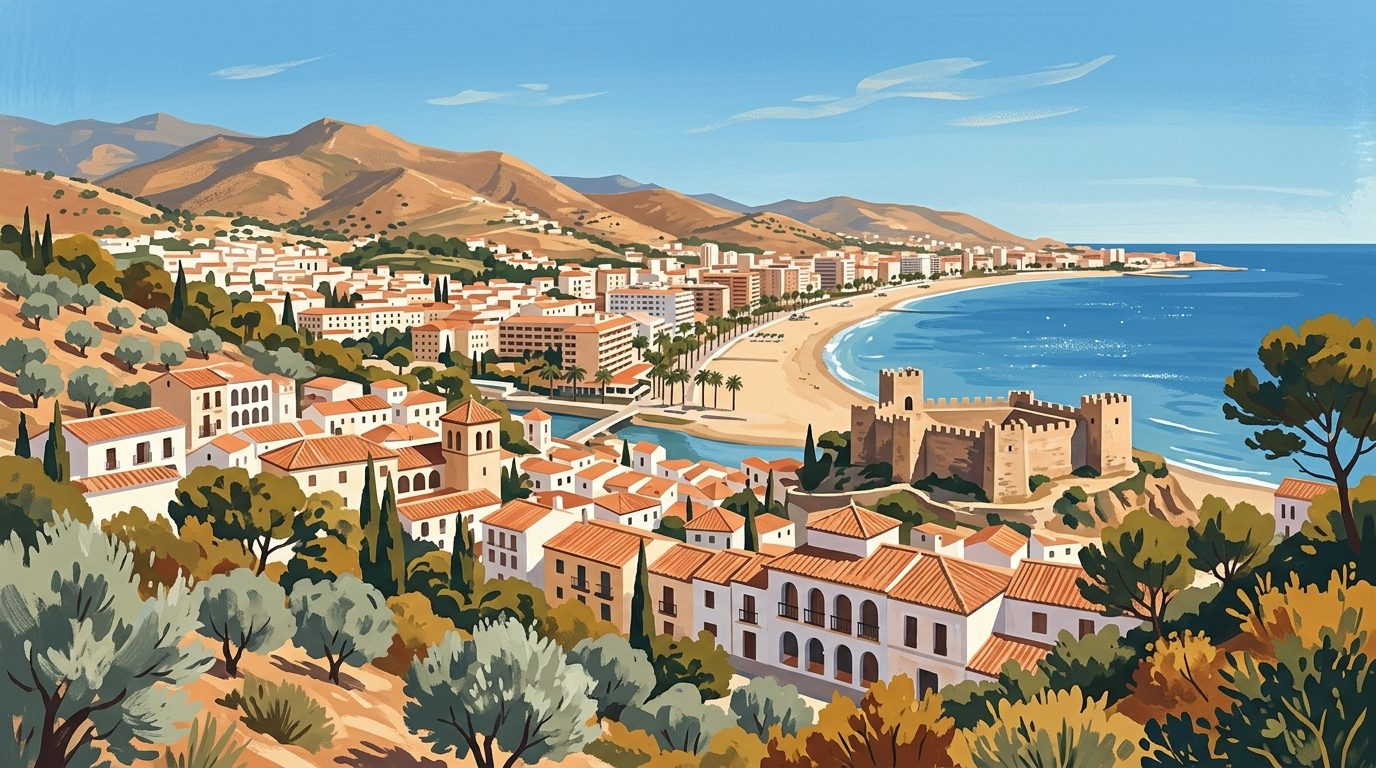
Fuengirola: A Family Favourite on the Costa del Sol
Discover Fuengirola, the family-friendly heart of the Costa del Sol, where Roman ruins and a Moorish castle meet seven kilometres of sandy beaches and a world-class zoo.
6 min read
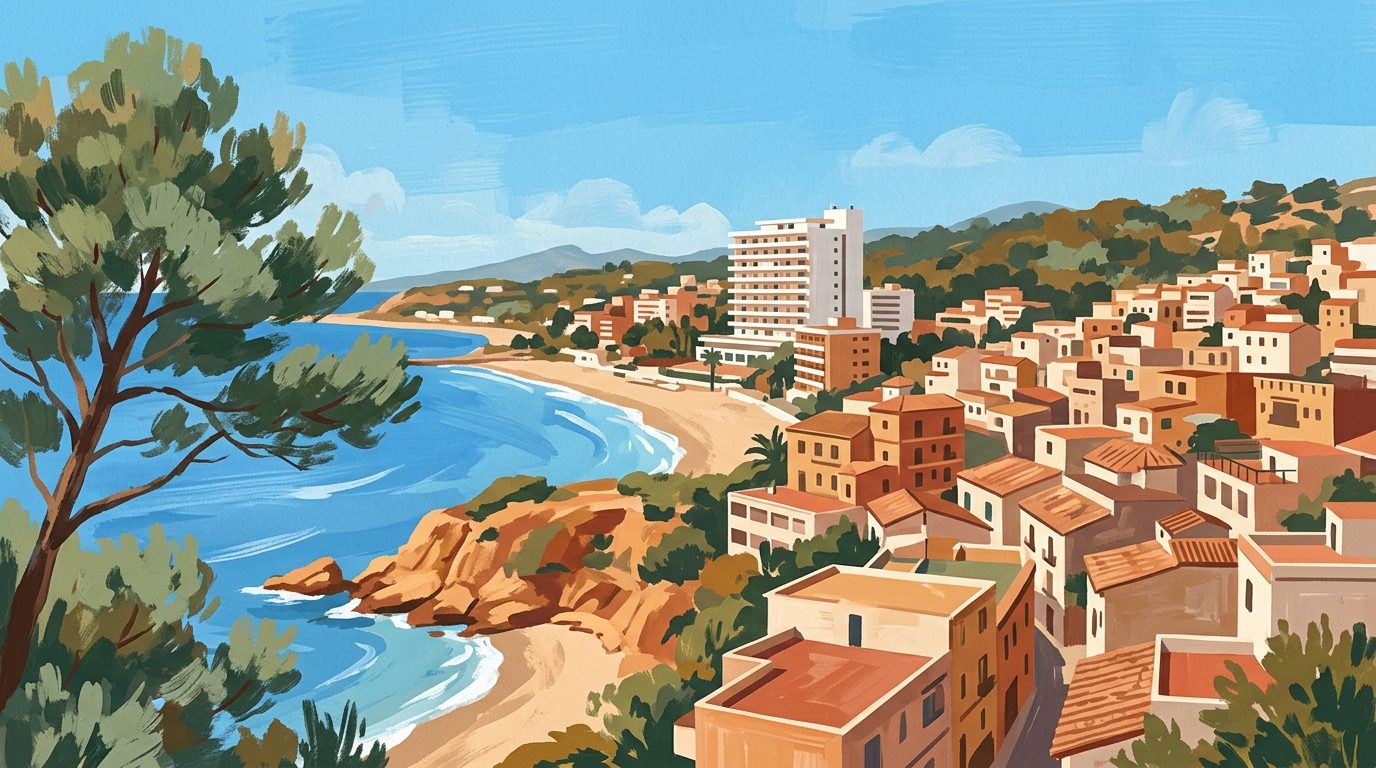
Torremolinos: The Original Spirit of the Costa del Sol
Explore Torremolinos, the pioneer of Andalucían tourism, where traditional fishing heritage meets a lively modern shoreline and inclusive nightlife.
5 min read
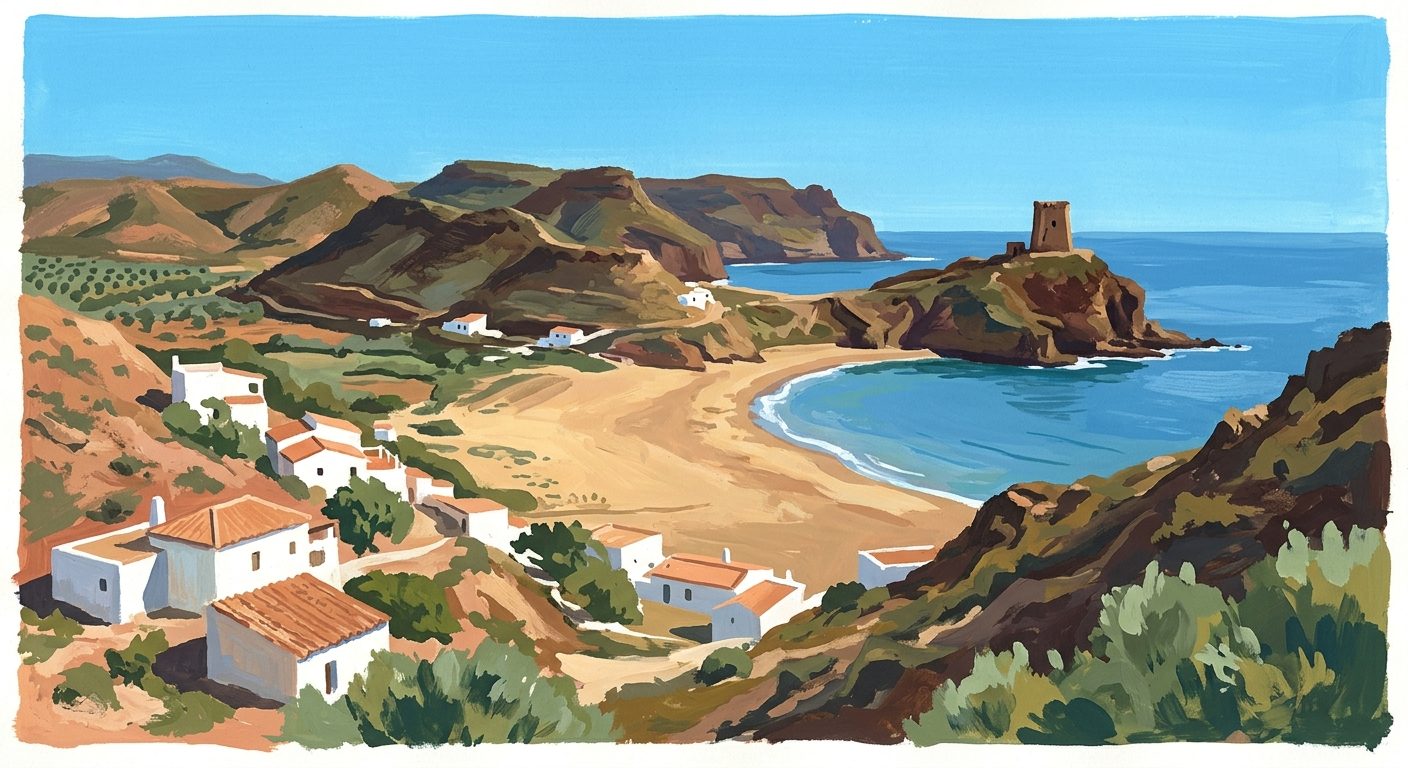
Playa del Playazo: A Guide to Rodalquilar's Golden Coast
A sweeping valley of golden sand flanked by volcanic cliffs and the historic Castillo de San Ramón. This is one of the most accessible yet visually striking beaches in Almería.
7 min read
More from Cádiz
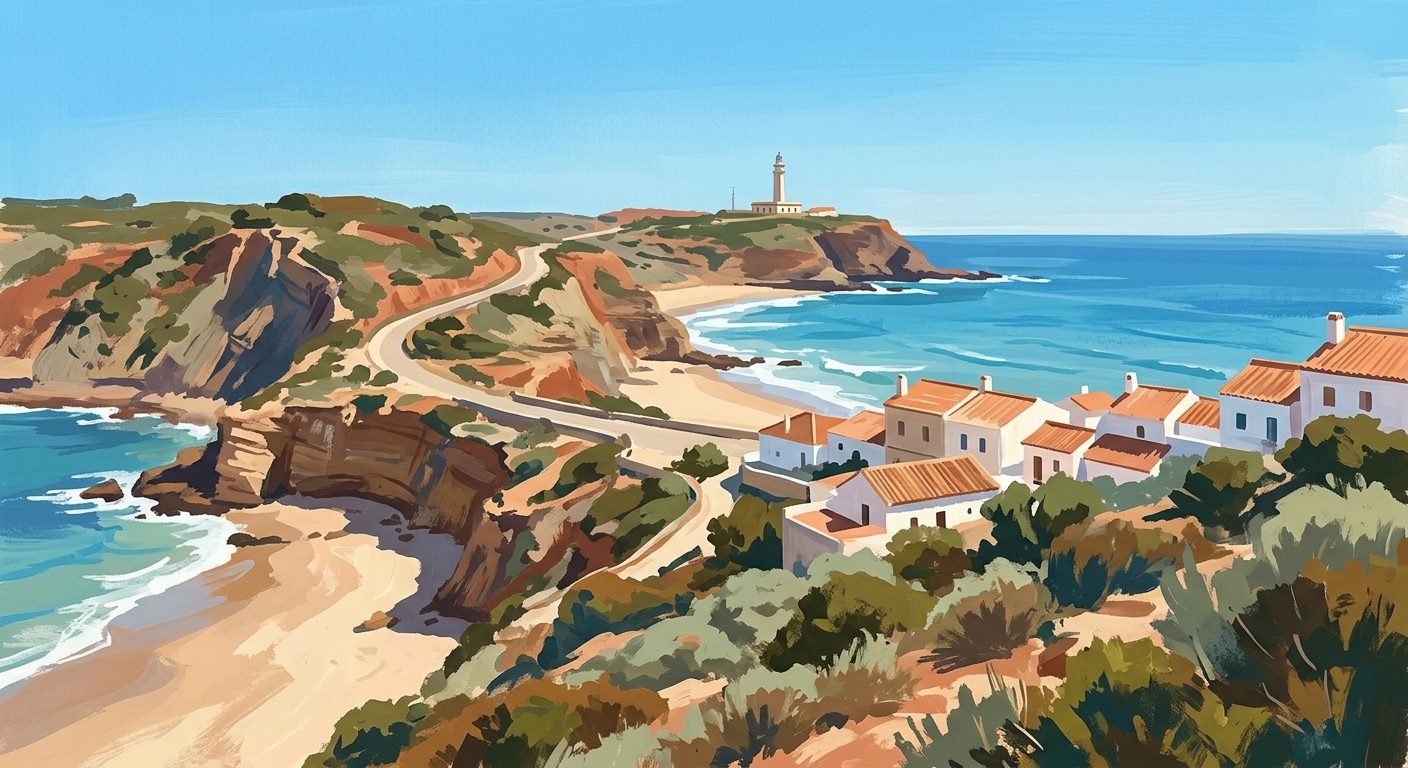
Playa de los Caños de Meca: A Guide to the Cádiz Coastline
Discover the wild Atlantic beauty of Playa de los Caños de Meca, from its freshwater springs to the historic Cape Trafalgar lighthouse.
7 min read
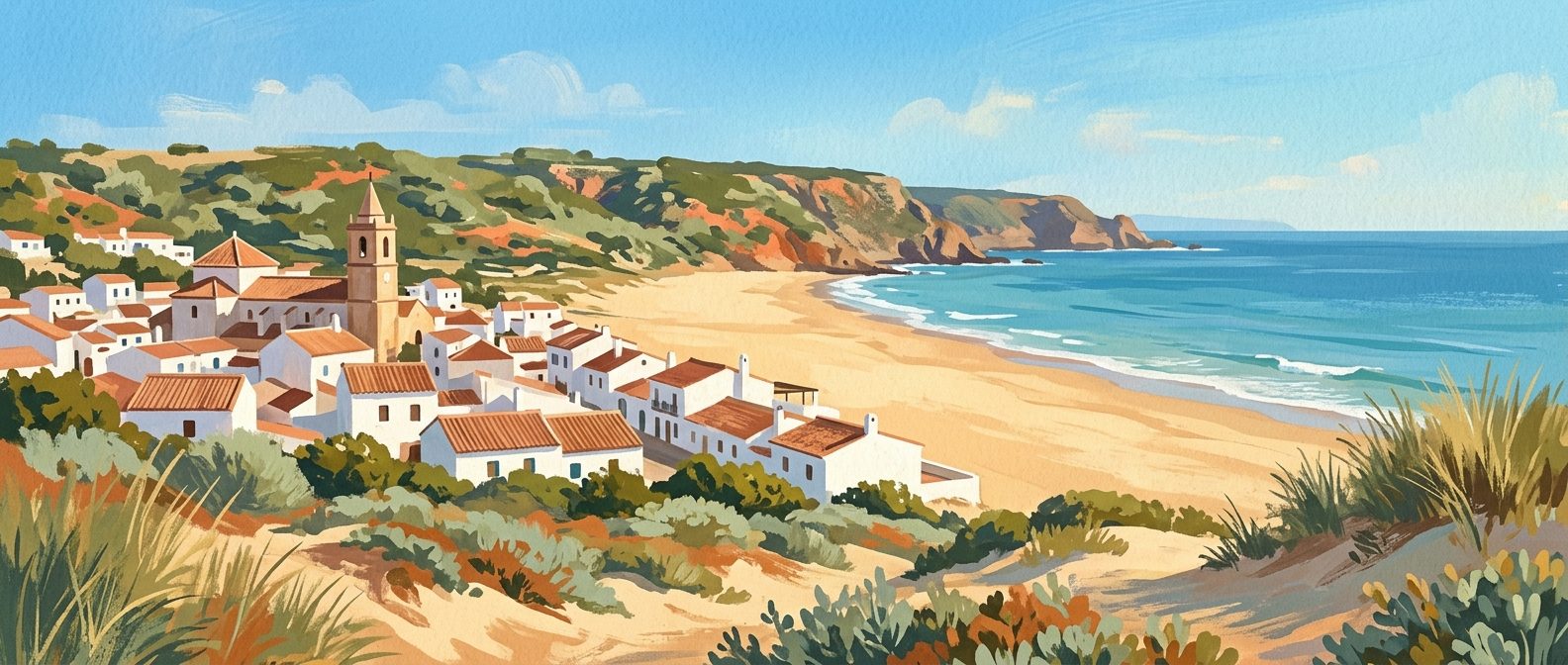
Playa de Zahara de los Atunes: A Guide to the Golden Coast of Cádiz
Experience the vast golden sands and clear Atlantic waters of Playa de Zahara de los Atunes, a highlight of the Cádiz coastline. Discover the best chiringuitos, parking tips, and the ideal times to visit.
6 min read
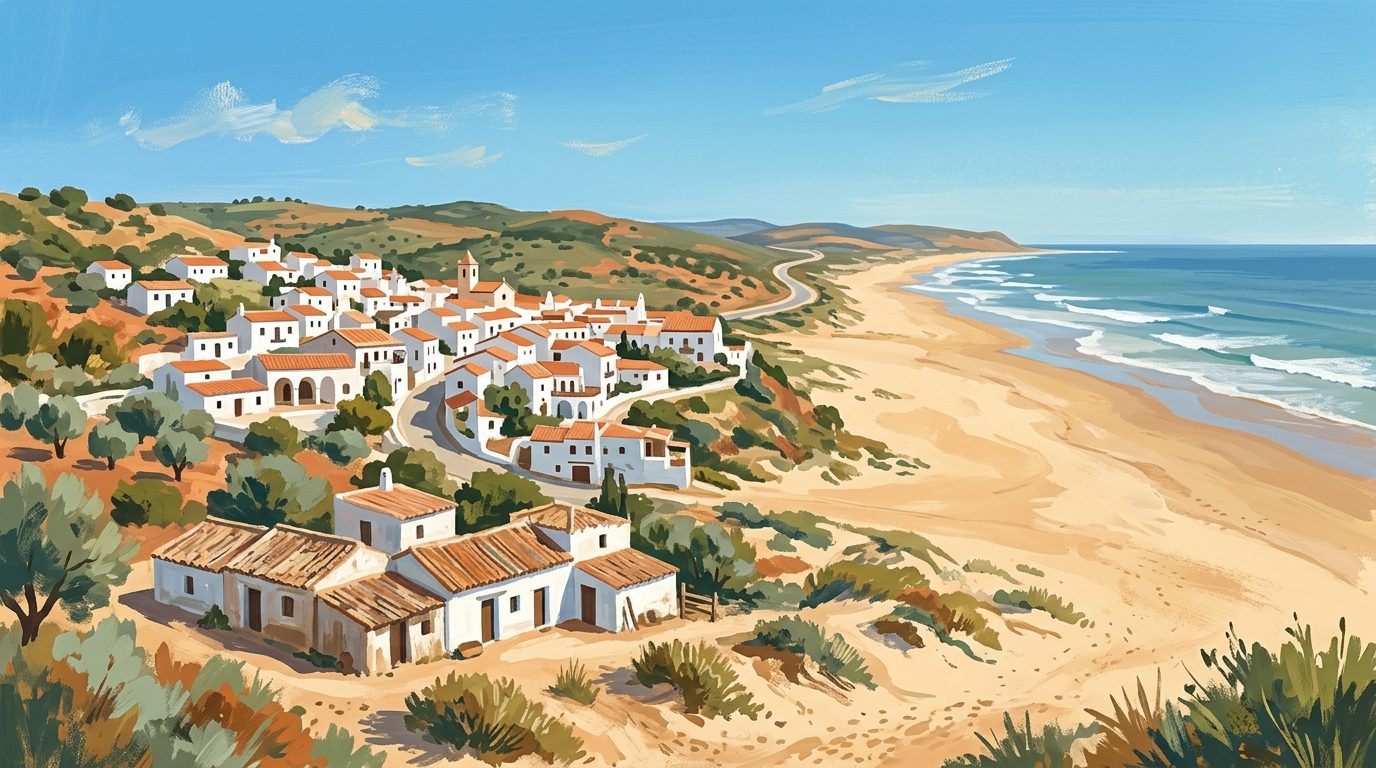
Playa de El Palmar: A Guide to the Surfing Capital of Cádiz
Playa de El Palmar is the undisputed surfing capital of the Costa de la Luz, offering eight kilometres of golden sand and some of the finest sunsets in the province of Cádiz. This expansive shoreline balances a wild, Atlantic character with a thriving scene of beach bars and surf schools.
7 min read
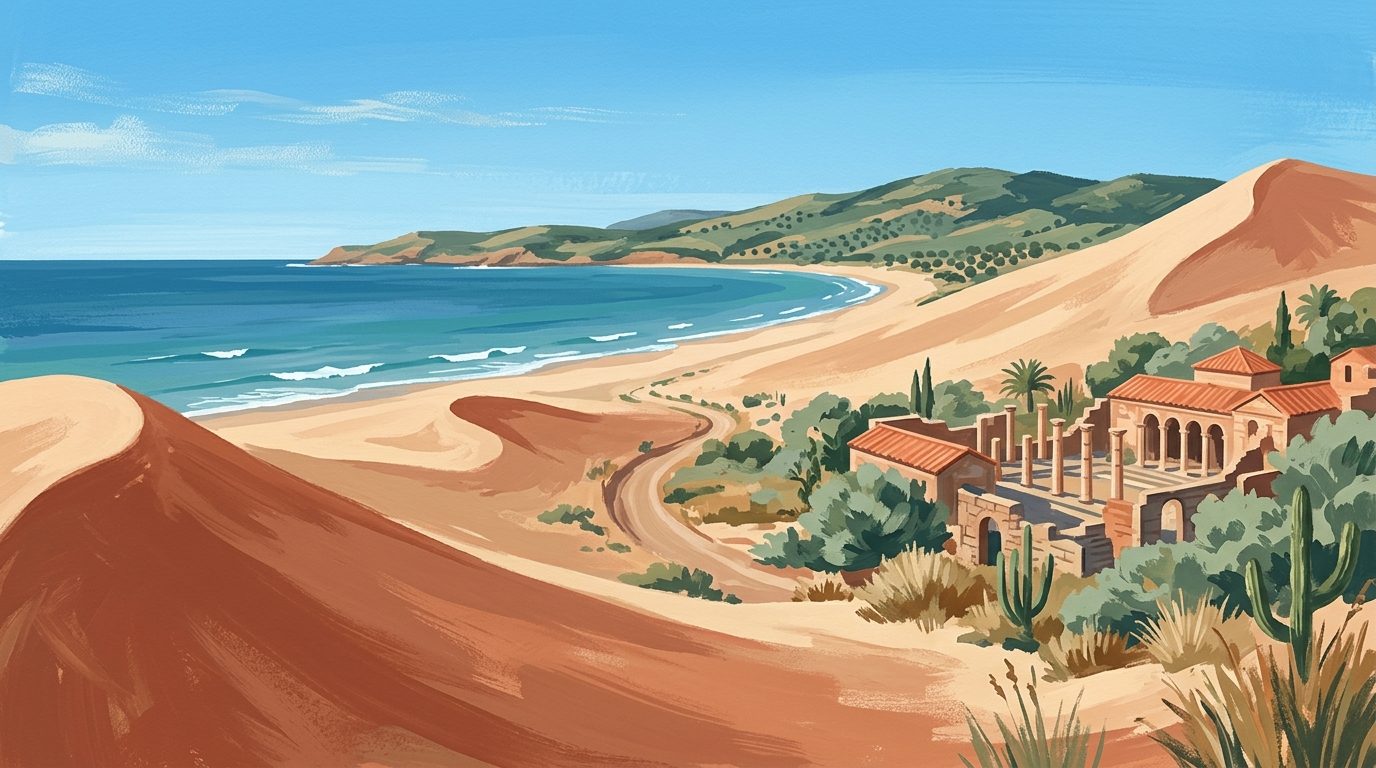
A Complete Guide to Playa de Bolonia: Dunes, Ruins, and Atlantic Wilds
Playa de Bolonia is a spectacular stretch of Atlantic coastline where massive sand dunes meet the ruins of a Roman city. This wild beach offers some of the clearest water in Cádiz.
6 min read
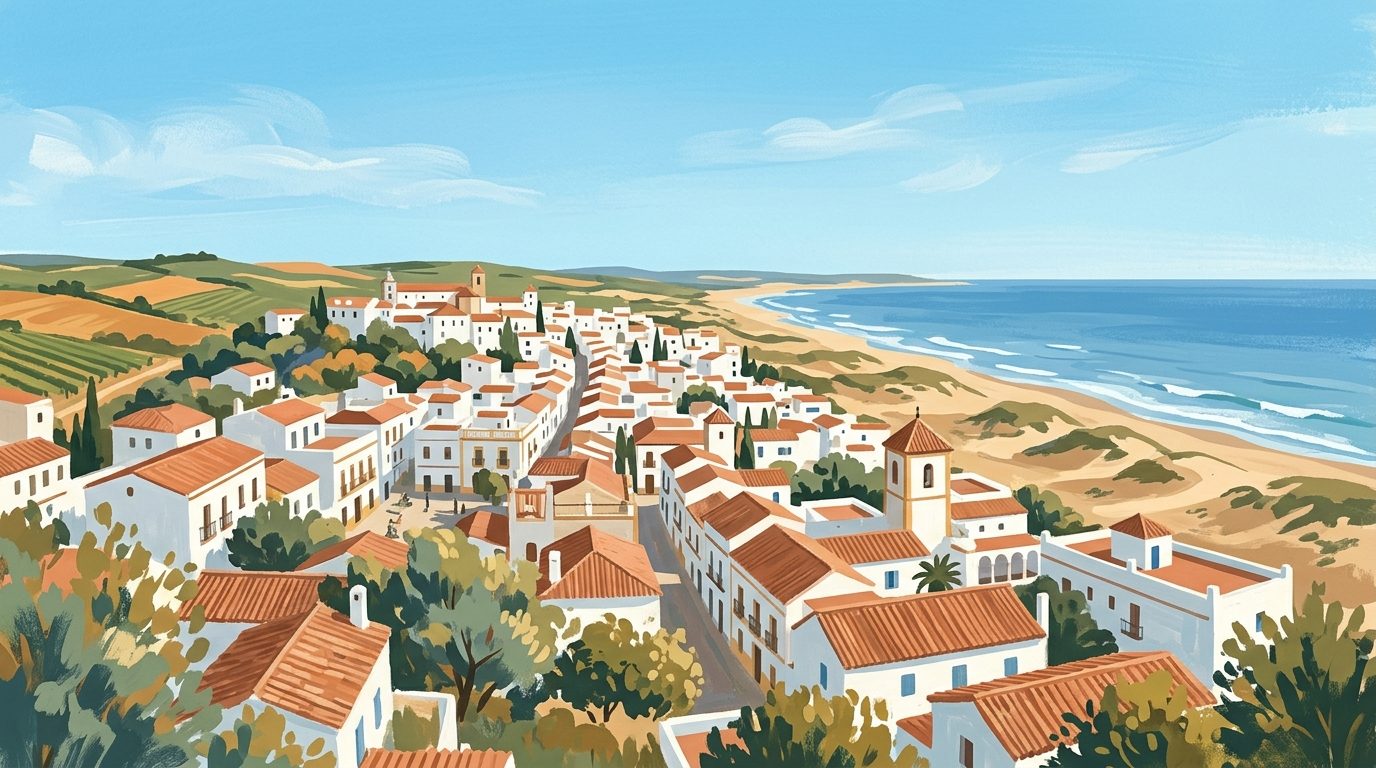
Chiclana de la Frontera: Fine Sands and Fino Sherry on the Cádiz Coast
Discover Chiclana de la Frontera, a unique destination on the Costa de la Luz featuring the 8km La Barrosa beach, historic sherry bodegas, and the ancient Castillo de Sancti Petri.
5 min read
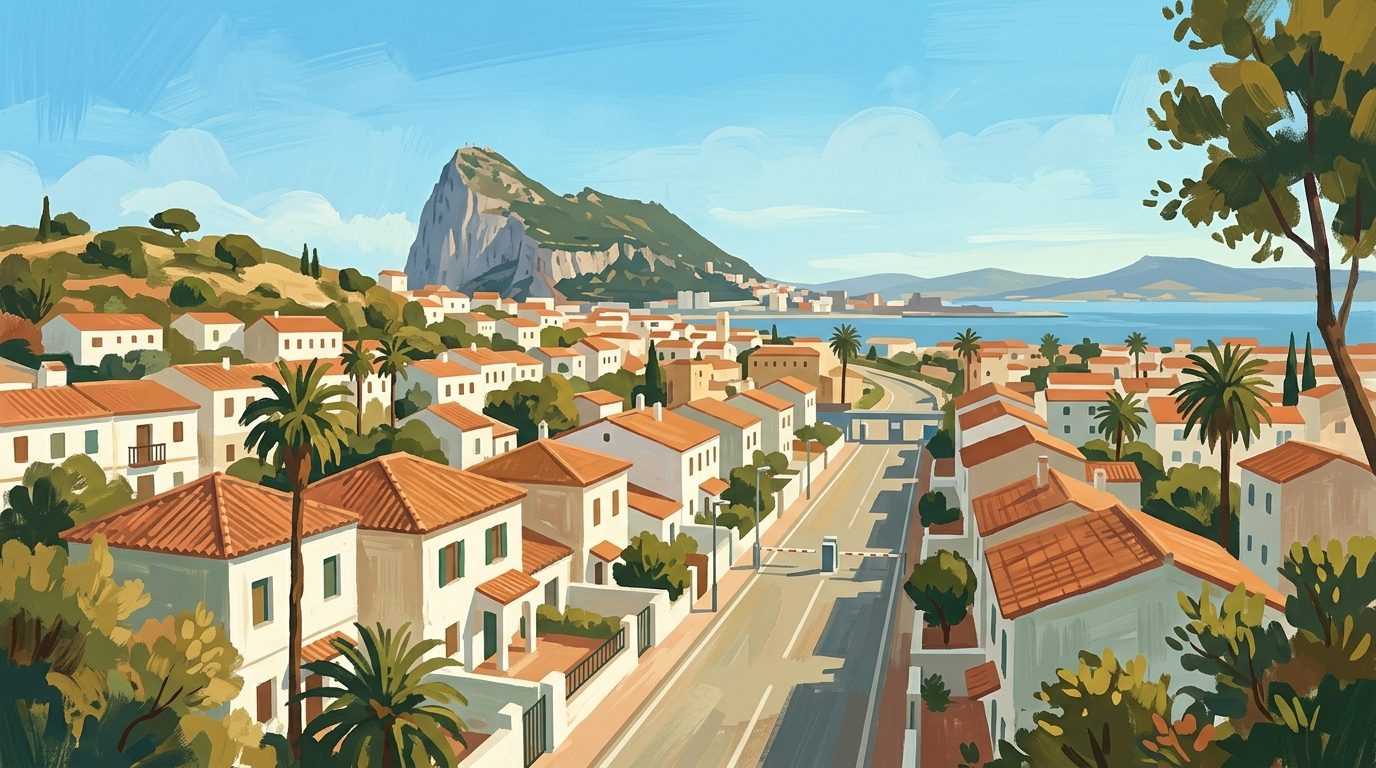
A Guide to La Línea de la Concepción: Beyond the Gibraltar Border
A focused guide to La Línea de la Concepción, exploring its unique frontier culture, military fortifications, and world-class seafood traditions in the shadow of Gibraltar.
5 min read
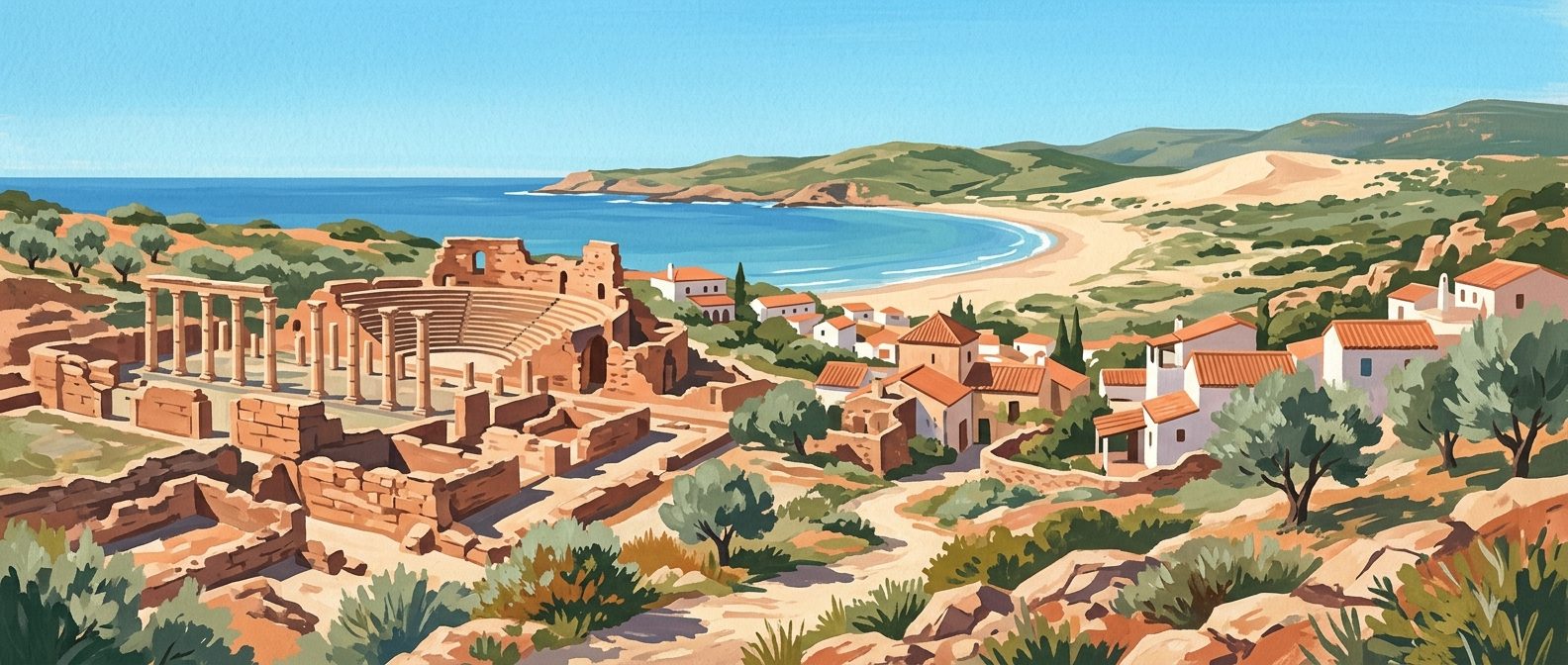
Bolonia: A Guide to the Cádiz Coast’s Roman Ruins and Great Dune
A quiet coastal hamlet where the remarkably intact ruins of Baelo Claudia meet a towering Atlantic sand dune. This Cádiz highlight offers a slower pace of life and a glimpse into Roman maritime history.
5 min read
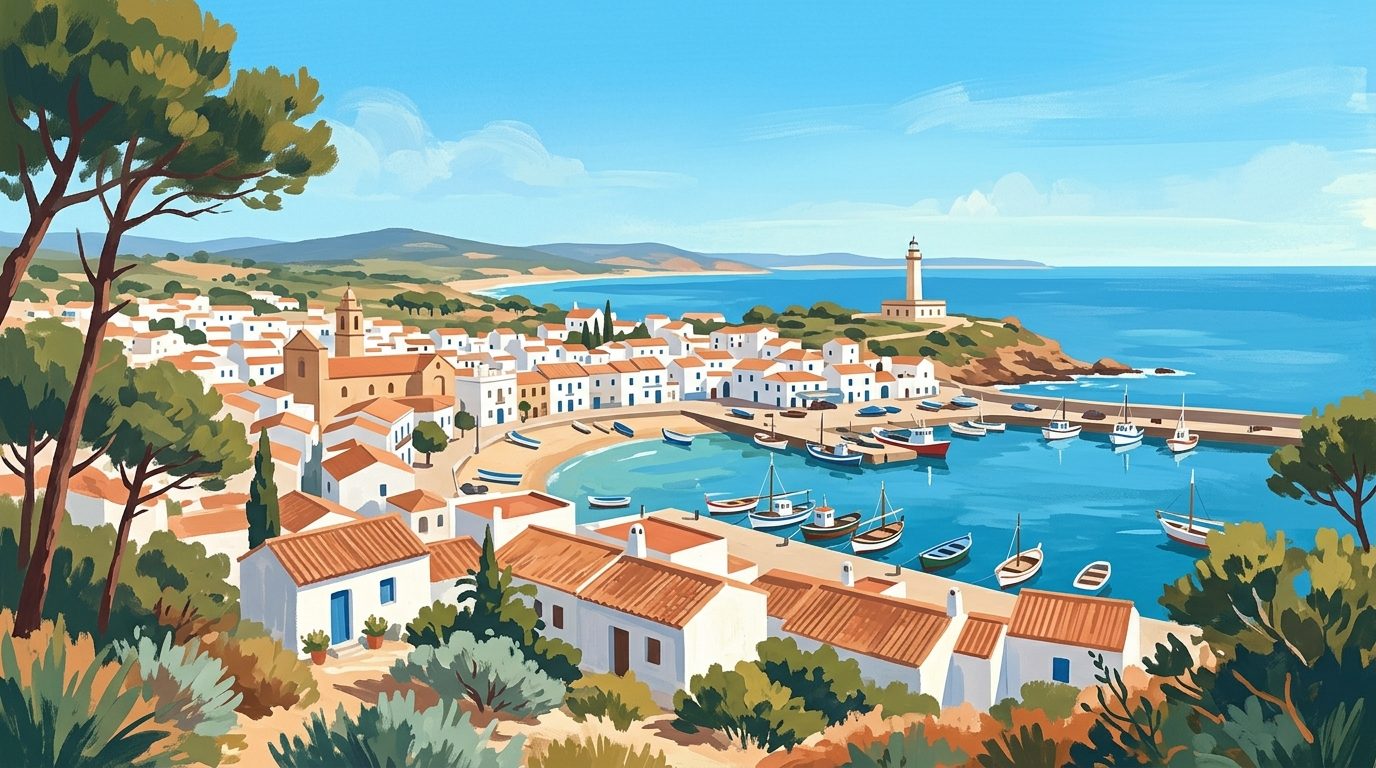
A Guide to Barbate and Los Caños de Meca: Tuna, Cliffs and Cape Trafalgar
Barbate and Los Caños de Meca offer a stark contrast between a hard-working fishing port and a bohemian coastal retreat shaped by Atlantic winds. This stretch of the Costa de la Luz remains defined by the annual tuna harvest and the historic silhouette of the Trafalgar lighthouse.
6 min read
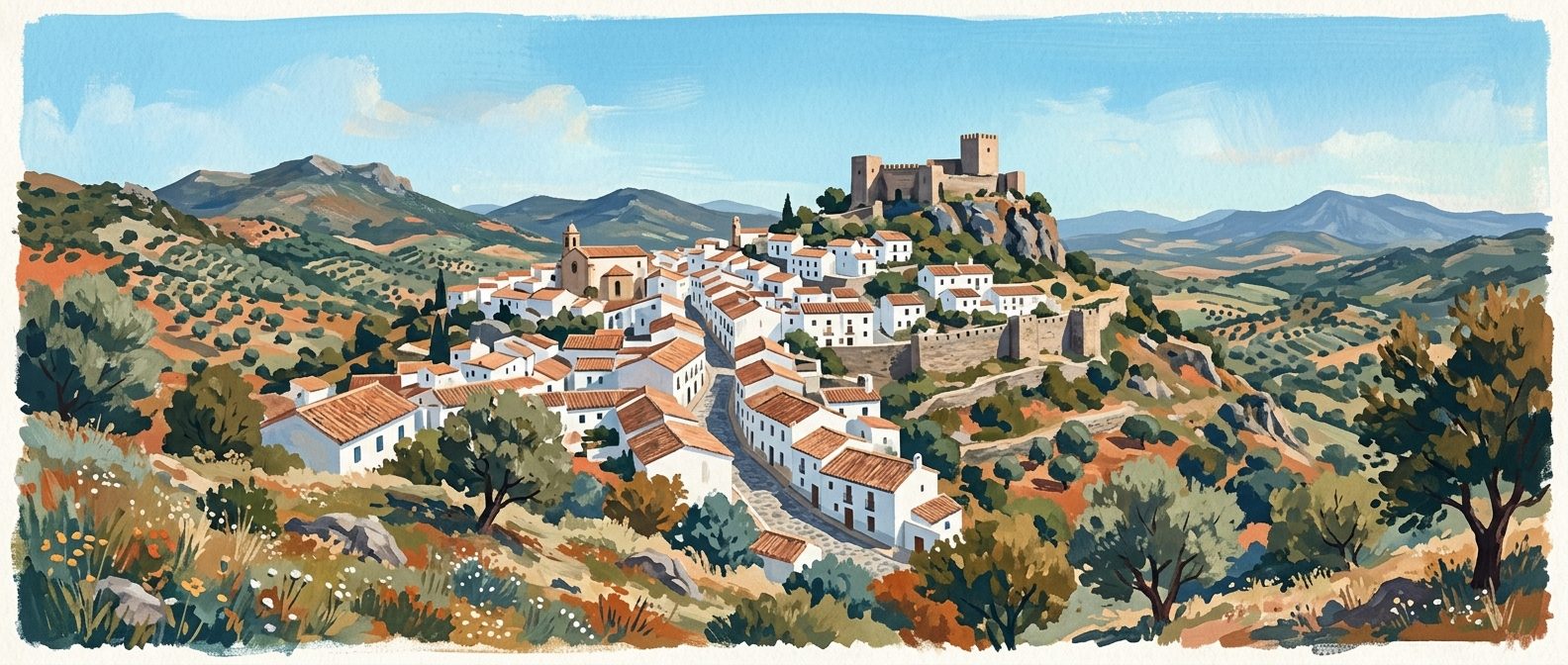
Jimena de la Frontera: A Frontier Stronghold in the Cork Oak Forests
With its commanding Moorish castle and gateway status to the vast Alcornocales Natural Park, Jimena de la Frontera is a quiet alternative to the busier white villages of Cádiz.
6 min read
Newsletter
More stories from Andalucía
Weekly notes, seasonal picks, and the next guides worth bookmarking.