
Place guide · Cádiz
A Local Guide to Playa de la Fontanilla in Conil de la Frontera
Playa de la Fontanilla is a wide, golden expanse of Atlantic coastline in Conil de la Frontera, famous for its shallow waters and exceptional seafood restaurants.
By Dan · Updated 10 May 2026 · 7 min read
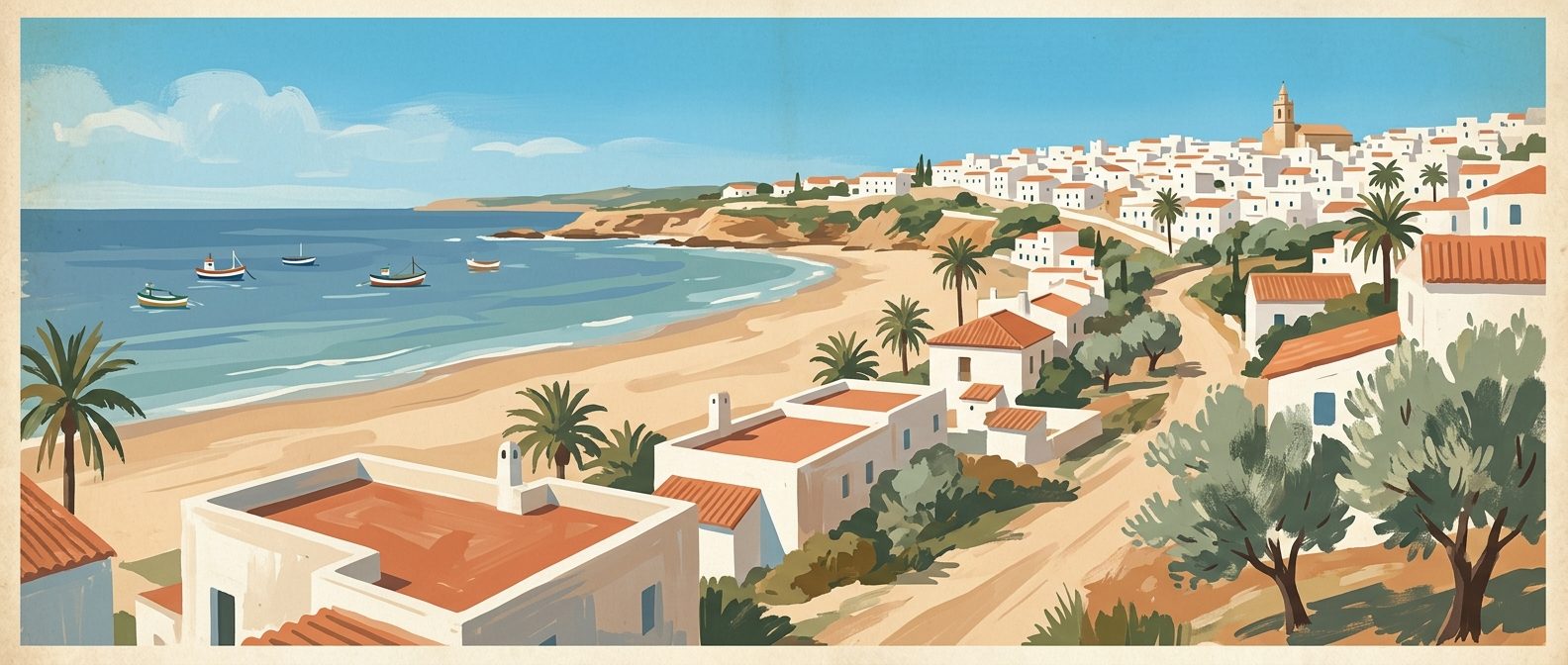
Playa de la Fontanilla represents the classic Costa de la Luz experience, offering a vast expanse of golden sand and shallow Atlantic waters. It is the preferred choice for families in Conil de la Frontera who seek a balance between natural beauty and high-quality services.
Playa de la Fontanilla is the undisputed heavyweight of the Conil coastline. While the town is surrounded by smaller coves and wilder stretches of sand, this particular beach serves as the primary social and recreational hub for both locals and returning Spanish holidaymakers. It stretches for over a kilometre along the western edge of the town, acting as a natural extension of the urban centre while maintaining a sense of openness that is characteristic of the Cádiz province. The beach is defined by its impressive width, which ensures that even during the height of the summer season, visitors can usually find a patch of sand to call their own, provided they are willing to walk a few minutes away from the main access points.
What sets this beach apart from others in the region is the quality of its environment combined with its accessibility. The sand is remarkably fine and pale, typical of the Andalucían Atlantic coast, and the water is known for its exceptional clarity. Unlike some of the more rugged beaches further south towards Tarifa, the shelf here is very gradual. You can walk out into the ocean for a considerable distance before the water reaches waist height, making it an ideal environment for children and less confident swimmers. This geographical feature has helped the beach maintain its popularity for decades, evolving from a simple fishing shore into one of the most respected coastal destinations in Andalucía.
The beach itself
The physical profile of Playa de la Fontanilla is one of its greatest assets. It spans approximately 1,200 metres in length and is often more than 100 metres wide at low tide. This enormous surface area consists of fine, golden sand that does not contain the sharp shell fragments found on some Mediterranean shores. The beach has been a consistent recipient of the Blue Flag award, a recognition of its water quality, environmental management, and safety standards. There is a clear commitment to maintaining the natural integrity of the site, with regular cleaning schedules and well-maintained wooden walkways that protect the surrounding dunes and flora.
For families, the beach is almost perfect. The lack of steep drops in the seabed provides a safety margin for toddlers playing at the water's edge. While the Atlantic can produce significant waves, the orientation of La Fontanilla offers some protection compared to the more exposed El Palmar to the south. Naturism is not common on this specific stretch of sand; those looking for a clothing-optional experience generally head further south to the Playa de Castilnovo or north to the more secluded Calas de Roche. La Fontanilla remains a largely family-oriented, conventional beach where the atmosphere is relaxed and respectful. Even during the peak of July, the northern end of the beach, as it approaches the El Roqueo cliffs, tends to be quieter and offers a more scenic backdrop of red-tinged earth and hardy coastal scrub.
Getting there & parking
Reaching Playa de la Fontanilla is straightforward if you are already staying in Conil de la Frontera. From the town centre, it is a pleasant 10 to 15 minute walk down the hill, following the signs for the Paseo Marítimo. If you are arriving from further afield, the beach is well-connected by road. From Jerez Airport, the drive takes approximately 45 to 50 minutes via the A-48 motorway. Those travelling from Sevilla should expect a journey of around an hour and 40 minutes. Upon arriving in Conil, follow the signs for the "zona de playas" to reach the coastal road that runs parallel to the sand.
Parking is the primary challenge during the summer months. There is a large, designated dirt car park located right behind the main beach restaurants, but it fills up rapidly. By 11:00 in the morning during August, finding a space can be a frustrating exercise. There is additional street parking in the residential areas above the beach, though this requires a steep walk back up the hill at the end of the day. For those using public transport, there are regular bus services (operated by Transportes Generales Comes) from Cádiz and San Fernando to the Conil bus station. From the station, you will need to walk about 20 minutes or take a short taxi ride to reach the shore. During the low season, from October to May, parking is rarely an issue and you can usually find a spot directly facing the waves.
Facilities & chiringuitos
The gastronomic offering at Playa de la Fontanilla is arguably the best of any beach in the Cádiz province. Unlike many coastal areas where beach bars serve basic fried food, the establishments here are serious restaurants. Francisco La Fontanilla is an institution (booking in advance is recommended), famous throughout Andalucía for its treatment of local Almadraba tuna and fresh market fish. Casa Francisco El de Siempre is another high-quality option that has been serving the community for generations. For a more contemporary feel, Feduchy Playa offers a modern take on the traditional chiringuito, with creative cocktails and a fusion-style menu that appeals to a younger crowd.
In terms of practical facilities, the beach is exceptionally well-equipped during the high season, which typically runs from mid-June to mid-September. You will find several areas with sun-bed and parasol hire, though many locals prefer to bring their own equipment. There are frequent public showers and foot-washes located at the main entry points. Lifeguard stations are positioned at regular intervals, and the safety flags are strictly managed. If the red flag is flying, it is essential to stay out of the water, as the Atlantic currents can be deceptively strong. Accessible ramps are available for those with reduced mobility, and the local council often provides amphibious chairs for assisted bathing during the peak summer months.
Best time to visit
The timing of your visit can fundamentally change your experience of Playa de la Fontanilla. To see the beach at its best, aim for the shoulder seasons: June or September. During these months, the weather is consistently warm, the water has lost its winter chill, and the extreme crowds of the Spanish national holidays have either not yet arrived or have departed. September, in particular, is favoured by locals because the sea is at its warmest and the fierce Levante wind is often less frequent.
The Levante, a strong easterly wind, is a factor that every visitor must consider. When it blows hard, the fine sand of La Fontanilla can become airborne, making it difficult to sit on the beach. On such days, it is better to seek out the sheltered coves of Roche to the north. Conversely, the Poniente wind from the west brings cooler air and clearer water, which is perfect for swimming. In the winter, the beach is a different world. It is a place for long, brisk walks and watching the sunset over the Atlantic. While most of the facilities close down from November to March, a few of the permanent restaurants like Francisco La Fontanilla remain open, offering a quiet spot for a high-quality lunch with a view of the crashing surf.
Combine with
A visit to Playa de la Fontanilla can be easily paired with an exploration of the old town of Conil de la Frontera. After a morning on the sand, a short walk leads you into a maze of whitewashed streets and flower-filled courtyards. The Torre de Guzmán, a medieval defensive tower, offers a historical perspective on the town's origins as a fortified fishing village. If you have a car, a 15 minute drive inland takes you to Vejer de la Frontera, a hilltop town that is often cited as one of the most beautiful villages in Spain. The contrast between the open Atlantic horizon of the beach and the narrow, winding alleys of Vejer provides a comprehensive taste of the Cádiz region's diversity. For those who prefer more coastal scenery, a walk north along the cliffs towards El Roqueo provides stunning views of the coastline and leads eventually to the more rugged and secluded beaches of Roche.
Practical notes
When preparing for a day at La Fontanilla, it is important to remember that this is an Atlantic beach. The tidal range is significant, so if you set up your towels close to the water at low tide, be prepared to move back as the tide rushes in. The water temperature is lower than on the Mediterranean coast, rarely rising above 22 degrees Celsius even in mid-summer, which many find refreshing but can be a surprise to those used to the Costa del Sol. Dogs are strictly prohibited on the beach during the bathing season, which is enforced with fines. During the winter months, the rules are more relaxed, though it is always best to check the local signage.
Safety is generally high, but always be aware of the tides and currents. The beach is very safe for children due to the shallow entry, but parents should remain vigilant as the sheer size of the beach can make it easy for little ones to lose their bearings. If you plan to eat at one of the famous restaurants like Francisco La Fontanilla on a weekend, booking several days in advance is absolutely essential. Finally, bring plenty of high-factor sunscreen; the constant sea breeze can make the sun feel less intense than it actually is, leading to many unexpected cases of sunburn among visitors.
Last reviewed: 21 June 2026 · Editorial policy
Related guides
Torremolinos: The Original Spirit of the Costa del Sol
Explore Torremolinos, the pioneer of Andalucían tourism, where traditional fishing heritage meets a lively modern shoreline and inclusive nightlife.
5 min read
Playa de la Fontanilla: Marbella's Premier Urban Beach
Playa de la Fontanilla is the quintessential Marbella town beach, offering refined amenities and a prime location right on the Paseo Marítimo. This central stretch of coastline provides a sophisticated urban beach experience with excellent dining and accessible facilities.
6 min read
A Local Guide to Playa de La Malagueta in Málaga
Playa de La Malagueta is the iconic urban beach of Málaga, known for its dark sand, sardine skewers, and immediate proximity to the city centre.
7 min read
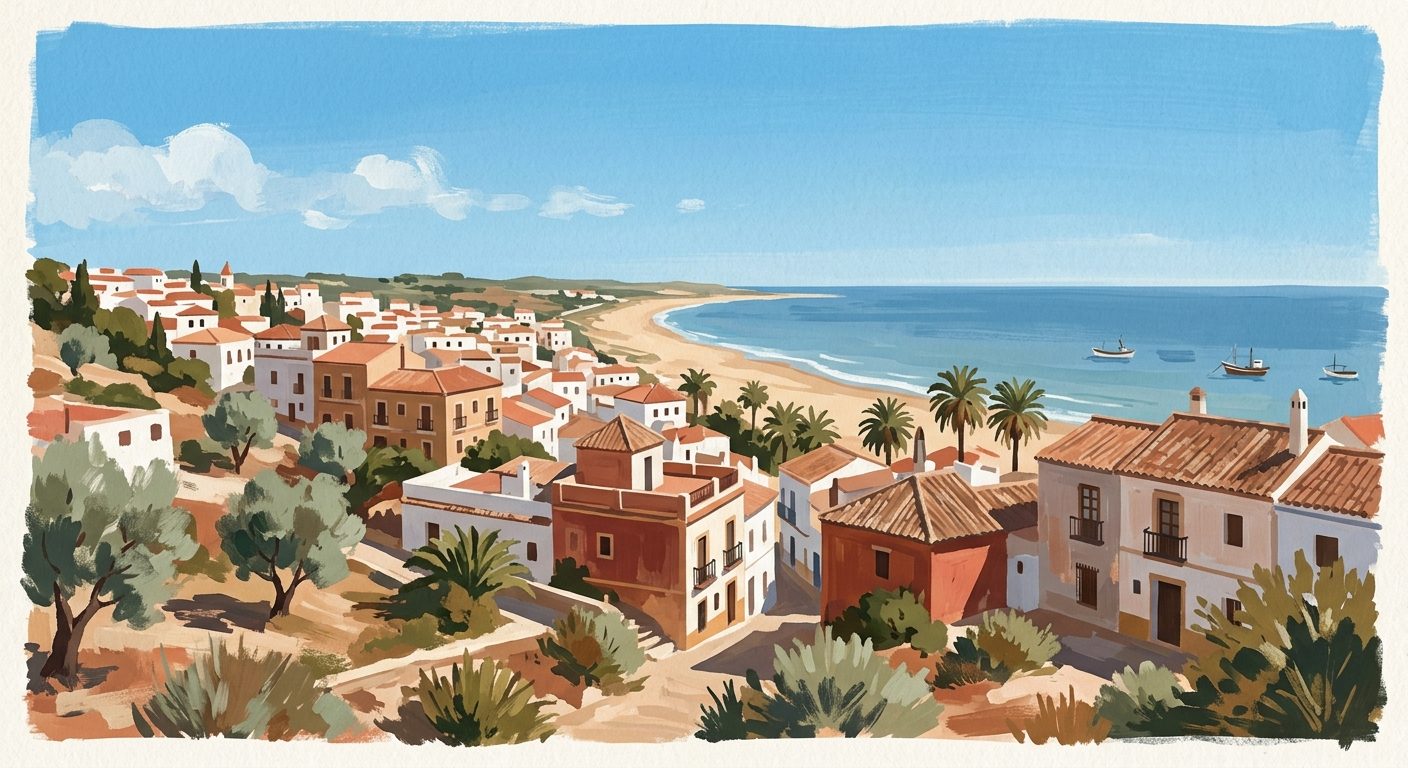
A Guide to Playa de La Antilla: The Traditional Atlantic Escape of Lepe
Playa de La Antilla offers a vast expanse of fine golden sand and a family-friendly atmosphere on the Huelva coastline. It remains a firm favourite for those seeking traditional Andalucían summer vibes.
6 min read

The Complete Guide to the Costa del Sol
Spanning 150 kilometres of Mediterranean shoreline, the Costa del Sol is the most developed coastal strip in Spain. Discover where to find quiet coves, excellent seafood and the right resort for your style of travel.
9 min read
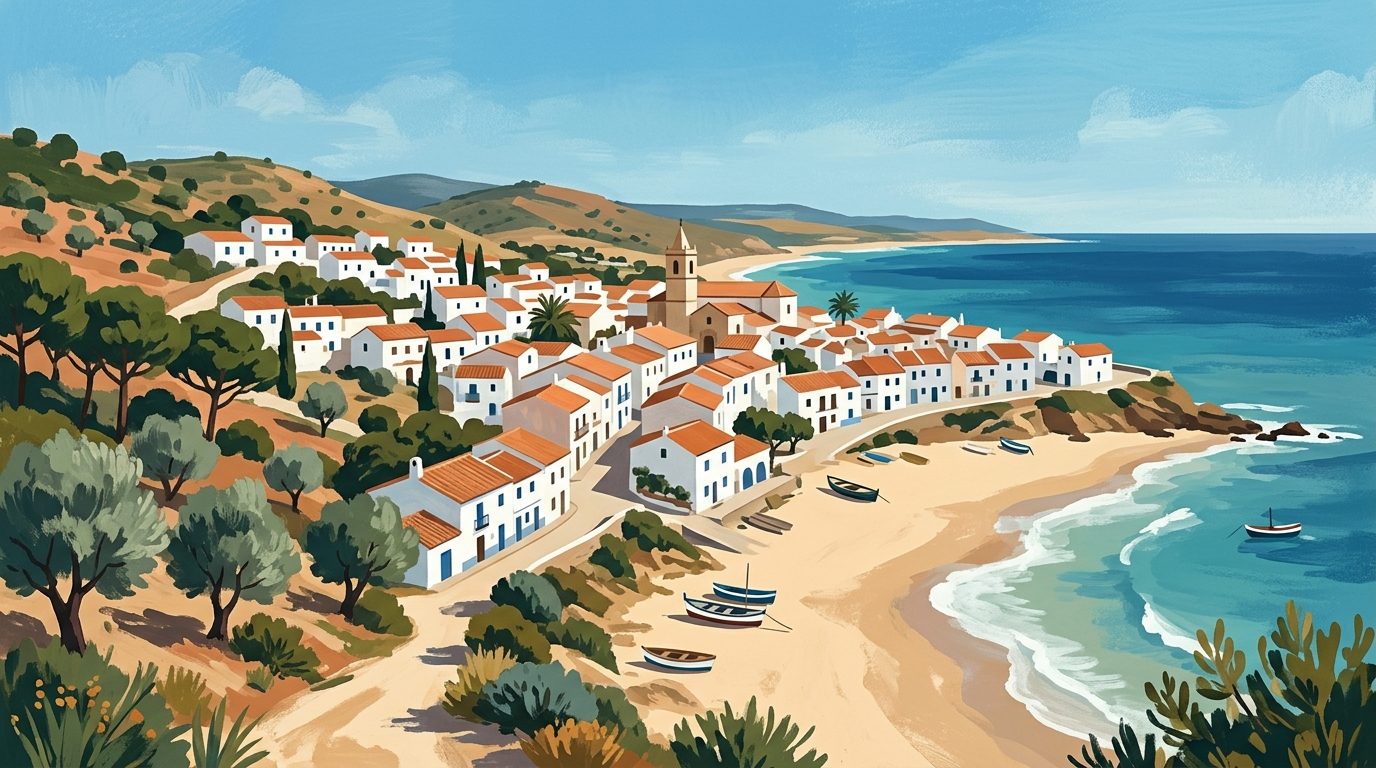
A Guide to Zahara de los Atunes: Where the Atlantic Meets the Almadraba Tradition
Discover a coastal village where ancient tuna-fishing traditions blend with high-end gastronomy and vast Atlantic beaches. Zahara de los Atunes offers a sophisticated yet laid-back escape on the rugged Costa de la Luz.
5 min read
More from Cádiz
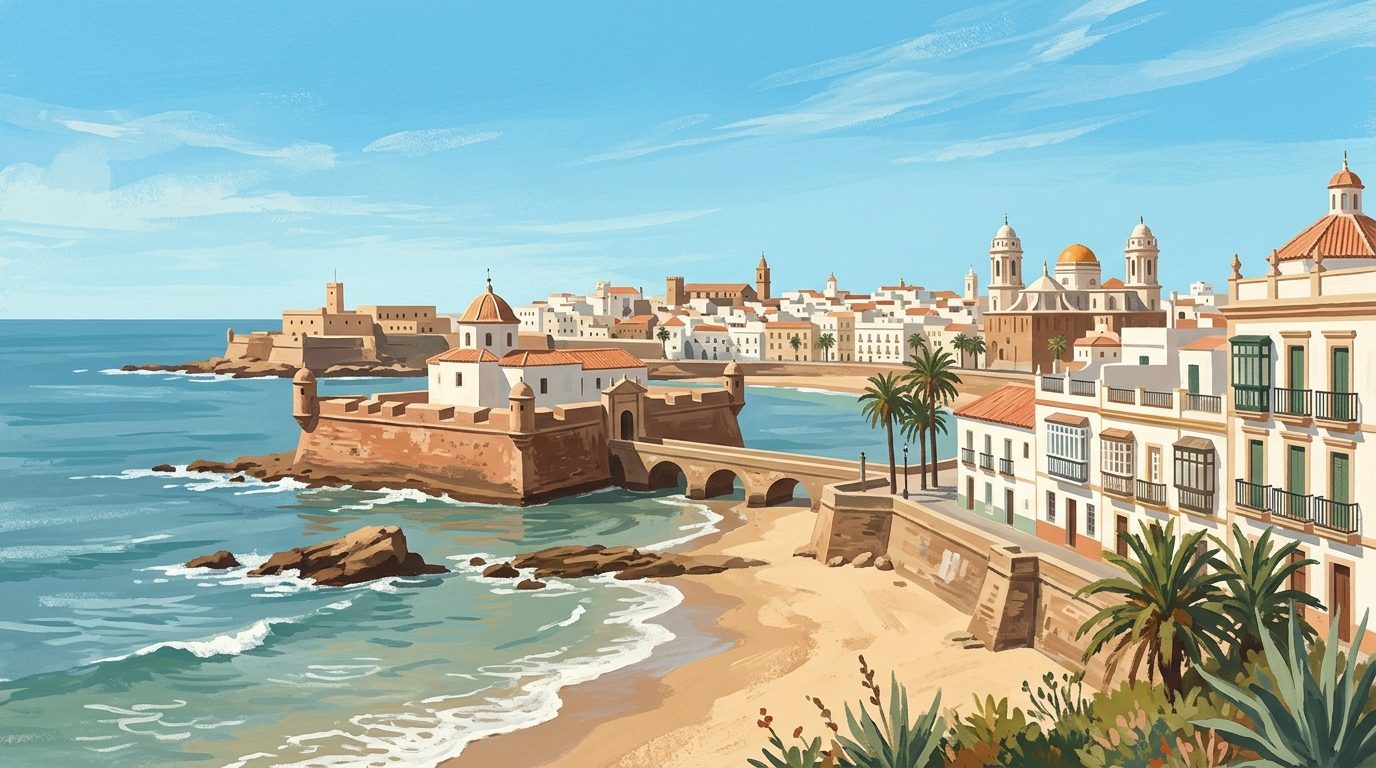
Playa de La Caleta: A Guide to the Historic Heart of Cádiz
Playa de La Caleta is a historic urban bay in Cádiz, famous for its calm waters, ancient fortresses, and the stunning white Balneario spa building.
7 min read
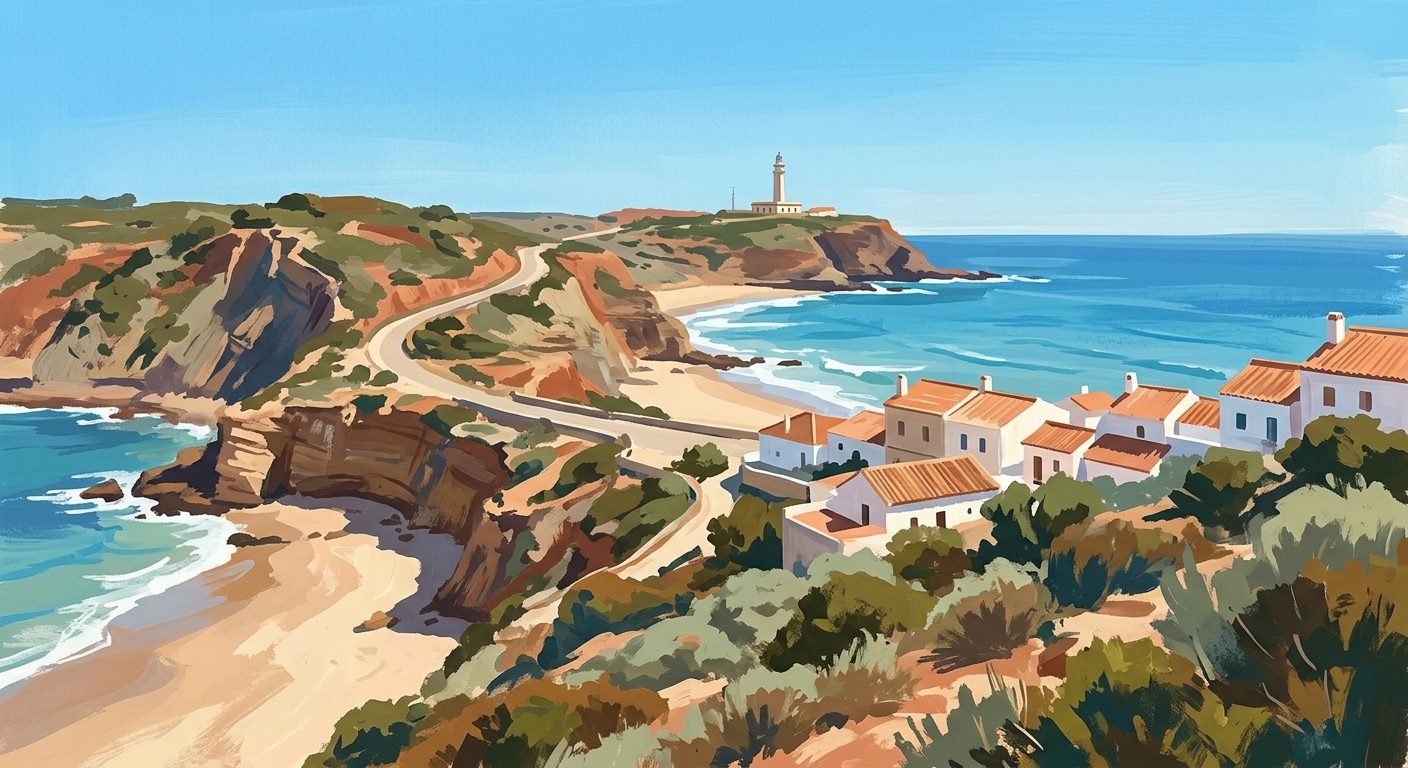
Playa de los Caños de Meca: A Guide to the Cádiz Coastline
Discover the wild Atlantic beauty of Playa de los Caños de Meca, from its freshwater springs to the historic Cape Trafalgar lighthouse.
7 min read
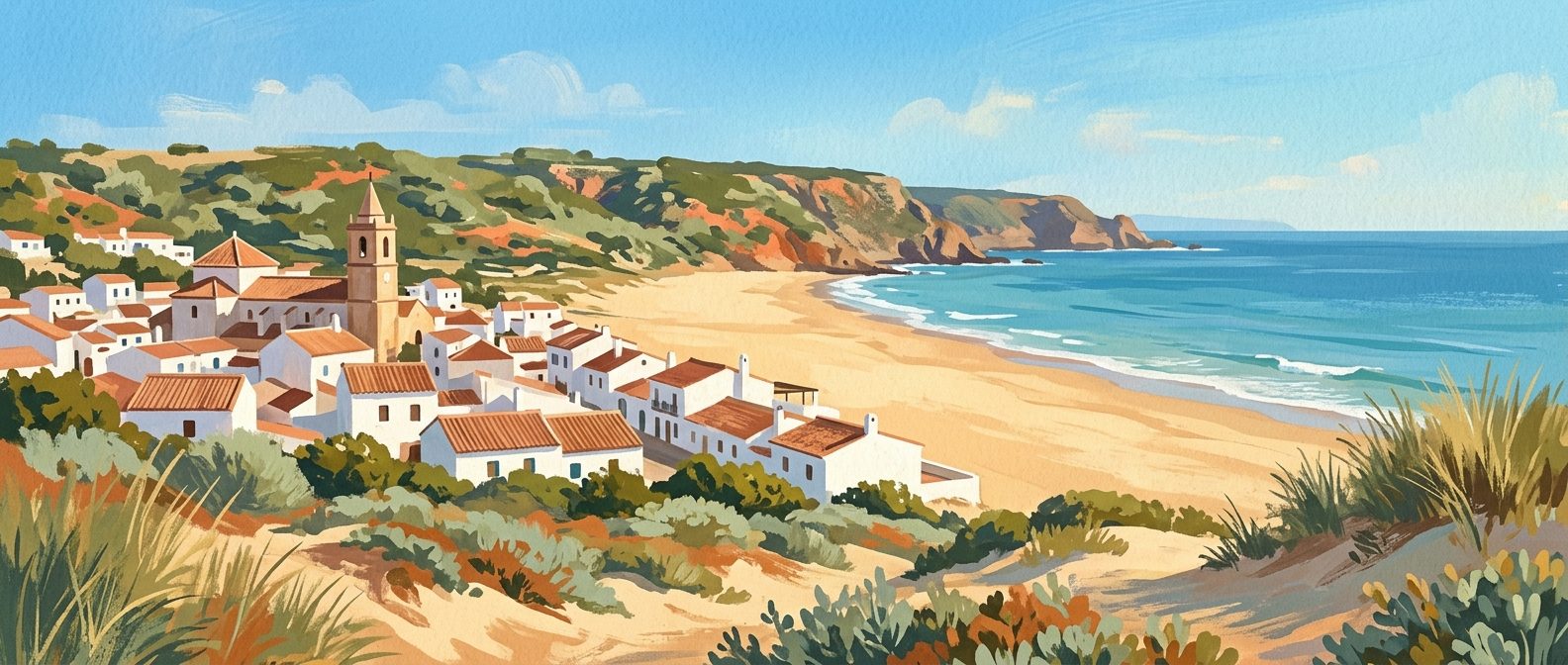
Playa de Zahara de los Atunes: A Guide to the Golden Coast of Cádiz
Experience the vast golden sands and clear Atlantic waters of Playa de Zahara de los Atunes, a highlight of the Cádiz coastline. Discover the best chiringuitos, parking tips, and the ideal times to visit.
6 min read
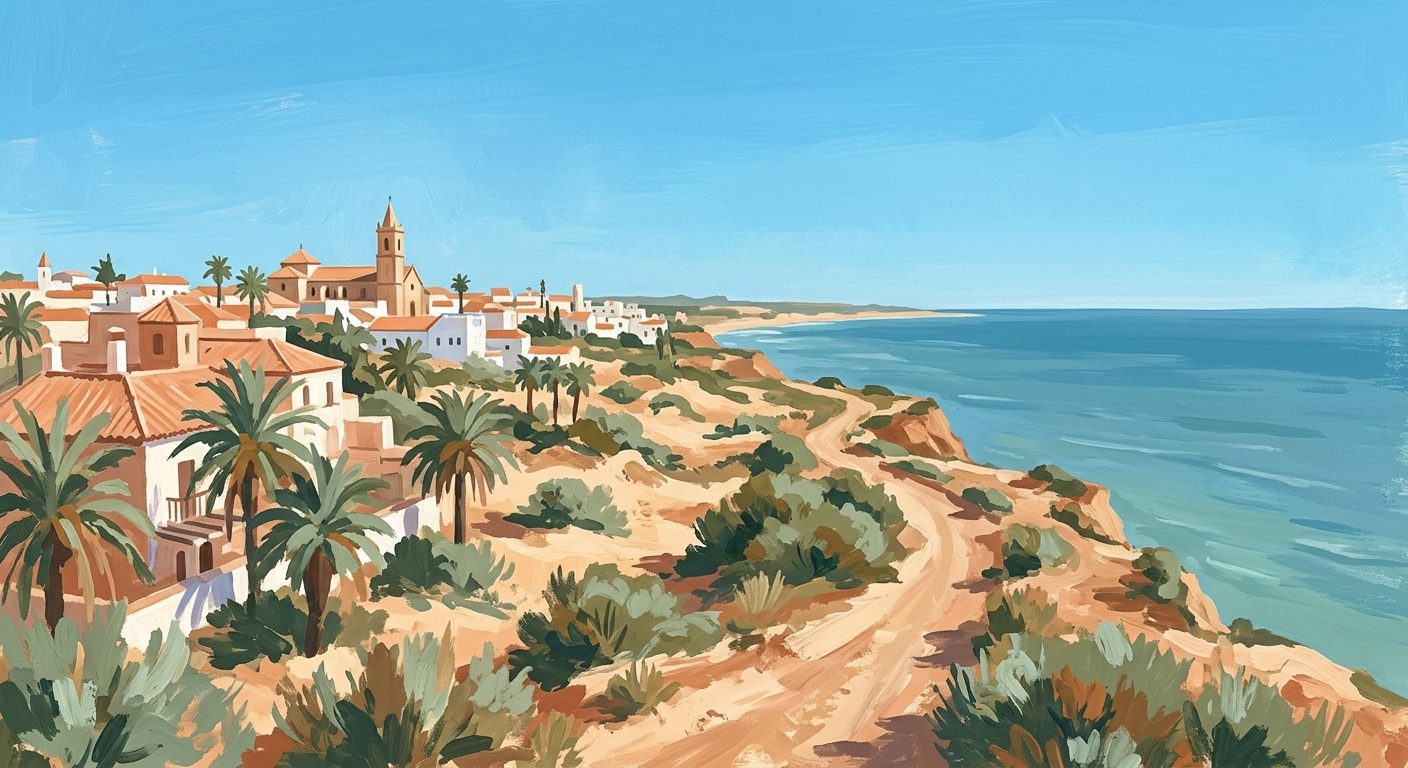
Playa de Costa Ballena: A Guide to the Rota Coastline
Discover Playa de Costa Ballena, a meticulously planned coastal retreat in Cádiz offering four kilometres of golden sand and clear Atlantic waters. This guide explores the best chiringuitos, parking tips, and why this beach is a favourite for families seeking space and quality.
7 min read
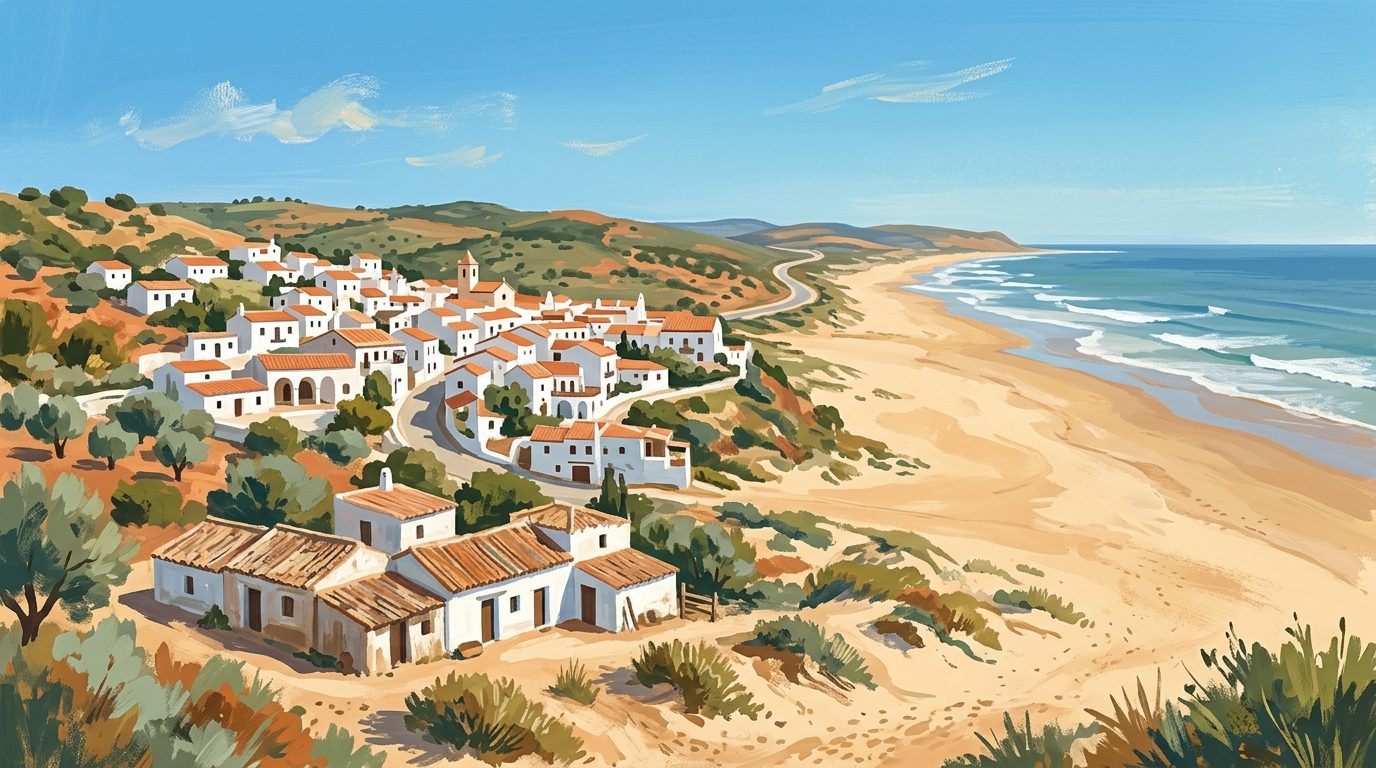
Playa de El Palmar: A Guide to the Surfing Capital of Cádiz
Playa de El Palmar is the undisputed surfing capital of the Costa de la Luz, offering eight kilometres of golden sand and some of the finest sunsets in the province of Cádiz. This expansive shoreline balances a wild, Atlantic character with a thriving scene of beach bars and surf schools.
7 min read
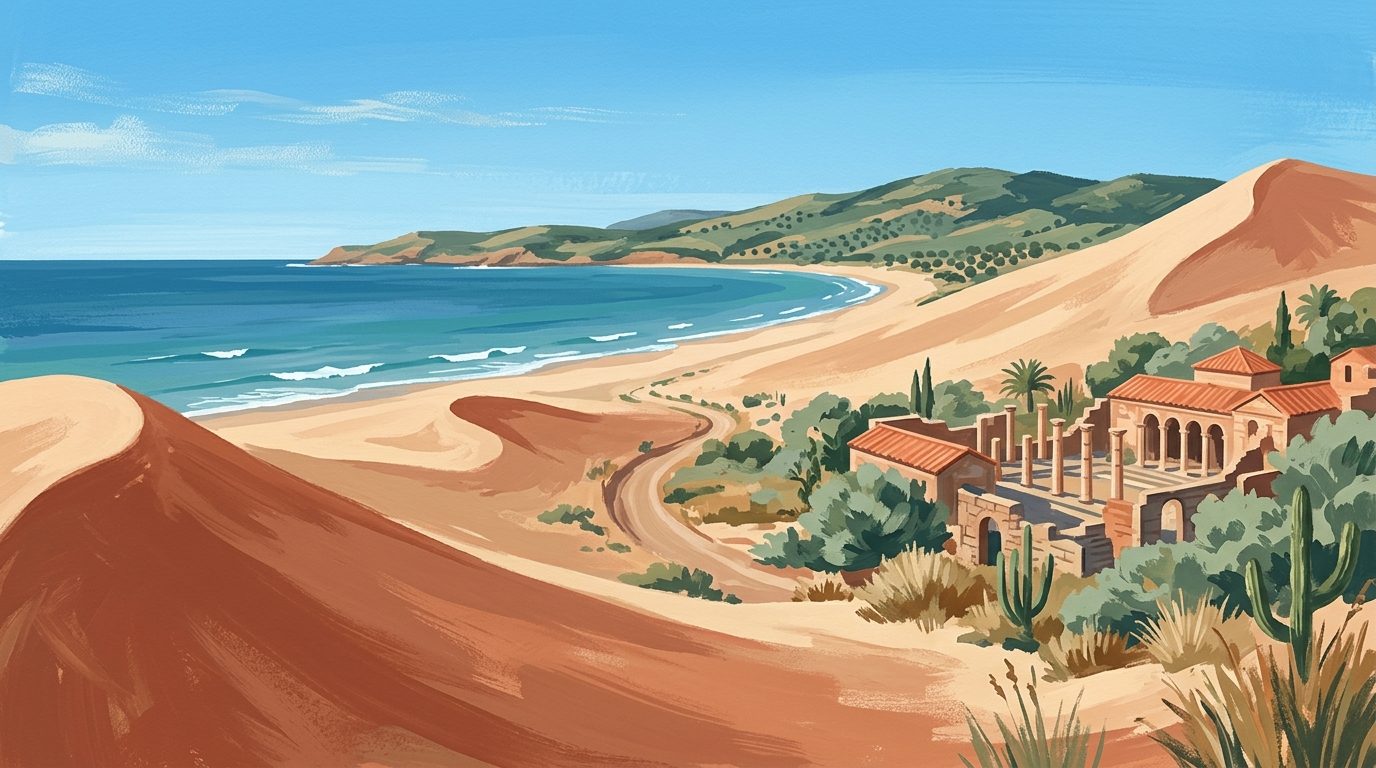
A Complete Guide to Playa de Bolonia: Dunes, Ruins, and Atlantic Wilds
Playa de Bolonia is a spectacular stretch of Atlantic coastline where massive sand dunes meet the ruins of a Roman city. This wild beach offers some of the clearest water in Cádiz.
6 min read
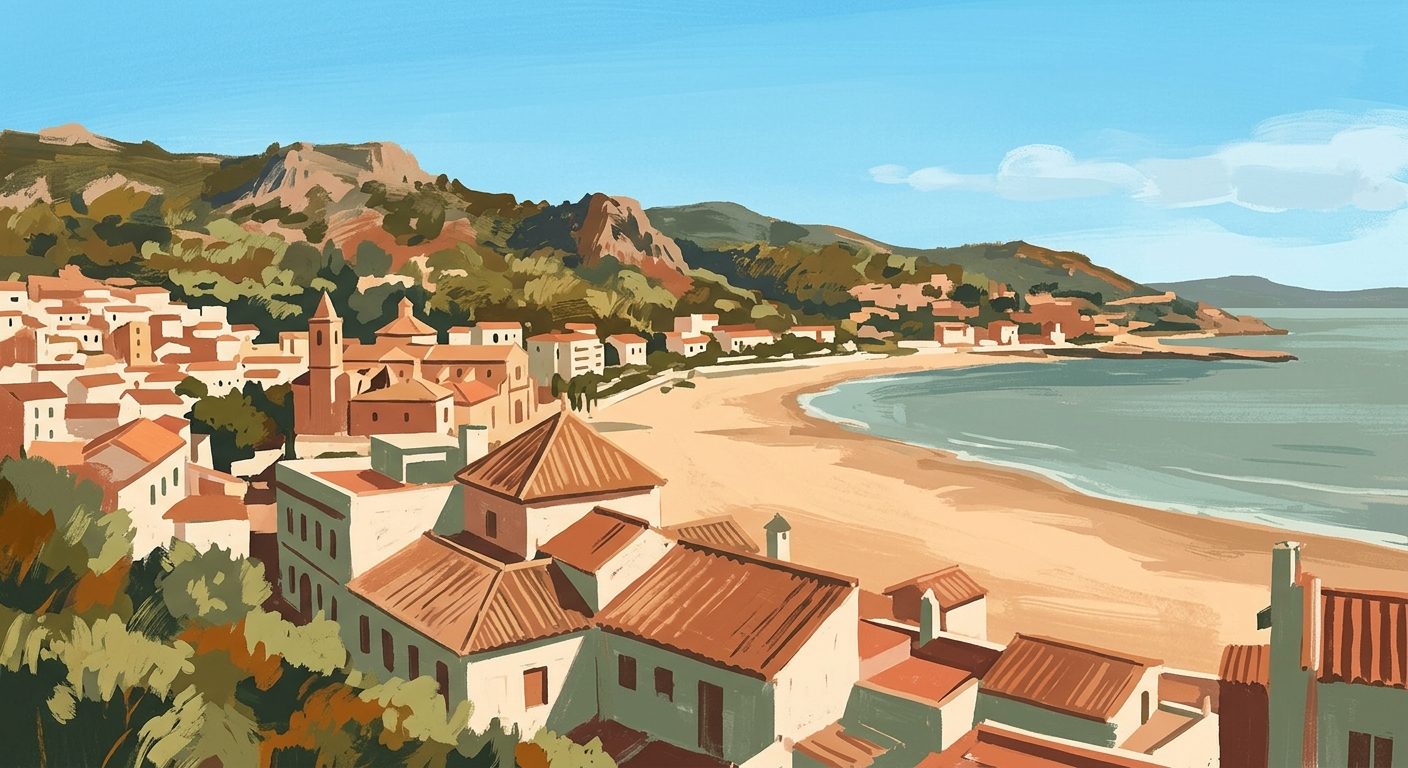
A Guide to Playa de Getares in Algeciras
Playa de Getares offers a wide golden shoreline with unique views of the Rock of Gibraltar and the North African coast. This family-friendly beach in Algeciras combines urban facilities with the natural beauty of the Estrecho Natural Park.
7 min read
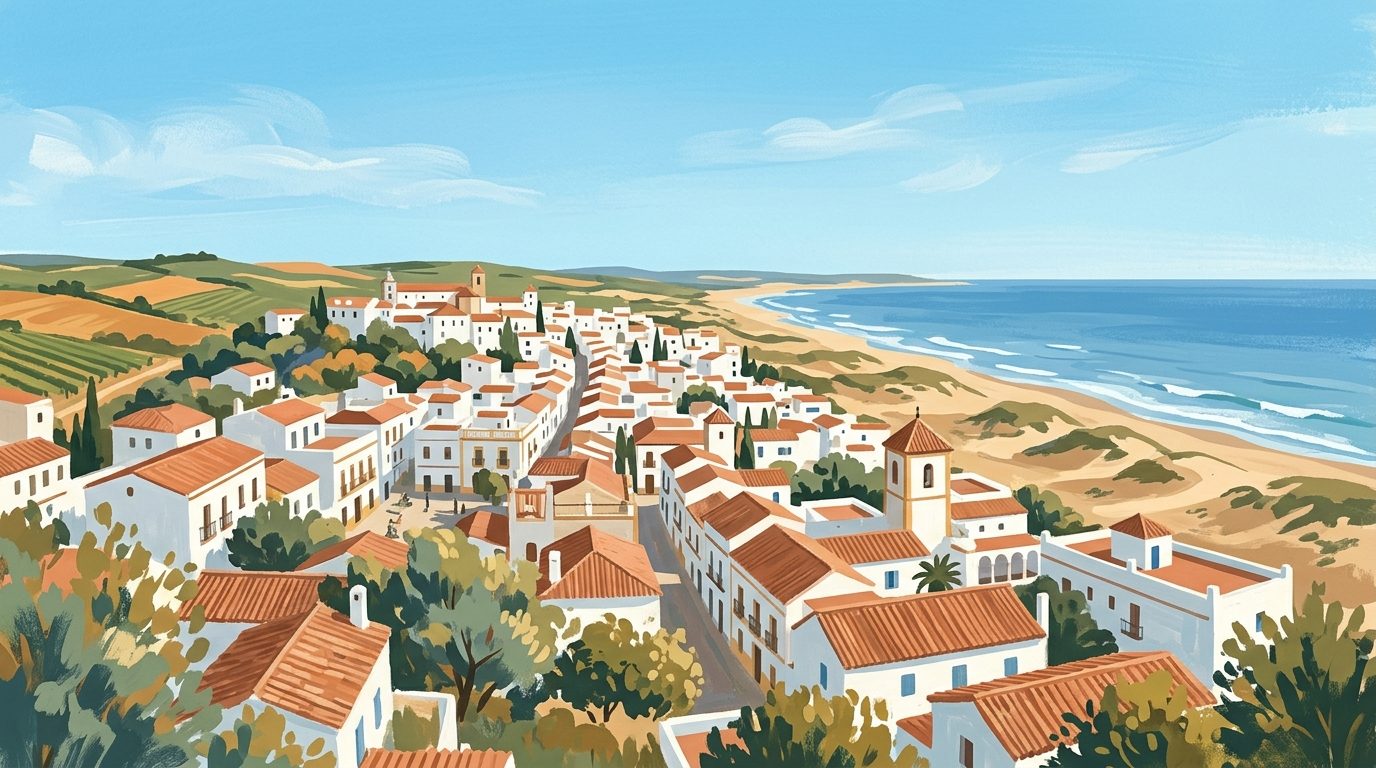
Chiclana de la Frontera: Fine Sands and Fino Sherry on the Cádiz Coast
Discover Chiclana de la Frontera, a unique destination on the Costa de la Luz featuring the 8km La Barrosa beach, historic sherry bodegas, and the ancient Castillo de Sancti Petri.
5 min read
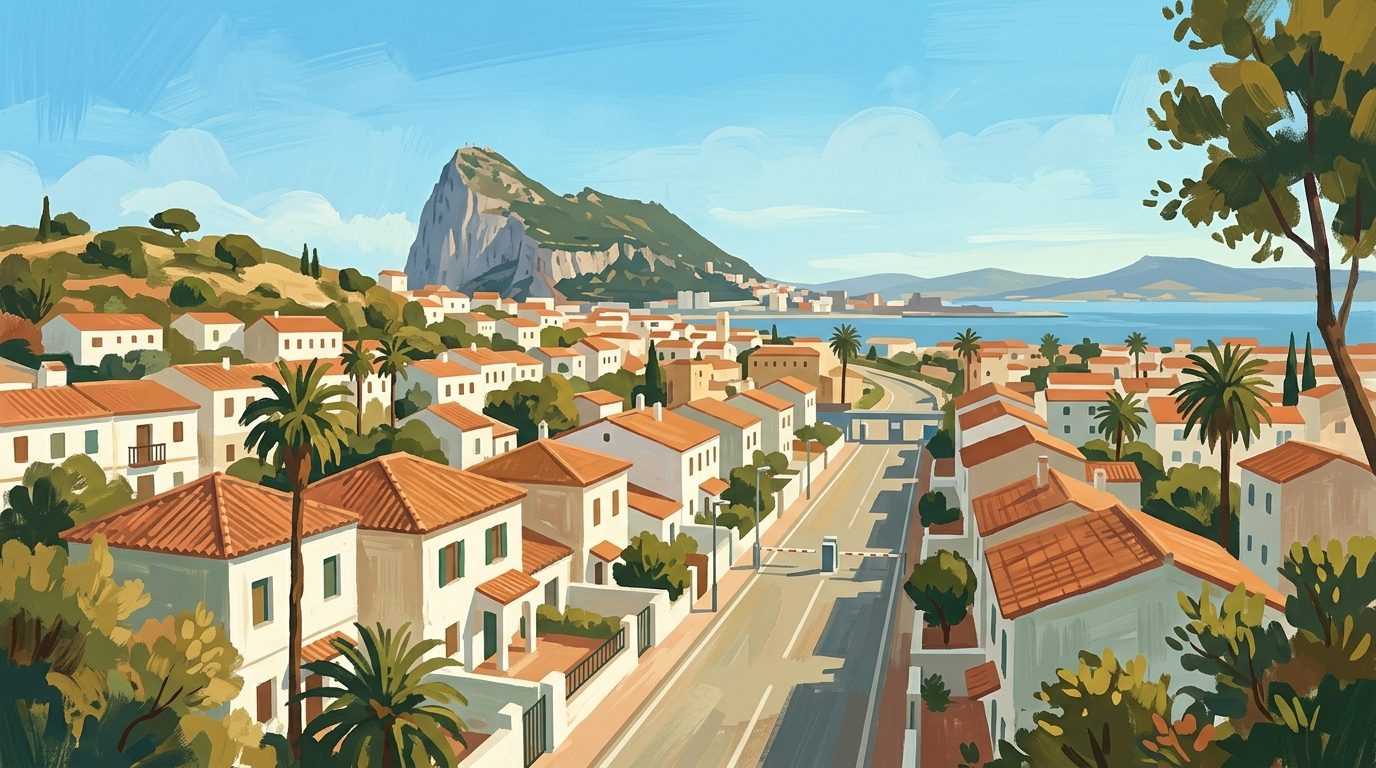
A Guide to La Línea de la Concepción: Beyond the Gibraltar Border
A focused guide to La Línea de la Concepción, exploring its unique frontier culture, military fortifications, and world-class seafood traditions in the shadow of Gibraltar.
5 min read
Newsletter
More stories from Andalucía
Weekly notes, seasonal picks, and the next guides worth bookmarking.