
Feature
Tartessos and the Silver Trade
Ancient Greek historians wrote of a legendary kingdom in the far west ruled by a monarch of impossible age and wealth. Modern archaeology has stripped away the myth to reveal an indigenous Iberian society transformed by an insatiable Mediterranean demand for silver.
By Dan · Updated 21 June 2026 · 8 min read
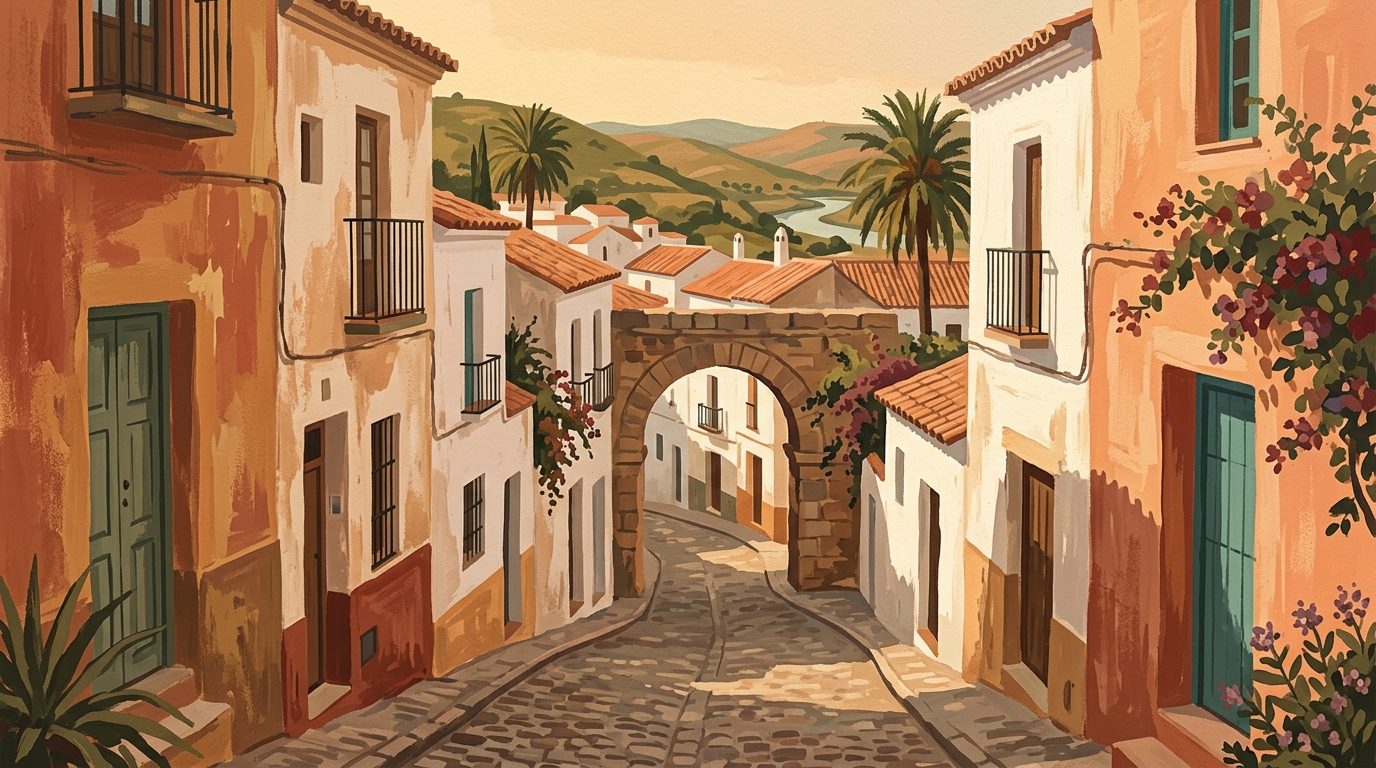
Ancient Greek historians wrote of a legendary kingdom in the far west ruled by a monarch of impossible age and wealth. Modern archaeology has stripped away the myth to reveal an indigenous Iberian society transformed by an insatiable Mediterranean demand for silver.
In 1958, workers expanding a pigeon shooting club on a hill overlooking Sevilla unearthed twenty-one pieces of heavy, intricate gold jewellery. Now known as the Treasure of El Carambolo, this astonishing find forced historians to reconsider everything they knew about the extreme southwest of the Iberian Peninsula. The treasure dates to the era of the Phoenicians and Tartessians (roughly 1100 to 500 BC), a period when southern Spain was the economic engine of the Mediterranean world. For decades, the name Tartessos had belonged to the realm of classical mythology. Greek writers described a paradise beyond the Pillars of Hercules, ruled by a monarch named Arganthonios who supposedly lived for 120 years and showered visiting sailors with silver. The reality, illuminated by the gold of El Carambolo and subsequent excavations, is a fascinating story of indigenous Iberian communities colliding with the advanced maritime trading networks of the eastern Mediterranean. The catalyst for this transformation was not magic, but geology. The mountains north of the Guadalquivir river contained some of the richest metallic deposits on earth. The resulting silver trade sparked a cultural and economic revolution that gave rise to the first complex, urbanised society in western Europe.
The Literary Legend and the Archaeological Reality
Herodotus is our primary classical source for the existence of Tartessos. He wrote of Greek sailors from Phocaea who were blown off course and stumbled upon a wealthy kingdom in the west. Its king, Arganthonios (a name literally translating to the silver man), was said to have welcomed the Greeks and offered them enough money to build a defensive wall around their home city. For centuries, antiquarians searched for a lost capital city of Tartessos, imagining an Atlantis of the marshes somewhere beneath the modern Doñana National Park.
Modern archaeology tells a different, yet equally compelling story. Tartessos was not a single capital city, nor was it a purely indigenous empire. Instead, historians now understand it as a hybrid culture. It emerged when local late Bronze Age communities in western Andalucía came into sustained contact with Phoenician merchants. The Phoenicians, sailing from the Levantine coast in the eastern Mediterranean, established colonies like Gadir (modern Cadiz) in the early first millennium BC. They brought with them iron technology, the potter's wheel, writing, and an immense demand for metals.
The Mechanics of the Silver Economy
The geological foundation of Tartessian wealth is the Iberian Pyrite Belt. This vast sweep of highly mineralised rock curves through the modern Andalucían provinces of Sevilla and Huelva. Long before the arrival of eastern merchants, local populations had been mining surface copper. However, the Phoenicians introduced a revolutionary technology known as cupellation. This advanced metallurgical process allowed for the extraction of pure silver from complex lead ores.
The sheer scale of the operation is staggering. At sites like Rio Tinto in Huelva, archaeologists have found millions of tonnes of ancient slag. The industrial activity was so intense that global ice cores drilled in Greenland show a measurable spike in atmospheric lead pollution dating precisely to the Tartessian period. Indigenous miners extracted the ore, often labouring in dangerous, narrow galleries using heavy stone hammers. They transported the raw rock to processing settlements where the ore was crushed and heated in massive furnaces.
Phoenician traders established coastal enclaves and riverine ports to collect this silver, shipping it back across the Mediterranean to satisfy the tribute demands of the Assyrian Empire. In return, the indigenous elites received prestige goods. They traded their raw silver for fine ceramics, carved ivory, glass beads, perfumes, and olive oil.
An Orientalising Transformation
The influx of eastern luxury goods radically altered the social structure of western Andalucía. A new, powerful aristocracy emerged, controlling the trade routes and the distribution of wealth. This period is often called the Orientalising phase of Tartessos, reflecting how local elites adopted eastern Mediterranean customs to signal their elevated status.
These elites built monumental sanctuaries and palaces using eastern architectural techniques. They adopted the Phoenician practice of formal banqueting, importing specific sets of pottery designed for drinking wine. The religious landscape shifted as well. Sanctuaries began to feature altars shaped like the outspread hides of bulls, a motif directly linked to Levantine worship of deities like Baal and Astarte.
Even the concept of death changed. Elite Tartessians abandoned simple communal graves in favour of elaborate individual tombs. Excavations at the necropolis of La Joya in Huelva have revealed graves containing bronze chariots, silver mirrors, and ornate ivory boxes. These artefacts illustrate a society deeply enmeshed in international trade, where local chieftains lived with a level of material splendour previously unseen in the Iberian Peninsula.
The Enigma of the Southwest Script
Perhaps the most intriguing marker of Tartessian complexity is their writing system. Known as the Southwest Script, it represents the earliest form of writing on the Iberian Peninsula. The alphabet is derived from Phoenician characters, but the language it records remains largely undeciphered.
Most surviving examples of this script are found on large stone stelae, heavily concentrated in the southern Portuguese region of the Algarve and the Spanish provinces of Huelva and Badajoz. These stones are typically associated with necropolises, leading scholars to believe they functioned as funerary markers. The adoption of writing, even if restricted to a small literate class, highlights the profound intellectual impact of the eastern Mediterranean trade on the indigenous population.
The Sudden Collapse
By the middle of the sixth century BC, the glittering world of Tartessos entered a terminal crisis. The collapse was rapid and total, and its causes remain a subject of intense historical debate.
Economic factors likely played the largest role. The easiest, most accessible veins of silver in the Pyrite Belt may have been exhausted, requiring deeper, more difficult mining that the existing technology could not support profitably. At the same time, the geopolitical situation in the eastern Mediterranean shifted dramatically. The Phoenician mother city of Tyre fell to the Babylonians, severely disrupting the long-distance trade networks. Power in the western Mediterranean shifted to Carthage, a former Phoenician colony in North Africa, which possessed different strategic priorities and favoured direct military control over trade partnerships.
Deprived of the luxury imports that underpinned their authority, the Tartessian elite lost control. The monumental buildings were abandoned or deliberately destroyed. Writing disappeared from the archaeological record. The indigenous populations dispersed into smaller, fortified settlements, evolving into the diverse Iberian tribes that the Romans would encounter centuries later.
Beyond Andalucía: The Inland Expansion
While the economic heart of Tartessos lay in the Andalucían provinces of Huelva, Sevilla, and Cadiz, the cultural influence radiated northwards. The basin of the Guadiana river in the modern region of Extremadura became a crucial hinterland.
Recent archaeological work in the province of Badajoz has revolutionised our understanding of this late Tartessian phase. As the coastal trade began to falter, it appears some elite groups moved inland. Here, they built massive, complex structures. These sites demonstrate a sophisticated understanding of geometry and eastern architectural techniques, surviving long after the coastal centres had declined.
Where to see it today
The Museo Arqueológico de Sevilla is the traditional home of the Carambolo Treasure. Note that the museum is currently undergoing a multi-year renovation, and the treasure is frequently exhibited at alternative venues such as the Palacio de la Motilla or the Antiquarium during this period. Always check the official Museos de Andalucía portal or the Antiquarium de Sevilla website before visiting to confirm the current location of the Carambolo Treasure. This hoard of twenty-one gold pieces, featuring intricate rosette patterns and half-moon pectorals, is the most famous symbol of Tartessian wealth. The museum also holds the Carambolo bronze statuette of Astarte, bearing one of the oldest Phoenician inscriptions found in Spain.
The Museo de Huelva is essential for understanding the mechanics of the metals economy. Its ground floor contains an extraordinary collection of mining artefacts from Rio Tinto and the surrounding Pyrite Belt. You can inspect the heavy stone hammers used by miners, as well as the intricate grave goods from the La Joya necropolis, including parts of an elite bronze chariot.
To experience Tartessian architecture, you must travel slightly north of Andalucía to the province of Badajoz. Cancho Roano, located near the town of Zalamea de la Serena, is the best-preserved Tartessian building in existence. Originally constructed in the sixth century BC, it served as a sanctuary and palace. You can walk through its mud-brick rooms, see the distinctive monumental altars, and observe the defensive moat. The site is a physical manifestation of a culture that deliberately destroyed and sealed its own sanctuary before abandoning it forever. Excavators found the remains of dozens of sacrificed animals, indicating a massive final feast or ritual hecatomb before the complex was intentionally set on fire and buried under a mound of clay.
Furthermore, ongoing excavations at Casas del Turuñuelo, near Guareña in Badajoz, continue to yield spectacular results. In 2023, archaeologists here unearthed the first known human representations of Tartessian faces carved in stone, challenging the previous assumption that this culture only represented deities through animal or geometric forms. The site also contained the remains of over fifty sacrificed horses. While the dig itself is an active research zone and not always fully open to the public, finds are eventually destined for regional museums.
If you visit
If you are planning a trip to explore the remnants of the silver trade, Huelva makes the most logical base. The provincial museum provides the necessary context before you drive up into the mining district of Rio Tinto, where the landscape is still stained deep red and yellow by millennia of mineral extraction. Because summer temperatures in the Andalucían interior and Extremadura frequently exceed 40 degrees Celsius, it is advisable to plan your trip between October and May. Always verify the opening hours of specific archaeological sites like Cancho Roano in advance, as they are often closed on Mondays and observe long afternoon closures during the hotter months.
Last reviewed: 21 June 2026 · Editorial policy
Related guides
The British in Río Tinto: Copper, Colony and the Rio Tinto Company
In 1873, a British syndicate purchased the ancient copper mines of Huelva from a bankrupt Spanish government. The resulting Rio Tinto Company Limited transformed the landscape into a massive industrial enterprise, leaving behind a profound legacy of Victorian architecture, immense open-pit mines, and pioneering railway engineering in western Andalucía.
8 min read
The Spanish Inquisition in Andalucía: Orthodoxy and Paranoia
From its very first tribunal in Sevilla to the shadow it cast over centuries of daily life, the Spanish Inquisition demanded absolute religious conformity. Its legacy remains etched in the architecture, archives and even the culinary traditions of southern Spain.
7 min read
Late-Antique Andalucía: Crisis, Christianity, and the Vandals
The transformation of southern Spain from a classical Roman province to a Christianised landscape was marked by economic crises, religious upheaval, and the sudden arrival of Germanic tribes.
7 min read
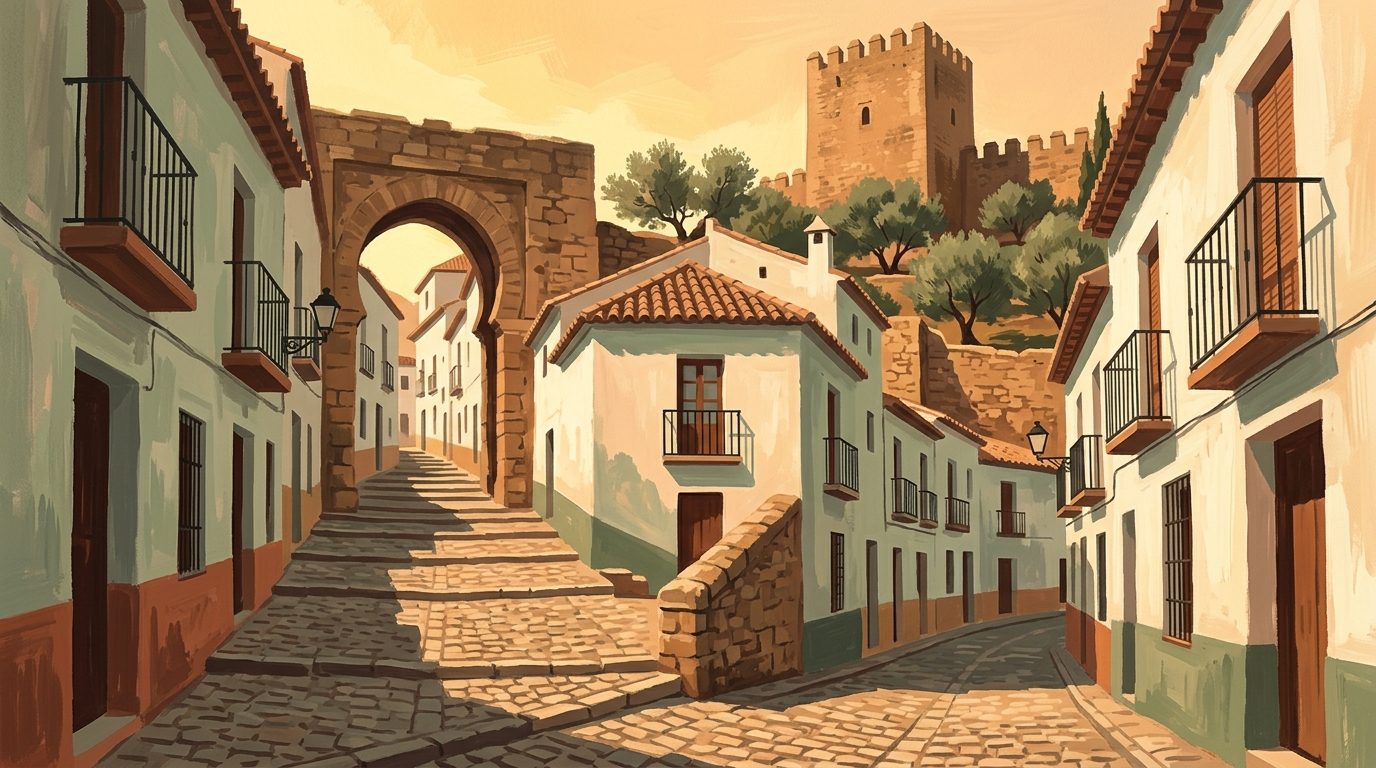
Iberian Cities and Oppida: The Fortified Hilltop Towns of Andalucía
The ancient Iberians transformed the landscape of southern Spain with massive fortified settlements known as oppida. These hilltop towns were the centres of a powerful aristocratic society built on agriculture, mining and Mediterranean trade.
7 min read
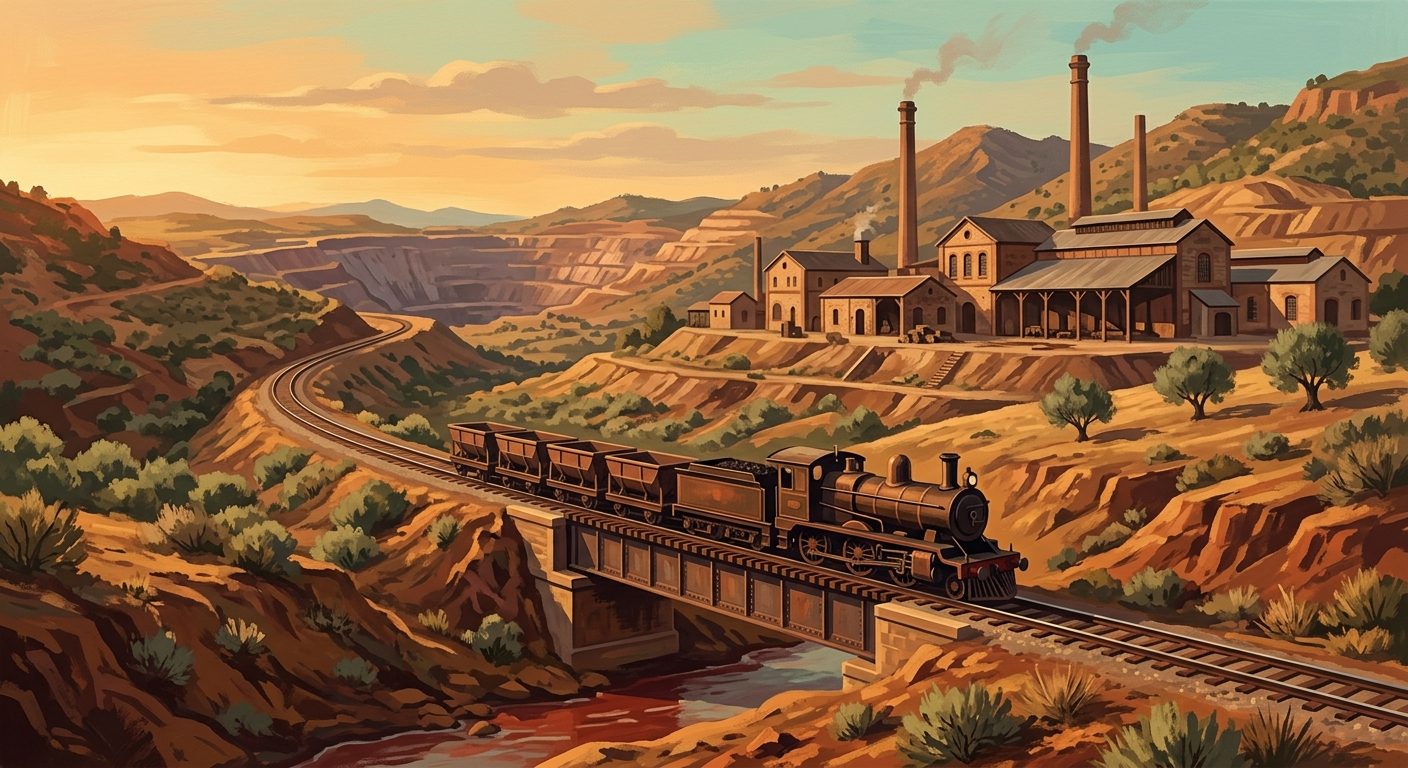
Industrial Heritage in Andalucía: Mines, Railways and the British
The nineteenth century brought an industrial boom to Andalucía, fuelled by British capital and ancient mineral wealth. Copper, iron and railways reshaped the landscape, leaving behind a profound legacy of Victorian architecture and vast open-pit mines.
6 min read
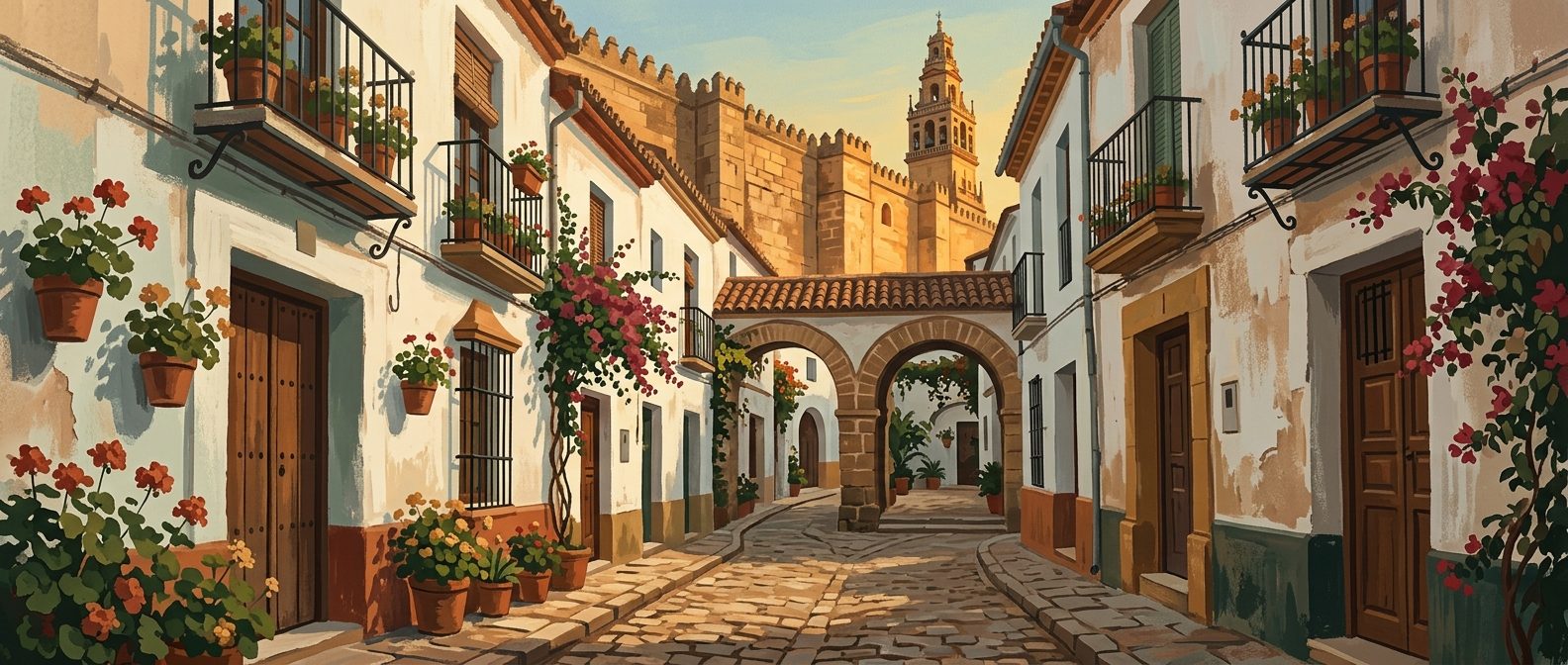
Corduba and Roman Baetica
Discover the political and intellectual might of Corduba, the wealthy administrative capital of Roman Baetica and the birthplace of the philosopher Seneca.
7 min read
More guides
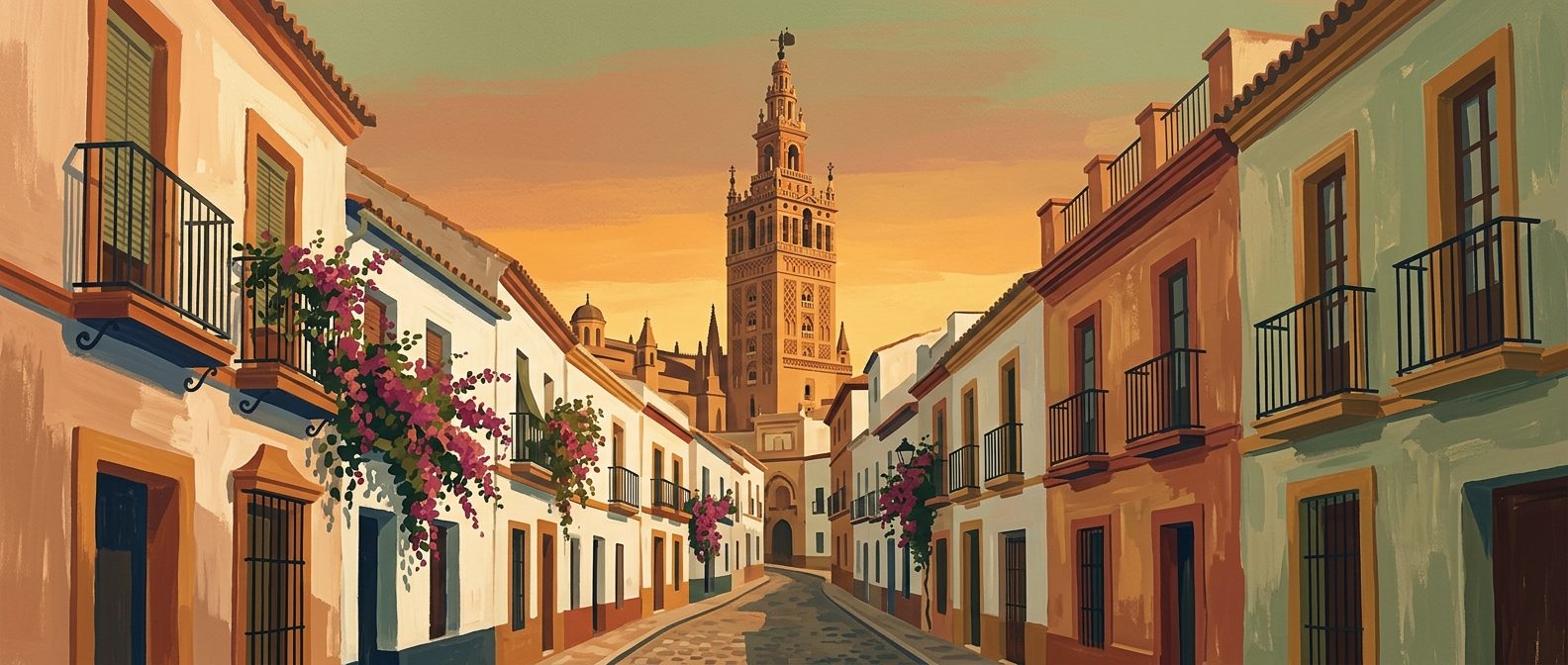
UNESCO World Heritage Sites in Andalucía
A curated guide to the cultural and natural sites in Andalucía recognised by UNESCO for their universal value. These landmarks offer a profound insight into the diverse civilisations of the region.
6 min read
The Best Beaches in Andalucía
From the Atlantic dunes of Huelva to the volcanic coves of Almería, the coastline of southern Spain offers an unparalleled variety of maritime landscapes.
6 min read
Phoenicians and Tartessians in Andalucía
Around three thousand years ago, eastern Mediterranean merchants arrived on the Iberian coast seeking silver and copper. Their arrival sparked a cultural collision that transformed local chiefdoms into the legendary civilisation of Tartessos.
6 min read
Roman Andalucía: Ruins and Archaeological Sites
Discover the monumental legacy of the Roman province of Baetica, from grand amphitheatres in the Guadalquivir valley to maritime cities on the Atlantic coast.
7 min read
Geological Wonders: Caves and Karst Landscapes of Andalucía
Discover the subterranean wonders and prehistoric secrets preserved within the limestone massifs and gypsum deposits of southern Spain.
6 min read
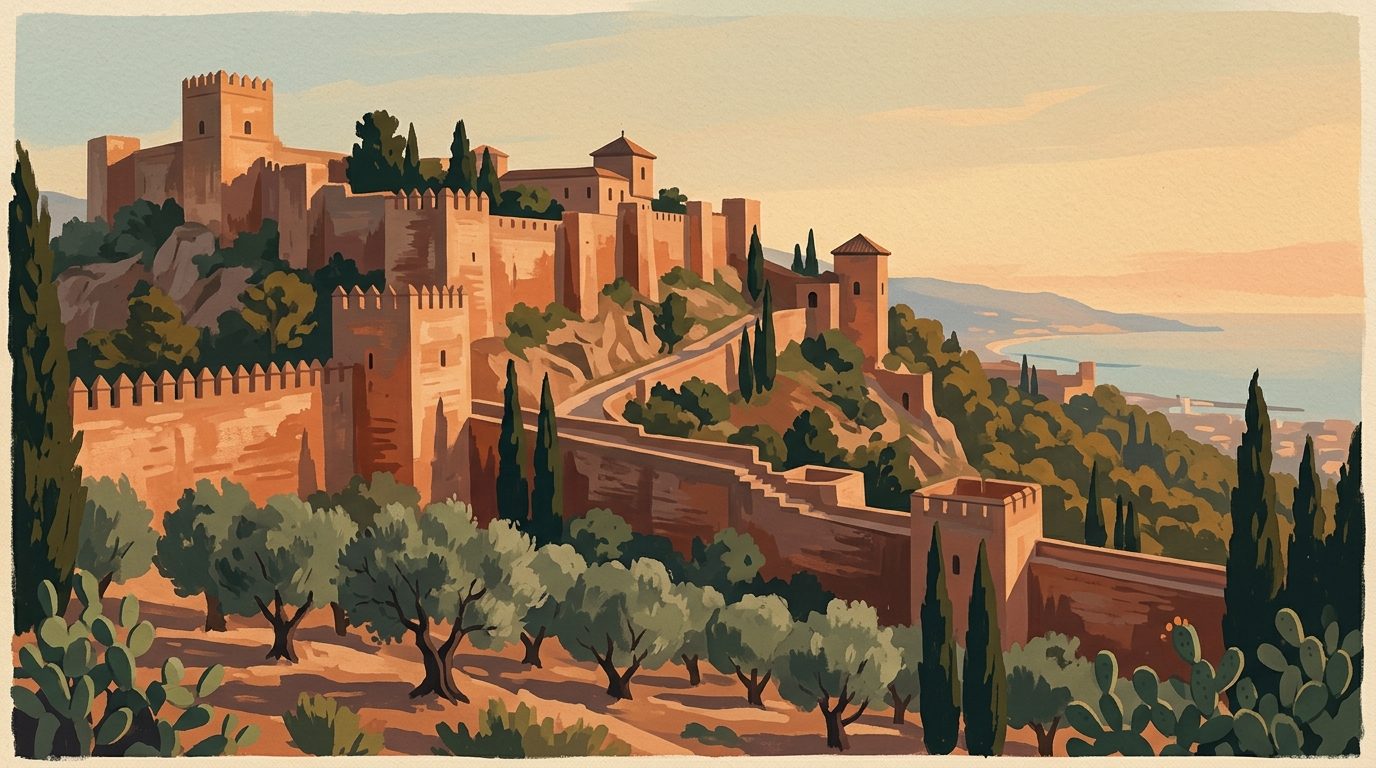
Castles and Fortresses of Andalucía
The fortresses of Andalucía are the stone guardians of a complex past, marking the ancient frontiers between empires and offering some of the most spectacular views in the southern peninsula.
6 min read
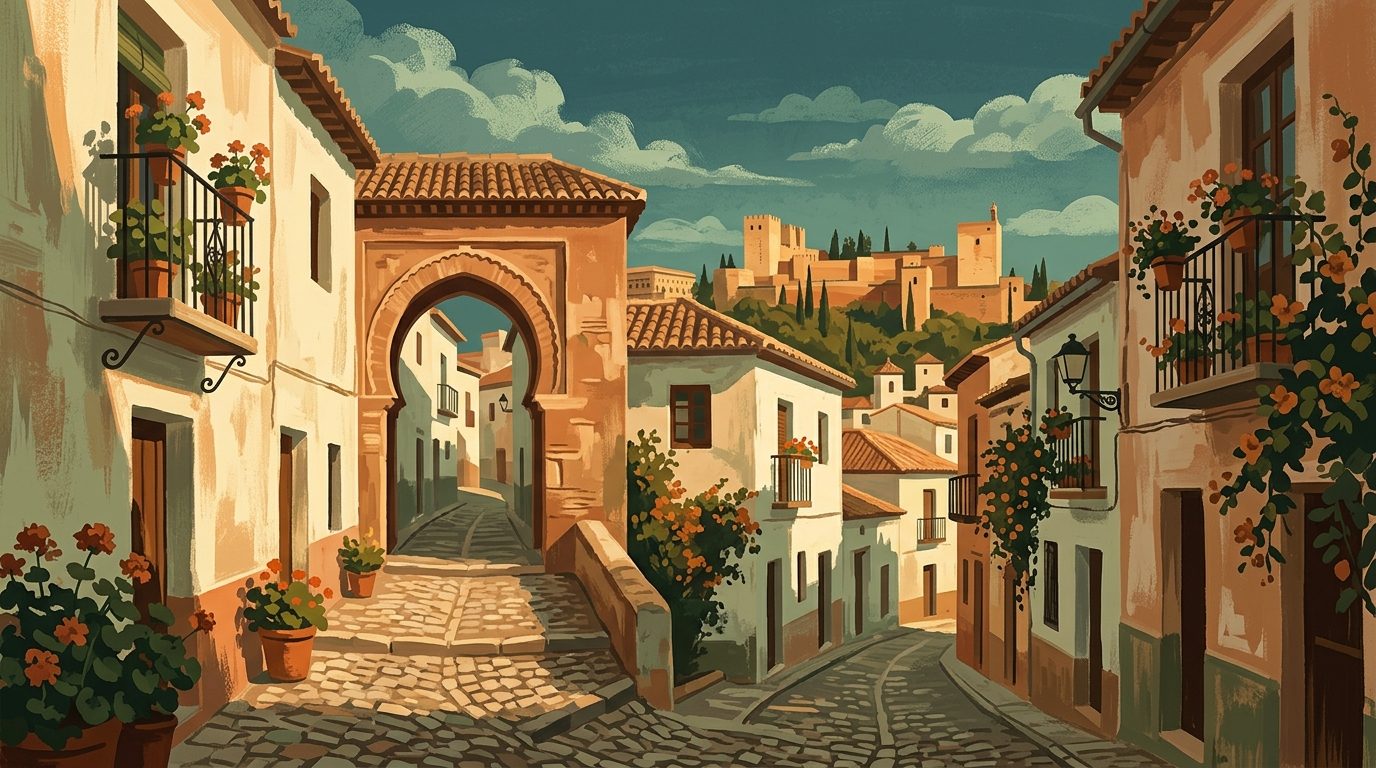
The Iberians in Andalucía: Warlords, Sculptors and the Dawn of Iron
Who were the sophisticated, iron-working peoples who controlled southern Spain before the Roman conquest? Their fortified hill towns and striking stone sculptures reveal a formidable culture caught between ancient local traditions and Mediterranean ambition.
6 min read
UNESCO Geoparks and Natural Wonders of Andalucía
Discover the geological heritage of Southern Spain through its UNESCO-designated geoparks and natural wonders. Explore the tectonic history and diverse ecosystems of Almería, Granada, and Cádiz.
6 min read
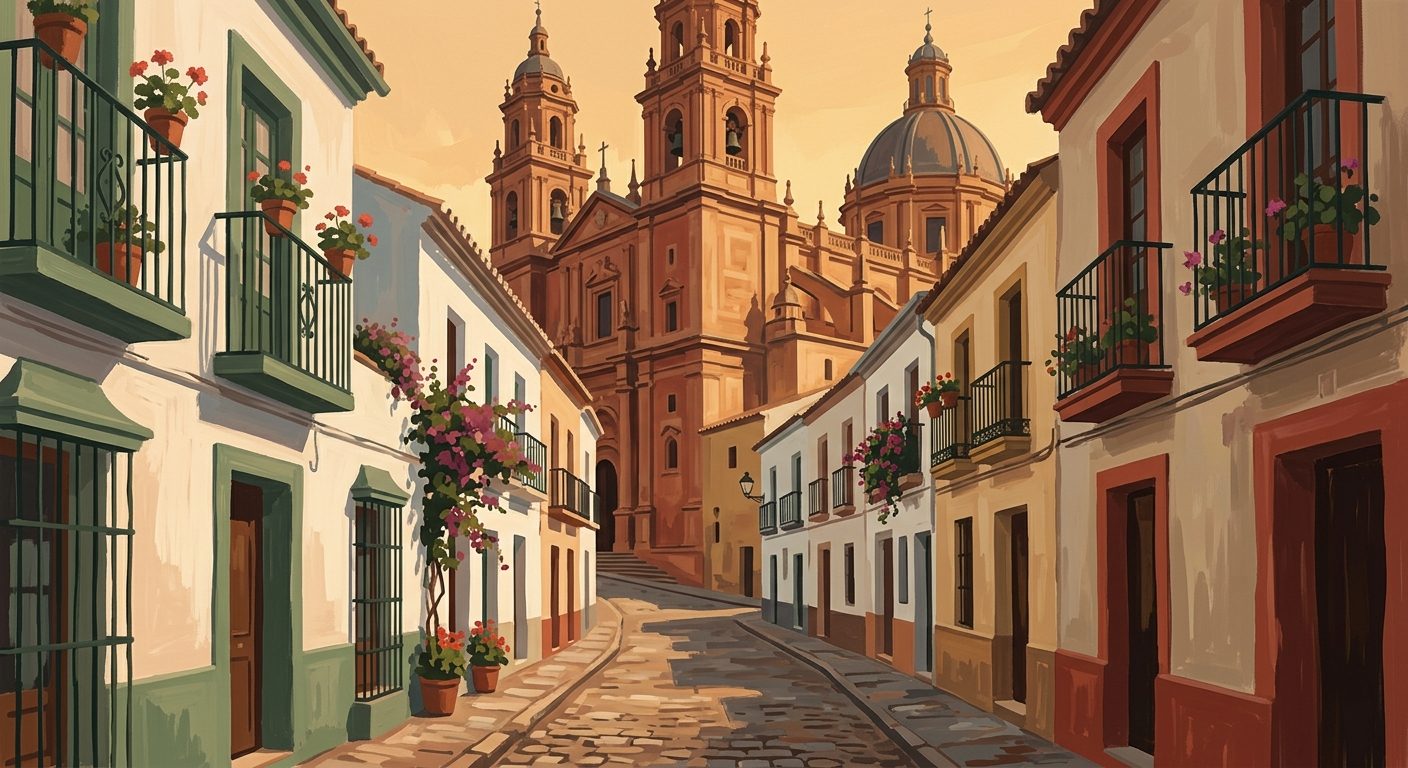
Cathedrals and Great Churches of Andalucía
A guide to the monumental religious architecture of Southern Spain, from the vast Gothic nave of Sevilla to the Renaissance masterworks of Jaén and Granada.
6 min read
Newsletter
More stories from Andalucía
Weekly notes, seasonal picks, and the next guides worth bookmarking.