
Things to do · Granada
The Best Day Trips from Granada: Sierra Peaks and Cave Dwellings
Escape the city and discover the diverse landscapes surrounding Granada, from the whitewashed villages of the Alpujarras to the extraordinary cave dwellings of Guadix.
By Dan · Updated 16 July 2026 · 6 min read
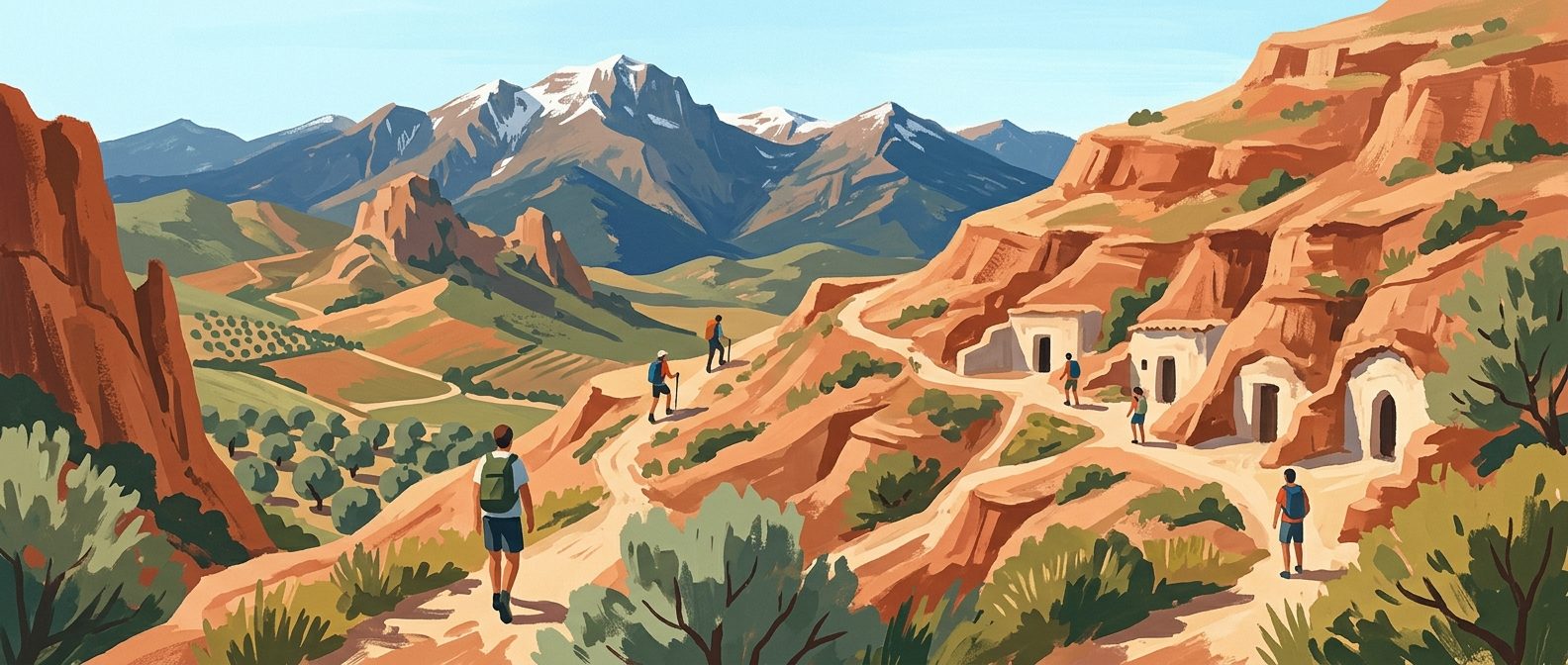
Beyond the Alhambra walls lies a landscape of snow-capped peaks, troglodyte dwellings, and whitewashed mountain villages. These day trips offer a chance to swap the city heat for cool sierra air or a salty Mediterranean breeze.
Granada occupies a unique position in the geography of Southern Spain. While the city itself is famous for its Moorish palaces and the narrow alleys of the Albaicín, its surroundings are remarkably varied. Within an hour’s drive, you can transition from the highest mountain peaks on the Iberian Peninsula to a subtropical coastline where mangoes and custard apples grow. The province is home to deep-cut river valleys, high-altitude plateaus, and semi-desert regions that feel worlds away from the tapas bars of Calle Elvira.
Choosing a day trip from Granada depends largely on your tolerance for winding roads and your appetite for the outdoors. The public transport network is reliable for major towns, though some of the more remote mountain villages require a hire car or a guided tour to reach efficiently. The options are extensive and cater to both the active traveller and those seeking a slower pace of life. Each of these locations provides a different perspective on the cultural identity of Granada, which is as much defined by its rugged landscape as it is by its architectural heritage.
Best Places for a Day Trip
The Alpujarras: High-Altitude Heritage
Situated on the southern slopes of the Sierra Nevada, the Alpujarras region is defined by its distinct Berber-style architecture. This is a collection of villages characterised by flat roofs, tall chimneys, and "tinaos" (covered walkways). The most popular route for a day trip involves visiting the three villages of the Poqueira Gorge: Pampaneira, Bubión, and Capileira. These settlements are stacked one above the other, offering views across the valley towards the Mediterranean.
Start in Pampaneira, the lowest of the three, known for its weaving tradition. You can visit local workshops where "jarapas" (multi-coloured rugs) are still made using traditional looms. A popular activity is to hike the trail that connects the three villages, which takes approximately three to four hours and is well-marked. For those who prefer a guided experience to handle the logistics and provide historical context, there are several organised excursions. If you are driving, the road is notoriously curvy, so take your time and stop at the viewpoints along the way.
Sierra Nevada: The High Peaks
The Sierra Nevada National Park is not just for winter sports. While the ski resort of Pradollano is the focal point from December to April, the mountains offer a cool refuge during the sweltering summer months. At 2,100 metres above sea level, Pradollano is the starting point for various high-altitude adventures. During the summer months (typically from late June to early September), a shuttle bus service (Lanzadera, check schedules on the official Sierra Nevada website) takes hikers further up the mountain towards Veleta, the second-highest peak in the range. From the drop-off point, it is a relatively straightforward hike to the summit at 3,396 metres, where on clear days, the coastline of North Africa is visible.
For those visiting in the winter, the ski station is easily accessible by a 45-minute bus ride from Granada’s central bus station. If you aren't a skier, you can still enjoy the snow by booking a snowshoeing excursion which provides a more tranquil way to experience the white landscape. Equipment hire is available at several shops in the main square of Pradollano.
Guadix: Life Underground
Guadix, located about 50 minutes east of Granada, offers one of the most unusual landscapes in Andalucía. The town is famous for its "Barrio de las Cuevas" (Cave District), where over 2,000 caves are still inhabited. These are not primitive dwellings but fully functional homes with electricity, internet, and naturally regulated temperatures that stay around 18 to 20°C year-round. Walking through the district is a surreal experience where white chimneys and ventilation shafts poke out from the earth at foot level.
Visit the Cueva Museo (Cave Museum) to see how these homes are structured, and make sure to climb to the Mirador Padre Poveda for a panoramic view of the red clay hills and the snow-capped Sierra Nevada in the background. The town also features a massive Renaissance-Baroque cathedral and a Moorish Alcazaba. For a comprehensive look at the region, including the nearby Gorafe desert, many visitors opt for a guided trip.
Montefrío: The Best Views in the Province
Montefrío gained international fame in 2015 after being named one of the towns with the best views in the world by National Geographic. The sight of the Iglesia de la Villa perched atop a massive rock crag overlooking the town is spectacular. The church itself was built on the site of a former Moorish fortress, and the walk up to the top is steep but rewarding. The town is also home to the Iglesia de la Encarnación, a rare example of a circular church in Spain, inspired by the Pantheon in Rome.
Food lovers should seek out the local goat's cheese, "Queso Montefrieño," which has won numerous international awards. You can visit the local dairy shops in the town centre to buy some to take away. Montefrío is best reached by car, as bus services from Granada are infrequent and take significantly longer. It is an ideal spot for photography and a quiet afternoon exploring the winding streets of the old quarter.
Costa Tropical: Salobreña and Almuñécar
If you need a break from the mountains, the Costa Tropical is roughly 45 minutes south of Granada. Unlike the flatter Costa del Sol, this coastline is rugged, with cliffs dropping into small coves. Salobreña is perhaps the most striking town, with its cluster of whitewashed houses clinging to a rocky outcrop topped by a Moorish castle. A walk up to the castle provides views over the surrounding sugar cane and avocado plantations.
Almuñécar, just a bit further west, offers more in terms of beaches and Roman history. Visit the Majuelo Botanical Park, which contains the ruins of a Roman fish-salting factory, or spend the afternoon at Playa de la Herradura, a horseshoe-shaped bay popular for kayaking and scuba diving. The climate here is mild throughout the year, making it a viable day trip even in January. There are frequent buses from Granada to both towns operated by the company ALSA.
Practical Information
Travelling around Granada province is relatively straightforward, but planning is required. The central bus station (Estación de Autobuses) is located on the outskirts of the city, reachable via local bus lines (such as the 33) or the Metro. ALSA is the primary bus operator for the Costa Tropical, Guadix, and Montefrío. For the Alpujarras, buses depart three times a day, but the schedule can be restrictive for a day trip; renting a car provides much more flexibility for exploring the smaller villages.
Costs for a day trip are modest. A return bus ticket to the coast or Guadix typically costs between €10 and €15. If you are driving, the A-44 motorway to the coast is an 'autovía' and is entirely toll-free. The best season for hiking is spring (April to June) and autumn (September to November). Summer can be extremely hot in Guadix and Montefrío, while the high mountains remain cool. Always carry plenty of water and sun protection, regardless of the season.
Local Tips
When visiting the Alpujarras, look for the "Plato Alpujarreño" on the menu; it’s a hearty local dish of potatoes, fried eggs, ham, sausage, and peppers designed to fuel mountain workers. In Guadix, don’t just stay in the cave district; the historic centre has excellent tapas bars that follow the Granada tradition of serving a free snack with every drink. If you are heading to the Costa Tropical on a Sunday in July or August, expect heavy traffic returning to Granada in the evening as locals head home from the beach. Plan to leave after 9:00 PM to avoid the worst of it.
Last reviewed: 21 June 2026 · Editorial policy
Related guides
Exploring Capileira: The Roof of the Alpujarra
Perched at 1,436 metres in the Sierra Nevada, Capileira is the ultimate base for exploring the Alpujarra's white villages and conquering the peaks of Mulhacén.
6 min read
A Guide to Bubión: The Quiet Heart of the Poqueira Gorge
Positioned halfway up the dramatic slopes of the Sierra Nevada, Bubión offers a preserved look at the traditional Berber-inspired architecture of the Alpujarras.
6 min read
High Altitudes and Berber Roots: A Local Guide to the Alpujarra Granadina
Discover the high-altitude white villages of the Alpujarra Granadina, where Berber history meets mountain tradition in the shadows of the Sierra Nevada.
10 min read
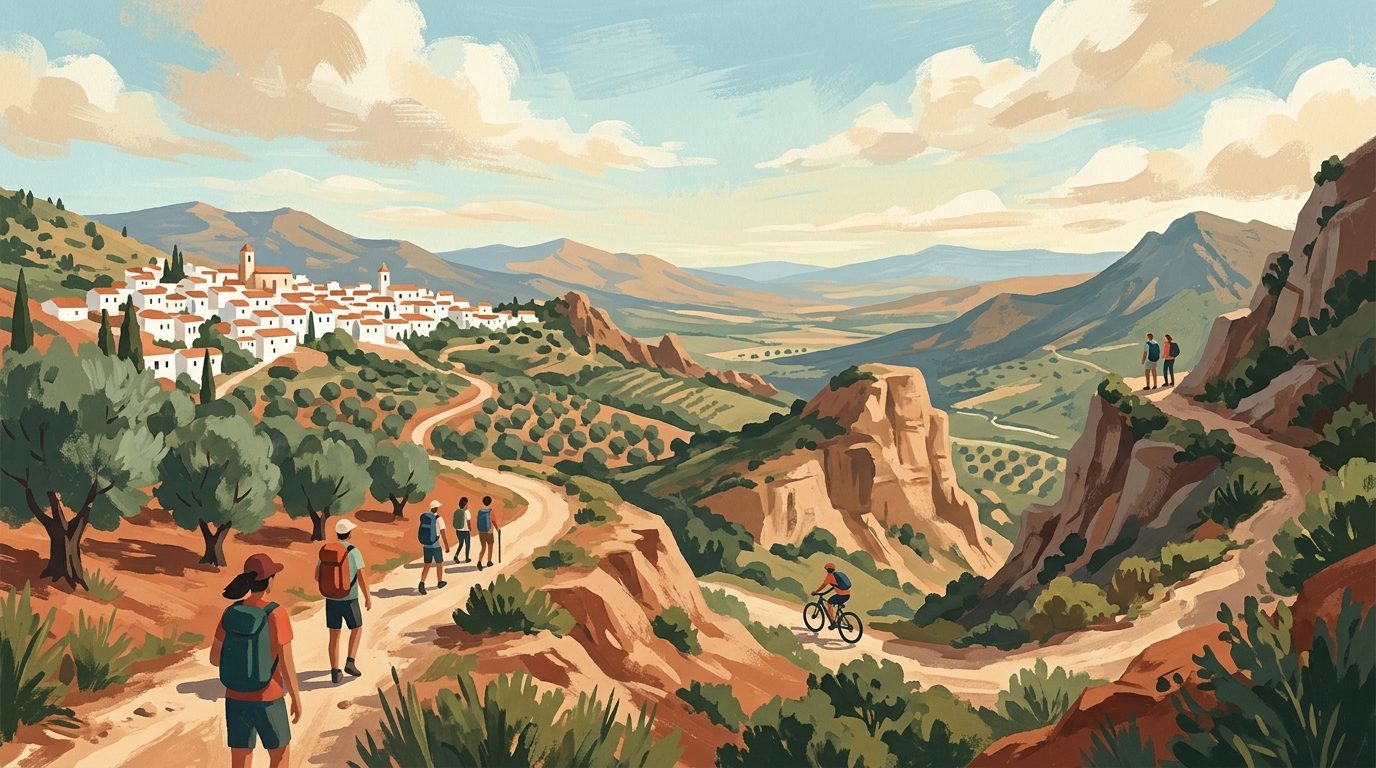
Beyond the Coast: Essential Day Trips from Málaga
Discover the best day trips from Málaga, featuring the clifftop views of Ronda, the suspension bridges of Caminito del Rey, and the ancient dolmens of Antequera.
6 min read
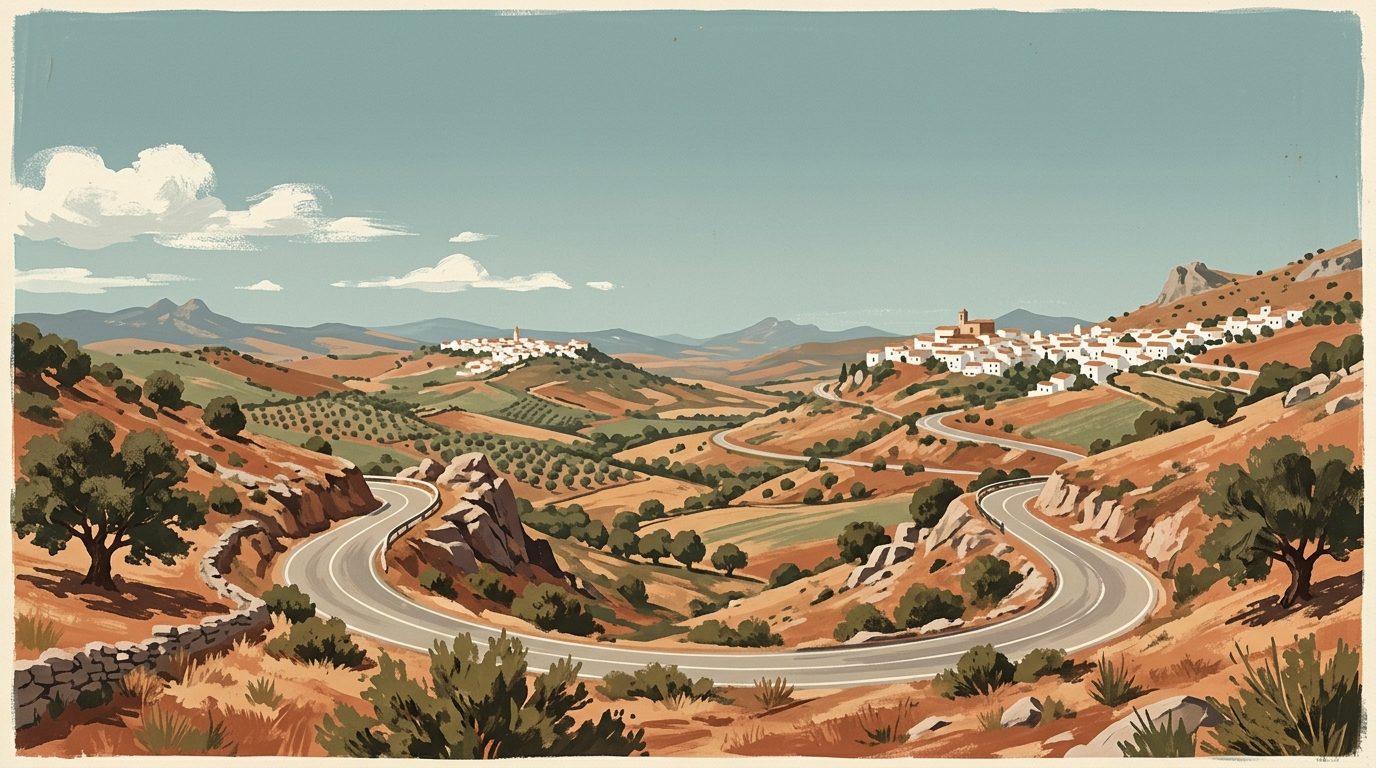
One Week in Ronda: A Seven-Day Itinerary for the Serranía
A seven-day stay in Ronda allows you to experience the deep gorge and ancient streets long after the day-trippers have left. Using the city as a base, you can easily explore the surrounding white villages, hike the Sierra de las Nieves, and settle into the true rhythm of mountain life.
13 min read
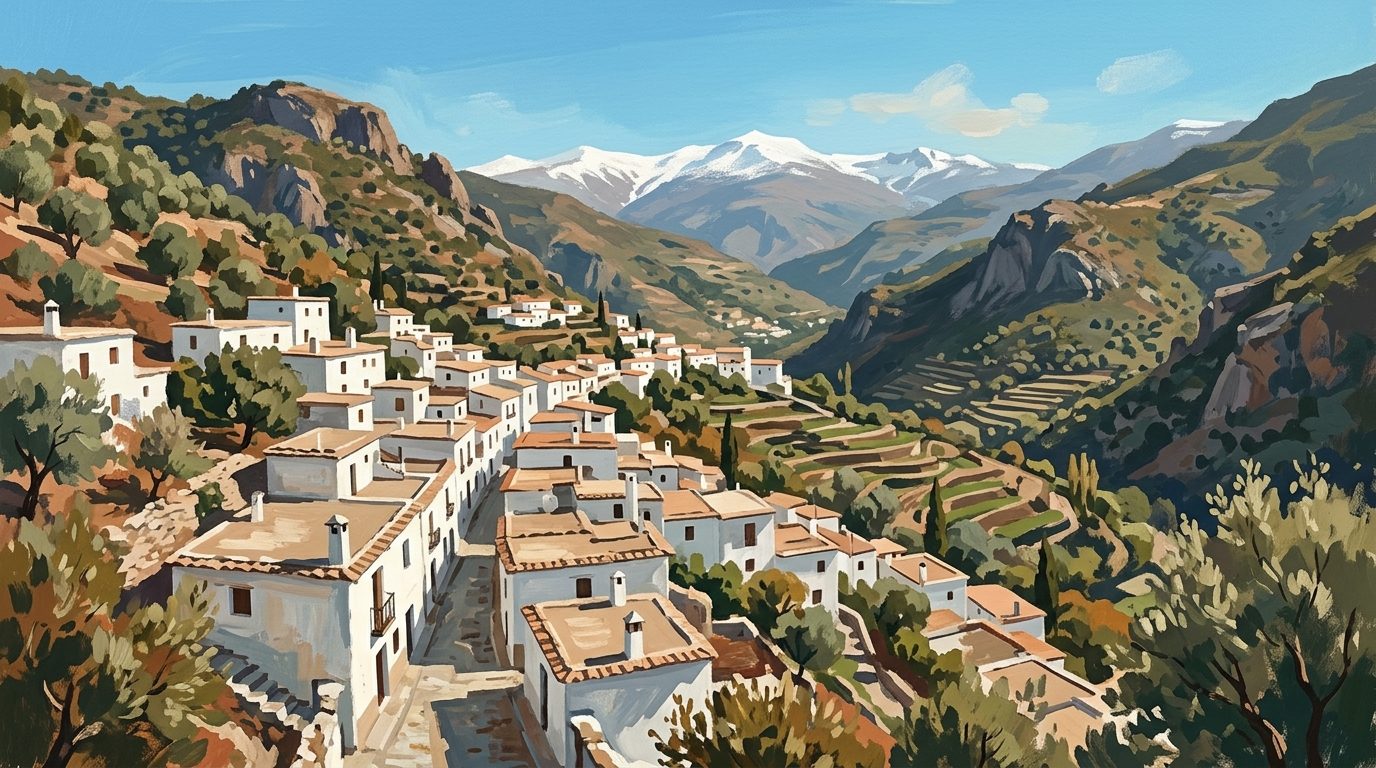
A Guide to Pampaneira: The Heart of the Poqueira Gorge
Pampaneira sits at the base of the Poqueira Gorge, offering a look into the Berber-influenced architecture and traditional weaving crafts of the Alpujarra. This mountain village serves as a practical starting point for exploring the high peaks of the Sierra Nevada.
6 min read
More from Granada
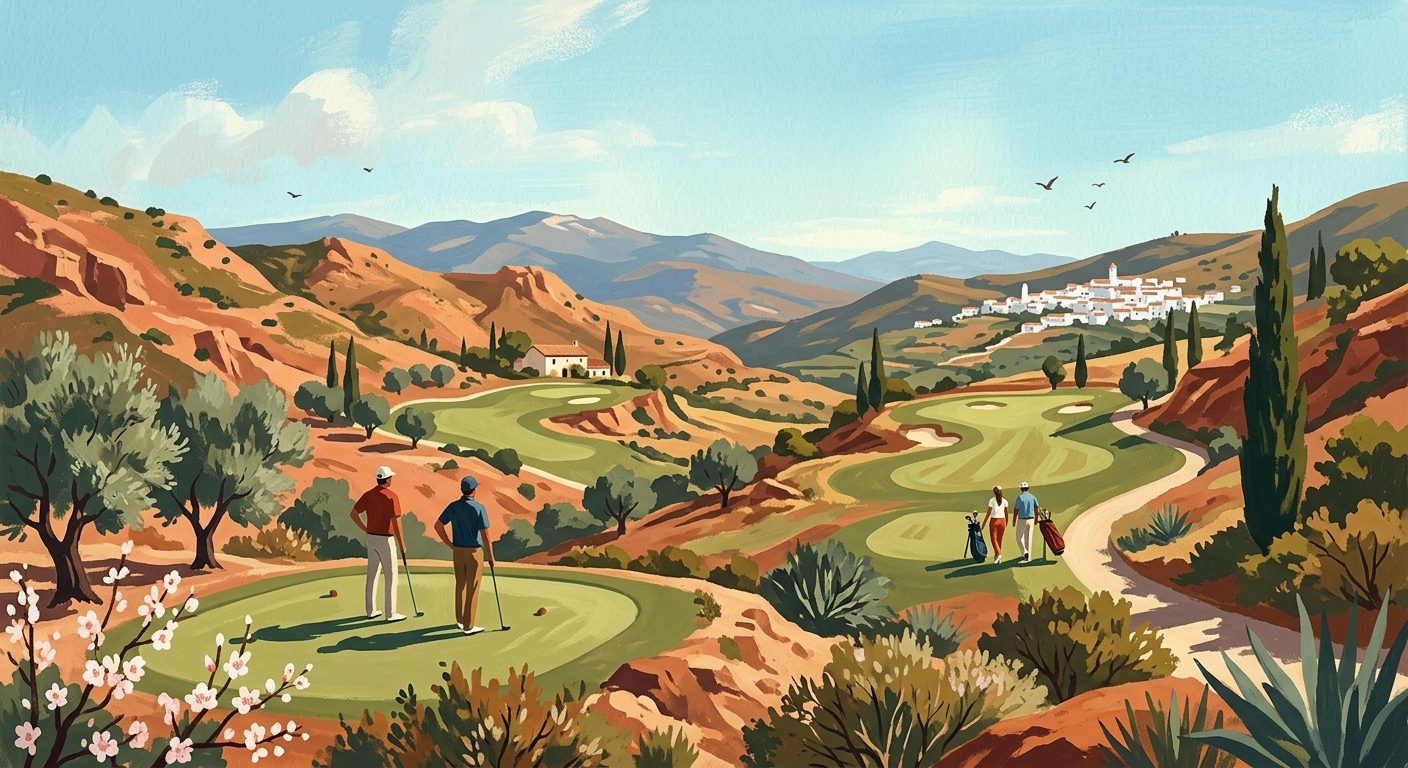
Golf in Granada Province: A Practical Guide to Courses, Holidays and Gear
Plan your perfect golfing trip with our practical guide to Granada's 18-hole courses. Discover green fees, club rental, and the best locations for a golf holiday.
12 min read
A Guide to Cycling in Granada: From High Peaks to Valley Floors
From the highest paved road in Europe to technical mountain bike trails through olive groves, Granada offers some of the most varied terrain in Andalucía for cyclists of all disciplines.
6 min read
Hiking and Walking in Granada: From High Peaks to Gorge Trails
From the high-altitude peaks of the Sierra Nevada to the terraced valleys of the Alpujarras, Granada offers some of the most varied walking terrain in southern Spain.
6 min read
Unveiling Granada's Soul: A Journey Through the Albaicín and Sacromonte Quarters
Walk through Granada’s Albaicín and Sacromonte quarters with context on Moorish streets, cave houses, flamenco heritage, viewpoints and practical routes.
7 min read
Granada's Enduring Moorish Soul: Beyond the Alhambra
Discover Granada's profound Moorish legacy beyond the Alhambra, delving into the ancient Albaicín quarter, overlooked architecture, and the layered culture that defines the city.
5 min read
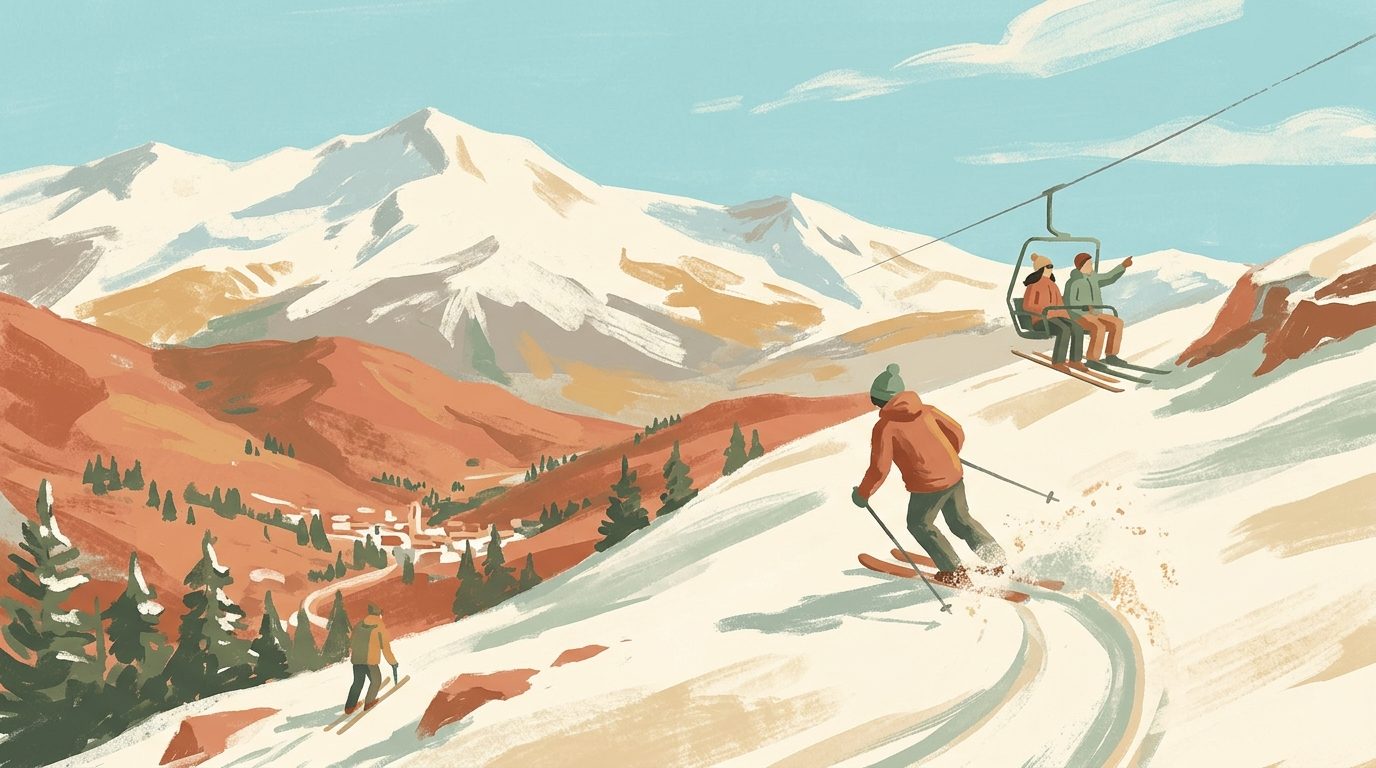
Skiing in Sierra Nevada: A Guide to the Sunniest Slopes in Europe
Experience the unique thrill of skiing in southern Spain, where you can carve through snow in the morning and relax by the Mediterranean in the afternoon. Discover everything from the 110km of pistes in Sierra Nevada to the best spots for tapas in Pradollano.
5 min read
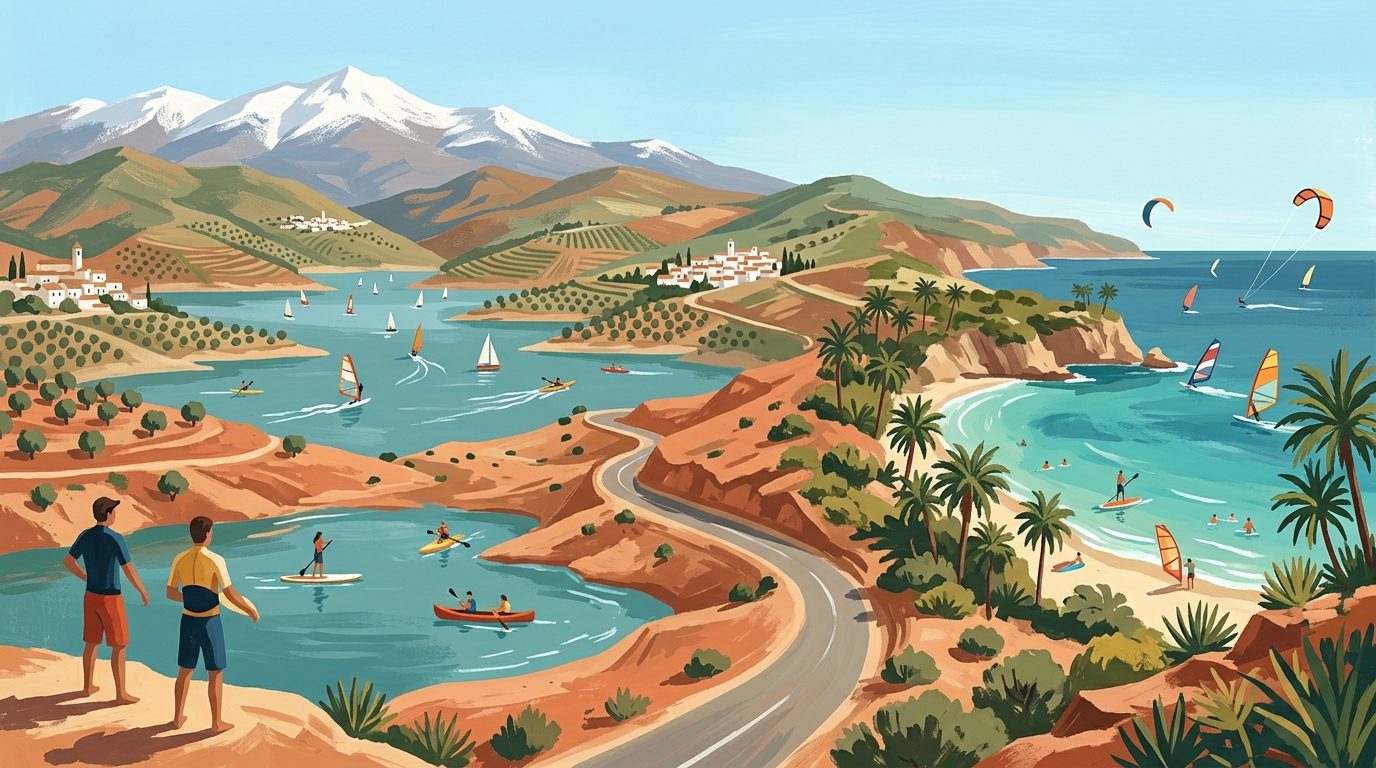
A Guide to Water Sports in Granada: From Reservoirs to the Tropical Coast
Discover the best spots for diving, kayaking, and reservoir swimming in Granada, from the marine reserves of La Herradura to the turquoise waters of Los Bermejales.
6 min read
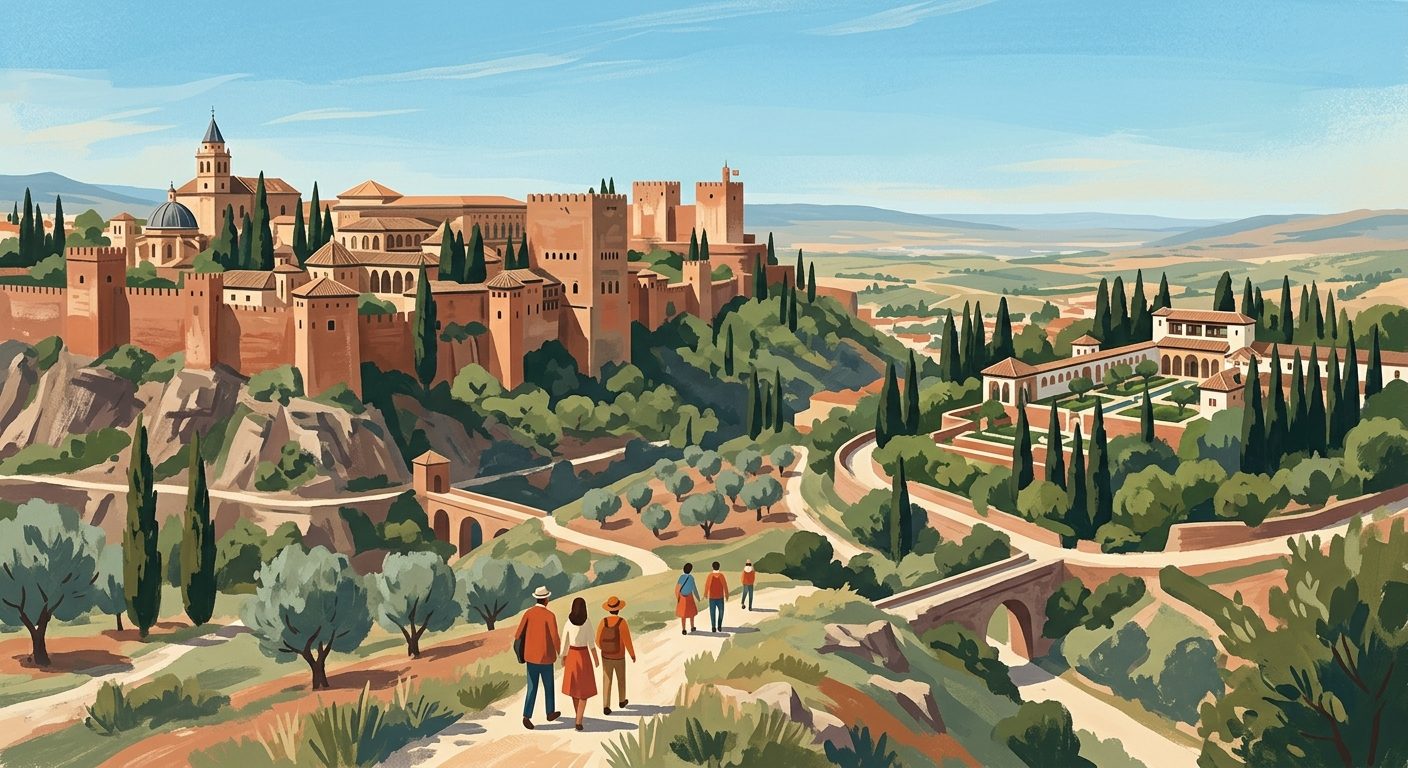
The Alhambra and Generalife: A Detailed Guide to Granada's Moorish Masterpiece
Explore the Alhambra and Generalife in Granada, from the Nasrid Palaces and beautiful courtyards to practical ticket, timing, and essential ID entry tips.
6 min read
Newsletter
More stories from Andalucía
Weekly notes, seasonal picks, and the next guides worth bookmarking.