
Things to do
A Gastronomic Guide to Andalucía: From Sherry Bodegas to Olive Groves
Discover the authentic flavours of Southern Spain, from the sherry bodegas of Jerez to the ancient olive groves of Jaén and the world-renowned ham of Jabugo.
By Dan · Updated 16 July 2026 · 6 min read
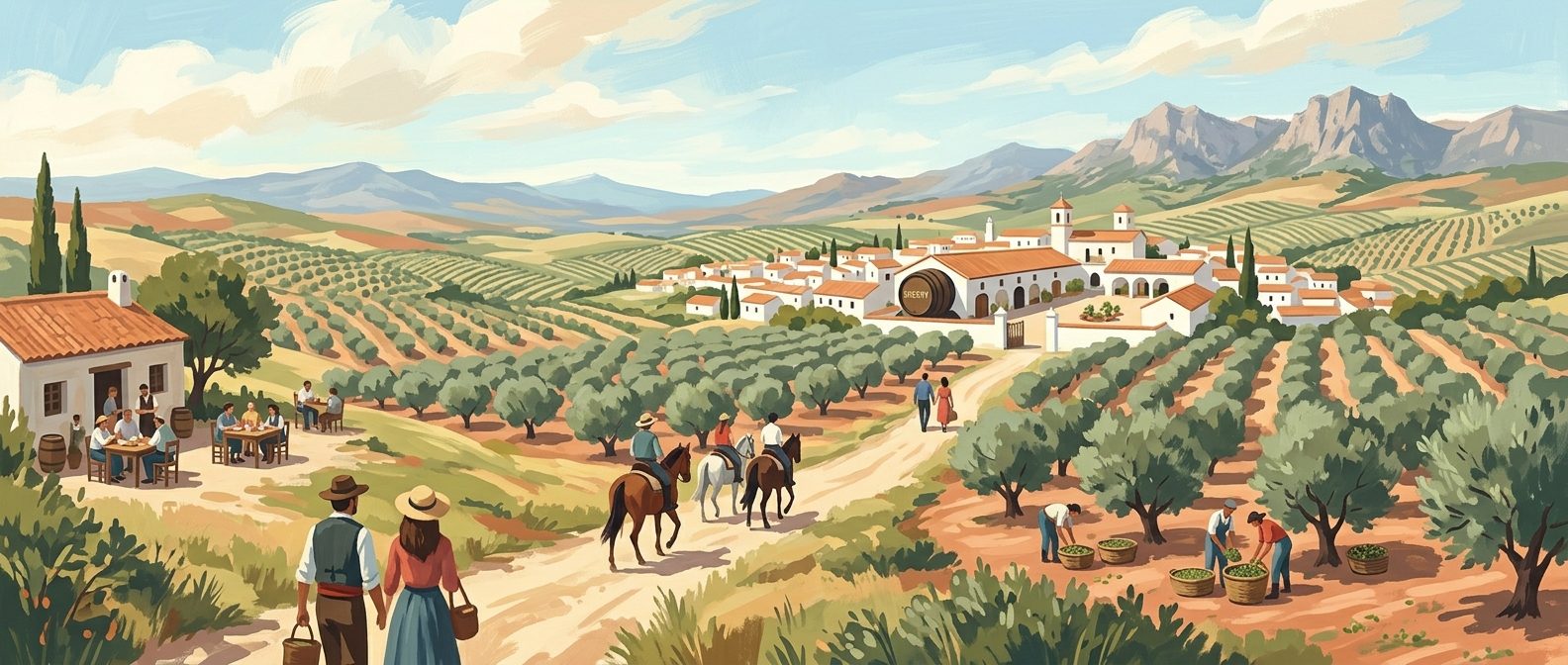
Explore the deep-rooted culinary traditions of Southern Spain, where every village tells a story through its kitchens and markets. This guide navigates the essential flavours and producers that define the Andalucían table.
Eating in Andalucía is rarely a purely functional act. It is a social ritual, a seasonal marker, and a way of life. The region’s geography (ranging from the Atlantic surf of Cádiz to the high-altitude peaks of the Sierra Nevada) creates a diverse larder that has been influenced by Phoenician, Roman, and Moorish cultures. For the visitor, gastro-tourism here involves moving beyond the standard tourist menus and into the territory of specialised producers, artisanal workshops, and traditional markets.
The connection between the land and the plate is immediate. This isn’t just about fine dining; it is about understanding the provenance of ingredients. In recent years, a new wave of producers has revitalised traditional methods, making it easier than ever to book tours that go behind the scenes of the region’s most famous exports. From the intricacies of the solera system in sherry production to the rigorous grading of acorn-fed ham, the level of craftsmanship is extraordinary.
The Sherry Triangle: Jerez, Sanlúcar, and El Puerto
The corner of southwest Spain formed by Jerez de la Frontera, Sanlúcar de Barrameda, and El Puerto de Santa María is the only place on earth where authentic Sherry is produced. This is not the sweet, dusty drink of Victorian novels; it is a complex, versatile wine that ranges from the bone-dry, salty Manzanillas to the dark, nutty Olorosos.
Bodegas González Byass (Tio Pepe), Jerez
As one of the most famous names in the region, González Byass offers a comprehensive introduction to the solera system, the method of fractional blending used to age sherry. The tour takes you through the spectacular "La Concha" cellar, designed by Gustav Eiffel. Prices start at around €20 for a basic tour and tasting, but it is worth upgrading to the specialised VORS (Very Old Rare Sherry) tastings to try wines aged for over 30 years.
Bodegas Hidalgo La Gitana, Sanlúcar de Barrameda
For a more coastal experience, head to Sanlúcar to try Manzanilla. The proximity to the Guadalquivir estuary gives the wine a distinctive saline quality. Hidalgo La Gitana is one of the oldest family-run bodegas in the town. Their tours are informative and unpretentious, focusing on how the humid sea air affects the layer of "flor" (yeast) that protects the wine. Pair your visit with a lunch of local king prawns (langostinos de Sanlúcar) at the nearby Bajo de Guía waterfront.
The Sacred Pig: Jamón Ibérico in Jabugo
In the province of Huelva, the village of Jabugo has become synonymous with the world’s finest ham. The Dehesa, a unique ecosystem of oak forests, provides the acorns (bellotas) that give the Pata Negra its distinctive nutty flavour and heart-healthy fats.
Cinco Jotas (5J) Bodega, Jabugo
A visit to the Cinco Jotas curing cellars is a sensory experience. You will see thousands of hams hanging from the rafters, aged for up to three years. The tour explains the lifecycle of the 100% Ibérico pig and the skill of the maestro cortador (master carver). Seeing the precision required to carve paper-thin slices is a highlight. Tours generally cost between €25 and €50 depending on the level of tasting included (check on the operator's website before travelling).
Liquid Gold: Olive Oil in Jaén and Córdoba
Andalucía produces more olive oil than any other region in the world. While the sheer scale of production in Jaén is immense, the focus for gastro-tourists is on the "Early Harvest" oils, which are bright green and intensely aromatic.
Castillo de Canena, Jaén
Located in the heart of the Jaén countryside, this family-owned company is a pioneer in high-end olive oil. They offer tours of their mill and olive groves, where you can learn about the different varieties like Picual, Arbequina, and Royal. The tasting sessions teach you how to identify notes of tomato plant, green almond, and freshly cut grass. It is an eye-opening experience for anyone used to supermarket-grade oil.
Galpón de Aceite, Córdoba
In the province of Córdoba, many smaller mills offer intimate workshops. Galpón de Aceite provides a hands-on look at the pressing process. Many of these operators also offer "Oleotourism" packages that include a traditional miller’s breakfast: toasted bread drenched in fresh oil and topped with salt and rubbed tomato.
Coastal Seafood and the Almadraba
The Atlantic coast of Cádiz is home to the Almadraba, an ancient Phoenician technique for catching Bluefin tuna during their migration to the Mediterranean. Between April and June (peaking in May), the towns of Barbate, Conil, and Zahara de los Atunes revolve around this "red gold." If visiting in late June, check local listings as the final catches usually conclude by the end of the month.
El Campero, Barbate
While not a tour operator, El Campero is a pilgrimage site for food lovers. This restaurant is world-renowned for its tuna menu, featuring every imaginable cut, from the fatty ventresca (belly) to the morrillo (neck). For a more educational experience, the Gadira factory in Barbate offers a shop and sometimes organised visits to explain the ronqueo, the traditional art of breaking down the tuna, so named because the knife against the bone sounds like a snore.
Market Life and Cooking Workshops
To see where the locals shop, the central markets (Mercados de Abastos) are the place to be. These are not museums; they are functioning hubs of commerce that have adapted to include small gourmet stalls where you can eat as you browse.
Mercado de Atarazanas, Málaga
Málaga’s main market is housed in a 19th-century industrial building with a stunning stained-glass window. Join a guided market tour to navigate the stalls of local cheeses, Aloreña olives, and fresh Mediterranean fish. Many tours include a stop at a nearby kitchen for a cooking class where you can learn to make ajoblanco (cold almond soup) or gambas al pil-pil.
Annie B’s Spanish Kitchen, Vejer de la Frontera
For those who want to roll up their sleeves, Annie B’s offers highly regarded cooking courses in the hilltop town of Vejer. Her classes often include Sherry tastings and visits to local butchers or fishmongers. It is an excellent way to understand the techniques behind Andalucían home cooking in a relaxed, friendly environment. Day courses typically start around €165 (check on the operator's website before travelling).
Practical Information
Gastro-tourism in Andalucía requires some forward planning, as the best artisanal producers often have limited tour slots. Most bodega and oil mill tours last between 90 minutes and two hours. Prices range from €15 for basic tastings to €150 for full-day immersive cooking experiences.
The best season for food lovers is undoubtedly autumn (for the grape and olive harvests) or spring (for the Almadraba tuna and wild asparagus). Summers are extremely hot, particularly in the interior provinces like Jaén and Sevilla, which can make walking through groves or visiting non-air-conditioned markets uncomfortable. If you are visiting bodegas, bring a light jumper even in summer; the thick walls and humidity required for wine ageing keep the cellars surprisingly cool.
Local Tips
When ordering tapas in Granada or Almería, remember that a small plate of food is often served free with every drink. Do not rush to order from the menu until you see what arrives. In markets, look for the 'km0' signs, which indicate produce grown within the province. When buying olive oil to take home, always look for the harvest date (typically October or November) rather than just the 'best before' date; freshness is everything. Finally, remember that lunch is the main meal of the day, usually served between 2:00 pm and 4:00 pm.
Last reviewed: 14 July 2026 · Editorial policy
Related guides
Beyond the Tapas Bar: A Guide to Michelin Stars and Fine Dining in Andalucía
Discover the sophisticated world of Andalucían fine dining, from the maritime experiments of Ángel León to the historical Al-Andalus flavours of Paco Morales.
7 min read
The Ultimate Sherry Triangle Route: A 3-Day Bodega Itinerary
Forget everything you think you know about sweet cream sherry gathering dust in a vicar’s cupboard. The true Sherry Triangle is a serious, terroir-driven journey through chalk-white soils, coastal winds, and centuries-old cathedral bodegas.
10 min read
Pollo al Ajillo: The Ultimate Andalucían Garlic Chicken Recipe
A humble but spectacular dish of golden chicken fried with an abundance of garlic and dry white wine. This recipe captures the rustic essence of the Andalucían countryside in under fifty minutes.
3 min read
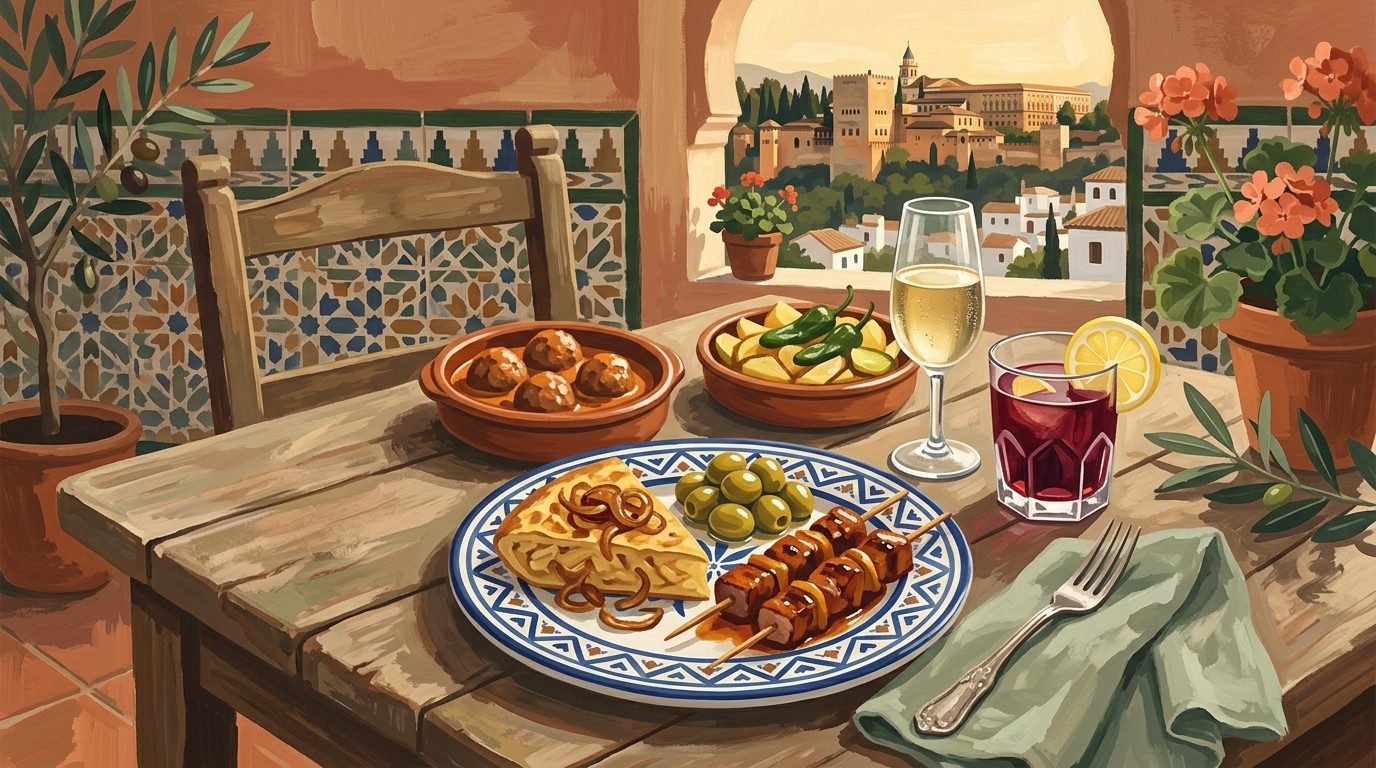
A Serious Eater's Guide to Granada: From Free Tapas to Fine Dining
Beyond the Alhambra lies a city where the drink-to-food ratio remains the best in Spain, anchored by a free tapas culture that rewards the adventurous diner.
7 min read
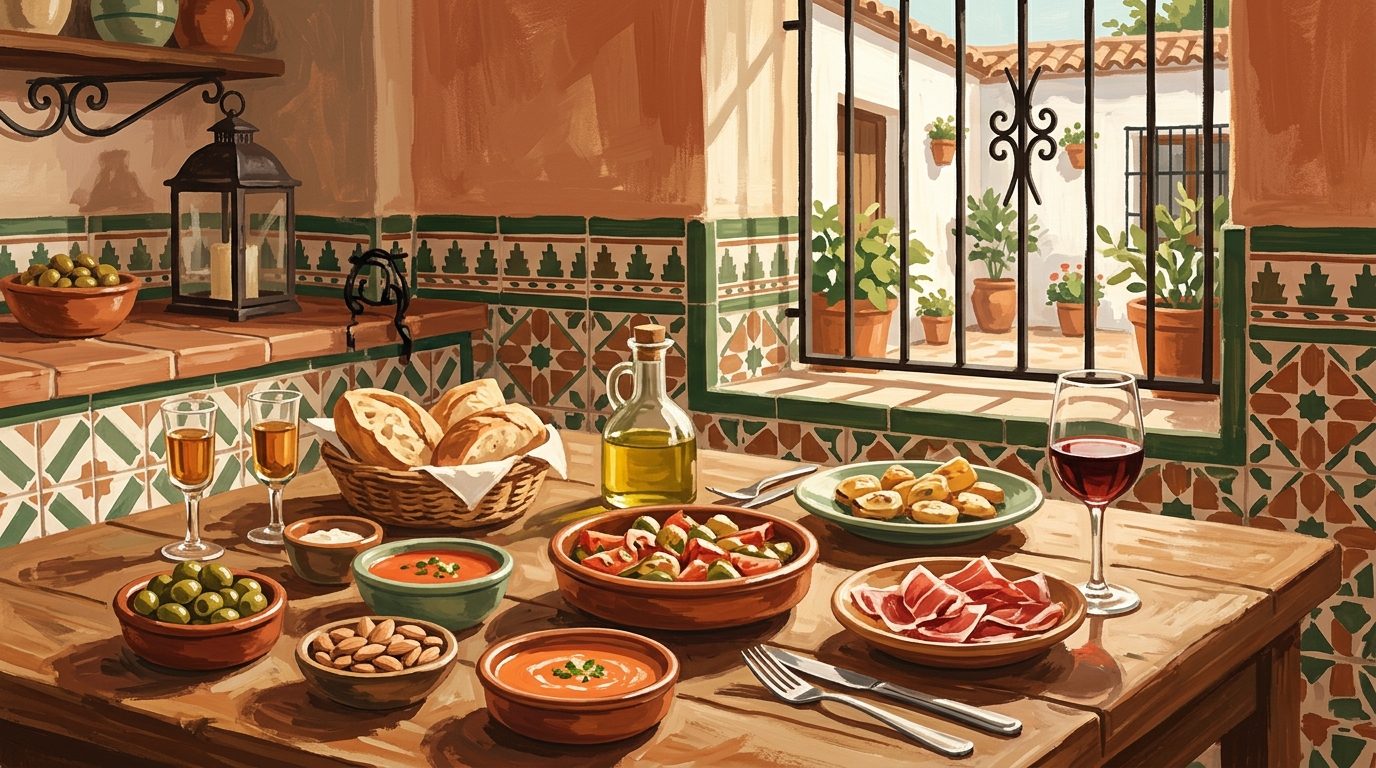
Master the Art of the Andalucían Kitchen: The Best Cooking Classes in Southern Spain (2026 Guide)
Discover the secrets of the Andalucían kitchen, from masterclasses in the markets of Sevilla to sherry-infused cooking in the hills of Cádiz.
7 min read
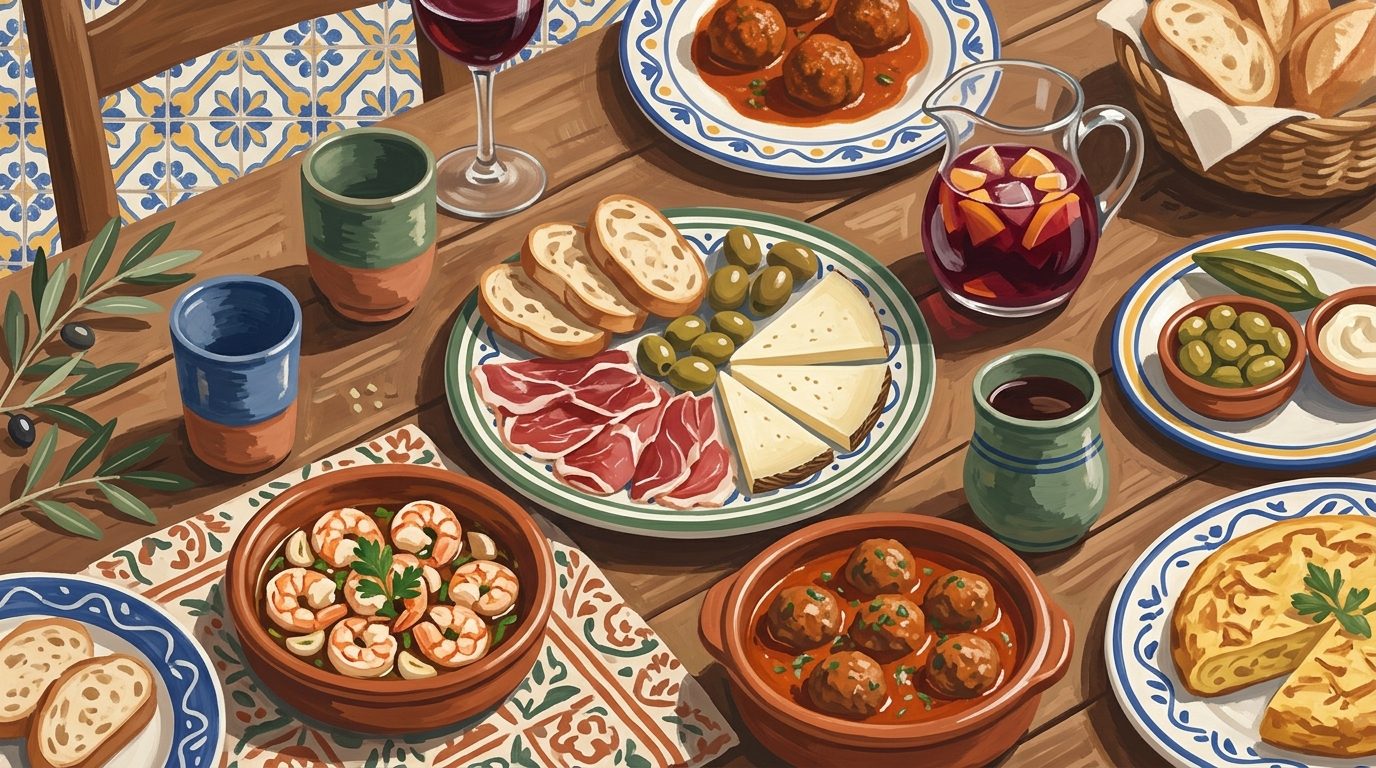
Beyond the Tapas Bar: A Journey Through the Flavours of Andalucía
Discover the essential dishes of Southern Spain, from the chilled salmorejo of Córdoba to the smoky espetos of the Málaga coast.
7 min read
More guides

The Definitive Guide to Feria de Abril in Sevilla
Discover the cultural nuances, strict dress codes, and insider advice for navigating Sevilla's exclusive spring fair like a seasoned local.
9 min read
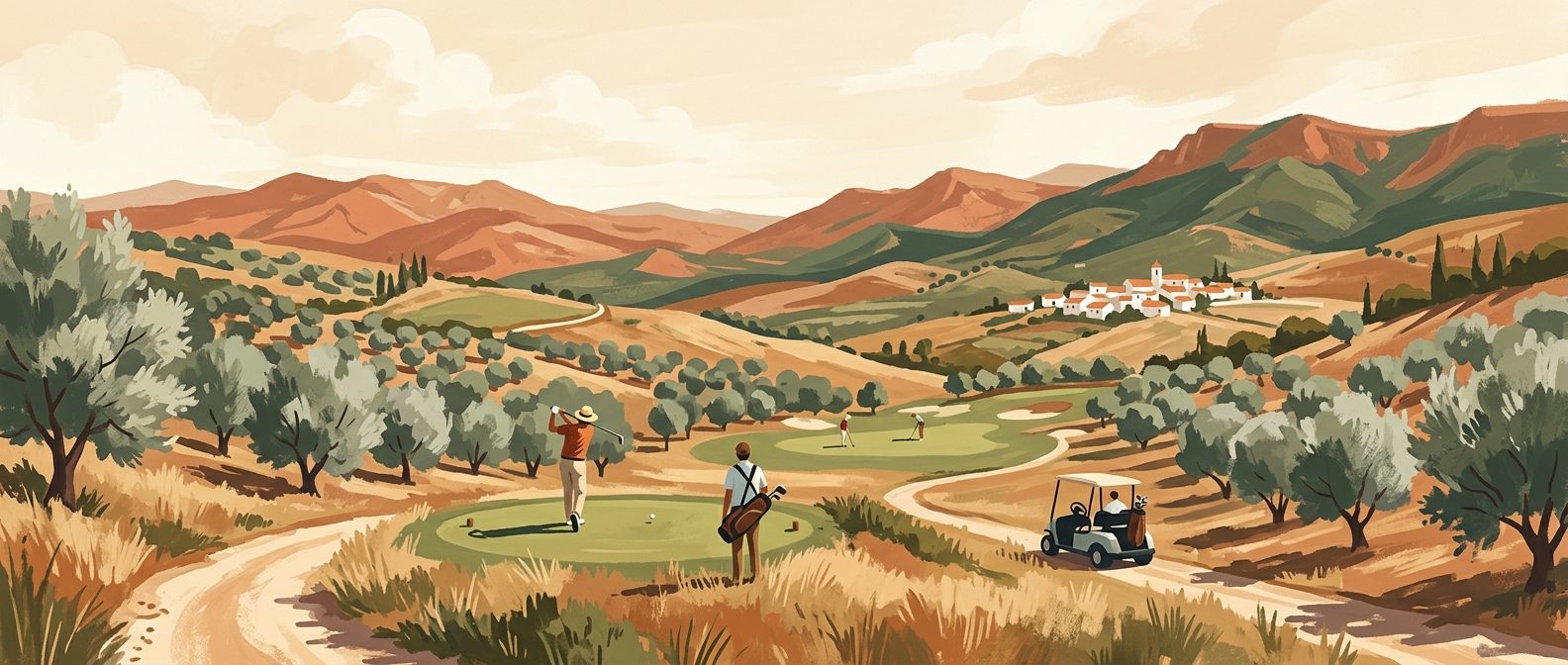
Golf in Jaén Province: A Practical Guide to Courses, Clubs, and Holidays
Discover the reality of playing golf in Jaén. From the 9-hole course at La Garza to local societies and combining rounds with olive oil tourism.
12 min read
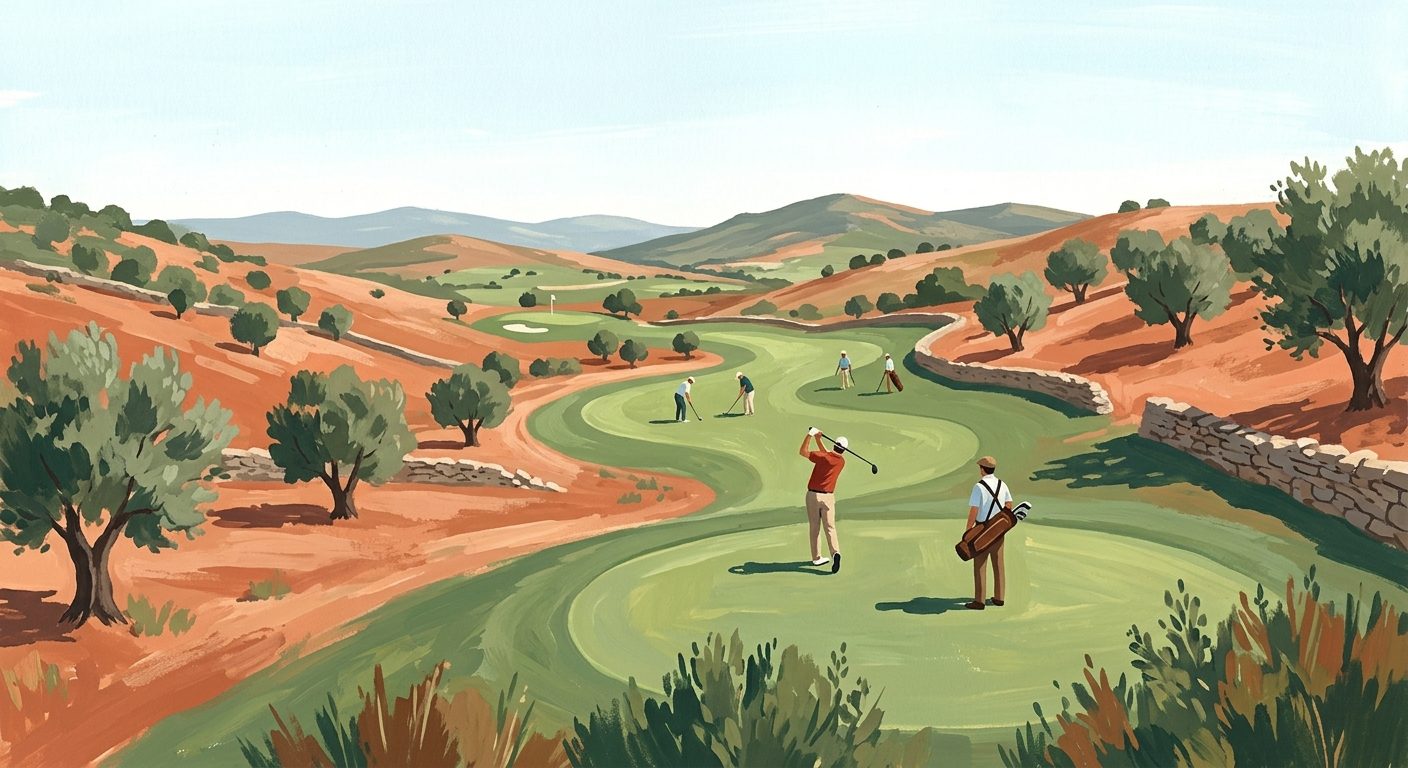
Golf in Córdoba Province: Courses, Holidays, and Shops
Discover practical tips, course details, and holiday planning advice for playing golf in Córdoba province, from the mountain fairways of Sierra Morena to the historic greens of Los Pedroches.
10 min read
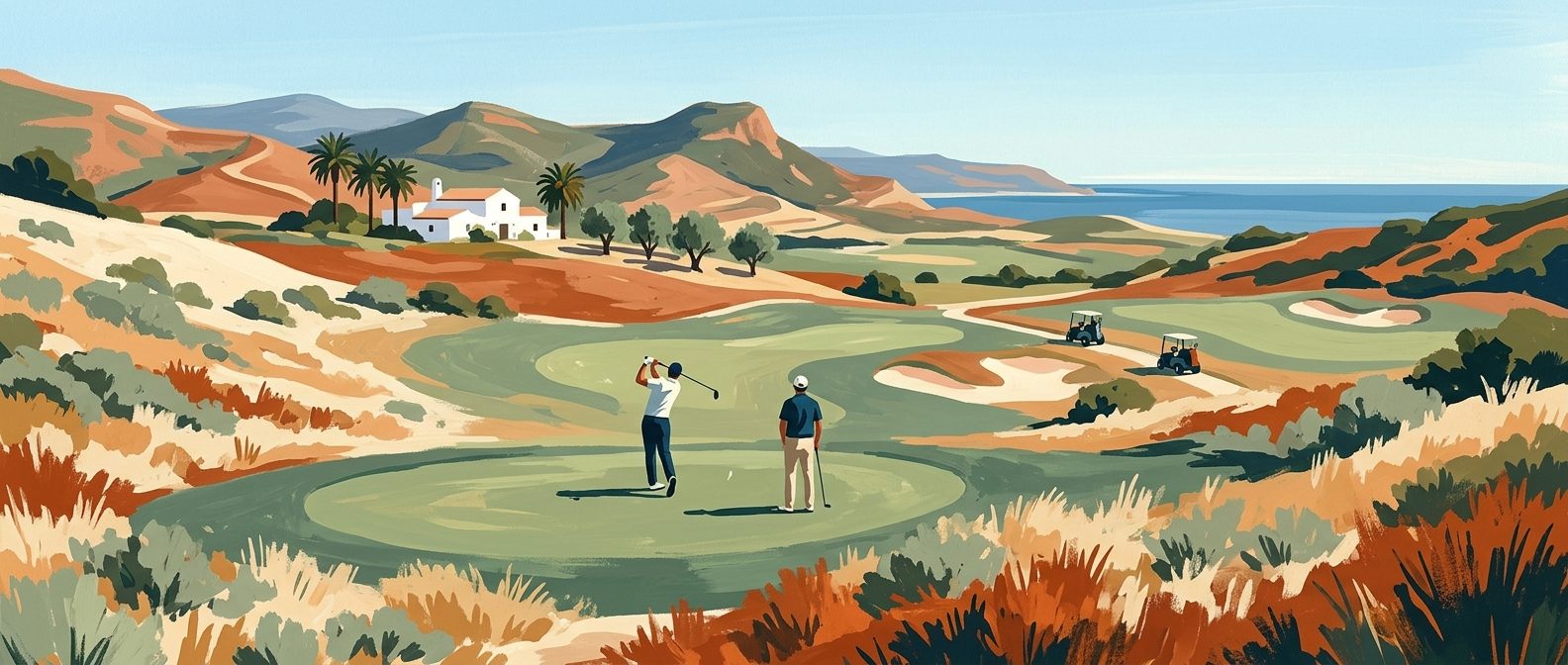
The Ultimate Guide to Golf in Cádiz Province
Discover the finest golf courses, resorts, and practical tips for planning your next golf holiday in the province of Cádiz. From championship layouts to essential details on green fees and club hire, everything you need is covered.
11 min read
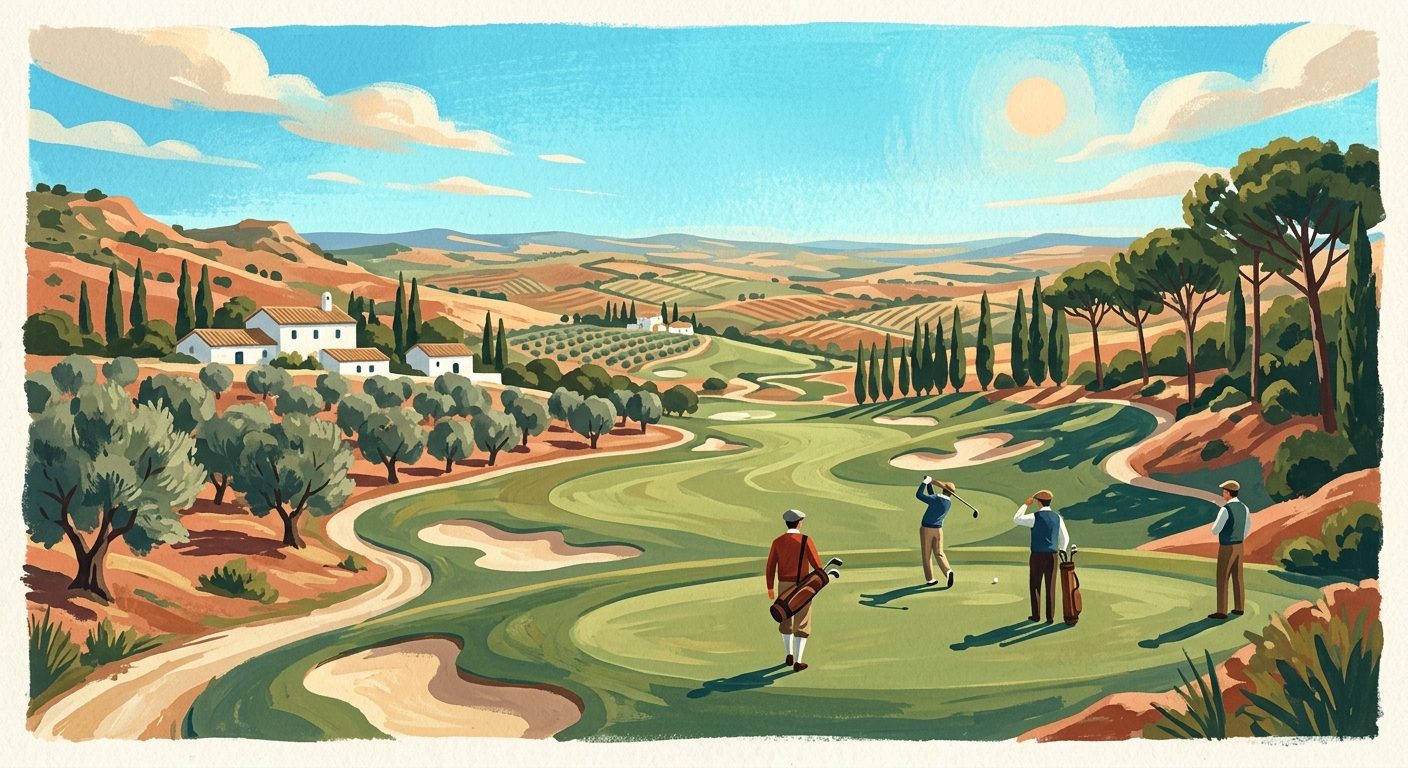
Golf in Sevilla Province: Courses, Holidays and Local Pro Shops
Swap the crowded coastal fairways for the refined courses of Sevilla province. Discover top layouts designed by golfing legends, local shops, and expert tips for your next trip.
10 min read
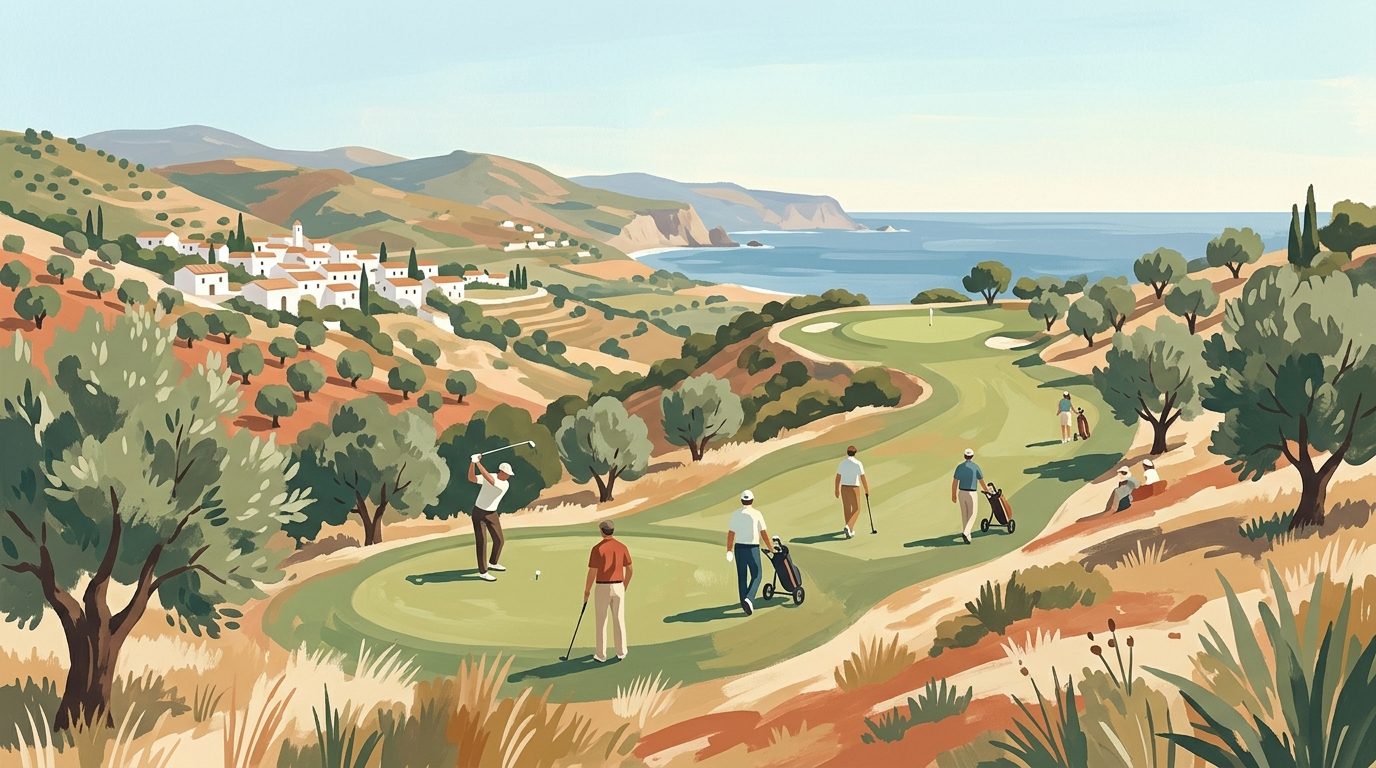
A Complete Guide to Golf in Málaga Province
From championship courses in Marbella to practical advice on club rentals and tee times, discover everything you need to know about playing golf in Málaga province.
11 min read

Golf in Granada Province: A Practical Guide to Courses, Holidays and Gear
Plan your perfect golfing trip with our practical guide to Granada's 18-hole courses. Discover green fees, club rental, and the best locations for a golf holiday.
12 min read
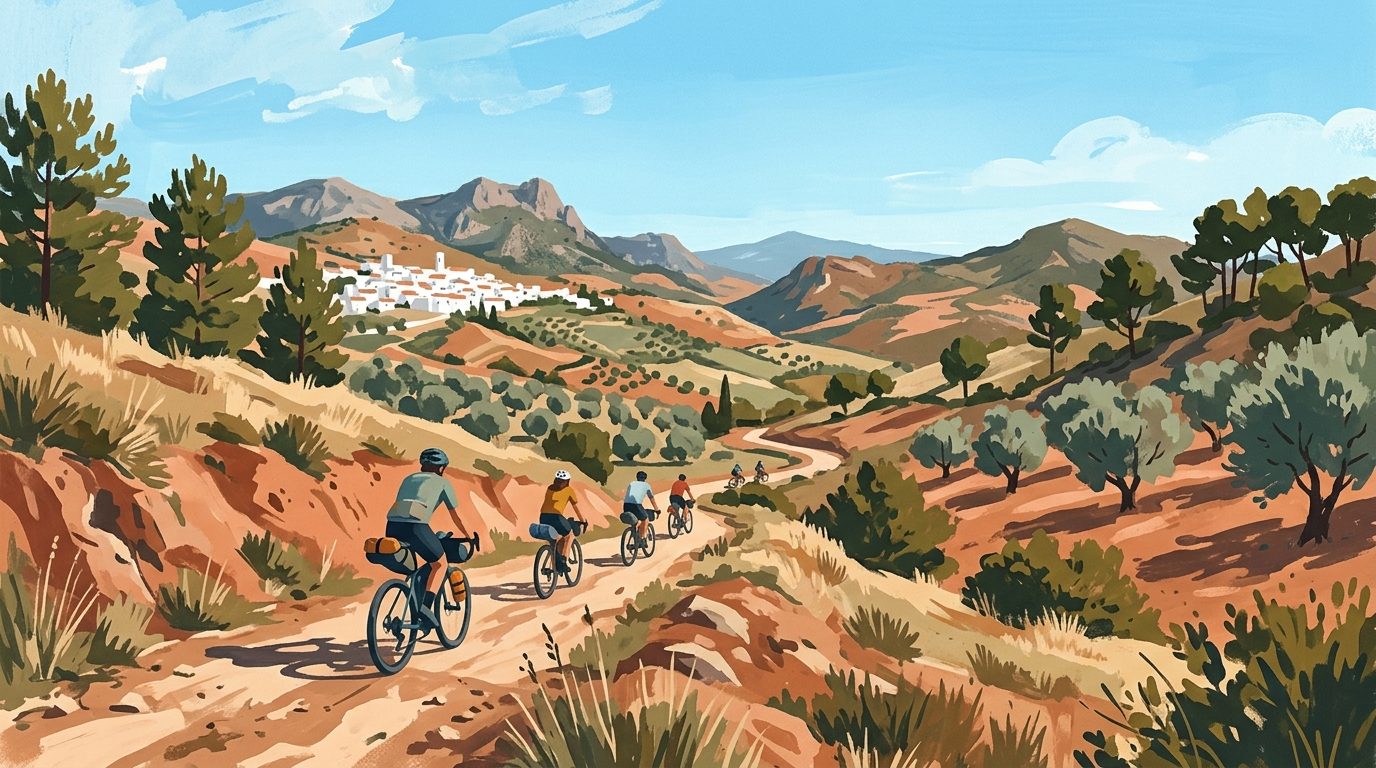
Bikepacking in Andalucía: A Complete Guide to Two-Wheeled Adventures
Discover how to plan the ultimate bikepacking adventure in southern Spain. Our guide covers route planning, essential gear, weather windows, and tips for navigating wild terrain.
13 min read
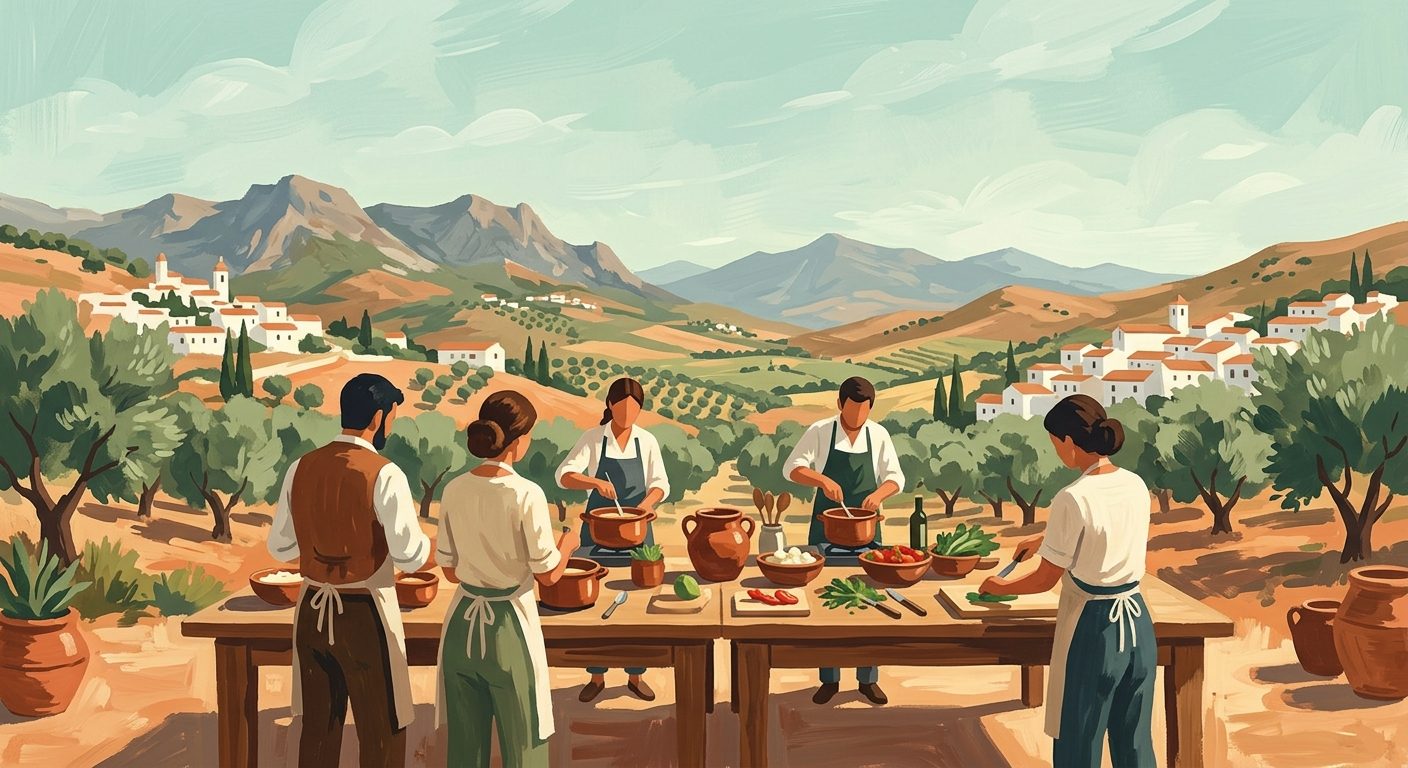
Hands-on Gastronomy: The Best Cooking Classes in Andalucía
Discover the art of Andalucían cuisine through hands-on workshops, from Triana's market-based schools to specialist Sherry cooking classes in Vejer.
6 min read
Newsletter
More stories from Andalucía
Weekly notes, seasonal picks, and the next guides worth bookmarking.