
Place guide · Cádiz
Playa de El Palmar: A Guide to the Surfing Capital of Cádiz
Playa de El Palmar is the undisputed surfing capital of the Costa de la Luz, offering eight kilometres of golden sand and some of the finest sunsets in the province of Cádiz. This expansive shoreline balances a wild, Atlantic character with a thriving scene of beach bars and surf schools.
By Dan · Updated 16 July 2026 · 7 min read
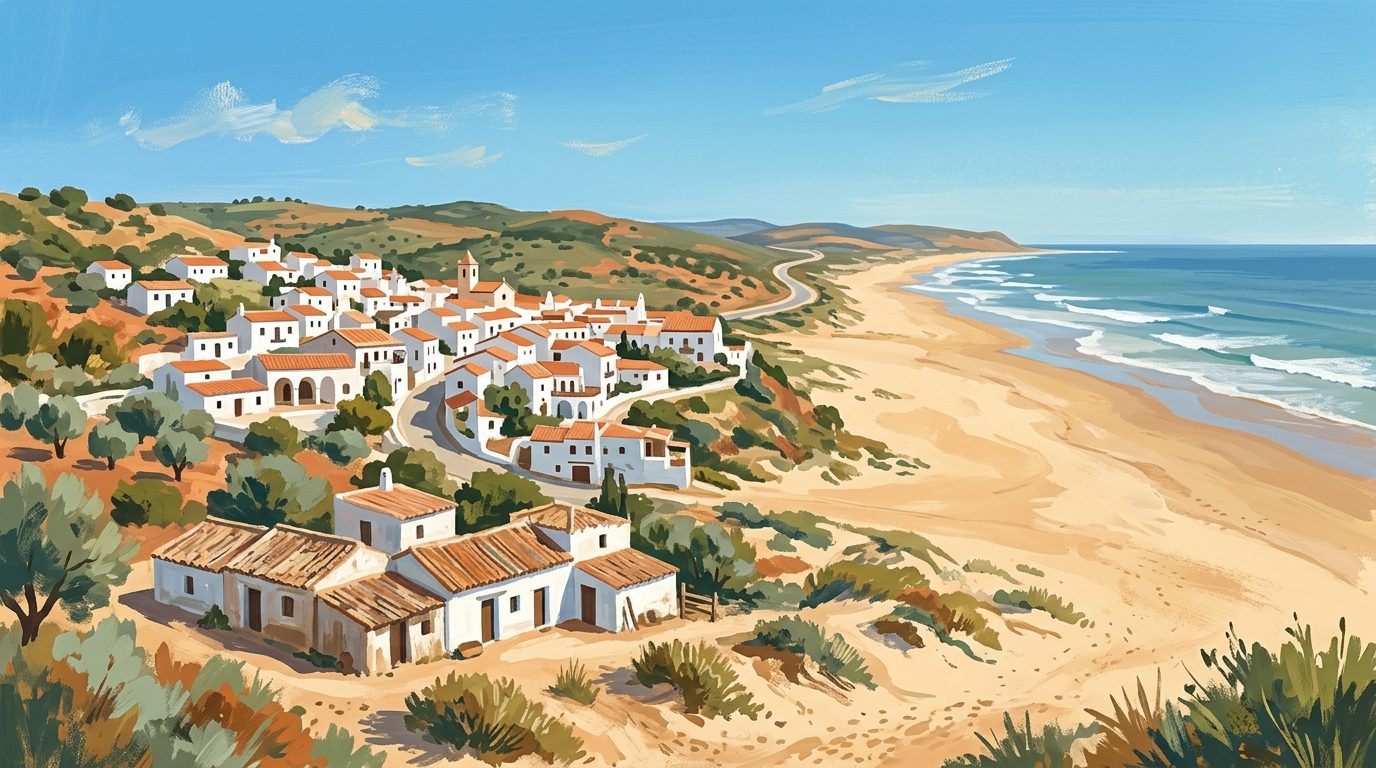
Playa de El Palmar is the undisputed surfing capital of the Costa de la Luz, offering eight kilometres of golden sand and some of the finest sunsets in the province of Cádiz. This expansive shoreline balances a wild, Atlantic character with a thriving scene of beach bars and surf schools.
Introduction
Playa de El Palmar is often described as the last great wild beach of the southern coast. While other stretches of the Spanish coastline have been overtaken by high-rise developments and concrete promenades, El Palmar has maintained a low-profile, almost rustic atmosphere. Technically part of the municipality of Vejer de la Frontera, it sits several kilometres away from the hilltop town, creating a coastal enclave that feels entirely distinct from the whitewashed medieval streets above. The landscape here is defined by low-rise wooden structures, sandy tracks, and a long wooden boardwalk that protects the delicate dune system. It is a place where the Atlantic Ocean dictates the pace of life, drawing surfers, families, and sunset-seekers into its orbit.
The character of El Palmar changes with the rhythm of the day. In the early morning, you will find surfers checking the swell and locals walking their dogs along the water line. By mid-afternoon, the beach bars are filled with the scent of grilled fish and the sound of Spanish guitar. As evening approaches, the focus shifts to the horizon. The sunsets here are legendary, as the sun drops directly into the Atlantic, painting the sky in shades of orange and violet. El Palmar offers an authenticity that is increasingly rare on the popular European coasts.
The beach itself
The physical scale of Playa de El Palmar is its most striking feature. Stretching for approximately eight kilometres from the boundary of Conil de la Frontera down towards Zahora, the beach provides ample space even during the height of summer. The sand is exceptionally fine and golden, a hallmark of the Costa de la Luz. Because the beach is so wide, especially at low tide, it never feels quite as claustrophobic as the coves found further east toward the Costa del Sol. The water clarity is generally excellent, though the Atlantic nature of this coast means the sea is cooler and more temperamental than the Mediterranean.
El Palmar is a consistent recipient of the Blue Flag award, reflecting its cleanliness and the quality of its services. For those seeking a quieter experience, the beach becomes progressively wilder as you walk south away from the main cluster of restaurants. While there is no official designated naturist section in the central area, the southern end near the Arroyo del Saladillo is often used by nudists who appreciate the privacy provided by the dunes. Families find the central sections near the lifeguard stations most suitable, though parents should be aware that the Atlantic waves and occasional strong currents require constant supervision of children. There are no rocky areas or sharp reefs in the main swimming zones, making it a safe choice for those who prefer a sandy seabed.
Getting there & parking
Reaching El Palmar is straightforward if you are travelling by car. From Vejer de la Frontera, it is a ten-minute drive down the A-2230. If you are coming from further afield, Jerez Airport is approximately one hour away, while Sevilla Airport is roughly an hour and forty-five minutes to the north. For those driving from Gibraltar, the journey takes about an hour and fifteen minutes along the scenic N-340 coast road. Public transport is less convenient; while there are occasional buses from Conil and Vejer, they are infrequent, so a hire car or taxi is highly recommended for flexibility.
Parking is the primary challenge in El Palmar, particularly during July and August. The narrow road that runs parallel to the beach can become heavily congested. During the peak season, local landowners open up large dirt fields (campos) which serve as temporary car parks for a small daily fee, usually around three to five euros. These are the most reliable options. In the low season, from October to May, you can usually find free parking in the designated spots along the beachfront road without much difficulty. Visitors should avoid parking on the sandy verges or blocking private tracks, as local police are active in issuing fines to keep the thoroughfares clear.
Facilities & chiringuitos
The culinary and social scene in El Palmar is one of its greatest draws. Unlike the plastic-chair kiosks found elsewhere, the chiringuitos here are often stylish, wooden structures with a bohemian aesthetic. For a high-quality meal, Casa Francisco el de Siempre is a local institution, famous for its fresh fish and traditional rice dishes. If you are looking for a more relaxed, sunset-facing vibe, El Dorado offers live music and a large lawn area that becomes the focal point of the evening. Other notable spots include La Torre, which provides an elevated view of the surf, and Papaya, known for its healthy breakfasts and juices.
In terms of practical facilities, the beach is well-equipped during the summer months. There are several lifeguard stations spaced along the central section, usually active from mid-June to mid-September. Public toilets and basic outdoor showers are located near the main access ramps. For those interested in activities, the beach is lined with surf schools such as Pura Vida and O'Neill Surf Academy, offering lessons and equipment hire for all levels (check the operators' websites before travelling). Sun-bed and umbrella hire is available in specific areas, but most visitors choose to bring their own gear and set up on the vast expanse of open sand.
Best time to visit
The ideal time to visit El Palmar depends entirely on your priorities. For surfers, the prime season is between October and April, when the Atlantic swells are most consistent and the offshore winds create perfect conditions. During these months, the beach is quiet, the air is crisp, and the village takes on a peaceful, local feel. Many of the larger chiringuitos remain open at weekends throughout the winter, taking advantage of the mild Andalucían climate.
For sun-seekers and families, June and September are the sweet spots. The weather is hot but not oppressive, the water has warmed up slightly, and the massive crowds of August have either not yet arrived or have recently departed. August should be avoided if you dislike congestion, as the narrow access roads struggle to handle the volume of visitors from Sevilla and Madrid. Regardless of the month, always check the wind forecast. The Levante (an easterly wind) can be particularly fierce in this part of Cádiz, blowing sand and making the beach uncomfortable. If the Levante is blowing hard, you might prefer to head to the sheltered coves of Roche nearby.
Combine with
No visit to El Palmar is complete without exploring Vejer de la Frontera. Perched on a crag overlooking the coast, this white village is officially one of the most beautiful in Spain. Its narrow, winding streets, Moorish architecture, and exceptional dining scene make it the perfect place for dinner after a day at the beach. The contrast between the salty, surf-ready atmosphere of El Palmar and the sophisticated, historical elegance of Vejer is a highlight of any trip to the province of Cádiz.
Alternatively, a short walk or drive north brings you to Conil de la Frontera. This former fishing village has grown into a popular holiday destination with a lively old town and a wider range of high-street shops. If you prefer a more secluded experience, head south to the beaches of Zahora and Cape Trafalgar. The lighthouse at Trafalgar marks the site of the famous naval battle and offers a dramatic coastal walk with views over the swirling currents where the Atlantic meets the Mediterranean straits.
Practical notes
When packing for a day at El Palmar, remember that the Atlantic breeze can be deceptive. Even when it feels cool, the sun is very strong, so high-factor protection is essential. The wind can also make umbrellas difficult to secure; many locals use low-profile windbreaks. Regarding accessibility, the wooden boardwalks provide good access to the edge of the sand at several points, though the deep, soft sand of the beach itself can be challenging for those with limited mobility. There are amphibious chairs available at the main Red Cross station during the peak summer months.
Dog owners should note that during the official bathing season (June to September), pets are generally prohibited on the beach during the day. However, in the autumn and winter, the beach becomes a popular spot for dog walkers. Finally, pay close attention to the flag system. The Atlantic coast of Andalucía is prone to strong rip currents. A red flag means the water is strictly off-limits, and given the power of the waves here, it is a warning that should be taken seriously even by strong swimmers. Always swim in the zones patrolled by lifeguards for maximum safety.
Last reviewed: 21 June 2026 · Editorial policy
Related guides
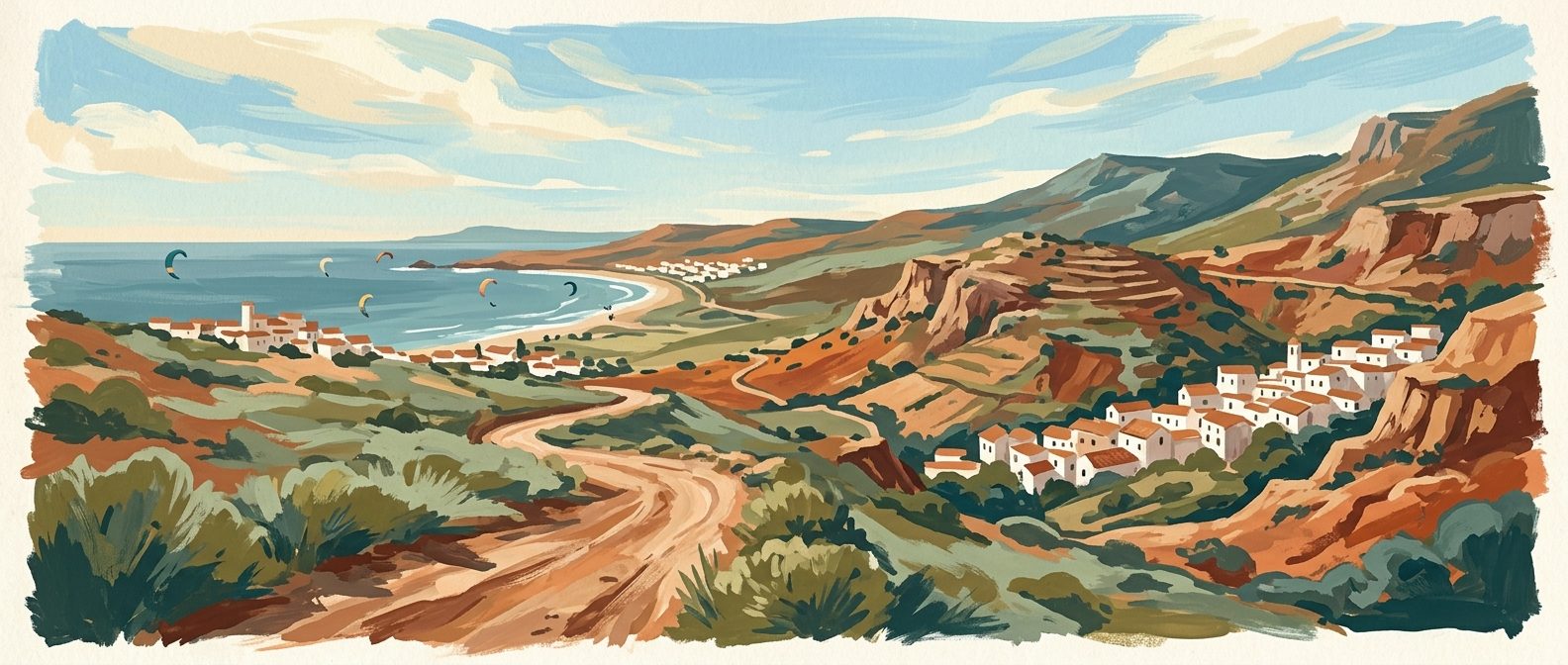
Kitesurfing in Tarifa: The Ultimate Guide to Europe's Wind Capital
Europe's southernmost tip is defined by two relentless winds and a coastline uniquely shaped to harness them. You can tarifa remains the undisputed proving ground for wind-chasers if you are launching your first kite or mastering unhooked tricks.
10 min read
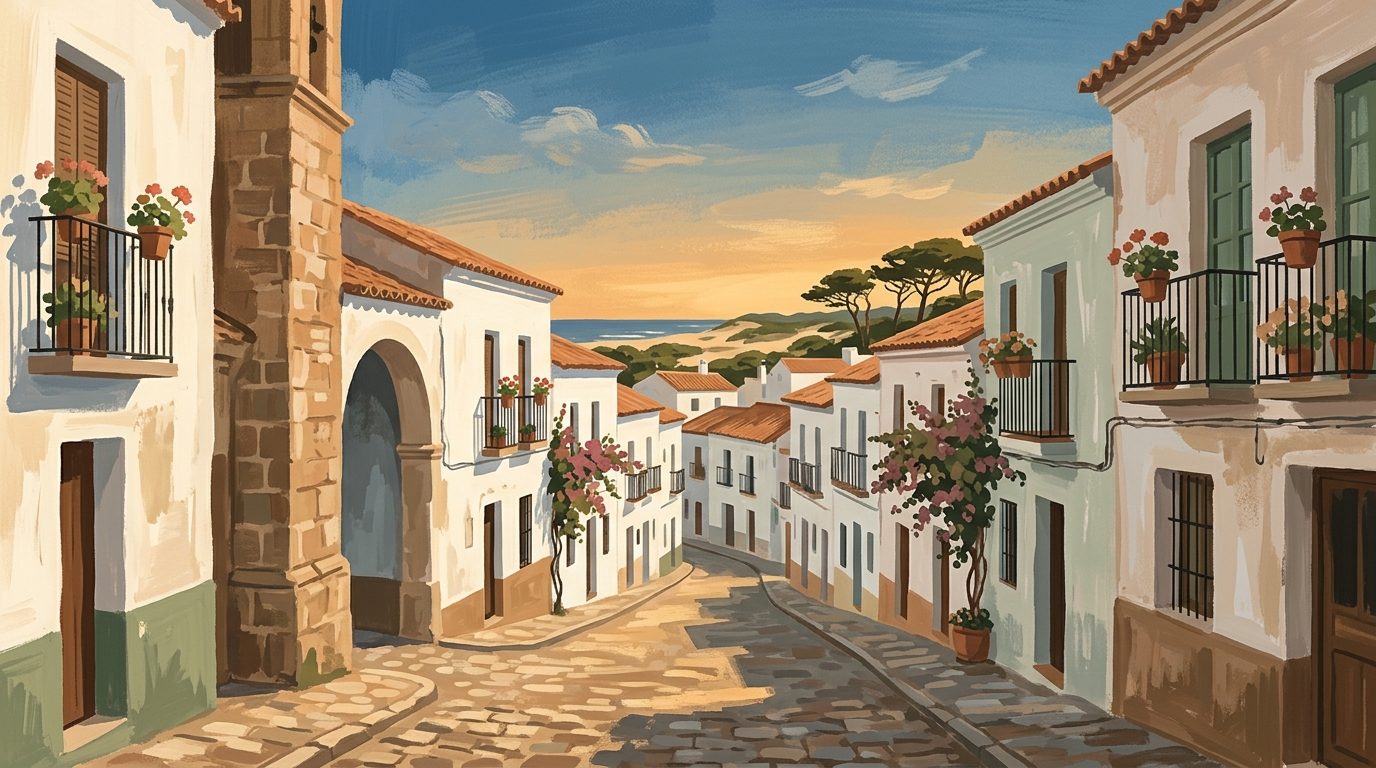
Costa de la Luz: The Complete Guide
The Costa de la Luz is an untamed stretch of Atlantic shoreline defined by wild dunes, pine forests and stiff sea breezes. Spanning the coastlines of Huelva and Cádiz, it offers a stark alternative to the concrete resorts of the Mediterranean.
9 min read
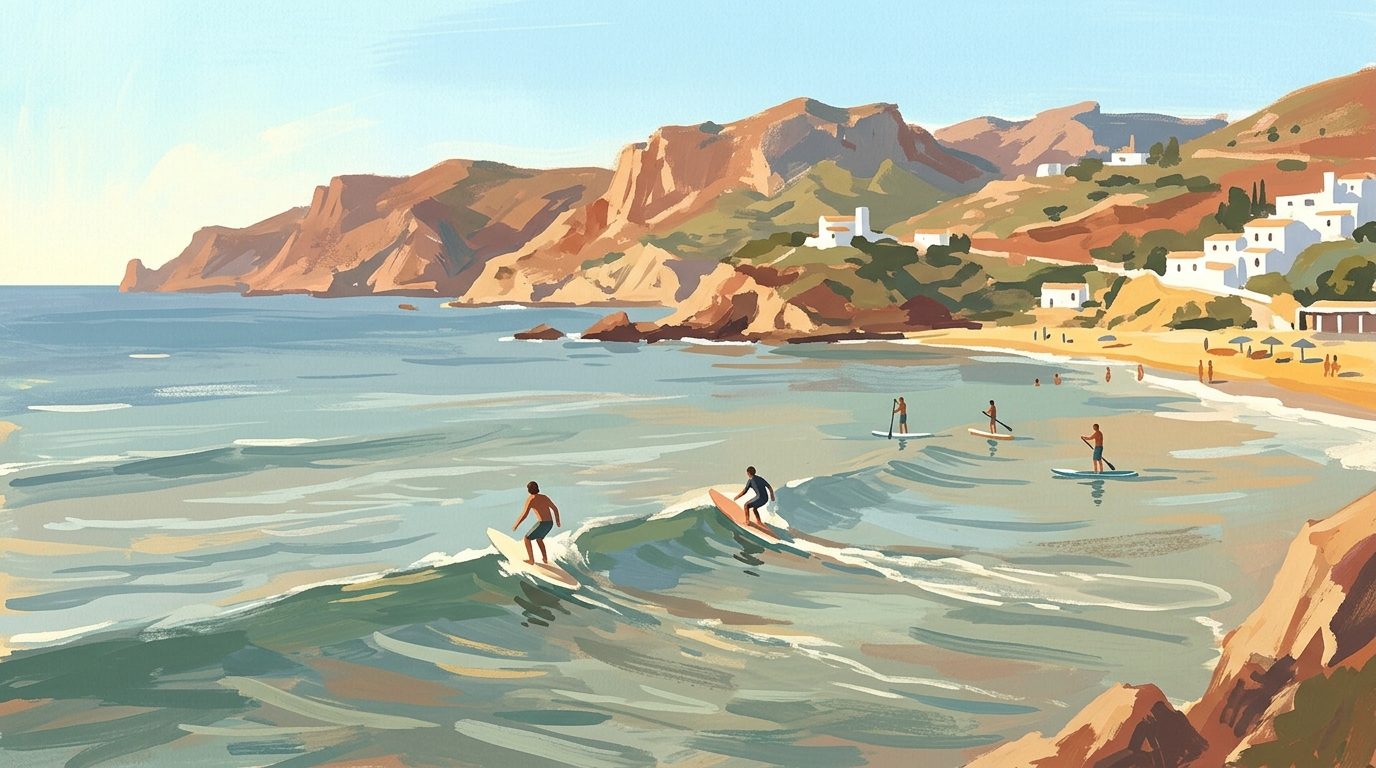
Surfing and SUP in Andalucía: A Guide to the Best Breaks and Bays
From the powerful Atlantic swells of the Costa de la Luz to the glassy Mediterranean coves of Almería, Andalucía offers world-class conditions for every level of surfer and paddler.
6 min read
A Guide to Zahara de los Atunes: Where the Atlantic Meets the Almadraba Tradition
Discover a coastal village where ancient tuna-fishing traditions blend with high-end gastronomy and vast Atlantic beaches. Zahara de los Atunes offers a sophisticated yet laid-back escape on the rugged Costa de la Luz.
5 min read
Chiclana de la Frontera: Fine Sands and Fino Sherry on the Cádiz Coast
Discover Chiclana de la Frontera, a unique destination on the Costa de la Luz featuring the 8km La Barrosa beach, historic sherry bodegas, and the ancient Castillo de Sancti Petri.
5 min read
Playa de Costa Ballena: A Guide to the Rota Coastline
Discover Playa de Costa Ballena, a meticulously planned coastal retreat in Cádiz offering four kilometres of golden sand and clear Atlantic waters. This guide explores the best chiringuitos, parking tips, and why this beach is a favourite for families seeking space and quality.
7 min read
More from Cádiz
Playa de La Caleta: A Guide to the Historic Heart of Cádiz
Playa de La Caleta is a historic urban bay in Cádiz, famous for its calm waters, ancient fortresses, and the stunning white Balneario spa building.
7 min read
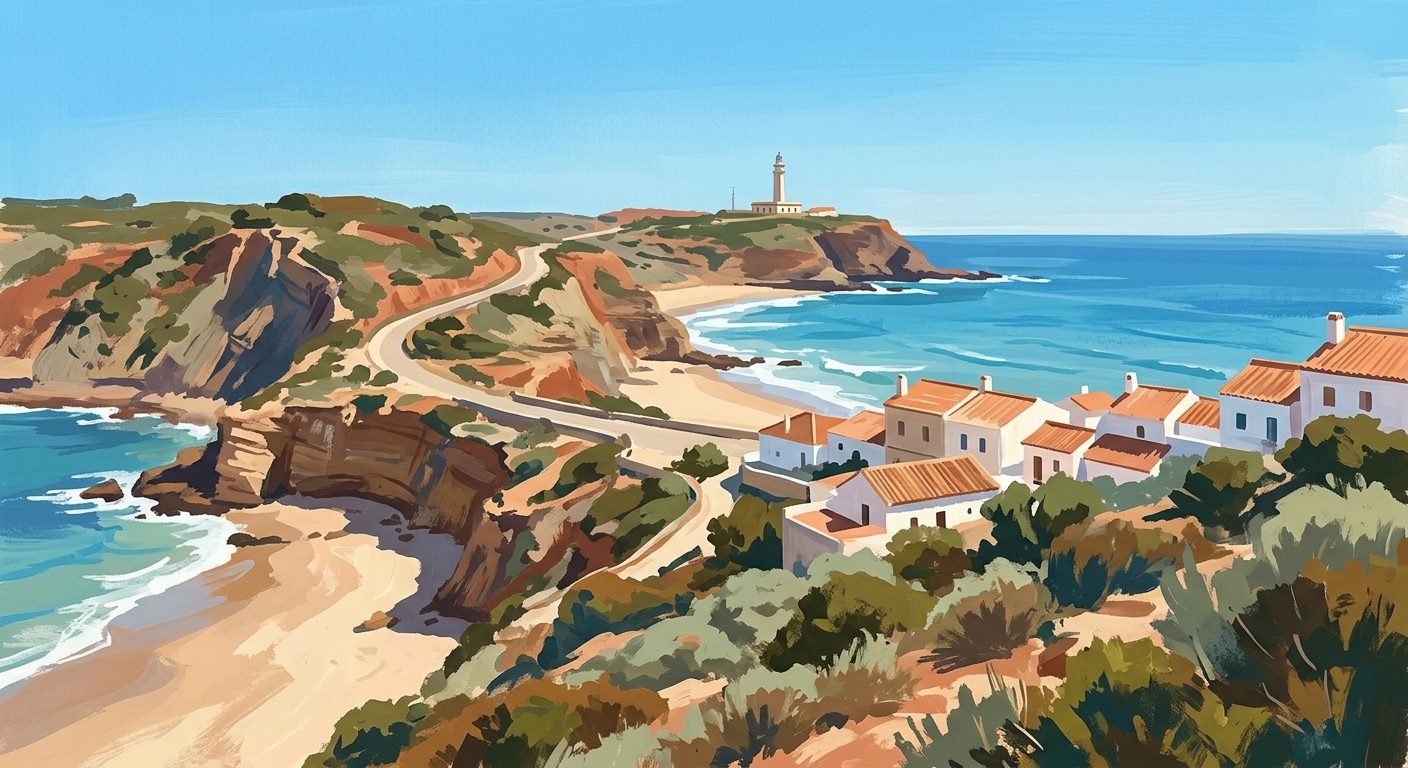
Playa de los Caños de Meca: A Guide to the Cádiz Coastline
Discover the wild Atlantic beauty of Playa de los Caños de Meca, from its freshwater springs to the historic Cape Trafalgar lighthouse.
7 min read
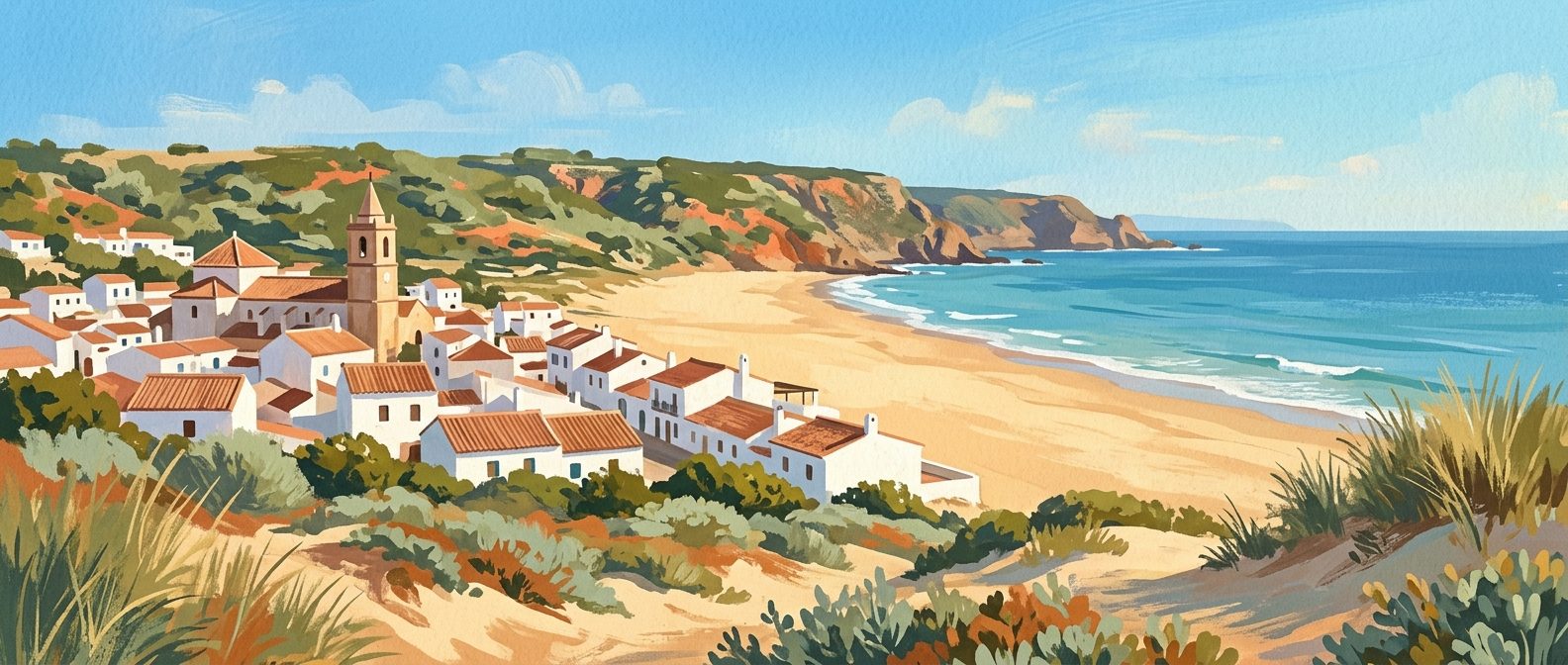
Playa de Zahara de los Atunes: A Guide to the Golden Coast of Cádiz
Experience the vast golden sands and clear Atlantic waters of Playa de Zahara de los Atunes, a highlight of the Cádiz coastline. Discover the best chiringuitos, parking tips, and the ideal times to visit.
6 min read
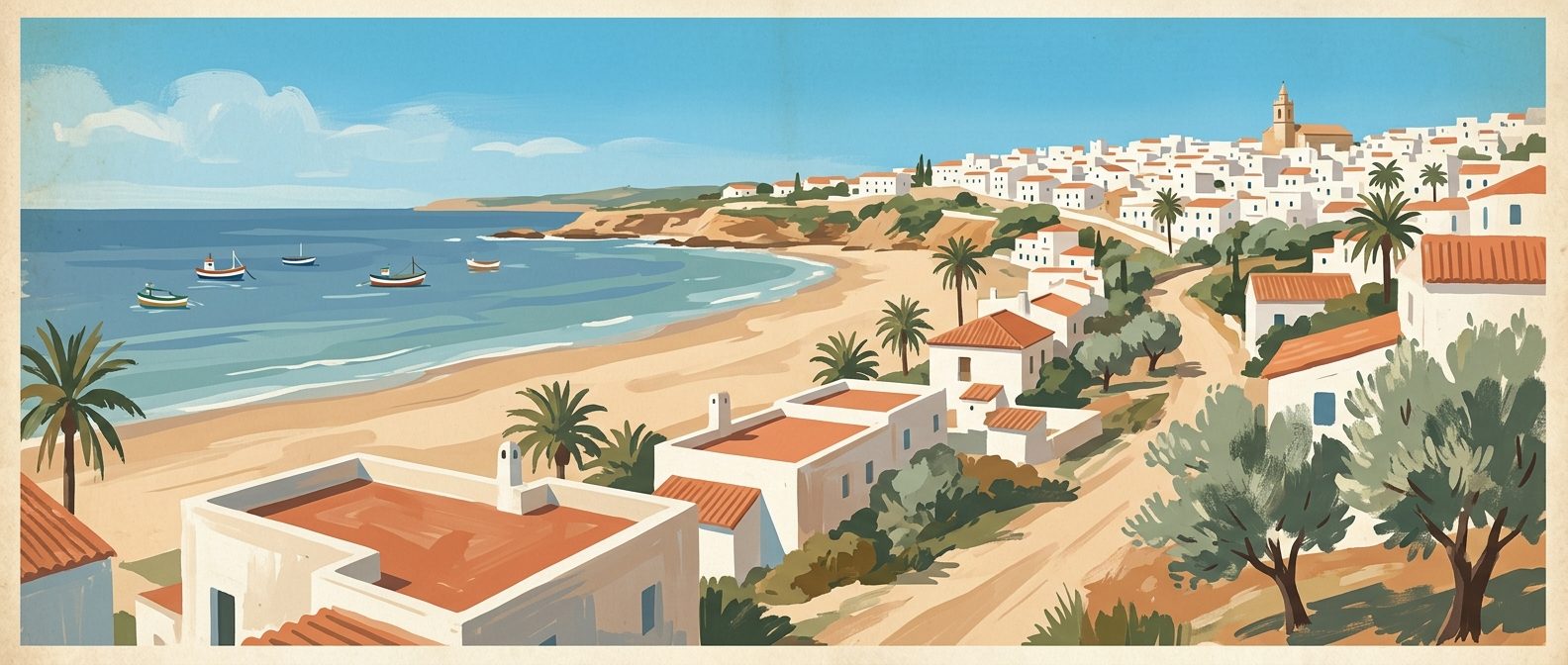
A Local Guide to Playa de la Fontanilla in Conil de la Frontera
Playa de la Fontanilla is a wide, golden expanse of Atlantic coastline in Conil de la Frontera, famous for its shallow waters and exceptional seafood restaurants.
7 min read
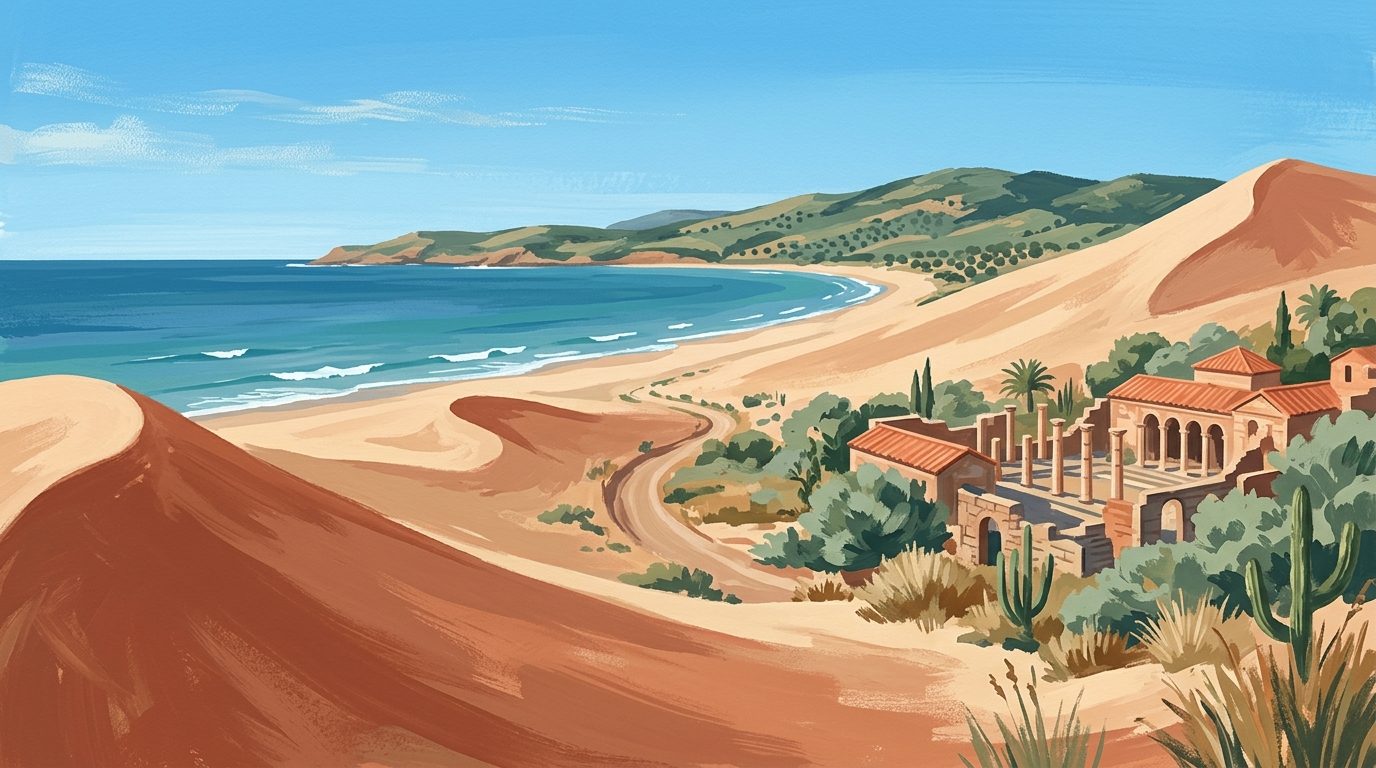
A Complete Guide to Playa de Bolonia: Dunes, Ruins, and Atlantic Wilds
Playa de Bolonia is a spectacular stretch of Atlantic coastline where massive sand dunes meet the ruins of a Roman city. This wild beach offers some of the clearest water in Cádiz.
6 min read
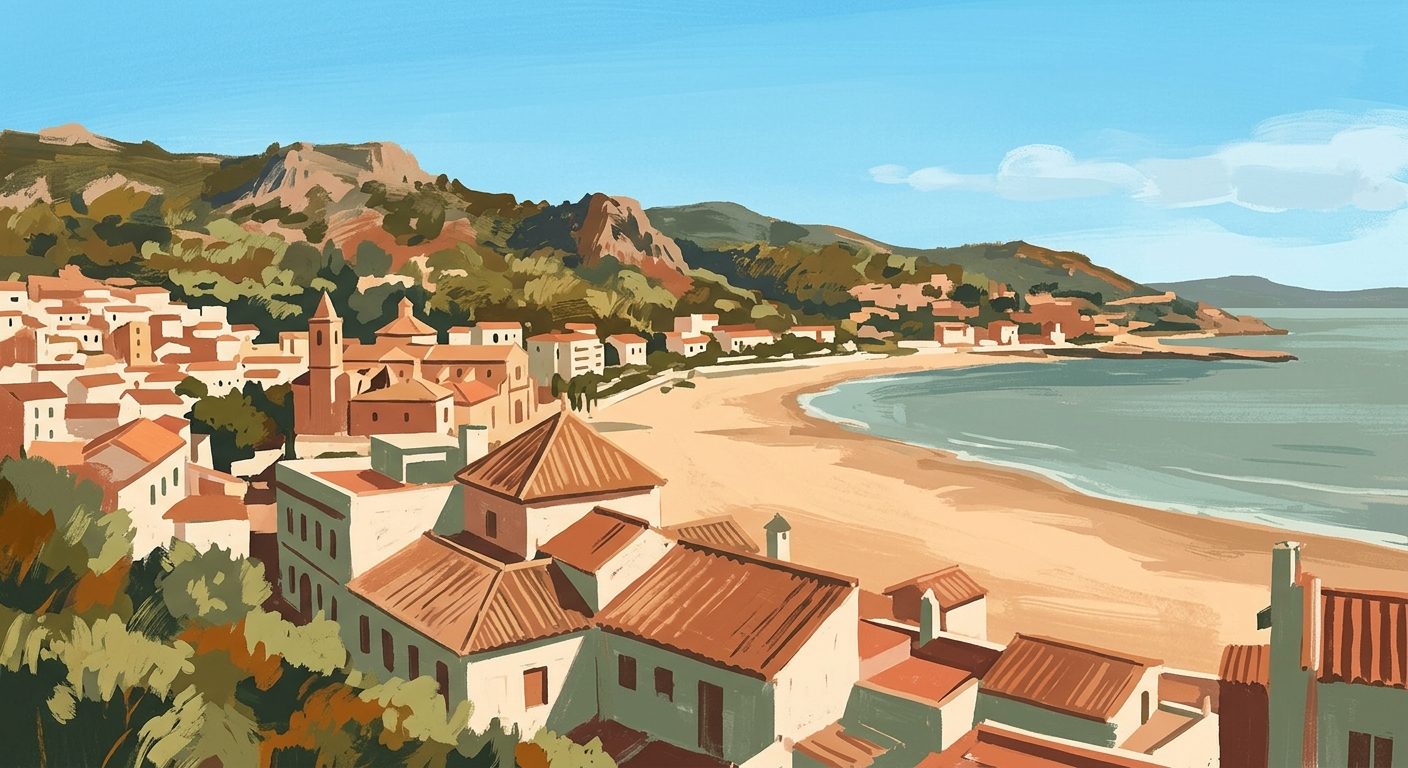
A Guide to Playa de Getares in Algeciras
Playa de Getares offers a wide golden shoreline with unique views of the Rock of Gibraltar and the North African coast. This family-friendly beach in Algeciras combines urban facilities with the natural beauty of the Estrecho Natural Park.
7 min read
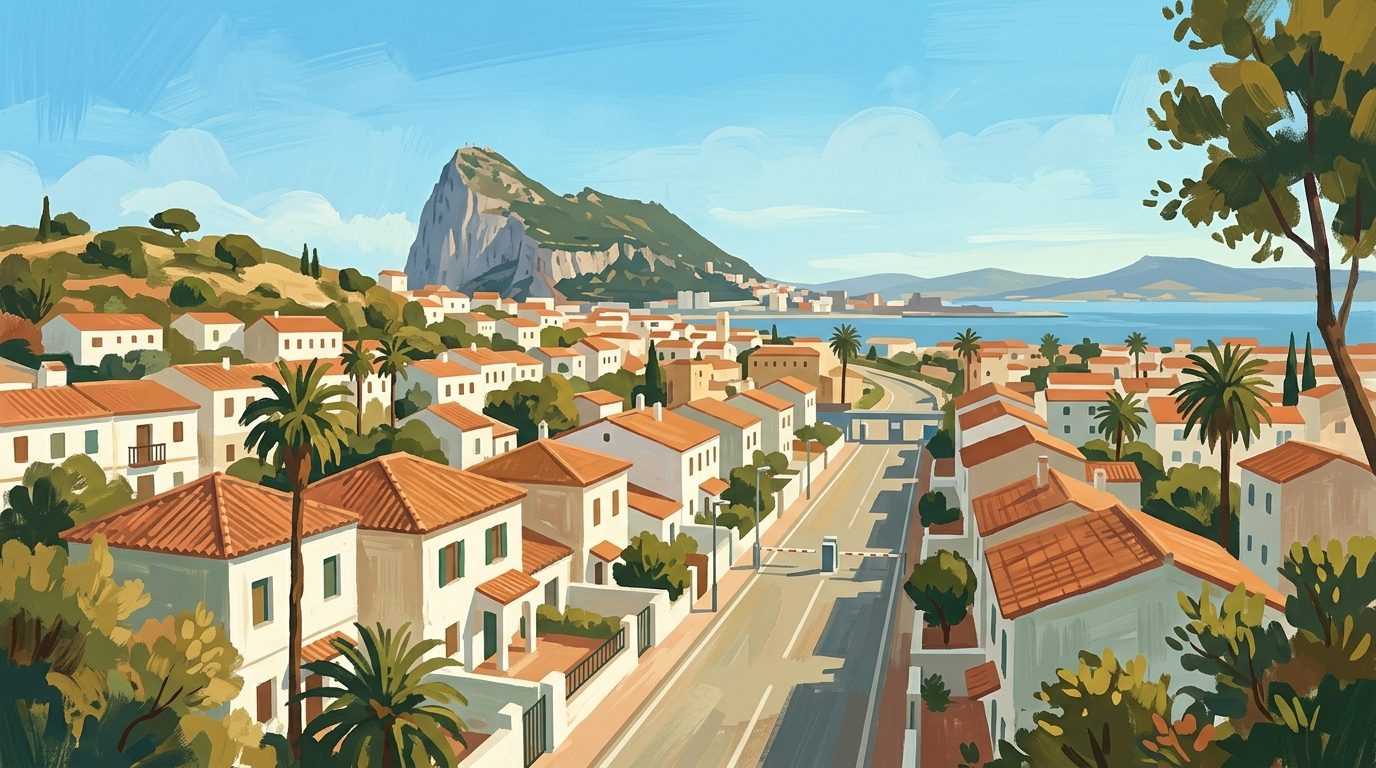
A Guide to La Línea de la Concepción: Beyond the Gibraltar Border
A focused guide to La Línea de la Concepción, exploring its unique frontier culture, military fortifications, and world-class seafood traditions in the shadow of Gibraltar.
5 min read
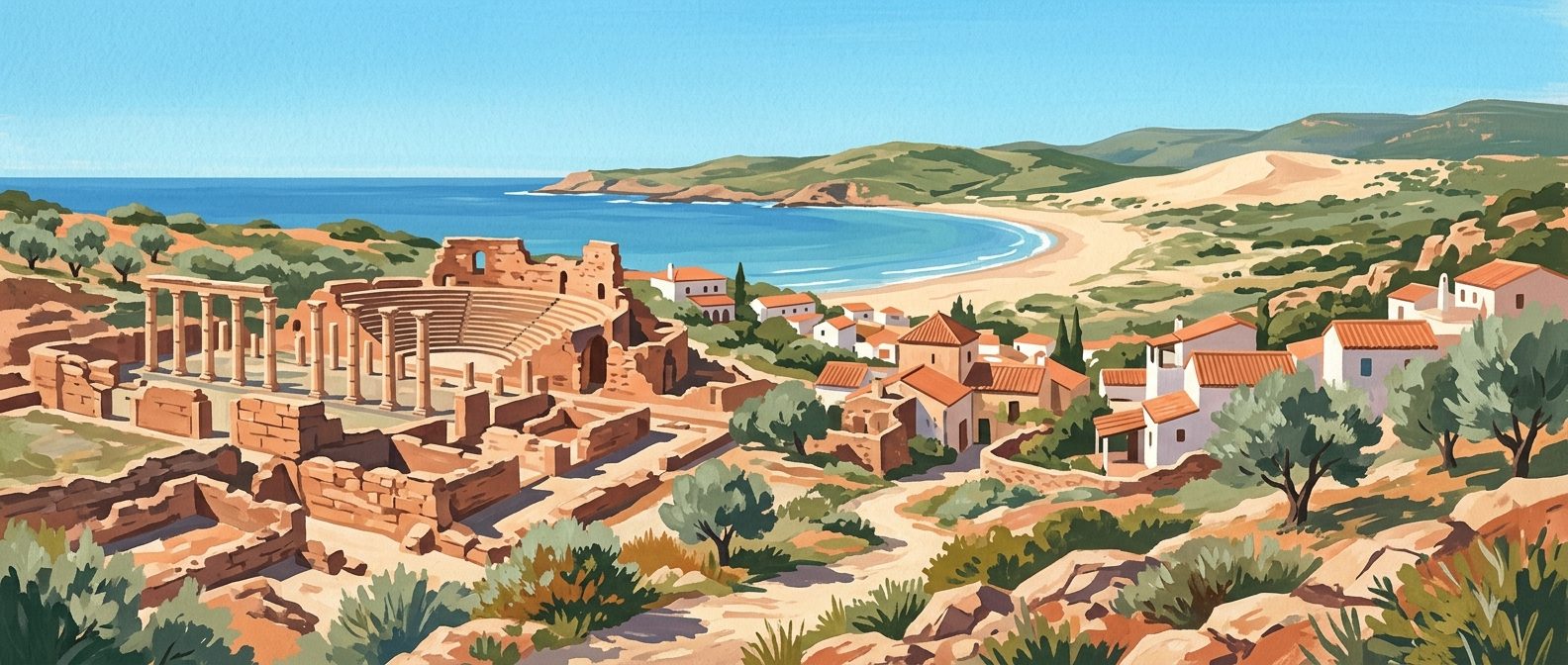
Bolonia: A Guide to the Cádiz Coast’s Roman Ruins and Great Dune
A quiet coastal hamlet where the remarkably intact ruins of Baelo Claudia meet a towering Atlantic sand dune. This Cádiz highlight offers a slower pace of life and a glimpse into Roman maritime history.
5 min read
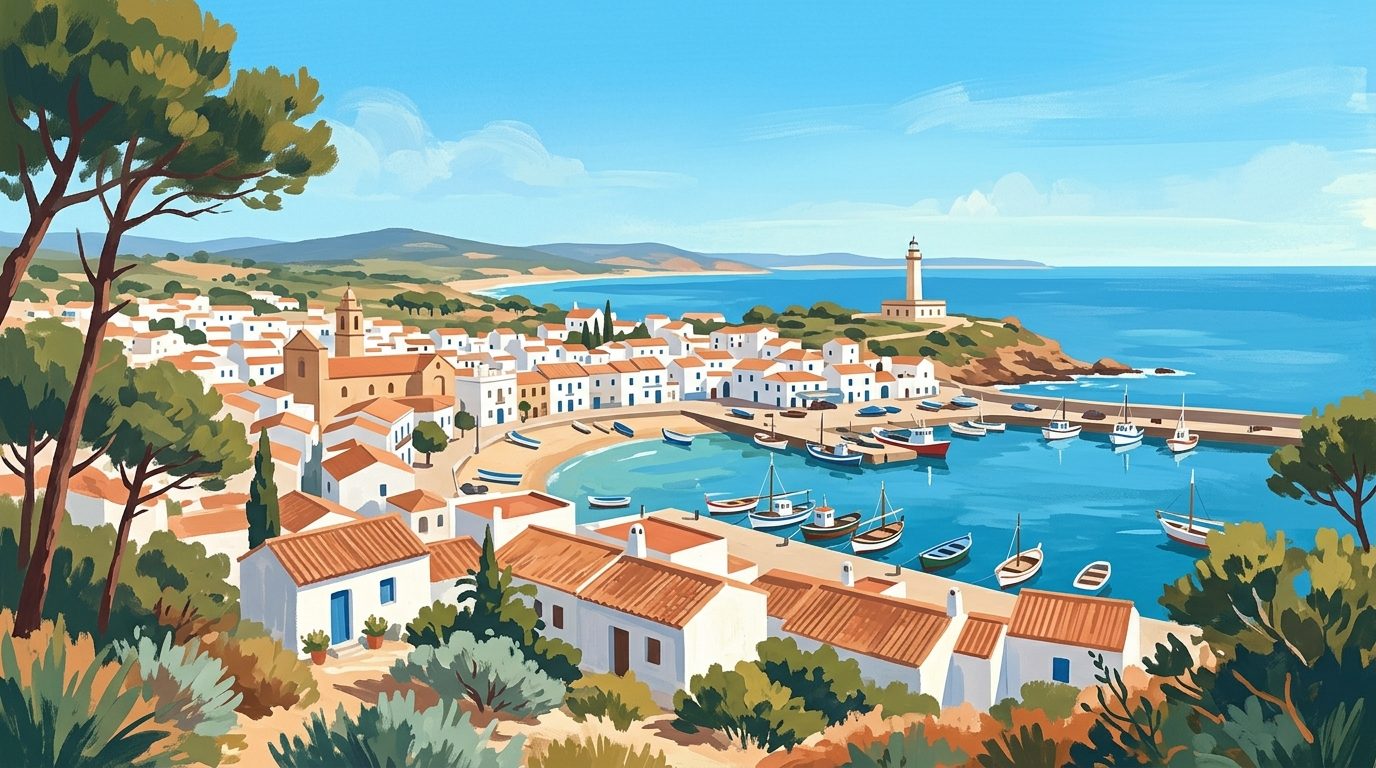
A Guide to Barbate and Los Caños de Meca: Tuna, Cliffs and Cape Trafalgar
Barbate and Los Caños de Meca offer a stark contrast between a hard-working fishing port and a bohemian coastal retreat shaped by Atlantic winds. This stretch of the Costa de la Luz remains defined by the annual tuna harvest and the historic silhouette of the Trafalgar lighthouse.
6 min read
Newsletter
More stories from Andalucía
Weekly notes, seasonal picks, and the next guides worth bookmarking.