
Place guide · Cádiz
A Guide to Playa de Getares in Algeciras
Playa de Getares offers a wide golden shoreline with unique views of the Rock of Gibraltar and the North African coast. This family-friendly beach in Algeciras combines urban facilities with the natural beauty of the Estrecho Natural Park.
By Dan · Updated 29 June 2026 · 7 min read
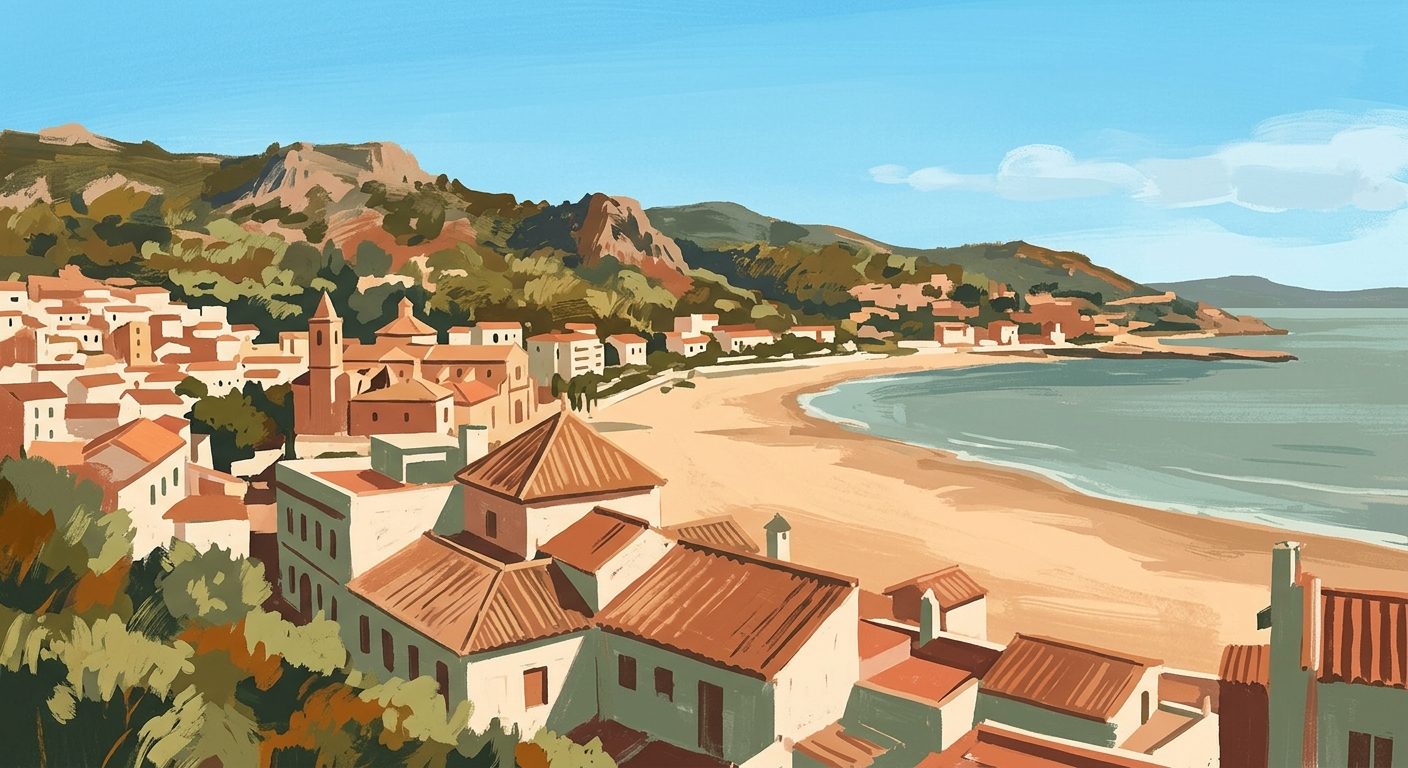
Playa de Getares serves as a local sanctuary for the residents of Algeciras, offering a sweeping golden arc of sand with direct views across the bay to the Rock of Gibraltar. Unlike the Atlantic rollers of nearby Tarifa, this beach provides a more sheltered environment that balances urban convenience with the rugged scenery of the Estrecho Natural Park.
Playa de Getares is the primary coastal escape for the industrial port city of Algeciras, yet it feels remarkably separate from the shipping containers and cranes that define the local economy. Located roughly five kilometres south of the city centre, the beach occupies a wide bay between Punta Carnero and the city proper. It is a place of transition where the Mediterranean influences of the Costa del Sol begin to merge with the wilder, windier character of the Costa de la Luz. For many international travellers, Algeciras is merely a transit point for ferries to Morocco, but those who pause to head south of the port will find a high-quality beach that remains authentically Andalucían in spirit and patronage.
The distinction of Getares lies in its geography. It sits within the Biosphere Reserve of the Intercontinental Mediterranean, overlooking one of the busiest shipping lanes in the world. Watching the massive cargo ships and ferries move through the Strait while sunbathing provides a scale and perspective you will not find on more secluded stretches of the coast. On clear days, the Rif Mountains of Morocco appear so close that you can trace the shadows in their valleys, making this one of the most visually dramatic places to swim in the province of Cádiz.
The beach itself
Playa de Getares extends for approximately 1,500 metres, providing ample space even during the height of the summer season. The sand is a fine, golden grain that is comfortable for walking, though you will encounter areas of small pebbles and shingle near the mouth of the Río Pícaro at the southern end. This southern section is arguably the most beautiful part of the beach, where the urban promenade ends and the landscape rises into the scrub-covered cliffs of the Estrecho Natural Park. The water clarity is generally high, though the colour can shift from a deep turquoise to a darker blue depending on the currents and the wind direction.
This is a Blue Flag beach (check local listings to confirm the current 2026 status), a status it maintains through excellent water quality and a high standard of maintenance. It is an exceptionally family-friendly location. The seabed shelves gently in most areas, meaning children can paddle safely in the shallows without the immediate threat of a sharp drop-off. While there is no official naturist section on the main stretch of Getares, those looking for clothing-optional spots typically hike further south around the rocky coves of Punta Carnero. For the main body of the beach, however, the atmosphere is firmly traditional and family-oriented, with generations of local families setting up large umbrellas and picnic coolers for the entire day.
Getting there & parking
Reaching Playa de Getares is straightforward if you are already in the Algeciras area. From the city centre, follow the signs for the N-340 towards Tarifa and look for the specific turn-offs for Getares or San García. If you are travelling from further afield, the beach is approximately a 25-minute drive from Gibraltar International Airport and about one hour and 15 minutes from Málaga Airport via the AP-7 toll road. Those arriving by train at the Algeciras station will find a taxi rank immediately outside: the fare to Getares typically starts from twelve euros (check current rates locally before travelling).
Parking is the primary challenge during the peak months of July and August. There is a reasonably large gravel parking area at the northern end of the beach and some street parking along the residential avenues of San García, but these fill up by 11:00 on summer weekends. If you arrive in the afternoon during high season, expect a long search for a space or a significant walk from the upper residential areas. Public transport is a viable alternative: the local bus Line 4 (San García to Getares) runs frequently from the Algeciras bus station (check the CTA Algeciras website for current timetables) and stops just a few metres from the Paseo Marítimo.
Facilities & chiringuitos
The Paseo Marítimo at Getares is lined with a solid selection of eateries and bars that stay open much later than those in more tourist-heavy resorts. For a classic beach experience, Chiringuito Playa Getares offers the standard fare of fried fish and cold beer right on the sand. If you prefer a more formal seated lunch, Restaurante Los Delfines on the promenade is a local favourite for its seafood rice dishes and fresh catch of the day. For something slightly more modern, Restaurante El Pícaro provides a creative take on Andalucían ingredients with a view of the waves.
In terms of amenities, the beach is well-equipped. During the official summer season (June 1st to September 30th), there are public showers, toilets, and a permanent Red Cross lifeguard station. Sun-bed and umbrella hire is available in specific zones, though many locals prefer to bring their own equipment. The promenade itself is wide and well-paved, making the northern end of the beach highly accessible for those using wheelchairs or pushing prams. Unlike some of the wilder beaches further west towards Tarifa, you are never more than a two-minute walk from a cold drink or a pharmacy.
Best time to visit
Timing your visit to Getares is largely a matter of managing the wind and the crowds. The beach is at its most spectacular during the late spring (May and June) and early autumn (September and October). During these windows, the water is warm enough for swimming, the chiringuitos are fully operational, and the oppressive heat of mid-summer is absent. Most importantly, the beach is far quieter, allowing you to appreciate the natural silence of the surrounding parkland.
The wind is a crucial factor in this part of Andalucía. When the Levante (the easterly wind) blows hard, Getares can become unpleasant as the wind whips the sand across the beach and the sea becomes choppy. However, because the bay faces east, it is somewhat protected from the Poniente (the westerly wind) which can make the open beaches of Tarifa feel much colder. If you are visiting in winter, the beach is a popular spot for local walkers and dog owners. While it is too cold for sunbathing, the clarity of the air in January often provides the clearest possible views of the North African coastline.
Combine with
A visit to Playa de Getares is perfectly paired with a trip to the nearby Punta Carnero lighthouse. A short five-minute drive or a scenic 45-minute coastal hike south from the beach leads you to this rugged headland. The lighthouse stands at a point where the Mediterranean and Atlantic truly begin to collide. The geology here is fascinating: you can observe the Flysch rock formations, which look like giant stone ribs extending into the sea. These layers of sedimentary rock are millions of years old and provide a stark, beautiful contrast to the sandy stretches of the main beach.
Alternatively, if you want a taste of a different kind of Andalucían life, head ten minutes inland to the neighbourhood of Pelayo. This small village is famous for its traditional bakeries and roadside ventas (inns) that serve hearty mountain food. It is a world away from the coast, offering a glimpse into the rural culture of the Campo de Gibraltar. It is also the starting point for several excellent hiking trails that lead into the Alcornocales Natural Park, the largest cork oak forest in Europe.
Practical notes
When planning your trip, keep in mind that the Río Pícaro, which flows into the sea at the southern end, creates a small lagoon. This area is excellent for bird watching, but the water in the lagoon itself is stagnant and not suitable for swimming. Stick to the open sea for bathing. Accessibility is excellent at the northern end near the main plaza, where wooden ramps are installed during the summer to allow wheelchair access onto the sand.
Regarding safety, be aware of the shipping traffic. While the large vessels stay far out in the deep channels, there can occasionally be smaller craft closer to the shore. Always swim within the yellow buoy lines. Dog owners should note that during the official bathing season (June 1st to September 30th), dogs are strictly prohibited on the sand. Outside of these months, the rules are more relaxed, and you will see many locals walking their pets along the shoreline. Finally, always bring high-factor sunscreen: the breeze from the Strait can often mask the intensity of the sun, leading to unexpected burns even on days that do not feel particularly hot.
Last reviewed: 21 June 2026 · Editorial policy
Related guides
Playa de Agua Amarga: A Guide to Almería's Premier Coastal Village
Playa de Agua Amarga is a sophisticated coastal retreat in Almería, offering a perfect balance of fine golden sand, crystal-clear water, and excellent village chiringuitos.
7 min read
A Complete Guide to Playa de Bolonia: Dunes, Ruins, and Atlantic Wilds
Playa de Bolonia is a spectacular stretch of Atlantic coastline where massive sand dunes meet the ruins of a Roman city. This wild beach offers some of the clearest water in Cádiz.
6 min read
Playa de Costa Ballena: A Guide to the Rota Coastline
Discover Playa de Costa Ballena, a meticulously planned coastal retreat in Cádiz offering four kilometres of golden sand and clear Atlantic waters. This guide explores the best chiringuitos, parking tips, and why this beach is a favourite for families seeking space and quality.
7 min read
A Local Guide to Playa de la Fontanilla in Conil de la Frontera
Playa de la Fontanilla is a wide, golden expanse of Atlantic coastline in Conil de la Frontera, famous for its shallow waters and exceptional seafood restaurants.
7 min read
Playa de La Caleta: A Guide to the Historic Heart of Cádiz
Playa de La Caleta is a historic urban bay in Cádiz, famous for its calm waters, ancient fortresses, and the stunning white Balneario spa building.
7 min read
Carboneras: An Authentic Maritime Gateway to Cabo de Gata
Carboneras offers an authentic look at Almería's fishing traditions and serves as a gateway to the spectacular Playa de los Muertos.
5 min read
More from Cádiz
Playa de los Caños de Meca: A Guide to the Cádiz Coastline
Discover the wild Atlantic beauty of Playa de los Caños de Meca, from its freshwater springs to the historic Cape Trafalgar lighthouse.
7 min read
Playa de Zahara de los Atunes: A Guide to the Golden Coast of Cádiz
Experience the vast golden sands and clear Atlantic waters of Playa de Zahara de los Atunes, a highlight of the Cádiz coastline. Discover the best chiringuitos, parking tips, and the ideal times to visit.
6 min read
Playa de El Palmar: A Guide to the Surfing Capital of Cádiz
Playa de El Palmar is the undisputed surfing capital of the Costa de la Luz, offering eight kilometres of golden sand and some of the finest sunsets in the province of Cádiz. This expansive shoreline balances a wild, Atlantic character with a thriving scene of beach bars and surf schools.
7 min read
Chiclana de la Frontera: Fine Sands and Fino Sherry on the Cádiz Coast
Discover Chiclana de la Frontera, a unique destination on the Costa de la Luz featuring the 8km La Barrosa beach, historic sherry bodegas, and the ancient Castillo de Sancti Petri.
5 min read
A Guide to La Línea de la Concepción: Beyond the Gibraltar Border
A focused guide to La Línea de la Concepción, exploring its unique frontier culture, military fortifications, and world-class seafood traditions in the shadow of Gibraltar.
5 min read
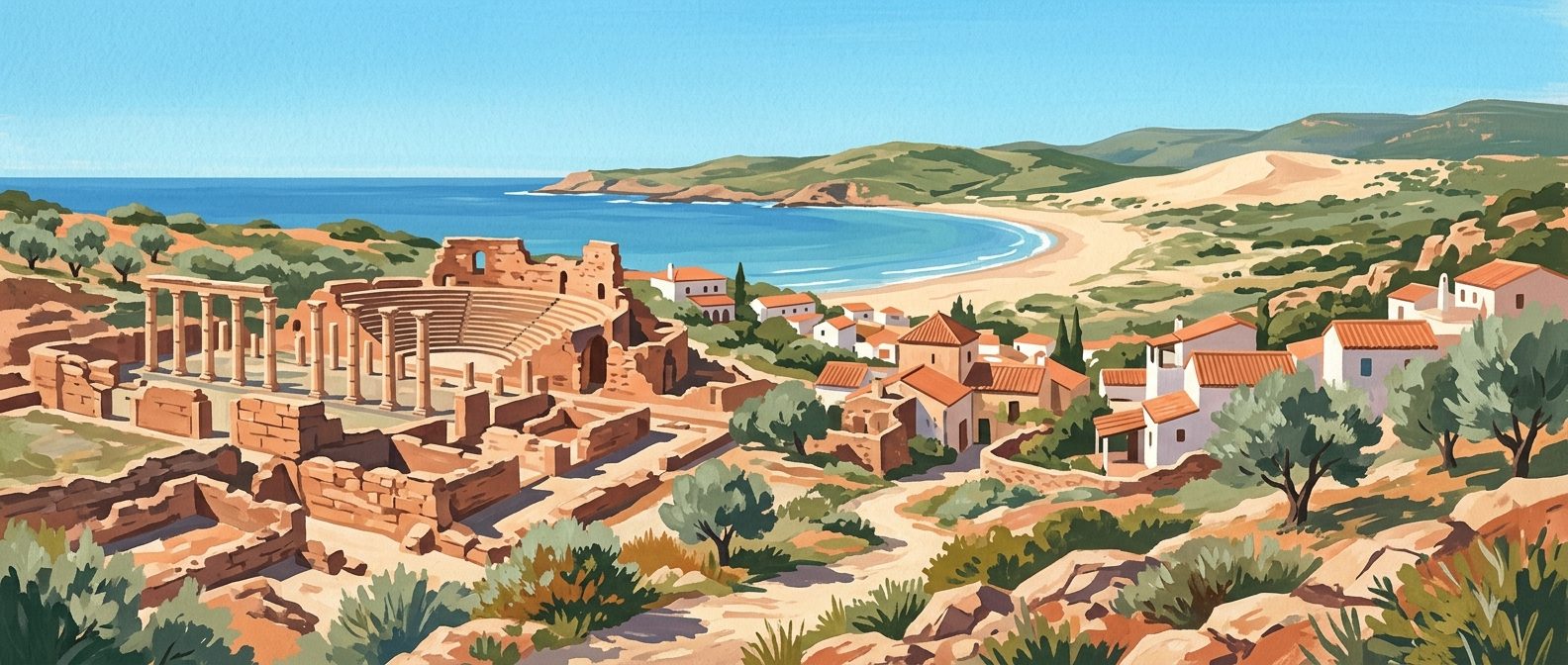
Bolonia: A Guide to the Cádiz Coast’s Roman Ruins and Great Dune
A quiet coastal hamlet where the remarkably intact ruins of Baelo Claudia meet a towering Atlantic sand dune. This Cádiz highlight offers a slower pace of life and a glimpse into Roman maritime history.
5 min read
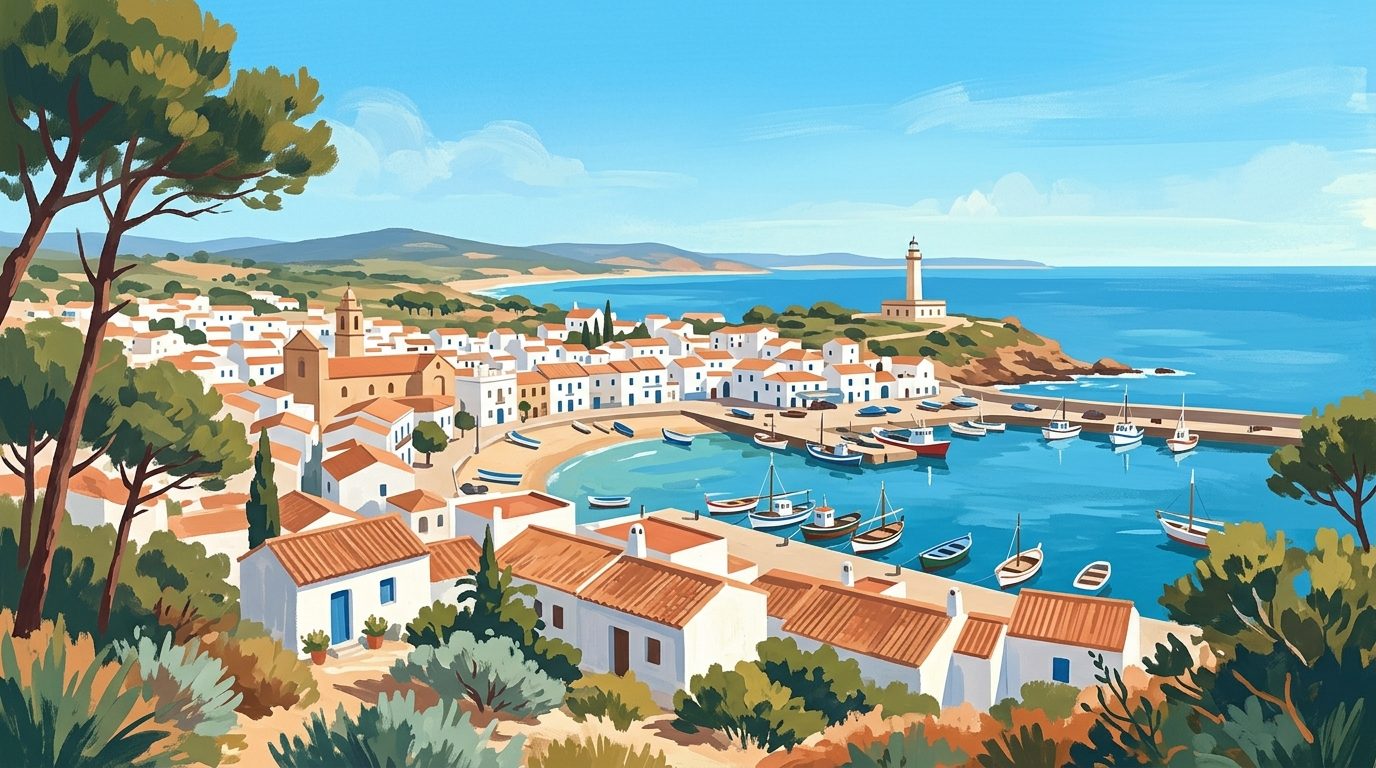
A Guide to Barbate and Los Caños de Meca: Tuna, Cliffs and Cape Trafalgar
Barbate and Los Caños de Meca offer a stark contrast between a hard-working fishing port and a bohemian coastal retreat shaped by Atlantic winds. This stretch of the Costa de la Luz remains defined by the annual tuna harvest and the historic silhouette of the Trafalgar lighthouse.
6 min read
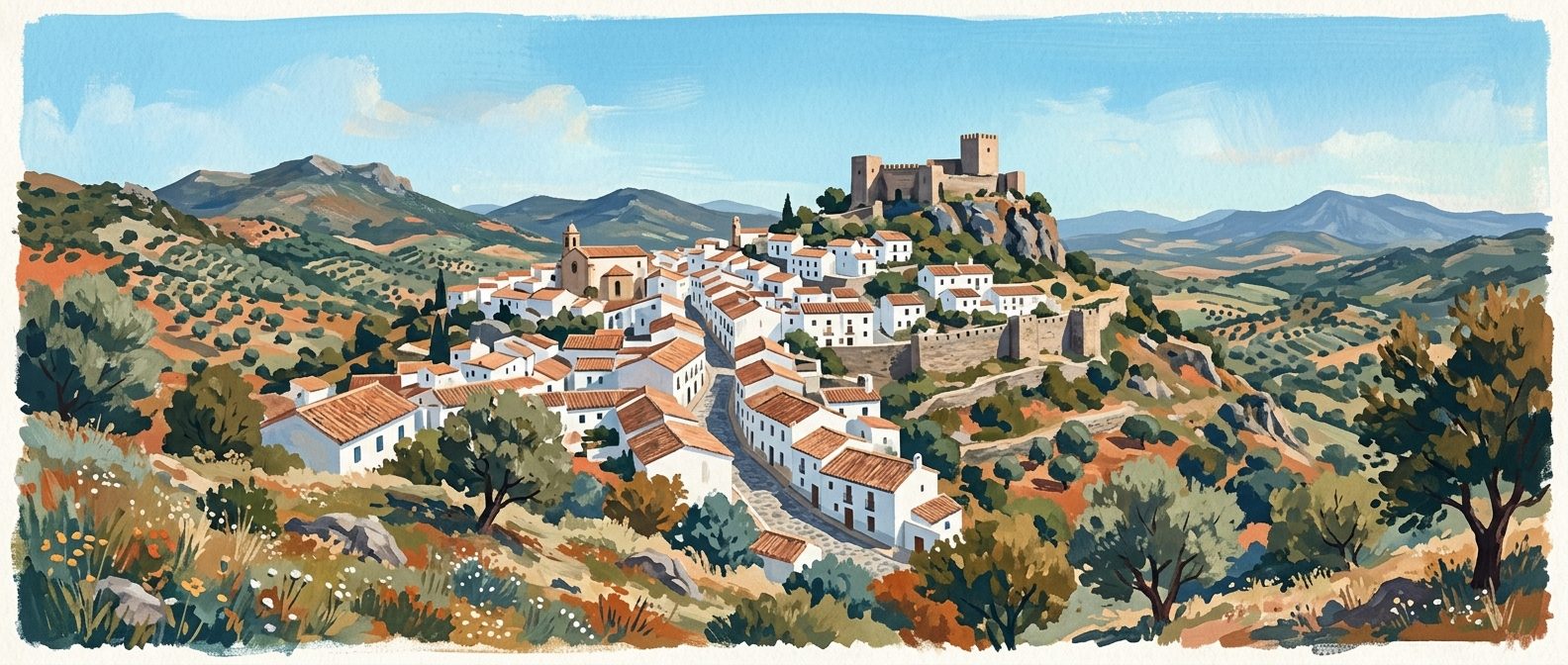
Jimena de la Frontera: A Frontier Stronghold in the Cork Oak Forests
With its commanding Moorish castle and gateway status to the vast Alcornocales Natural Park, Jimena de la Frontera is a quiet alternative to the busier white villages of Cádiz.
6 min read
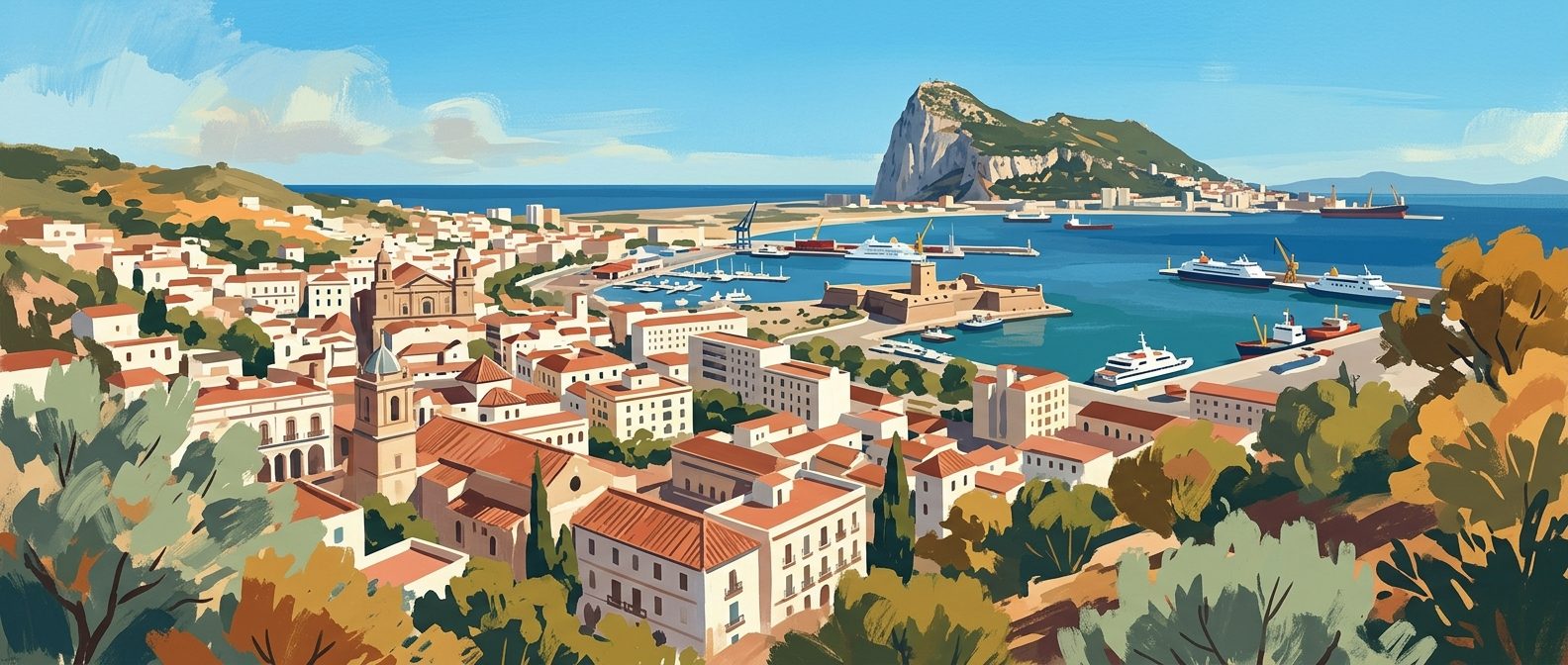
A Guide to Algeciras: The Gateway to Africa and the Strait
A deep dive into Algeciras, the strategic port city in Cádiz. Discover the industrial beauty of the Engineer Torroja Market, the flamenco heritage of Paco de Lucía, and practical tips for ferry travel to Africa.
6 min read
Newsletter
More stories from Andalucía
Weekly notes, seasonal picks, and the next guides worth bookmarking.