
Feature · Cádiz
Costa de la Luz: The Complete Guide
The Costa de la Luz is an untamed stretch of Atlantic shoreline defined by wild dunes, pine forests and stiff sea breezes. Spanning the coastlines of Huelva and Cádiz, it offers a stark alternative to the concrete resorts of the Mediterranean.
By Dan · Updated 13 May 2026 · 9 min read
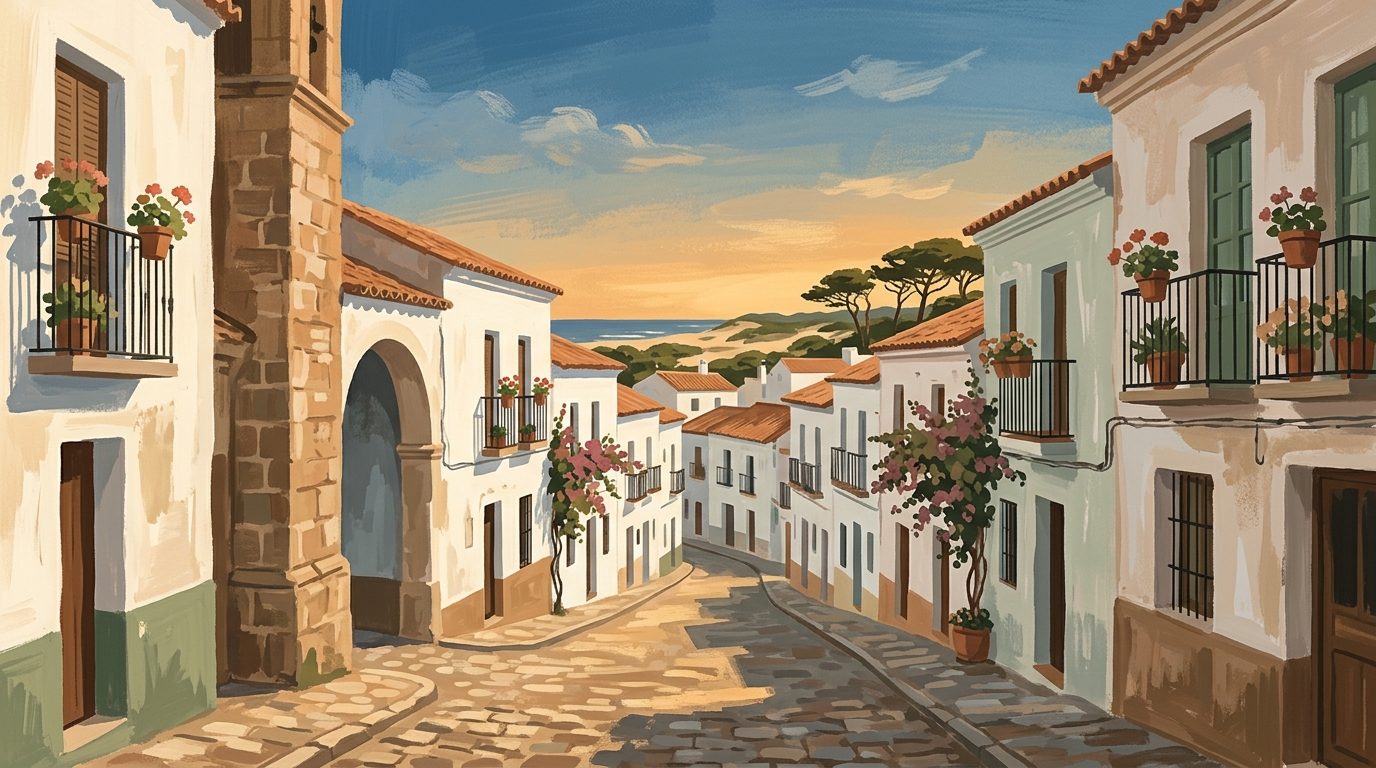
The Costa de la Luz is an untamed stretch of Atlantic shoreline defined by wild dunes, pine forests and stiff sea breezes. Spanning the coastlines of Huelva and Cádiz, it offers a stark alternative to the concrete resorts of the Mediterranean.
The Costa de la Luz translates as the Coast of Light, a name earned from the intense sunshine reflecting off endless stretches of pale, powdery sand and the rolling Atlantic surf. Unlike the sheltered Mediterranean coasts to the east, this is a fully ocean-facing shoreline. It spans the provinces of Huelva and Cádiz, running from the Portuguese border all the way south to Tarifa. It is defined by its exposure to the elements. Constant breezes keep the summer temperatures manageable, while fierce winds draw surfers and kiteboarders from across the globe.
Because the Atlantic Ocean is colder, rougher and windier than the Mediterranean, mass international tourism never completely took root here. While there are a few built-up resort towns catering largely to domestic holidaymakers, much of the coastline remains wild and protected. Pine forests roll directly onto the dunes, and coastal wetlands harbour thousands of migratory birds. The Costa de la Luz suits independent travellers, nature lovers and those who prefer their beaches expansive and untamed rather than lined with tightly packed sun loungers. If you are looking for imported pub food and towering high-rise hotels, you are in the wrong place. If you want vast horizons, historic port towns, spectacular local seafood and a distinctly Andalucían atmosphere, this coast delivers.
The towns, west to east
Ayamonte sits right on the border with Portugal, separated only by the broad estuary of the Guadiana river. It is a traditional working town rather than a dedicated resort, featuring whitewashed streets, grand plazas lined with palm trees and a busy ferry terminal. The local beaches of Isla Canela and Punta del Moral sit just outside the town centre, offering wide sands and calm waters.
Isla Cristina is one of the most important fishing ports in Andalucía. It is an industrial, hard-working town that lacks the polish of a traditional holiday destination, but it compensates with an authentic atmosphere and an incredible daily fish market. The surrounding salt marshes are beautiful at sunset, and the local restaurants serve some of the best seafood in the region.
Mazagón appeals primarily to families seeking a quiet beach holiday. The town itself is small and functional, but it is backed by thick pine forests and miles of excellent beaches. It serves as an excellent base for exploring the nearby Doñana National Park, offering an escape from the denser crowds found elsewhere.
Matalascañas is the architectural exception to the otherwise low-key Huelva coast. Developed heavily in the 1970s, it features a skyline of high-rise apartment blocks that sit right on the edge of the Doñana National Park. While the concrete aesthetic is jarring, it is incredibly popular with residents of Sevilla who flock here in August. Outside of the peak summer weeks, it feels eerily quiet.
Sanlúcar de Barrameda sits at the mouth of the Guadalquivir river. It is famous globally as the home of Manzanilla sherry and locally for its exceptional king prawns. The town has a faded, aristocratic elegance, with old palaces crumbling softly in the sea air. During two cycles in August, the wide beaches transform into a racecourse for the famous Carreras de Caballos, a tradition dating back to the nineteenth century (check exact dates on the official event website before travelling).
Rota combines the atmosphere of a traditional Andalucían fishing village with the distinct influence of a massive joint Spanish and American naval base. The old town remains remarkably well preserved, featuring a walled enclosure, a medieval castle and narrow alleys. The presence of the base means you can find authentic tapas bars sitting comfortably alongside restaurants serving American-style pizza and burgers.
El Puerto de Santa María is a classic sherry town, situated on the bay opposite Cádiz. Its waterfront is lined with famous bodegas and excellent seafood restaurants. The town maintains a relaxed, elegant feel, and taking the short passenger ferry (Vaporcito) across the bay to the city of Cádiz remains one of the most enjoyable transit routes in southern Spain (check the Consorcio de Transportes Bahía de Cádiz for timetables before travelling).
Cádiz is widely considered the oldest continuously inhabited city in Western Europe. It sits on a narrow peninsula almost entirely surrounded by the Atlantic Ocean. The historic centre is a tightly packed grid of narrow streets, watchtowers and lively plazas, while the newer part of the city features a sweeping urban beach. It has a uniquely Caribbean feel, complete with crumbling seawalls and brightly painted buildings.
Conil de la Frontera begins as a quiet, whitewashed fishing village in the winter and transforms into a loud, energetic party hub in July and August. It is a major destination for young Spanish holidaymakers. The town is wrapped around a massive expanse of beach, and the surrounding cliffs provide shelter from the prevailing winds.
Vejer de la Frontera is not actually on the coast, but it is deeply connected to it. Perched on a high rocky hill overlooking the Atlantic, this pristine white town features a labyrinth of steep cobbled streets and internal courtyards. It has become a sophisticated destination in recent years, offering boutique hotels and excellent dining while providing easy access to the beaches below.
Zahara de los Atunes is a laid-back, low-rise village famous for its bluefin tuna industry and its massive, unspoiled beach. It attracts an upscale but bohemian crowd, including actors, musicians and politicians from Madrid. Despite its popularity, it retains a dusty, frontier-town charm and has resisted the urge to build large hotel complexes.
Tarifa is the southernmost point of mainland Europe, where the Atlantic meets the Mediterranean. It is the undisputed windsurfing and kiteboarding capital of Europe, thanks to the fierce Levante and Poniente winds that funnel through the Strait of Gibraltar. The old town is a maze of Moorish streets packed with surf shops, vegan cafes and late-night bars, giving it an international, backpacker atmosphere.
Best beaches along the Costa de la Luz
The beaches here are vast and wild. Here are some of the finest stretches of sand to explore.
- Playa de Bolonia (Tarifa): A spectacular crescent bay featuring a massive shifting sand dune and the beautifully preserved Roman ruins of Baelo Claudia sitting right on the shore.
- Playa de los Lances (Tarifa): A massive expanse of white sand completely given over to kiteboarders and windsurfers, backed by distant mountains.
- Playa de Zahara de los Atunes (Zahara): Miles of fine golden sand backed by low-key beach bars and clear, famously cold water.
- Calas de Roche (Conil): A series of small, sheltered coves tucked beneath towering red cliffs, perfect for escaping the wind on blustery days.
- Playa de la Victoria (Cádiz): An impeccably clean urban beach stretching along the city peninsula with excellent promenade facilities and restaurants.
- Playa de Castilla (Huelva): A rugged, completely undeveloped stretch of sand running for miles alongside the Doñana National Park, accessible only on foot.
- Playa de Isla Canela (Ayamonte): A wide, flat tidal beach near the Portuguese border that is ideal for families and safe swimming.
Where to base yourself
Families: Isla Canela or Rota. Both offer gently shelving beaches, excellent modern facilities and a relaxed atmosphere. Rota provides easy access to the cultural sights of the Cádiz bay, while Isla Canela is perfect for a quiet, self-contained beach holiday with safe waters.
Couples: Vejer de la Frontera. If you do not mind a short drive to the beach, Vejer offers romantic boutique hotels, exceptional dining, cobbled streets and panoramic views over the coast. It is far more sophisticated than the immediate beachfront towns.
Surfers and water sports enthusiasts: Tarifa. The undisputed capital of wind and waves. The town is packed with surf schools, gear rental shops and like-minded travellers. The conditions here are world-class, though beginners should respect the strength of the currents.
Foodies: Sanlúcar de Barrameda or El Puerto de Santa María. Both towns are part of the Sherry Triangle. You can spend your days touring historic bodegas, sampling dry Fino and Manzanilla, and eating the freshest prawns, tuna and cuttlefish in the local markets.
Party-goers: Conil de la Frontera. If you are travelling in July or August and want late nights, Conil transforms into a loud, energetic hub packed with bars and Spanish holidaymakers. Outside of these two months, it reverts to a quiet fishing town.
Food specific to this coast
The cuisine of the Costa de la Luz is entirely dictated by the Atlantic Ocean. The undisputed king of the menu is atún de almadraba. This wild bluefin tuna is caught in the spring using an ancient Phoenician netting system off the coast of Cádiz. It is served in countless ways, from seared steaks to raw tartare, and is considered some of the best tuna in the world.
In the province of Huelva, you will find coquinas, which are tiny, sweet wedge clams cooked simply in garlic, parsley and olive oil. Huelva is also famous for choco, or cuttlefish, which is so popular that the local residents are affectionately nicknamed choqueros. It is typically served battered and deep-fried to perfection.
Around Cádiz and Sanlúcar de Barrameda, the speciality is tortillitas de camarones. These are ultra-thin, crispy fritters packed with tiny whole prawns. Naturally, all of this seafood is designed to be washed down with a cold glass of Manzanilla or Fino sherry, the bone-dry fortified wines produced exclusively in the nearby inland towns.
Getting there and around
The Costa de la Luz spans a massive geographical area, so your arrival point depends on which province you are visiting. For the Cádiz coastline, Jerez Airport is the closest option, though it handles limited international flights. Sevilla Airport is the main transport hub for both the Huelva coast and the northern Cádiz towns. If you are heading straight to the deep south around Tarifa, flying into Gibraltar or Málaga makes the most logistical sense.
Train travel is excellent for specific routes but useless for others. There are fast rail links connecting Sevilla and Madrid to Jerez, El Puerto de Santa María and the city of Cádiz. Huelva has a limited train service connecting it to Sevilla. Crucially, there is no train line south of Cádiz city, meaning towns like Conil, Vejer, Zahara and Tarifa are entirely reliant on bus services.
A rental car is virtually essential for exploring the Costa de la Luz properly. The A-48 and N-340 highways run down the Cádiz coast, while the A-49 serves Huelva. Keep in mind that there is no coastal road connecting Huelva and Cádiz directly. The vast, protected wetlands of the Doñana National Park sit right between the two provinces. To cross from one to the other, you have to drive an hour inland up to Sevilla and then back down again.
How it differs from the other costas
The Costa de la Luz offers a completely different experience to its Mediterranean neighbours. Unlike the Costa del Sol, there are very few high-rise resorts, no international mega-clubs and a distinct lack of English breakfasts. The Atlantic water is significantly colder and the surf is noticeably rougher. The atmosphere is resolutely Spanish, as this remains the favoured summer retreat for residents of Sevilla and Madrid.
Unlike the Costa Tropical in Granada province, which features pebbly coves and warm microclimates, the Costa de la Luz is flat, sandy and highly exposed to the Atlantic winds. The wind dictates everything here, occasionally blowing so strongly that sitting on the beach becomes an exercise in sandblasting.
Finally, unlike the Costa de Almería to the far east, which is arid, dry and volcanic, the Costa de la Luz is comparatively green. It is backed by vast pine forests, river estuaries and expansive wetlands. The Costa de la Luz remains arguably the most untamed and authentically Andalucían of the four coastlines, requiring a slightly more adventurous spirit but rewarding visitors with spectacular scenery and unmatched local culture.
Last reviewed: 21 June 2026 · Editorial policy
Related guides
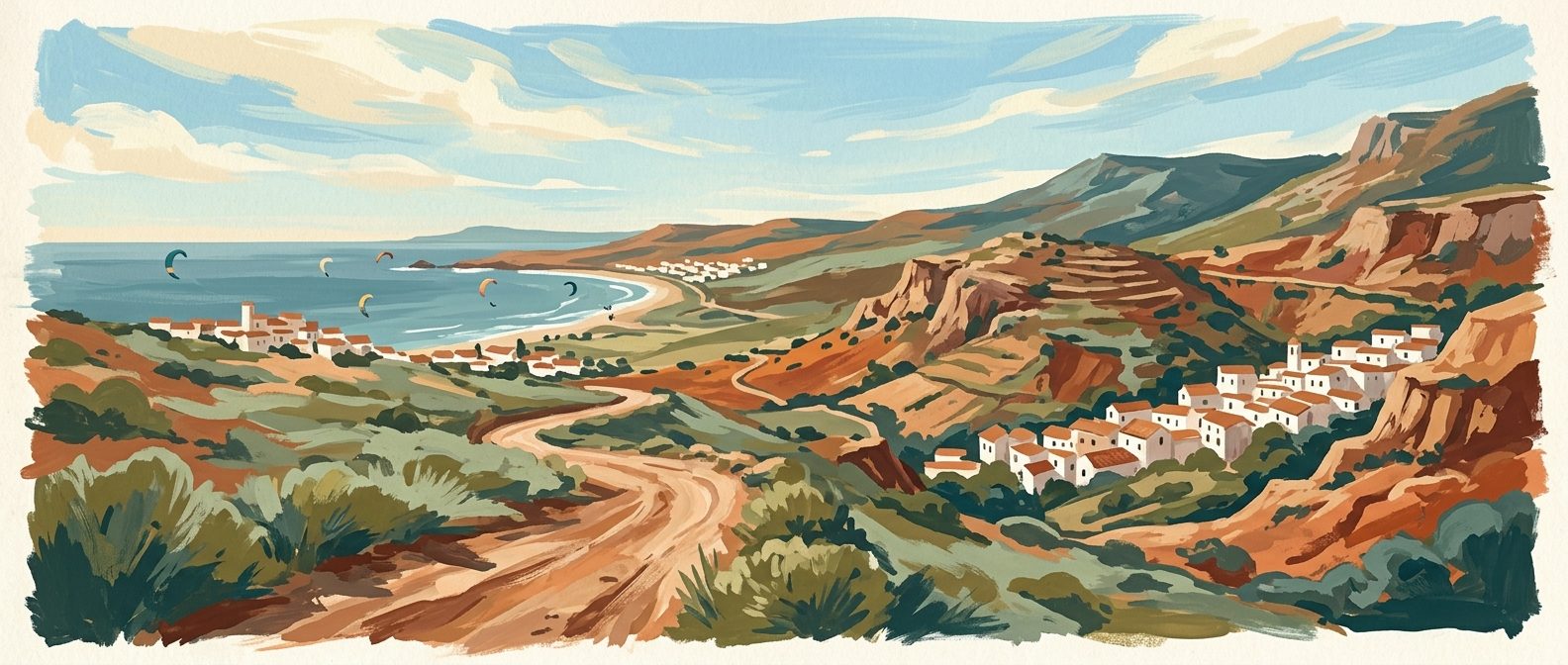
Kitesurfing in Tarifa: The Ultimate Guide to Europe's Wind Capital
Europe's southernmost tip is defined by two relentless winds and a coastline uniquely shaped to harness them. You can tarifa remains the undisputed proving ground for wind-chasers if you are launching your first kite or mastering unhooked tricks.
10 min read
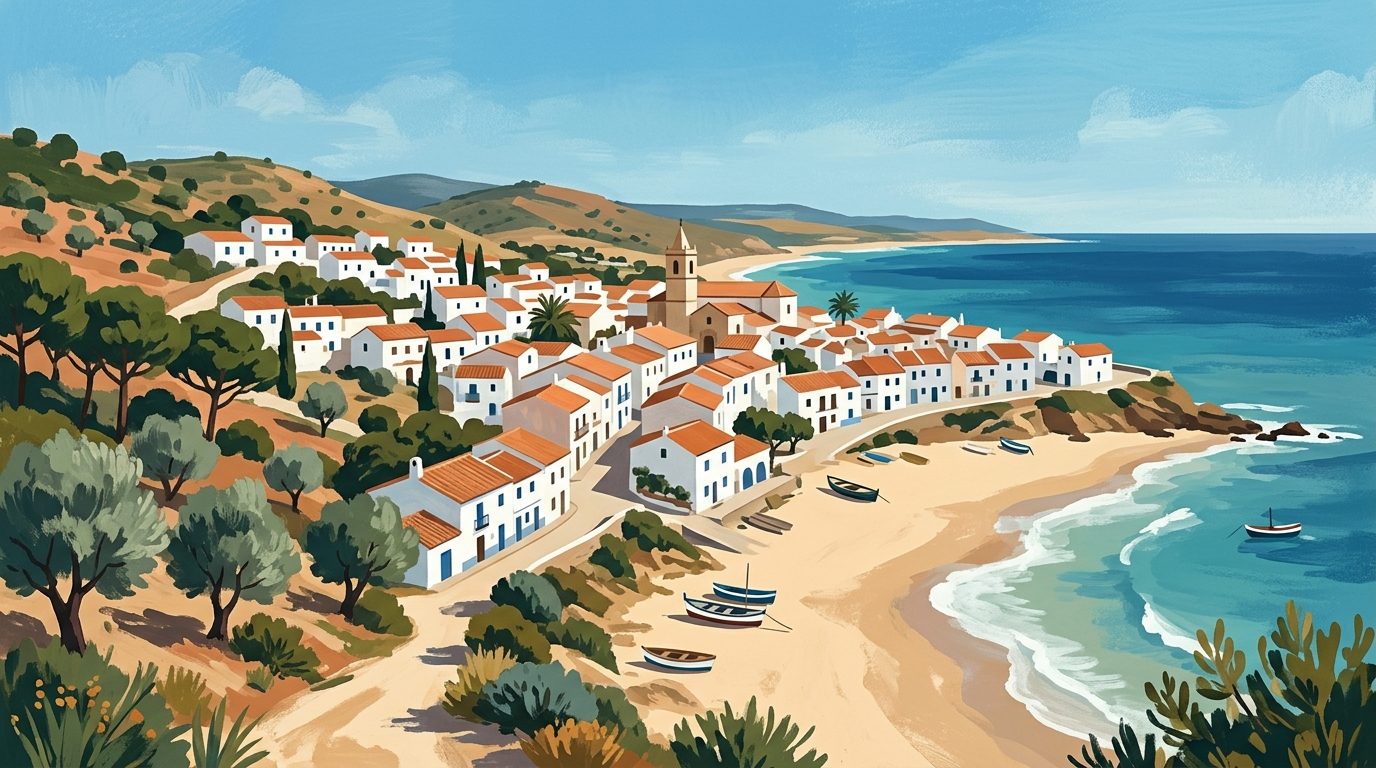
A Guide to Zahara de los Atunes: Where the Atlantic Meets the Almadraba Tradition
Discover a coastal village where ancient tuna-fishing traditions blend with high-end gastronomy and vast Atlantic beaches. Zahara de los Atunes offers a sophisticated yet laid-back escape on the rugged Costa de la Luz.
5 min read
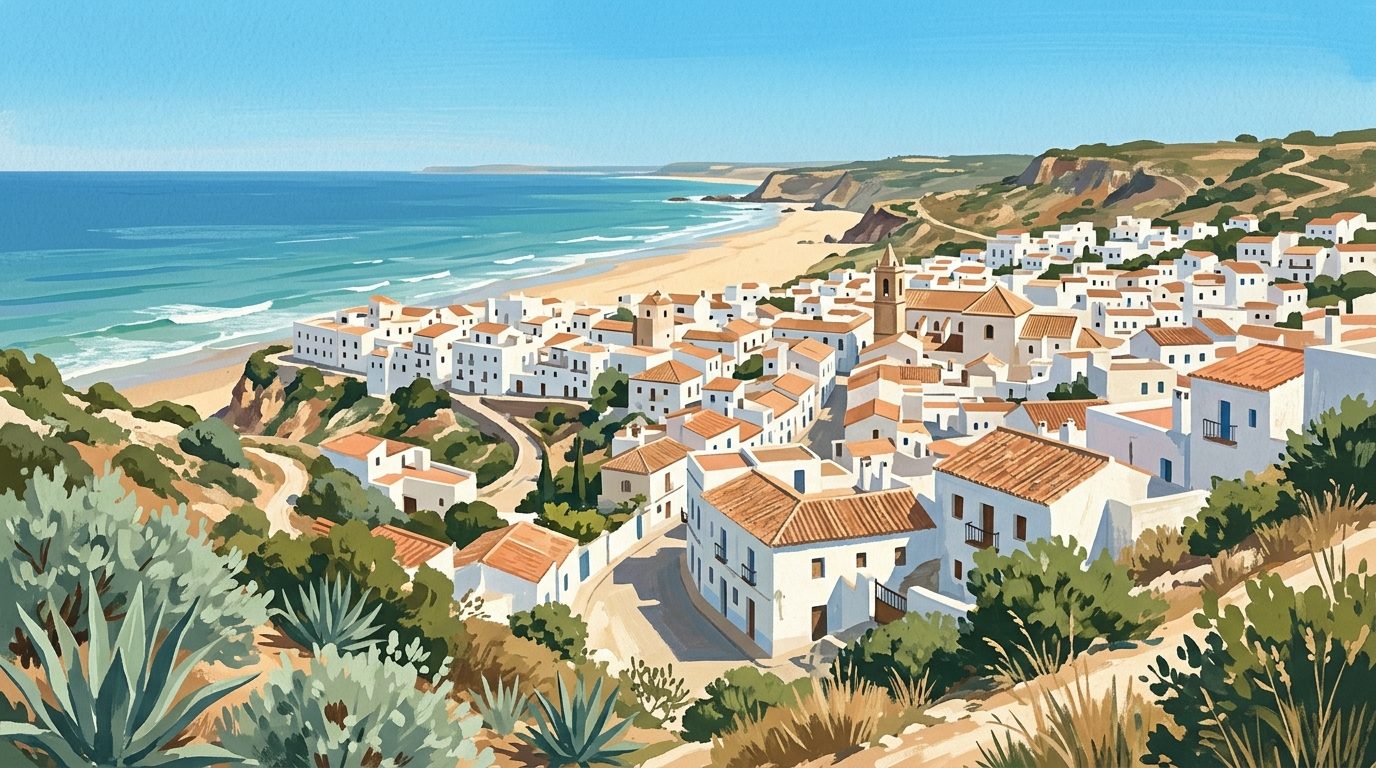
A Guide to Conil de la Frontera: Beaches, Tuna and White Streets
Discover Conil de la Frontera, a classic white town on the Costa de la Luz famous for its golden Atlantic beaches and ancient bluefin tuna tradition.
6 min read
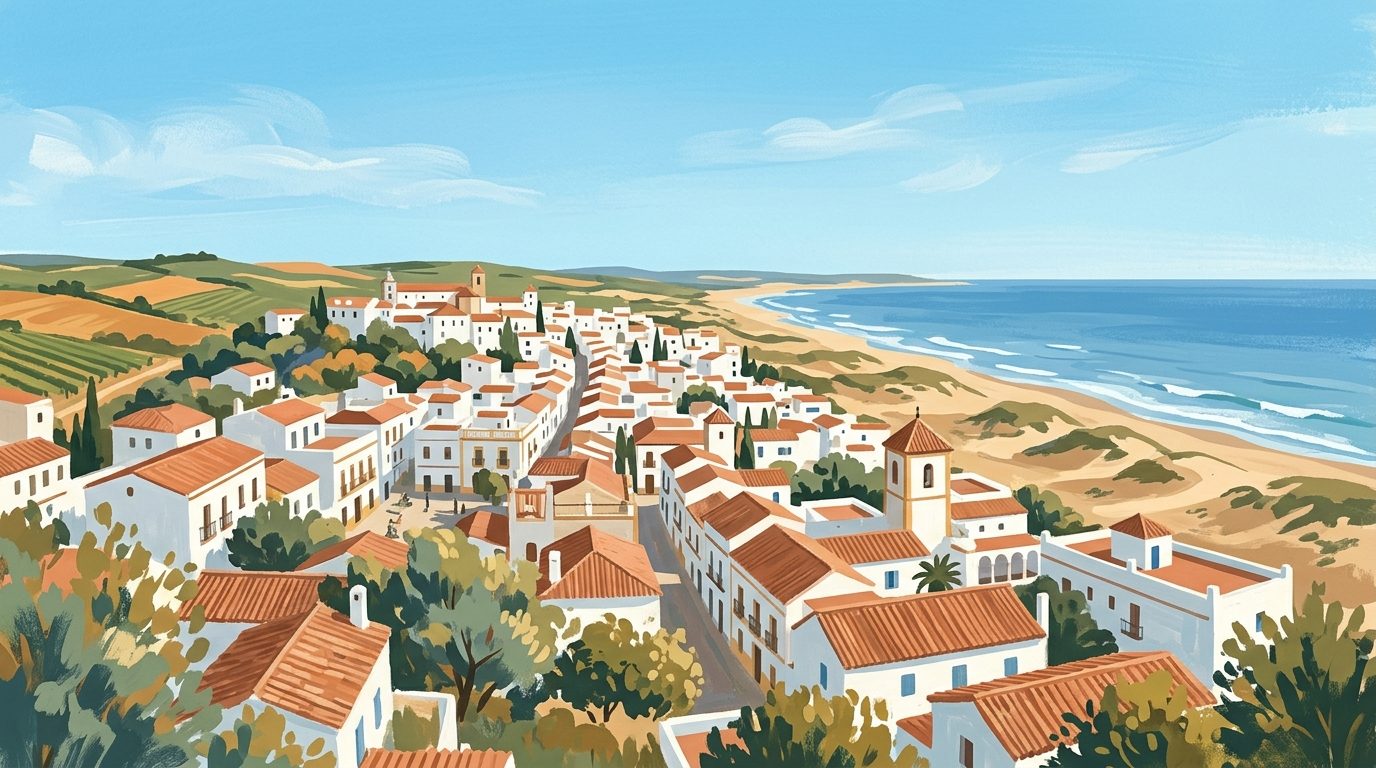
Chiclana de la Frontera: Fine Sands and Fino Sherry on the Cádiz Coast
Discover Chiclana de la Frontera, a unique destination on the Costa de la Luz featuring the 8km La Barrosa beach, historic sherry bodegas, and the ancient Castillo de Sancti Petri.
5 min read
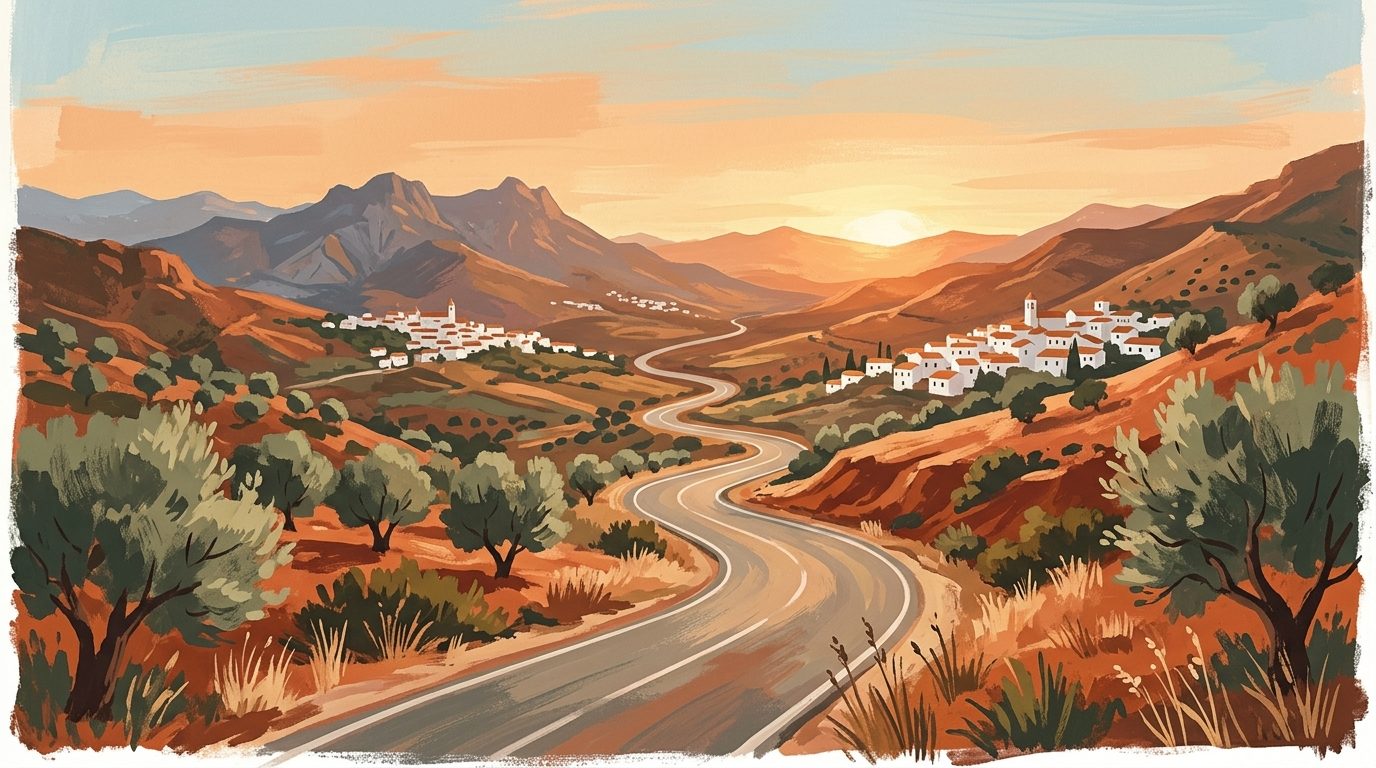
The Costa de la Luz Road Trip: A Raw Atlantic Itinerary
Trade the Mediterranean crowds for raw Atlantic winds, sherry-soaked bodegas, and the finest tuna in Europe on this 6-day drive through Cádiz province.
10 min read
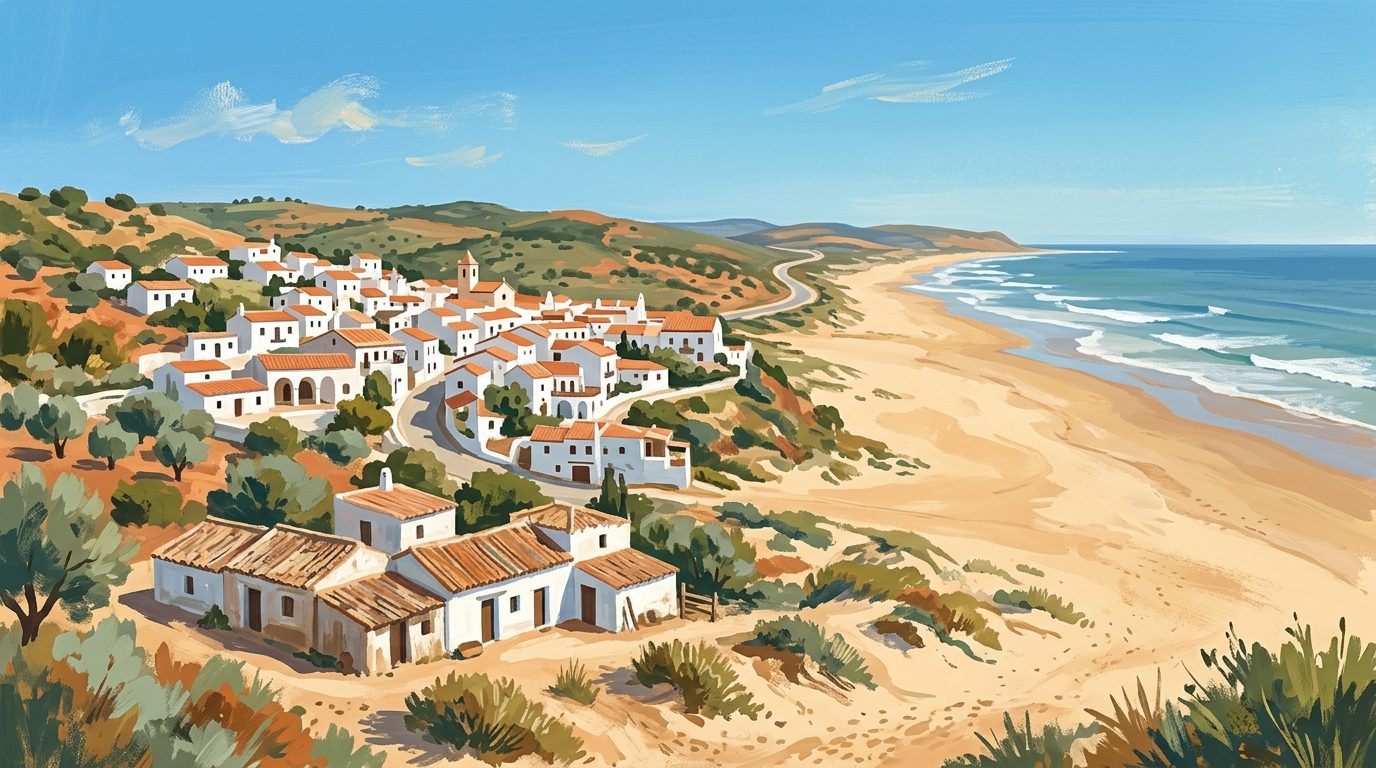
Playa de El Palmar: A Guide to the Surfing Capital of Cádiz
Playa de El Palmar is the undisputed surfing capital of the Costa de la Luz, offering eight kilometres of golden sand and some of the finest sunsets in the province of Cádiz. This expansive shoreline balances a wild, Atlantic character with a thriving scene of beach bars and surf schools.
7 min read
More from Cádiz
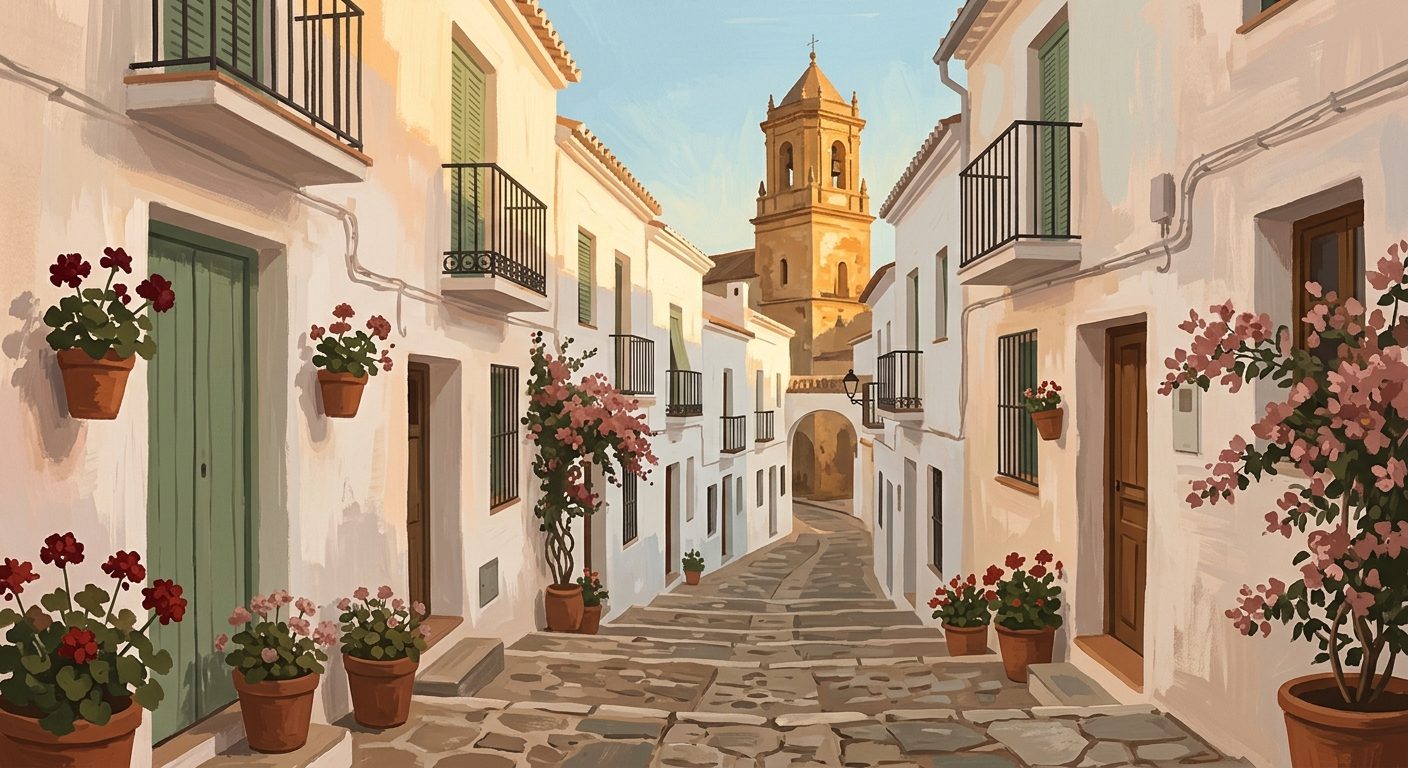
The White Villages of Andalucía: A Guide to the Pueblos Blancos
Discover the iconic white villages of Cádiz and Málaga, where lime-washed houses and narrow Moorish streets define the rugged mountain landscape of Andalucía.
6 min read
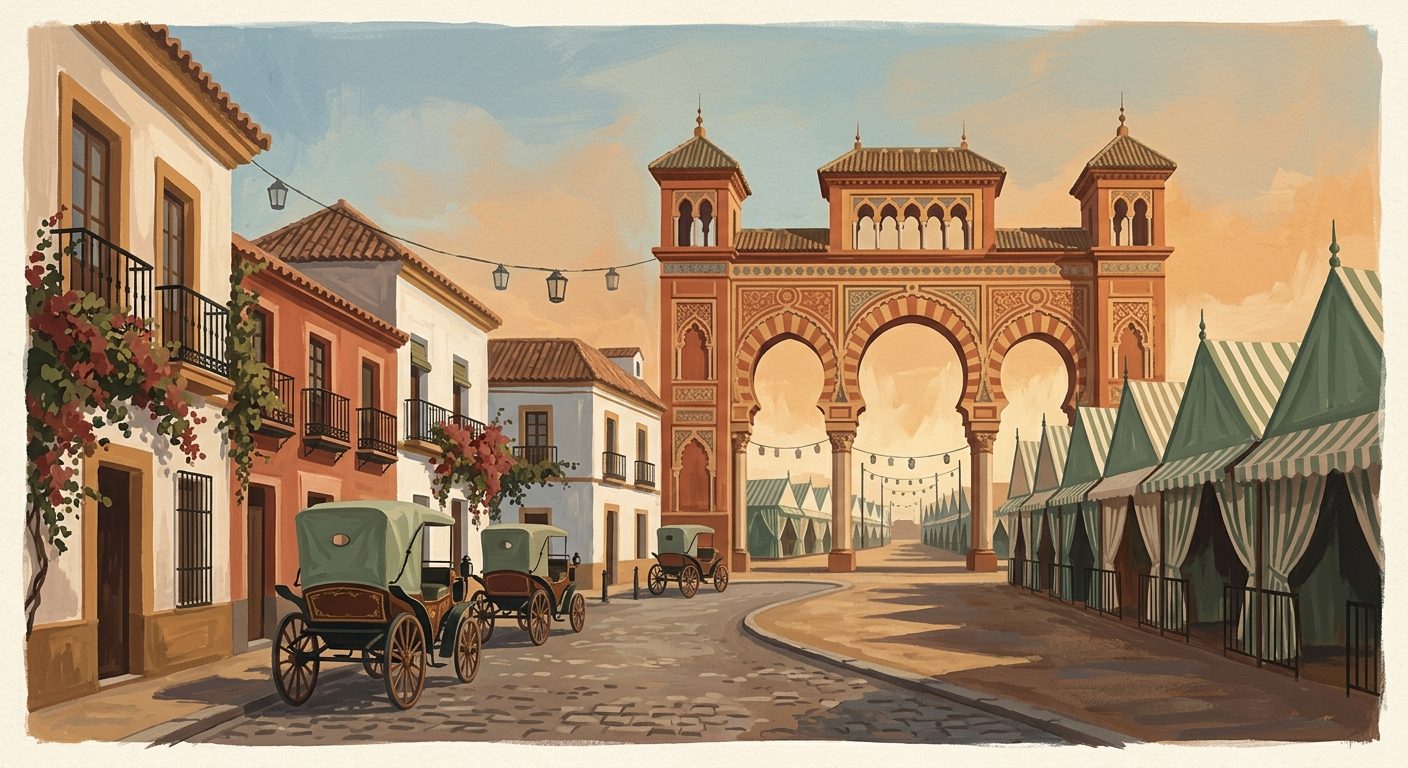
A Complete Guide to the Feria del Caballo in Jerez
The Feria del Caballo in Jerez stands apart from other spring fairs in Andalucía because its casetas are almost entirely open to the public. Here, the aristocratic tradition of the Andalucían horse meets the egalitarian spirit of the city, fuelled by endless cold glasses of fino sherry and native flamenco bulerías.
9 min read
The Albariza English: A Two-Century Shadow in Cádiz
The British presence in Andalucía is more than a seasonal migration; it is a two-hundred-year-old layering of trade, conflict, and quiet assimilation.
6 min read
The Resurrection of the Chalk: How Sherry Escaped the Dusty Sideboard
For decades, the wines of Marco de Jerez were relegated to the back of the liquor cabinet; today, a new generation of winemakers is digging into the white earth to prove Sherry is the world's most misunderstood terroir wine.
7 min read
The Weight of the Water: Life at the Edge of Two Continents
Fourteen kilometres of salt water separate the northern edge of Africa from the southernmost tip of Spain, creating a corridor where geopolitical tension, ecological wonder, and human desperation collide.
7 min read
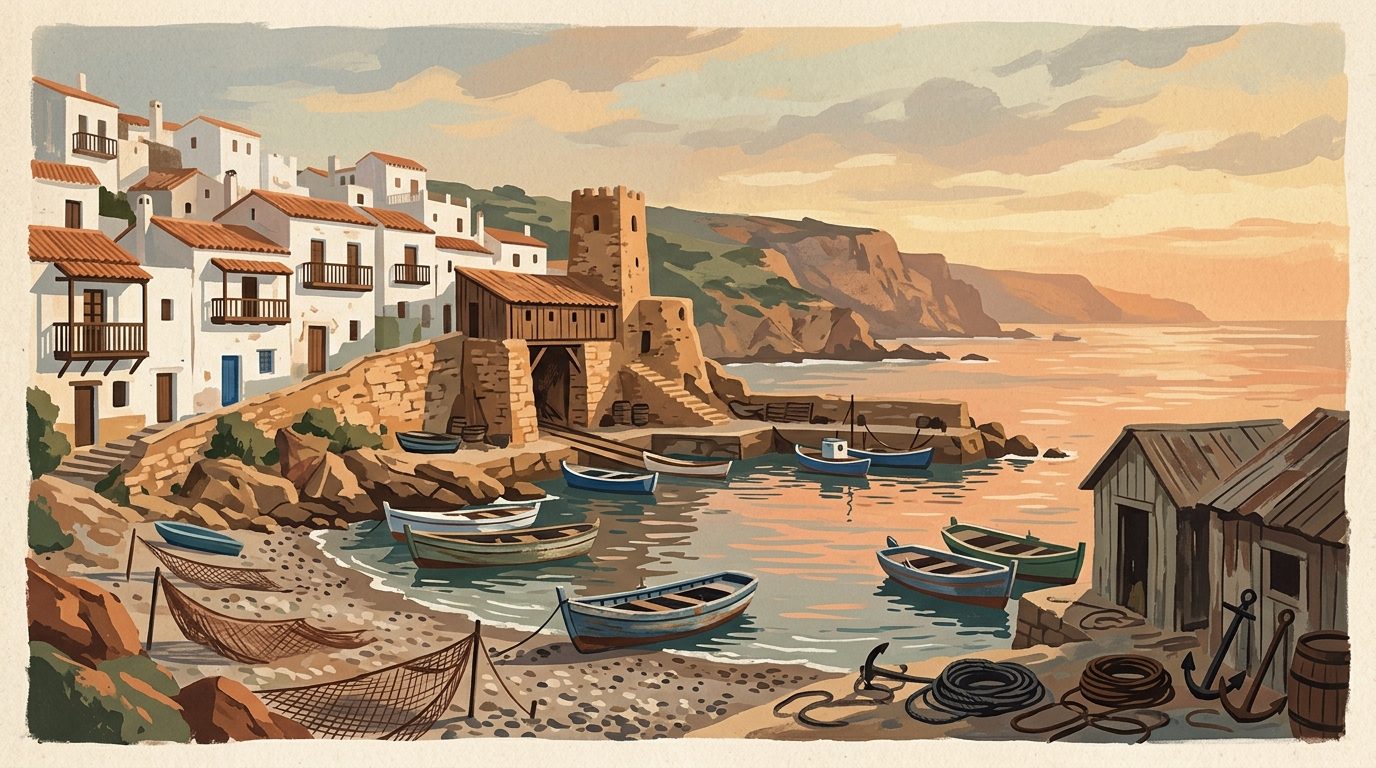
The Last Almadraba: Blood, Steel, and the Silver Ghost of Barbate
In the coastal town of Barbate, a three-thousand-year-old ritual of blood and silver continues as the bluefin tuna begin their ancient migration.
7 min read
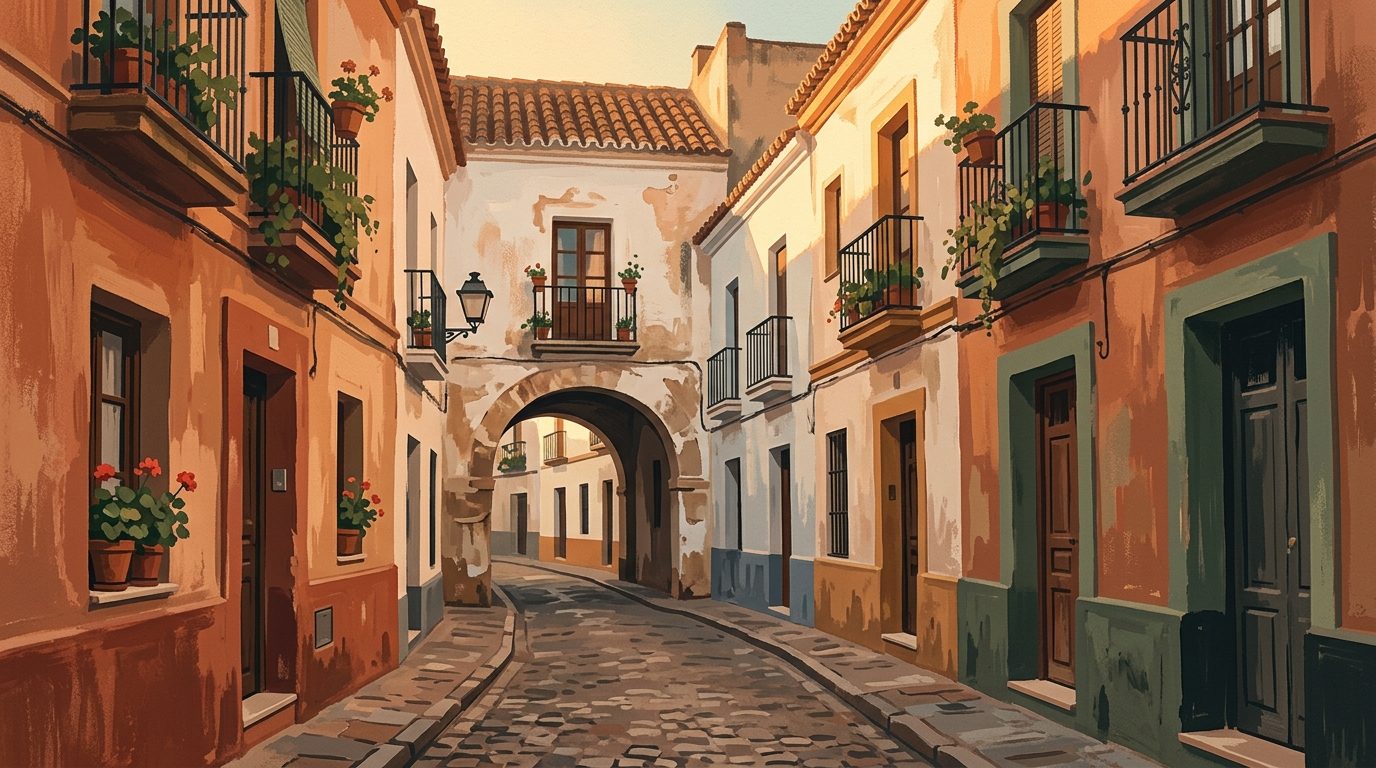
The Weight of the Blood: How Flamenco Outlives the Stage in Jerez
In the back rooms and private social clubs of Jerez, flamenco isn't a show for tourists: it is a gritty, ancestral language passed down through bloodlines and the stubborn memory of the barrios.
7 min read
Newsletter
More stories from Andalucía
Weekly notes, seasonal picks, and the next guides worth bookmarking.