
Place guide · Cádiz
Playa de Zahara de los Atunes: A Guide to the Golden Coast of Cádiz
Experience the vast golden sands and clear Atlantic waters of Playa de Zahara de los Atunes, a highlight of the Cádiz coastline. Discover the best chiringuitos, parking tips, and the ideal times to visit.
By Dan · Updated 24 June 2026 · 6 min read
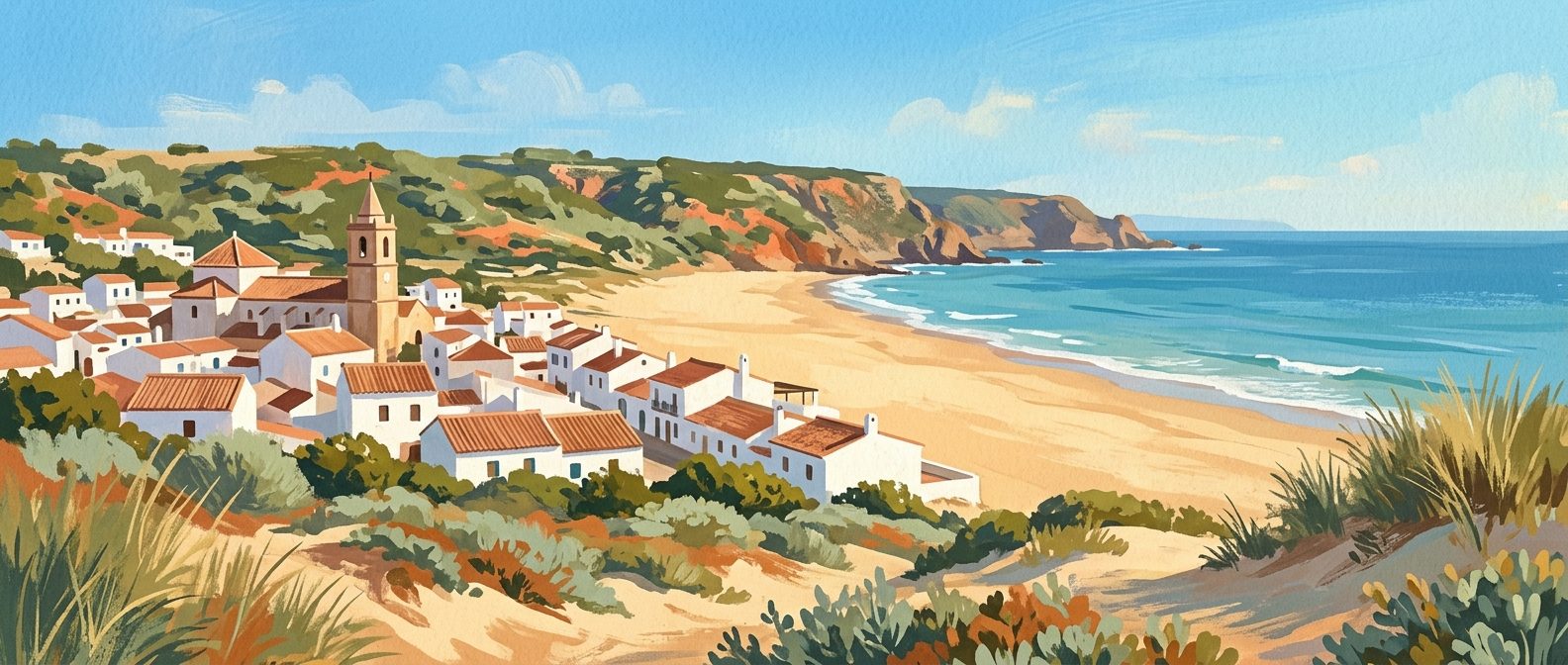
Playa de Zahara de los Atunes is a sprawling expanse of fine golden sand that stretches as far as the eye can see along the Atlantic coast. It offers a perfect balance between raw natural beauty and the sophisticated charm of its traditional fishing village.
Introduction
Playa de Zahara de los Atunes is not merely a place to swim: it is a cultural institution on the Costa de la Luz. This coastline is defined by the historic Almadraba tuna fishing tradition, a practice that has shaped the identity of the village for centuries. Unlike the more sheltered coves of the Mediterranean, this beach is open, airy, and subject to the powerful moods of the Atlantic Ocean. It is a location where the sky seems larger and the light has a clarity that has long attracted artists and photographers to this corner of Andalucía.
What makes this beach distinctive is its sheer scale. Even in the height of the summer season, the vast width of the sandy shore means you can always find space to breathe. The village itself has evolved from a humble fishing outpost into a stylish destination for those who prefer understated luxury over high-rise developments. Here, the architecture remains low-level and the atmosphere is relaxed, yet the culinary scene is among the best in the province. The beach transitions from the village-fronting sands to the more exclusive residential area of Atlanterra, providing a variety of environments within a single continuous stretch of coastline.
The beach itself
The sand at Zahara de los Atunes is exceptional: it is a fine, pale gold that does not easily cling to the skin, making it a favourite for families. The water clarity is usually superb, reflecting a deep turquoise when the sun is at its zenith. However, visitors should be aware that the Atlantic is cooler than the Mediterranean, and the entry into the water can be somewhat steep in certain sections depending on recent winter storms. The beach is approximately eight kilometres long, running from the village all the way to the Cabo de Plata.
Playa de Zahara holds a Blue Flag for its cleanliness and excellent water quality. While there is no official naturist section directly in front of the village, as you walk south towards the bunker and the cliffs of Atlanterra, the crowds thin out and clothing-optional sunbathing becomes more common in the secluded dunes. For families, the areas closest to the village are ideal because the sand is flat, and the proximity to pharmacies and shops provides peace of mind. The southern end, near the Atlanterra urbanisations, is more rugged and features striking rock formations that are perfect for older children to explore.
Getting there & parking
Zahara de los Atunes is located in the south-west of Cádiz province. If you are travelling from Jerez Airport, the drive takes roughly one hour and ten minutes via the A-48 and N-340. From Gibraltar International Airport, the journey is slightly longer, at around one hour and twenty minutes, taking you through the scenic mountain passes near Tarifa before descending to the coast.
The parking reality in Zahara is a tale of two seasons. From October to May, you can park almost anywhere with ease. In July and August, however, the narrow streets of the old village become congested. There are several large, sandy plots known as llanos that are converted into paid parking zones during the summer. Expect to pay between €5 and €10 for the day in these seasonal lots. If you are staying in the Atlanterra area, parking is generally easier within the private residential complexes, though public spots near the beach access points fill up by 11:00. Public transport is limited: there are bus services from Algeciras and Cádiz operated by Transportes Comes (check the Transportes Comes website for the latest 2026 summer timetables, as frequency increases in June), but a hire car is strongly recommended for anyone wishing to explore the surrounding area.
Facilities & chiringuitos
The chiringuitos (beach bars) in Zahara de los Atunes are some of the most famous in Andalucía. They are not merely snack huts but sophisticated restaurants and social hubs. La Luna is a classic choice for a sunset drink, known for its relaxed atmosphere and excellent cocktails. For those seeking live music and a more energetic afternoon, El Pez Limón is a local legend that often hosts well-known Spanish musicians. If you prefer a more refined dining experience with your toes in the sand, La Garrocha offers high-quality local produce with a focus on Almadraba tuna.
In terms of practical facilities, the beach is well-equipped during the high season, which typically runs from mid-June to mid-September. You will find wooden walkways for easier access, public showers, and toilets at regular intervals. Sun-bed and umbrella hire are available in front of the village and the major hotels in Atlanterra. The Red Cross and local lifeguards maintain a strong presence throughout the summer months, with clearly marked flags indicating swimming conditions.
Best time to visit
The absolute best time to visit Playa de Zahara de los Atunes is during the shoulder months of June and September. During these windows, the weather is warm enough for swimming, the chiringuitos are fully operational, but the overwhelming crowds of August have not yet arrived. May is also a special time to visit, as it coincides with the Almadraba season, where you can sample the freshest tuna imaginable in the local restaurants.
One factor that every visitor must consider is the wind. The Levante (an easterly wind) can be fierce on this coast. When the Levante is blowing hard, sunbathing on the open beach becomes uncomfortable due to flying sand. On these days, locals often retreat to the more sheltered coves of Roche or simply enjoy the village tapas bars. Conversely, the Poniente (westerly wind) brings cooler air and clearer water, making for the perfect beach day. Always check a wind forecast before planning your day on the sand.
Combine with
A visit to Zahara is perfectly paired with a trip to the ruins of Baelo Claudia (an Archaeological Ensemble managed by the Junta de Andalucía) in the neighbouring village of Bolonia. Located just a short drive over the hill, this ancient Roman city sits right on the edge of the beach. You can walk through the remains of the basilica, the theatre, and the old fish-salting factory where the Romans once processed the same tuna that is still caught today. After exploring the ruins, a climb up the Great Dune of Bolonia offers a spectacular panoramic view of the coastline and across the Strait of Gibraltar to the mountains of Morocco.
Practical notes
When packing for a day at Playa de Zahara de los Atunes, bring a sturdy windbreak if you have one, as the Atlantic breezes are unpredictable. The beach is highly accessible for those with mobility issues, particularly at the main entrances in the village centre where ramps are maintained. Regarding dogs, pets are officially prohibited on the beach during the high season (June to September), and local police do issue fines. However, in the winter months, the beach becomes a popular spot for dog walkers.
Safety is paramount: the Atlantic currents here can be surprisingly strong. Even on calm-looking days, there can be an undertow. Always pay attention to the lifeguard flags: a red flag means no swimming under any circumstances. For those interested in walking, the hike from the southern end of the beach up to the Faro de Camarinal lighthouse provides one of the most rewarding views in Cádiz, looking down over the pristine waters of Playa de los Alemanes.
Last reviewed: 21 June 2026 · Editorial policy
Related guides
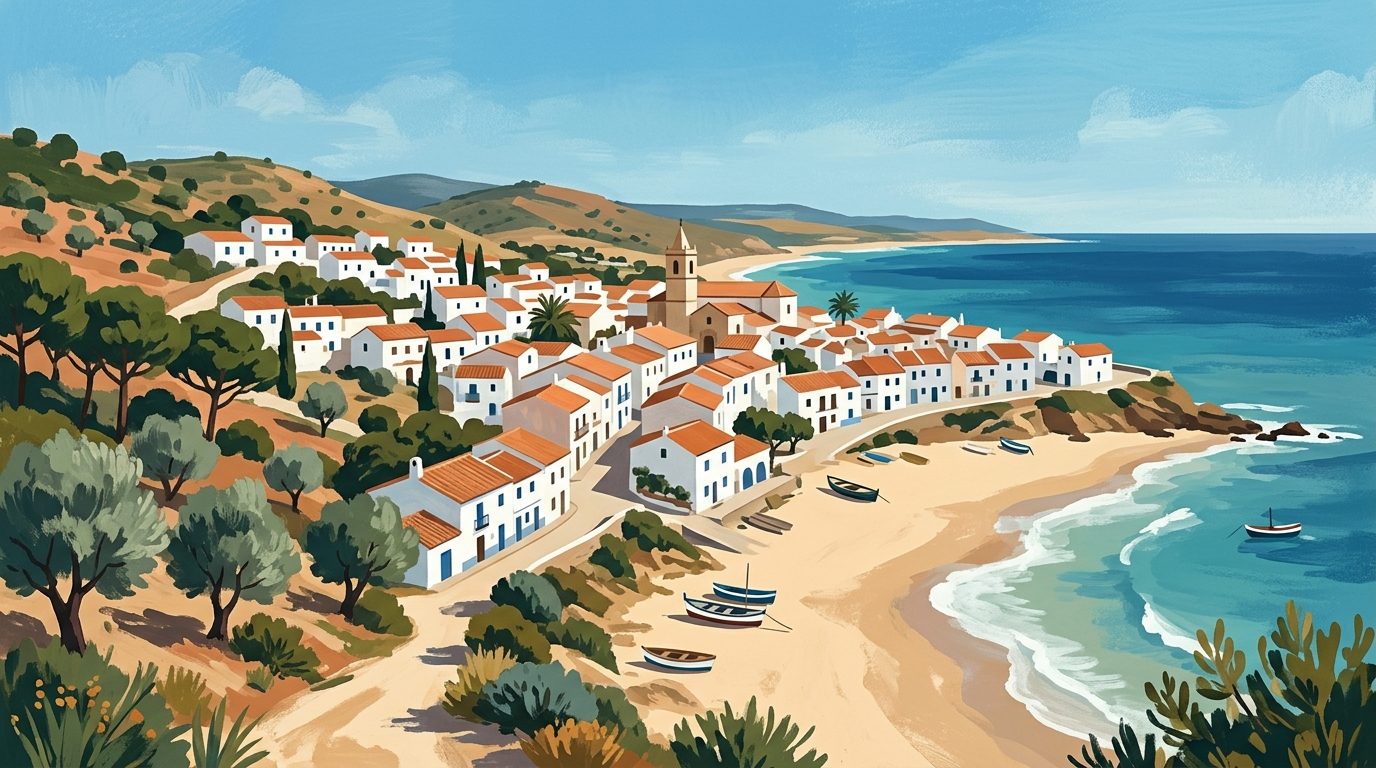
A Guide to Zahara de los Atunes: Where the Atlantic Meets the Almadraba Tradition
Discover a coastal village where ancient tuna-fishing traditions blend with high-end gastronomy and vast Atlantic beaches. Zahara de los Atunes offers a sophisticated yet laid-back escape on the rugged Costa de la Luz.
5 min read
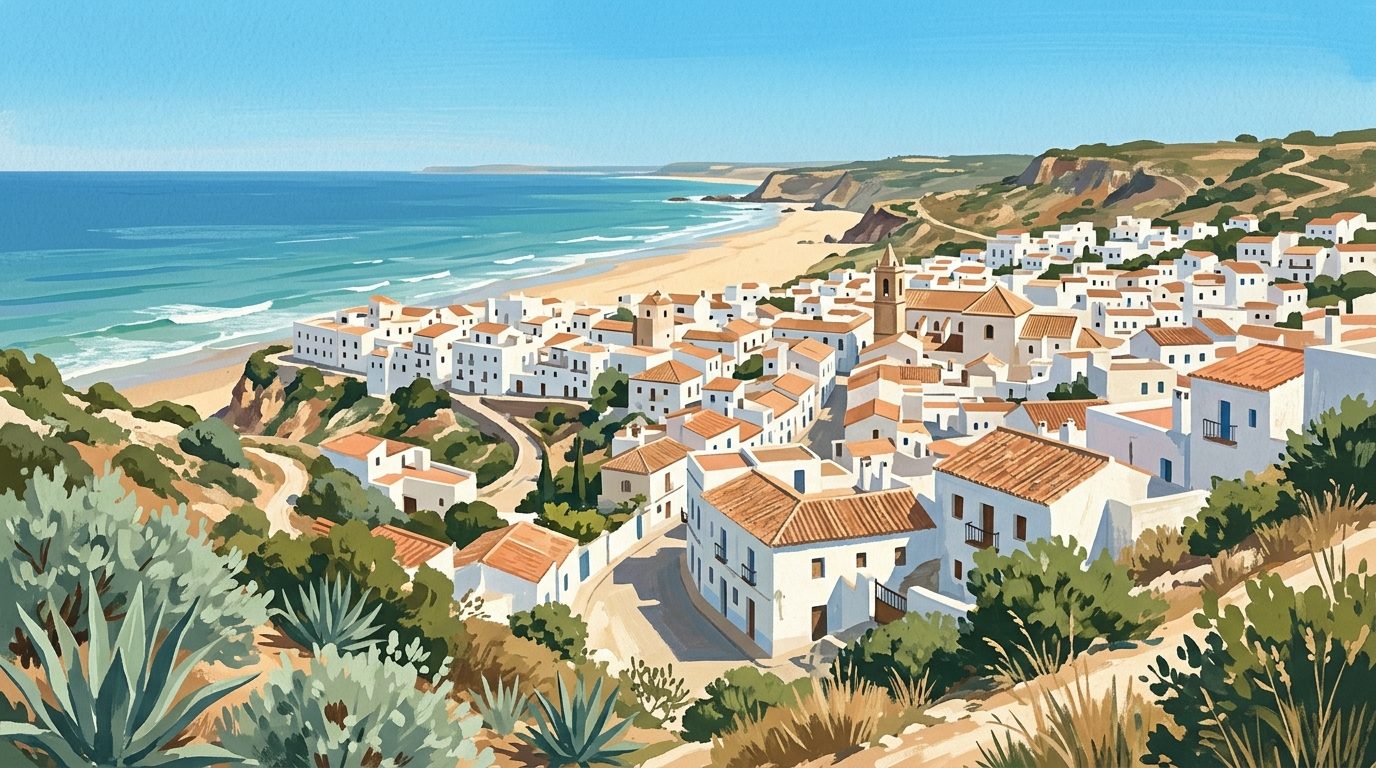
A Guide to Conil de la Frontera: Beaches, Tuna and White Streets
Discover Conil de la Frontera, a classic white town on the Costa de la Luz famous for its golden Atlantic beaches and ancient bluefin tuna tradition.
6 min read
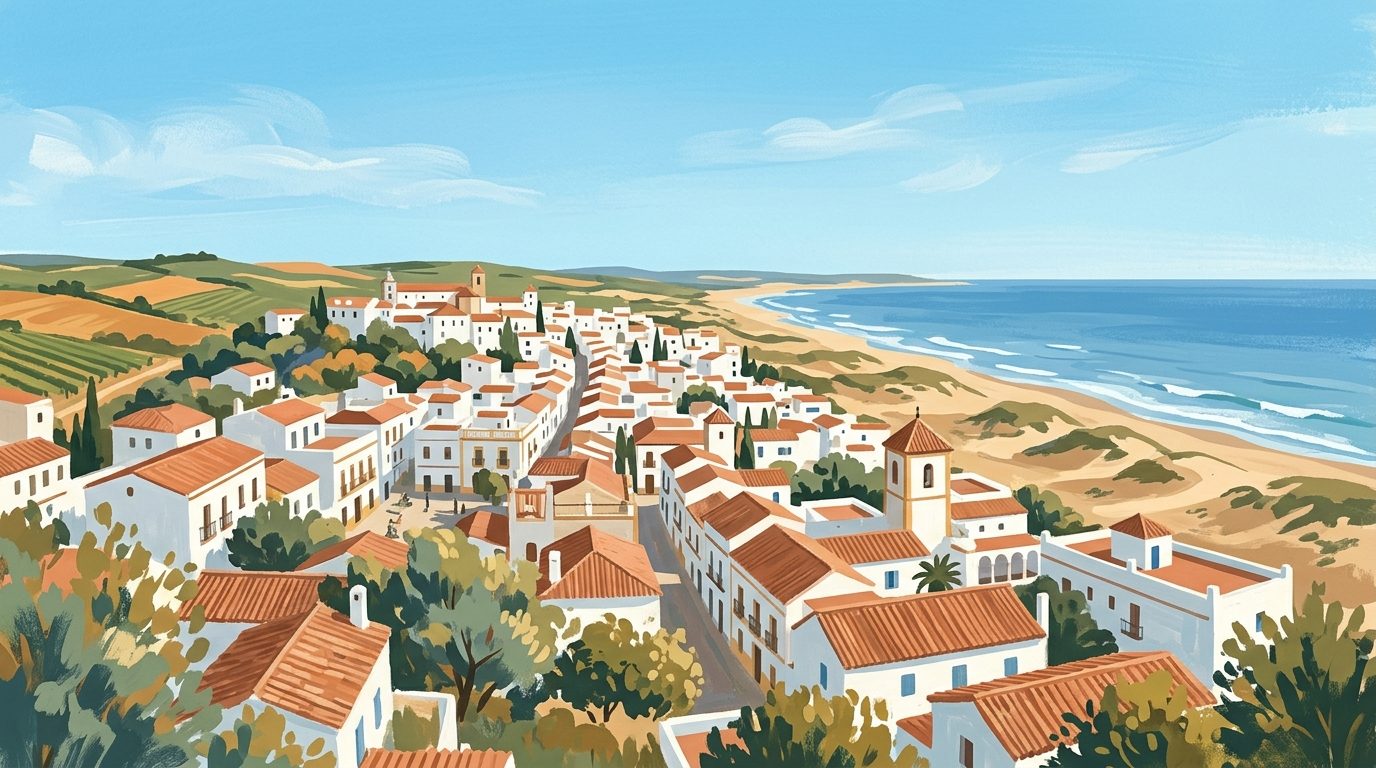
Chiclana de la Frontera: Fine Sands and Fino Sherry on the Cádiz Coast
Discover Chiclana de la Frontera, a unique destination on the Costa de la Luz featuring the 8km La Barrosa beach, historic sherry bodegas, and the ancient Castillo de Sancti Petri.
5 min read
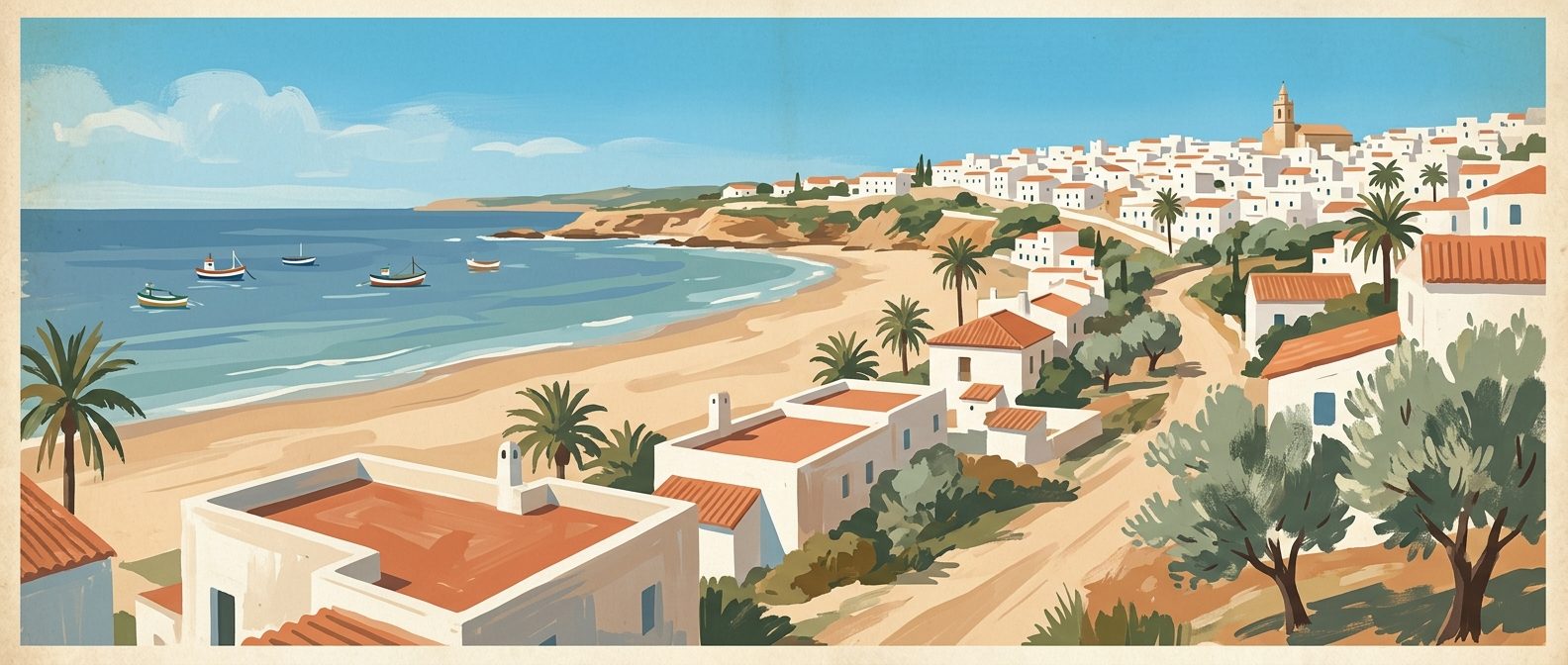
A Local Guide to Playa de la Fontanilla in Conil de la Frontera
Playa de la Fontanilla is a wide, golden expanse of Atlantic coastline in Conil de la Frontera, famous for its shallow waters and exceptional seafood restaurants.
7 min read

The Costa de la Luz Road Trip: A Raw Atlantic Itinerary
Trade the Mediterranean crowds for raw Atlantic winds, sherry-soaked bodegas, and the finest tuna in Europe on this 6-day drive through Cádiz province.
10 min read
Costa de la Luz: The Complete Guide
The Costa de la Luz is an untamed stretch of Atlantic shoreline defined by wild dunes, pine forests and stiff sea breezes. Spanning the coastlines of Huelva and Cádiz, it offers a stark alternative to the concrete resorts of the Mediterranean.
9 min read
More from Cádiz
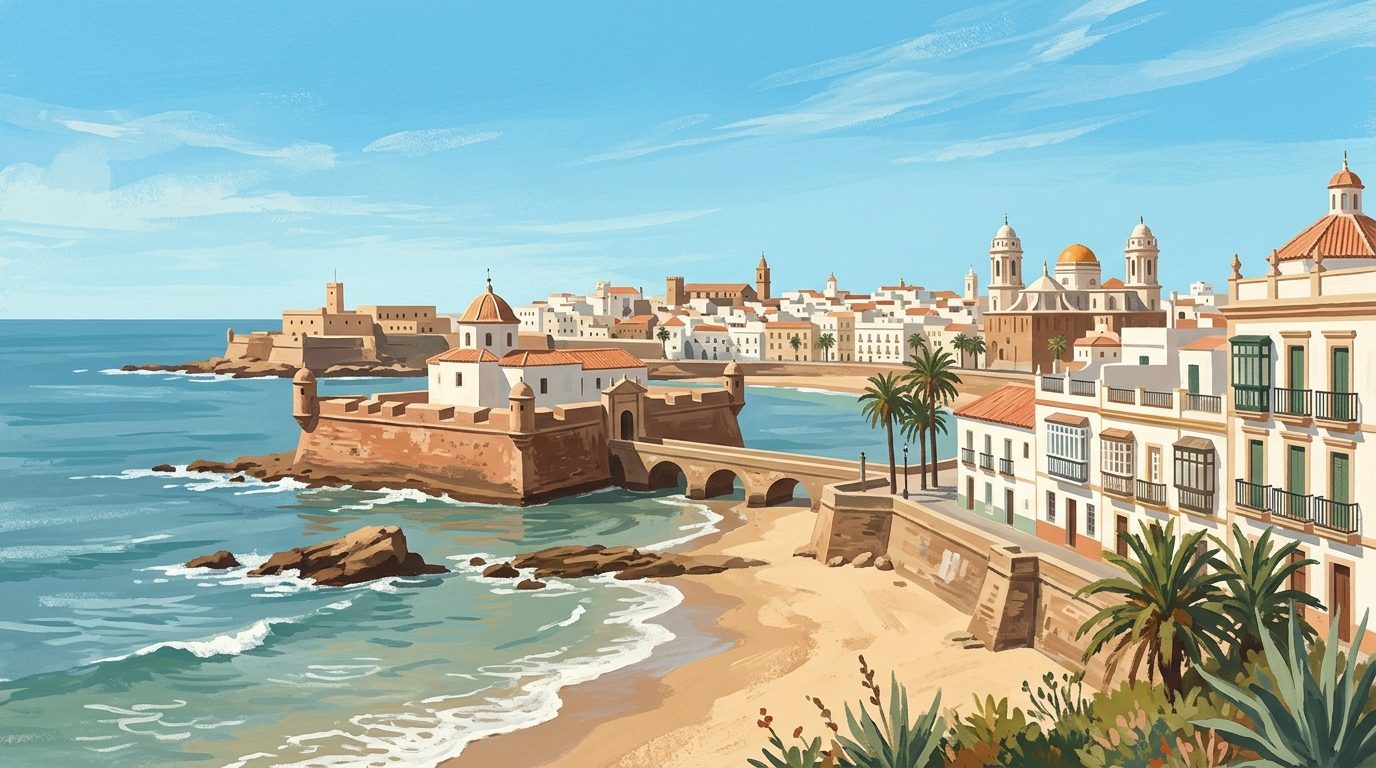
Playa de La Caleta: A Guide to the Historic Heart of Cádiz
Playa de La Caleta is a historic urban bay in Cádiz, famous for its calm waters, ancient fortresses, and the stunning white Balneario spa building.
7 min read
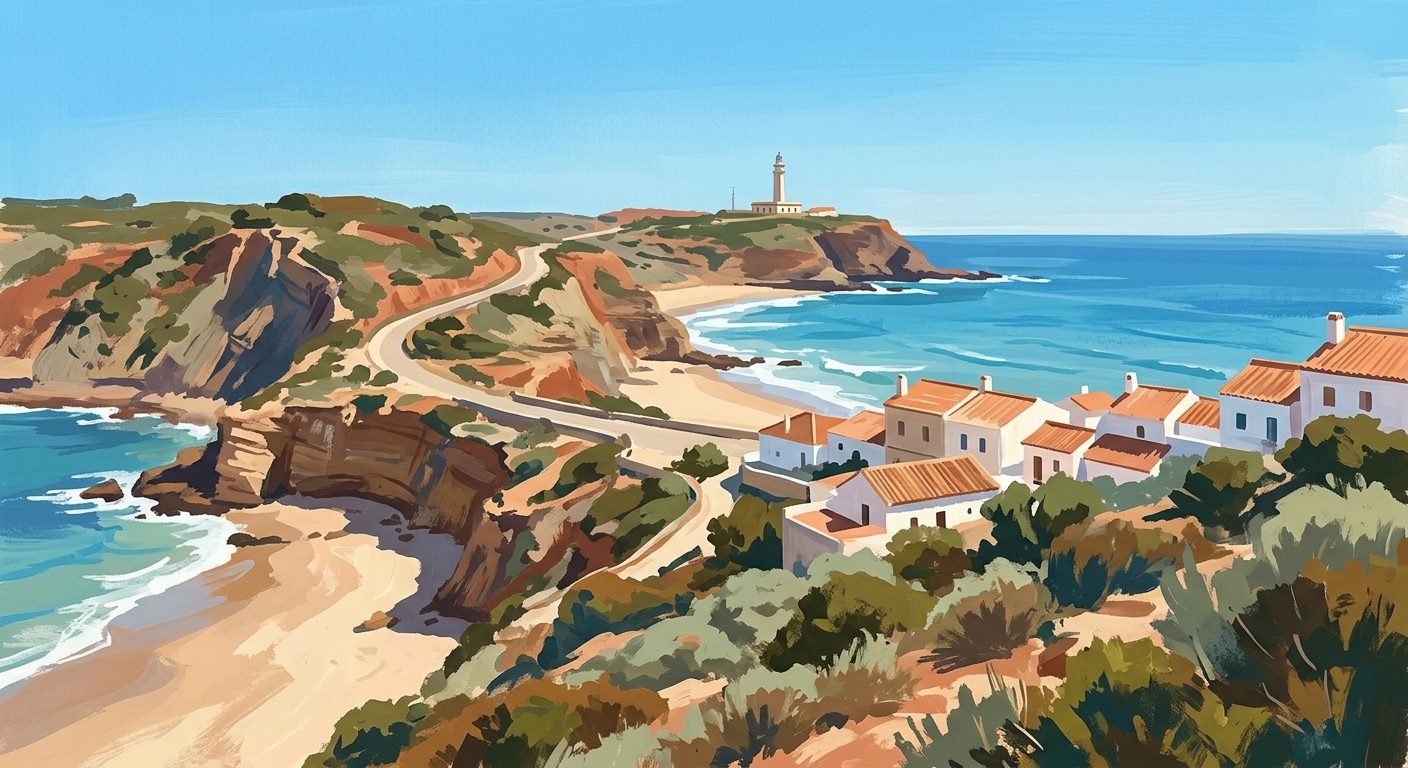
Playa de los Caños de Meca: A Guide to the Cádiz Coastline
Discover the wild Atlantic beauty of Playa de los Caños de Meca, from its freshwater springs to the historic Cape Trafalgar lighthouse.
7 min read
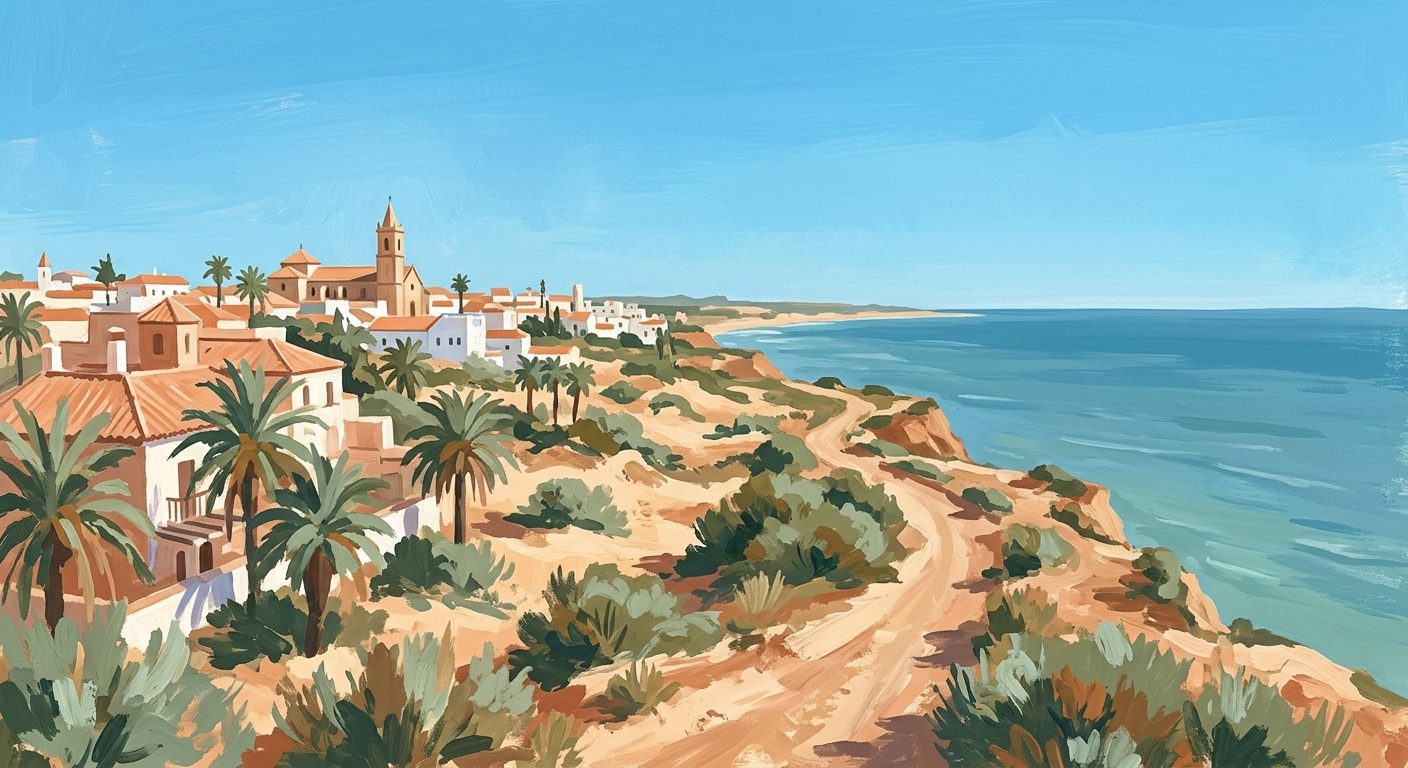
Playa de Costa Ballena: A Guide to the Rota Coastline
Discover Playa de Costa Ballena, a meticulously planned coastal retreat in Cádiz offering four kilometres of golden sand and clear Atlantic waters. This guide explores the best chiringuitos, parking tips, and why this beach is a favourite for families seeking space and quality.
7 min read
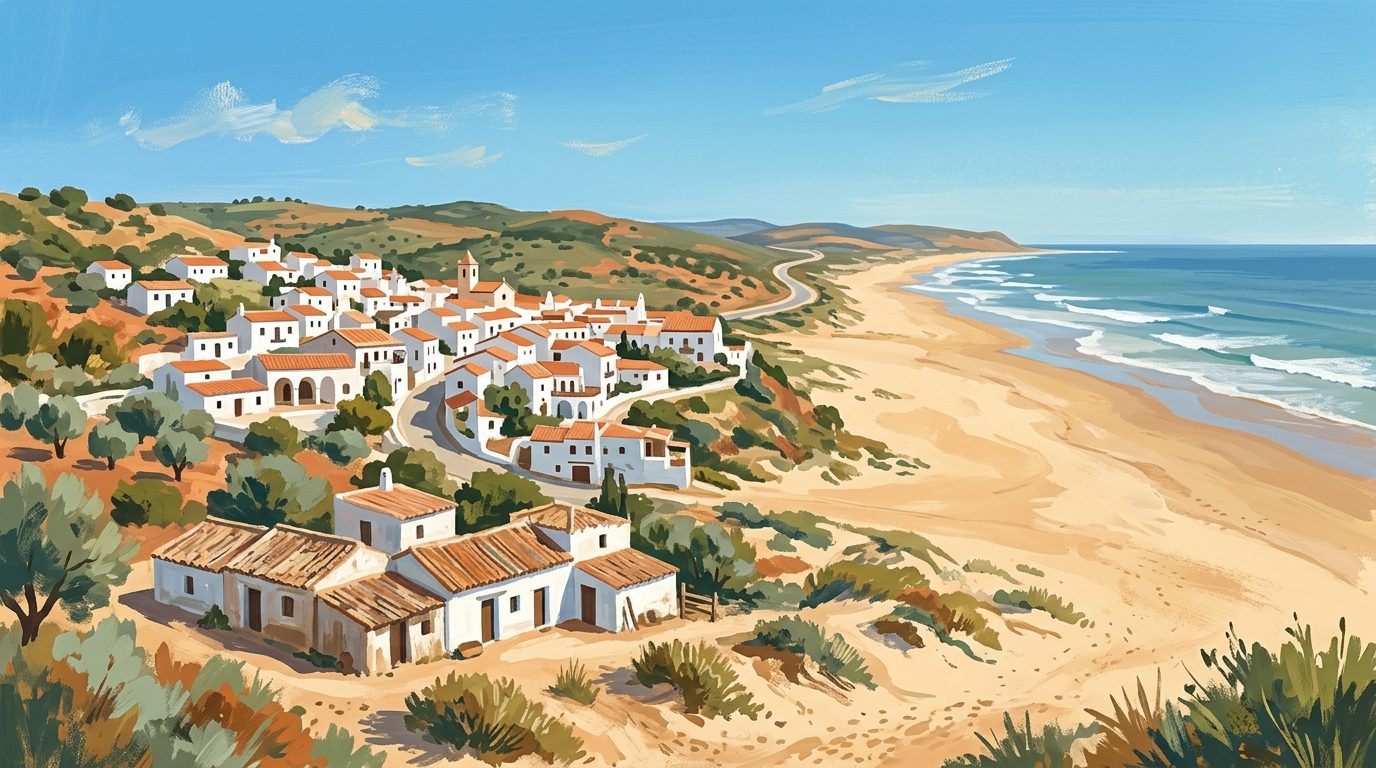
Playa de El Palmar: A Guide to the Surfing Capital of Cádiz
Playa de El Palmar is the undisputed surfing capital of the Costa de la Luz, offering eight kilometres of golden sand and some of the finest sunsets in the province of Cádiz. This expansive shoreline balances a wild, Atlantic character with a thriving scene of beach bars and surf schools.
7 min read
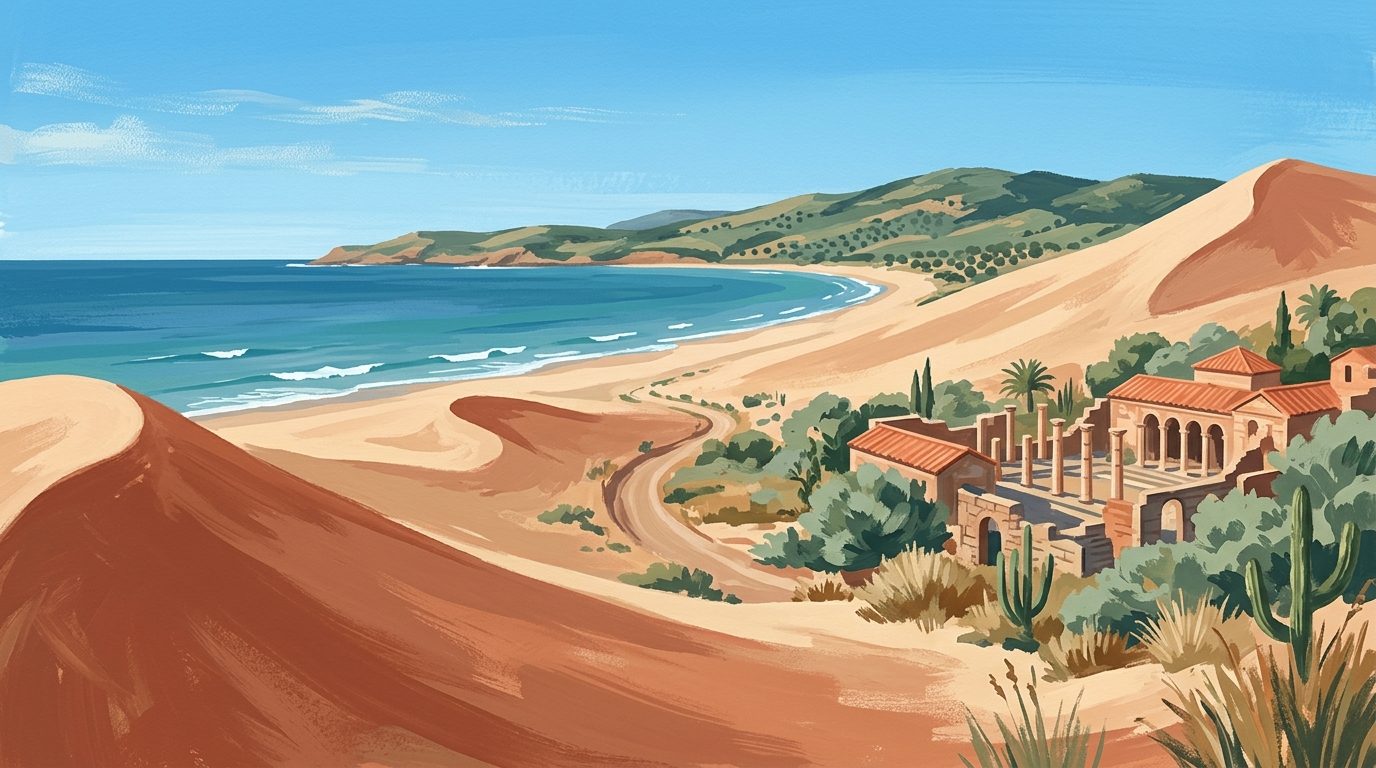
A Complete Guide to Playa de Bolonia: Dunes, Ruins, and Atlantic Wilds
Playa de Bolonia is a spectacular stretch of Atlantic coastline where massive sand dunes meet the ruins of a Roman city. This wild beach offers some of the clearest water in Cádiz.
6 min read
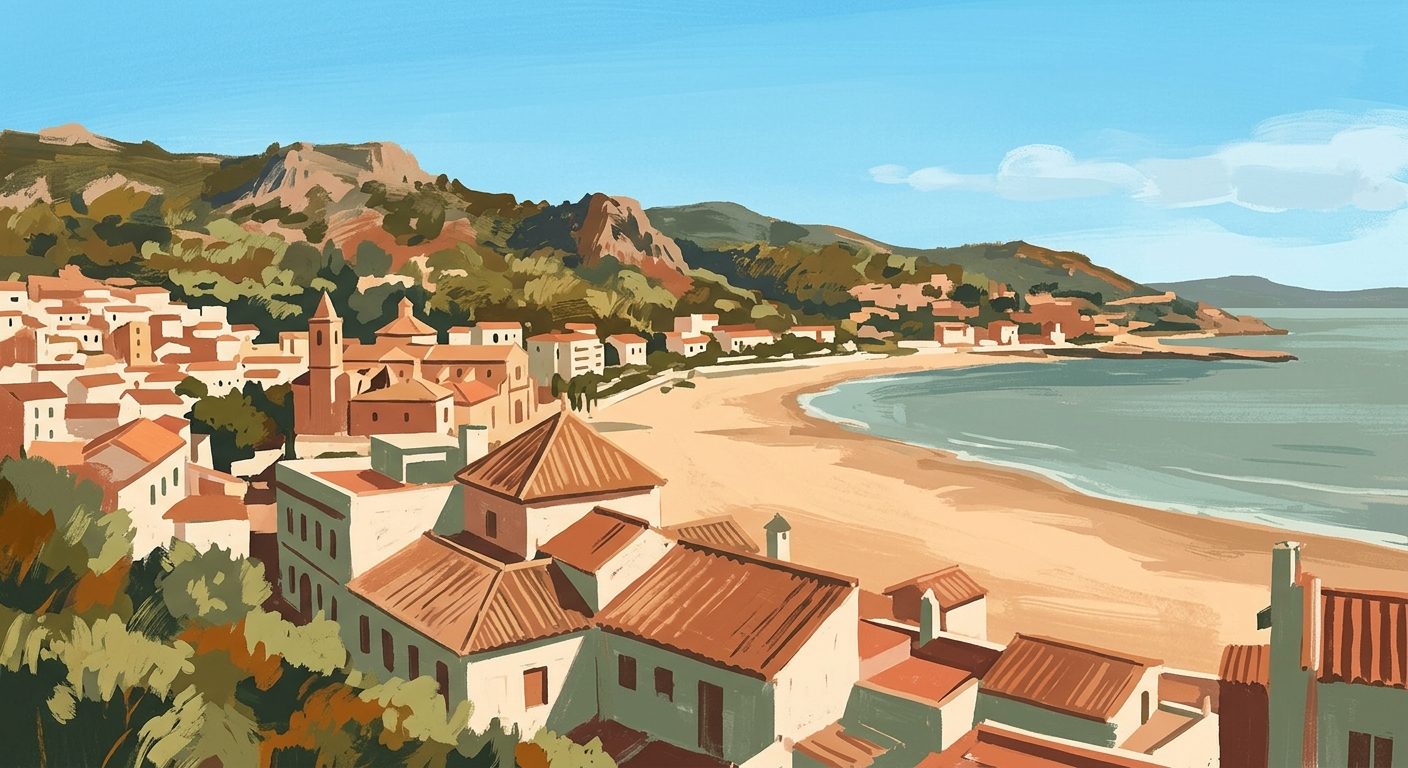
A Guide to Playa de Getares in Algeciras
Playa de Getares offers a wide golden shoreline with unique views of the Rock of Gibraltar and the North African coast. This family-friendly beach in Algeciras combines urban facilities with the natural beauty of the Estrecho Natural Park.
7 min read
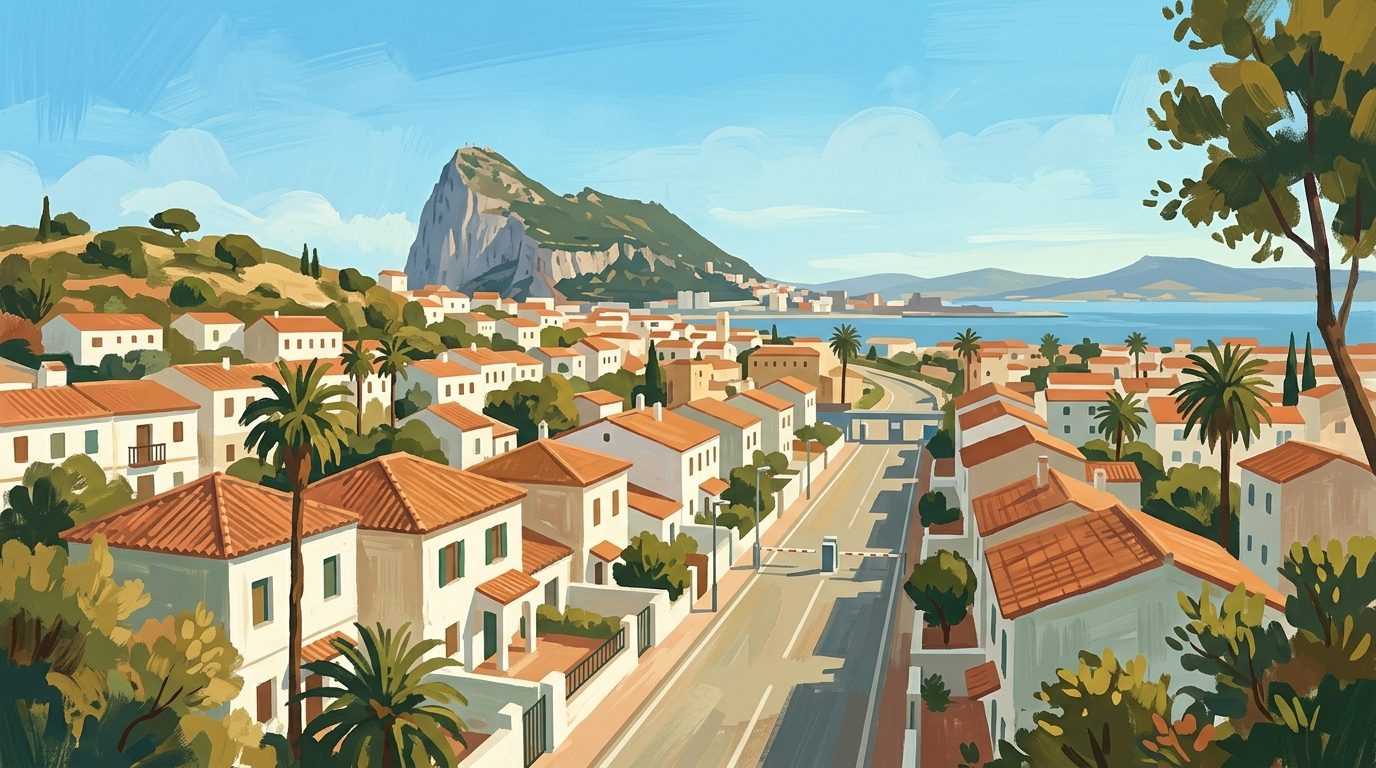
A Guide to La Línea de la Concepción: Beyond the Gibraltar Border
A focused guide to La Línea de la Concepción, exploring its unique frontier culture, military fortifications, and world-class seafood traditions in the shadow of Gibraltar.
5 min read
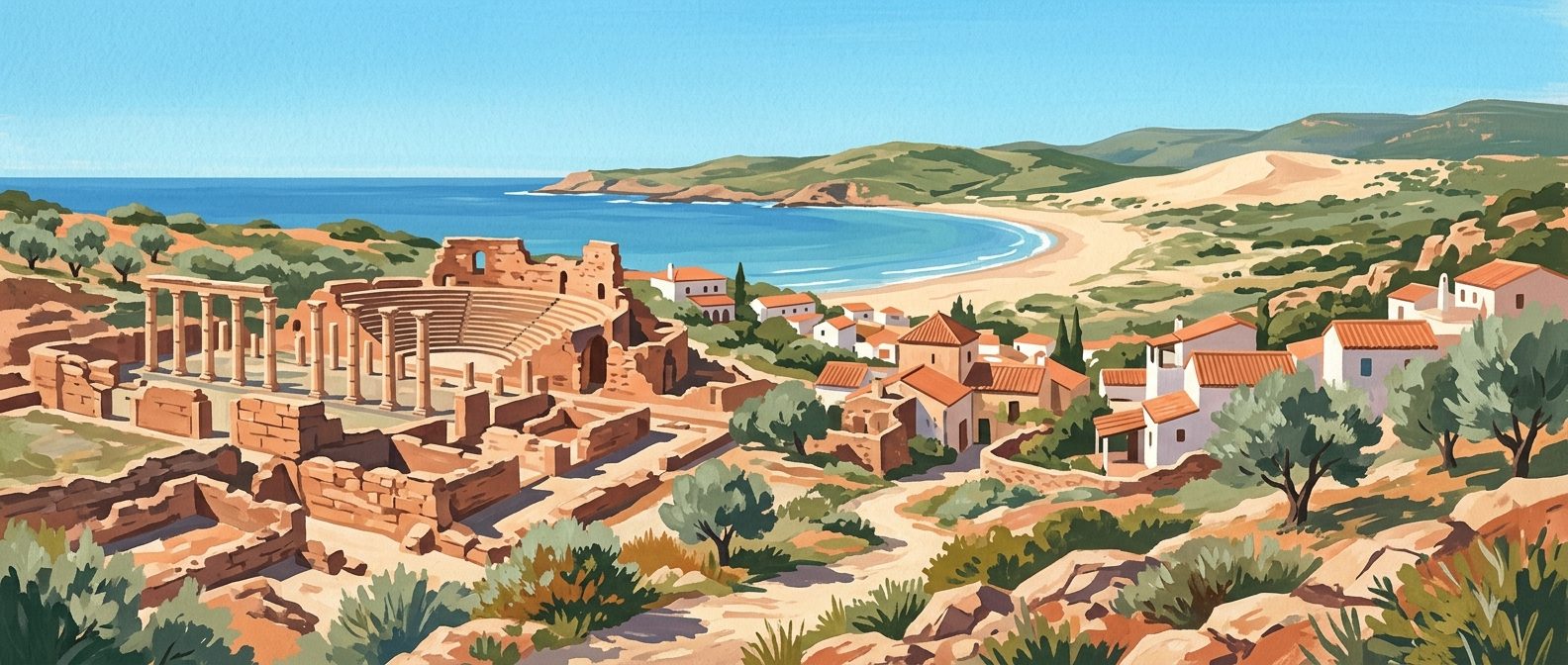
Bolonia: A Guide to the Cádiz Coast’s Roman Ruins and Great Dune
A quiet coastal hamlet where the remarkably intact ruins of Baelo Claudia meet a towering Atlantic sand dune. This Cádiz highlight offers a slower pace of life and a glimpse into Roman maritime history.
5 min read
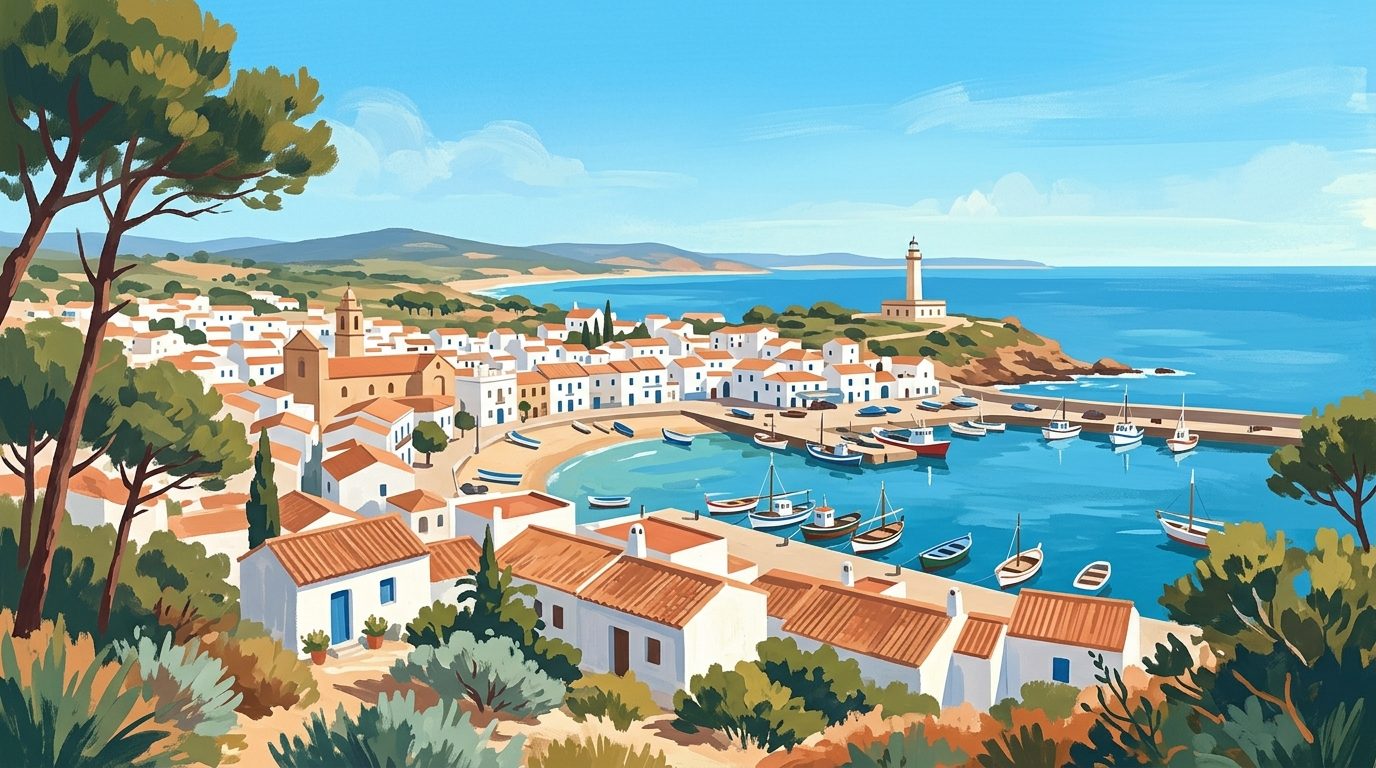
A Guide to Barbate and Los Caños de Meca: Tuna, Cliffs and Cape Trafalgar
Barbate and Los Caños de Meca offer a stark contrast between a hard-working fishing port and a bohemian coastal retreat shaped by Atlantic winds. This stretch of the Costa de la Luz remains defined by the annual tuna harvest and the historic silhouette of the Trafalgar lighthouse.
6 min read
Newsletter
More stories from Andalucía
Weekly notes, seasonal picks, and the next guides worth bookmarking.