
Place guide · Cádiz
A Complete Guide to Playa de Bolonia: Dunes, Ruins, and Atlantic Wilds
Playa de Bolonia is a spectacular stretch of Atlantic coastline where massive sand dunes meet the ruins of a Roman city. This wild beach offers some of the clearest water in Cádiz.
By Dan · Updated 29 June 2026 · 6 min read
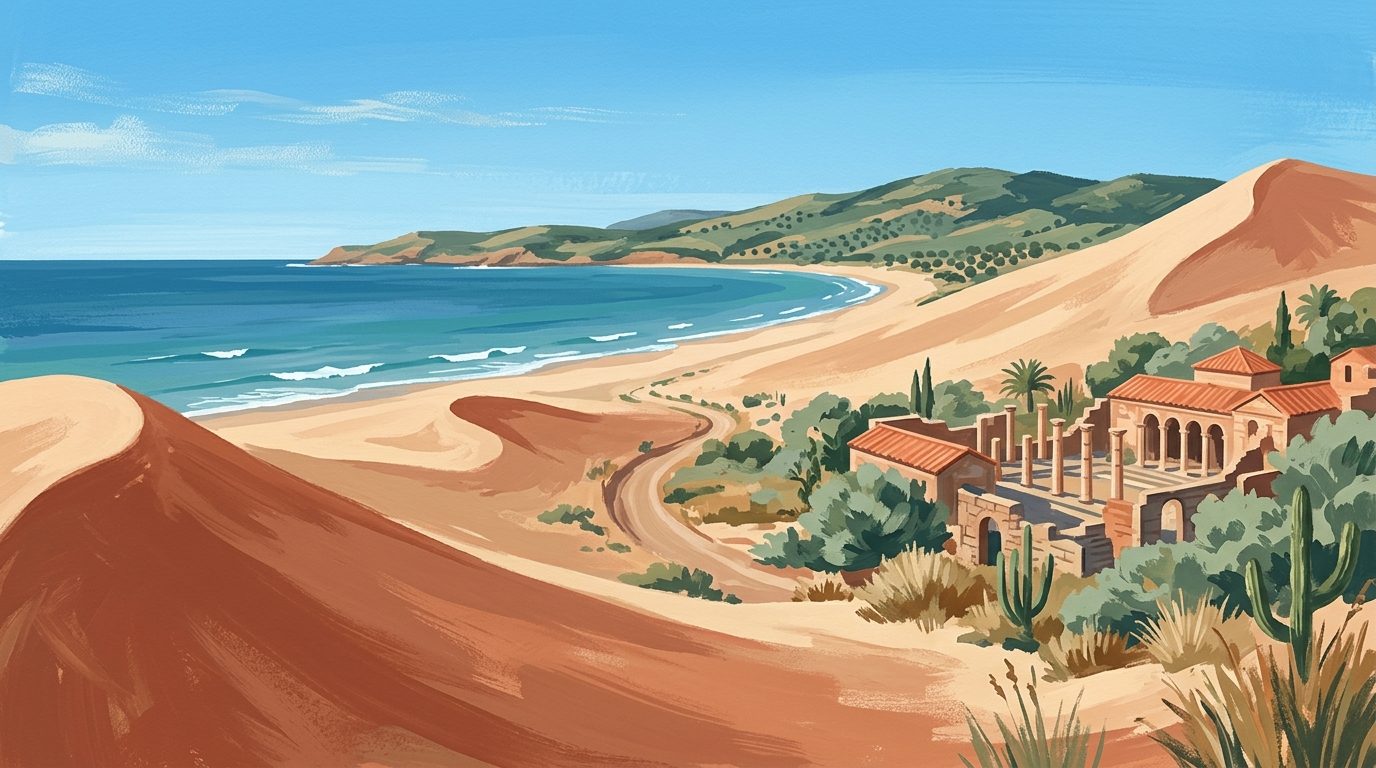
Playa de Bolonia represents the wilder side of the Cádiz coast, where the Atlantic Ocean meets one of the largest mobile sand dunes in Europe. It is a place of raw natural beauty, punctuated by the striking presence of ancient Roman ruins sitting just metres from the shore.
Playa de Bolonia is not merely a place to sunbathe: it is a sensory experience that defines the rugged appeal of the Costa de la Luz. Located within the Estrecho Natural Park, this four-kilometre stretch of pristine coastline has resisted the high-rise development seen elsewhere in Andalucía. The approach to the beach sets the tone: as you crest the final hill on the narrow access road, the landscape opens up to reveal a massive crescent of white sand, backed by the Sierra de la Plata and fronted by the deep azure of the Atlantic. On a clear day, the mountains of Morocco appear so close that you can discern the shadows on the African coastline across the Strait of Gibraltar.
What distinguishes Bolonia from other beaches in the province of Cádiz is its unique combination of natural monuments and archaeological significance. The western end is dominated by the Duna de Bolonia, a giant sand monument that slowly consumes the surrounding pine trees as it shifts with the wind. To the east, the beach tapers into secluded coves and rocky inlets. Between these two points lies the village of El Lentiscal, a small collection of low-rise houses, restaurants, and hostals that serves as the hub for visitors. This is a destination for those who prefer the sound of the wind and waves over the thumping music of commercial beach clubs.
The beach itself
The shoreline at Bolonia stretches for approximately 3,800 metres, providing a vast expanse of fine, pale sand that feels soft underfoot. The water quality here is among the best in Andalucía, characterised by exceptional clarity and a refreshing, often brisk, temperature. Because it faces the open Atlantic, the water is rarely as warm as the Mediterranean, but its transparency is perfect for snorkelling near the rocky outcrops. While the beach has historically held Blue Flag status, the local philosophy focuses on maintaining a low-impact, natural environment rather than installing extensive urban infrastructure.
The beach is loosely divided into three sections. The central part, directly in front of the village, is the most family-friendly and accessible. Here, the sand is wide and the incline into the water is gradual, making it suitable for children. As you walk west towards the great dune, the beach becomes wider and more exposed. To the east, following the shoreline away from the village, you will find the naturist area known as El Chorrito. This section is famous for its natural clay deposits: many bathers apply the mineral-rich mud to their skin before rinsing off in the sea. This eastern stretch is also where you will find the Piscinas Naturales, a series of rocky pools that appear at low tide, offering a sheltered place to swim away from the Atlantic swells.
Getting there & parking
Reaching Playa de Bolonia requires a bit of effort, which helps to preserve its secluded feel. From Tarifa, the drive takes about 25 minutes. You follow the N-340 highway west towards Cádiz and take the exit marked Bolonia at kilometre 70.2. The road from the highway, the CA-8202, is a narrow, winding route that descends through farmland and cork oak forests. Drivers should be cautious as livestock, including retinto cattle, often wander onto the tarmac.
Parking is the primary challenge during the peak summer months. There are several dirt-track car parks managed by local attendants near the beach entrance, usually costing between 5 and 10 euros for the day. In July and August, these spaces are often full by 11:00. Outside of the high season, parking is plentiful and often free. If you are travelling from further away, Jerez Airport is the closest major hub, roughly 75 minutes away by car. Public transport is extremely limited: a seasonal bus service (Line M-161) typically runs from Tarifa during July and August, but schedules are notoriously variable. A hire car is almost essential for a visit at any other time of year.
Facilities & chiringuitos
Bolonia retains a rustic charm, so do not expect the rows of standardised sun-beds and umbrellas found in Marbella. There are limited areas for sun-bed hire near the village centre, but most visitors bring their own equipment. Public showers and toilets are available near the main access points during the summer season, and lifeguards are on duty from mid-June through to mid-September.
The gastronomic offering, however, is excellent. Chiringuito Las Rejas is perhaps the most famous establishment on the beach, renowned for its fried fish and Almadraba tuna, a local delicacy caught using ancient Phoenician techniques. For a more relaxed, toes-in-the-sand experience, Chiringuito Los Pinos offers traditional Andalucían dishes with great views of the dune. Further back in the village, Restaurant La Cabaña is highly regarded for its local meats and fresh seafood. During the low season, many of these establishments close or only open on weekends, so it is wise to check ahead if visiting between November and March.
Best time to visit
Timing your visit to Bolonia is crucial, and the deciding factor is almost always the wind. The Levante, a strong easterly wind, can turn the beach into a sandstorm, making it uncomfortable to stay on the shore. Before heading out, check a wind forecast (such as Windguru or Windy): if the Levante is blowing over 30 kilometres per hour, you might prefer a more sheltered beach in Tarifa or Algeciras. The Poniente, a westerly wind, is much cooler and brings calmer, clearer water to the bay.
Seasonally, the months of May, June, September, and October are ideal. During these periods, the weather is warm enough for swimming, but the beach lacks the overwhelming crowds of August. Winter visits are spectacular for hiking and photography, as the low sun creates dramatic shadows on the dune, though the water will be too cold for most swimmers and many village services will be shuttered. If you must visit in August, arrive before 10:00 to secure parking and a prime spot on the sand.
Combine with
No trip to Bolonia is complete without visiting the Baelo Claudia Archaeological Site. Located right next to the beach, these Roman ruins are some of the most complete in the Iberian Peninsula. You can walk through the remains of a 2nd century BC city, including the forum, the basilica, and the remarkably well-preserved theatre. The site also features the ruins of the ancient fish-salting factory where the Romans produced Garum, a fermented fish sauce that was exported across the empire. Entrance is free for EU citizens (with valid ID); however, please note that UK and other non-EU citizens must pay a nominal fee of 1.50 EUR.
Alternatively, after a day on the sand, a visit to Tarifa town is highly recommended. Only a short drive away, the town offers a maze of whitewashed streets, historic city walls, and a wide selection of independent boutiques and tapas bars. It provides a perfect contrast to the wild, natural isolation of Bolonia.
Practical notes
The most important item to bring to Bolonia, aside from sun cream, is a paraviento (a sturdy windbreak). These are essential for creating a sheltered pocket if the breeze picks up. Accessibility for those with reduced mobility is provided via wooden boardwalks at the main entrance in El Lentiscal, though reaching the dune or the eastern coves requires walking over soft sand or uneven rocks.
Regarding safety, be aware of the Atlantic currents. While the bay is generally protected, the water can become choppy when the Poniente wind is strong. Dog owners should note that pets are officially prohibited on the beach during the high season (June to September), although you will often see locals walking dogs in the far eastern sections during the early morning or late evening. Finally, ensure you bring plenty of water if you plan to climb the dune: it is a steep, strenuous walk in the heat, but the panoramic view from the summit is the defining image of the Cádiz coastline.
Last reviewed: 21 June 2026 · Editorial policy
Related guides
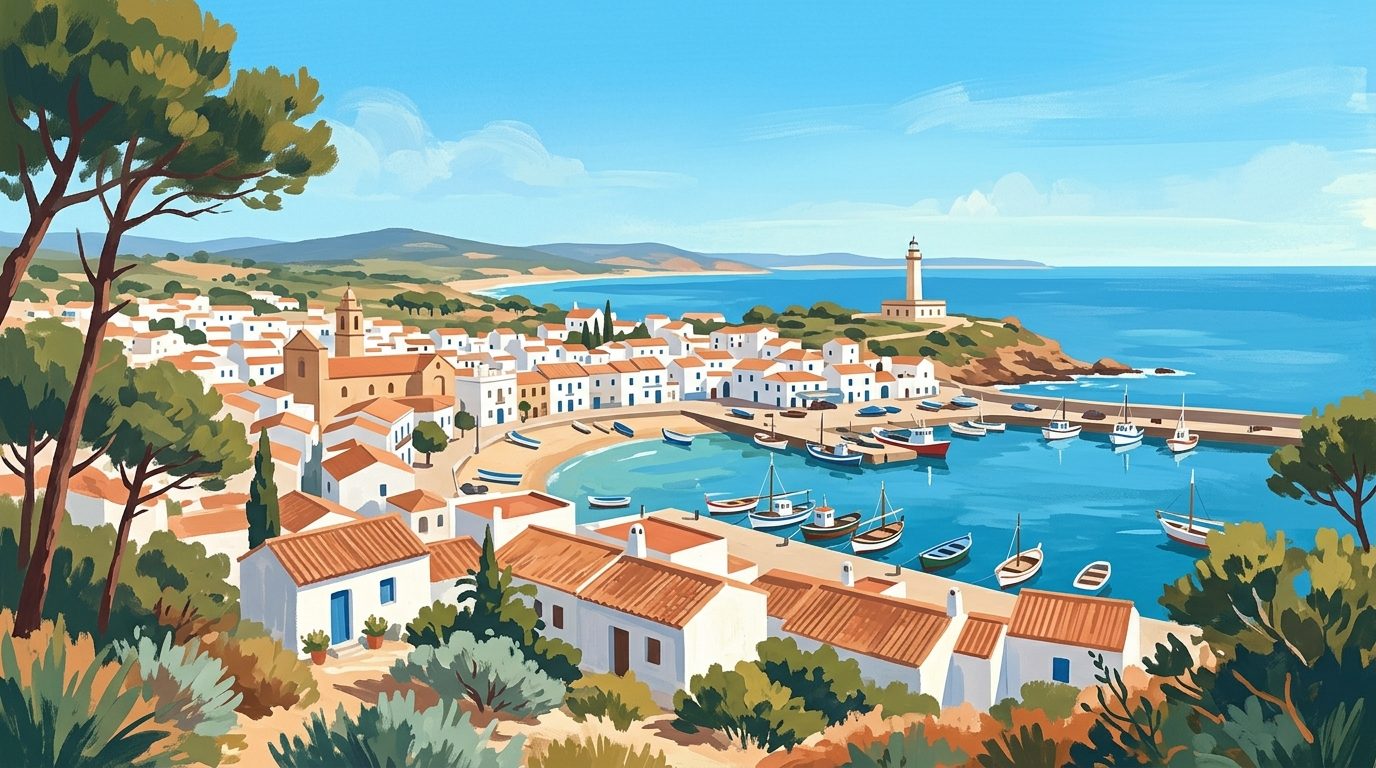
A Guide to Barbate and Los Caños de Meca: Tuna, Cliffs and Cape Trafalgar
Barbate and Los Caños de Meca offer a stark contrast between a hard-working fishing port and a bohemian coastal retreat shaped by Atlantic winds. This stretch of the Costa de la Luz remains defined by the annual tuna harvest and the historic silhouette of the Trafalgar lighthouse.
6 min read
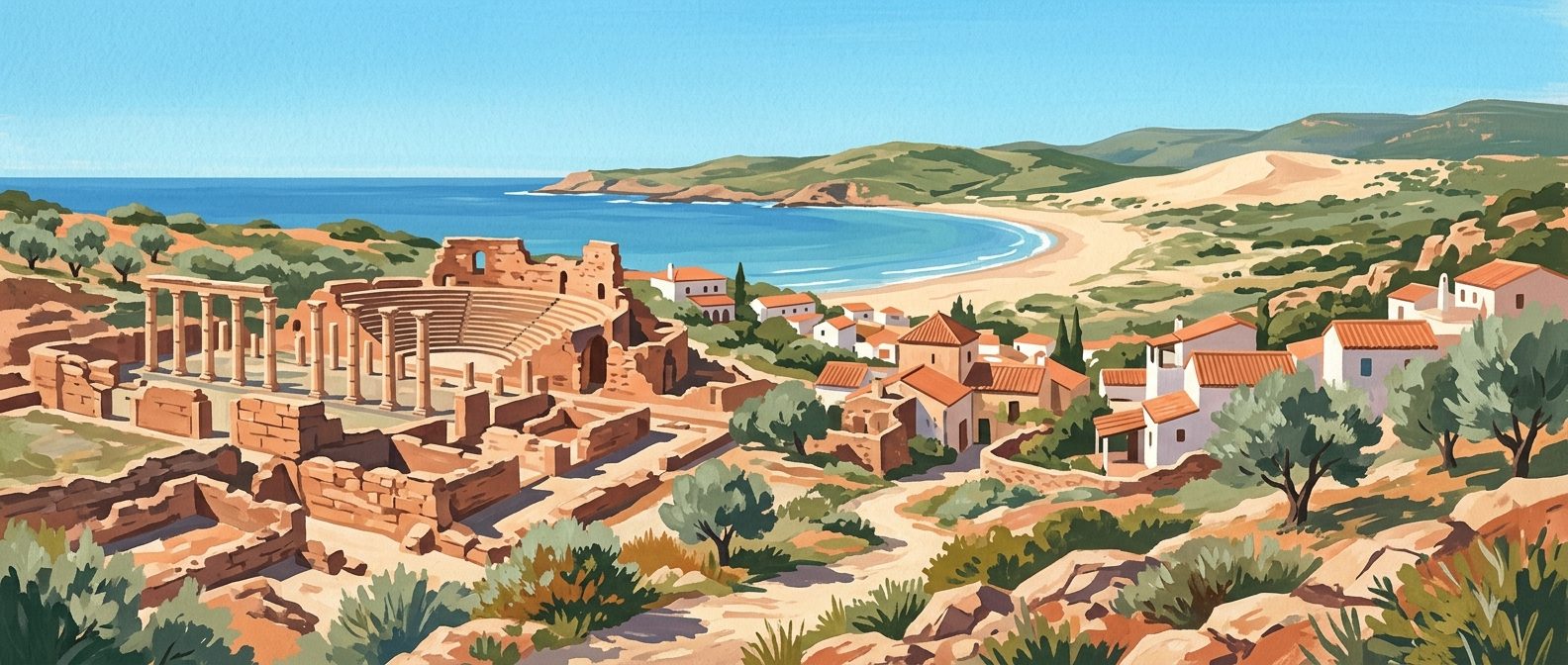
Bolonia: A Guide to the Cádiz Coast’s Roman Ruins and Great Dune
A quiet coastal hamlet where the remarkably intact ruins of Baelo Claudia meet a towering Atlantic sand dune. This Cádiz highlight offers a slower pace of life and a glimpse into Roman maritime history.
5 min read
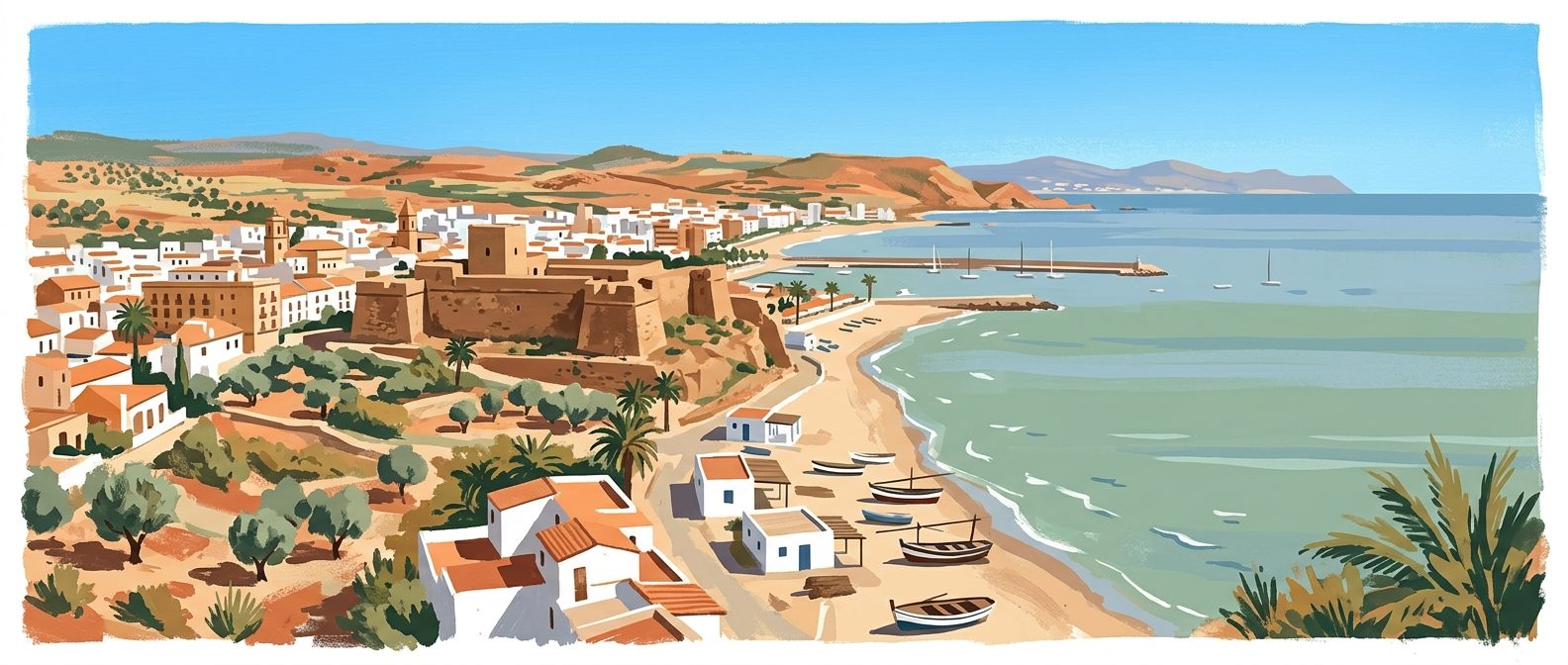
A Guide to Roquetas de Mar: Beaches, Castles and Coastal Life
Discover Roquetas de Mar, an Almerian coastal town offering expansive blue-flag beaches, a 16th-century castle, and a spectacular natural reserve.
6 min read
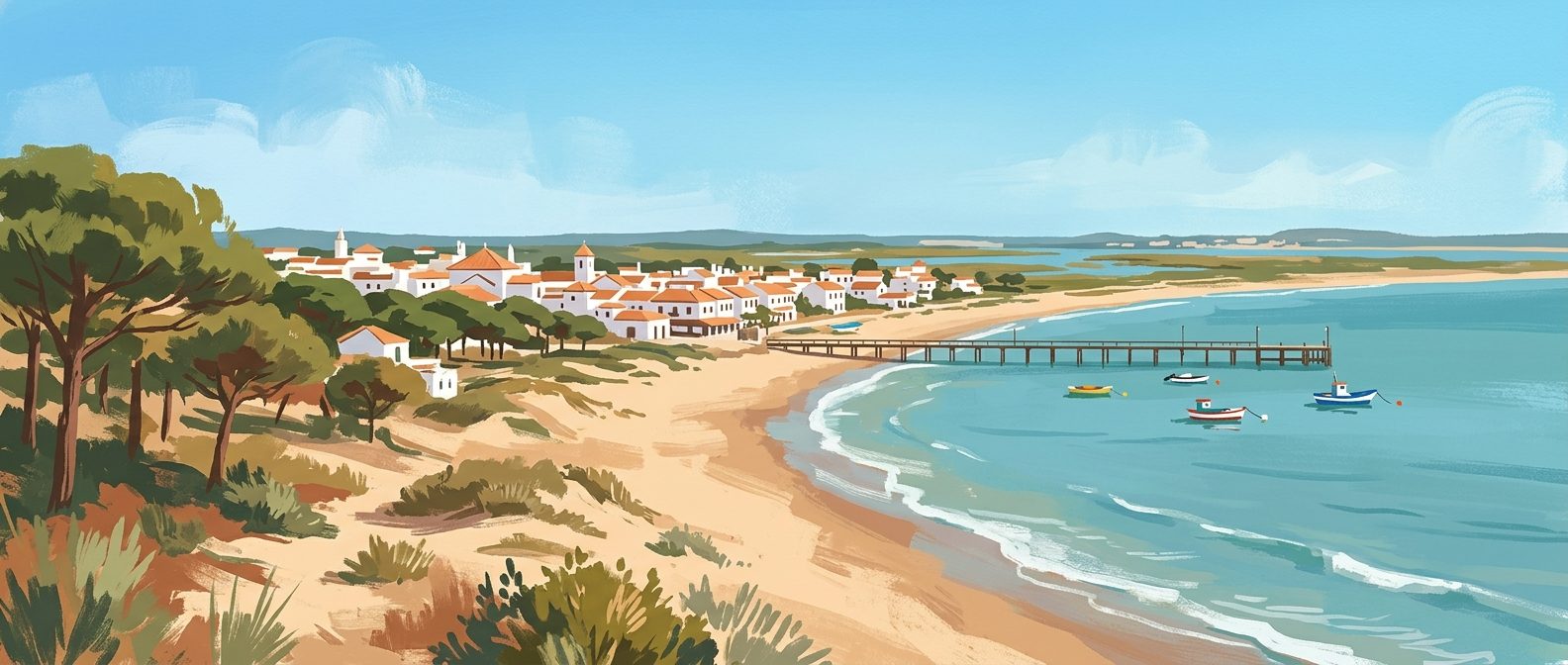
A Guide to Punta Umbría: Huelva's Favourite Atlantic Escape
Discover Punta Umbría, a pine-backed peninsula on the Costa de Huelva famous for its wild Atlantic beaches, British industrial heritage, and exceptional local seafood.
5 min read
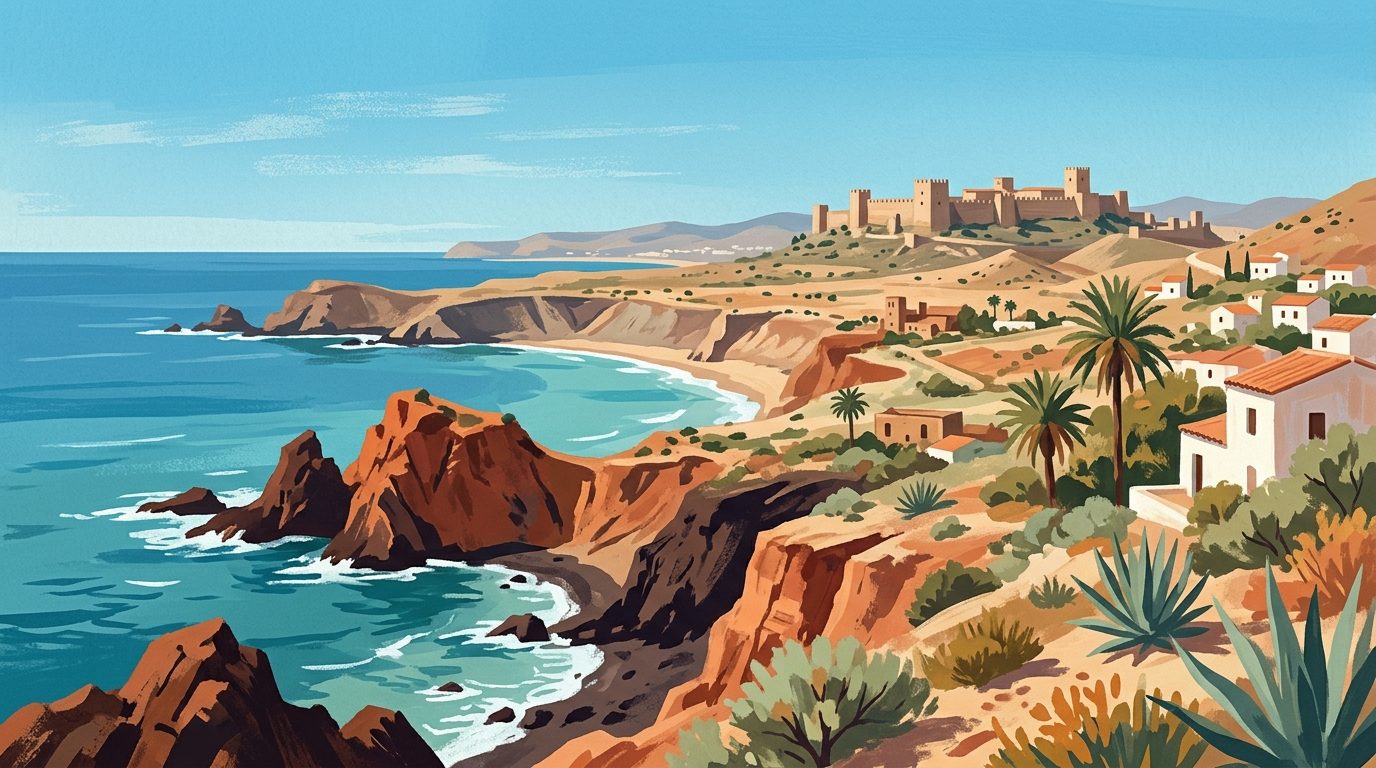
Almería Province Guide: Europe's Desert Frontier and Untamed Coastline
Far removed from the crowded resort towns of the Costa del Sol, Almería remains Andalucía's wildest and most beautifully arid province. Here, sun-scorched deserts crash into the Mediterranean Sea, offering an unfiltered, elemental escape.
8 min read
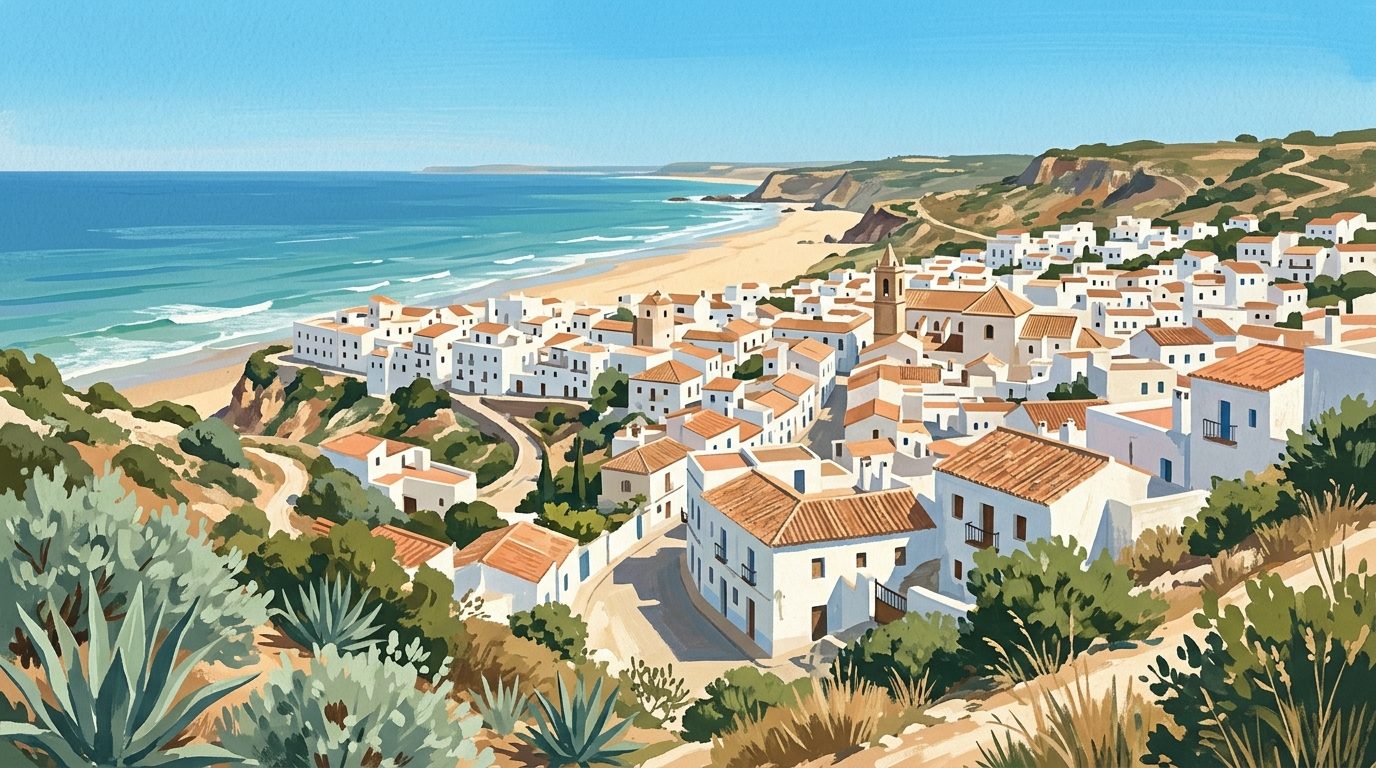
A Guide to Conil de la Frontera: Beaches, Tuna and White Streets
Discover Conil de la Frontera, a classic white town on the Costa de la Luz famous for its golden Atlantic beaches and ancient bluefin tuna tradition.
6 min read
More from Cádiz
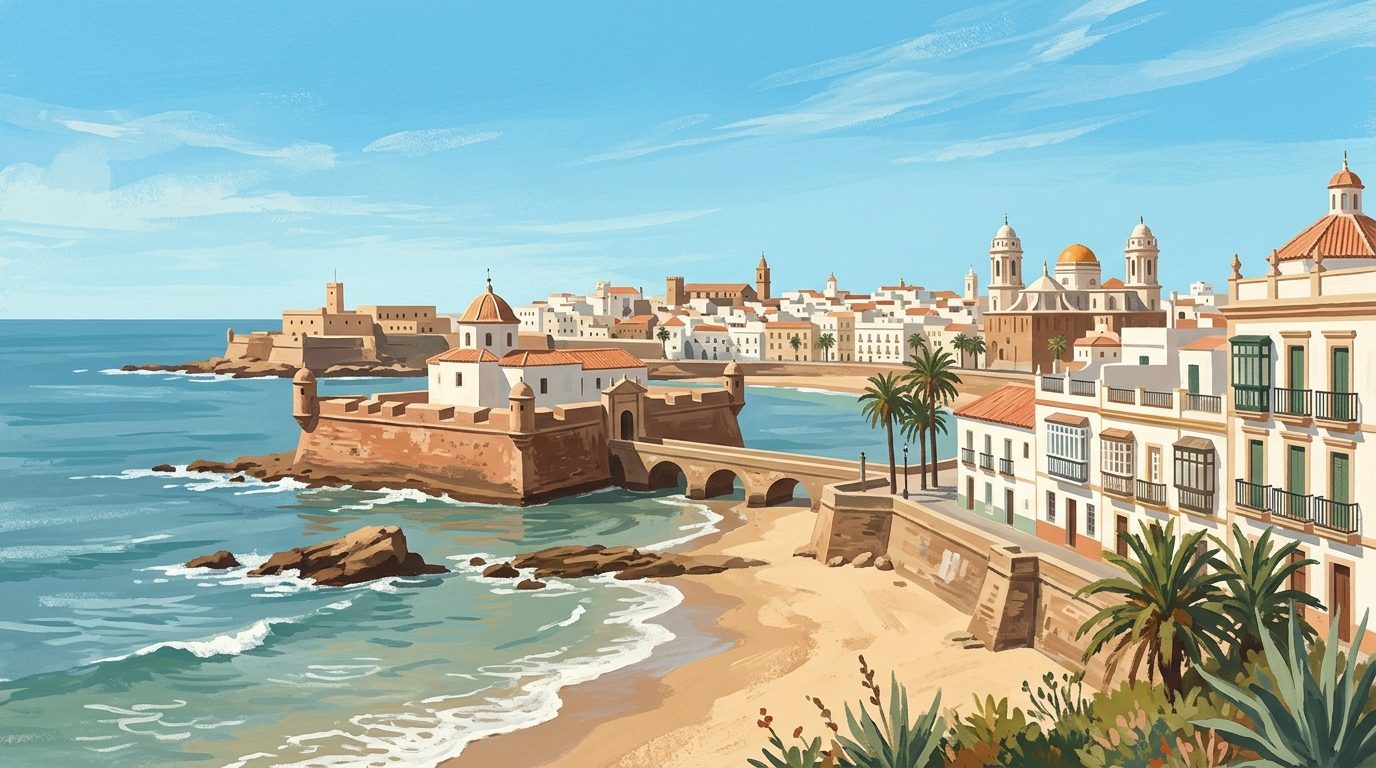
Playa de La Caleta: A Guide to the Historic Heart of Cádiz
Playa de La Caleta is a historic urban bay in Cádiz, famous for its calm waters, ancient fortresses, and the stunning white Balneario spa building.
7 min read
Playa de los Caños de Meca: A Guide to the Cádiz Coastline
Discover the wild Atlantic beauty of Playa de los Caños de Meca, from its freshwater springs to the historic Cape Trafalgar lighthouse.
7 min read
Playa de Zahara de los Atunes: A Guide to the Golden Coast of Cádiz
Experience the vast golden sands and clear Atlantic waters of Playa de Zahara de los Atunes, a highlight of the Cádiz coastline. Discover the best chiringuitos, parking tips, and the ideal times to visit.
6 min read
A Local Guide to Playa de la Fontanilla in Conil de la Frontera
Playa de la Fontanilla is a wide, golden expanse of Atlantic coastline in Conil de la Frontera, famous for its shallow waters and exceptional seafood restaurants.
7 min read
Playa de Costa Ballena: A Guide to the Rota Coastline
Discover Playa de Costa Ballena, a meticulously planned coastal retreat in Cádiz offering four kilometres of golden sand and clear Atlantic waters. This guide explores the best chiringuitos, parking tips, and why this beach is a favourite for families seeking space and quality.
7 min read
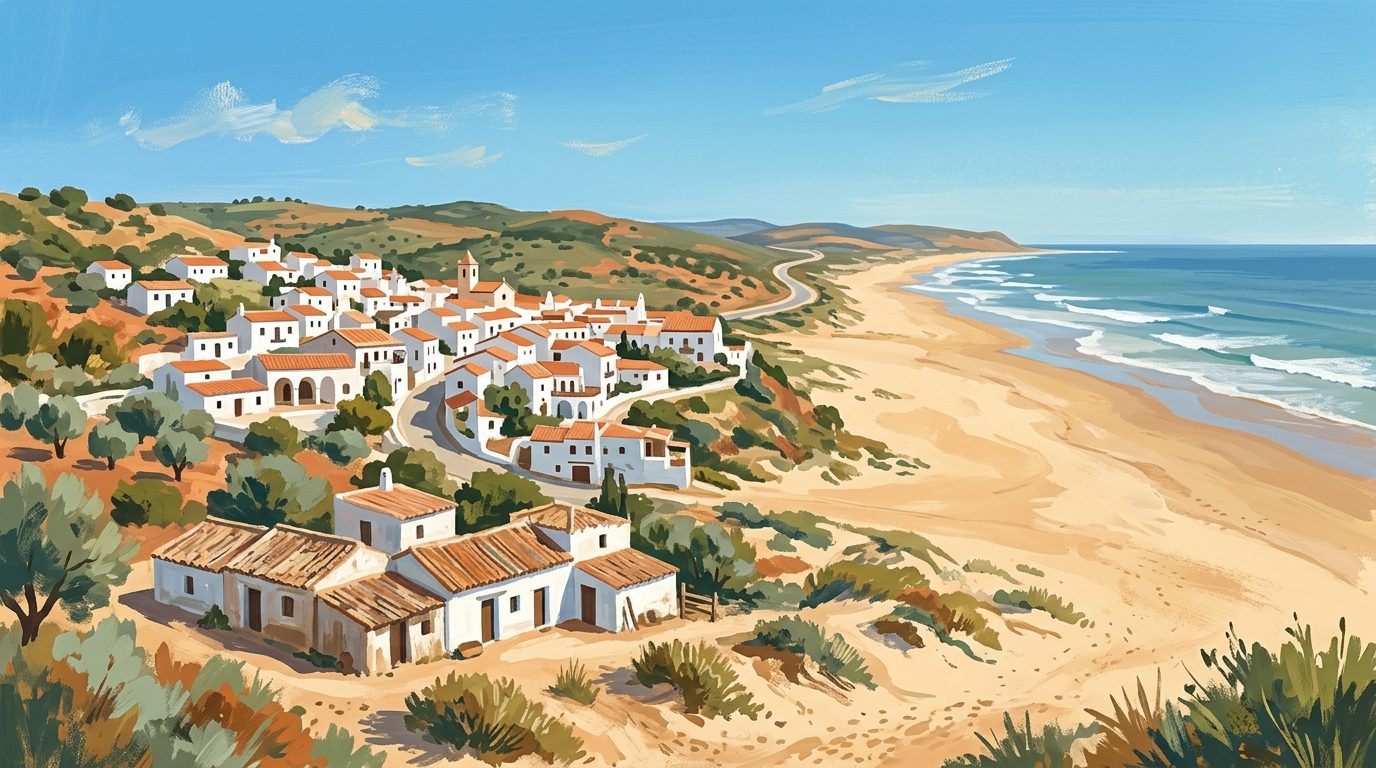
Playa de El Palmar: A Guide to the Surfing Capital of Cádiz
Playa de El Palmar is the undisputed surfing capital of the Costa de la Luz, offering eight kilometres of golden sand and some of the finest sunsets in the province of Cádiz. This expansive shoreline balances a wild, Atlantic character with a thriving scene of beach bars and surf schools.
7 min read
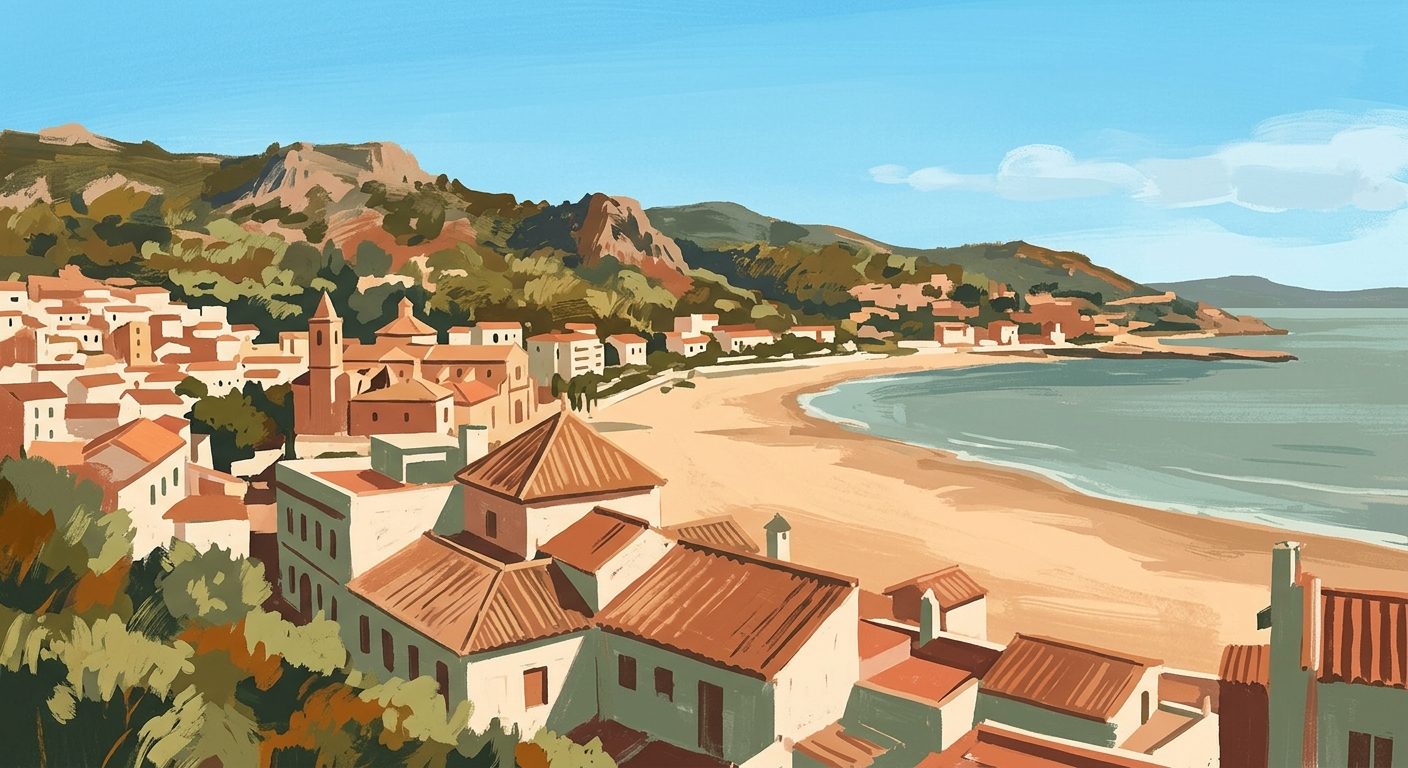
A Guide to Playa de Getares in Algeciras
Playa de Getares offers a wide golden shoreline with unique views of the Rock of Gibraltar and the North African coast. This family-friendly beach in Algeciras combines urban facilities with the natural beauty of the Estrecho Natural Park.
7 min read
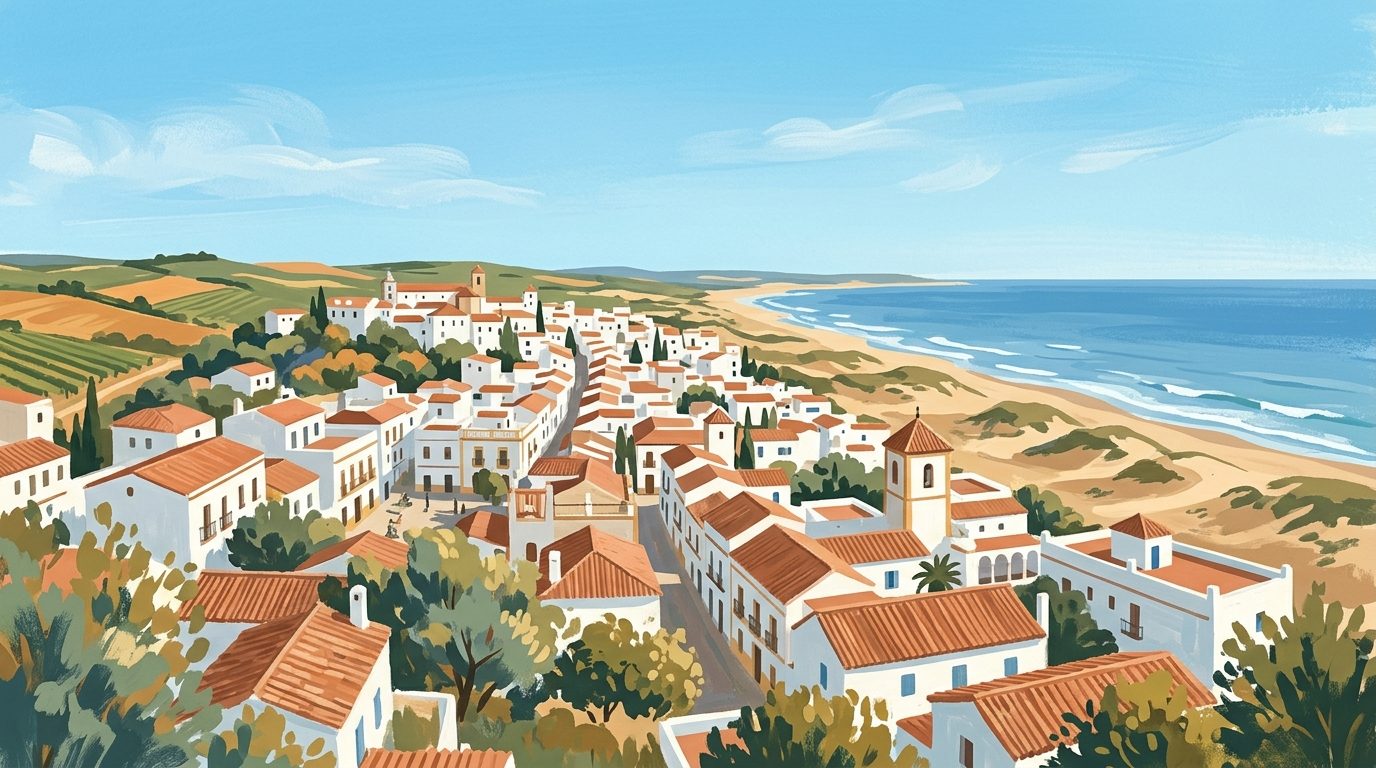
Chiclana de la Frontera: Fine Sands and Fino Sherry on the Cádiz Coast
Discover Chiclana de la Frontera, a unique destination on the Costa de la Luz featuring the 8km La Barrosa beach, historic sherry bodegas, and the ancient Castillo de Sancti Petri.
5 min read
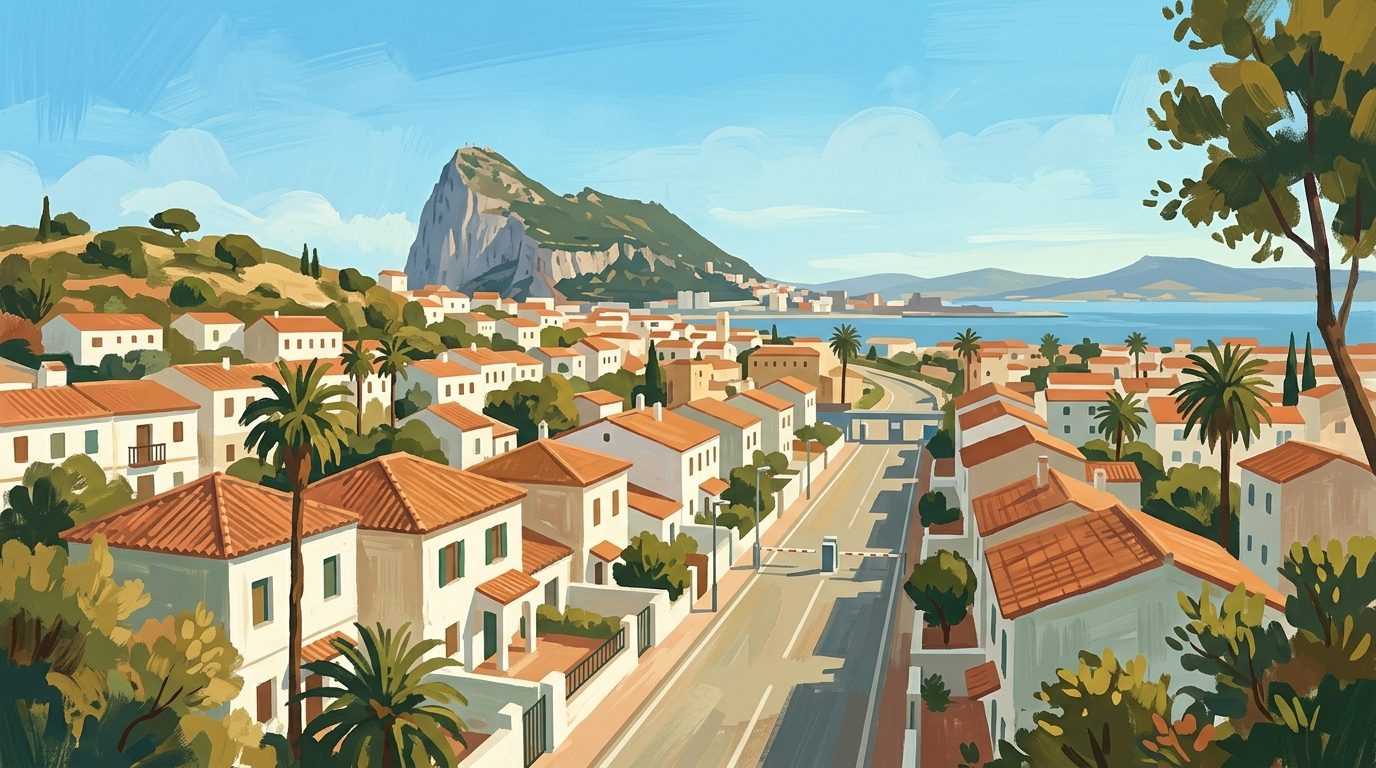
A Guide to La Línea de la Concepción: Beyond the Gibraltar Border
A focused guide to La Línea de la Concepción, exploring its unique frontier culture, military fortifications, and world-class seafood traditions in the shadow of Gibraltar.
5 min read
Newsletter
More stories from Andalucía
Weekly notes, seasonal picks, and the next guides worth bookmarking.