
Things to do · Huelva
Hiking and Walking in Huelva: Trails from the Mountains to the Atlantic
Huelva offers a remarkable variety of terrain, from the dense chestnut forests of the Sierra de Aracena to the salt marshes of the Atlantic coast. It remains one of the least developed provinces for walking, providing quiet trails and authentic mountain villages.
By Dan · Updated 16 July 2026 · 6 min read
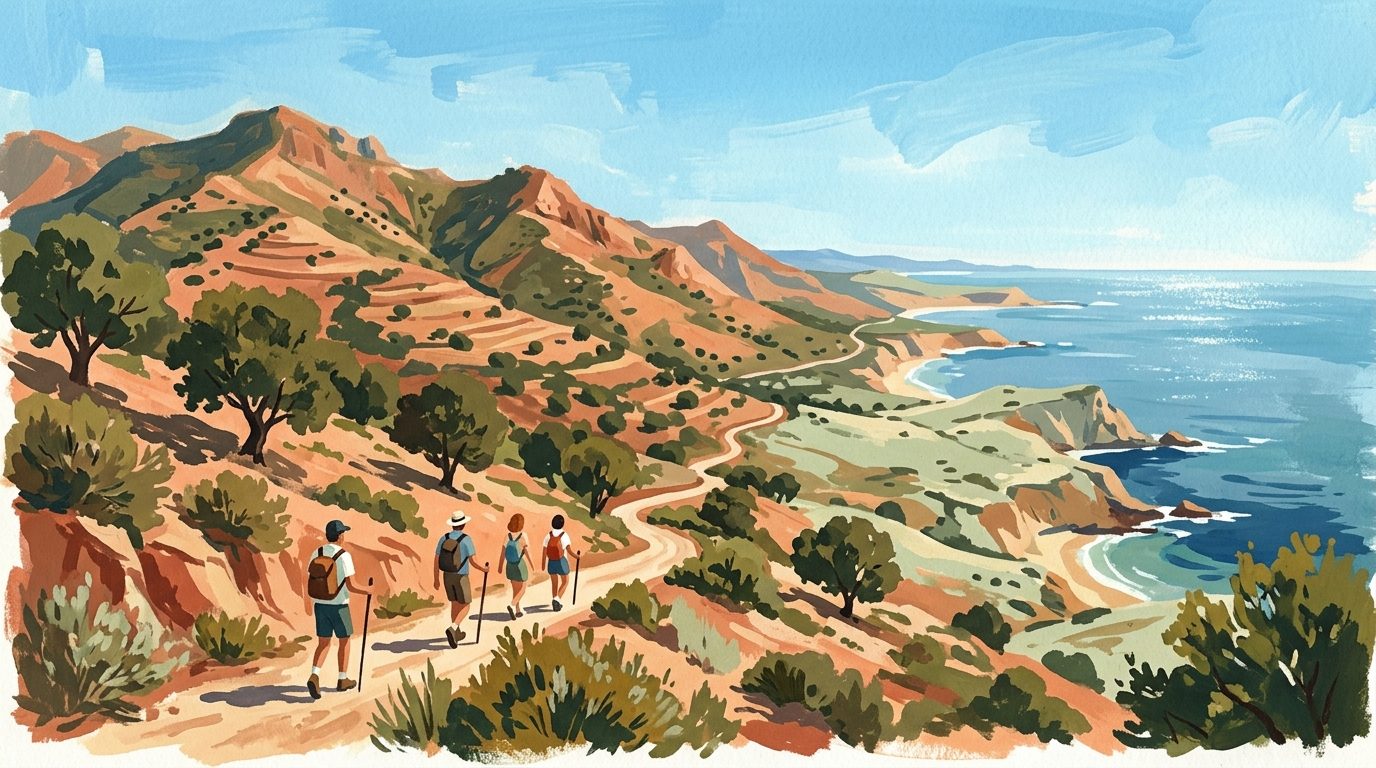
Huelva offers a remarkable variety of terrain, from the dense chestnut forests of the Sierra de Aracena to the salt marshes of the Atlantic coast. It remains one of the least developed provinces for walking, providing quiet trails and authentic mountain villages.
Huelva is often the province people drive through on their way to the Algarve, but those who lace up their walking boots here find a landscape that is unexpectedly green, varied, and blissfully quiet. While the southern plains are dominated by the wetlands of Doñana and the Atlantic coastline, the north is home to the Sierra de Aracena and Picos de Aroche Natural Park. This northern range is a UNESCO Biosphere Reserve, characterised by rolling hills, ancient cork oak forests, and groves of chestnut trees that turn deep gold in the autumn.
Walking in Huelva is as much a cultural experience as a physical one. The trails often follow ancient 'caminos reales' (royal roads) that have connected white-washed villages for centuries. Along the way, you are more likely to encounter a herd of free-roaming Iberian pigs or a local farmer than a crowd of tourists. The infrastructure for walkers is solid, with well-signposted routes (look for the yellow and white 'PR' markers) and a growing number of specialist companies offering guided excursions. Huelva gives walkers a sense of space and tranquillity, from challenging day-long circuits in the mountains to flat, bird-filled strolls along the river marshes.
Best Places for Hiking in Huelva
Sierra de Aracena: Aracena to Linares de la Sierra
The hike between Aracena and Linares de la Sierra is one of the most accessible and rewarding routes in the province. Starting from the town of Aracena (famous for the Gruta de las Maravillas), the path descends into a valley filled with fruit orchards and stone walls. The trail is approximately 6 kilometres each way and is relatively easy underfoot.
Linares de la Sierra is often cited as one of the most beautiful villages in Spain, known for its 'llanos', decorative pebble mosaics at the entrance of the houses. The path takes you through shady patches of holm oak and past small streams. If you are walking in the morning, you can reach Linares in time for a traditional lunch before heading back.
Picos de Aroche: Almonaster la Real Circuit
The western side of the natural park, known as the Picos de Aroche, feels even more remote. The village of Almonaster la Real is the focal point here. A circular route starting from the village takes you up towards the Cerro de San Cristóbal, the highest point in the area. From the summit, the views extend across the border into Portugal and south towards the Rio Tinto mines.
The trail passes through diverse vegetation, including strawberry trees and thick Mediterranean scrub. Before or after your walk, you should visit the 10th-century mosque sitting high above the village, which sits on the site of a former Visigoth basilica. The walking here can be steep in sections, so good footwear is essential.
The Chestnut Forests of Castaño del Robledo
For those visiting in October or November, the area around Castaño del Robledo is essential. This is the highest village in the park, and it is surrounded by the largest chestnut forests in the region. There is a fantastic circular route that connects Castaño del Robledo with the village of Galaroza via the Ribera del Jabugo.
The path follows the riverbank, where the humidity creates a lush, almost tropical environment. Ferns and mosses line the way, and the canopy of chestnut trees provides deep shade. It is roughly 12 kilometres for the full loop. In autumn, the ground is covered in chestnuts, and the local restaurants feature them heavily on their menus alongside seasonal wild mushrooms.
Marismas del Odiel: Coastal Wetland Walking
Moving away from the mountains, the Marismas del Odiel (Odiel Marshes) located just outside Huelva city offers a completely different experience. This is a biosphere reserve at the mouth of the Odiel and Tinto rivers. The walking here is flat and follows a series of wooden boardwalks and well-maintained gravel paths.
The Sendero de Calatilla is a popular choice, providing excellent vantage points for bird watching. Depending on the season, you can see flamingos, spoonbills, and ospreys. It is an ideal spot for a brisk morning walk when the light over the salt pans is particularly soft. There is no shade on these trails, so it is best avoided during the middle of the day in summer.
Cuesta Maneli and the Doñana Coastline
Inside the Doñana Natural Space, the trail to Cuesta Maneli is a local favourite. It is a straight, 1.5-kilometre wooden boardwalk that crosses the enormous Asperillo dune system. The walk is easy but spectacular, as you move through pine forests and over sand dunes that are constantly shifting with the wind.
The trail ends at a high cliff overlooking a vast, wild beach that stretches for kilometres in both directions. It is a fantastic spot to experience the scale of the Atlantic coast without the seaside resorts. Ensure you bring water, as there are no facilities once you leave the car park area at the start of the trail.
The Riotinto Mining Landscape
For a walk that feels like a trip to another planet, head to the Parque Minero de Riotinto. While much of the area is explored by a heritage train, there are several trails that follow the banks of the Rio Tinto itself. The river is famous for its bright red and orange water, caused by the high concentration of iron and heavy metals in the soil.
The 'Via Verde de Riotinto' follows the old railway tracks that once transported minerals to the port of Huelva. Walking along these paths allows you to see the dramatic excavations and the rusted remains of 19th-century mining infrastructure. It is a stark, fascinating landscape that contrasts sharply with the green forests of the north.
Practical Information
Walking in Huelva is generally free, as most trails are public rights of way. However, if you are venturing deep into the Sierra de Aracena, hiring a local guide can be beneficial for understanding the complex network of paths and the local flora. Prices for guided walks usually range from €15 to €40 per person depending on the duration and group size.
The best seasons for walking are autumn (October to December) for the autumn colours and mushrooms, and spring (March to May) for the wildflowers. Summer can be extremely hot, with temperatures often exceeding 35°C, making mountain walking uncomfortable and coastal walking potentially dangerous without adequate hydration. Always carry a map or a GPS app like Wikiloc, as while many trails are marked, some markers can be obscured by vegetation in the more remote areas.
Local Tips
If you are walking in the Sierra during the autumn, keep an eye out for 'setas' (wild mushrooms). The region is famous for them, particularly the Boletus edulis and the Gurumelo. However, never pick or eat them unless you are with an expert guide, as some local species are highly toxic. After a long hike, look for a local 'mesón' and order 'Secreto Ibérico' or 'Pluma': these are specific cuts of Iberian pork that the region is celebrated for. Finally, always carry a spare battery for your mobile; signal can be patchy in the deep valleys of the Picos de Aroche.
Last reviewed: 21 June 2026 · Editorial policy
Related guides
Exploring the Trails: A Guide to Hiking and Walking in Málaga
Discover the rugged interior of Málaga through its diverse walking trails, from the spectacular Caminito del Rey to the prehistoric limestone peaks of El Torcal.
7 min read
A Guide to Hiking and Walking in Andalucía
Discover the best hiking trails in Andalucía, from the high peaks of the Sierra Nevada to the volcanic coast of Cabo de Gata and the lush forests of Grazalema.
7 min read
Hiking and Walking in Cádiz: From Atlantic Cliffs to Mountain Peaks
Discover the diverse landscapes of Cádiz, from the high-altitude Spanish Fir forests of Grazalema to the dramatic coastal cliffs of Barbate.
6 min read
Hiking and Walking in Granada: From High Peaks to Gorge Trails
From the high-altitude peaks of the Sierra Nevada to the terraced valleys of the Alpujarras, Granada offers some of the most varied walking terrain in southern Spain.
6 min read
Exploring the Trails: A Guide to Hiking and Walking in Sevilla
Sevilla province offers a diverse range of walking landscapes, from the dramatic karst formations of the north to the tranquil riverside paths of the Guadalquivir.
5 min read
Hiking and Walking in Almería: Deserts, Volcanic Coasts and High Sierras
Discover the raw beauty of Almería’s diverse landscapes, from the volcanic cliffs of Cabo de Gata to the rugged badlands of the Tabernas Desert.
6 min read
More from Huelva
The Best Day Trips from Huelva
Huelva serves as the perfect launchpad for exploring the crimson Rio Tinto, the caves of Aracena, and the wild marshes of Doñana National Park.
6 min read
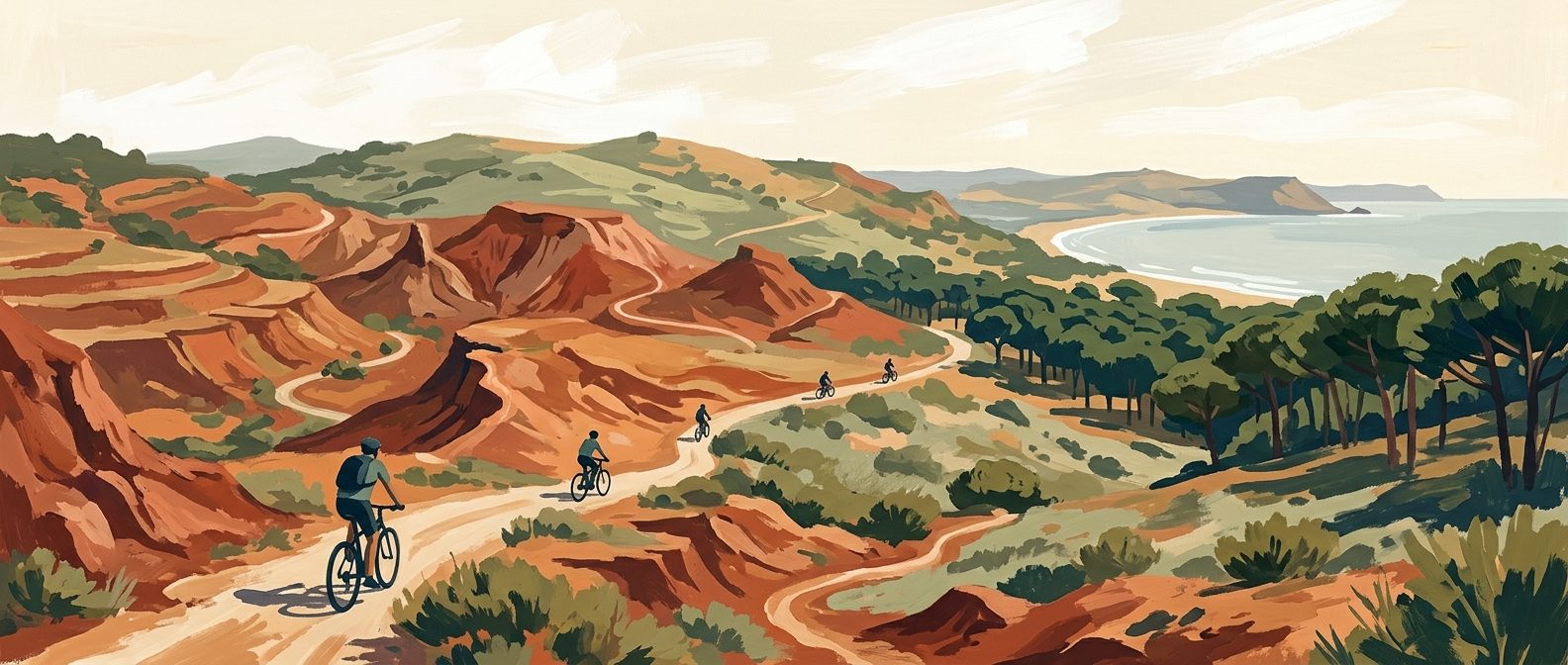
Exploring Huelva on Two Wheels: From Martian Landscapes to Coastal Pines
Discover the diverse cycling routes of Huelva, from the iron-red trails of the Rio Tinto to the shady chestnut forests of the Sierra de Aracena.
6 min read
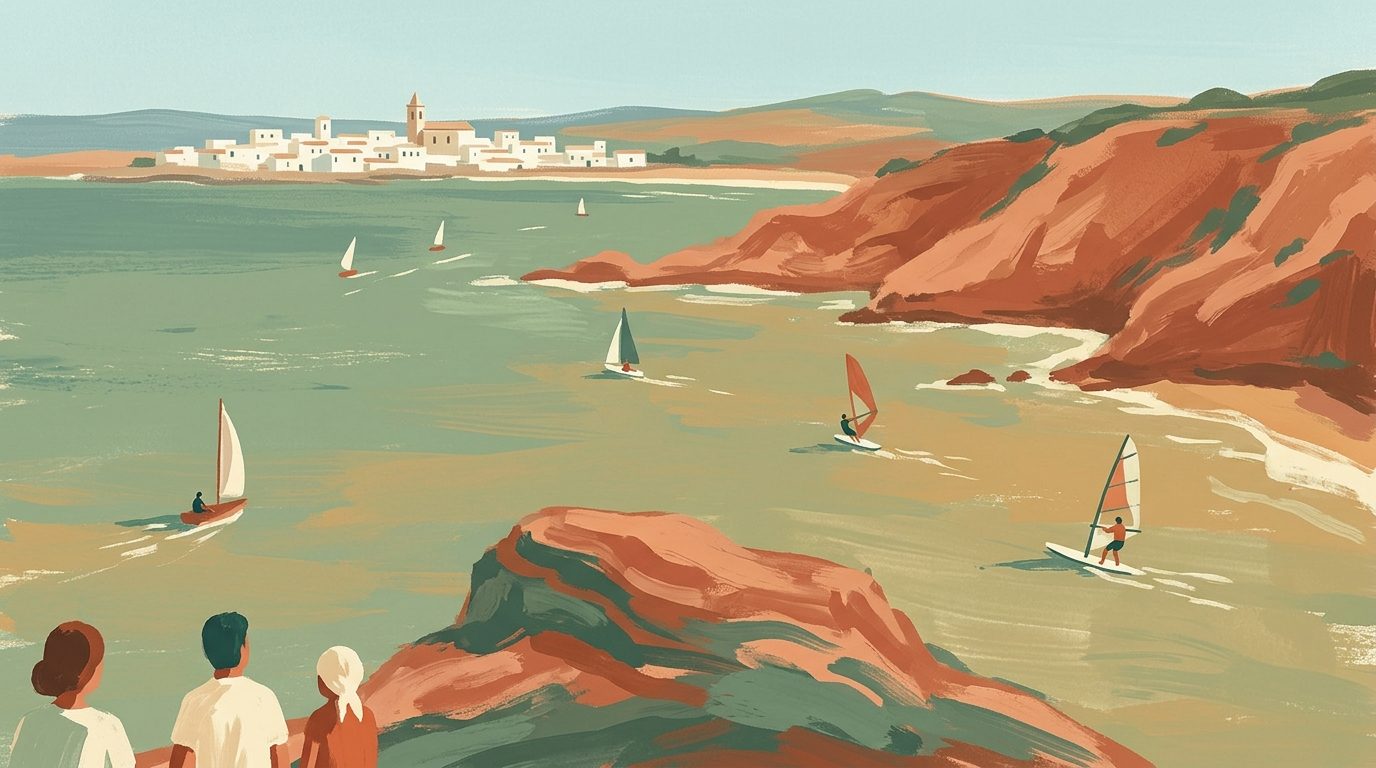
Mastering the Atlantic: A Guide to Water Sports in Huelva
From the Atlantic swells of Islantilla to the rust-coloured waters of the Río Tinto, Huelva offers a distinct maritime playground for kayaking, surfing, and sailing.
6 min read
Newsletter
More stories from Andalucía
Weekly notes, seasonal picks, and the next guides worth bookmarking.