Seasonal guide
Andalucía in February: Blossoms, Carnival, and Crisp Winter Sun
February in Andalucía brings the stunning almond blossom season and the world-famous street parties of the Cádiz Carnival, all under a mild winter sun.
By Dan · Updated 7 June 2026 · 6 min read
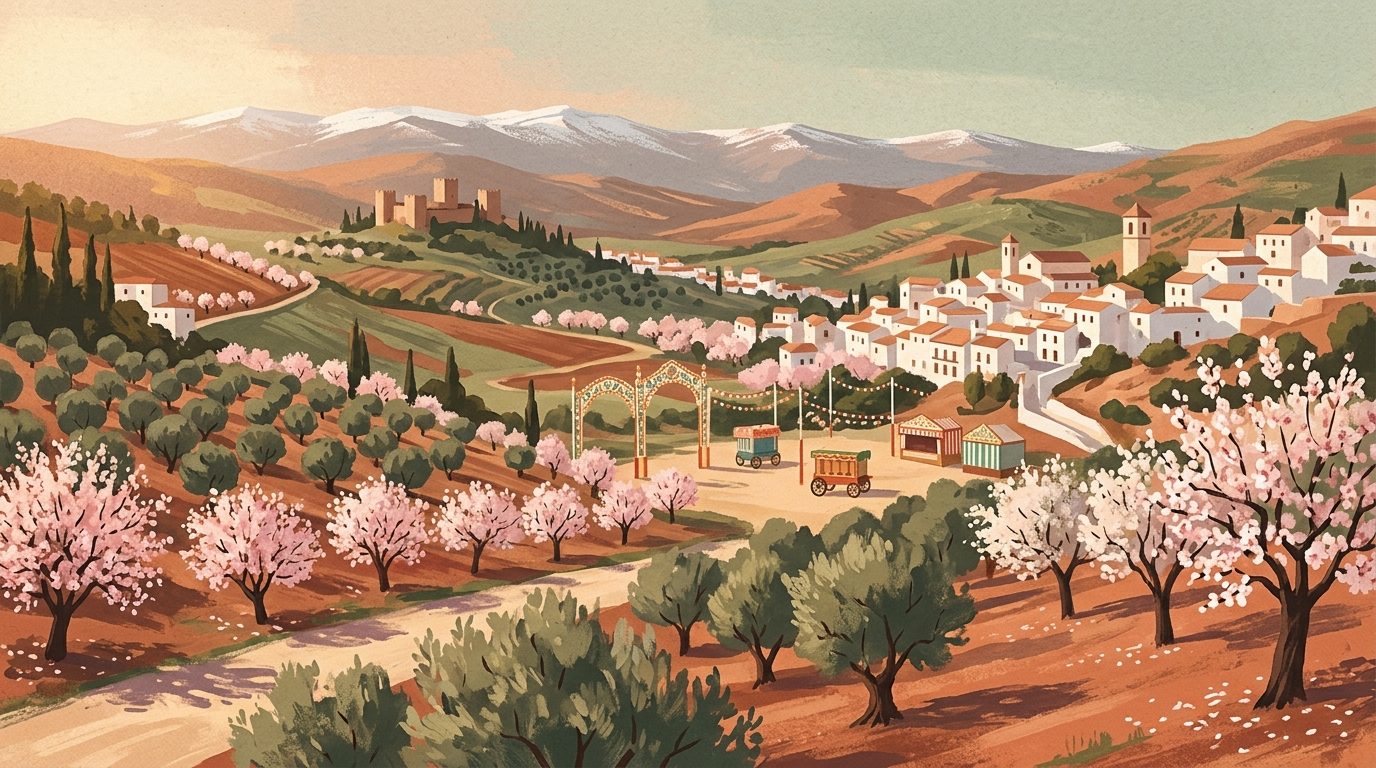
February in Andalucía offers the first signs of spring with almond trees in bloom and quiet city streets. It is the perfect window for those seeking cultural depth and mild walking weather before the intense heat arrives.
Introduction: What to Expect
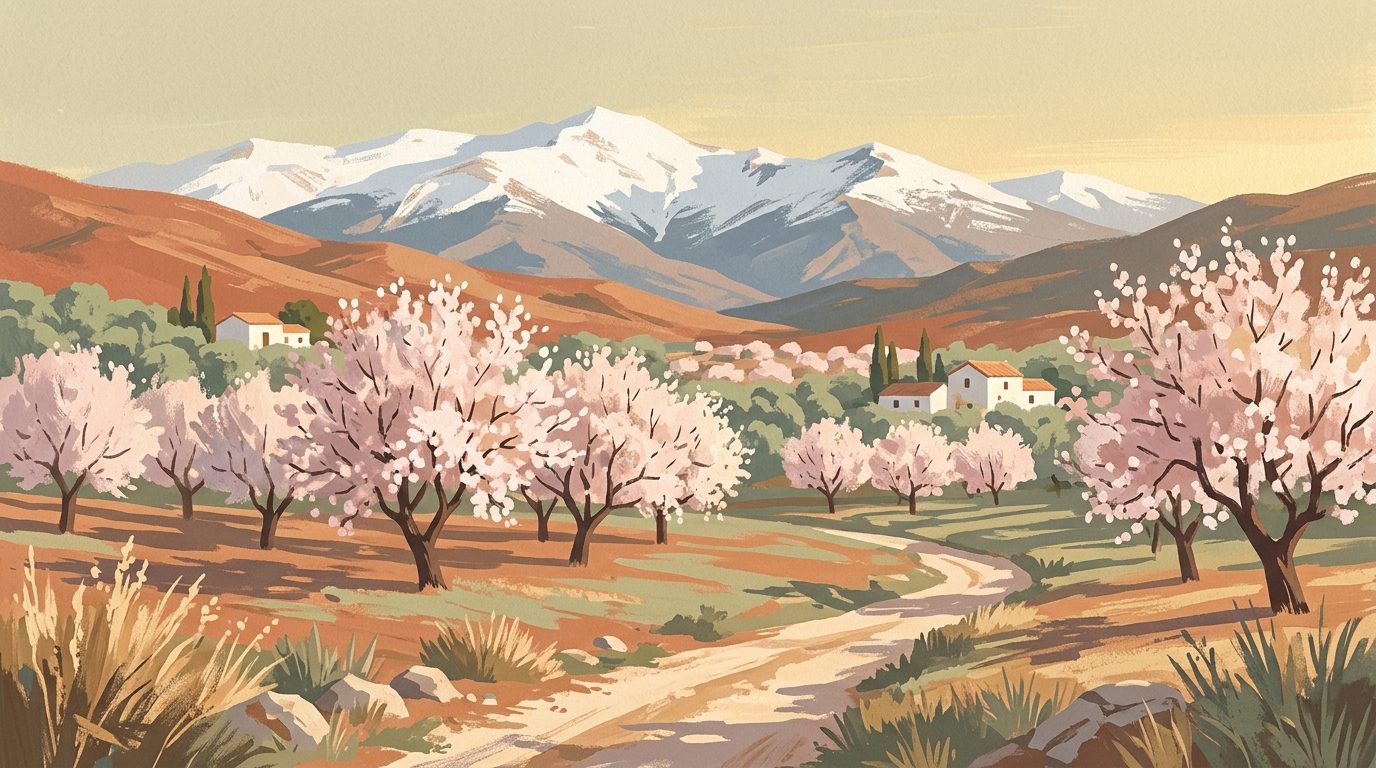
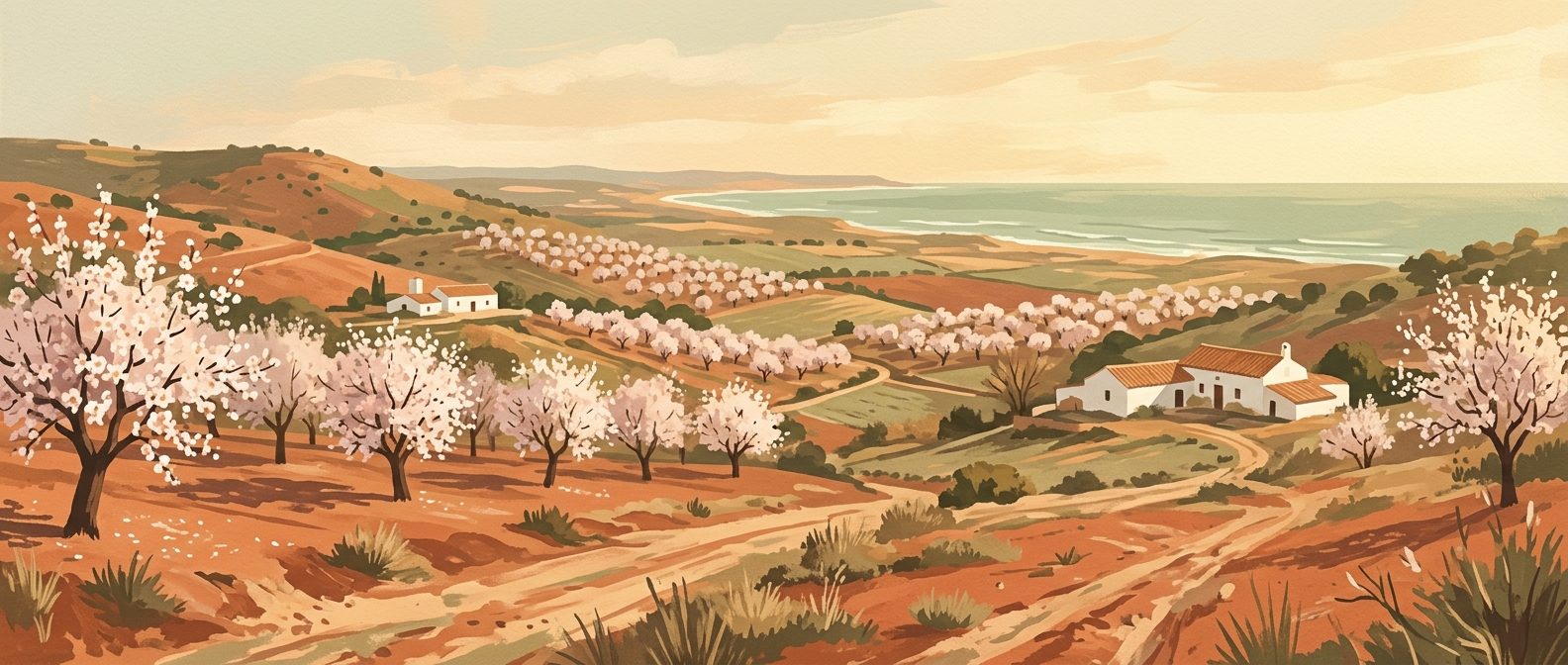
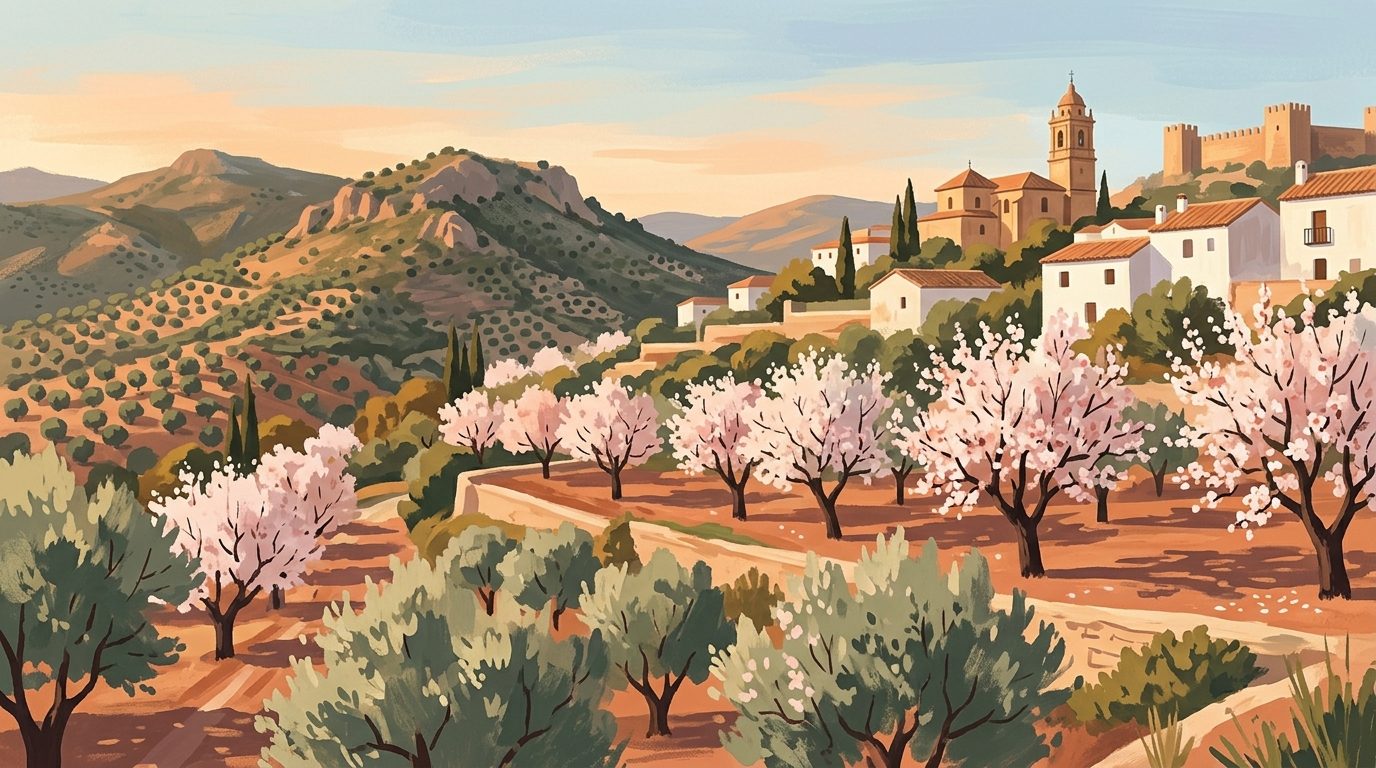
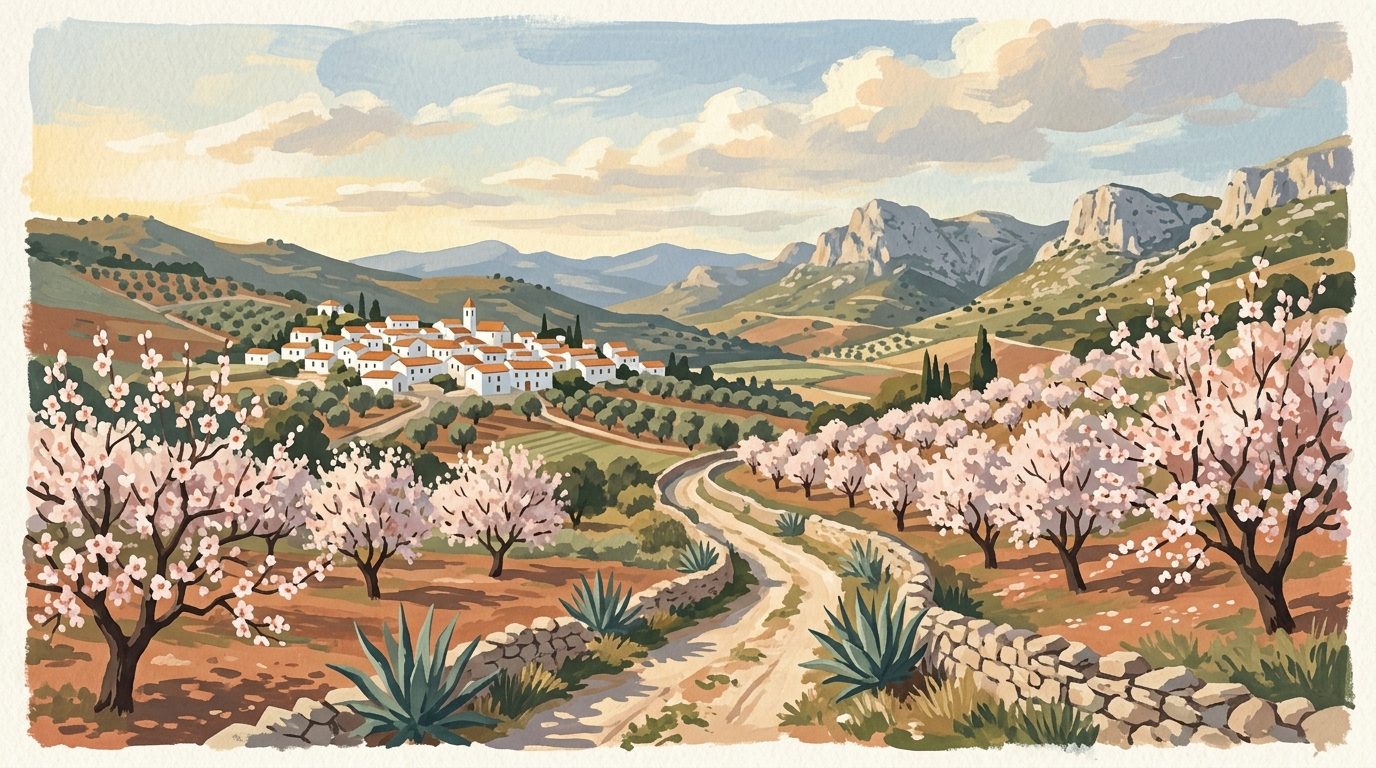
February is a month of transition in southern Spain, often described by locals as the bridge between the short winter and the early arrival of spring. While much of Northern Europe remains gripped by grey skies, Andalucía begins to awaken. The most striking visual marker of this month is the appearance of almond blossoms, which coat the hillsides of the Axarquía and the Alpujarra in shades of white and pale pink. It is a period defined by sharp contrasts: the air is crisp and cool in the shade, yet the sun carries a surprising strength that allows for outdoor lunches in shirt sleeves.
The atmosphere is significantly more authentic than during the height of summer. This is a time when the region belongs to the Andalucíans. You will find plazas filled with locals enjoying their morning pitufo (a small toasted roll) and coffee, undisturbed by the heavy footfall of peak-season tourism. While the high peaks of the Sierra Nevada are at their most snowy, the coastal plains are already seeing the first wildflowers, including yellow Bermuda buttercups and wild iris. It is a month for those who value space, quiet contemplation of the great monuments, and the chance to witness one of Europe’s most famous street parties in Cádiz without the oppressive heat of later months.
Weather: A Tale of Three Climates
Weather in Andalucía during February varies dramatically depending on your elevation and proximity to the Atlantic or Mediterranean. It is essential to pack layers, as temperatures can fluctuate by 15 degrees Celsius between midday and midnight.
The Coastal Strip (Málaga, Marbella, Almería)
On the coast, the climate is remarkably mild. Daytime highs typically hover around 17°C to 19°C (63°F to 66°F), though in sunny, sheltered spots, it can feel much warmer. Rainfall is moderate, averaging about five or six days across the month. Nights are cool but rarely freezing, staying around 9°C (48°F).
The Inland Cities (Sevilla, Córdoba, Jerez)
The Guadalquivir valley begins to warm up during the day, with Sevilla often reaching 18°C (64°F). However, the lack of maritime influence means nights are colder than on the coast, frequently dropping to 5°C (41°F). The air is often very clear, providing excellent visibility for photography of the Giralda or the Mezquita.
The Mountains and Granada
Granada in February is beautiful but requires a heavy coat. Because of its altitude and proximity to the Sierra Nevada, daytime temperatures might reach 14°C (57°F), but as soon as the sun sets, it drops rapidly to 0°C or minus 2°C (28°F). Snow is guaranteed on the peaks, making it the prime month for skiing, while the city below remains clear and dry.
What to wear: A medium-weight jacket for the evenings, sunglasses (the winter sun is bright), and light layers like cotton jumpers or scarves for the daytime. Sturdy walking shoes are better than sandals, as stone floors in old buildings remain very cold.
Events & Festivals
Despite being the low season, February hosts some of the most significant cultural events on the Andalucían calendar.
Carnaval de Cádiz
The Carnaval de Cádiz dates vary according to Easter; for 2027, the main celebrations will take place from 4 to 14 February. It is a world-class event, and you can check the official tourism board for the full schedule. Unlike the feather-clad parades of Rio, Cádiz is famous for its wit and satire. Groups known as chirigotas and comparsas perform biting musical comedy about politics and social issues. The streets of the old town become an open-air theatre. It is loud, irreverent, and incredibly fun. Even if you do not speak Spanish, the energy of the coros (choirs) singing on flatbed carts is infectious.
Festival de Jerez
Typically running from late February into March (refer to the official Festival de Jerez 2027 programme, typically released in November 2026), the Festival de Jerez is one of the premier flamenco festivals in the world. It focuses on baile (dance) and toque (guitar), offering workshops and performances by the industry’s leading figures. It turns the city of sherry into a global hub for traditional arts.
Día de Andalucía
The 28th of February is the Día de Andalucía (Andalucía Day), a public holiday celebrating the 1980 referendum that made the region an autonomous community. You will see the green and white regional flag hanging from almost every balcony. Many towns host communal breakfasts of pan con aceite y azúcar (bread with olive oil and sugar) and performances of the regional anthem. Note that many shops and supermarkets will be closed on this day.
What to Do in February
Witness the Almond Blossom
The countryside undergoes a spectacular transformation. Head to the Valle del Guadiaro or the hills behind Vélez-Málaga to see thousands of almond trees in flower. This is the best time of year for photographers who want to capture the softer side of the Andalucían landscape. The Alpujarra region south of Granada also offers stunning blossom views against the backdrop of snow-capped mountains.
Skiing and Sunbathing
This is one of the few places in the world where you can realistically ski in the morning and have a late lunch on the beach. The Sierra Nevada ski resort is at its peak in February (check snow conditions on their official website before travelling). After a few runs on the Veleta peak, a 90-minute drive takes you down to the Costa Tropical (Salobreña or Almuñécar), where temperatures are often high enough for a seaside meal, even if the water is too cold for most swimmers.
Exploring the Great Monuments
Visiting the Alhambra in Granada or the Alcázar in Sevilla is significantly more pleasant in February. The light is softer for photos, and you won't have to contend with the 40°C heat of July. While you still need to book tickets weeks in advance, the queues are shorter and the gardens are surprisingly green, with winter jasmine and citrus trees heavy with fruit.
Who Should Visit?
- Culture Lovers: Those wanting to experience the authentic satire of Cádiz or the world-class flamenco of Jerez.
- Hikers and Walkers: The temperatures are perfect for long-distance trails like the Gran Senda de Málaga without the risk of heatstroke.
- Budget Travellers: Outside of the specific Carnival dates in Cádiz, hotel prices are at their lowest annual rates.
- Photographers: The combination of almond blossoms, clear winter light, and snowy peaks provides exceptional subject matter.
- Skiers: February offers the most reliable snow conditions in the Sierra Nevada.
Practical Notes
Crowds: Generally very low. The only exception is Cádiz during the two weekends of Carnival, when the city is packed to capacity and accommodation must be booked months in advance. Elsewhere, you can often find tables at popular restaurants without a reservation.
Prices: Expect to pay 30 to 50 per cent less for accommodation compared to the summer or Easter weeks. Car rental prices are also at their lowest, often costing a fraction of the July rate.
Booking Advice: If you plan to attend the Festival de Jerez or Carnaval de Cádiz, book your accommodation by November. For general touring, February allows for a great deal of spontaneity, though the Alhambra remains the one site where advance booking is non-negotiable.
Monthly Verdict
February is the thinking traveller’s month in Andalucía. It rewards those who prefer a crisp morning walk over a crowded beach and those who seek out local culture over tourist-oriented spectacles. While the nights require a coat, the sight of almond blossoms under a deep blue sky and the satirical songs of Cádiz offer a unique perspective on southern Spain that summer visitors never get to see.
Last reviewed: 21 June 2026 · Editorial policy
Related guides
Andalucía in April
April brings the intoxicating scent of orange blossom and the dramatic spectacle of Semana Santa to Andalucía, offering the perfect balance of warm weather and cultural depth.
7 min read
Andalucía in May: A Guide to Spring Weather and Festivals
May is the peak of spring in Andalucía, offering the perfect balance of warm sunshine and famous cultural events like the Córdoba Patio Festival.
6 min read

Cádiz in February (Carnaval)
February transforms the oldest city in the West into a theatre of satire, where the Atlantic breeze carries the sound of copper whistles and witty choruses.
6 min read
A Guide to Visiting Córdoba in March
Experience the intoxicating scent of orange blossom and the first flush of spring wildflowers in the Subbética mountains as Córdoba awakens from winter.
6 min read
Cádiz in December: Atlantic Drama and Festive Traditions
Atlantic winds meet the warm glow of festive lights, creating a unique coastal Christmas atmosphere where the air smells of roasted chestnuts and sea salt.
6 min read
Córdoba in February: Almond Blossom and Baroque Silence
Experience Córdoba in February, a month of crisp air, white almond blossoms, and the quietest streets of the year.
7 min read
More guides
September in Jaén: Golden Light and the Call of the Wild
Experience the cooling temperatures and the dramatic start of the deer rut in Jaén this September. Discover the golden light of Úbeda and Baeza as the province transitions from the heat of summer to the clarity of autumn.
7 min read
Almería in October: Desert Hikes and Coastal Solitude
October in Almería brings a soft, golden light and a gentle 23°C warmth, making it the perfect month for desert hiking, birdwatching, and enjoying the secluded beaches of Cabo de Gata.
6 min read
Almería in August: Desert Heat and Coastal Cool
August in Almería is defined by the stark beauty of the desert and the refreshing sanctuary of the Mediterranean coast. It is a month for slow movements, late nights, and embracing the true spirit of the Spanish summer.
6 min read
Almería in June: Coastal Clarity and Desert Life
Experience the Mediterranean at its most transparent and the Tabernas desert before the peak summer heat takes hold.
6 min read
Huelva in July: Atlantic Breezes and Endless Sands
Experience the vast Atlantic beaches and fresh seafood of Huelva in July, where cool sea breezes provide a welcome escape from the Andalucían summer heat.
6 min read

Huelva in September: Warm Atlantic Waters and the Harvest Moon
September in Huelva marks a gentle transition where the intense Atlantic summer heat softens into a golden warmth, leaving the wide beaches to those who value quietude.
6 min read

Almería in January: Desert Solitude and Winter Sun
January in Almería offers the sunniest winter skies in Europe, with crisp desert air, empty volcanic beaches, and the lowest prices of the year.
7 min read
Huelva in August: Atlantic Breezes and the High Summer Rhythm
Experience the authentic Spanish summer in Huelva this August. From the cooling Atlantic breezes of Islantilla to the festive nights of the Colombinas, discover a province in its peak season.
6 min read
Huelva in March: Wildflowers, Wetlands, and Quiet Hills
March in Huelva signals a quiet awakening where the Atlantic breeze meets the scent of budding rockrose in the northern hills. It is a time of soft light and solitude before the summer heat settles over the western edge of Andalucía.
6 min read
Newsletter
More stories from Andalucía
Weekly notes, seasonal picks, and the next guides worth bookmarking.