Seasonal guide
Andalucía in November: A Guide to the Season of Olive Oil and Autumnal Mist
Experience the authentic side of Andalucía in November, from the olive harvests of Jaén to the misty peaks of the Alpujarras, all without the summer crowds.
By Dan · Updated 16 July 2026 · 7 min read
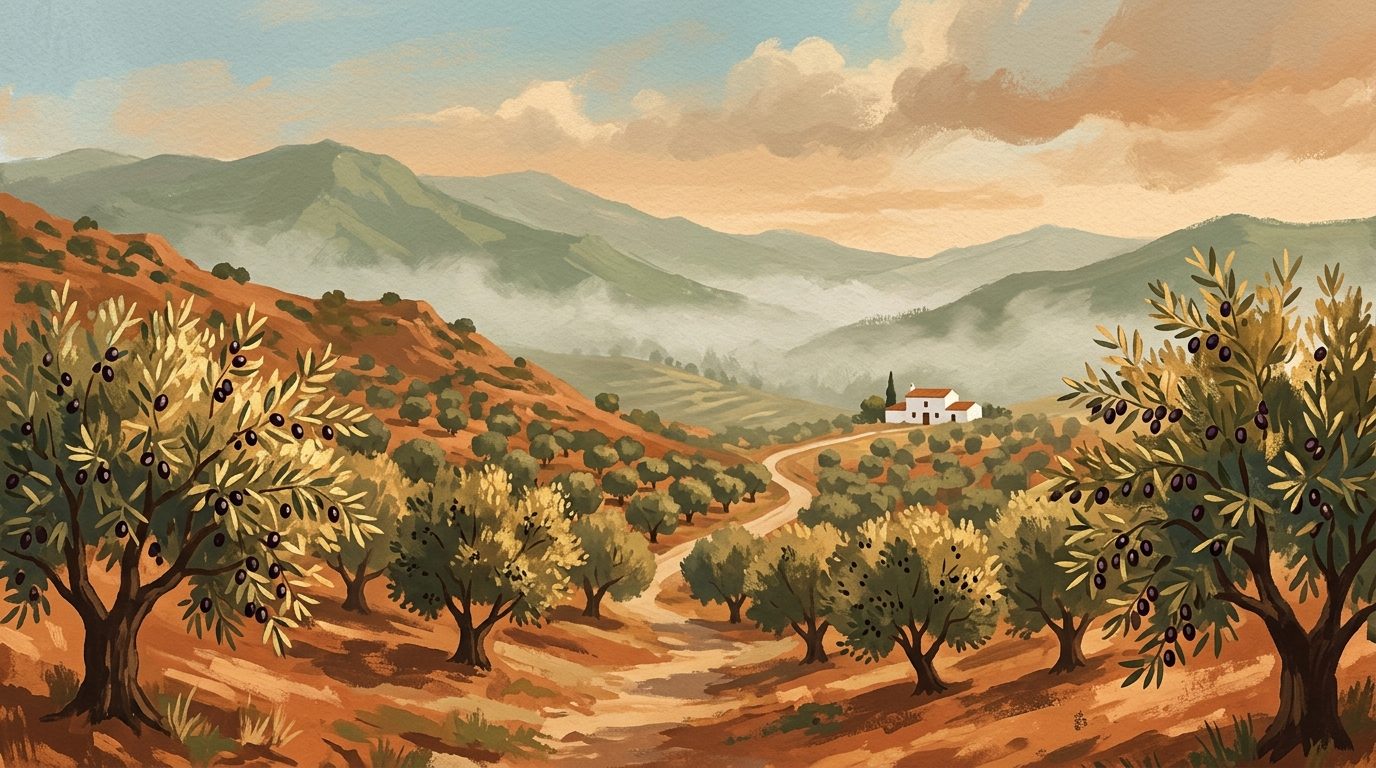
November in Andalucía is a period of transition where the fierce heat of summer finally relinquishes its hold, replaced by the scent of woodsmoke in mountain villages and the earthy aroma of freshly pressed olives. It is a month for the slow traveller who prefers local culture and cool, crisp air over beach clubs and sun loungers.
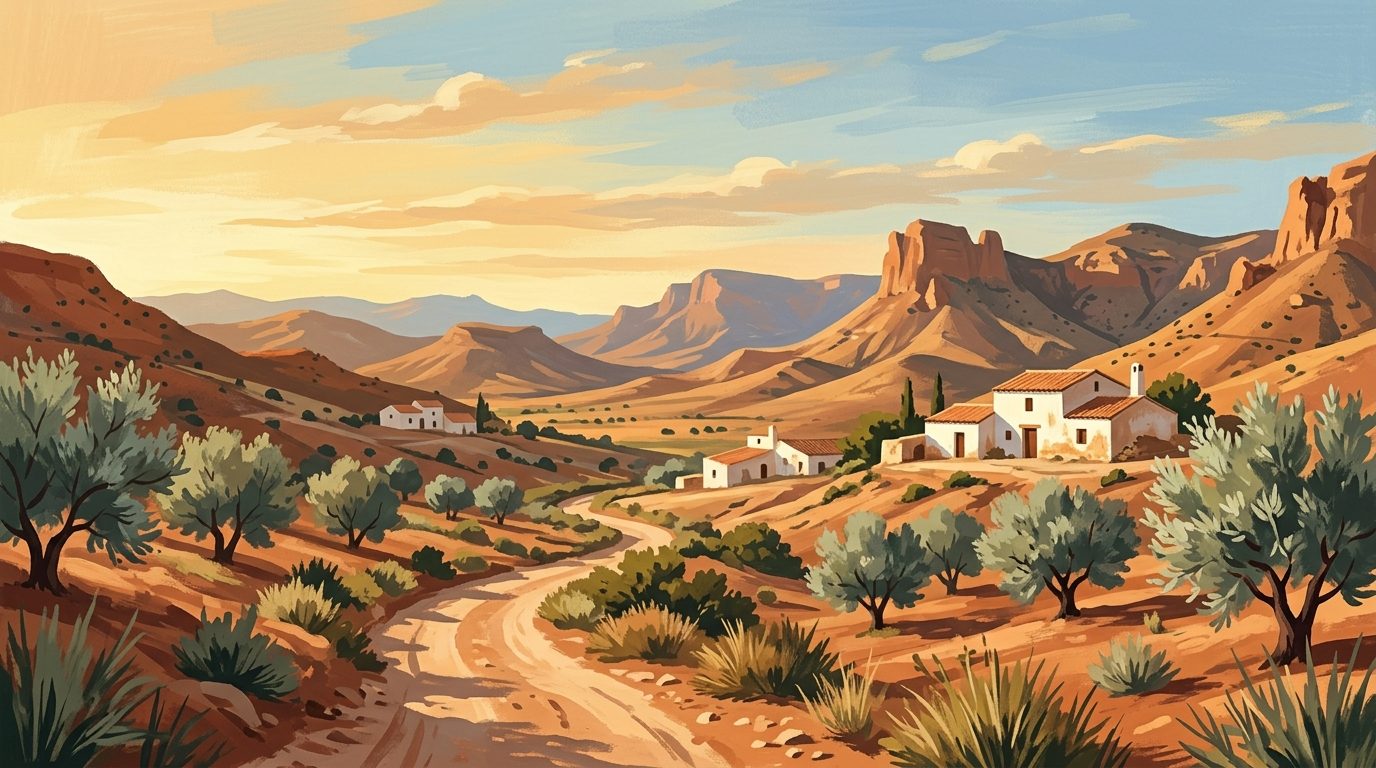
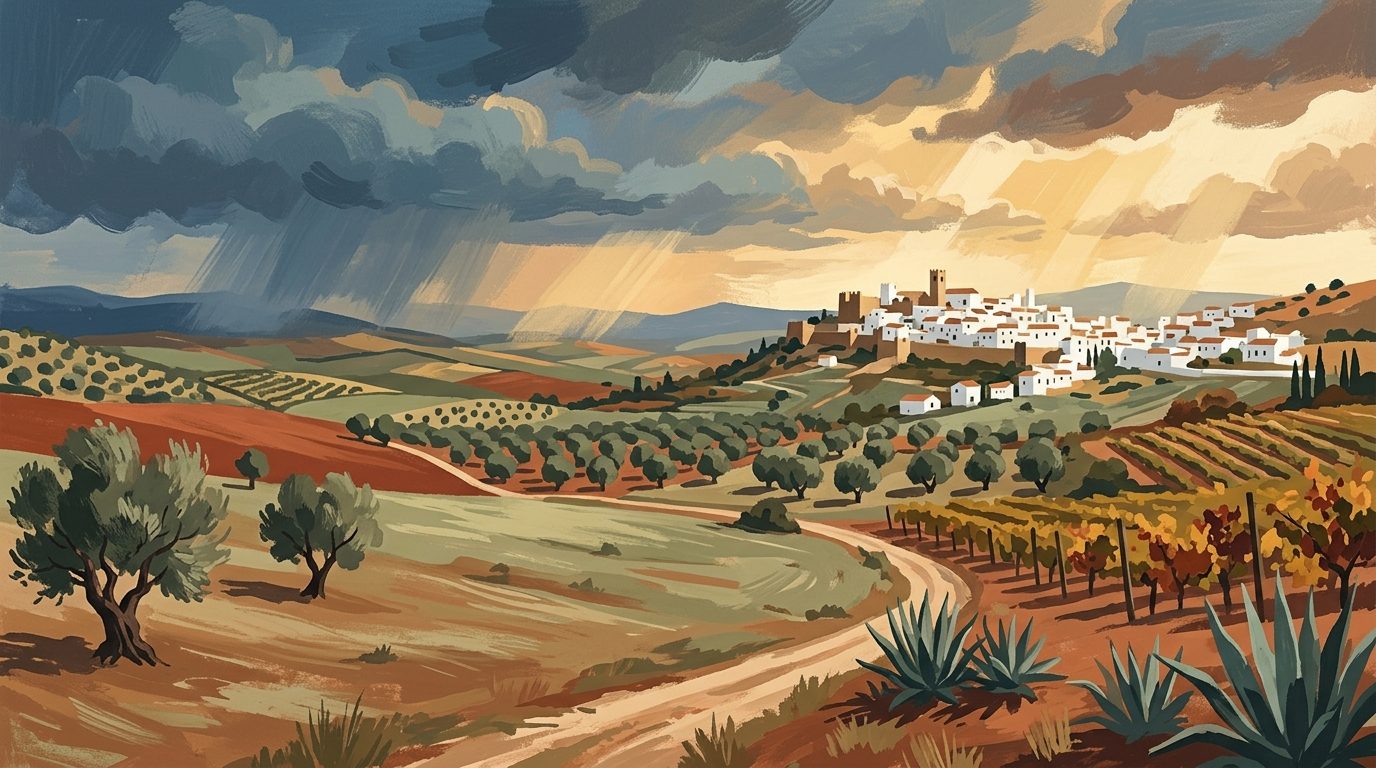
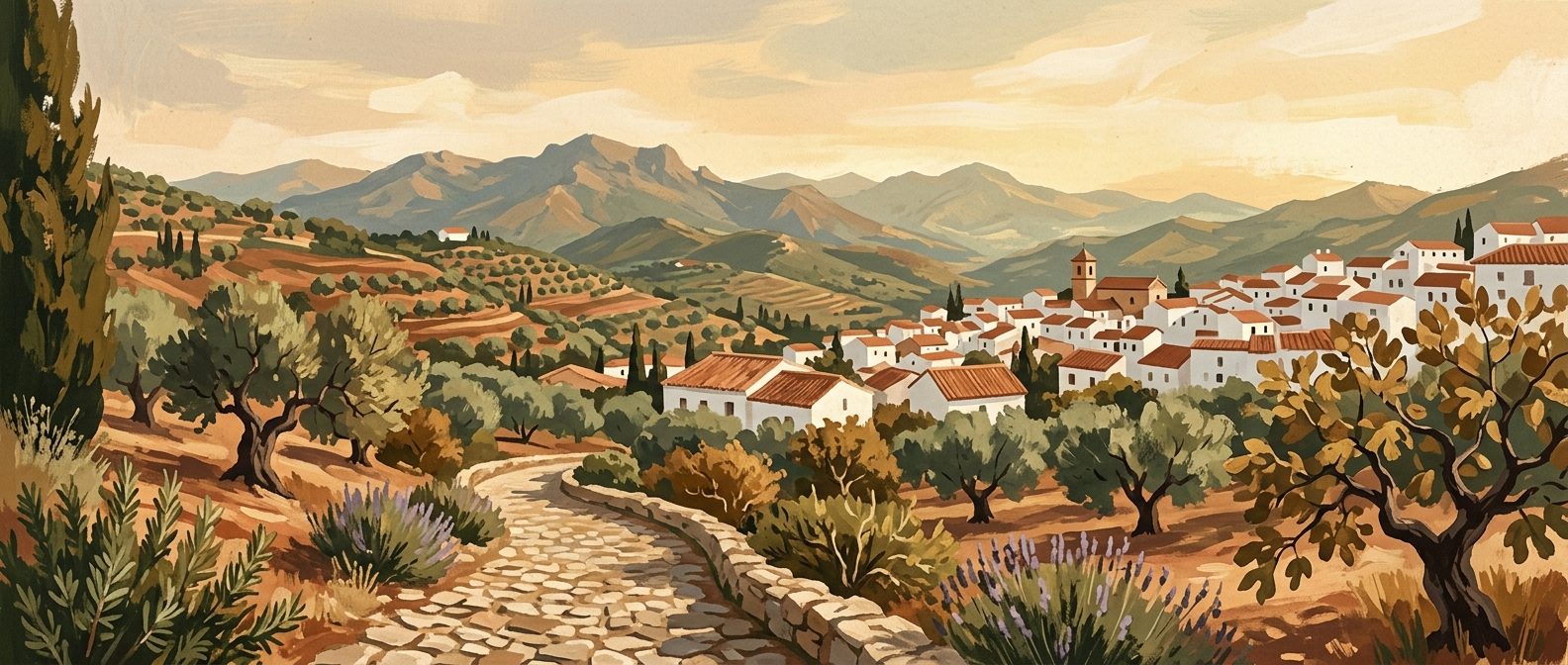
November is often overlooked by international visitors, yet for many residents, it is the most rewarding month of the calendar. As the high-season crowds vanish, the region returns to its authentic rhythm. This is the month of the recolección (harvest), the time when the silver-green seas of olive trees in Jaén and Córdoba are filled with activity. The light changes too; it becomes softer and more golden, casting long shadows across the white-washed facades of the pueblos blancos.
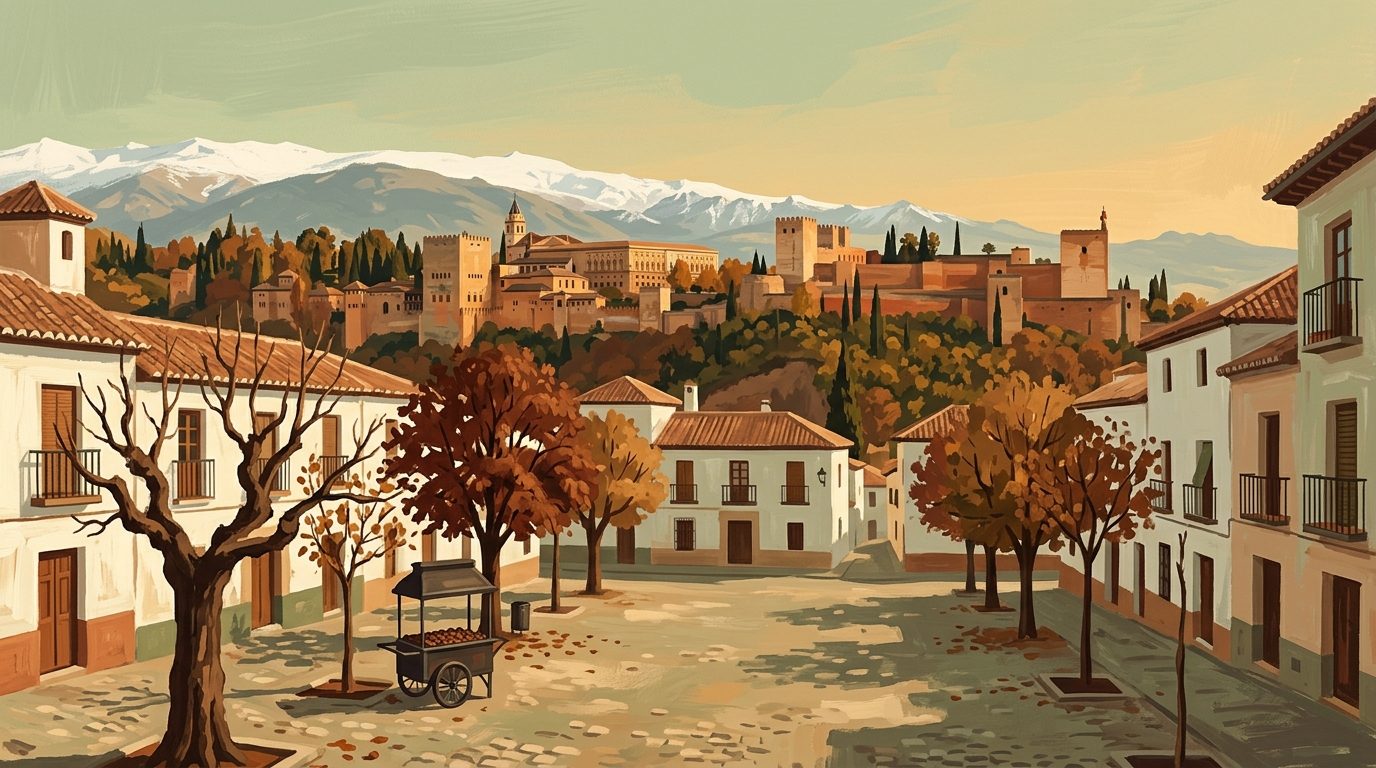
While the coastlines grow quiet, the interior of Andalucía wakes up. In the cities, the cultural season is in full swing, with theatres and flamenco peñas (clubs) hosting local performances away from the tourist gaze. In the mountains, the landscape transforms as the deciduous trees in the Sierra Nevada and the Sierra de Aracena turn copper and gold. It is a time for long lunches in mountain taverns, evenings spent by a fireplace, and exploring monuments like the Alhambra or the Sevilla Cathedral without the stifling humidity or the hour-long queues of July.
Weather: From Coastal Mildness to Mountain Frost
The weather in November is varied and depends entirely on your altitude and proximity to the sea. It is a month of shifting patterns, often bringing the first significant rainfall after the long, dry summer. These rains are vital for the landscape, turning the parched brown hillsides into a lush, emerald green almost overnight.
The Coast (Costa del Sol, Costa de la Luz): Along the Mediterranean and Atlantic shorelines, November is surprisingly mild. Daytime temperatures in Málaga, Marbella, and Cádiz hover around 18°C to 20°C. On sunny days, it can feel warm enough for a t-shirt at midday, though the sea temperature has dropped to around 17°C, making it too chilly for most to swim. Evenings are cool, requiring a jacket as temperatures dip to 11°C.
Inland Cities (Sevilla, Córdoba, Granada): In the low-lying valley of the Guadalquivir, Sevilla and Córdoba remain relatively pleasant with highs of 16°C to 19°C. However, Granada, sitting at the foot of the Sierra Nevada, is noticeably colder. You can expect daytime highs of 14°C, but once the sun sets, the temperature frequently plummets to 4°C or 5°C. This creates a sharp contrast between the bright, sunny afternoon and the biting cold of the evening.
The Mountains (Sierra Morena, Alpujarras, Grazalema): This is where winter first makes its presence known. In the Sierra de Grazalema, statistically the wettest place in Spain, heavy rain is common in November. In the Alpujarras, frost starts to appear on the ground in the early mornings, and daytime temperatures may struggle to reach 12°C. Snow often begins to cap the highest peaks of the Sierra Nevada by the end of the month.
What to wear: Layers are the only practical solution. You will need a light coat or waterproof jacket for the showers, woollen sweaters for the evenings, and comfortable walking shoes. If you are visiting Granada or the mountains, bring a scarf and gloves for after dark.
Events & Festivals
November begins with a sombre yet beautiful tradition. On the 1st of November, Todos los Santos (All Saints' Day) is a public holiday. Across Andalucía, families visit cemeteries to clean the graves of their loved ones and decorate them with enormous quantities of fresh flowers. It is a reflective time, often accompanied by the eating of huesos de santo (marzipan 'saint's bones') and buñuelos de viento (sweet fritters).
In the city of Cádiz, late October and early November see the celebration of Tosantos (specifically around the feast of All Saints). This is a satirical and light-hearted festival where market stallholders in the Central Market dress up their produce. You might see pigs dressed as politicians or fish arranged to depict scenes from recent news events. It is a unique display of the famous gaditano (Cádiz local) wit.
For cinema enthusiasts, the Festival de Cine Iberoamericano de Huelva (Huelva Ibero-American Film Festival) takes place in mid-November (traditionally the 52nd edition in 2026; check on the operator's website before travelling). It is one of the most important film festivals in Spain, focusing on Spanish-language films from Latin America and the Iberian Peninsula. Meanwhile, music lovers should look for the Festival de Jazz de Málaga, which brings international performers to the city's Cervantes Theatre.
In the village of Atajate in the Serranía de Ronda, the Fiesta del Mosto takes place on the last Saturday of November. This festival celebrates the first press of the local grape juice, which has just begun to ferment into mosto (new wine). Visitors can sample the wine alongside traditional local biscuits known as galletas de alfajor.
What to Do in November
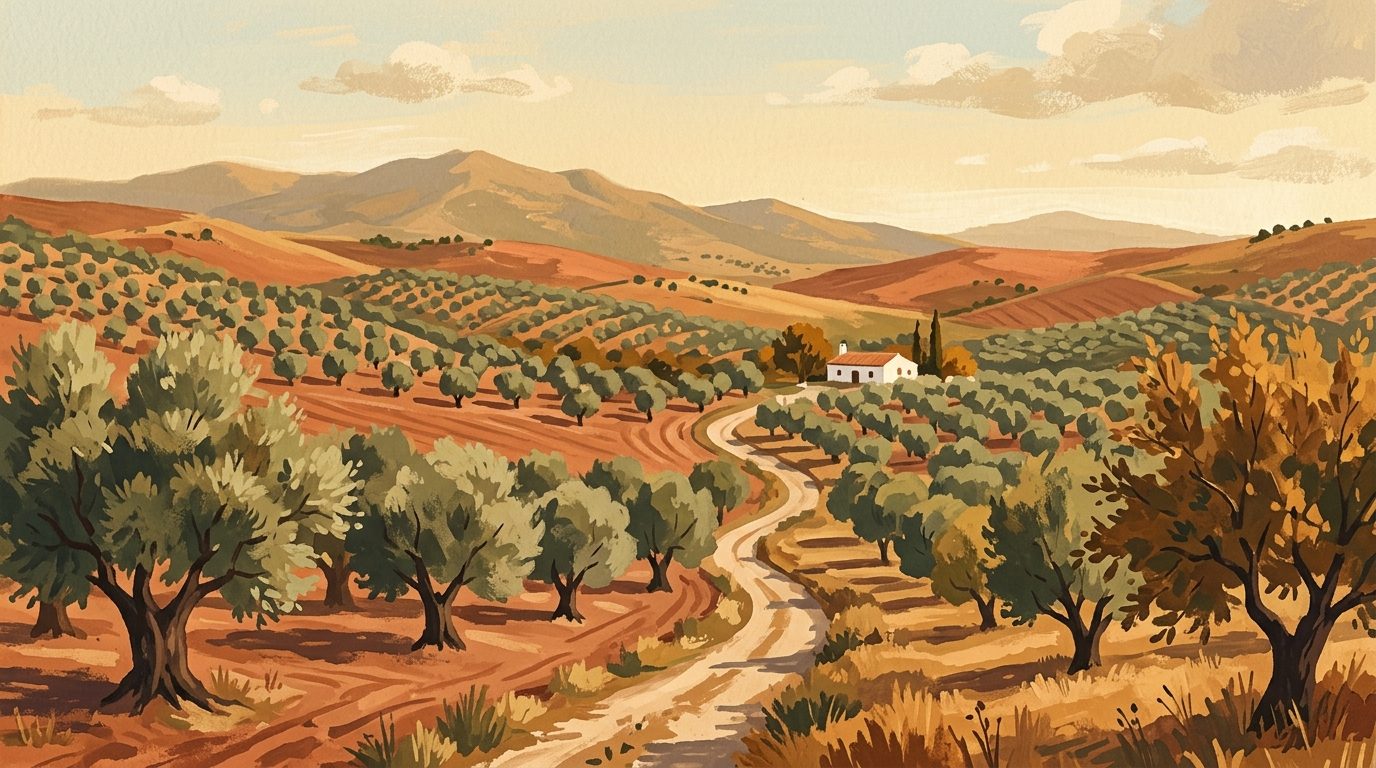
The primary reason to visit in November is the Olive Harvest. In the province of Jaén, which produces more olive oil than the entire country of Italy, November marks the start of the aceite temprano (early harvest). This oil is bright green and intensely peppery. Many almazaras (olive mills) offer tours where you can see the pressing process and taste the oil fresh from the machine. Cities like Úbeda and Baeza are perfect bases for this, offering a chance to combine industrial tourism with some of the finest Renaissance architecture in Spain.
For those who enjoy the outdoors, November is the peak season for Mushroom Hunting (micología). The cork oak forests of the Sierra de Aracena in Huelva and the Alcornocales in Cádiz are famous for their varieties of boletus and chantarelles. Many local restaurants update their menus to include these wild finds, paired with local Iberian ham. If you are not an expert, it is best to join a guided mycological walk or simply enjoy the results in a local tavern.
In the cities, this is the best time for Museum Hopping. In Málaga, the Picasso Museum and the Pompidou Centre are far more enjoyable when you have space to move. In Sevilla, a walk through the María Luisa Park is spectacular as the trees change colour, followed by a visit to the Museum of Fine Arts. The lower light levels and lack of crowds make this the perfect month for photography enthusiasts who want to capture the architecture without hundreds of people in the frame.
Who Should Visit?
- Culture Seekers: Those who want to see the Alhambra, the Mezquita, and the Alcázar without the stress of peak-season crowds.
- Budget Travellers: November is one of the cheapest months for accommodation and flights. Many hotels offer significant discounts to fill rooms.
- Hikers and Ramblers: The temperatures are ideal for long-distance walking. The routes through the Alpujarras or the Caminito del Rey are much safer and more comfortable than in the summer heat.
- Food Lovers: From the new olive oil and wild mushrooms to the start of the chestnut roasting season, the seasonal produce is at its peak.
- Not ideal for: Beach-goers and those seeking a sun-soaked holiday. While the sun often shines, it is not tanning weather, and coastal resorts can feel a little desolate.
Practical Notes
Crowds and Bookings: November is low season. You generally do not need to book restaurants weeks in advance, and even the most popular monuments have good availability. However, the Alhambra in Granada still requires booking at least a few days ahead as daily limits remain in place. Public transport is less crowded, and you can often find last-minute seats on the AVE high-speed trains.
Prices: You can expect to pay 30% to 50% less for accommodation than you would in August. Car rentals are also at their lowest prices of the year, though you should ensure your rental insurance covers the potential for rainy weather on mountain roads.
Opening Hours: Be aware that many smaller attractions and mountain restaurants may have shorter hours or close on weekdays during the low season. Always check the horario de invierno (winter schedule) before setting out on a long drive.
Monthly Verdict
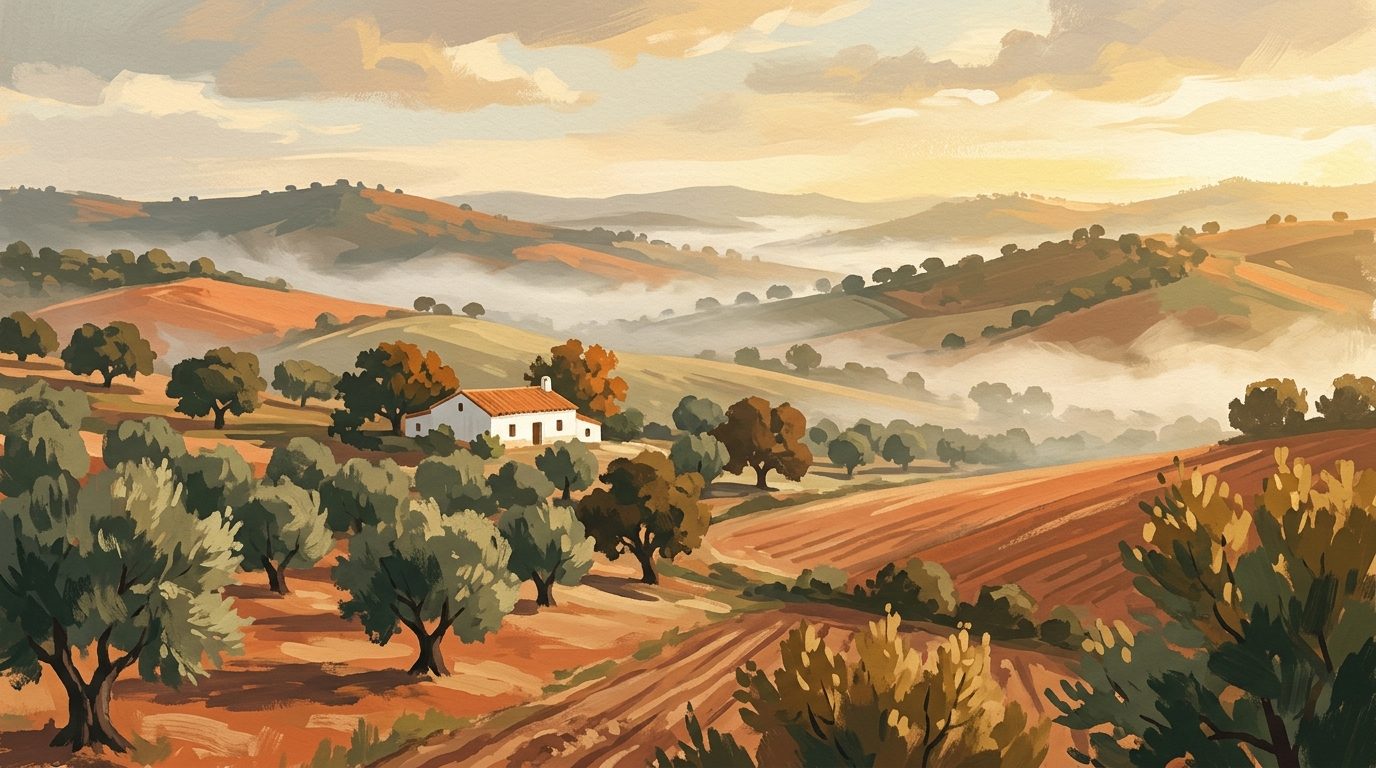
November in Andalucía is a month of quiet rewards. It lacks the flamboyant celebrations of spring and the high energy of summer, but it offers an intimate look at the region’s soul. Watching the mist rise over the Ronda gorge, or ducking into a Sevilla tavern to escape a sudden downpour, the experience is authentic and unhurried for tasting the first press of olive oil in a Jaén mill.For the traveller who values atmosphere and local tradition over a suntan, November is arguably the best time to visit.
Last reviewed: 21 June 2026 · Editorial policy
Related guides
Jaén in November: The Rhythm of the Olive Harvest
Experience the peak of the olive harvest in Jaén this November, from tasting electric-green fresh oils to exploring the quiet Renaissance streets of Úbeda and Baeza.
7 min read
Jaén in January: Olive Harvests and Renaissance Frost
Experience the world's olive capital at its most authentic. January in Jaén offers crisp mountain air, fresh 'aceite nuevo' oil, and the striking bonfires of San Antón.
6 min read
A Guide to Visiting Andalucía in December
Experience the contrast of snow-capped mountains and sun-drenched coasts. December in Andalucía offers traditional festivals, world-class light displays, and a quiet charm before the holiday rush.
6 min read
Money and Costs in Andalucía: A Practical Guide
A practical guide to money, daily costs, and banking in Andalucía. Discover typical prices for meals and transport, plus expert tips on avoiding ATM fees and navigating local banks.
9 min read
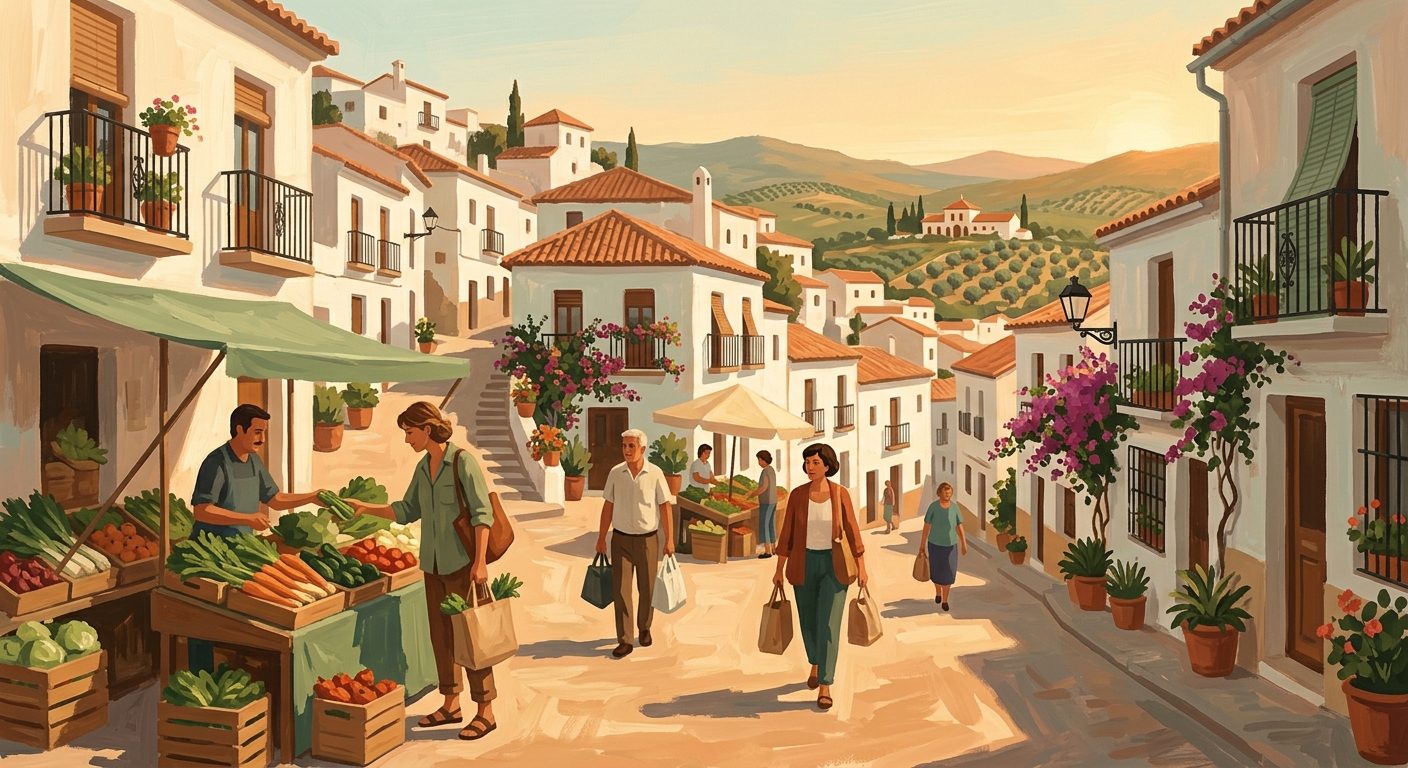
A Practical Guide to Supermarkets and Food Shopping in Andalucía
A practical guide to food shopping in Andalucía: comparing supermarket chains, navigating municipal markets, understanding Sunday trading laws, and mastering local counter etiquette.
8 min read
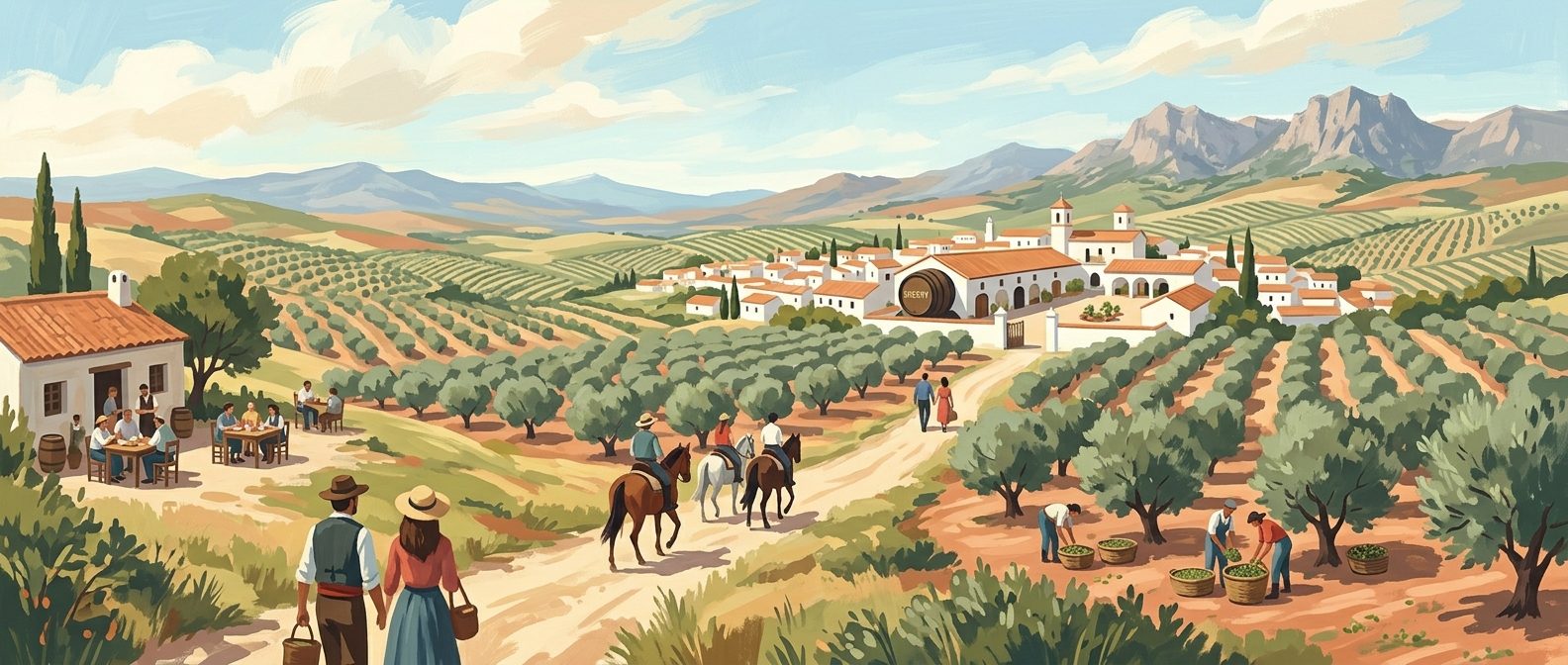
A Gastronomic Guide to Andalucía: From Sherry Bodegas to Olive Groves
Discover the authentic flavours of Southern Spain, from the sherry bodegas of Jerez to the ancient olive groves of Jaén and the world-renowned ham of Jabugo.
6 min read
More guides
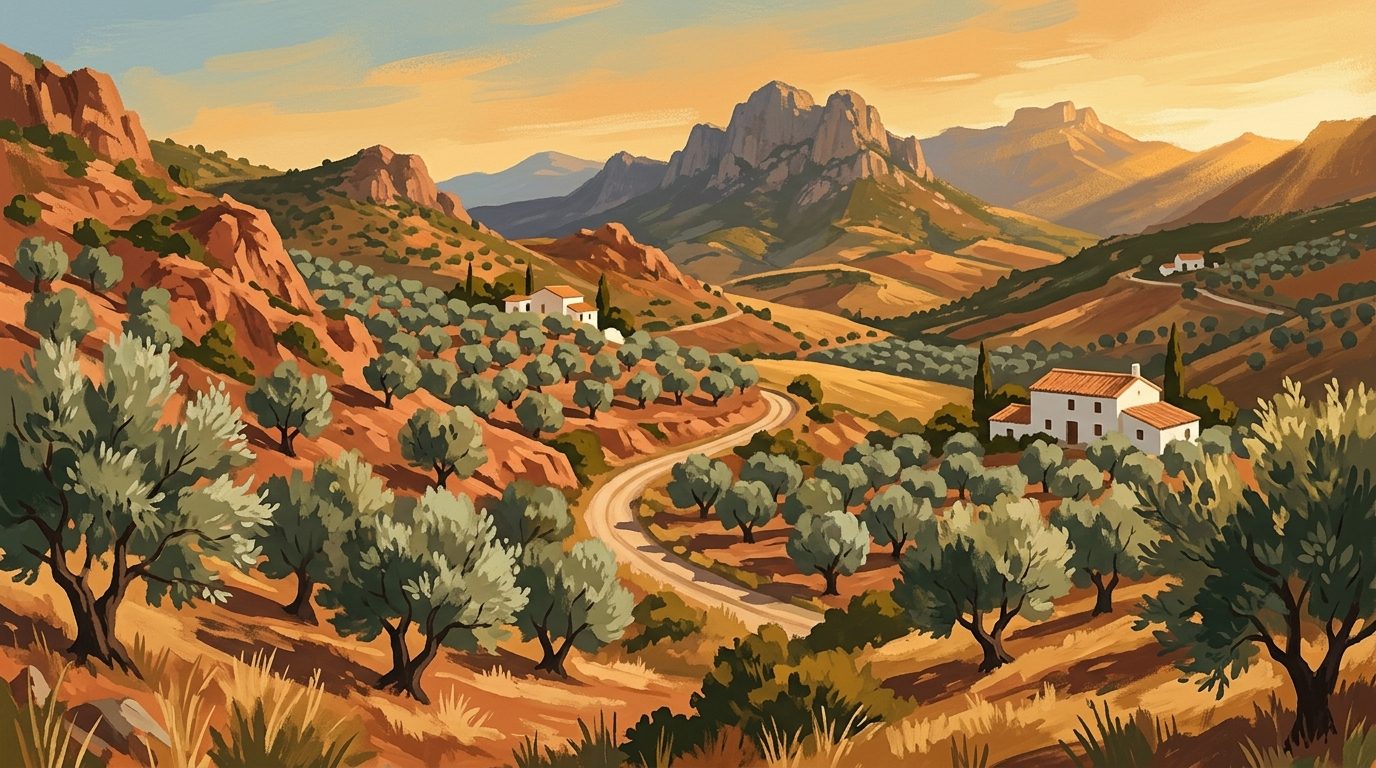
September in Jaén: Golden Light and the Call of the Wild
Experience the cooling temperatures and the dramatic start of the deer rut in Jaén this September. Discover the golden light of Úbeda and Baeza as the province transitions from the heat of summer to the clarity of autumn.
7 min read
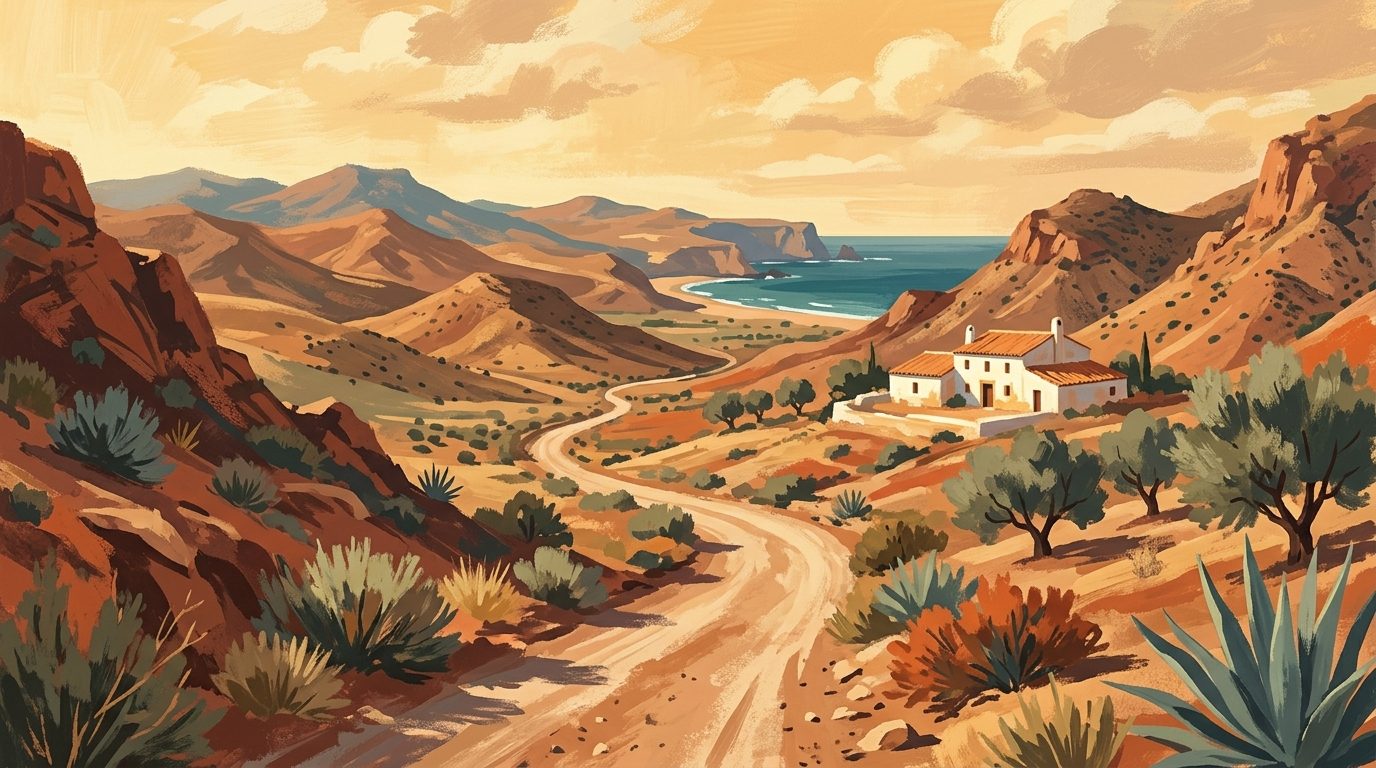
Almería in October: Desert Hikes and Coastal Solitude
October in Almería brings a soft, golden light and a gentle 23°C warmth, making it the perfect month for desert hiking, birdwatching, and enjoying the secluded beaches of Cabo de Gata.
6 min read
Almería in August: Desert Heat and Coastal Cool
August in Almería is defined by the stark beauty of the desert and the refreshing sanctuary of the Mediterranean coast. It is a month for slow movements, late nights, and embracing the true spirit of the Spanish summer.
6 min read
Almería in June: Coastal Clarity and Desert Life
Experience the Mediterranean at its most transparent and the Tabernas desert before the peak summer heat takes hold.
6 min read
Huelva in July: Atlantic Breezes and Endless Sands
Experience the vast Atlantic beaches and fresh seafood of Huelva in July, where cool sea breezes provide a welcome escape from the Andalucían summer heat.
6 min read
Huelva in September: Warm Atlantic Waters and the Harvest Moon
September in Huelva marks a gentle transition where the intense Atlantic summer heat softens into a golden warmth, leaving the wide beaches to those who value quietude.
6 min read
Almería in January: Desert Solitude and Winter Sun
January in Almería offers the sunniest winter skies in Europe, with crisp desert air, empty volcanic beaches, and the lowest prices of the year.
7 min read
Huelva in August: Atlantic Breezes and the High Summer Rhythm
Experience the authentic Spanish summer in Huelva this August. From the cooling Atlantic breezes of Islantilla to the festive nights of the Colombinas, discover a province in its peak season.
6 min read
Huelva in March: Wildflowers, Wetlands, and Quiet Hills
March in Huelva signals a quiet awakening where the Atlantic breeze meets the scent of budding rockrose in the northern hills. It is a time of soft light and solitude before the summer heat settles over the western edge of Andalucía.
6 min read
Newsletter
More stories from Andalucía
Weekly notes, seasonal picks, and the next guides worth bookmarking.