Seasonal guide
A Guide to Visiting Andalucía in January
Experience the quiet side of Southern Spain with crisp mountain air, snowy peaks in the Sierra Nevada, and crowd-free monuments during the mildest winter in Europe.
By Dan · Updated 7 June 2026 · 7 min read
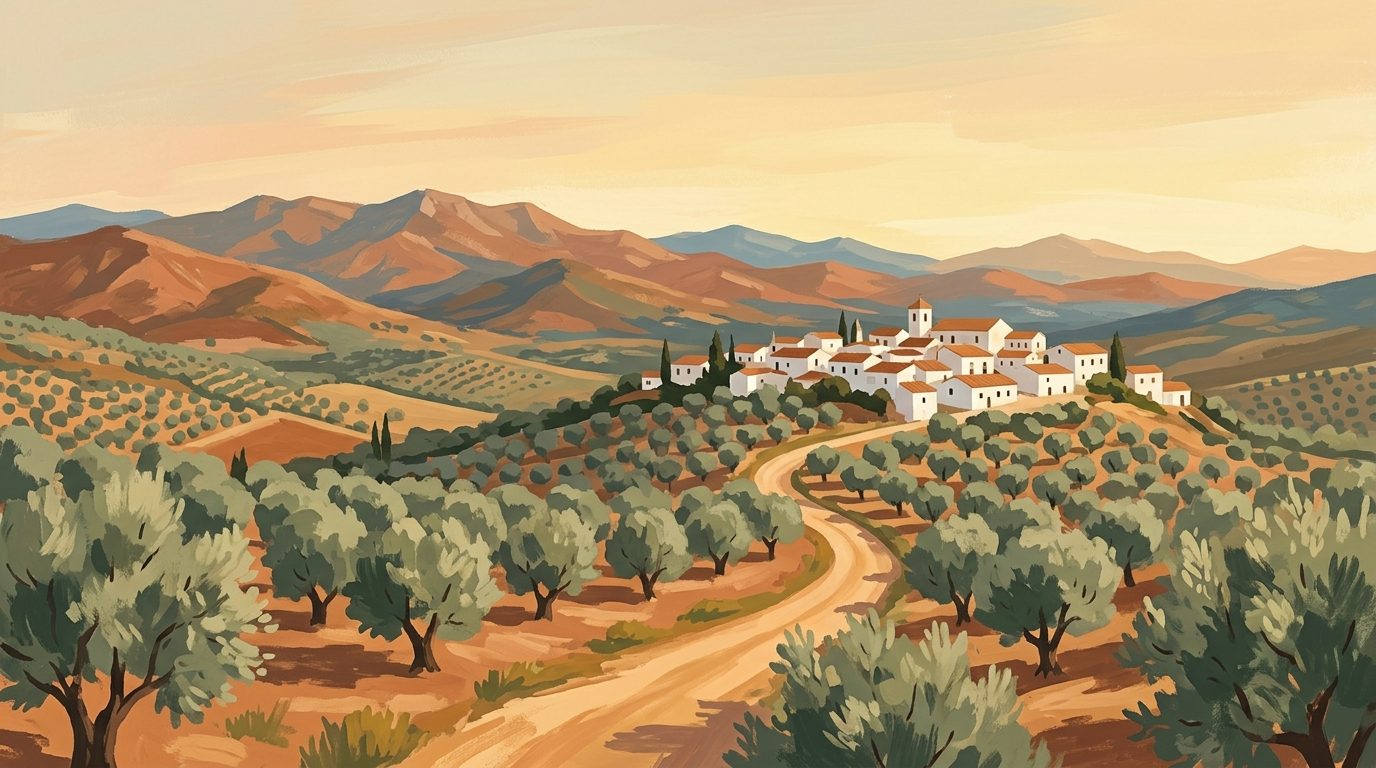
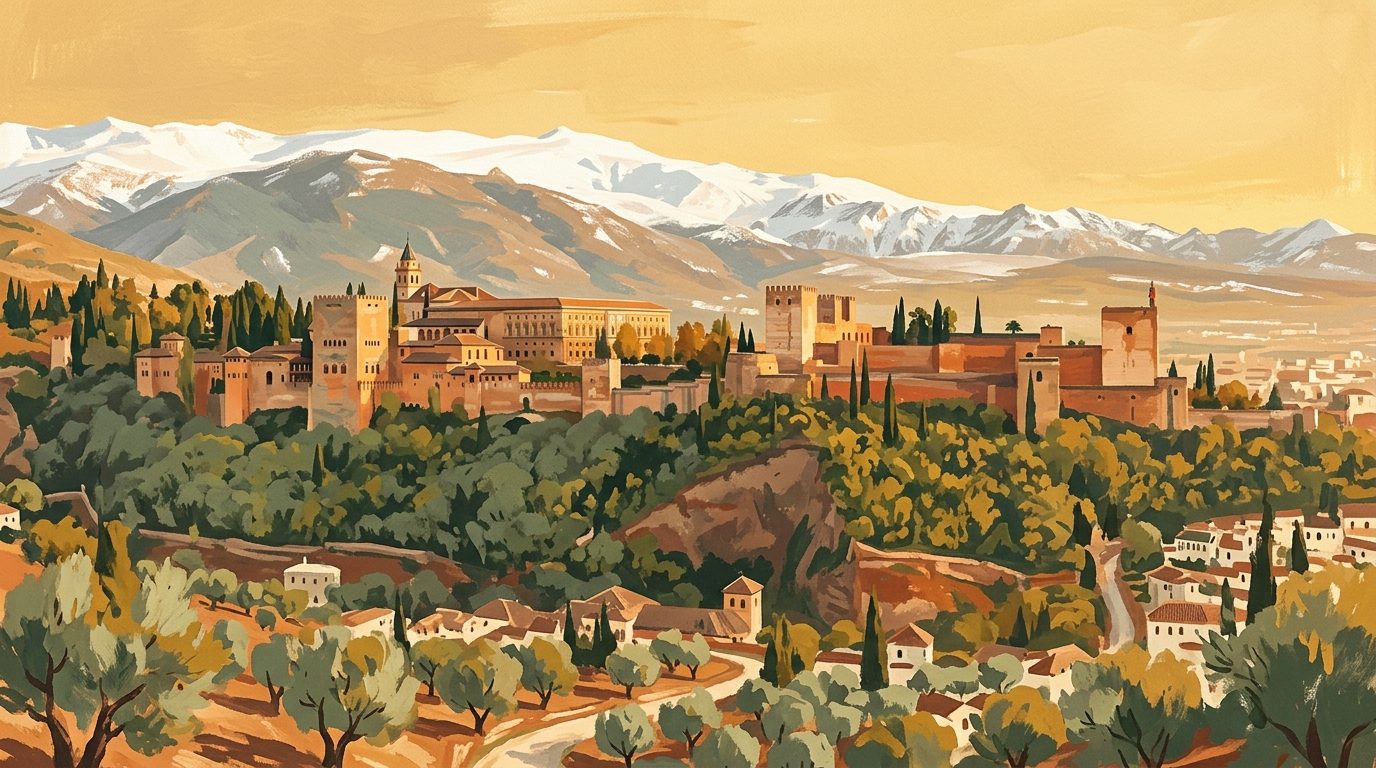
Clear skies and crisp mountain air define January in Andalucía, offering a sharp clarity to the landscapes that summer haze often obscures. While the coastal areas enjoy mild sunshine, the Sierra Nevada peaks provide a stark, snowy backdrop to the cultural heartlands of the interior.
January in Andalucía is a period of transition and quietude. The month begins with the high energy of the Christmas season, culminating in the festivities of early January, before settling into a deep, peaceful winter rhythm. For many, this is the most authentic time to visit the region. The air is cool and clean, the intense heat of the southern sun is replaced by a gentle warmth, and the crowds that descend upon the major cities in spring and summer are nowhere to be found.
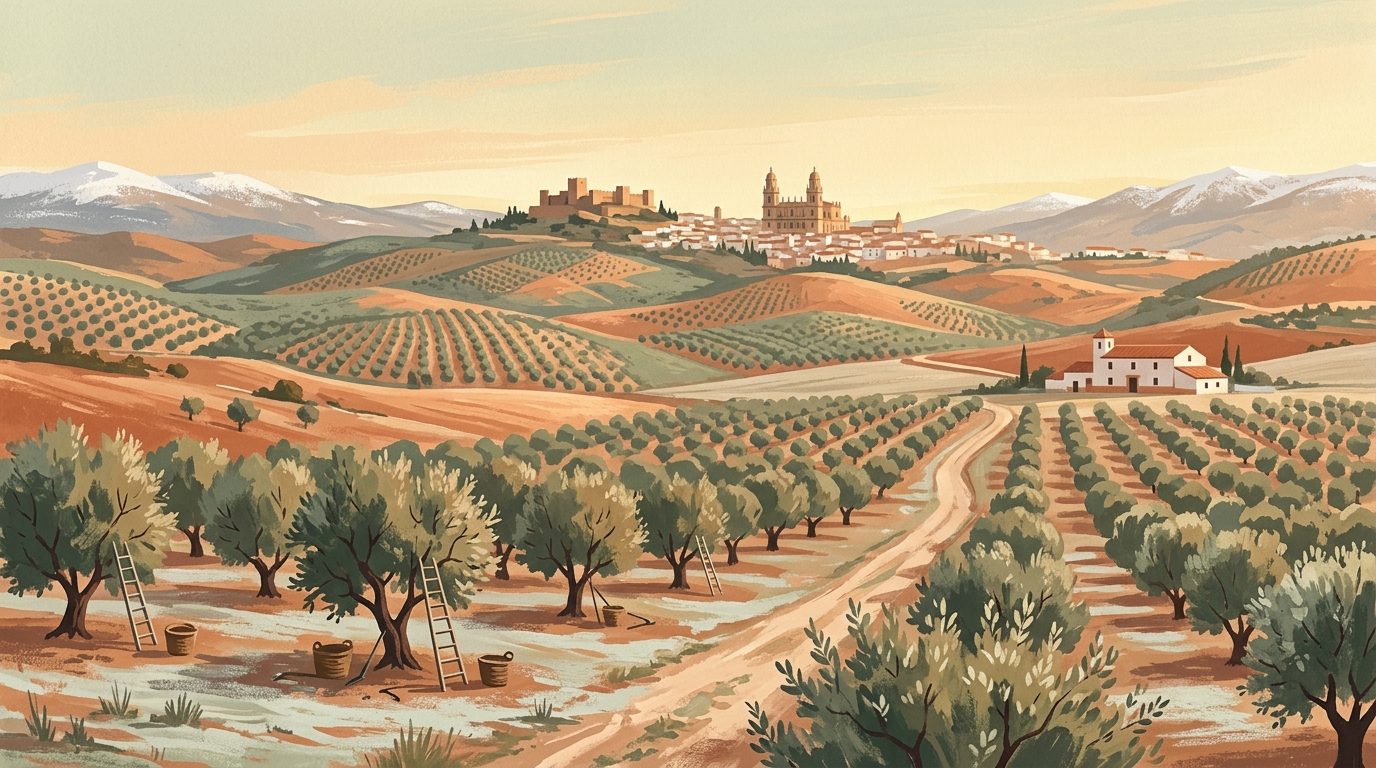
While northern Europe endures grey skies and biting winds, Andalucía often enjoys brilliant blue ceilings. The light in January is particularly striking; it is low and golden, casting long shadows across the olive groves of Jaén and the white-washed walls of the Pueblos Blancos. It is a month of woodsmoke in the mountains, orange trees heavy with fruit in the city squares, and the opportunity to see the region’s most famous monuments without the pressure of thousands of other tourists.
Weather: A Region of Microclimates
Understanding the weather in January requires a distinction between the coast, the inland valleys, and the mountain ranges. Andalucía is a large territory, and conditions vary significantly depending on your elevation and proximity to the Mediterranean or Atlantic.
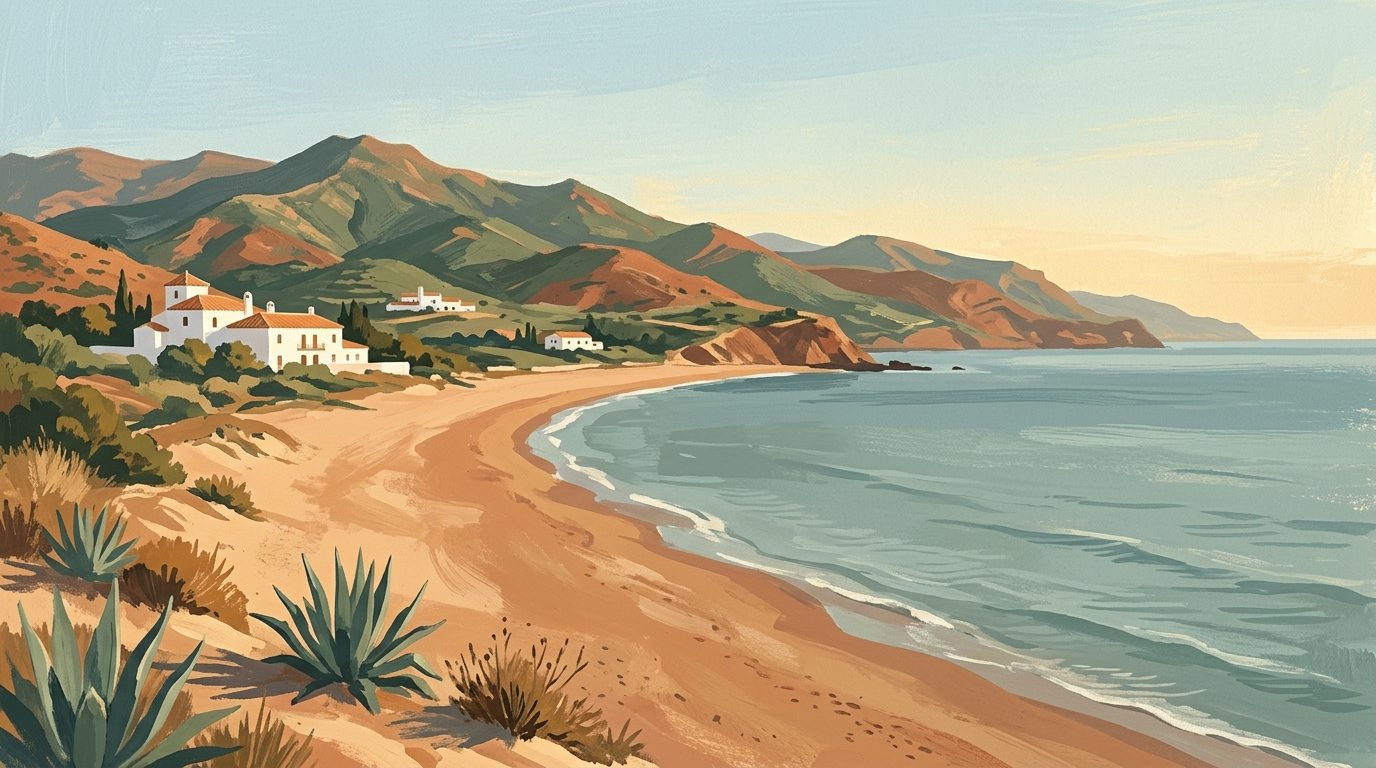
The Coastal Strip (Costa del Sol, Costa de la Luz, Almería): Temperatures here are some of the mildest in mainland Europe. During the day, the mercury typically reaches between 16°C and 18°C. In sheltered spots, it can feel warm enough for a t-shirt. Evenings are cooler, dropping to around 8°C or 10°C. Rainfall is possible but usually comes in short, heavy bursts rather than prolonged drizzle.
Inland Cities (Sevilla, Córdoba, Jerez): These areas experience more significant temperature swings. Daytime highs often hover around 15°C under sunny skies, but once the sun sets, the temperature can drop rapidly to 4°C or 5°C. Morning frost is not uncommon in the countryside surrounding the cities. The air is often still, though the Guadalquivir valley can occasionally trap low-lying mist in the early hours.
The Mountains and Granada: Granada city sits at the foot of the Sierra Nevada and is notably colder. Expect daytime temperatures of 10°C to 12°C, falling to 0°C or below at night. In the Sierra Nevada itself, January is prime winter sports season with sub-zero temperatures and significant snow cover. If you are visiting the Alpujarras or the Sierra de Grazalema, expect chilly, damp conditions interspersed with crisp, bright days.
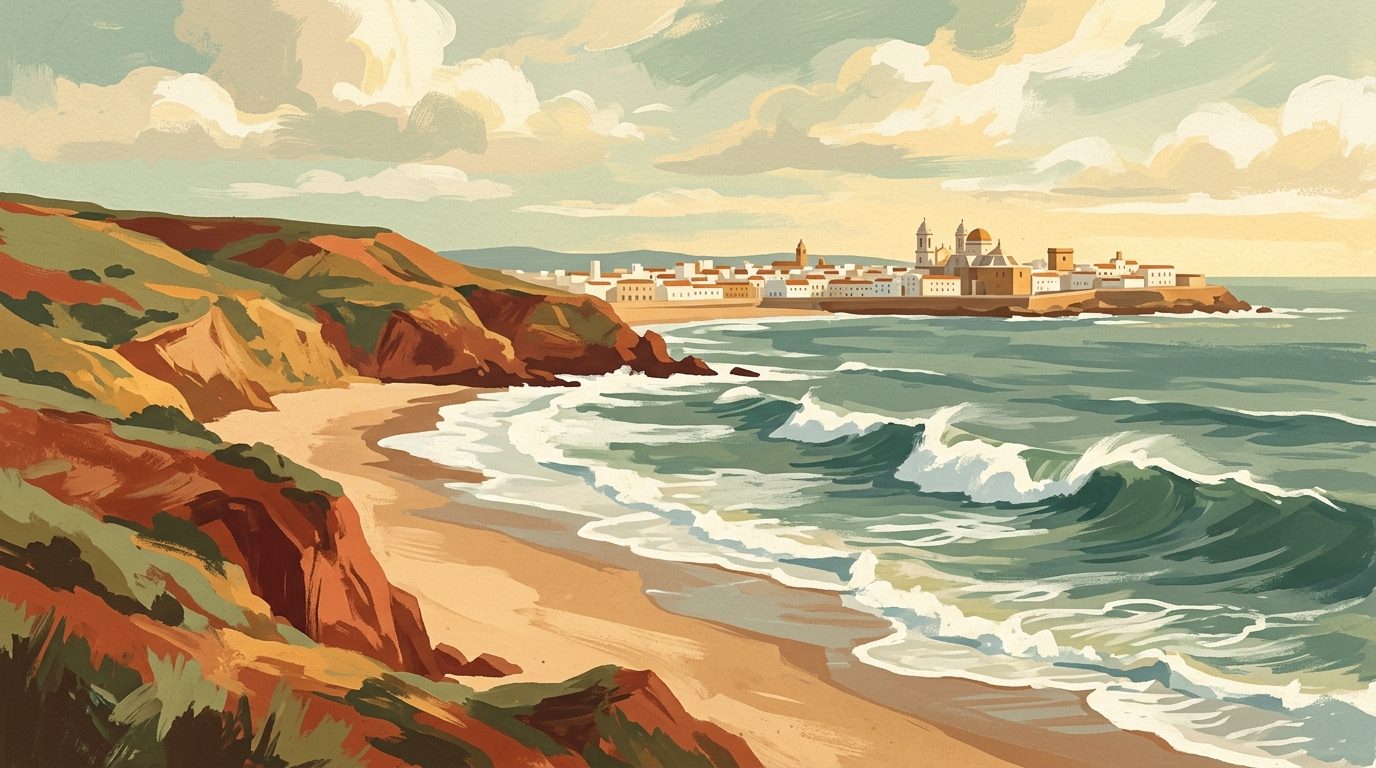
What to pack: Layers are essential. You will need a medium-weight coat for the evenings and early mornings, but you may find yourself carrying it by midday. A scarf and sunglasses are equally important, as the winter sun is surprisingly strong. Waterproofs are advisable for those planning to hike in the western provinces like Huelva or Cádiz, which receive more Atlantic rainfall.
Events & Festivals
The first week of January is dominated by the end of the Christmas cycle, known in Spain as Navidad. It is a family-oriented time with several specific traditions.
Día de la Toma (2 January): Specifically in Granada, this day commemorates the city's capture by the Catholic Monarchs in 1492. It is a day of civic ceremony, processions, and traditionalist displays at the Plaza del Ayuntamiento, though it can be a subject of local political debate.
Cabalgata de los Reyes Magos (5 January): This is the highlight of the month for Spanish families. On the evening of 5 January, every town and city hosts the Three Kings Parade. Elaborate floats travel through the streets, and the Kings (Melchior, Caspar, and Balthazar) throw tonnes of sweets to the crowds. The atmosphere is joyful and chaotic. The largest parades are in Sevilla and Málaga, but the smaller mountain village versions offer a more intimate experience.
Epifanía (6 January): Known as Epiphany or Three Kings Day, this is traditionally when Spanish children receive their Christmas presents. It is a quiet public holiday. Families gather to eat Roscón de Reyes, a circular cake decorated with candied fruit containing a hidden figurine and a bean.
Las Lumbres de San Antón (16 to 17 January): In the province of Jaén, particularly in the city of Jaén and surrounding towns like Martos, large bonfires are lit to celebrate Saint Anthony the Abbot. Residents gather around the fires to sing melenchones (traditional folk songs), dance, and roast sausages and sardines. It is a gritty, traditional festival that feels worlds away from the tourist trail.
What to Do in January
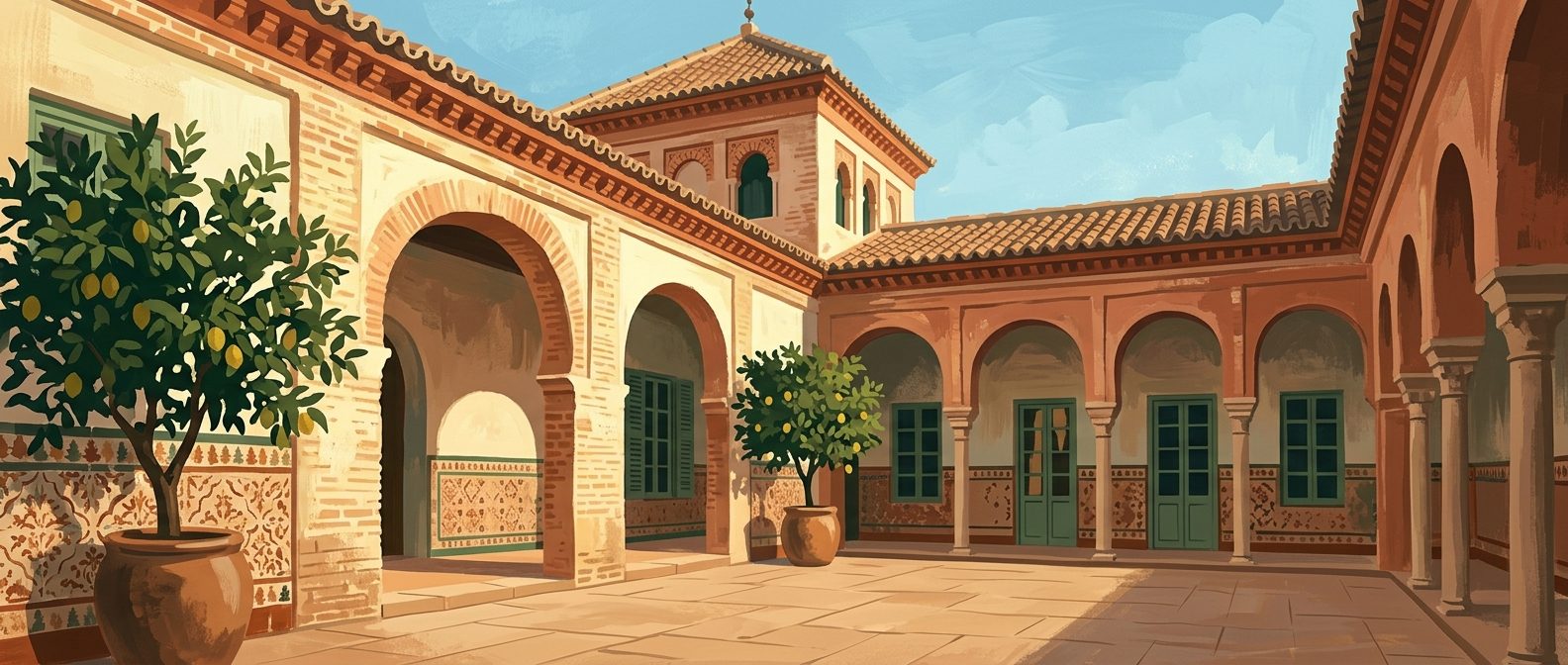
The Alhambra in Solitude: Visiting the Alhambra in Granada is a different experience in January. The summer queues are gone, and the Generalife gardens, though less floral, have a structural beauty in the winter light. It is one of the few months where you can find a moment of silence in the Nasrid Palaces. Ensure you book tickets via the official Patronato de la Alhambra website at least a few weeks in advance, even in low season.
Skiing the Sierra Nevada: This is the southernmost ski resort in Europe. You can feasibly ski in the morning and drive down to the coast for a late afternoon walk on the beach. January offers the most reliable snow conditions for the resort's 100km of pistes. The views from the top of the Veleta peak, stretching across the Mediterranean to the Rif mountains of Morocco, are spectacular. You can check the official Cetursa website for current conditions and lift passes.
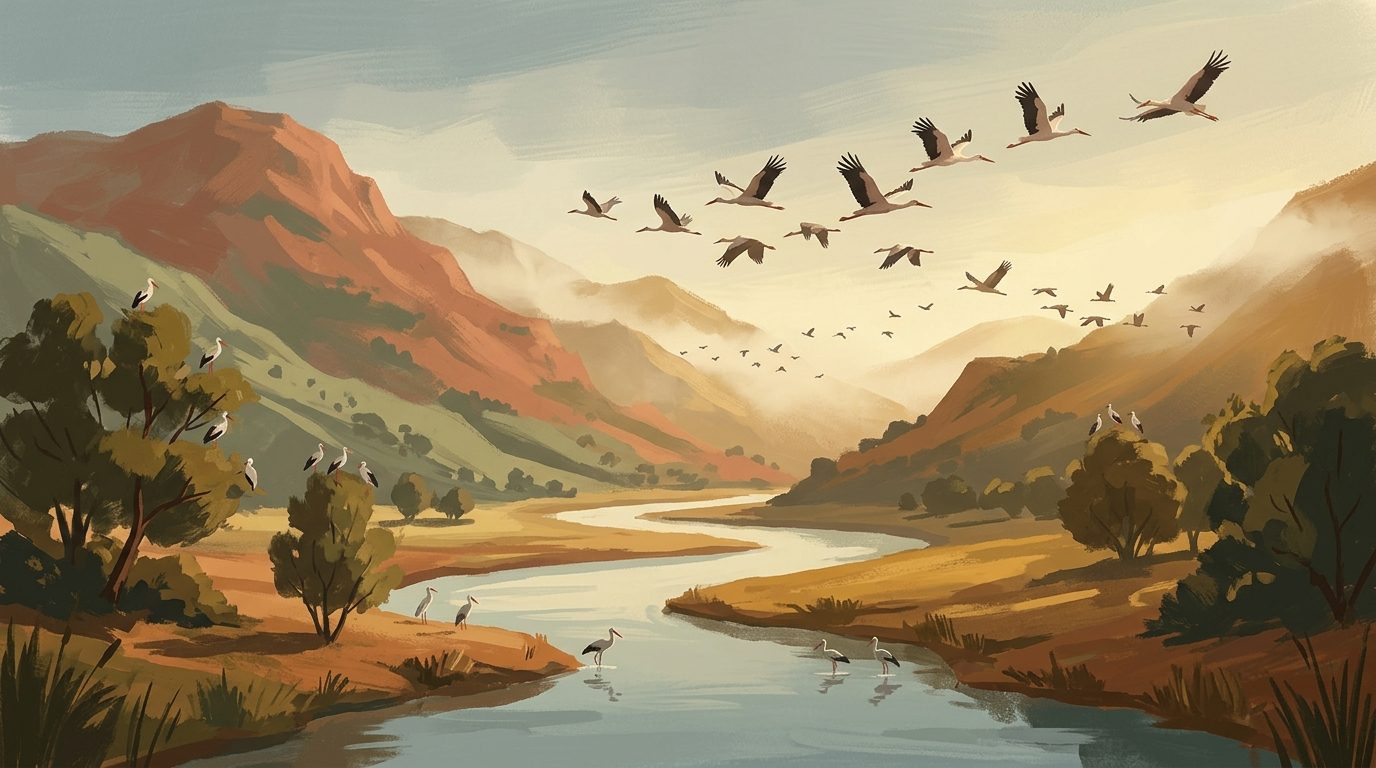
Birdwatching in Doñana: For nature lovers, January is an exceptional time to visit the Doñana National Park in Huelva. The marshes are full from autumn rains, and the park serves as a wintering ground for thousands of migratory birds, including geese and cranes. The cooler air also makes the elusive Iberian Lynx slightly more active during daylight hours.
The Sales (Rebajas): Starting on 7 January, the winter sales begin across all of Spain. Major cities like Sevilla and Málaga become hubs for shoppers looking for deep discounts on high-quality Spanish leather goods, fashion, and homeware. The main shopping thoroughfares, such as Calle Sierpes in Sevilla or Calle Larios in Málaga, remain lively throughout the month.
Hiking in the Sierra de Grazalema: This area is often too hot for serious hiking in the summer. In January, the air is perfect for the steep ascent to the Peñón Grande or the walk through the Pinsapar (Spanish Fir forest). The landscape is lush and green, fed by the winter rains that make this the wettest region in Spain.
Who Should Visit
- Budget Travellers: January is the cheapest month for accommodation and flights. Many four-star hotels in coastal resorts or city centres offer rates at a fraction of their peak-season prices.
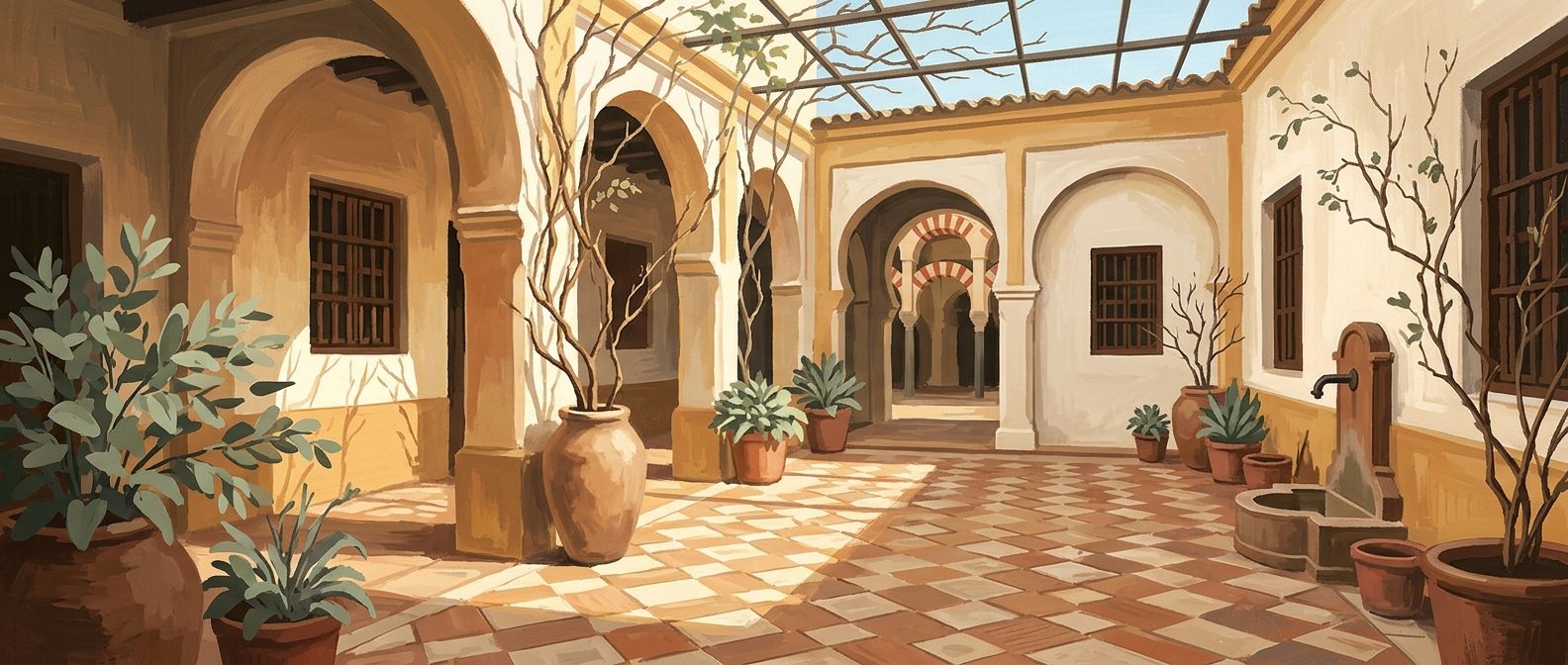
- Culture Lovers: Those who want to see the Cathedral of Sevilla, the Mezquita of Córdoba, or the museums of Málaga without the crowds will find January ideal.
- Hikers and Walkers: The moderate daytime temperatures are perfect for long-distance trails like the Gran Senda de Málaga.
- Winter Sports Enthusiasts: Skiers and snowboarders can take advantage of the Sierra Nevada’s unique location and high-altitude sunshine.
- Foodies: This is the season for heavy, traditional stews (potajes) and the finest jamón ibérico, as the acorn-fed pigs are traditionally slaughtered in winter.
Practical Notes
Crowds: Aside from the 5 January parades, January is exceptionally quiet. You will rarely need to book restaurants in advance, and the pace of life in the cities slows down significantly. However, be aware that some smaller hotels or seasonal restaurants in coastal resorts (such as Nerja or Marbella) may close for the month for renovations.
Prices: Expect significant savings. Car hire rates are at their lowest, and boutique hotels in the city centres often have excellent availability. It is a prime month for luxury travel on a mid-range budget.
Daylight: While the days are short by Spanish standards, you still get roughly 10 hours of daylight. The sun sets around 6:15 PM, which is significantly later than in northern Europe, allowing for plenty of evening exploration.
Monthly Verdict
January is the thinking traveller’s month in Andalucía. It rewards those who prefer a quiet corner of a café and a clear view of a monument over the heat of the beach. While you will need a coat and you won't be swimming in the sea, the clarity of the air, the lack of queues, and the stark beauty of the snow-capped mountains against the green valleys make it a compelling time to explore the south of Spain. It is a month for long walks, slow meals, and appreciating the architectural bones of the region.
Last reviewed: 21 June 2026 · Editorial policy
Related guides
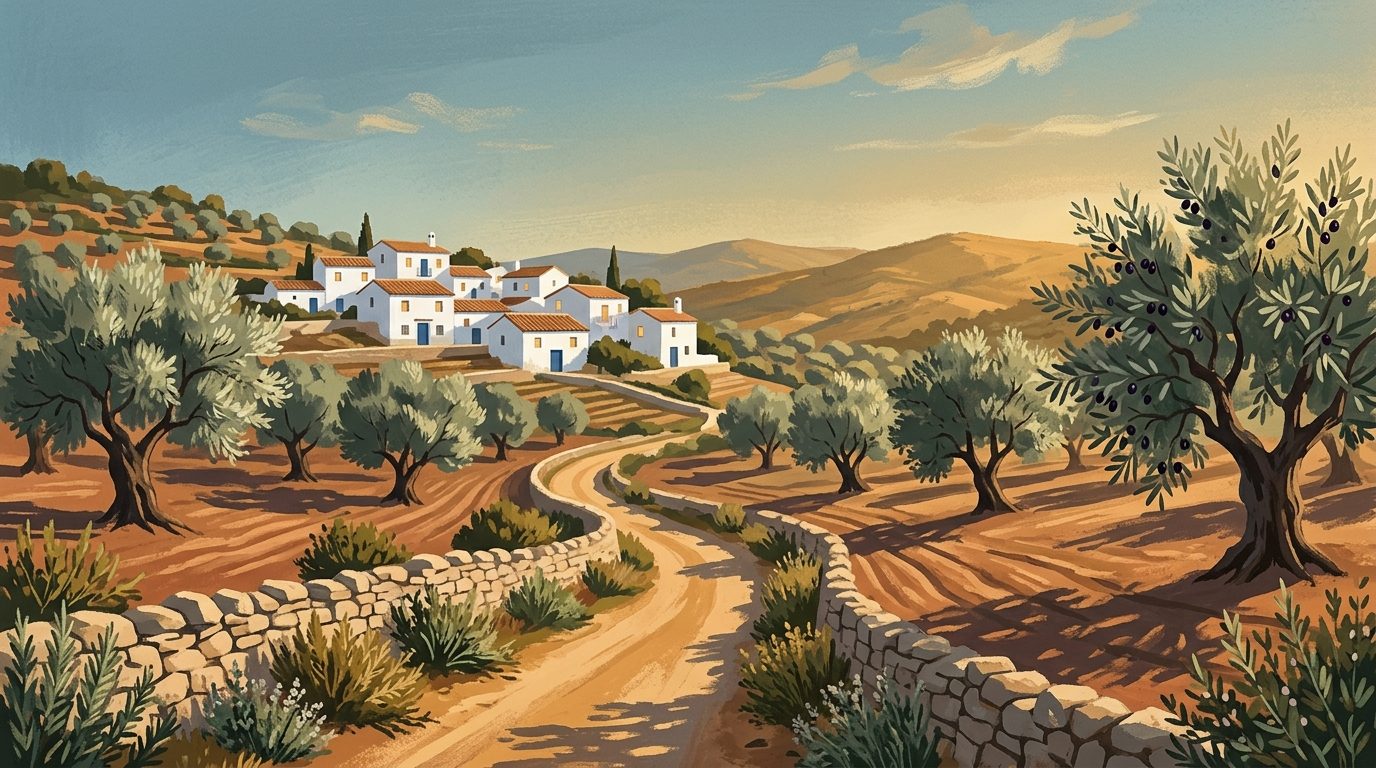
A Guide to Visiting Andalucía in December
Experience the contrast of snow-capped mountains and sun-drenched coasts. December in Andalucía offers traditional festivals, world-class light displays, and a quiet charm before the holiday rush.
6 min read
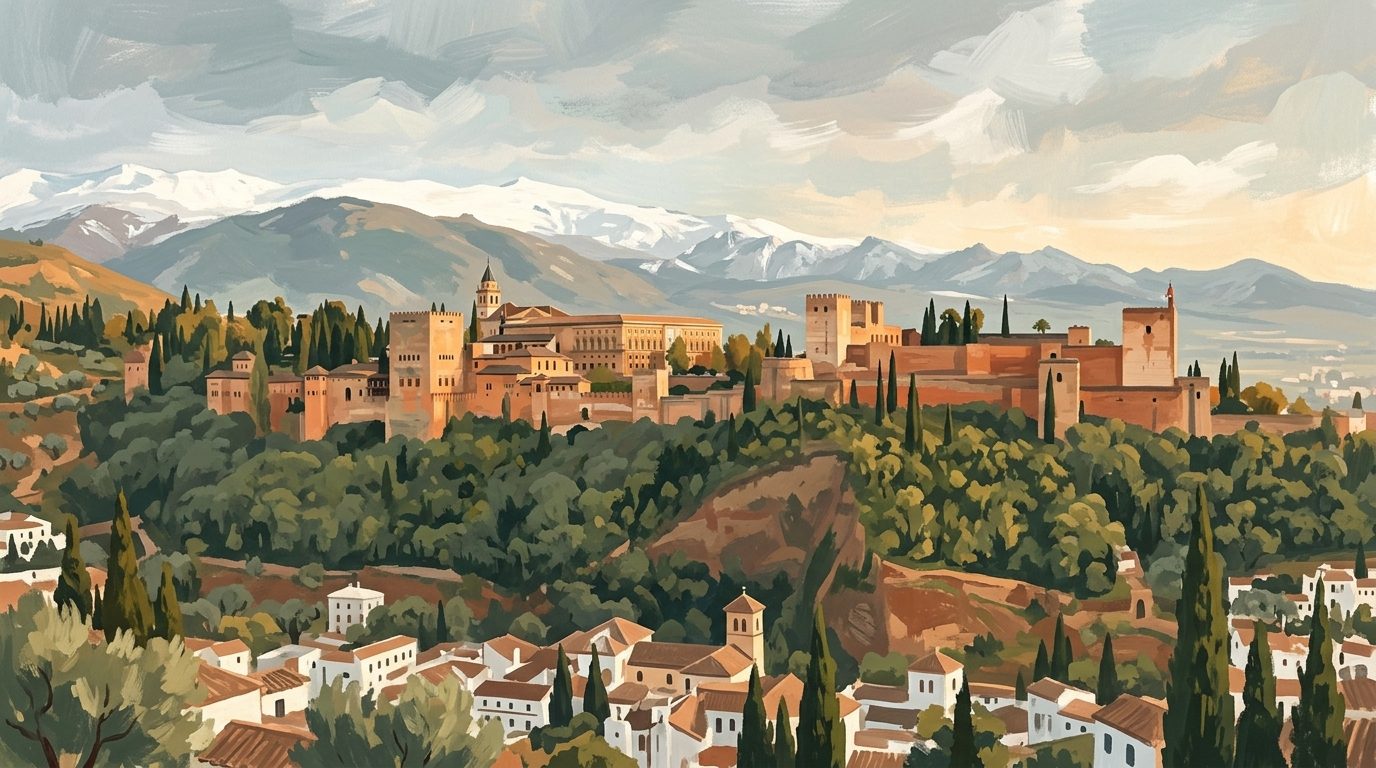
Granada in December
December in Granada province offers a sharp transition from the temperate autumn to a crisp winter, defined by snow-capped peaks and festive traditions.
6 min read
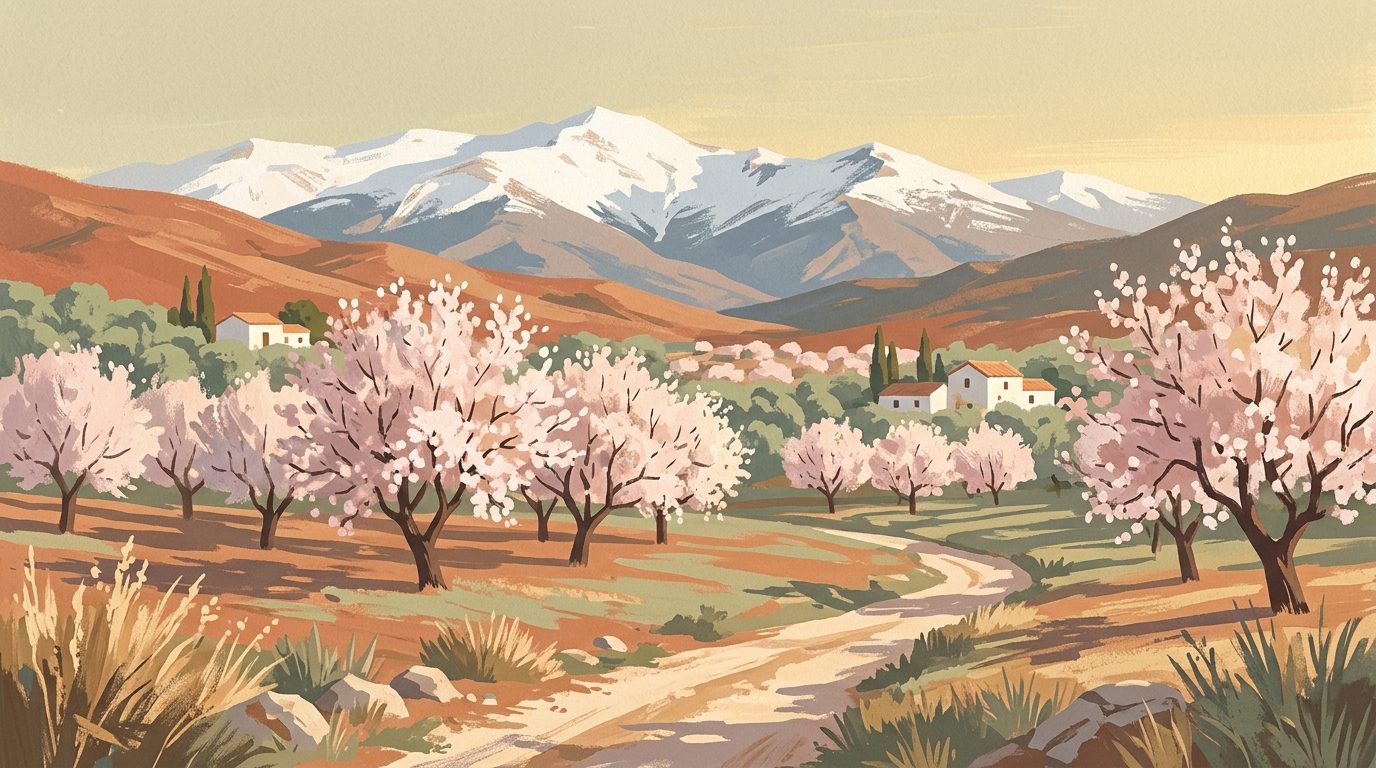
Granada in February: Almond Blossom and Alpine Peaks
February brings a sharp clarity to Granada, where snow-dusted peaks overlook valleys filled with delicate almond blossom.
6 min read
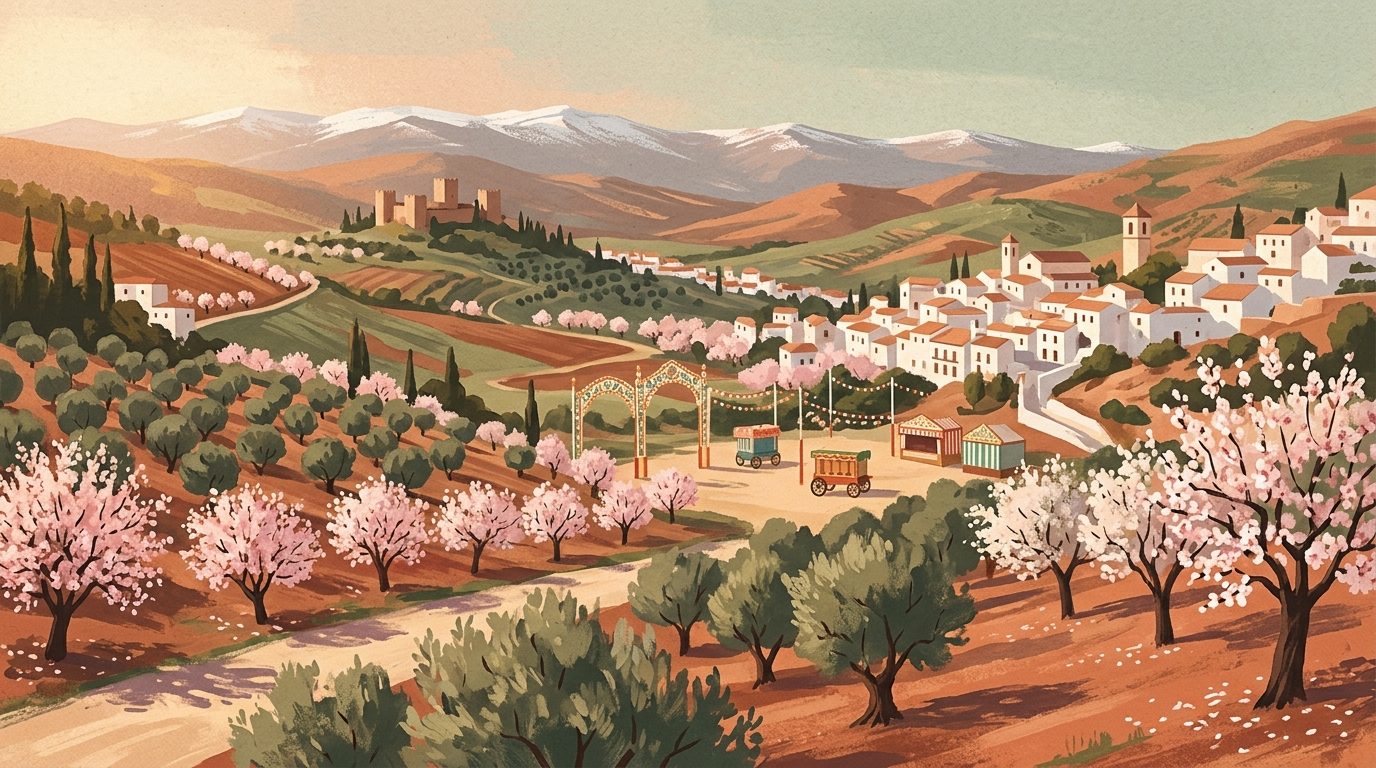
Andalucía in February: Blossoms, Carnival, and Crisp Winter Sun
February in Andalucía brings the stunning almond blossom season and the world-famous street parties of the Cádiz Carnival, all under a mild winter sun.
6 min read
Best Time to Visit Andalucía
Deciding when to visit southern Spain dictates everything from the price of your cortado to whether you can comfortably hike the Sierra de Grazalema or face 45°C afternoons in Córdoba. This guide cuts through the averages to tell you exactly what each month feels like on the ground.
10 min read
Cádiz in February (Carnaval)
February transforms the oldest city in the West into a theatre of satire, where the Atlantic breeze carries the sound of copper whistles and witty choruses.
6 min read
More guides
September in Jaén: Golden Light and the Call of the Wild
Experience the cooling temperatures and the dramatic start of the deer rut in Jaén this September. Discover the golden light of Úbeda and Baeza as the province transitions from the heat of summer to the clarity of autumn.
7 min read
Almería in October: Desert Hikes and Coastal Solitude
October in Almería brings a soft, golden light and a gentle 23°C warmth, making it the perfect month for desert hiking, birdwatching, and enjoying the secluded beaches of Cabo de Gata.
6 min read
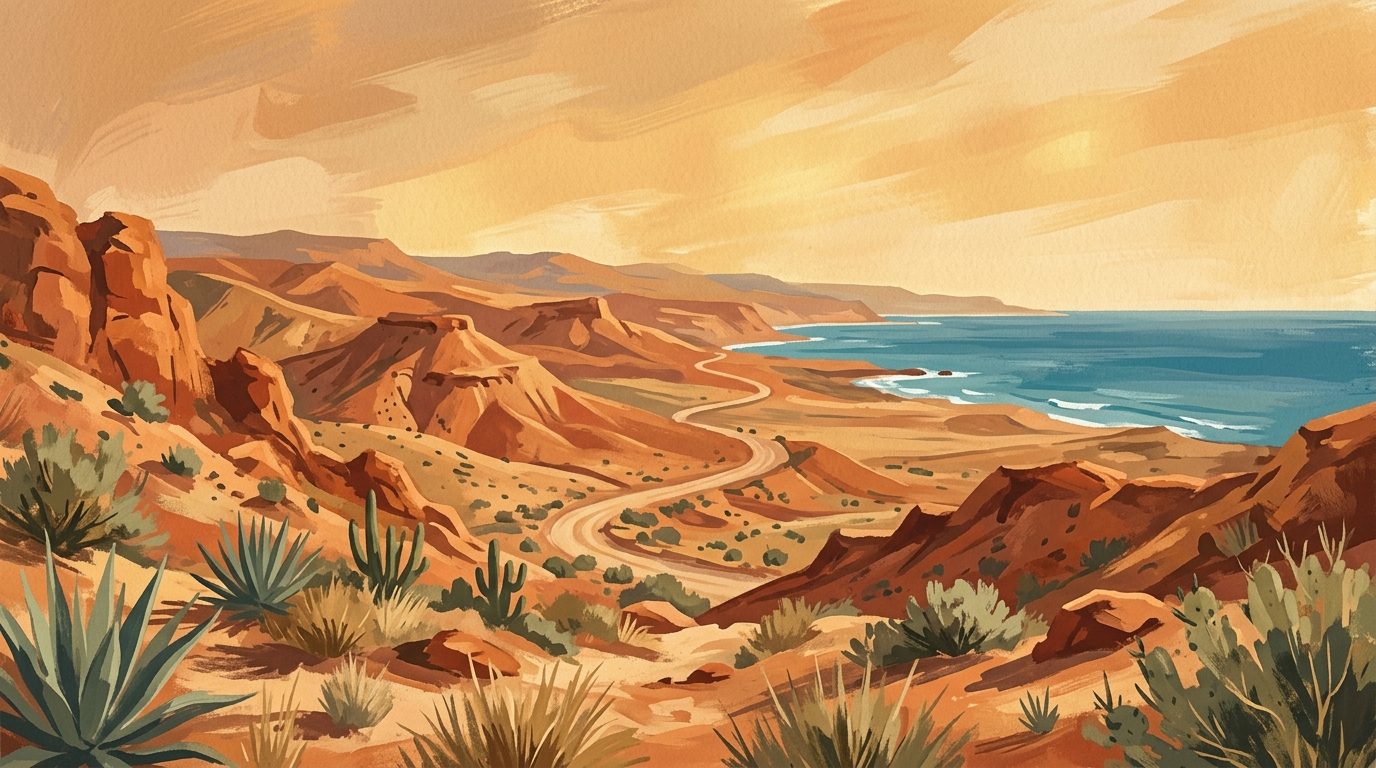
Almería in August: Desert Heat and Coastal Cool
August in Almería is defined by the stark beauty of the desert and the refreshing sanctuary of the Mediterranean coast. It is a month for slow movements, late nights, and embracing the true spirit of the Spanish summer.
6 min read
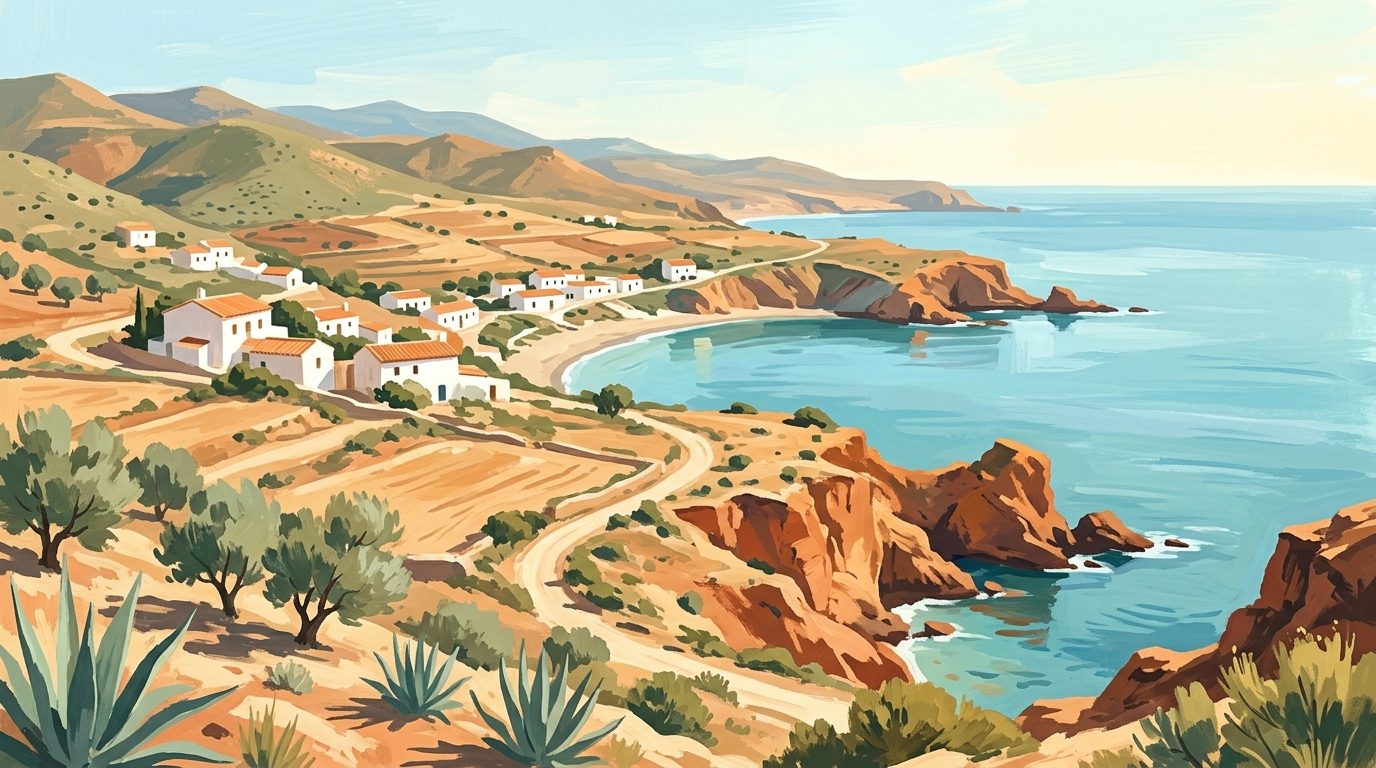
Almería in June: Coastal Clarity and Desert Life
Experience the Mediterranean at its most transparent and the Tabernas desert before the peak summer heat takes hold.
6 min read
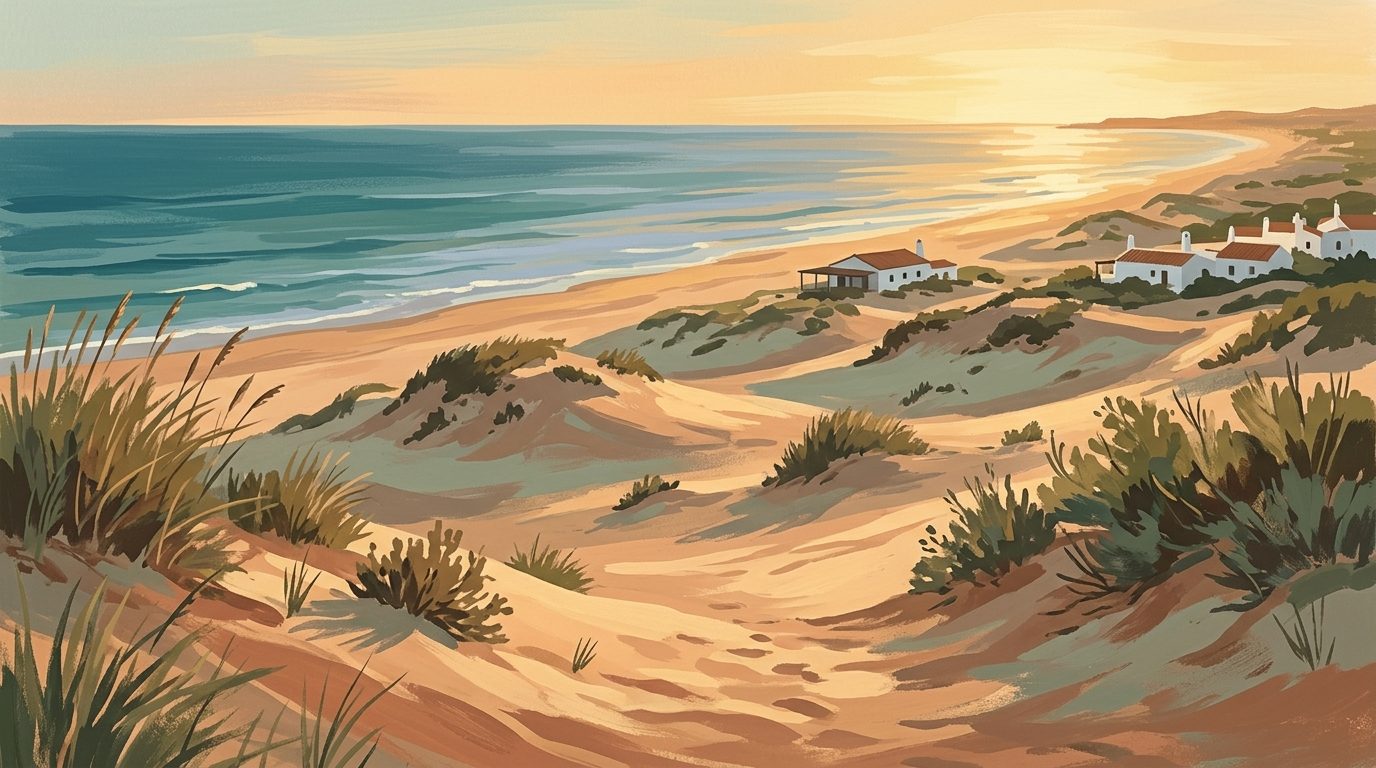
Huelva in July: Atlantic Breezes and Endless Sands
Experience the vast Atlantic beaches and fresh seafood of Huelva in July, where cool sea breezes provide a welcome escape from the Andalucían summer heat.
6 min read
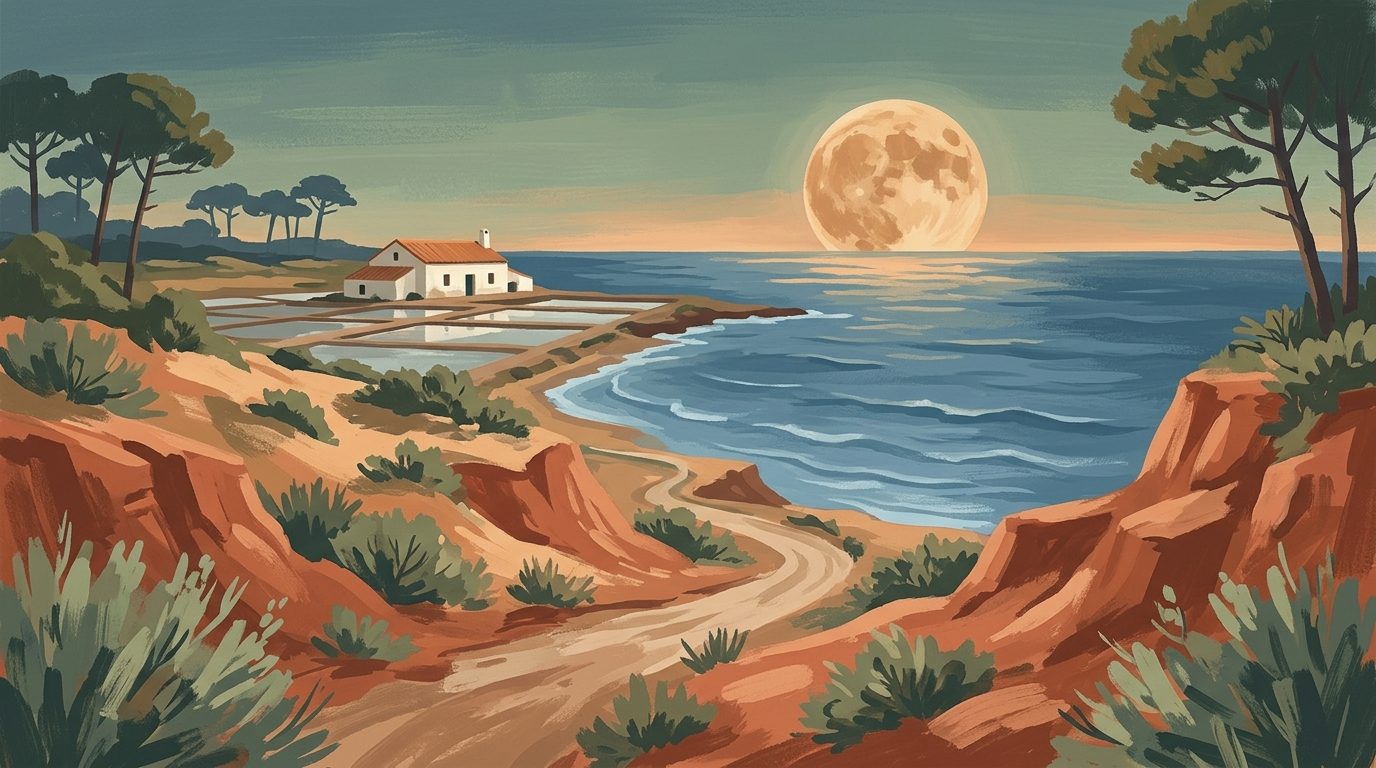
Huelva in September: Warm Atlantic Waters and the Harvest Moon
September in Huelva marks a gentle transition where the intense Atlantic summer heat softens into a golden warmth, leaving the wide beaches to those who value quietude.
6 min read
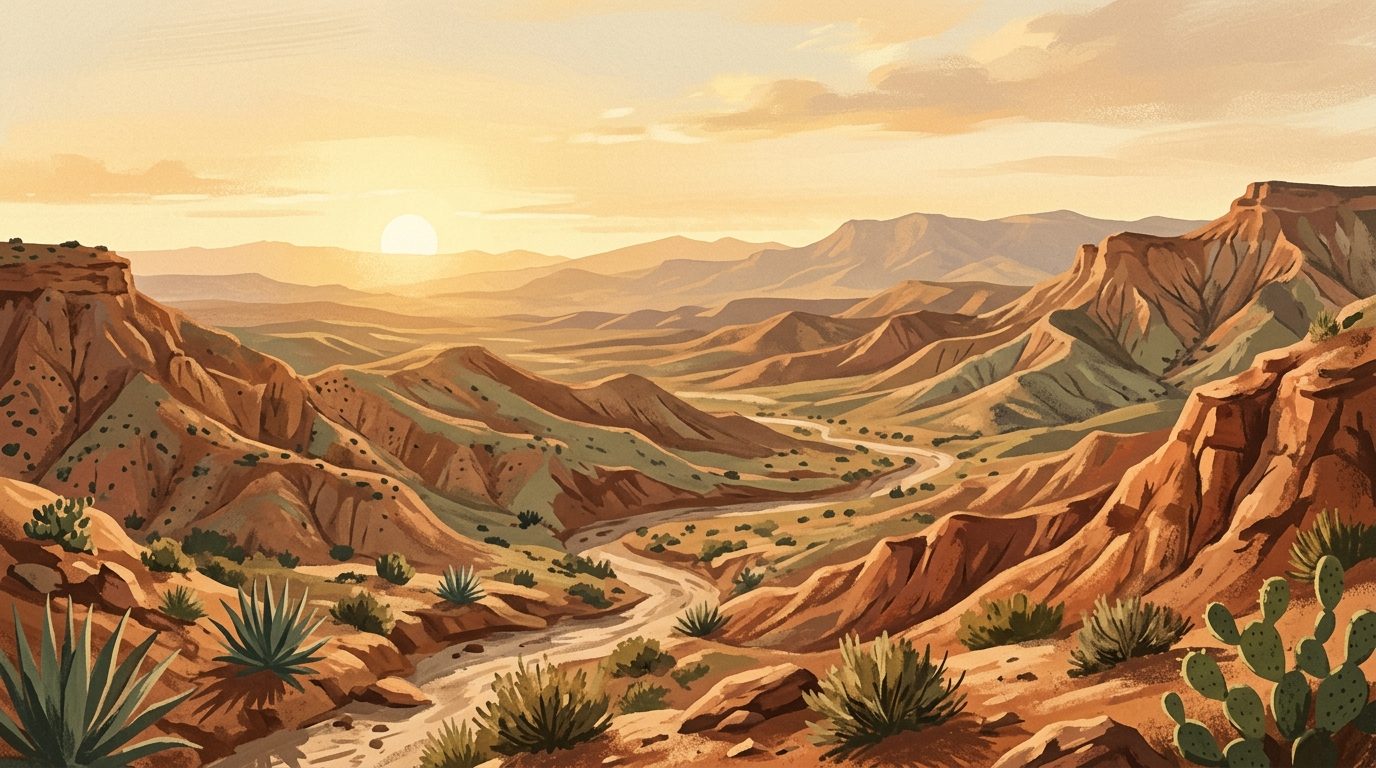
Almería in January: Desert Solitude and Winter Sun
January in Almería offers the sunniest winter skies in Europe, with crisp desert air, empty volcanic beaches, and the lowest prices of the year.
7 min read
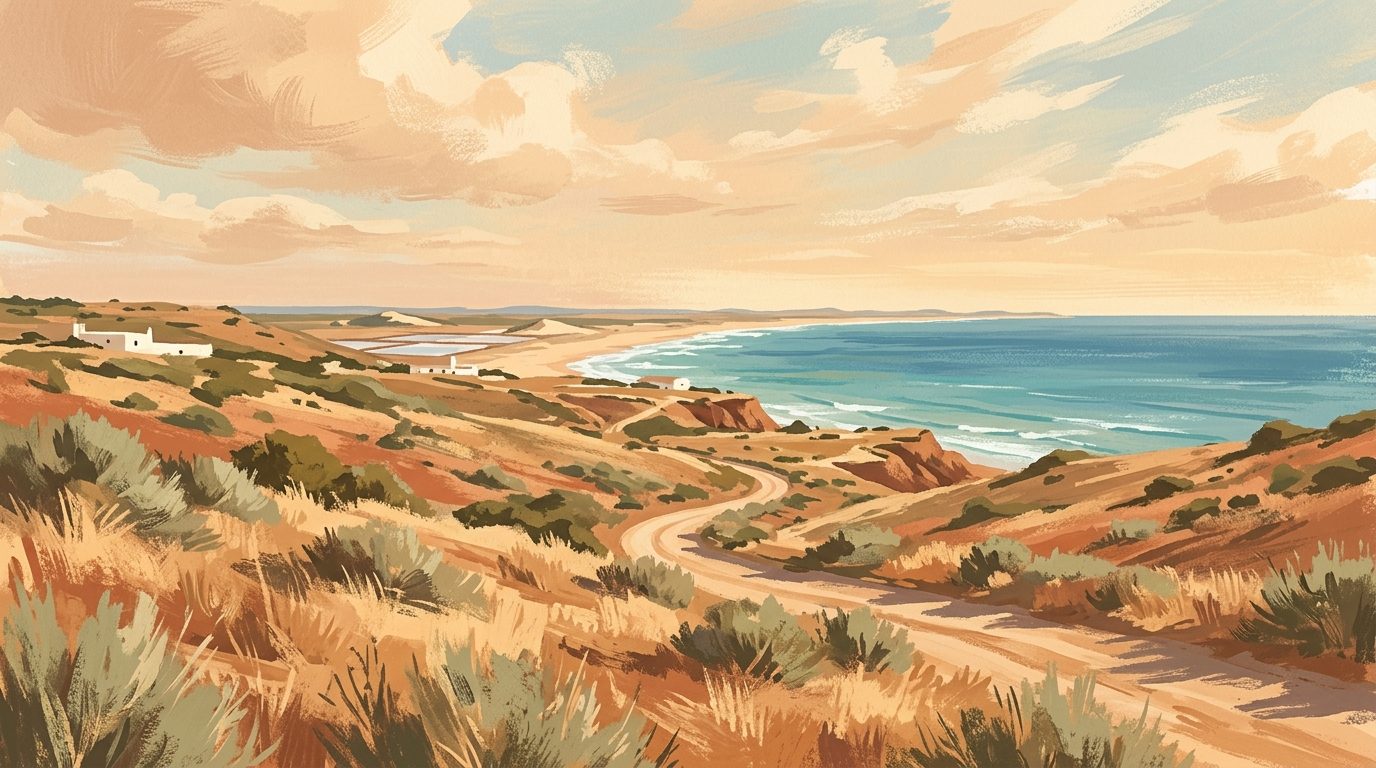
Huelva in August: Atlantic Breezes and the High Summer Rhythm
Experience the authentic Spanish summer in Huelva this August. From the cooling Atlantic breezes of Islantilla to the festive nights of the Colombinas, discover a province in its peak season.
6 min read
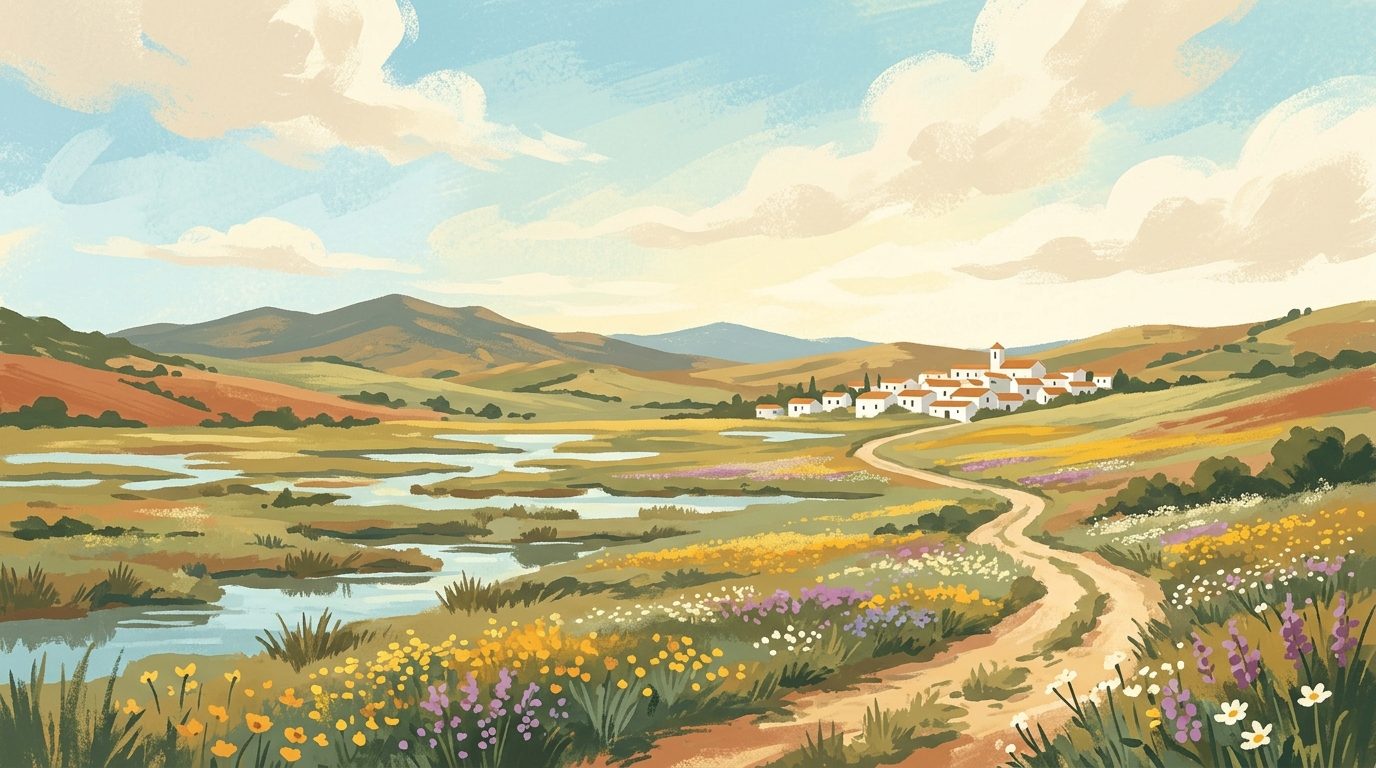
Huelva in March: Wildflowers, Wetlands, and Quiet Hills
March in Huelva signals a quiet awakening where the Atlantic breeze meets the scent of budding rockrose in the northern hills. It is a time of soft light and solitude before the summer heat settles over the western edge of Andalucía.
6 min read
Newsletter
More stories from Andalucía
Weekly notes, seasonal picks, and the next guides worth bookmarking.