
Place guide · Granada
Playa de Calahonda (Granada) Beach Guide
Playa de Calahonda in Granada offers deep, crystal-clear waters and a dramatic limestone cliff backdrop. This Blue Flag beach is a favourite for snorkelling and authentic Andalucían seafood.
By Dan · Updated 29 June 2026 · 7 min read
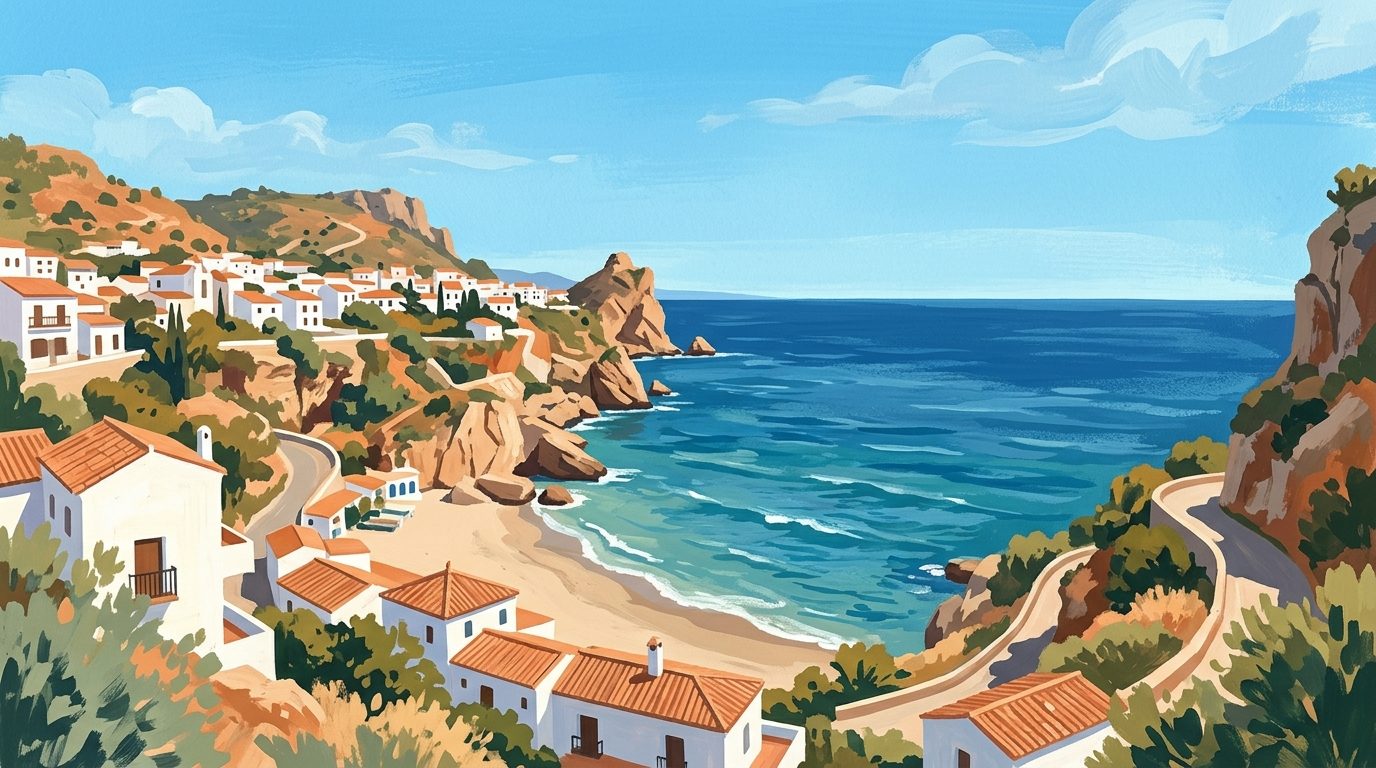
Playa de Calahonda is a deep blue expanse known for its exceptional water clarity and Blue Flag standards. This guide covers everything from the coarse sand texture to the best local chiringuitos on the Costa Tropical.
Introduction
Playa de Calahonda in the province of Granada is a standout destination on the Costa Tropical, distinctly different from its namesake in the province of Málaga. This beach is defined by its deep, crystal-clear waters and a dramatic backdrop of rugged limestone cliffs. It has long been a favourite for residents of Granada city, offering a cooler, saltier escape from the summer heat of the interior. The village of Calahonda itself remains relatively small, wrapped around the curve of the bay, providing a sense of scale and local character that is often lost in larger coastal developments along the southern shore of Spain. This is a place where the Mediterranean feels immediate and powerful, thanks to the steep underwater shelf that begins almost as soon as you step into the surf.
For swimmers and divers, the clarity here is almost unmatched on this part of the coast, with visibility often extending deep into the blue. It is a location that rewards the confident swimmer and those who prefer the rugged texture of a natural coastline over the manicured artificiality of more commercialised zones. The village maintains a working relationship with the sea, and you will often see small fishing boats pulled up on the western end of the sand. This connection to the water defines the local atmosphere, where the focus is firmly on the quality of the marine environment and the freshness of the seafood served in the nearby restaurants.
The beach itself
The beach spans approximately 1,200 metres in length with an average width of about 50 metres. The composition of the shoreline is a mix of coarse, dark sand and small pebbles, known locally as grava. This texture is highly practical for beachgoers who dislike fine sand sticking to their skin, though it does make a pair of sturdy beach shoes or flip-flops essential for walking comfortably to the water edge. The sand quality remains consistent throughout the length of the bay, though the eastern end near the cliffs tends to have more rock formations beneath the surface.
The defining characteristic of Playa de Calahonda is the depth of the water. Unlike many beaches where you can wade out for dozens of metres, here the sea floor drops away sharply just two or three metres from the shore. This creates a stunning deep turquoise colour and makes it an excellent spot for snorkelling right off the beach. You can expect to see schools of sea bream, wrasse, and occasionally small octopuses among the rocks at the base of the Farillo, the small lighthouse lookout at the eastern point. The beach has maintained its Blue Flag status for the 2026 season for its water quality and the high standard of its environmental management. While it is family-friendly in terms of facilities, parents must be extremely vigilant with young children due to the immediate depth of the water and the occasional strength of the shore-break.
Getting there & parking
Reaching Calahonda is straightforward if you are travelling by car. From Granada city, the drive takes approximately 50 to 60 minutes via the A-44 motorway, heading south towards Motril and then joining the N-340 coast road. If you are arriving from Málaga Airport, the journey is roughly 1 hour and 15 minutes along the A-7, which offers spectacular views of the cliffs and bridges of the Costa Tropical. The village is situated about 13 kilometres east of Motril, making it an easy day trip from the larger town.
The parking reality in Calahonda varies wildly depending on the season. During the winter months and late autumn, you can easily find a space along the streets directly behind the promenade, such as Calle de los Pescadores. However, in July and August, the situation changes dramatically. The limited street parking fills up by 10:00 am, and the small designated parking areas near the entrance of the village are quickly overwhelmed. If you are visiting during the peak summer weeks, it is advisable to arrive very early or consider the local bus service. The ALSA bus line (Line L-1) connects Motril with Calahonda several times a day, providing a stress-free alternative to the summer parking struggle.
Facilities & chiringuitos
Despite its relatively small size, Calahonda provides excellent facilities for a comfortable day at the beach. The promenade is well-maintained and offers several access points with ramps for those with limited mobility. During the summer season, usually from mid-June to mid-September, the beach features lifeguard stations, public showers, and toilets. There is also a dedicated area for amphibious chairs, ensuring that the water is accessible to everyone.
The culinary scene is centred on the chiringuitos and restaurants that line the promenade. Chiringuito El Ancla is a local staple, highly regarded for its traditional Andalucían seafood. Here, you can find the classic espeto de sardinas (sardines on a skewer) cooked over olive wood fires on the sand. Another excellent option is Chiringuito La Pizcueta, which is popular for its generous portions of fried fish and its shaded seating area that catches the sea breeze. For a more formal sit-down meal, several restaurants in the village specialise in Arroz a Banda, a coastal rice dish that uses the intense flavours of local rockfish. Most of these establishments remain open at weekends during the low season, though they may close on weekdays during the quietest months of January and February.
Best time to visit
The ideal time to visit Playa de Calahonda is during the shoulder seasons of June and September. During these months, the Mediterranean has warmed up significantly, but the intense crowds of the Spanish national holidays in August have either not yet arrived or have departed. In September, the water is at its clearest and warmest, and the light on the cliffs during the late afternoon is particularly beautiful. The temperature is typically a few degrees warmer here than in Granada city, thanks to the subtropical microclimate of the coast.
Winter visits have their own charm, especially for those who enjoy coastal walks. While the water may be too cold for a casual swim without a wetsuit, the clarity remains exceptional. You should, however, check the weather forecast for Levante winds. When the wind blows from the east, the sea can become quite choppy and the water clarity can diminish. Conversely, Poniente winds from the west usually result in flat, calm conditions that are perfect for viewing the sea life. Avoid the peak weekends of August if you prefer peace and quiet, as the beach becomes very densely packed with umbrellas and families from the surrounding region.
Combine with
A visit to Playa de Calahonda can be easily paired with a trip to the town of Motril, where you can visit the Ron Montero distillery to learn about the long history of sugar cane production in the area. The distillery offers tours and tastings that provide a fascinating insight into the local economy before the rise of tourism. Alternatively, a ten-minute drive east will bring you to Castell de Ferro, another traditional coastal village with a rugged beach and a dramatic watchtower overlooking the bay.
For those interested in natural scenery, a short drive inland towards the Sierra Lújar mountains provides a complete change of environment. Within twenty minutes, you can move from the subtropical coast to the foothills of the mountains, offering numerous hiking trails with panoramic views back over the Mediterranean and the coastline of the Costa Tropical. If you prefer more beaches, the nearby Playa de la Chucha and Playa de Carchuna offer much larger expanses of sand, though they lack the sheltered, cove-like feel of Calahonda.
Practical notes
When preparing for a day at Playa de Calahonda, remember that the sun on the Costa Tropical can be intense, and the dark sand absorbs heat quickly. Bringing a sturdy parasol is highly recommended if you do not plan to hire a sun-bed. Sun-beds are typically available for hire during the peak season. In terms of safety, the steep drop-off in the water means that those who are not strong swimmers should stay close to the shoreline or use flotation aids. The water is often much colder than people expect, especially early in the season, due to the depth and local currents.
Regarding local regulations, dogs are generally prohibited on the beach during the high season, with strict fines in place for those who ignore the signage. During the low season, the rules are often more relaxed, but it is always best to check the local municipal ordinances posted at the beach entrances. Accessibility is good, with wooden walkways extending onto the sand, though these do not reach the water edge. Finally, ensure you carry cash if you plan to eat at the smaller chiringuitos, as while most accept cards, some of the more traditional spots occasionally have connectivity issues in the height of summer.
Last reviewed: 21 June 2026 · Editorial policy
Related guides
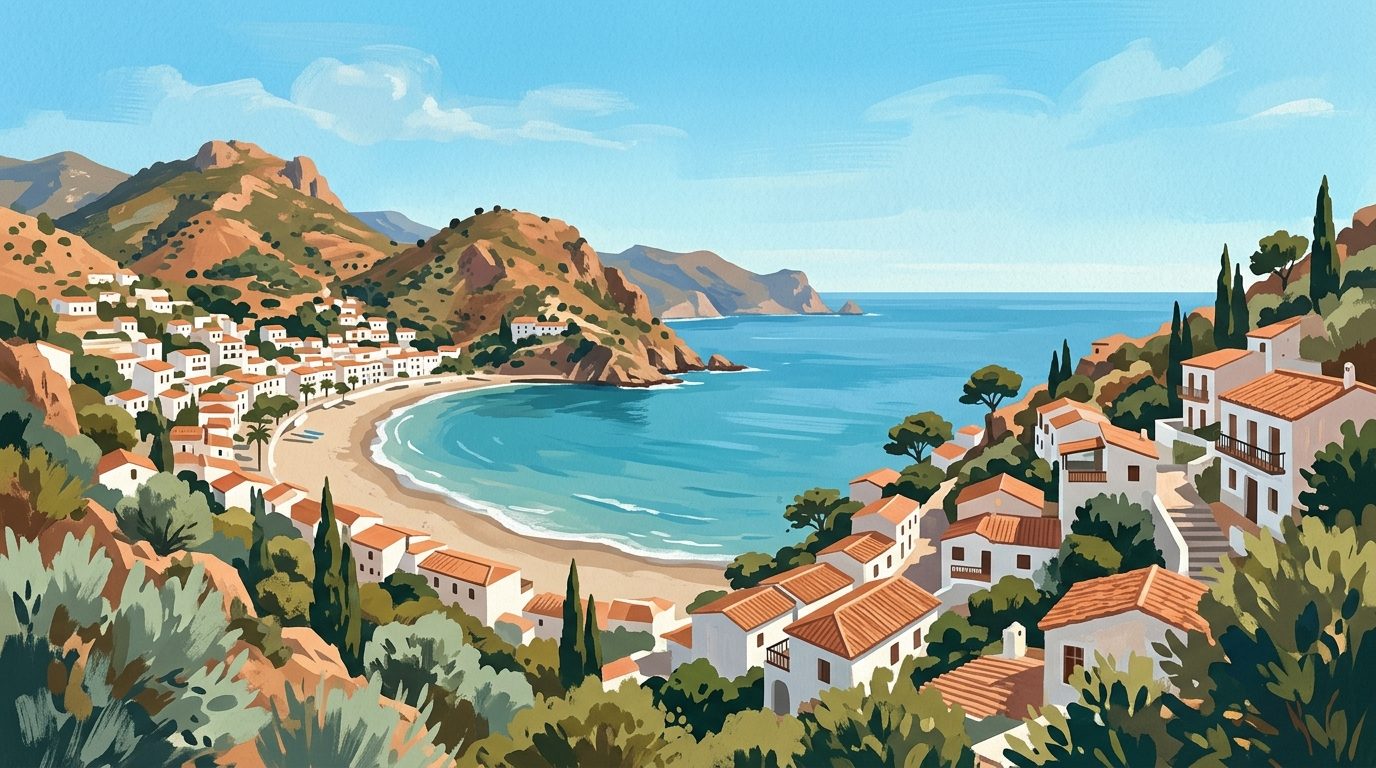
A Guide to La Herradura: Granada’s Curved Coastal Retreat
A perfect horseshoe bay on the Costa Tropical, La Herradura offers some of the best diving in Spain and a slower pace of life than its western neighbours.
6 min read
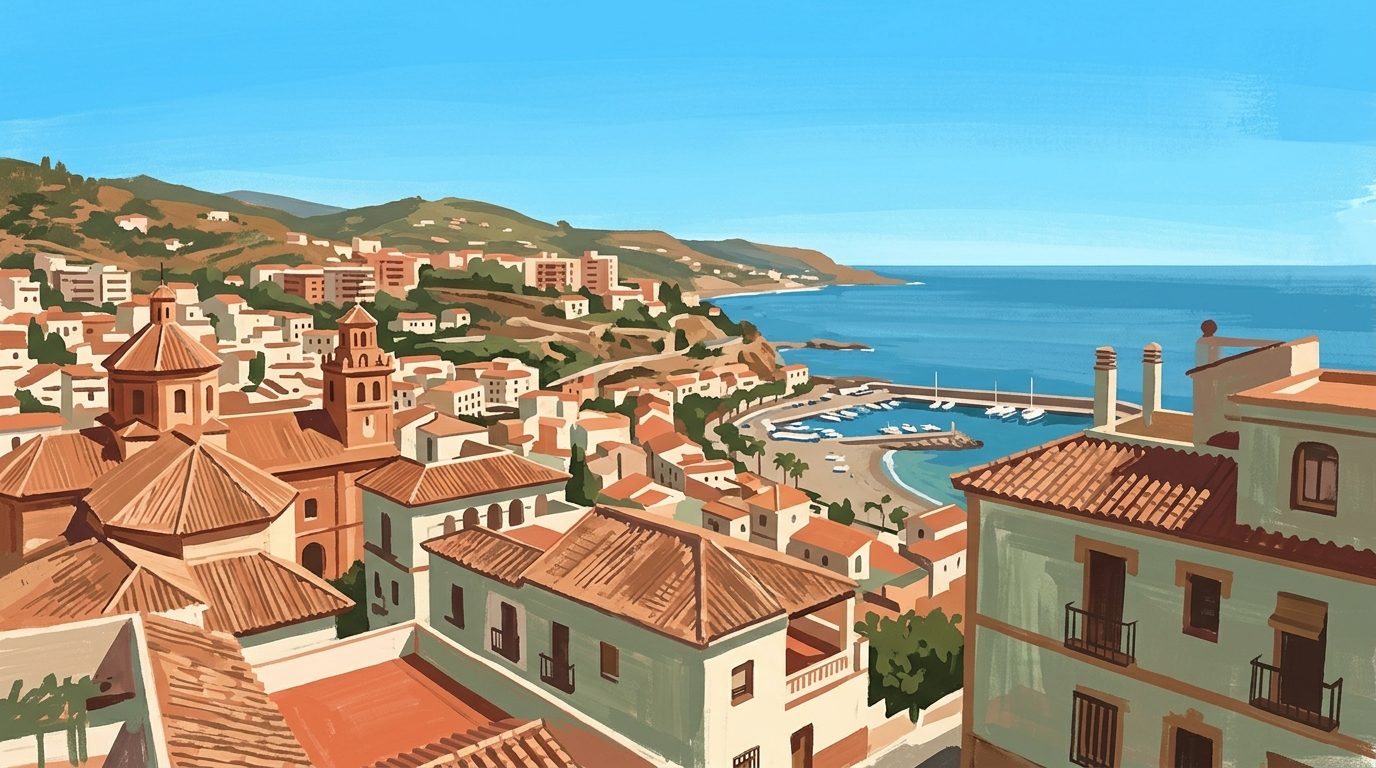
A Local Guide to Motril: Sugar Cane Heritage and Coastal Life
Discover Motril's unique sugar cane heritage, visit the famous Ron Montero distillery, and enjoy the expansive beaches of Granada's Costa Tropical.
6 min read
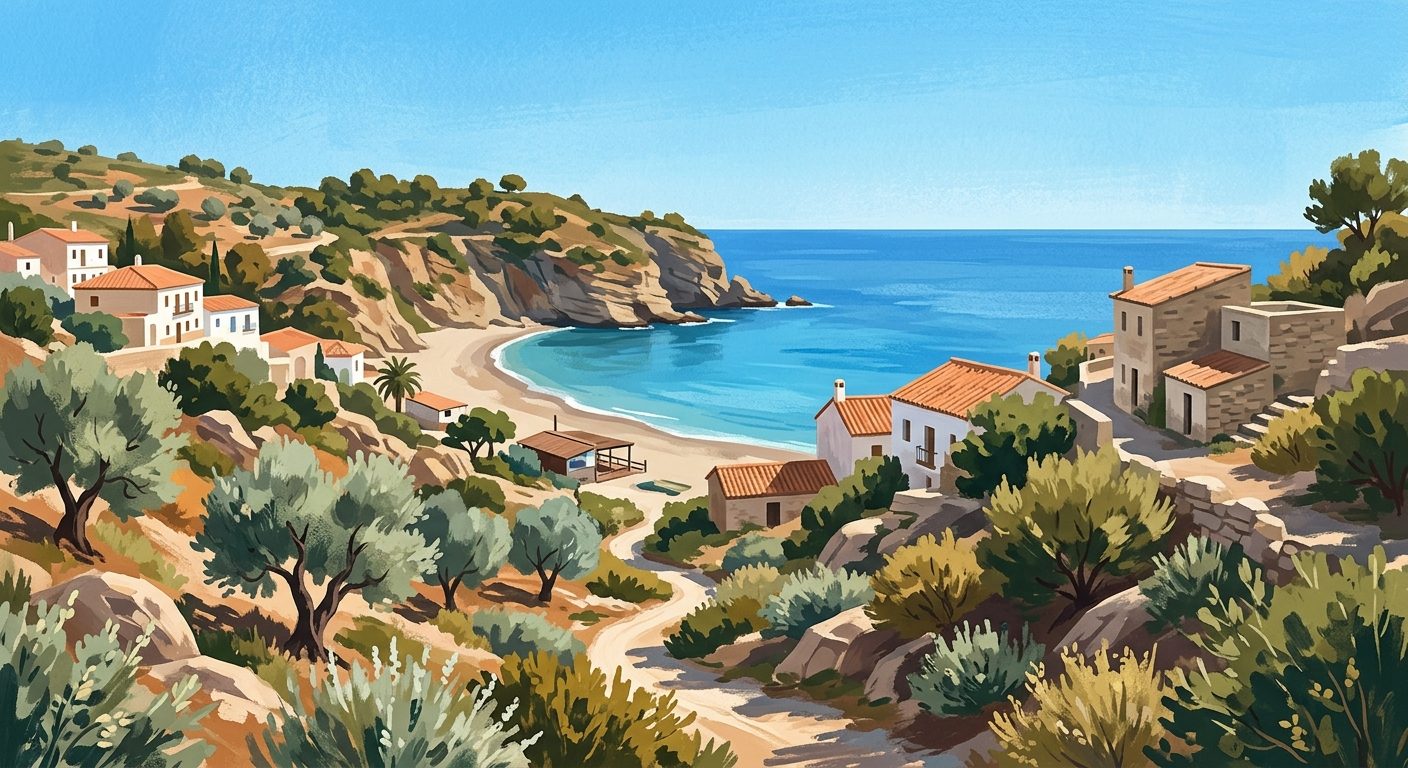
Playa de Cantarriján: A Comprehensive Guide to Granada's Premier Naturist Beach
Playa de Cantarriján is a protected naturist-friendly cove on the Granada coast, offering crystal-clear water and a tranquil escape from the busier resorts.
7 min read
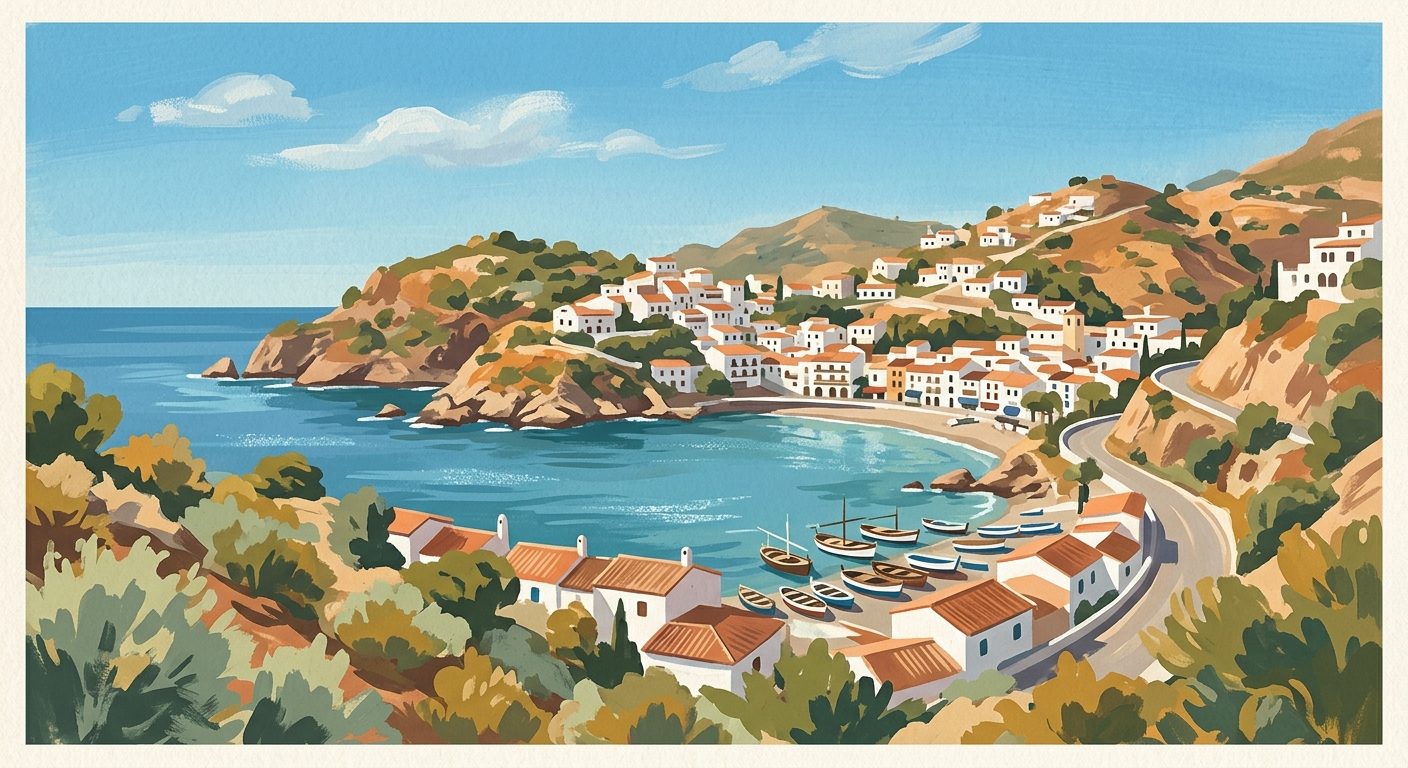
A Guide to Playa de La Herradura: The Horseshoe Bay of the Costa Tropical
A curved bay on the Costa Tropical providing clear waters and a relaxed alternative to the busier resorts of Málaga. It remains a favourite for scuba divers and families seeking a classic Mediterranean setting.
7 min read
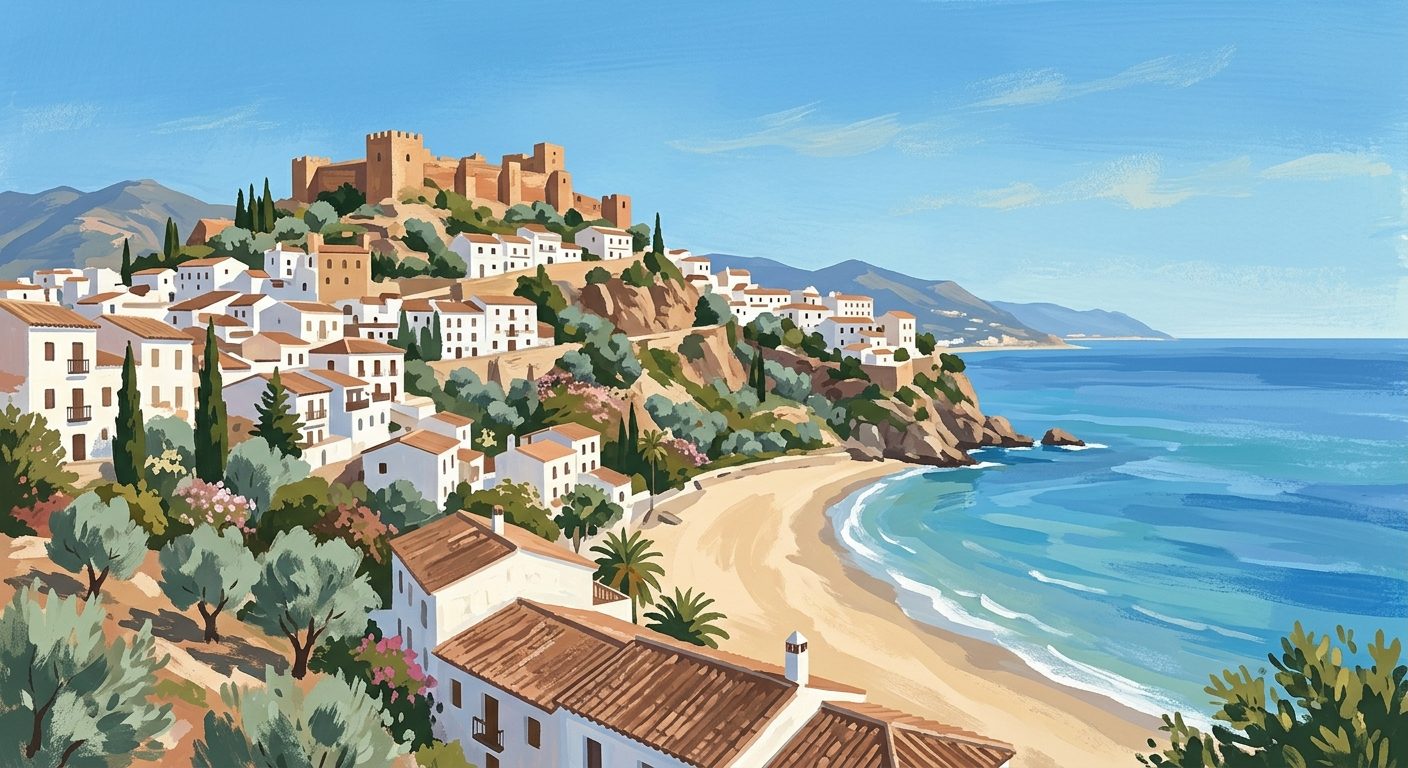
A Guide to Playa de Salobreña on the Costa Tropical
Playa de Salobreña is a vast stretch of dark sand and clear water on the Costa Tropical, overlooked by a historic Moorish castle and dramatic cliffs.
7 min read
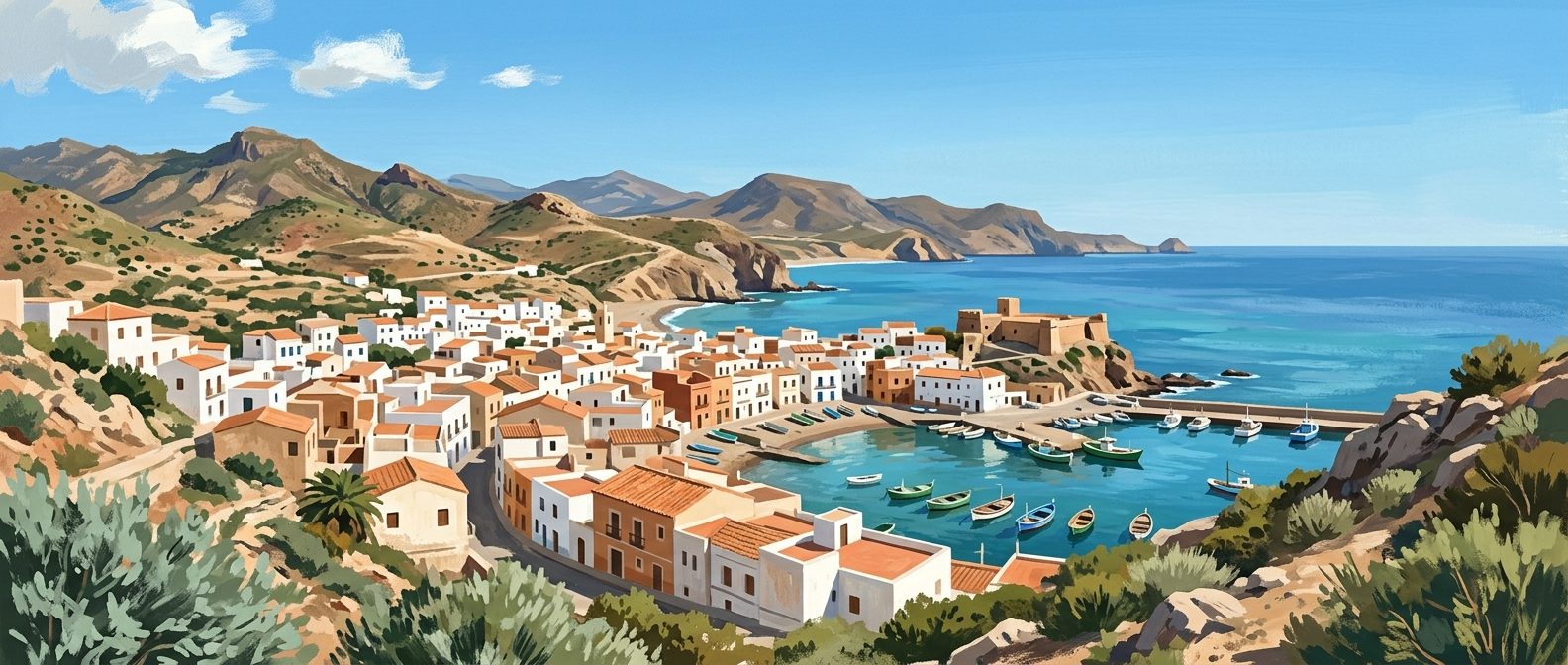
Carboneras: An Authentic Maritime Gateway to Cabo de Gata
Carboneras offers an authentic look at Almería's fishing traditions and serves as a gateway to the spectacular Playa de los Muertos.
5 min read
More from Granada
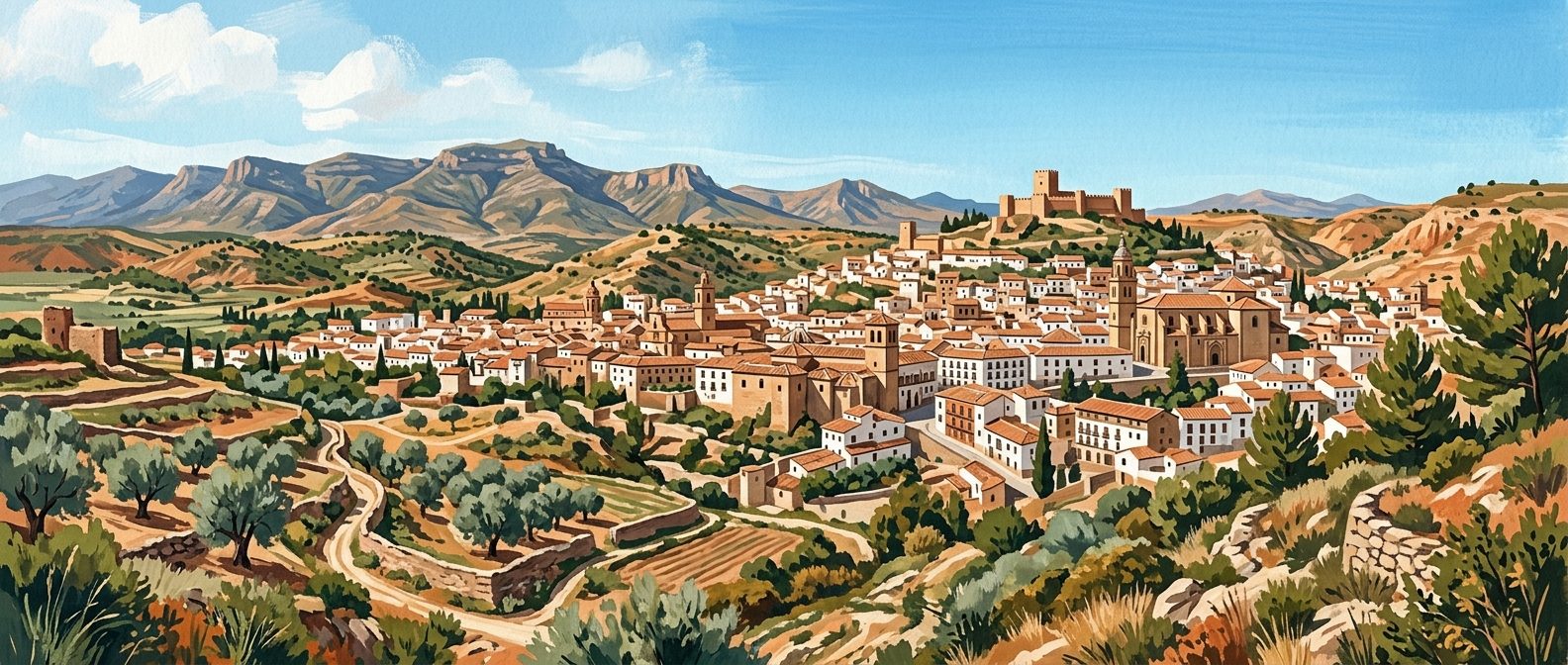
Exploring Baza: The Gateway to Granada’s High Plateau
Discover Baza, a historic gateway to Granada's Altiplano featuring ancient cave dwellings, remarkably preserved Arab baths, and the legacy of the Iberian Lady of Baza.
6 min read
Yegen: Following the Footsteps of Gerald Brenan in the Eastern Alpujarra
Discover Yegen, the tranquil Alpujarran village made famous by writer Gerald Brenan, featuring traditional architecture and scenic mountain trails.
5 min read
Órgiva: The Eclectic Heart of the Alpujarra Granadina
Discover Órgiva, the unique market town of the Alpujarras where traditional Spanish culture meets an international alternative community.
6 min read

Exploring the Albaicín: Granada’s Medieval Moorish Quarter
Rising steeply above Granada, the Albaicín is a medieval Moorish quarter of whitewashed houses, secret gardens, and the city's most spectacular Alhambra views.
5 min read
Lanjarón: The Gateway to the Alpujarras and Town of Eternal Springs
Discover Lanjarón, the famous spa town of the Alpujarras known for its curative waters, historic thermal baths, and the lively San Juan water festival.
5 min read

A Guide to Nigüelas: The Balcony of the Lecrín Valley
Discover Nigüelas, the highest village in the Lecrín Valley, known for its 15th-century oil mill museum and spectacular mountain hiking trails.
6 min read
Exploring Almuñécar: A Guide to History and Heritage on the Costa Tropical
Almuñécar offers a distinct pace of life on the Granada coast, where Phoenician ruins sit alongside orchards of custard apples and avocados.
6 min read
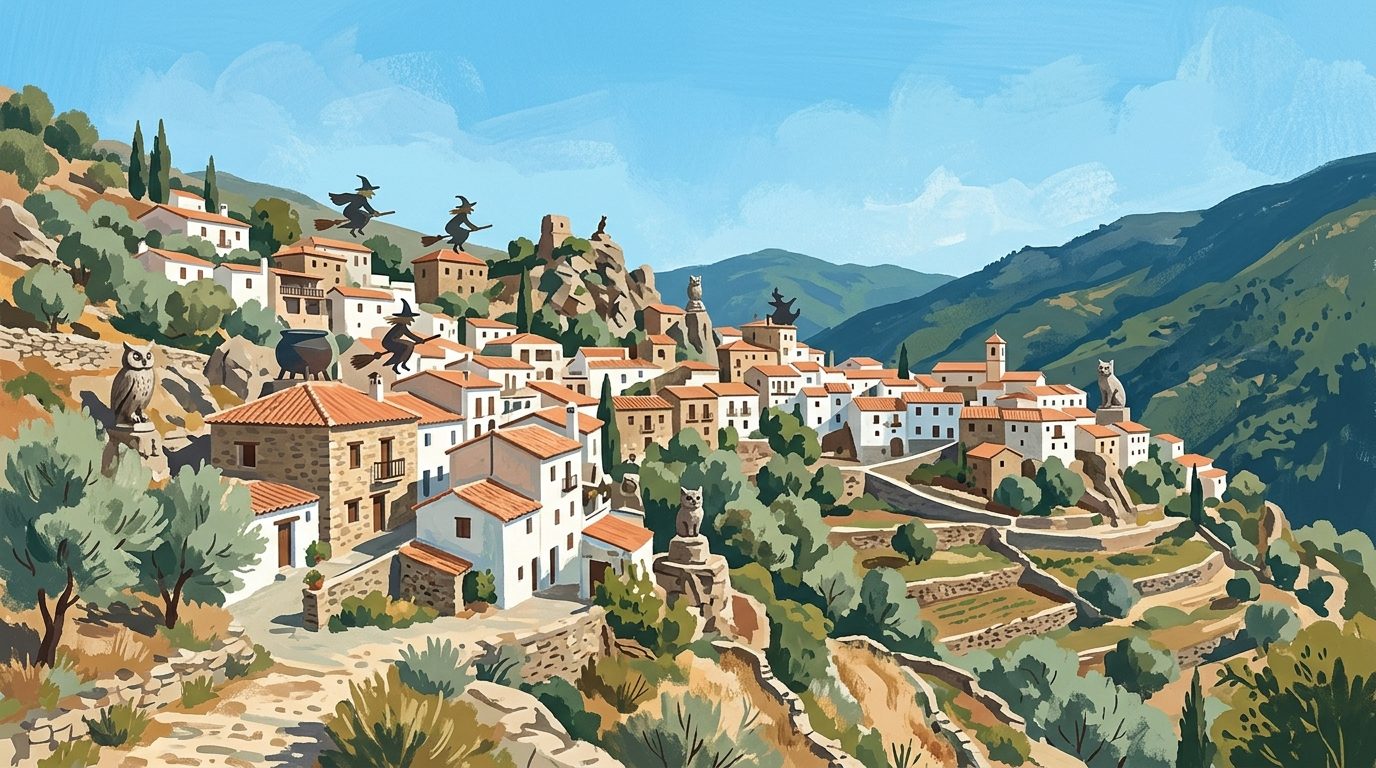
Soportújar: The Witchcraft Village of the Alpujarra Granadina
Soportújar has transformed its historical nickname into a full-scale tribute to witchcraft and folklore. This mountain village in the Alpujarra offers a peculiar blend of traditional architecture and fantastical sculptures.
5 min read
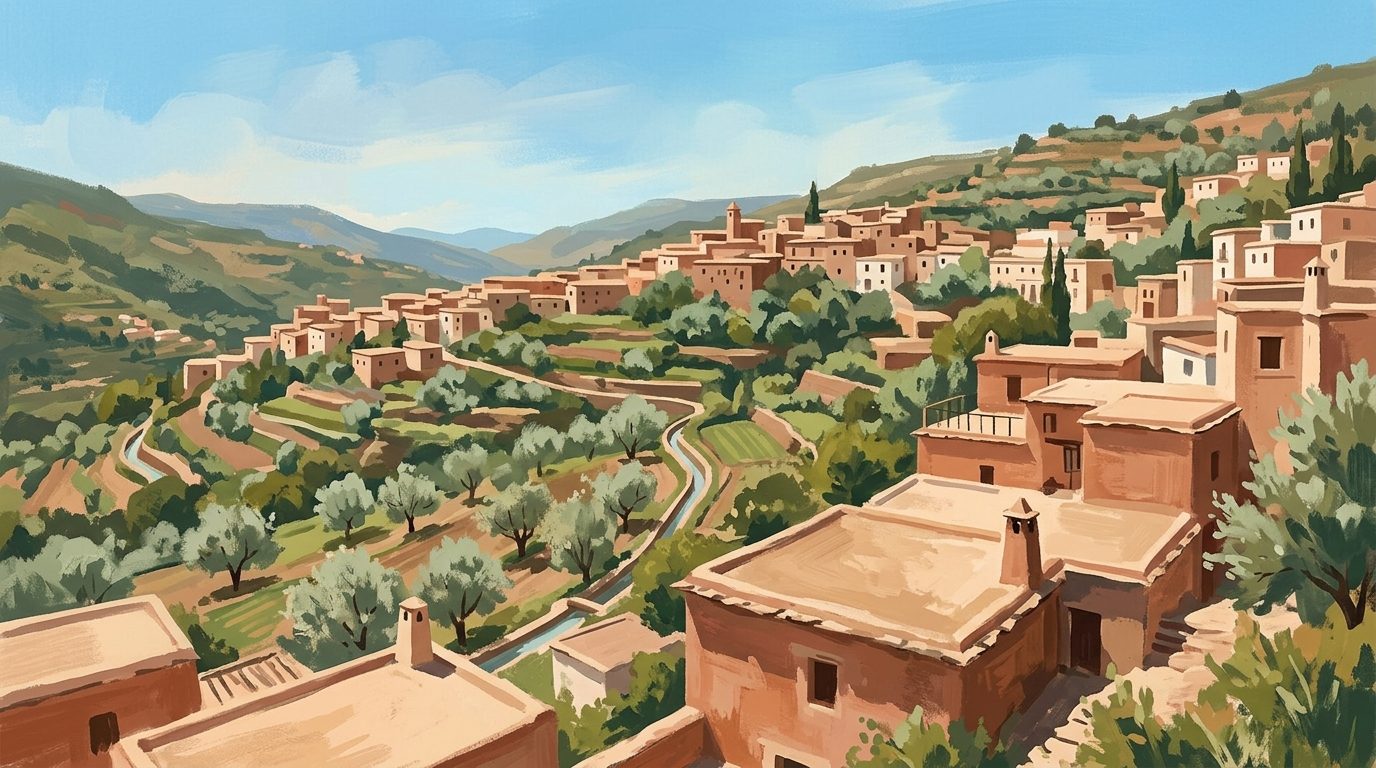
La Taha and Pitres: The Quiet Heart of the Alpujarra
Escape the crowds of the Poqueira Gorge and discover the authentic Berber architecture and ancient irrigation channels of La Taha.
6 min read
Newsletter
More stories from Andalucía
Weekly notes, seasonal picks, and the next guides worth bookmarking.