
Place guide · Huelva
A Complete Guide to Playa de Mazagón: Huelva’s Atlantic Wilderness
Playa de Mazagón is a sprawling Atlantic beach in Huelva, known for its soft golden sand and dramatic sandstone cliffs. Discover everything from the best seafood chiringuitos to the essential safety tips for navigating the tides.
By Dan · Updated 24 July 2026 · 7 min read
This article contains affiliate links. If you book through them, we may earn a small commission at no extra cost to you.
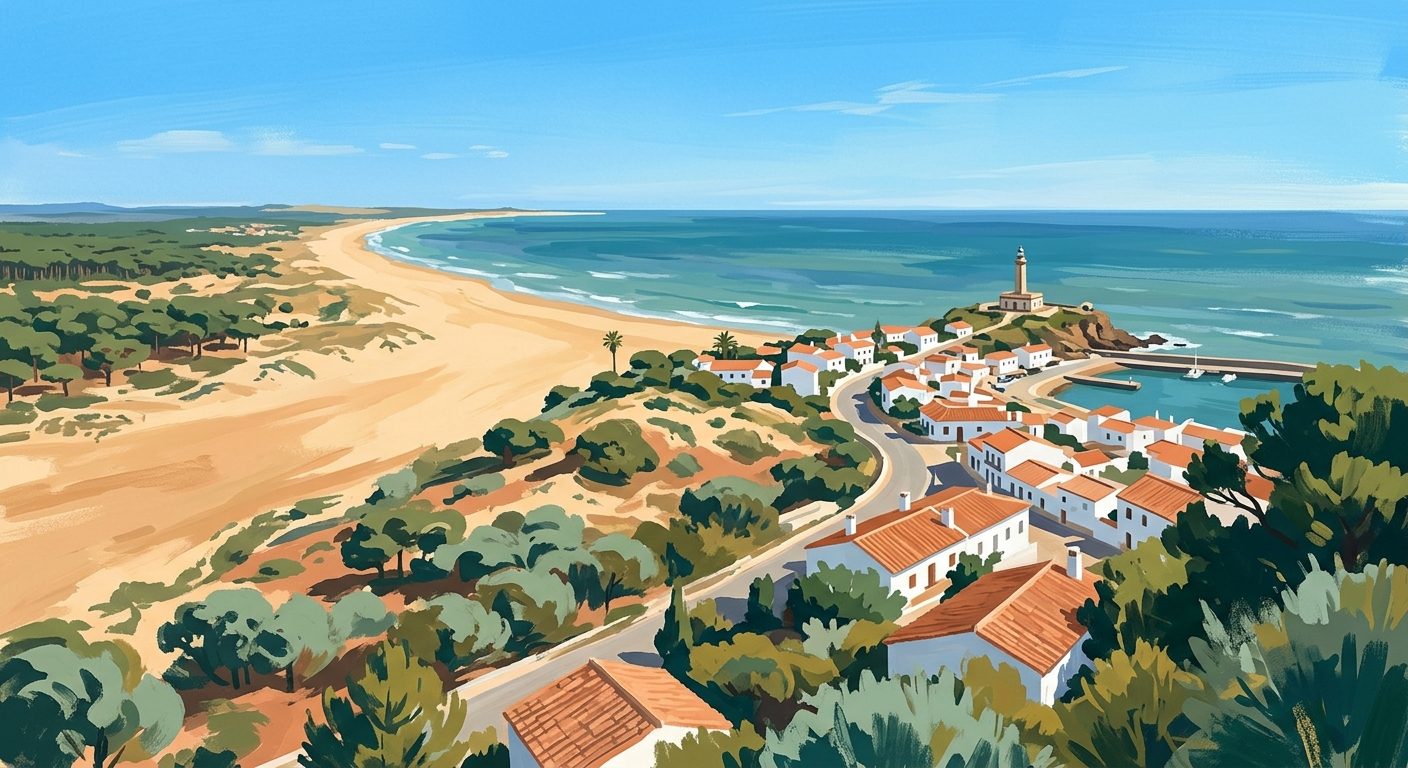
Playa de Mazagón is a vast expanse of fine golden sand that stretches along the Huelva coast, offering a stark contrast between urban amenities and raw Atlantic beauty. It serves as a gateway to the Doñana surroundings, where towering sandstone cliffs meet the cool waters of the ocean.
Introduction
Playa de Mazagón represents the wilder side of the Andalucían coastline. Located in the province of Huelva, this beach serves as the maritime front for the town of Mazagón, but its reach extends far beyond the residential centre. It is part of the Costa de la Luz, a region defined by intense sunlight and a relentless Atlantic breeze that keeps the heat manageable even during the peak of summer. What makes this beach distinctive is its physical evolution. Near the port, the beach is wide, flat, and family-oriented, but as you travel east towards Matalascañas, the landscape transforms into a dramatic display of fossilised dunes and steep sandstone cliffs known as the Médanos.
This is not a manicured Mediterranean cove. It is a large-scale landscape where the tides dictate the day and the pine forests of the El Asperillo cliffs provide a fragrant backdrop. The beach attracts a mix of local families from Huelva city, Sevillanos seeking an escape from the inland furnace, and nature lovers who appreciate the lack of high-rise development on the eastern fringes. Mazagón works equally well for a fully serviced day on a sun-bed or a quieter spot beneath a cliff, without the artificial feel of more commercialised resorts.
The beach itself
The sand at Playa de Mazagón is exceptional: fine, pale, and incredibly soft to the touch. Unlike the pebbly shores of the eastern provinces, the Huelva coast provides a literal carpet of golden dust that remains cool enough to walk on for most of the day. The water quality is generally high, with a clear, refreshing character, though the Atlantic is notably colder than the Mediterranean. Swimmers should be aware that the seabed drops off gradually, but the currents can be strong, especially near the breakwaters and the port entrance.
The beach spans several kilometres, naturally divided into sections. The urban beach, closest to the town centre and the marina, usually holds Blue Flag status, indicating excellent water quality and a high standard of services. As you move away from the town, the environment becomes more rugged. There are no official naturist zones designated by the local council, but the further you walk towards the Parador de Mazagón and beyond, the more common discretional nudity becomes. The sheer scale of the beach ensures that even on the busiest weekends, you can find a quiet corner if you are willing to walk fifteen minutes from the nearest access ramp. The area near the Parador is particularly striking, where the orange and ochre hues of the cliffs create a stunning visual contrast against the deep blue of the Atlantic.
Getting there & parking
Mazagón is easily accessible from the city of Huelva, which is roughly a twenty-minute drive via the N-442. If you are travelling from Sevilla, the journey takes approximately one hour and fifteen minutes via the A-49 motorway, exiting towards San Juan del Puerto and following the signs for Mazagón. For international visitors, Sevilla Airport is the most convenient hub, though Faro Airport in Portugal is also a viable option, situated about an hour and twenty minutes to the west.
The parking situation is a tale of two seasons. From October to May, you can park almost anywhere near the beach ramps without much effort. However, from July to August, the town centre becomes extremely crowded. There is a large car park near the marina (Puerto Deportivo) which is often your best bet during peak months, though a fee is usually required. If you prefer the wilder sections of the beach, look for the parking areas near the Parador de Mazagón or the various "chiringuito" access points along the N-442. Be prepared for "gorrillas", the informal parking attendants who operate in the town lots; a small tip of one or two Euros is standard practice. Public transport is available via the Damas (Interbus) line, which runs regular services between Huelva and Mazagón, with less frequent connections to Sevilla.
Facilities & chiringuitos
The facilities at Playa de Mazagón are concentrated around the urban centre. Here you will find wooden walkways, accessible ramps for those with limited mobility, and public showers. Lifeguards are on duty throughout the high season, typically from mid-June to mid-September, patrolling the most popular sections. Sun-bed and umbrella hire are available in front of the main town area, but the vast majority of visitors bring their own equipment.
The chiringuito culture here is strong, focused on the incredible seafood of the Huelva coast. Chiringuito El Remo is a local favourite, famous for its grilled fish and "coquinas" (small, sweet wedge clams) sautéed in garlic and white wine. Another reliable option is Chiringuito Costa Colón, which offers a more modern setting and a varied menu including rice dishes. For those seeking a quieter experience, the restaurant at the Parador de Mazagón provides an elevated view of the coastline and a more formal dining atmosphere. In the low season, many of the temporary beach bars close down, but the permanent restaurants in the town and the port remain open, catering to the year-round population.
Best time to visit
To experience Playa de Mazagón at its best, aim for the shoulder seasons. June and September offer the perfect balance: the water is warm enough for swimming, the chiringuitos are fully operational, but the overwhelming crowds of August have either not arrived or have already departed. During these months, the light is particularly beautiful, casting long shadows against the sandstone cliffs in the late afternoon.
July and August are the months to avoid if you dislike crowds. The town fills to capacity and the beach near the access points can feel cramped. Conversely, winter visits have their own appeal. While it is too cold for sunbathing, the coast is spectacular for long walks. However, be cautious of the winter winds; the Atlantic coast can be punishing when a storm rolls in, and the fine sand becomes an abrasive spray. Always check the wind forecast before heading out; a strong "Levante" or "Poniente" can make a day on the beach quite uncomfortable.
Combine with
A visit to Playa de Mazagón pairs perfectly with an excursion to the Doñana National Park. You can book guided tours that depart from the nearby Acebuche visitor centre, offering a chance to see the protected lynx habitats and the vast marshlands that host thousands of migratory birds. If you prefer a more cultural experience, the nearby town of Moguer is essential. It is the birthplace of the Nobel Prize-winning poet Juan Ramón Jiménez and features beautiful white-washed streets and a historic convent.
Alternatively, you could head west to Huelva city to visit the Muelle de las Carabelas. This site features life-size replicas of Christopher Columbus’s three ships, the Niña, the Pinta, and the Santa María, moored in the Odiel marshes. It is an educational and visually interesting stop that provides context to the region's deep maritime history without the dry atmosphere of a traditional museum.
Practical notes
When planning your trip, the most important factor to consider is the tide. The Atlantic tides on the Huelva coast are significant. At high tide, the water can come right up to the base of the cliffs in the eastern sections, potentially cutting off your return path if you have walked far from the access ramps. Always check a tide table (available via the Port of Huelva website or apps like 'Mareas') before venturing towards the wilder stretches under the Médanos. Accessibility is good in the town centre with ramps and amphibious chairs often available via the Red Cross station during summer, but the cliff sections are only accessible via steep wooden stairs or sandy paths.
Regarding pets, Huelva has some of the strictest beach regulations in Andalucía. During the bathing season (June to September), dogs are strictly prohibited on the main beaches, and local police do issue fines. However, in the deep winter months, the rules are often more relaxed on the non-urban stretches. Always bring plenty of water and a high-factor sunscreen; the breeze can mask the intensity of the sun, leading to severe burns before you realise the heat. Finally, keep an eye on the flag system: green for safe, yellow for caution, and red for no swimming. Even on a calm-looking day, the Atlantic undercurrents deserve your respect.
Last reviewed: 21 June 2026 · Editorial policy
Related guides
Beyond the Dunes: A Local Guide to the Costa de Huelva
Escape the crowds and discover the wild Atlantic beauty of Huelva’s coast, from the fish auctions of Isla Cristina to the riverside charm of Ayamonte.
7 min read
Ayamonte: The River Town Where Spain Meets Portugal
Discover Ayamonte, a captivating border town in Huelva. Explore its whitewashed old quarter, take the ferry to Portugal, and enjoy the vast beaches of Isla Canela.
6 min read
Matalascañas: The Coastal Gateway to Doñana National Park
A unique coastal resort where urban convenience meets the wild, untouched dunes of Doñana National Park. Discover kilometres of golden sand and the iconic ruins of a 16th-century watchtower.
6 min read
A Guide to Playa de La Antilla: The Traditional Atlantic Escape of Lepe
Playa de La Antilla offers a vast expanse of fine golden sand and a family-friendly atmosphere on the Huelva coastline. It remains a firm favourite for those seeking traditional Andalucían summer vibes.
6 min read
Playa de Castilla: The Wild Frontier of the Doñana Coastline
Playa de Castilla is a vast, 20-kilometre stretch of wild Atlantic coastline bordered by the spectacular orange cliffs of the Doñana National Park.
7 min read
Carboneras: An Authentic Maritime Gateway to Cabo de Gata
Carboneras offers an authentic look at Almería's fishing traditions and serves as a gateway to the spectacular Playa de los Muertos.
5 min read
More from Huelva
Playa de Isla Canela Beach Guide: Huelva Coastline
Playa de Isla Canela is a vast stretch of fine sand where the Guadiana River meets the Atlantic, famous for its shallow lagoons and family-friendly atmosphere.
7 min read
A Guide to Punta Umbría: Huelva's Favourite Atlantic Escape
Discover Punta Umbría, a pine-backed peninsula on the Costa de Huelva famous for its wild Atlantic beaches, British industrial heritage, and exceptional local seafood.
5 min read
Isla Cristina: The Maritime Heart of the Costa de Huelva
Discover Isla Cristina, Huelva's premier fishing port, where you can explore vast Atlantic beaches, traditional salt pans, and some of Spain's freshest seafood.
6 min read
Mars on Earth: A Guide to Minas de Riotinto and Nerva
Discover the otherworldly red landscapes of the Rio Tinto mines in Huelva, where you can explore Victorian British colonies and ride a 19th-century mining train.
5 min read
A Guide to La Rábida Monastery: The Franciscan Cradle of Discovery
Discover the Franciscan friary where Christopher Columbus planned his first voyage and explore the beautiful Mudéjar architecture overlooking the Tinto river.
6 min read
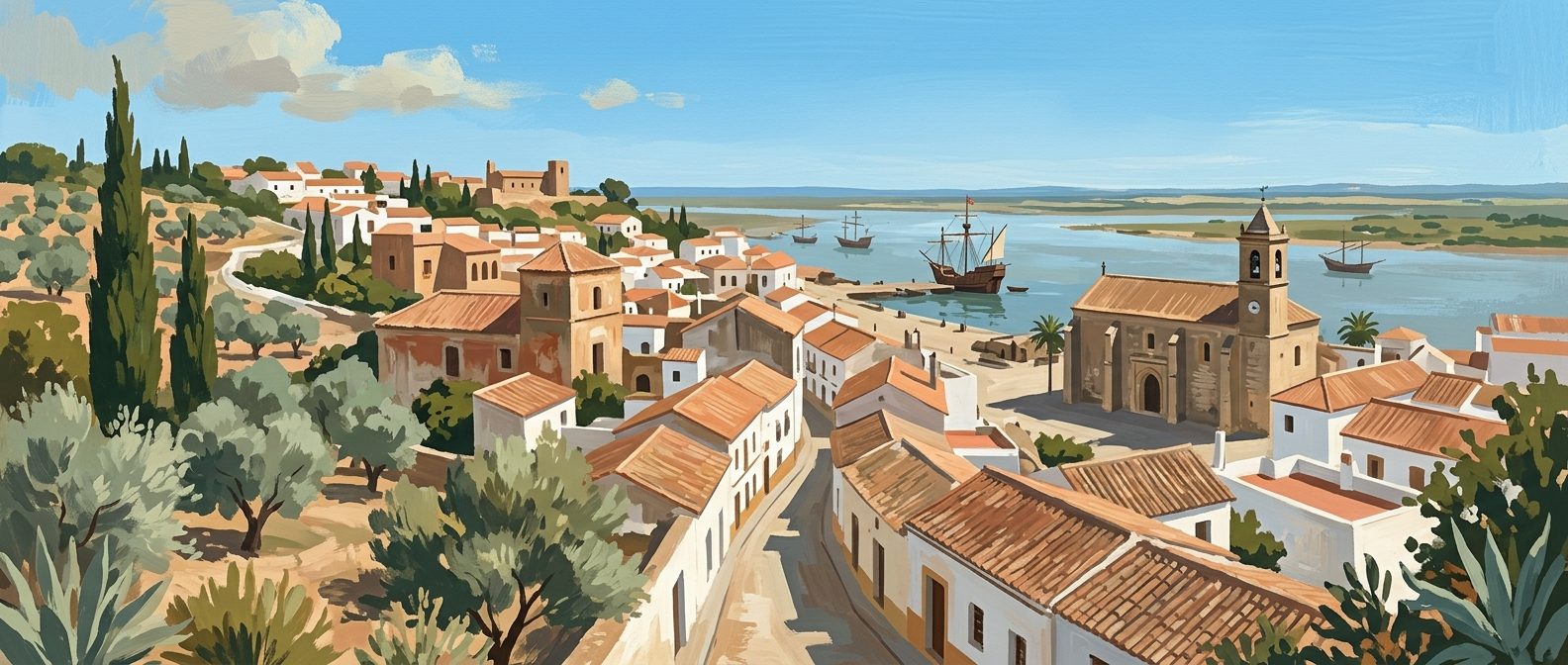
A Guide to Palos de la Frontera: The Port of Discovery
Discover the maritime history of Palos de la Frontera, the port where Columbus's voyage began, and explore the famous Wharf of the Caravels.
6 min read
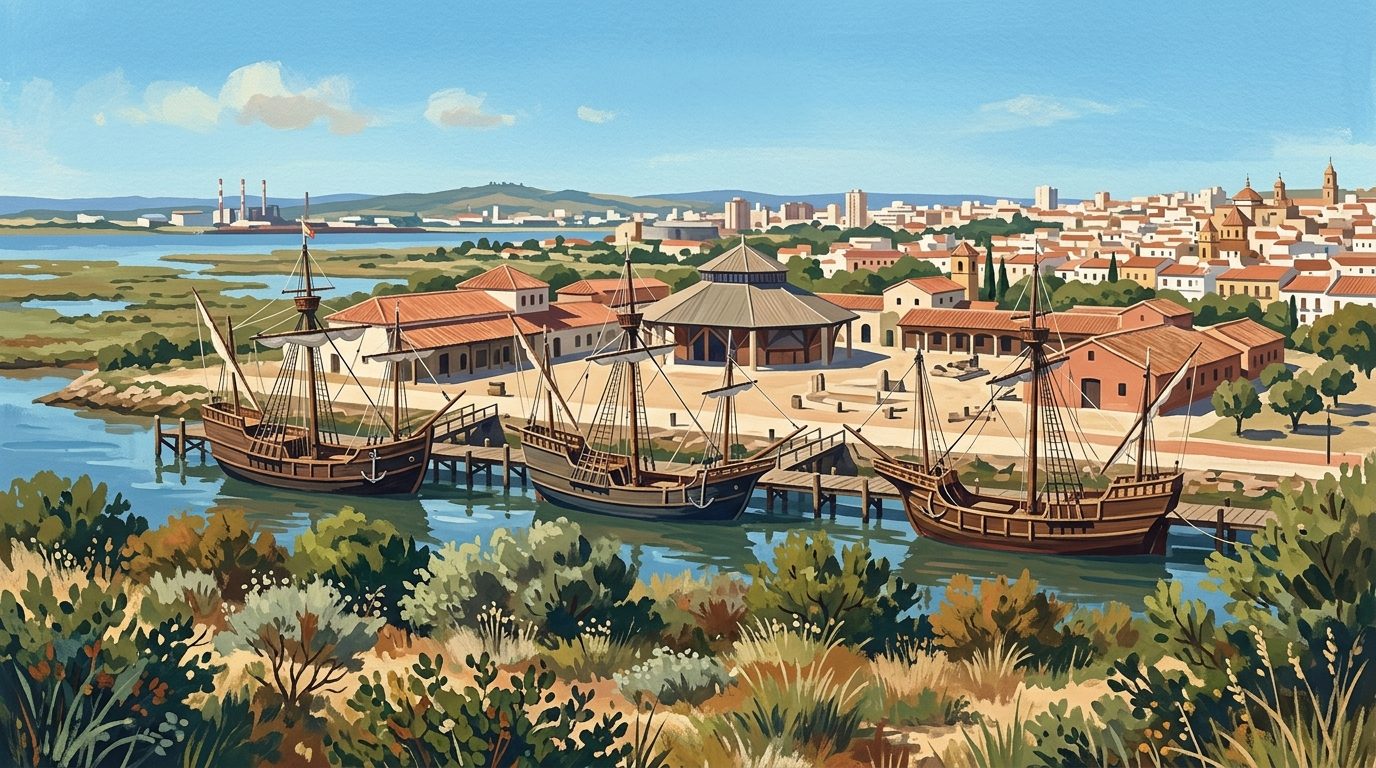
The Columbus Trail and Muelle de las Carabelas: A Maritime Journey in Huelva
Walk the decks of the Niña, Pinta, and Santa María at Huelva's Muelle de las Carabelas, where full-scale replicas bring the 1492 voyage of discovery to life.
7 min read
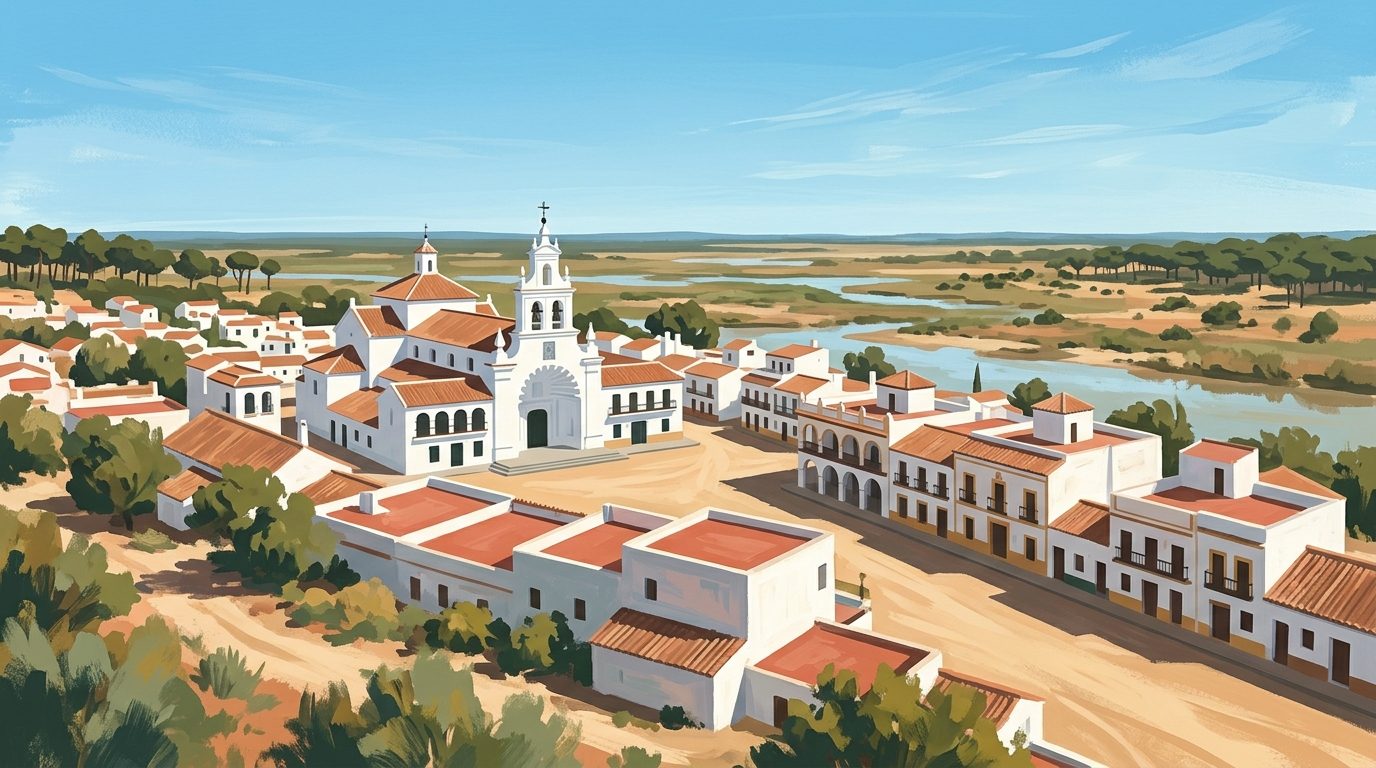
A Guide to El Rocío: Andalucía’s Sandy Pilgrimage Village
Discover El Rocío, a unique Andalucían village where the streets are made of sand and the traditional horse-and-carriage still reigns supreme on the edge of Doñana.
6 min read

Moguer: The White Town of Poets and Explorers
Moguer is the white-washed town where Nobel laureate Juan Ramón Jiménez once wandered with his donkey, Platero, and where Christopher Columbus found both a ship and spiritual sanctuary.
5 min read
Newsletter
More stories from Andalucía
Weekly notes, seasonal picks, and the next guides worth bookmarking.