
Place guide · Granada
A Guide to Playa de Salobreña on the Costa Tropical
Playa de Salobreña is a vast stretch of dark sand and clear water on the Costa Tropical, overlooked by a historic Moorish castle and dramatic cliffs.
By Dan · Updated 16 July 2026 · 7 min read
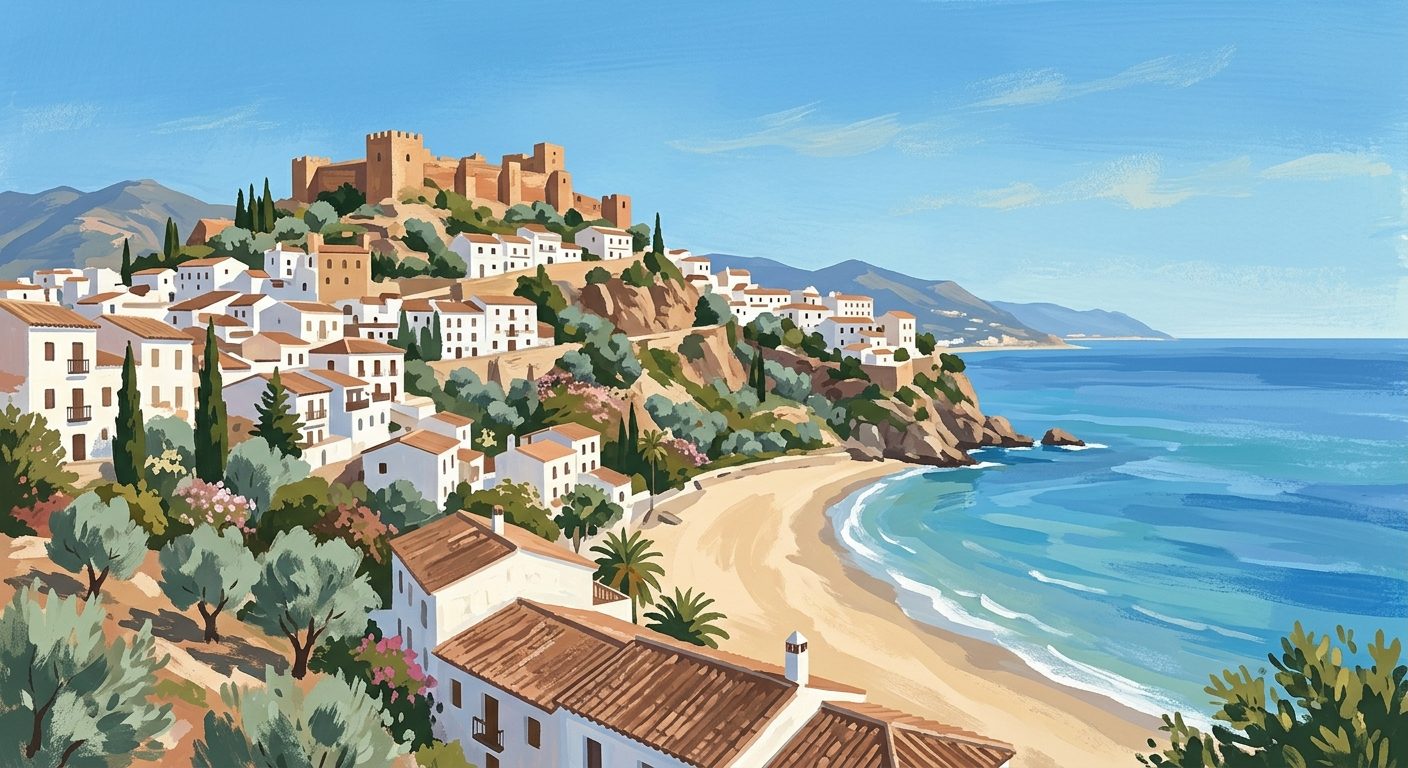
Playa de Salobreña offers a rugged beauty where the Mediterranean meets the fertile plains of the Costa Tropical. It is a location defined by its dark volcanic sands and the iconic limestone rock that divides its long, expansive shoreline.
Playa de Salobreña is a destination that feels distinct from the typical resorts found further west on the Costa del Sol. Situated in the province of Granada, this stretch of coastline is known as the Costa Tropical, a name earned through its unique micro-climate. The towering peaks of the Sierra Nevada act as a barrier against cold north winds, allowing for the cultivation of exotic fruits such as custard apples, mangoes, and avocados in the surrounding valley. This agricultural backdrop, known locally as the vega, gives the beach a green, lush frame that is rare in southern Spain.
The town of Salobreña itself is a striking sight from the shore. It consists of a cluster of whitewashed houses clinging to a steep rocky outcrop, crowned by a tenth-century Moorish castle. Unlike many coastal towns that have been overtaken by high-rise developments, Salobreña has preserved its traditional character. The beach serves as the front garden for this historic community, providing a space where local life and tourism coexist without one overshadowing the other. This beach works for a quiet morning walk or a lively afternoon at a chiringuito, adapting to visitors with unpretentious, authentic charm.
The beach itself
The coastline at Salobreña is divided into two primary sections by a large limestone promontory known as El Peñón. To the east lies Playa de la Charca, also referred to as Playa Salomar. This is the more urbanised section of the beach, stretching for approximately 1.2 kilometres. It features a wide promenade, a variety of apartment blocks, and the majority of the town's seaside services. The sand here is typical of the Costa Tropical: it is a mix of coarse dark sand, shingle, and small pebbles. While it may not offer the fine white powder found in Cádiz, the dark colour helps to warm the water and provides a dramatic contrast against the blue of the sea.
To the west of El Peñón is Playa de la Guardia. This section is roughly 1.1 kilometres long and offers a more natural, secluded atmosphere. It is bordered by the traditional agricultural plots of the vega, where you can see sugar cane and fruit trees growing just metres from the sand. The water quality across both beaches is excellent, often holding a Blue Flag certification in recognition of its cleanliness and the quality of local services. The seabed drops away quite sharply here, meaning the water becomes deep within a few steps of the shore. This makes it a fantastic spot for swimming and snorkelling, particularly around the base of El Peñón where marine life congregates, but parents with small children should remain vigilant.
Getting there & parking
Reaching Playa de Salobreña is straightforward thanks to the modern motorway network in eastern Andalucía. From Málaga and its international airport, the journey takes approximately one hour and ten minutes via the A-7 motorway. If you are travelling from Granada city, the drive is even shorter, taking around 45 minutes along the A-44, which descends through the mountains directly toward the coast. The approach to Salobreña is particularly scenic, as the road opens up to reveal the white village and the castle set against the Mediterranean backdrop.
Parking can be a challenge during the peak summer months of July and August. The Paseo Marítimo, the road running parallel to Playa de la Charca, has a significant number of parking spaces, but these fill up by mid-morning during the high season. Much of this area is designated as a blue zone (zona azul), which requires payment via a meter or a mobile parking app, such as Telpark, during the summer. For those looking for free parking, it is often better to look in the streets slightly further back from the front, near the municipal football pitch or the Polideportivo. If you are visiting outside of the peak summer weeks, parking is generally abundant and much easier to find directly next to the beach access points.
Facilities & chiringuitos
The gastronomic scene at Playa de Salobreña is centred around the chiringuitos, or beach bars, which are a fundamental part of the local culture. Chiringuito El Peñón is perhaps the most famous, located directly at the foot of the great rock. It is an institution in the town, known for its fresh seafood and its tradition of cooking sardines on skewers over open olive-wood fires, a technique known as an espeto. Another excellent choice is Restaurante Flores, which has a long-standing reputation for its rice dishes and traditional Andalucían seafood platters.
In terms of practical facilities, the beach is well-equipped. During the summer season, which typically runs from mid-June to mid-September, there are lifeguards on duty at several stations along the shore. You will find public showers and toilets at regular intervals along the promenade. Sun-bed (hamaca) and umbrella hire is available in front of the major chiringuitos, usually costing between 7 and 10 euros for the day (check with the operator before travelling). For those with limited mobility, there are designated access points with wooden ramps and amphibian chairs available at the Red Cross (Cruz Roja) point near the centre of Playa de la Charca.
Best time to visit
The timing of your visit will greatly influence your experience of Salobreña. For those who enjoy a lively, social atmosphere, August is the peak of the season. This is when Spanish families from Granada and Madrid descend on the coast, and the promenade is filled with the sound of evening strolls and late-night dinners. However, if you prefer tranquillity, the shoulder seasons of May, June, and September are ideal. During these months, the weather is warm enough for swimming, but the beach is significantly less crowded, and the parking situation is far more relaxed.
Winter in Salobreña is surprisingly mild due to the tropical micro-climate. While it may be too cool for traditional sunbathing, the clear winter days are perfect for walking along the shore or enjoying a lunch in the sun at one of the chiringuitos that stay open year-round. It is worth noting that some of the smaller kiosks and rental services close down from October to Easter. If you visit in winter, the afternoon sun is particularly beautiful as it sets behind the mountains of the Axarquía to the west.
Combine with
A visit to the beach is best paired with an exploration of the Salobreña Old Town. You can walk from the shore up through the narrow, winding streets of the Albaicín and El Brocal neighbourhoods. The climb is steep, but the reward is the Castillo de Salobreña. From the ramparts of this fortress, you have a 360-degree view of the coastline, the green plains of the vega, and the Sierra Nevada. It provides a perfect perspective on the geography that makes this part of Andalucía so special.
Alternatively, a short ten-minute drive east takes you to the neighbouring town of Motril. Here, you can visit the Pre-industrial Sugar Museum, which explains the long history of sugar cane production that once dominated the economy of this region. If you are looking for a more secluded swimming spot after the wide expanse of Salobreña, the small cove of Playa del Caletón in the nearby village of La Caleta offers a rocky, intimate alternative that is popular with local divers.
Practical notes
Visitors should be aware of a few practicalities before arriving at Playa de Salobreña. Because the beach is composed of coarse sand and pebbles, many people find it more comfortable to wear water shoes (escarpines) when entering and exiting the sea. The stones can become very hot in the midday sun and can be uncomfortable underfoot at the water's edge. Additionally, because the water deepens quickly, there is often a shore-break wave that can be strong when the wind picks up from the east (the Levante). Always check the flag colour: green for safe, yellow for caution, and red for no swimming.
Regarding local regulations, dogs are generally not permitted on the main sections of Playa de la Charca and Playa de la Guardia during the summer season. However, there are designated dog-friendly areas further along the coast toward Motril at Playa del Cable. If you are planning to spend the whole day, it is wise to bring a sturdy beach umbrella, as the dark sand retains heat and there is very little natural shade on the beach itself. Accessibility is generally good along the promenade, making it a suitable choice for those using wheelchairs or pushing prams.
Last reviewed: 21 June 2026 · Editorial policy
Related guides
A Local Guide to Motril: Sugar Cane Heritage and Coastal Life
Discover Motril's unique sugar cane heritage, visit the famous Ron Montero distillery, and enjoy the expansive beaches of Granada's Costa Tropical.
6 min read
Playa de Calahonda (Granada) Beach Guide
Playa de Calahonda in Granada offers deep, crystal-clear waters and a dramatic limestone cliff backdrop. This Blue Flag beach is a favourite for snorkelling and authentic Andalucían seafood.
7 min read
Carboneras: An Authentic Maritime Gateway to Cabo de Gata
Carboneras offers an authentic look at Almería's fishing traditions and serves as a gateway to the spectacular Playa de los Muertos.
5 min read
A Guide to Zahara de los Atunes: Where the Atlantic Meets the Almadraba Tradition
Discover a coastal village where ancient tuna-fishing traditions blend with high-end gastronomy and vast Atlantic beaches. Zahara de los Atunes offers a sophisticated yet laid-back escape on the rugged Costa de la Luz.
5 min read
A Guide to Conil de la Frontera: Beaches, Tuna and White Streets
Discover Conil de la Frontera, a classic white town on the Costa de la Luz famous for its golden Atlantic beaches and ancient bluefin tuna tradition.
6 min read
A Guide to Estepona: The Garden of the Costa del Sol
Discover Estepona, the 'Garden of the Costa del Sol', known for its flower-filled old town, massive mural trail, and modern Orchid House.
6 min read
More from Granada
A Guide to Playa de La Herradura: The Horseshoe Bay of the Costa Tropical
A curved bay on the Costa Tropical providing clear waters and a relaxed alternative to the busier resorts of Málaga. It remains a favourite for scuba divers and families seeking a classic Mediterranean setting.
7 min read
Playa de Cantarriján: A Comprehensive Guide to Granada's Premier Naturist Beach
Playa de Cantarriján is a protected naturist-friendly cove on the Granada coast, offering crystal-clear water and a tranquil escape from the busier resorts.
7 min read
Exploring Baza: The Gateway to Granada’s High Plateau
Discover Baza, a historic gateway to Granada's Altiplano featuring ancient cave dwellings, remarkably preserved Arab baths, and the legacy of the Iberian Lady of Baza.
6 min read
Yegen: Following the Footsteps of Gerald Brenan in the Eastern Alpujarra
Discover Yegen, the tranquil Alpujarran village made famous by writer Gerald Brenan, featuring traditional architecture and scenic mountain trails.
5 min read
Órgiva: The Eclectic Heart of the Alpujarra Granadina
Discover Órgiva, the unique market town of the Alpujarras where traditional Spanish culture meets an international alternative community.
6 min read
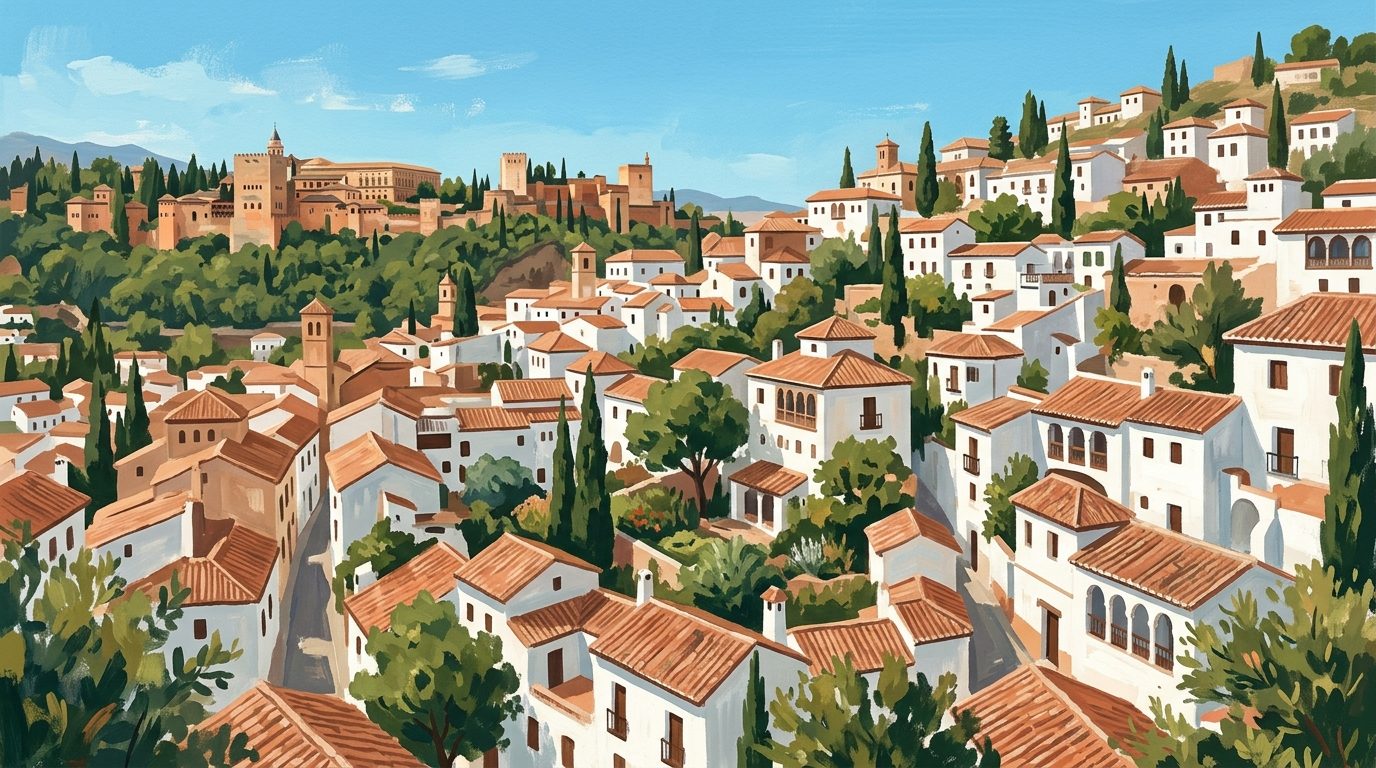
Exploring the Albaicín: Granada’s Medieval Moorish Quarter
Rising steeply above Granada, the Albaicín is a medieval Moorish quarter of whitewashed houses, secret gardens, and the city's most spectacular Alhambra views.
5 min read
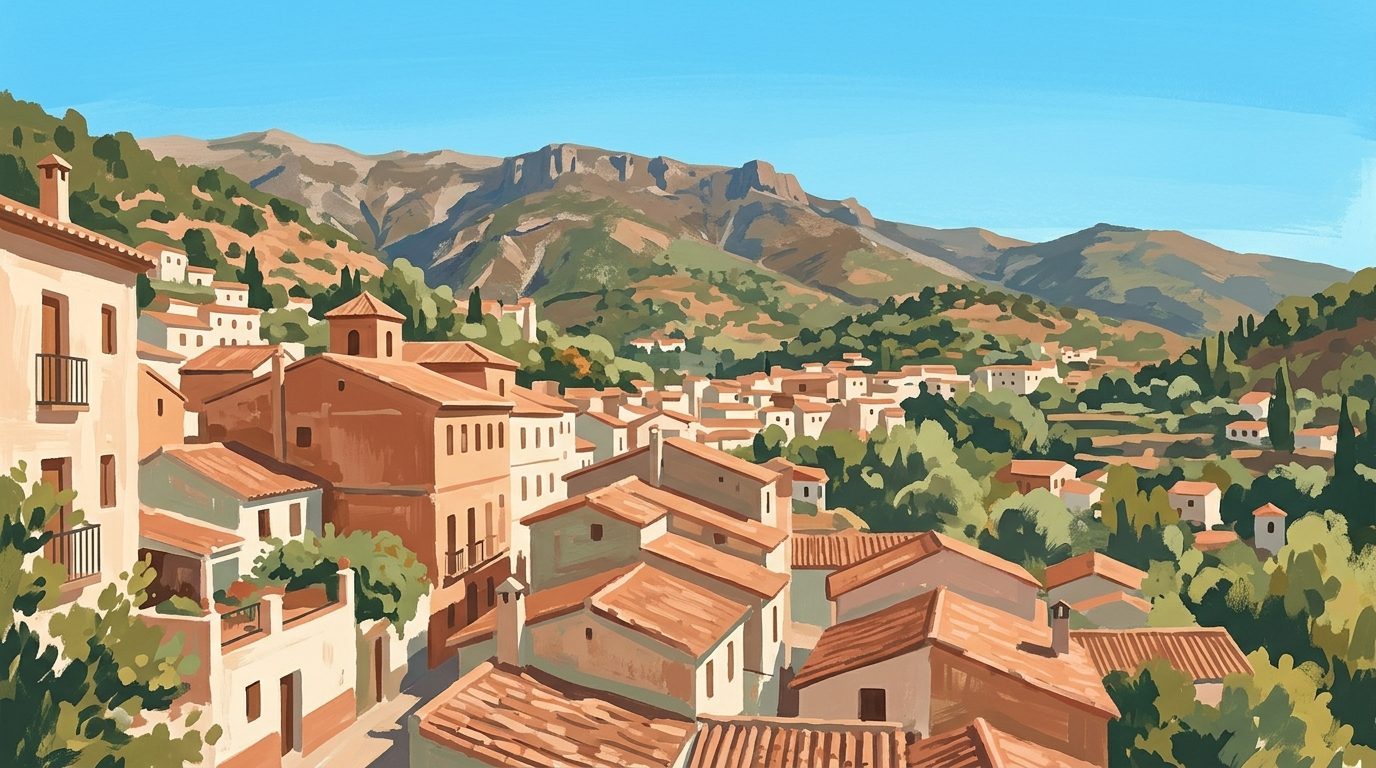
Lanjarón: The Gateway to the Alpujarras and Town of Eternal Springs
Discover Lanjarón, the famous spa town of the Alpujarras known for its curative waters, historic thermal baths, and the lively San Juan water festival.
5 min read
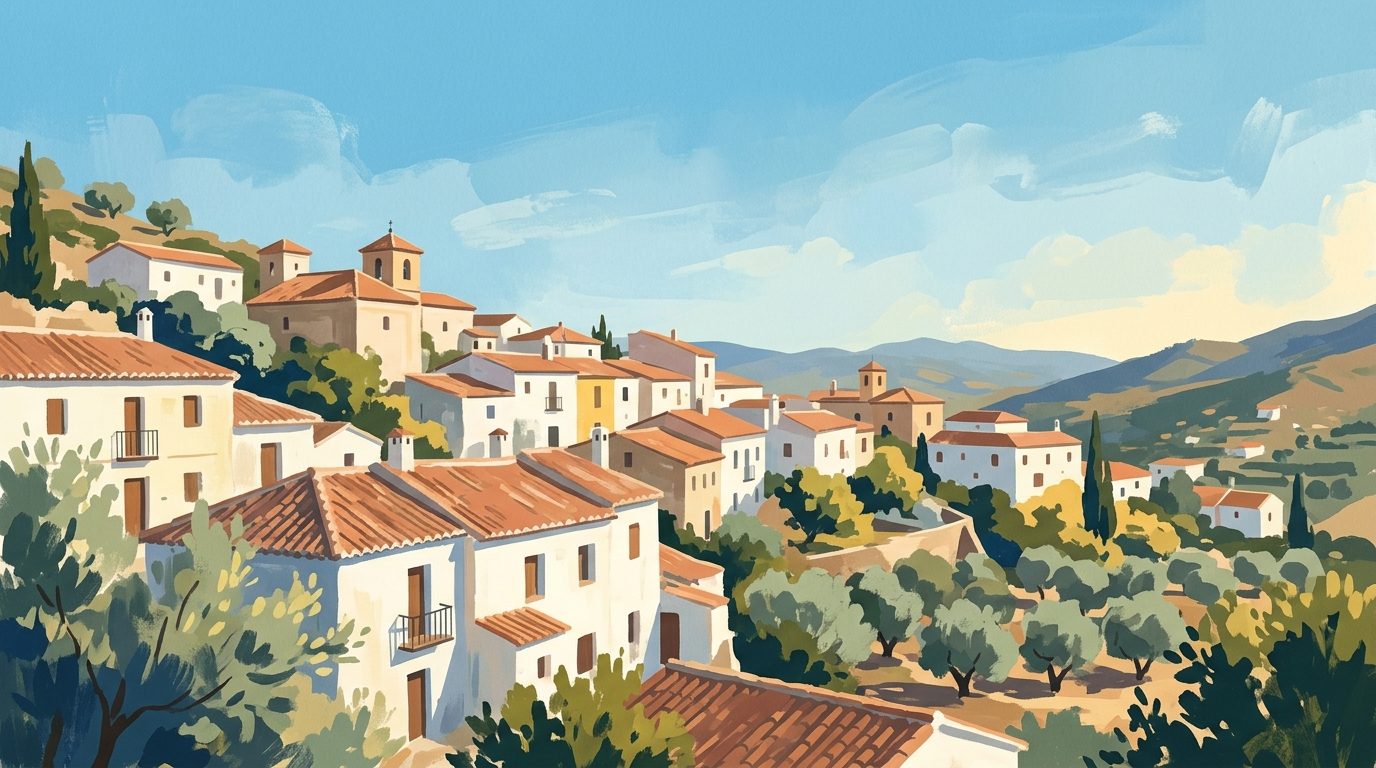
A Guide to Nigüelas: The Balcony of the Lecrín Valley
Discover Nigüelas, the highest village in the Lecrín Valley, known for its 15th-century oil mill museum and spectacular mountain hiking trails.
6 min read
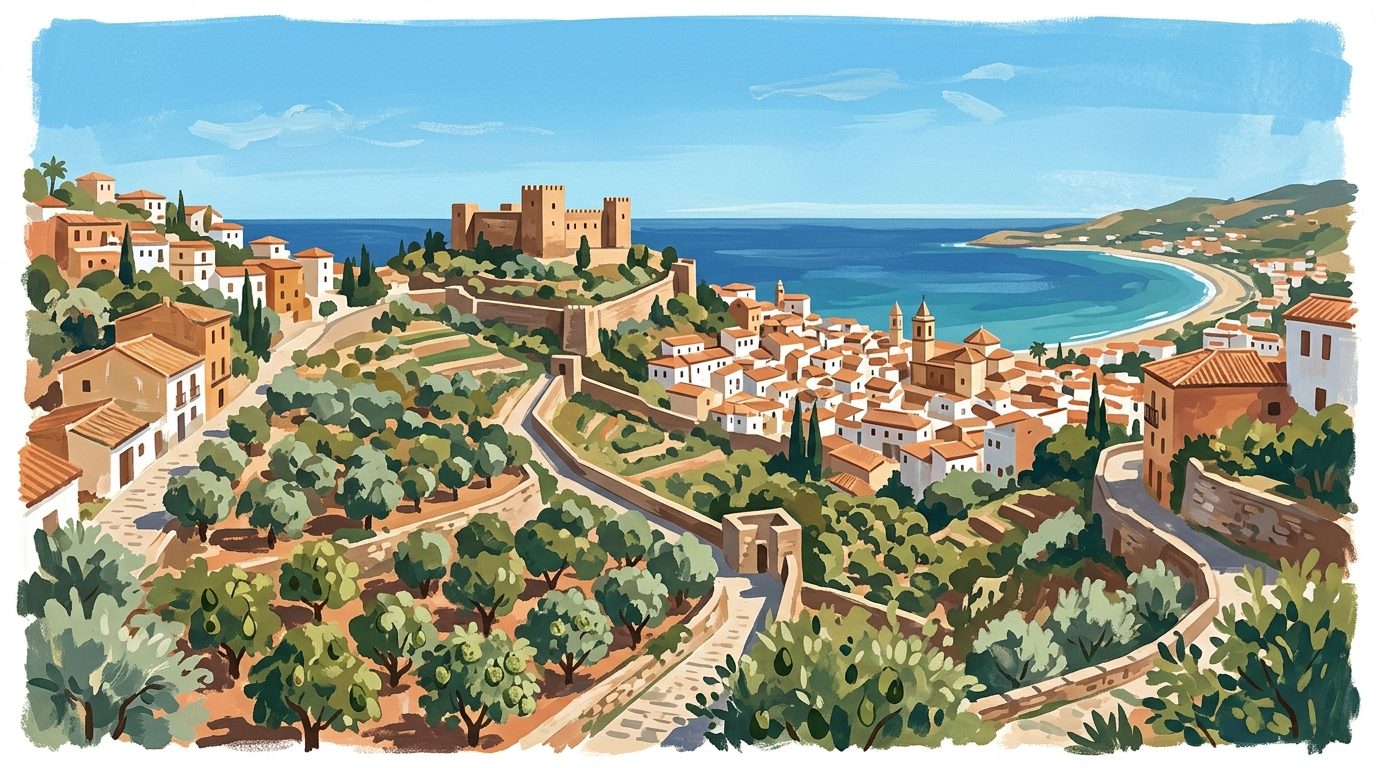
Exploring Almuñécar: A Guide to History and Heritage on the Costa Tropical
Almuñécar offers a distinct pace of life on the Granada coast, where Phoenician ruins sit alongside orchards of custard apples and avocados.
6 min read
Newsletter
More stories from Andalucía
Weekly notes, seasonal picks, and the next guides worth bookmarking.