
Place guide · Almería
A Guide to Playa de Las Negras: Volcanic Shores in Almería
Playa de Las Negras is a unique volcanic beach in Almería, known for its dark pebbles, turquoise waters, and bohemian village atmosphere within the Cabo de Gata-Níjar Natural Park.
By Dan · Updated 16 July 2026 · 6 min read
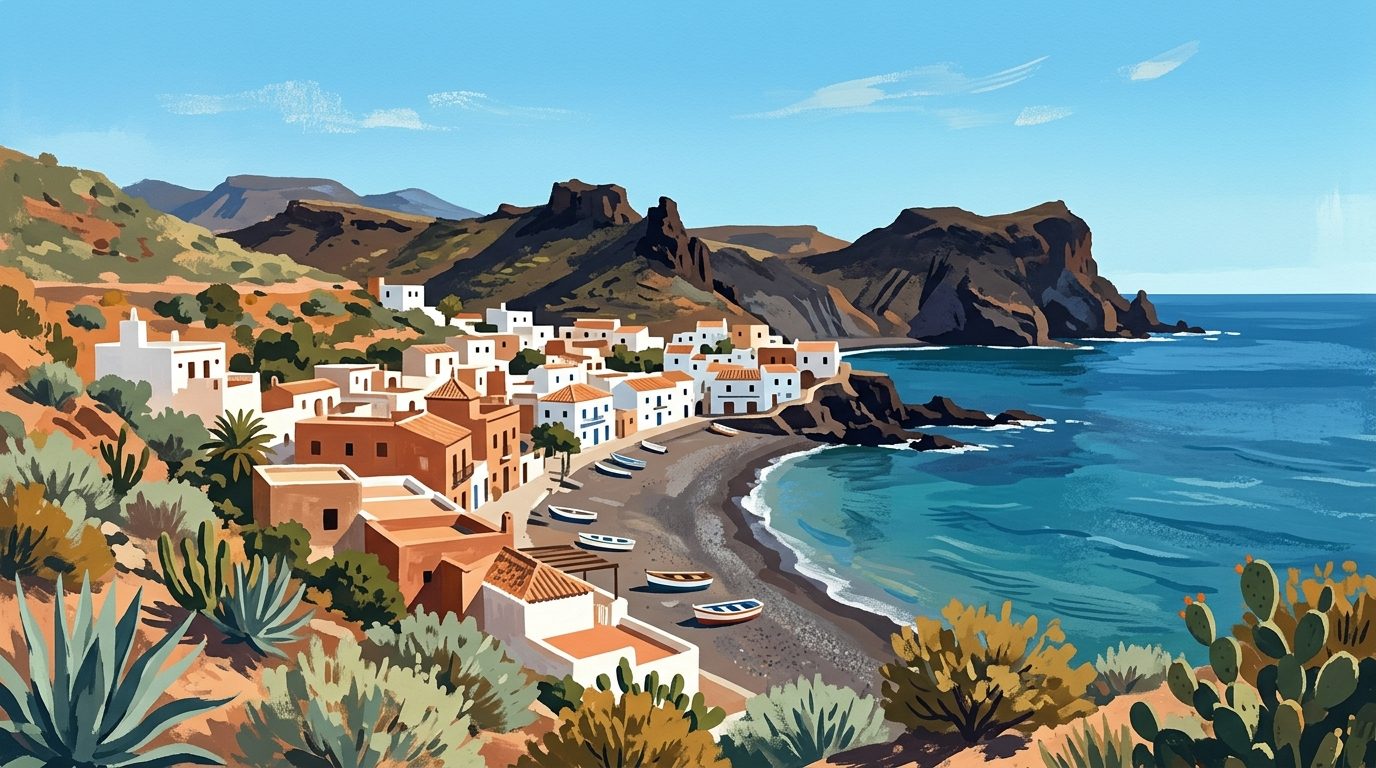
Playa de Las Negras offers a distinct coastal experience defined by its dark volcanic stones and a spirited, bohemian atmosphere. This Almerían shoreline serves as a primary gateway to the rugged beauty of the Cabo de Gata-Níjar Natural Park.
The village of Las Negras takes its name from the dark mass of the Cerro Negro, a massive volcanic cliff that looms over the eastern end of the bay. This beach is not the place for those seeking manicured white sands and rows of identical plastic umbrellas. Instead, it provides a raw and authentic connection to the Almerían coast. The village itself has evolved from a small fishing settlement into a haven for artists, travellers, and those looking to escape the more commercialised corners of the Costa del Sol. Playa de Las Negras serves as the focal point of this community, where local fishing boats, known as pateras, are still hauled onto the stones each evening. The water here is famous for its clarity, often appearing as a deep turquoise against the dark backdrop of the shore. Because the coastline is protected as part of a natural park, the development remains low-rise and relatively sympathetic to the environment. Visitors will find a collection of white-washed buildings that front the beach, offering an immediate transition from the village centre to the water's edge.
The beach itself
Measuring approximately 850 metres in length, Playa de Las Negras is composed of a mixture of coarse sand and bolos, which are large, rounded volcanic pebbles. The presence of these stones means that walking barefoot can be a challenge, yet they contribute to the remarkable visibility underwater by preventing fine silt from clouding the bay. This is not a Blue Flag beach, largely because the natural park regulations limit the type of permanent infrastructure required for such certifications. However, the water quality is consistently excellent. The entry into the sea is somewhat steep, and the transition from the pebbles to the seabed happens quickly, which is an important consideration for those with small children or less confident swimmers.
While there is no official naturist section on this specific stretch of shore, the overall culture of Las Negras is highly relaxed, and sunbathing topless is common. For those seeking full naturism, the nearby coves accessible by foot or boat are the preferred choice. The beach is wide enough to accommodate crowds, but the most comfortable spots for sitting are found towards the centre, away from the boat launching areas at the northern and southern ends. The lack of fine sand means it is less suitable for traditional sandcastles, but it is an exceptional spot for those who enjoy exploring tide pools or searching for unique volcanic rocks along the tide line.
Getting there & parking
Reaching Las Negras requires a car, as public transport options are limited and often impractical for a full day trip. From Almería airport, the drive takes approximately 50 minutes. Travellers should follow the A-7 motorway towards Murcia, taking the exit for Campohermoso and Las Negras at exit 487. The final stretch on the AL-3106 road winds through an arid, desert-like landscape that is typical of this province, providing a stark introduction to the volcanic geology of the region.
Parking in Las Negras is notoriously difficult during the peak months of July and August. The village has a small main car park near the entrance, but this fills up by 10am in summer. There is an additional dirt-track parking area on the northern edge of the village, though it requires a ten-minute walk to reach the shoreline. Outside of the summer season, parking is generally straightforward, with spaces available in the streets close to the beach front. For those relying on public transport, a bus service operated by ALSA runs from Almería city centre, but the schedule often only allows for one or two trips per day, making it essential to verify the latest timetables (check on the operator's website before travelling) before setting out for the day.
Facilities & chiringuitos
Despite its rustic appearance, Playa de Las Negras is well-equipped with places to eat and drink. Chiringuito Las Negras is a popular choice for those wanting to eat with their feet almost in the pebbles, specialising in fresh Mediterranean fish and traditional paella. For a more elevated view of the bay, La Bodeguiya offers a terrace that is perfect for watching the sunset with a view of the Cerro Negro. El Manteca is another local favourite, known for its relaxed service and high-quality tapas. During the summer months, the local council usually installs basic showers and a wooden ramp to assist with access onto the stones near the village centre.
Lifeguards are on duty for the 2026 season from 20 June until 31 August. It is important to note that formal sunbed and umbrella hire is rare here. The pebbly terrain makes it difficult to set up commercial rows of loungers, so most visitors bring their own sturdy beach chairs or thick mats. There are several small boutiques and a pharmacy within the village, meaning most daily needs can be met without leaving the coast. Public toilets are usually available near the main beach access point during the peak season.
Best time to visit
To experience the beach at its best, the shoulder seasons of May, June, and September are ideal. During these months, the weather is warm enough for swimming, but the village avoids the overwhelming crowds of mid-August. The Almerían climate is the driest in Europe, meaning rain is a rarity even in the winter months. However, the winter season brings strong Levante winds from the east, which can make the beach unpleasant as the wind whips across the open bay and creates choppy water conditions.
If visiting in July or August, it is best to arrive before 9am to secure parking and a spot on the shore. Evening visits are also highly recommended, as the heat of the day dissipates and the light on the Cerro Negro turns a deep shade of purple. The village maintains a lively atmosphere well into the night during summer, with several bars offering live music and a social scene that caters to a diverse, international crowd.
Combine with
A visit to Playa de Las Negras is perfectly paired with an excursion to Cala de San Pedro. This famous cove is located about four kilometres to the north and is only accessible by a rugged coastal footpath or by a small boat taxi. The boat taxis depart regularly from the shoreline at Las Negras during the summer season, charging a set fee for the return trip. Cala de San Pedro is home to a small community of year-round residents living in an environmentally conscious manner and features a fresh water spring and a ruined castle. The sand at San Pedro is much finer and whiter than at Las Negras, providing a contrast to the volcanic stones of the main village beach. The hike to San Pedro takes about an hour each way and offers some of the most spectacular coastal views in Andalucía, though it should be avoided during the midday heat when there is little to no shade along the path.
Practical notes
Preparation is key for a comfortable day at Playa de Las Negras. High-quality beach shoes or wetsuit boots are strongly recommended for entering the water, as the volcanic stones can be sharp and slippery. While the bay is generally protected, strong easterly winds can create significant swell and undertows, so swimmers should always heed the lifeguard flags when they are present. Dog owners should be aware that pets are officially prohibited on the beach during the high season, though rules are often more relaxed during the winter months when fewer tourists are present.
Accessibility for those with limited mobility is challenging due to the pebble surface, although the main promenade provides a flat area with views of the sea and easy access to the adjacent cafes and restaurants. There are no large supermarkets in the village, so it is wise to stock up on specific supplies in the town of Campohermoso before driving down to the coast. Finally, the clarity of the water makes this one of the best spots in the province for snorkelling, particularly along the rocky edges near the cliffs, where octopus and various species of Mediterranean fish are frequently spotted.
Last reviewed: 16 July 2026 · Editorial policy
Related guides
Carboneras: An Authentic Maritime Gateway to Cabo de Gata
Carboneras offers an authentic look at Almería's fishing traditions and serves as a gateway to the spectacular Playa de los Muertos.
5 min read
A Guide to Roquetas de Mar: Beaches, Castles and Coastal Life
Discover Roquetas de Mar, an Almerian coastal town offering expansive blue-flag beaches, a 16th-century castle, and a spectacular natural reserve.
6 min read
Playa de Agua Amarga: A Guide to Almería's Premier Coastal Village
Playa de Agua Amarga is a sophisticated coastal retreat in Almería, offering a perfect balance of fine golden sand, crystal-clear water, and excellent village chiringuitos.
7 min read
Playa de los Muertos: Almería's Wild Coastal Masterpiece
Playa de los Muertos is a starkly beautiful stretch of white volcanic pebbles and turquoise water, offering some of the clearest swimming conditions in Andalucía.
7 min read
Coastal Drive: Cádiz to Almería
Driving the coastline of southern Spain is an exercise in geological and cultural whiplash, taking you from the wind-whipped Atlantic shores of Cádiz to the scorched volcanic deserts of Almería. This route traces the very edge of the continent, offering a masterclass in coastal navigation along the legendary N-340 and beyond.
10 min read
Almería Province Guide: Europe's Desert Frontier and Untamed Coastline
Far removed from the crowded resort towns of the Costa del Sol, Almería remains Andalucía's wildest and most beautifully arid province. Here, sun-scorched deserts crash into the Mediterranean Sea, offering an unfiltered, elemental escape.
8 min read
More from Almería
A Local Guide to Playa de Mojácar: Sands, Spirits and Almerían Soul
Experience the diverse 17-kilometre coastline of Mojácar Playa, where volcanic sands meet clear waters and lively chiringuitos offer the perfect Almerían escape.
8 min read
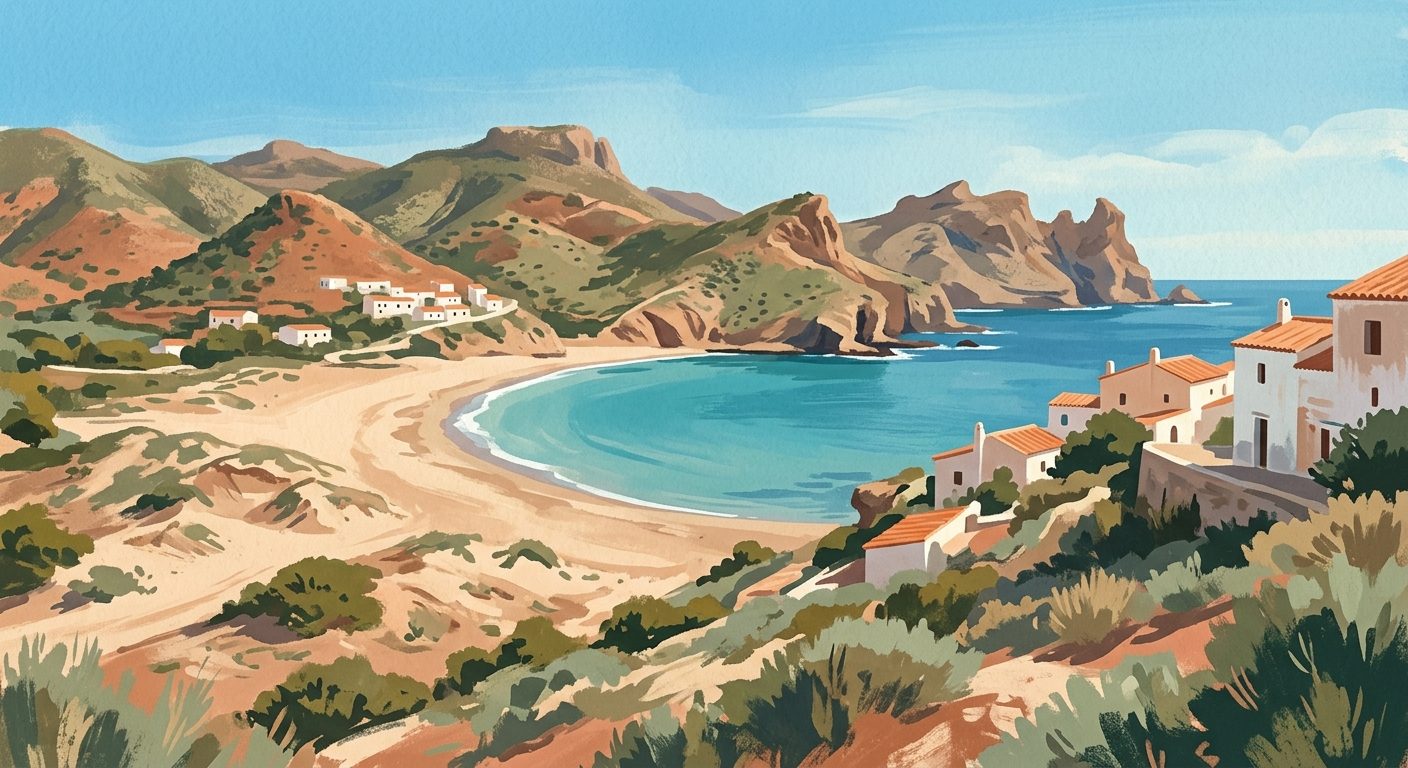
Playa de los Genoveses: A Guide to the Wild Heart of Cabo de Gata
Experience the untouched beauty of Playa de los Genoveses, a vast volcanic bay in Almería where golden sands meet shallow turquoise waters in a protected natural park.
7 min read
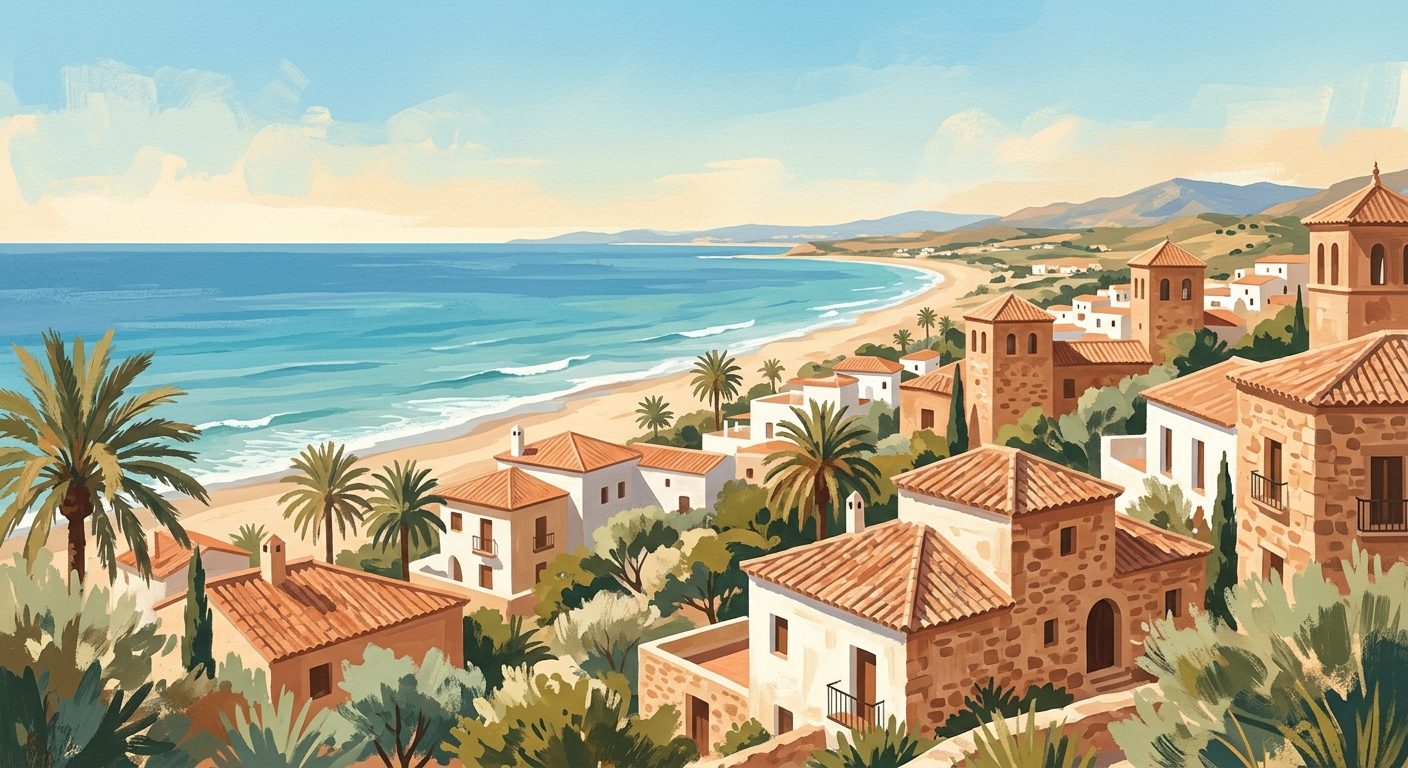
Playa de Vera: Naturist and Family Beach Guide
Playa de Vera is a vast Almerían beach known for its pioneering naturist zones and wide, golden sands. It offers a unique combination of clothing-optional freedom and traditional family-friendly facilities.
7 min read
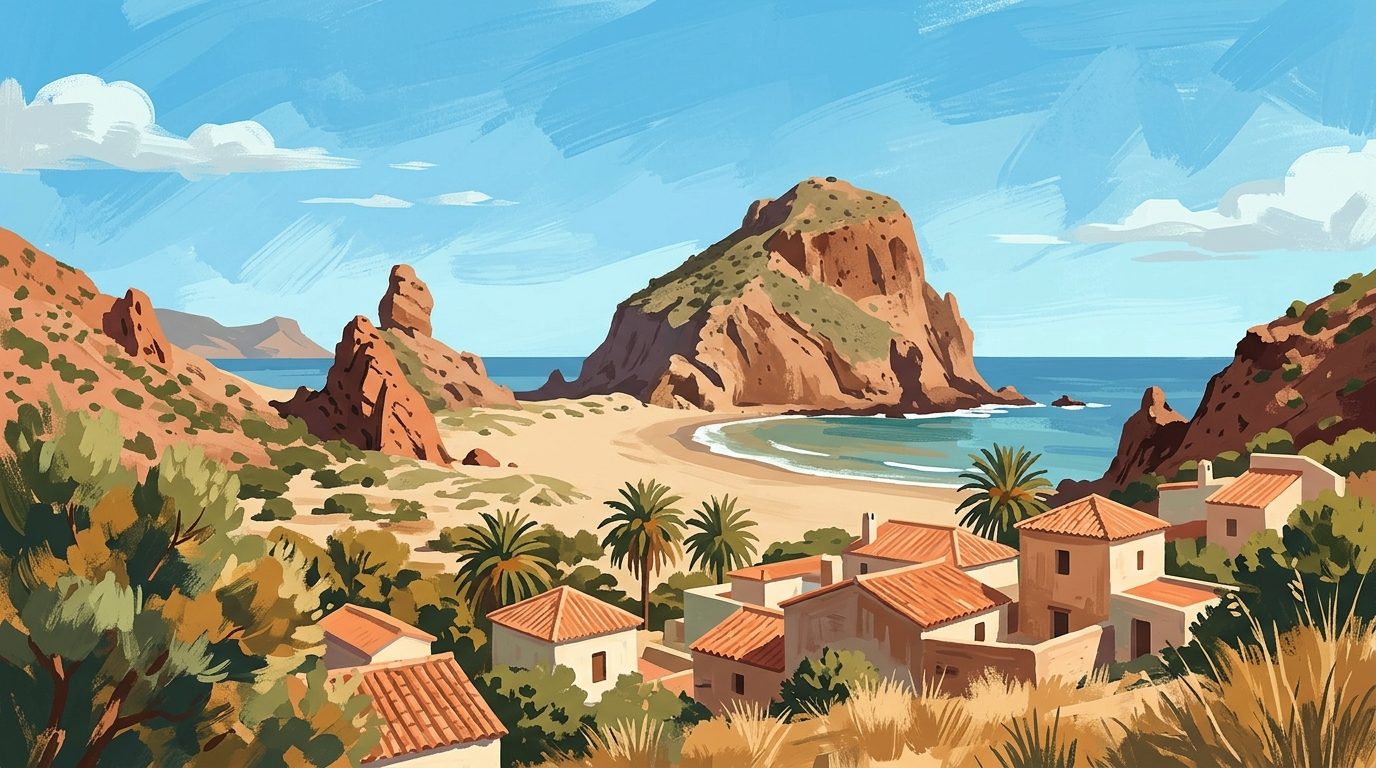
A Guide to Playa de Mónsul: The Volcanic Masterpiece of Cabo de Gata
Discover the volcanic beauty of Playa de Mónsul, an iconic Almerían beach famous for its dramatic lava formations and cinematic history.
7 min read
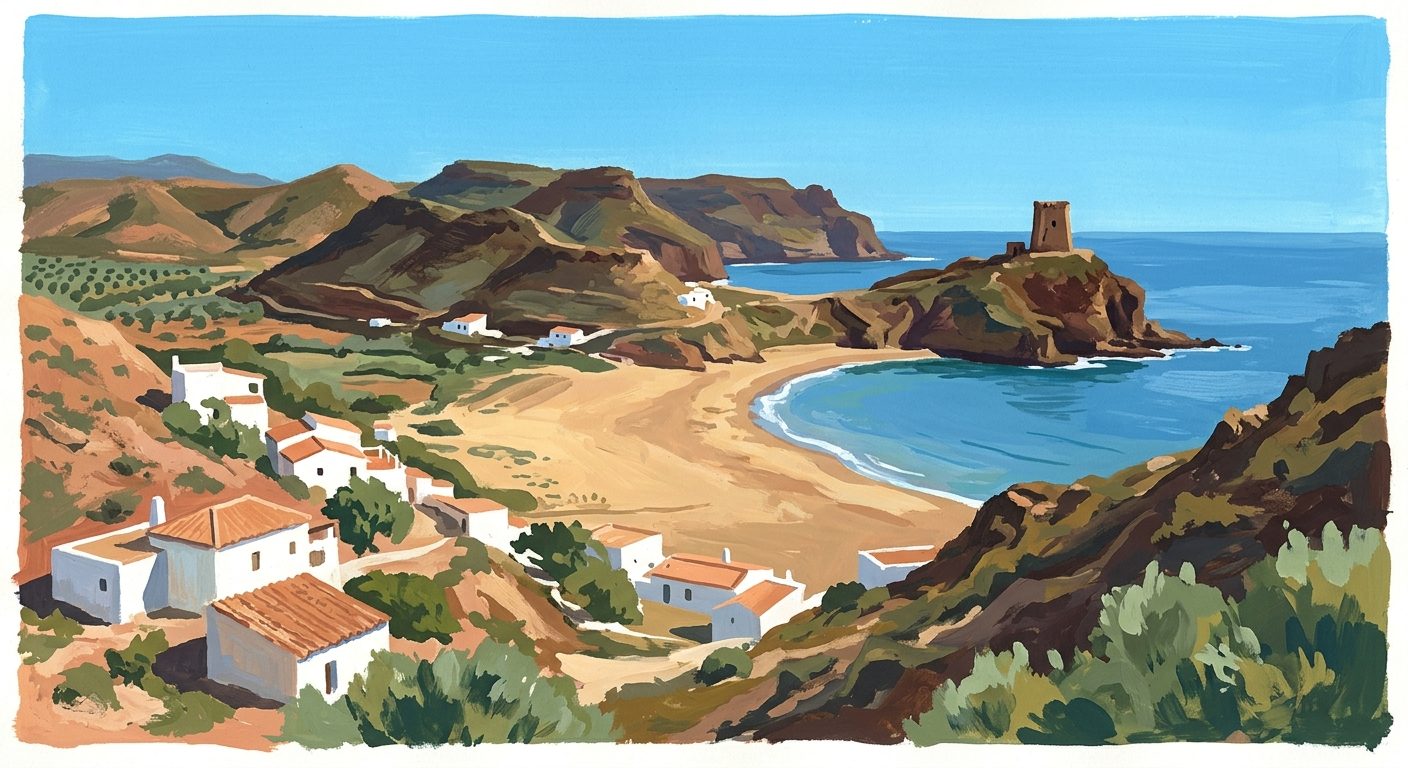
Playa del Playazo: A Guide to Rodalquilar's Golden Coast
A sweeping valley of golden sand flanked by volcanic cliffs and the historic Castillo de San Ramón. This is one of the most accessible yet visually striking beaches in Almería.
7 min read
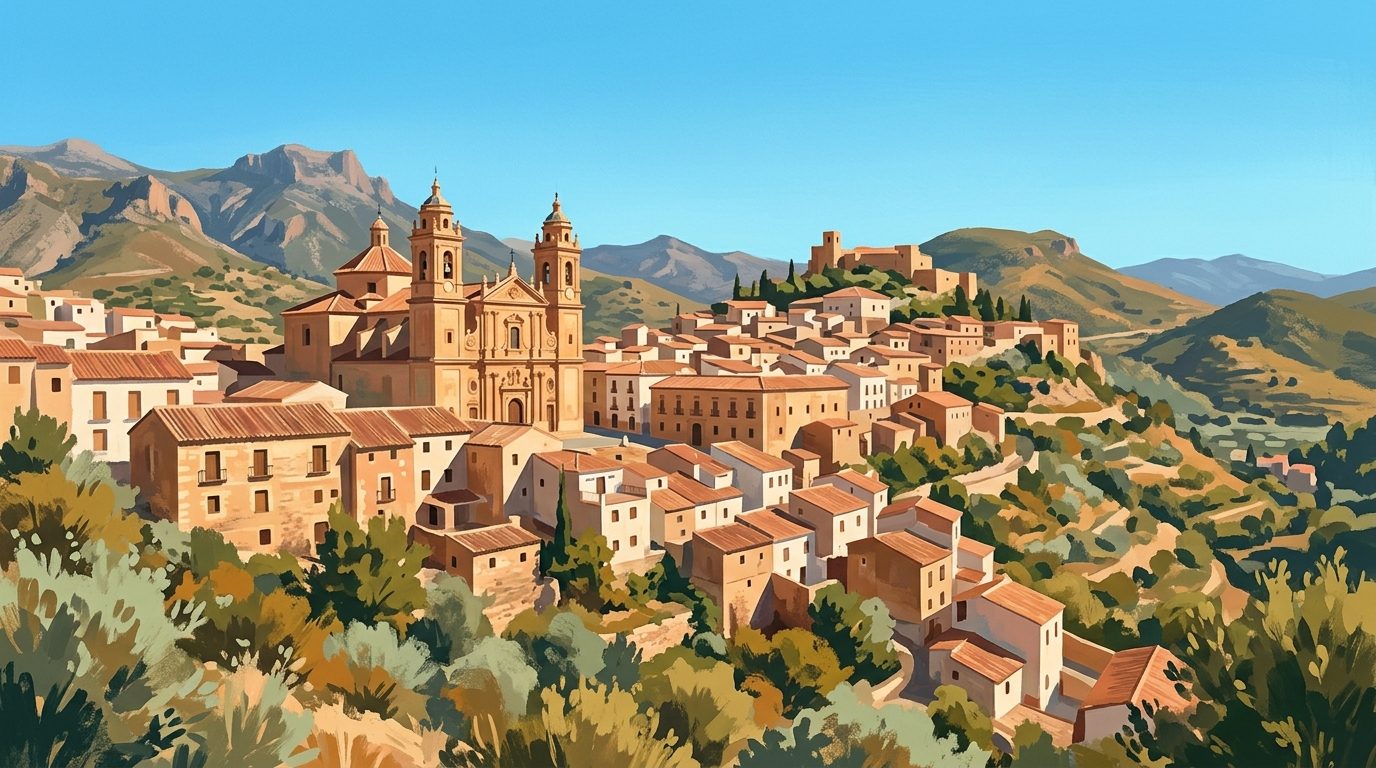
A Guide to Vélez-Rubio: Almería’s Baroque Masterpiece
Discover the grand Baroque architecture and deep archaeological heritage of Vélez-Rubio, the elegant market town serving Almería’s northern highlands.
6 min read
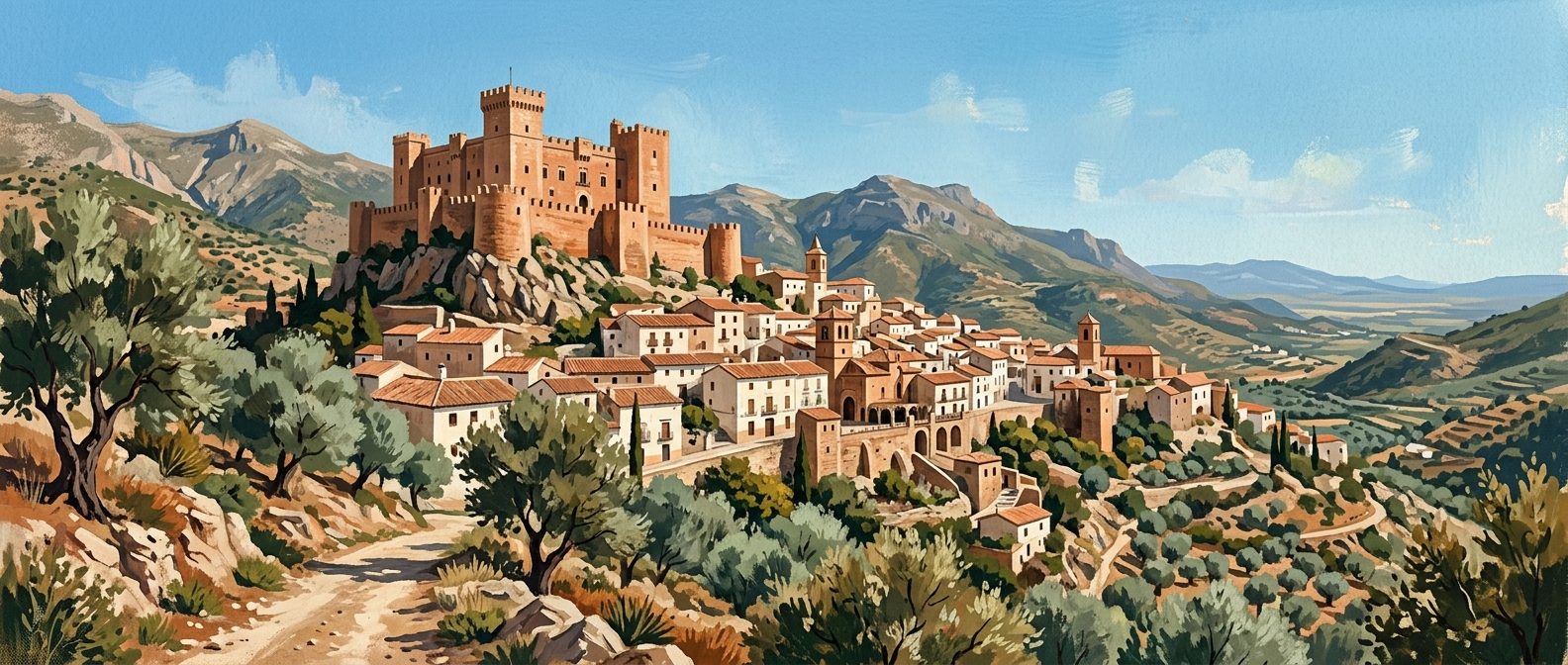
Vélez-Blanco: The Renaissance Stronghold of the Almería Highlands
Discover Vélez-Blanco, a high-altitude Almerían village featuring a 16th-century Renaissance castle and UNESCO-listed prehistoric cave art.
6 min read
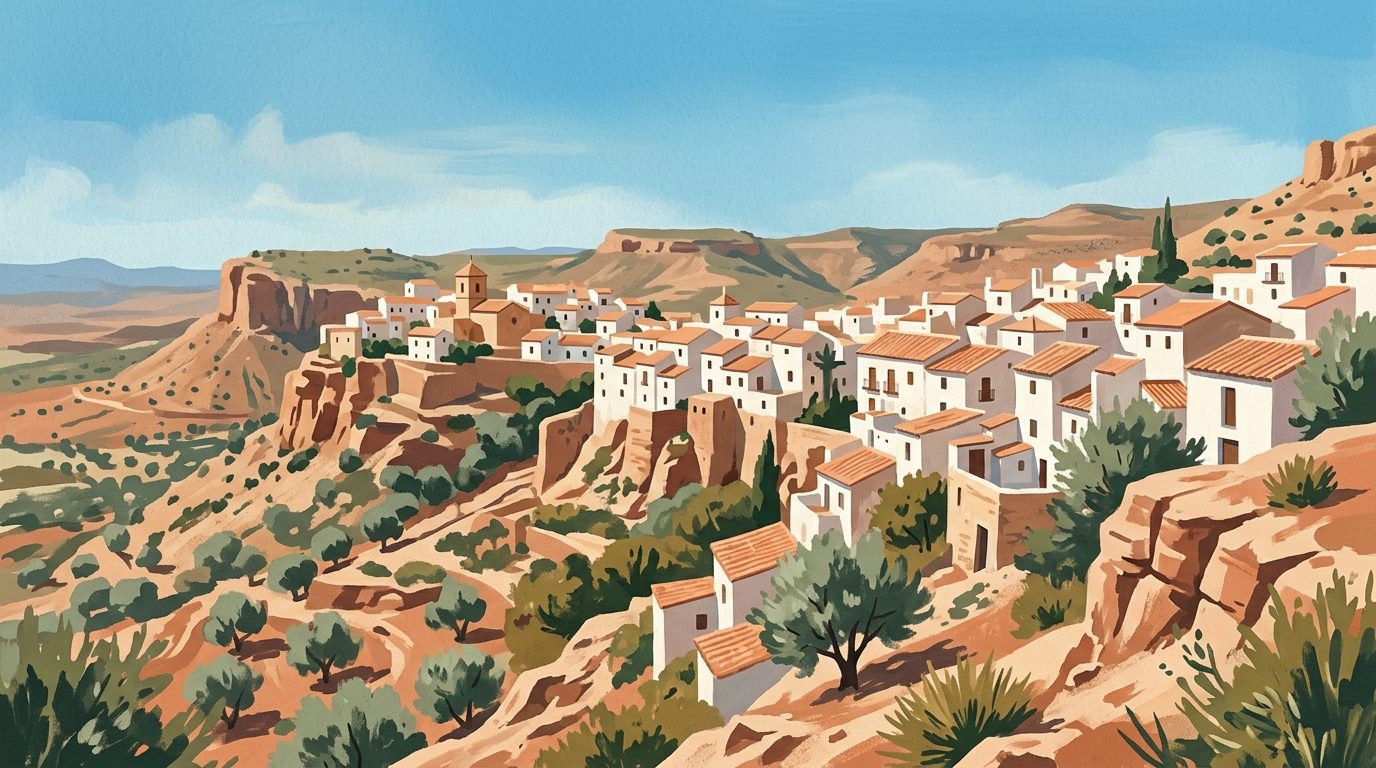
Exploring the Gypsum Karst and Hanging Houses of Sorbas
Discover Sorbas, the Almerian town famous for its precarious hanging houses and Europe's most extensive network of gypsum caves.
6 min read
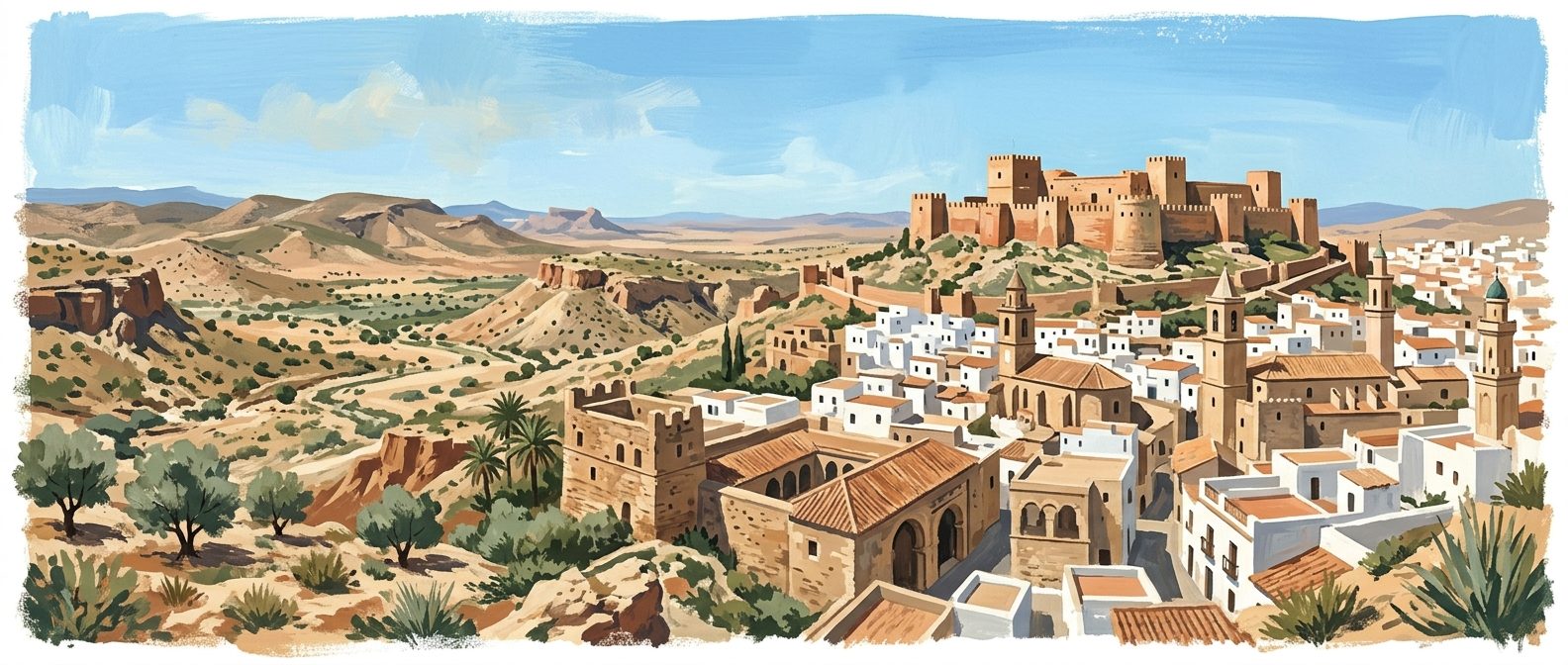
Almería City: The Gateway to Europe's Wild West
Discover the storied cinematic past of Almería City and explore the rugged Tabernas Desert film sets where Hollywood legends were born.
6 min read
Newsletter
More stories from Andalucía
Weekly notes, seasonal picks, and the next guides worth bookmarking.