
Place guide · Almería
A Guide to Playa de Mónsul: The Volcanic Masterpiece of Cabo de Gata
Discover the volcanic beauty of Playa de Mónsul, an iconic Almerían beach famous for its dramatic lava formations and cinematic history.
By Dan · Updated 29 June 2026 · 7 min read
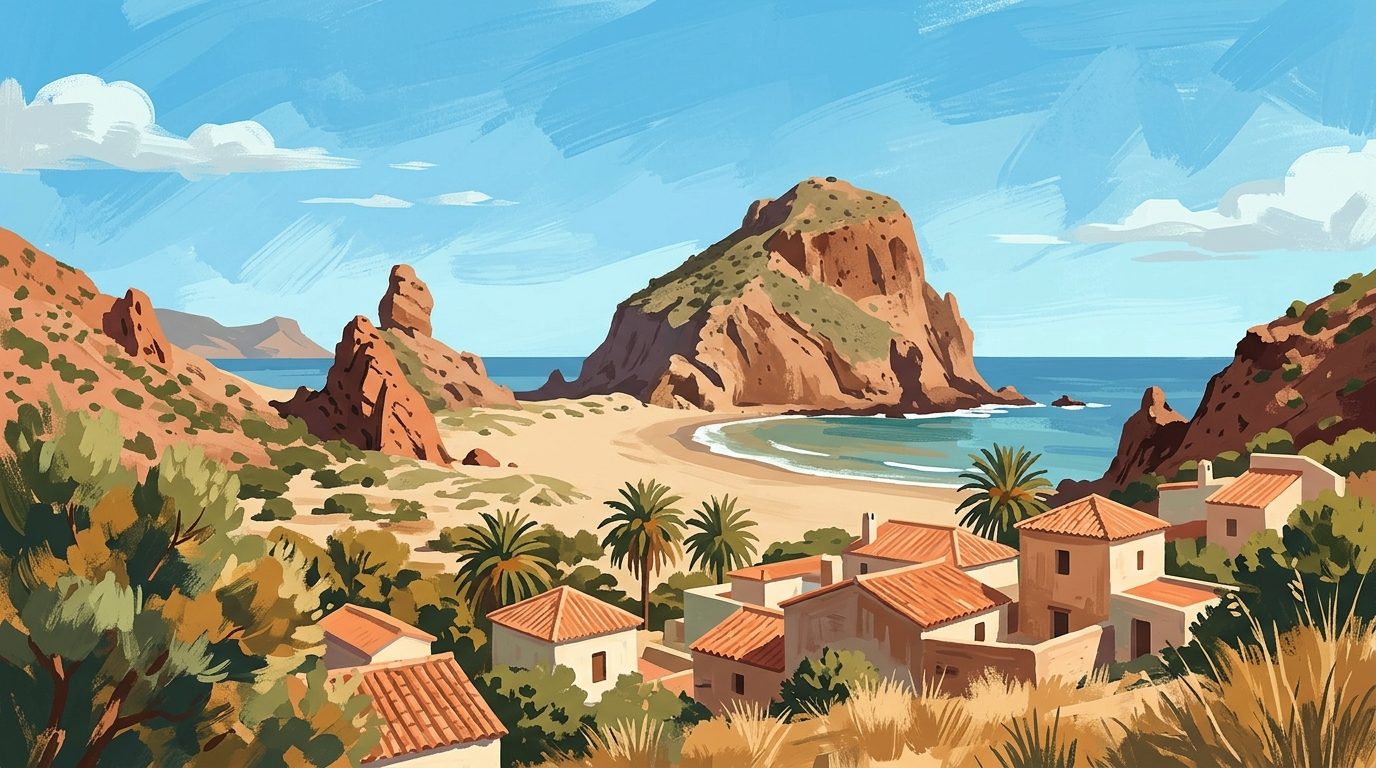
Playa de Mónsul is a striking example of the volcanic origins of the Cabo de Gata-Níjar Natural Park, defined by its massive wave-eroded rock and fine grey sand. This wild coastline offers a primitive beauty that has captured the imagination of filmmakers and nature lovers for decades.
Playa de Mónsul is arguably the most famous beach in the province of Almería, and perhaps in the whole of the Andalucían region. It represents the raw, untamed spirit of the Cabo de Gata-Níjar Natural Park. Unlike the manicured, palm-fringed beaches of the western Costa del Sol, Mónsul is a place of geological drama. The shoreline is dominated by the Peineta de Mónsul, a massive, curved rock formation that resembles a crest or a breaking wave petrified in stone. This volcanic tongue, formed by lava cooling as it met the sea millions of years ago, provides a unique silhouette that has appeared in numerous international films.
The beach is located within a strictly protected biosphere reserve, which means it remains entirely free from permanent construction, paved roads, or commercial development. For many travellers, this lack of modern intrusion is the primary draw. The surrounding hills are arid and sparsely vegetated with hardy Mediterranean scrub, pita plants, and prickly pears, creating a landscape that feels more like the North African coast than mainland Europe. It is a location that demands respect and preparation, rewarding those who visit with some of the clearest water and most interesting snorkelling opportunities in the western Mediterranean.
The beach itself
The sand at Playa de Mónsul is distinctively different from the golden or white sands found elsewhere in the south of Spain. Here, the sand is fine-grained but has a leaden, greyish hue, a direct result of the volcanic rocks that have been ground down over millennia. It is soft underfoot and does not get as scorching hot as darker volcanic sands found in the Canary Islands, making it comfortable for walking along the water's edge. The beach stretches for roughly 400 metres in a gentle crescent, flanked by steep volcanic cliffs that offer some natural shade at specific times of the day.
The water clarity is exceptional. Because there are no river mouths nearby to deposit silt and the seabed is largely composed of rock and coarse sand, the visibility for swimmers and snorkelers is often perfect. The sea stays shallow for a few metres before shelving away, making it relatively safe for families, although the lack of facilities means parents must bring everything they need for the day. There is no Blue Flag status here, but this is a deliberate choice: the criteria for Blue Flag status often require urban services like paved access and permanent toilets, which are prohibited in this zone of the natural park to preserve its ecological integrity.
Regarding social norms, Playa de Mónsul is a space of total freedom. While it is not strictly a designated naturist beach, nudism is very common and entirely accepted, as it is across most of the remote coves in Cabo de Gata. Families, couples, and naturists coexist without any tension, sharing a mutual appreciation for the quiet environment. If you are uncomfortable with public nudity, you may find the atmosphere a little surprising, but it is a fundamental part of the Almerían beach culture.
Getting there & parking
Reaching Playa de Mónsul requires a bit of planning, especially during the peak summer months. The beach is located about 4 kilometres from the small coastal town of San José. If you are flying into the region, Almería Airport is the closest hub, situated approximately a 45-minute drive away. From the airport, you follow the AL-3113 and then the ALP-202 towards San José. Once you arrive in San José, follow the signs for the Playas de Poniente.
The access road is an unpaved, dusty track. During the low season (October to May), you can usually drive your own vehicle right to the parking area behind the beach for free. However, from mid-June to mid-September (check on the operator's website before travelling for exact dates), the local government implements a strict access control system to prevent environmental degradation. During this period, the car park is limited to a small number of vehicles, and a fee of 6 euros is charged. This car park often fills up by 9:00 AM. Once the limit is reached, the road is closed to private cars.
The most sustainable and reliable way to reach Mónsul in summer is the official shuttle bus (Bus Lanzadera) service that runs from San José. The bus departs from several points in the town and drops passengers off at Mónsul and the neighbouring Playa de los Genoveses. It is an affordable service and saves the frustration of being turned away at the park entrance. For the more active traveller, the walk from San José is beautiful but challenging in the summer heat; it takes about an hour and offers little to no shade.
Facilities & chiringuitos
Honesty is essential when describing the facilities at Playa de Mónsul: there are none. You will not find any beach bars (chiringuitos), restaurants, or kiosks selling cold drinks. There are no sun-bed hire services, no public showers, and no permanent toilets. The only nod to human convenience is the presence of a few rubbish bins in the car park and a basic lifeguard post that is usually manned only during the high season (July and August) and during the busy Easter week.
This lack of commercialisation means you must arrive fully prepared. You will need to carry in your own water, food, and sun protection. If you forget your parasol, you are at the mercy of the Almerían sun, which can be relentless. The nearest place to buy supplies or enjoy a meal is the town of San José. Many regular visitors pack a cool box with plenty of ice and water, as the dry heat of the Almerían desert can lead to dehydration faster than many expect. While the absence of a chiringuito might seem like a drawback, it ensures that the beach remains quiet and free from the loud music and grease smells often found at more developed coastal spots.
Best time to visit
Timing is everything when visiting this part of the coast. If you visit in August, you will face intense heat, crowded sands, and the logistical challenge of the shuttle bus. For the best experience, the shoulder seasons of May, June, and September are ideal. During these months, the water is warm enough for swimming and the weather is pleasant. Note that while May and September offer unrestricted car access, restrictions usually begin in mid-June. September is particularly favoured by locals, as the sea has been warmed by the summer sun and the crowds have largely dissipated.
The time of day also matters. Photographers should aim for the late afternoon and the golden hour. The way the setting sun hits the Peineta de Mónsul and the surrounding volcanic cliffs creates a spectacular glow that explains why Steven Spielberg chose this location for Indiana Jones and the Last Crusade (specifically the scene where Sean Connery uses an umbrella to scare a flock of seagulls). Avoid the beach during a strong Levante wind. The Levante blows from the east and can turn a peaceful day at Mónsul into a sandblasting experience, as the fine volcanic sand is easily whipped up by the breeze. If the Levante is blowing hard, you might find better shelter at the beaches on the opposite side of the cape, such as Playa del Corralete.
Combine with
A visit to Playa de Mónsul is perfectly paired with its neighbour, Playa de los Genoveses. While Mónsul is rocky and dramatic, Genoveses is a vast, open bay with shallow waters and a back-drop of eucalyptus trees. You can walk between the two beaches along the coastal cliffs in about 25 to 30 minutes, which provides some of the best views of the Almerían coastline. After a day in the sun, heading back to San José is the logical choice. This former fishing village has managed to maintain its charm despite its popularity. It offers a good selection of restaurants along the promenade, such as Restaurante el Jardín, where you can enjoy fresh local fish and a cold drink while looking out over the marina.
Practical notes
There are several practical considerations for a safe trip to Mónsul. Firstly, the walk from the car park to the shore is short and flat, but the sand can be deep, making it difficult for those with limited mobility or heavy strollers. Accessibility is limited here. Secondly, dog owners should be aware that during the high season, pets are generally not permitted on the beach during the day to ensure hygiene and comfort for all visitors. However, in the low season, you will often see well-behaved dogs enjoying the shoreline.
Safety in the water is usually good, as the beach is somewhat protected by its shape. However, be cautious of the currents around the Peineta rock. While it is tempting to climb the rock for a photo, the surface can be sharp and slippery. Ensure you wear sturdy footwear if you plan to explore the rocky outcrops. Lastly, remember that this is a high-protection area of the natural park. Taking stones, sand, or plants as souvenirs is strictly prohibited and can result in heavy fines. The goal is to leave the beach exactly as you found it, preserving its ancient volcanic character for the next visitor.
Last reviewed: 21 June 2026 · Editorial policy
Related guides
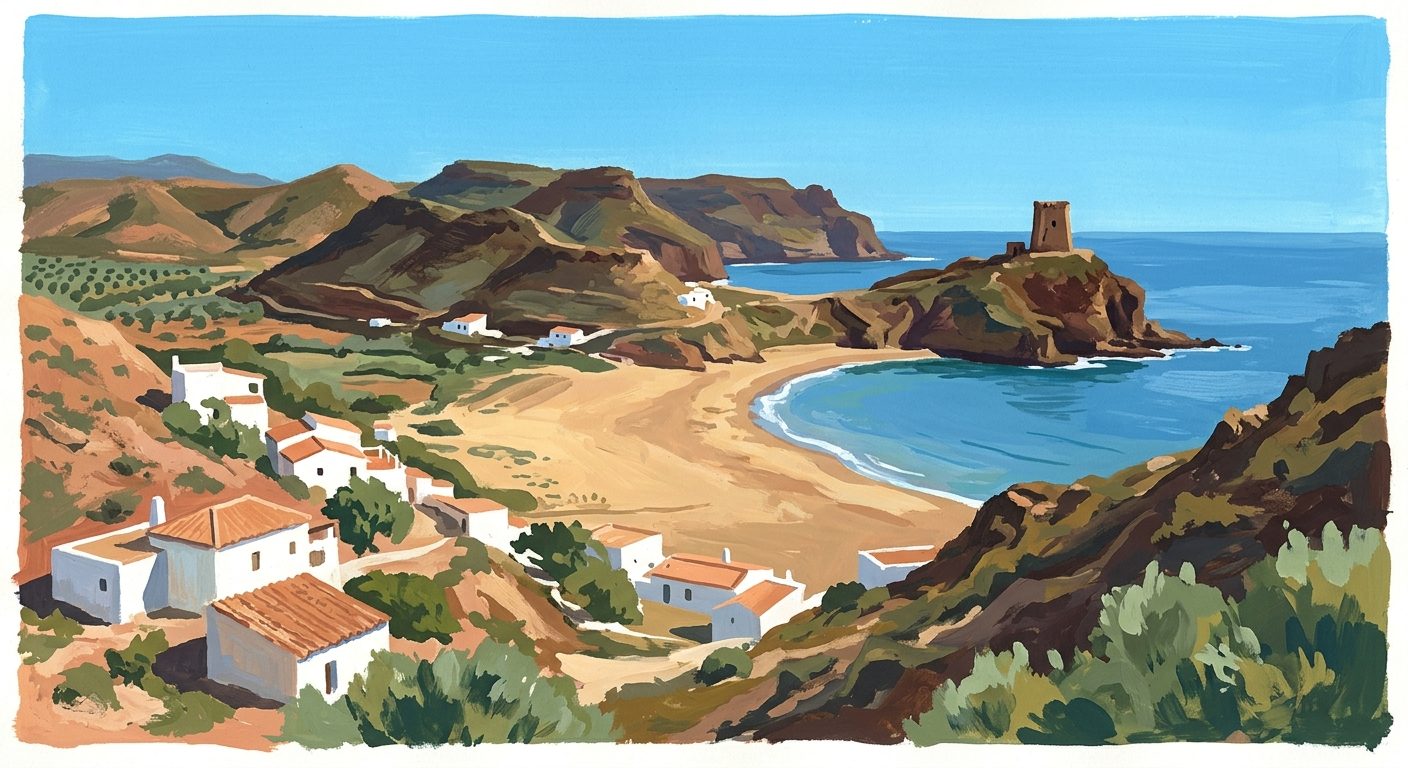
Playa del Playazo: A Guide to Rodalquilar's Golden Coast
A sweeping valley of golden sand flanked by volcanic cliffs and the historic Castillo de San Ramón. This is one of the most accessible yet visually striking beaches in Almería.
7 min read
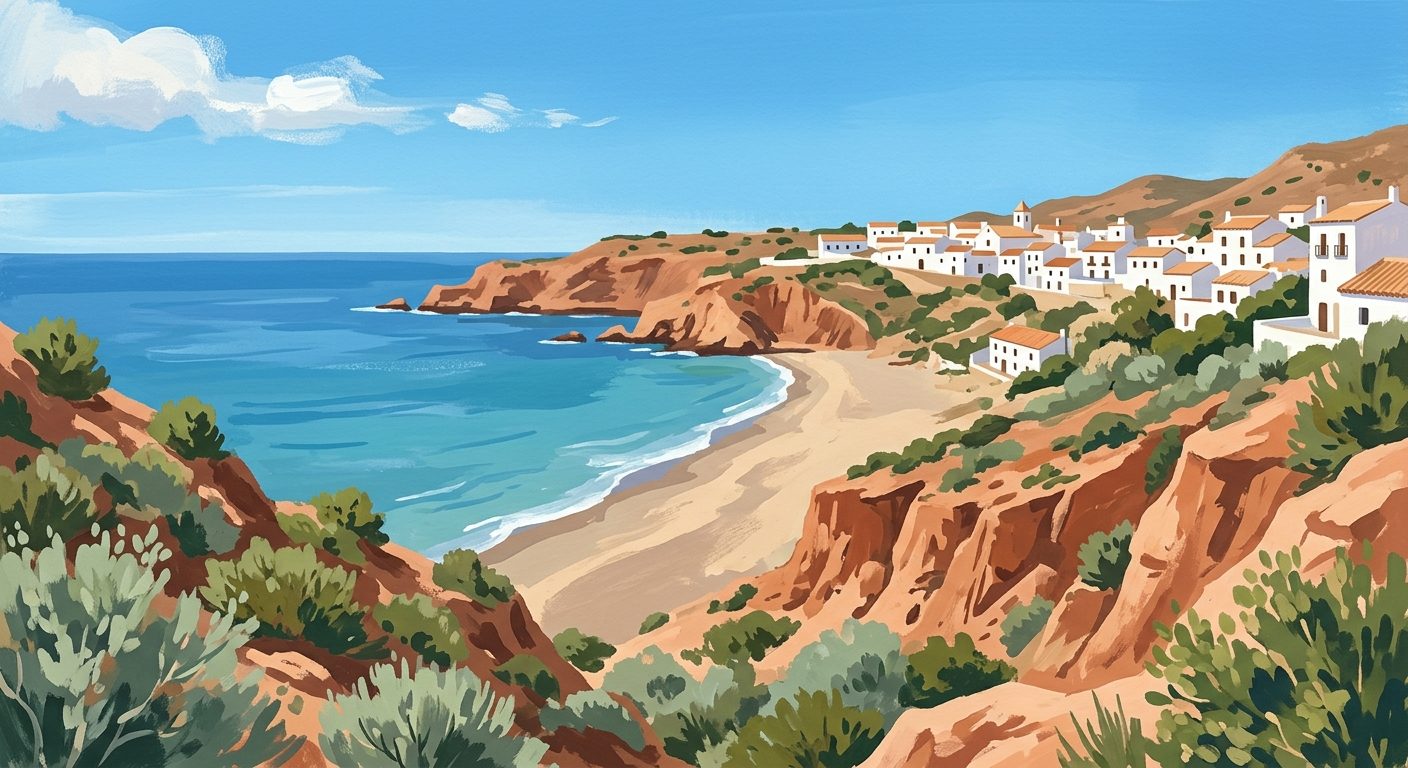
Playa de los Muertos: Almería's Wild Coastal Masterpiece
Playa de los Muertos is a starkly beautiful stretch of white volcanic pebbles and turquoise water, offering some of the clearest swimming conditions in Andalucía.
7 min read
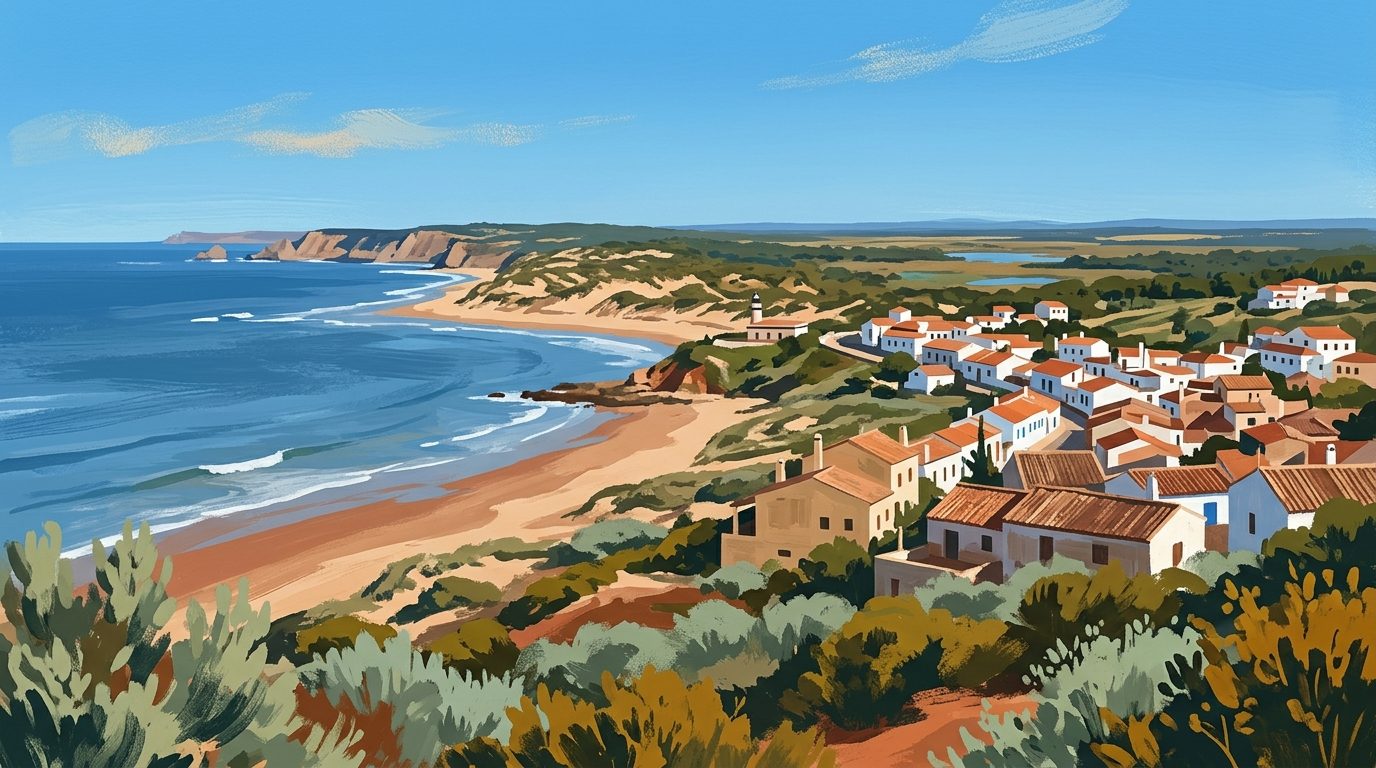
Mazagón: Untamed Beaches and Pine Forests in Huelva
A peaceful alternative to the built-up resorts of the western Costa de la Luz, Mazagón offers vast stretches of golden sand backed by ancient dunes and fragrant umbrella pines.
5 min read
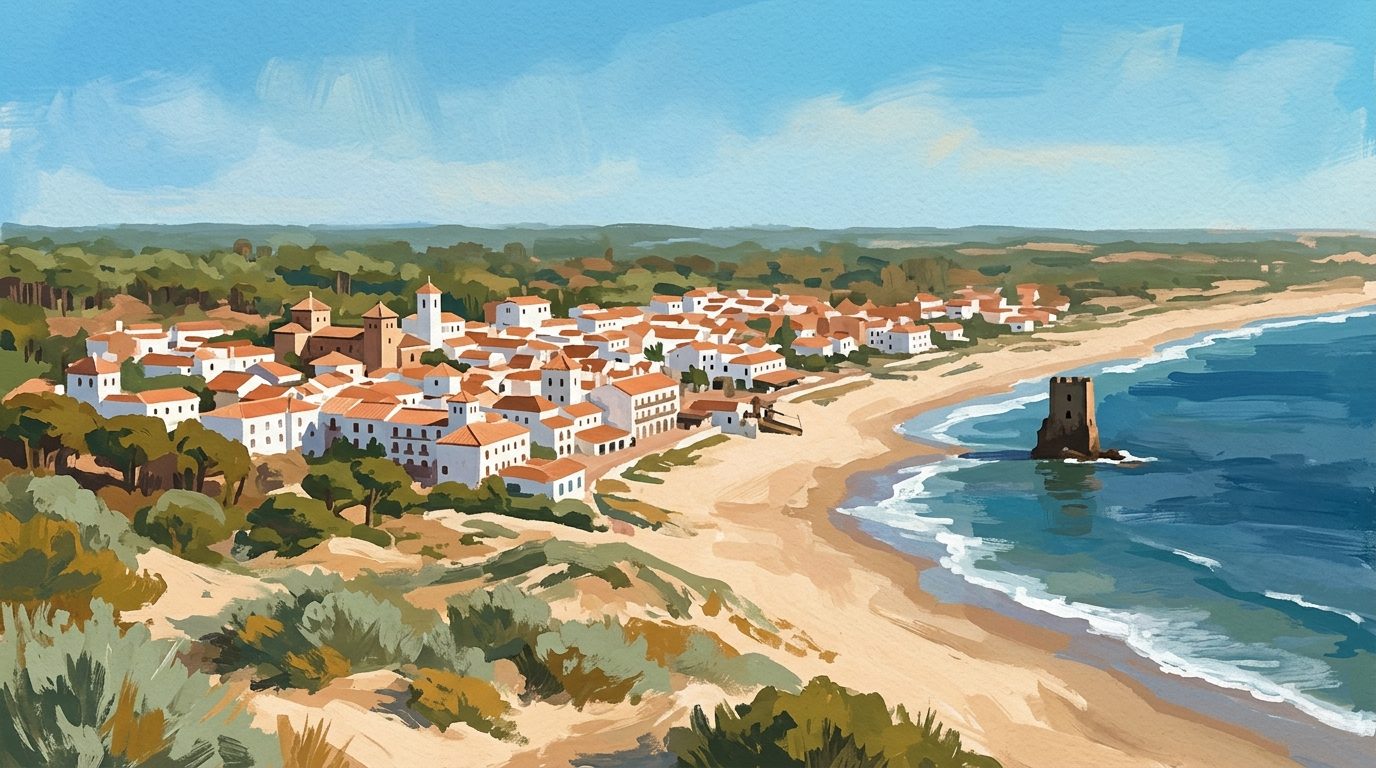
Matalascañas: The Coastal Gateway to Doñana National Park
A unique coastal resort where urban convenience meets the wild, untouched dunes of Doñana National Park. Discover kilometres of golden sand and the iconic ruins of a 16th-century watchtower.
6 min read
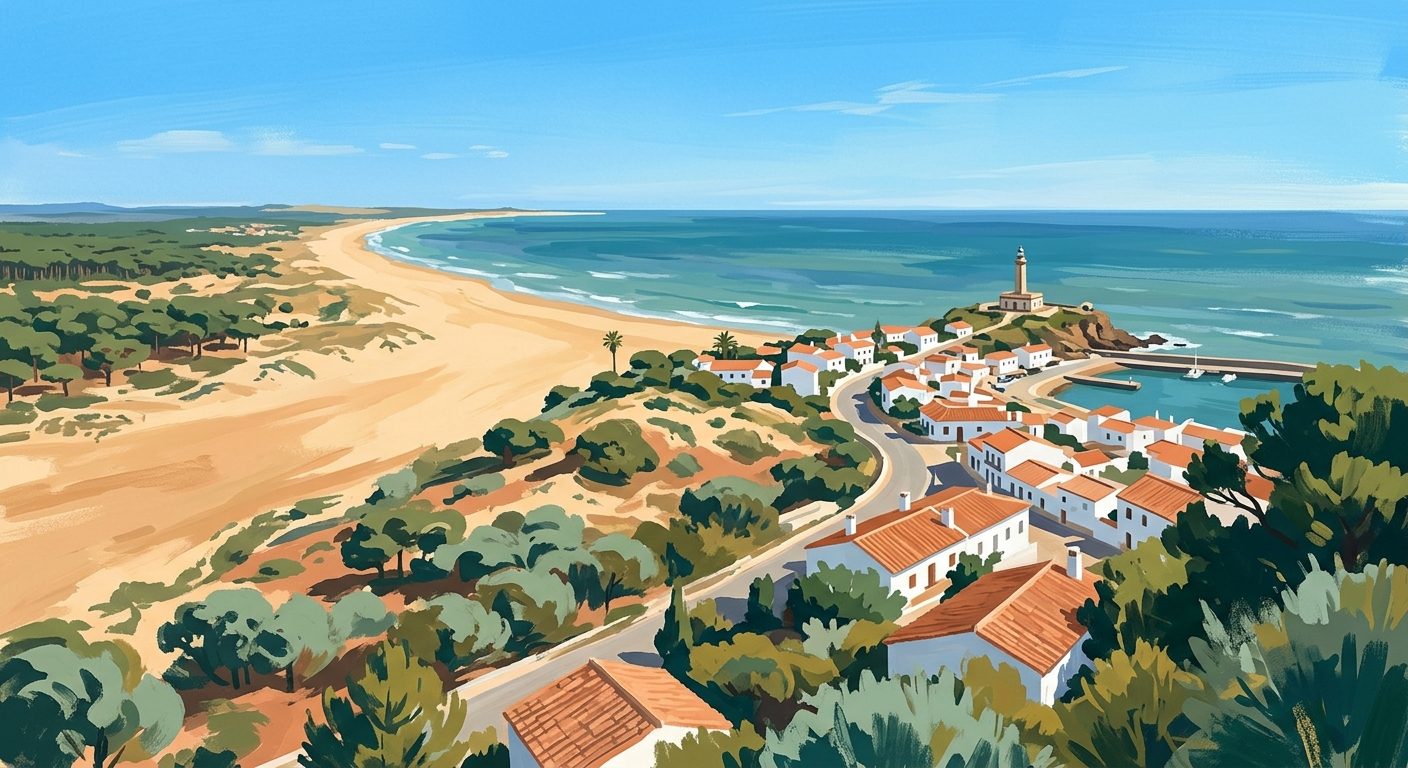
A Complete Guide to Playa de Mazagón: Huelva’s Atlantic Wilderness
Playa de Mazagón is a sprawling Atlantic beach in Huelva, known for its soft golden sand and dramatic sandstone cliffs. Discover everything from the best seafood chiringuitos to the essential safety tips for navigating the tides.
7 min read
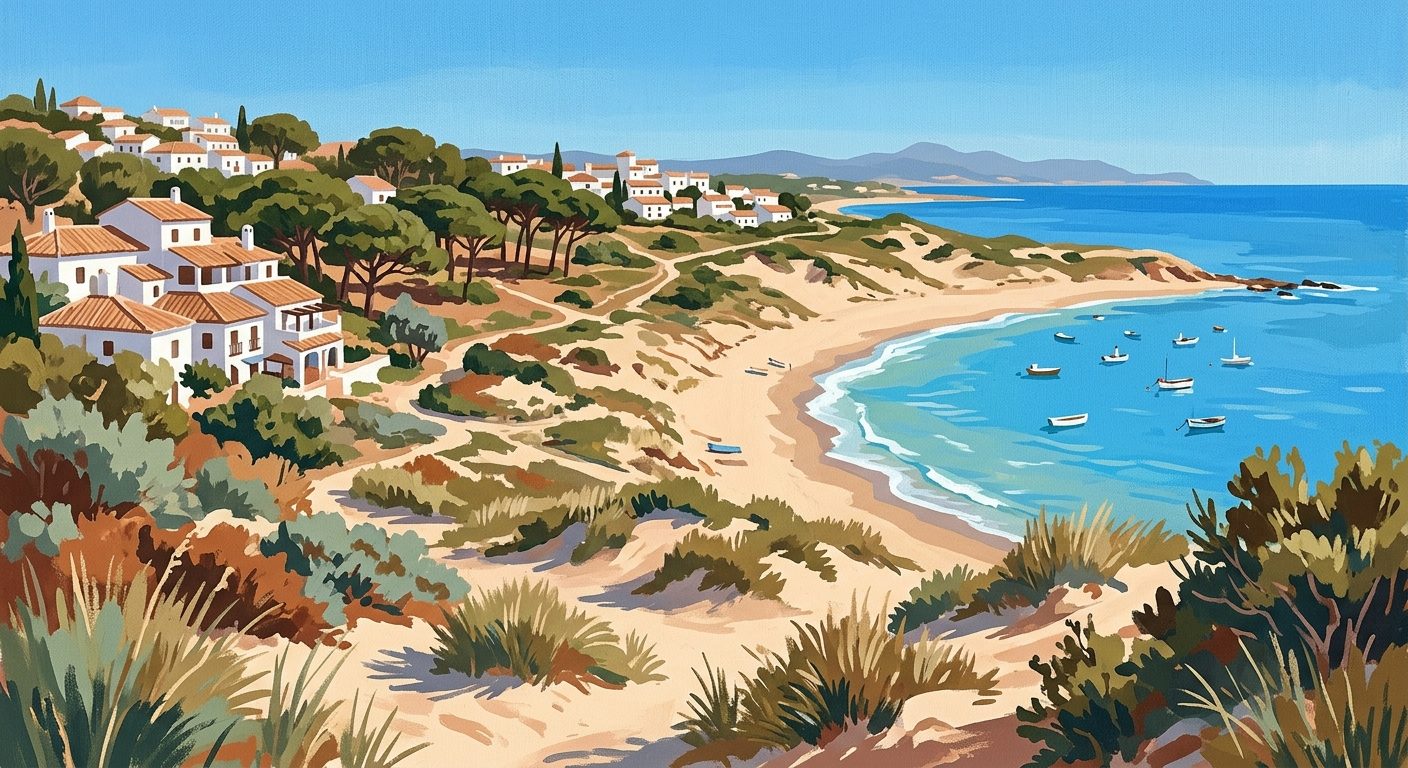
Playa de Cabopino: Dunes, Pines and Clear Waters near Marbella
A protected enclave of natural dunes and fine sand situated between Marbella and Fuengirola. This coastal stretch offers a rare glimpse of the original Mediterranean landscape.
7 min read
More from Almería
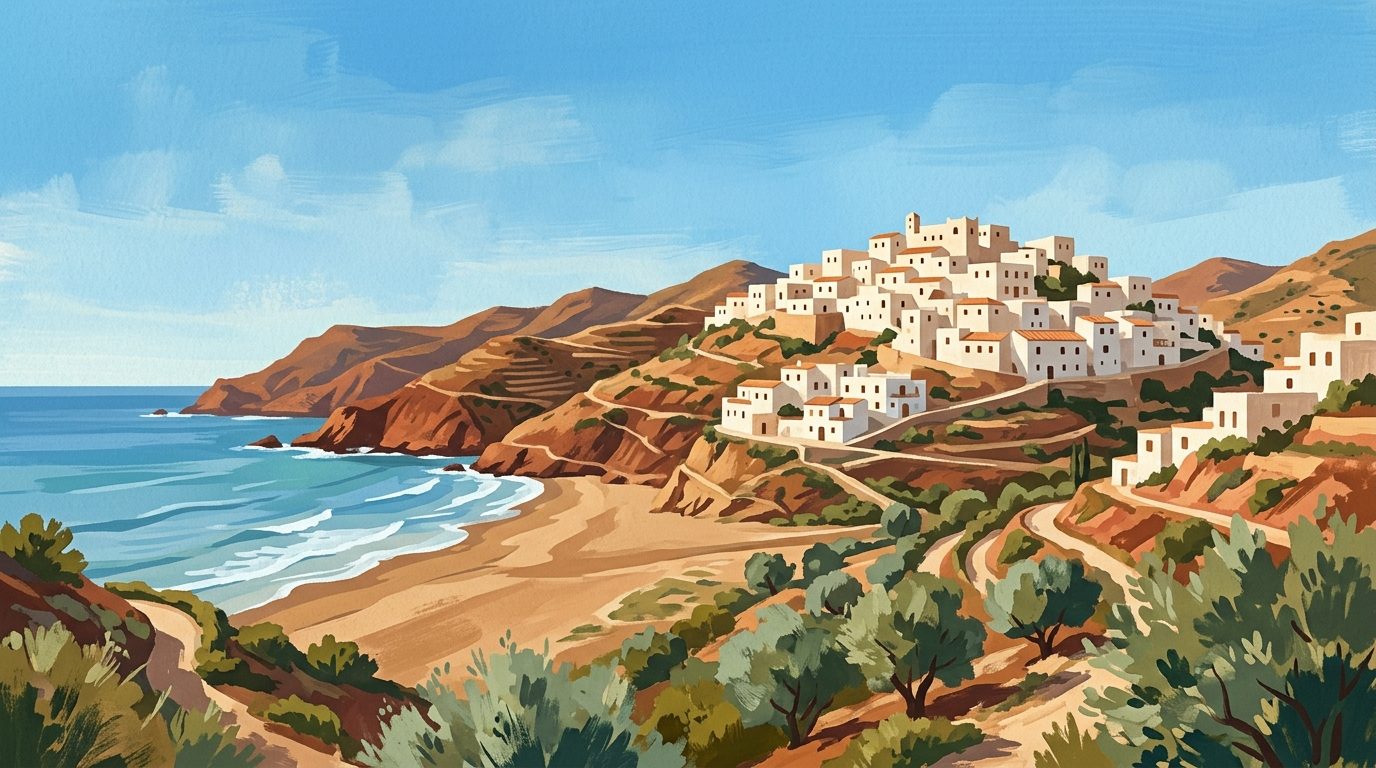
A Local Guide to Playa de Mojácar: Sands, Spirits and Almerían Soul
Experience the diverse 17-kilometre coastline of Mojácar Playa, where volcanic sands meet clear waters and lively chiringuitos offer the perfect Almerían escape.
8 min read
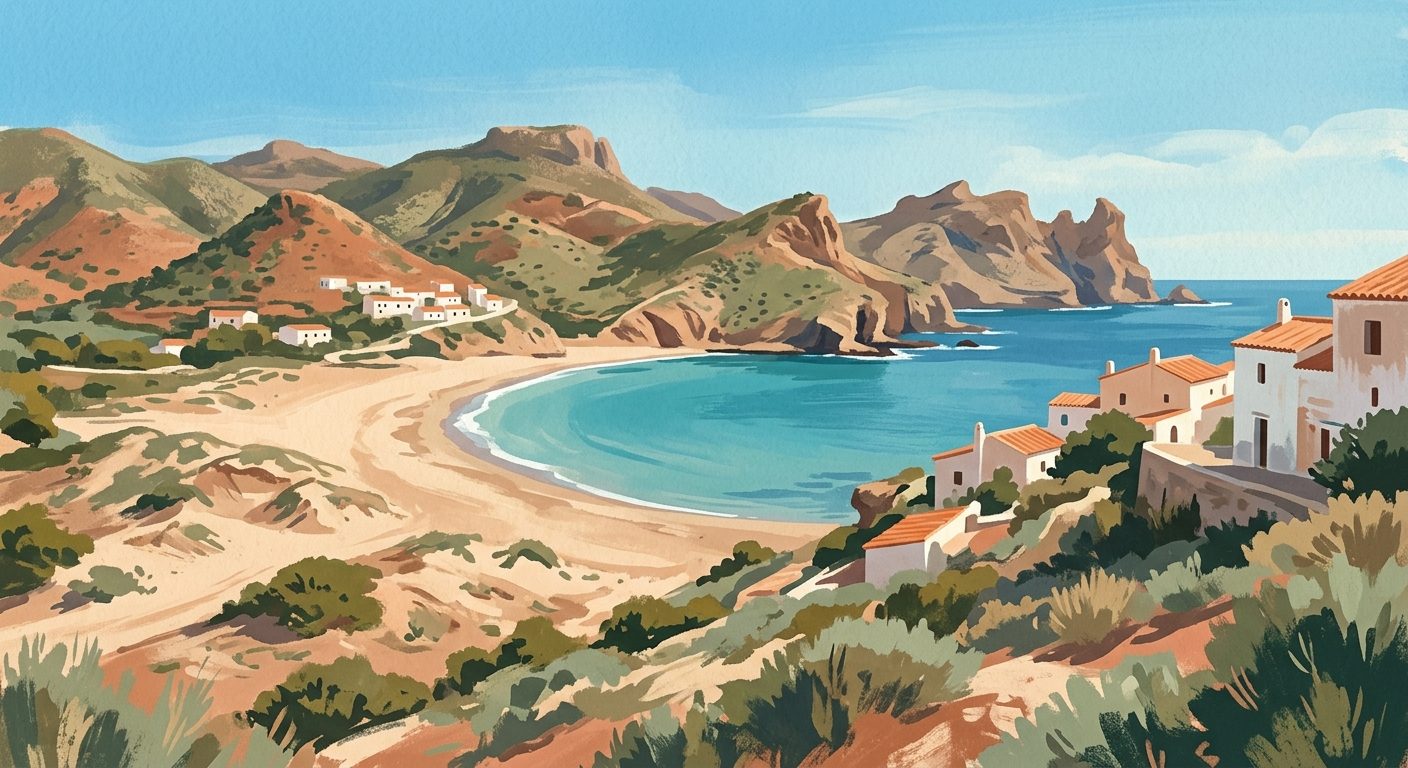
Playa de los Genoveses: A Guide to the Wild Heart of Cabo de Gata
Experience the untouched beauty of Playa de los Genoveses, a vast volcanic bay in Almería where golden sands meet shallow turquoise waters in a protected natural park.
7 min read
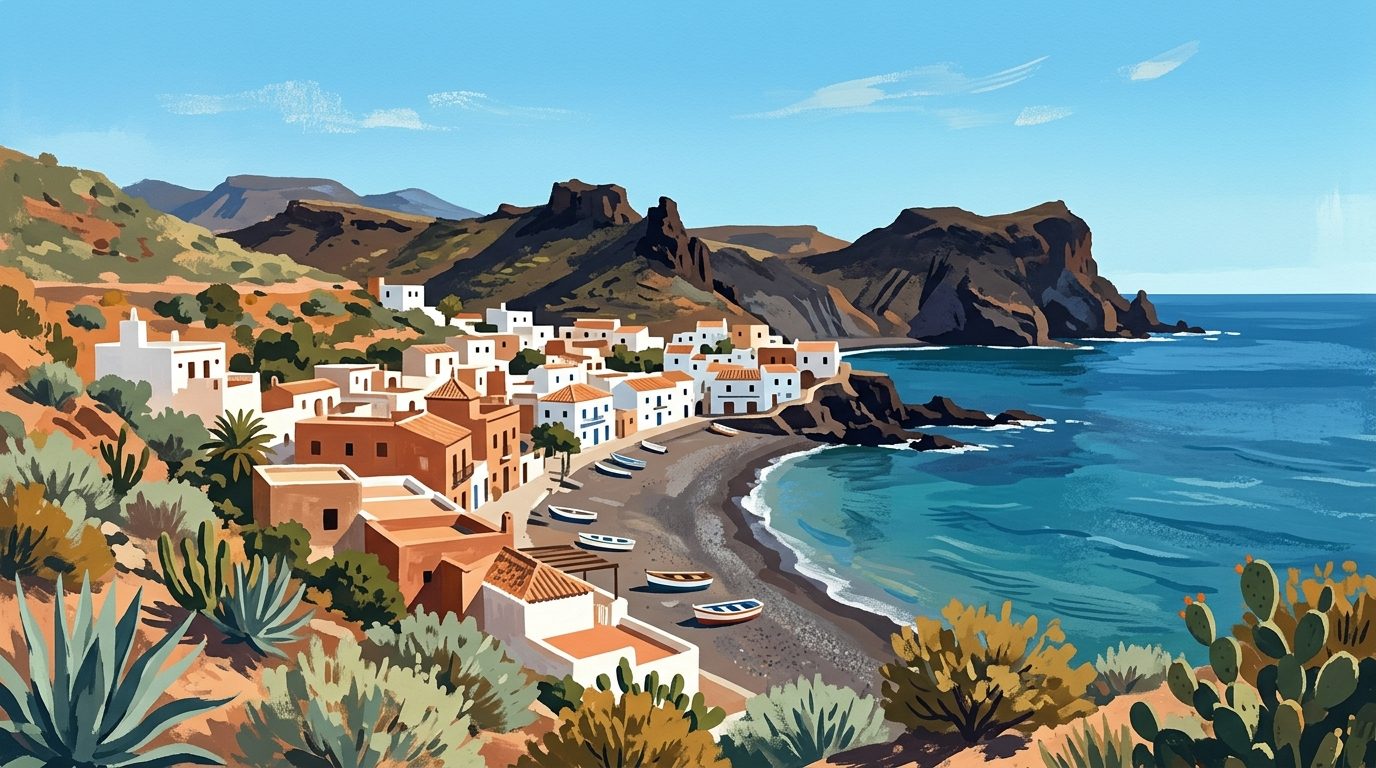
A Guide to Playa de Las Negras: Volcanic Shores in Almería
Playa de Las Negras is a unique volcanic beach in Almería, known for its dark pebbles, turquoise waters, and bohemian village atmosphere within the Cabo de Gata-Níjar Natural Park.
6 min read
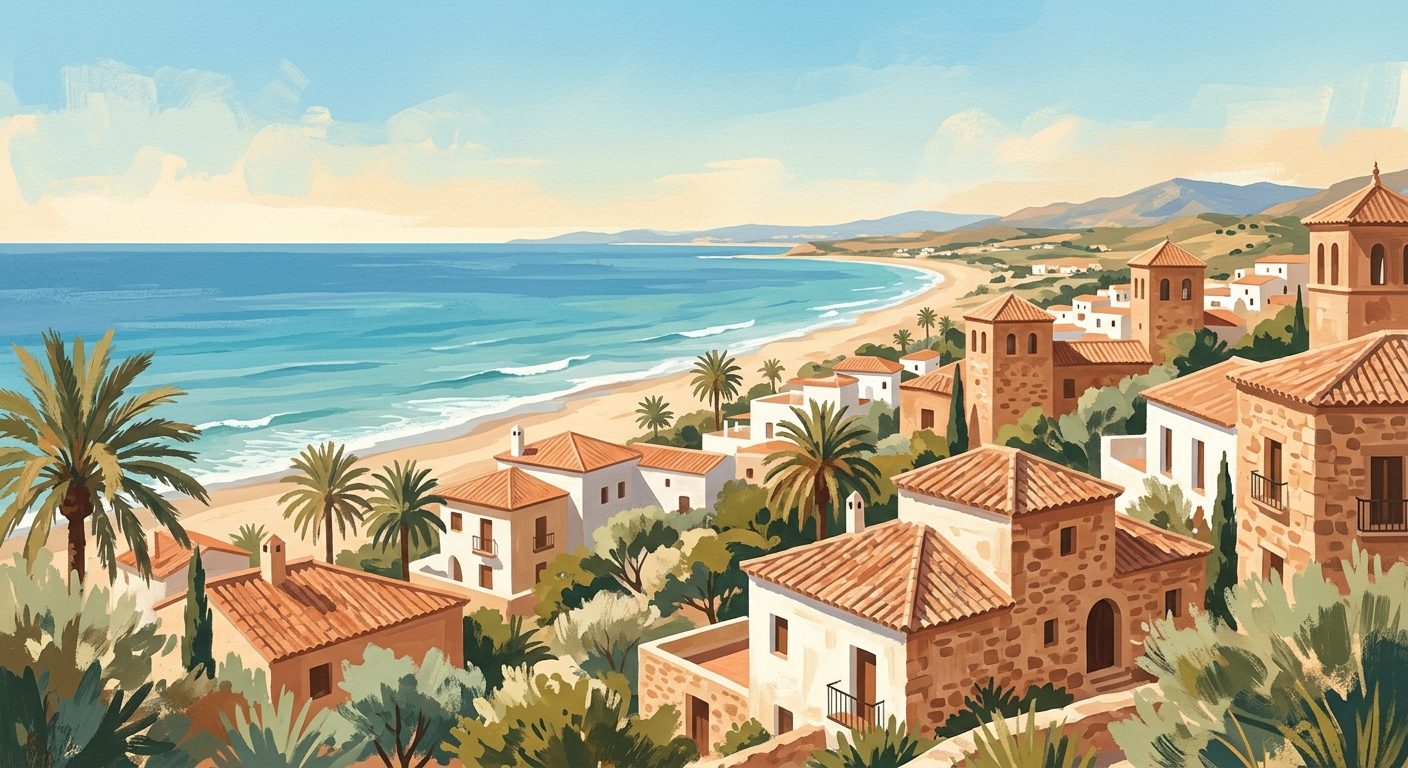
Playa de Vera: Naturist and Family Beach Guide
Playa de Vera is a vast Almerían beach known for its pioneering naturist zones and wide, golden sands. It offers a unique combination of clothing-optional freedom and traditional family-friendly facilities.
7 min read
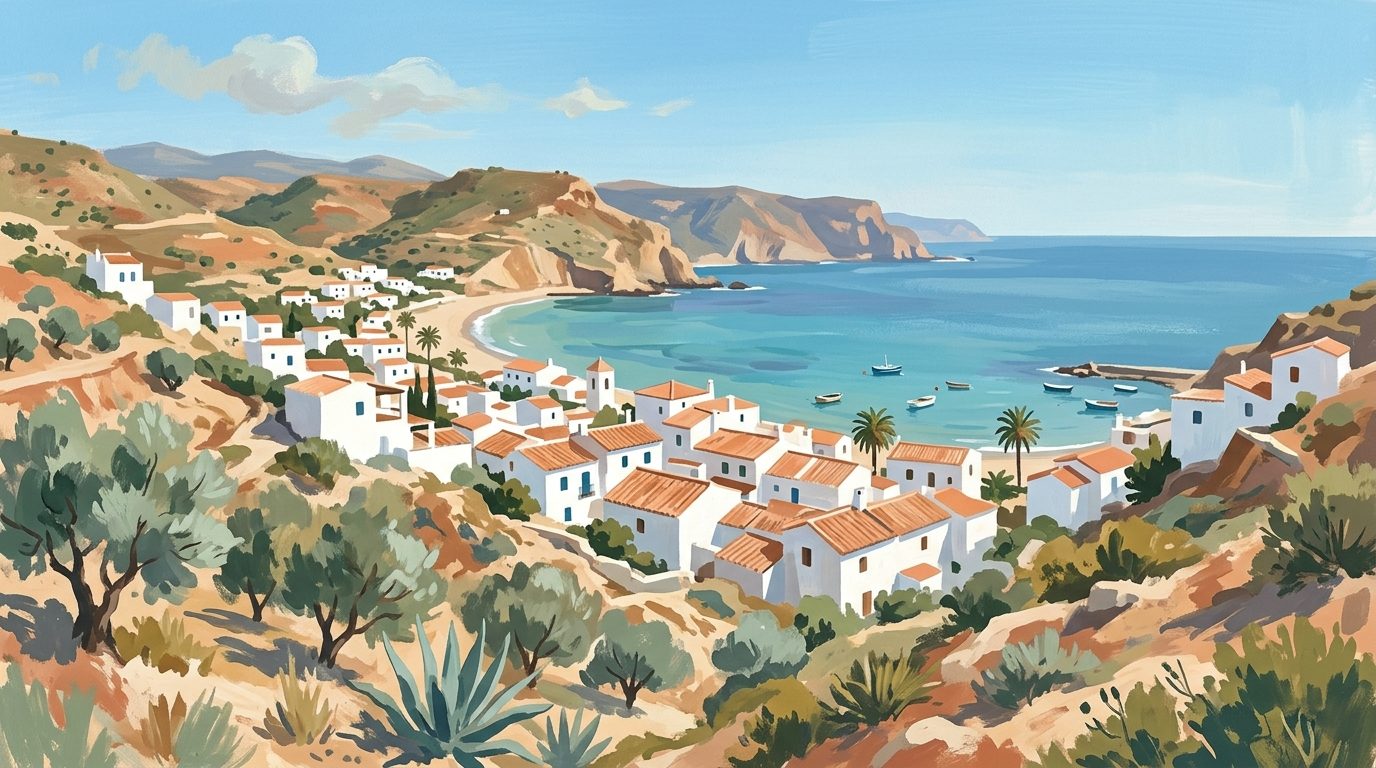
Playa de Agua Amarga: A Guide to Almería's Premier Coastal Village
Playa de Agua Amarga is a sophisticated coastal retreat in Almería, offering a perfect balance of fine golden sand, crystal-clear water, and excellent village chiringuitos.
7 min read
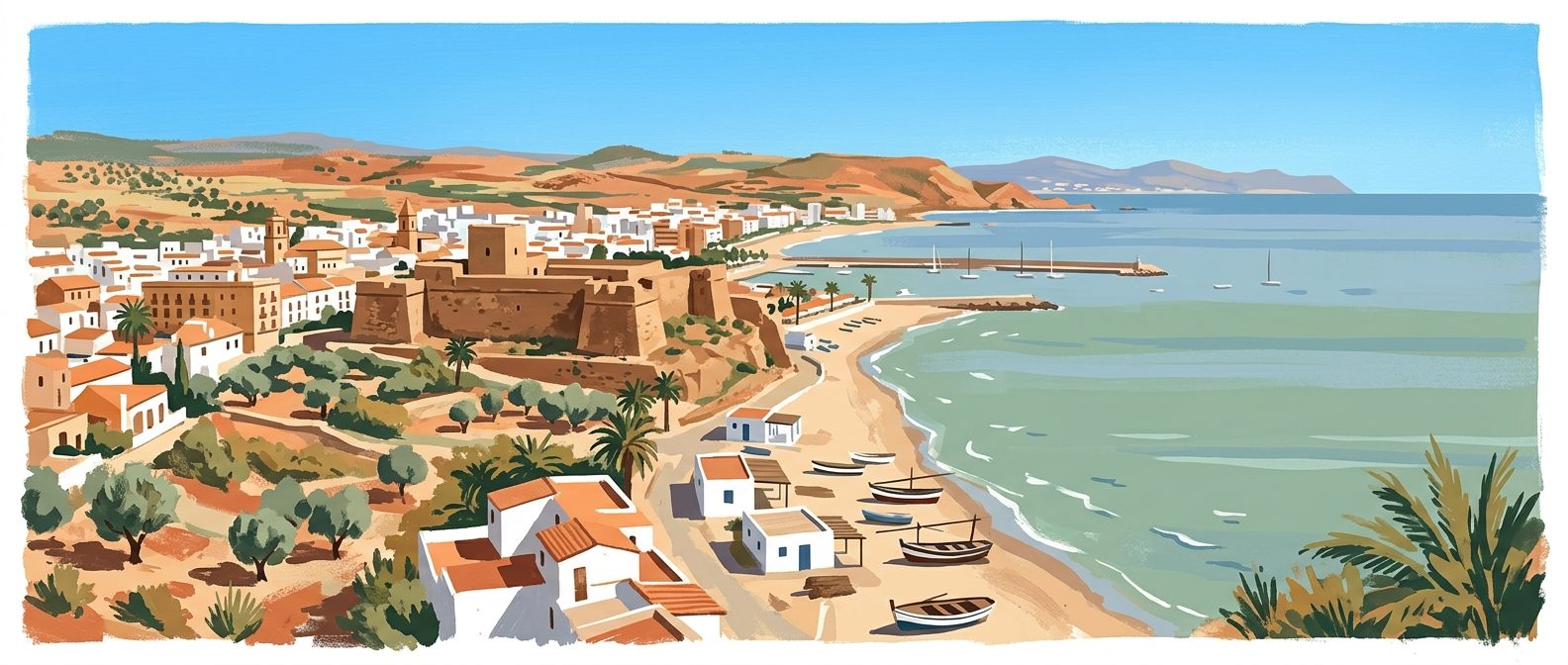
A Guide to Roquetas de Mar: Beaches, Castles and Coastal Life
Discover Roquetas de Mar, an Almerian coastal town offering expansive blue-flag beaches, a 16th-century castle, and a spectacular natural reserve.
6 min read
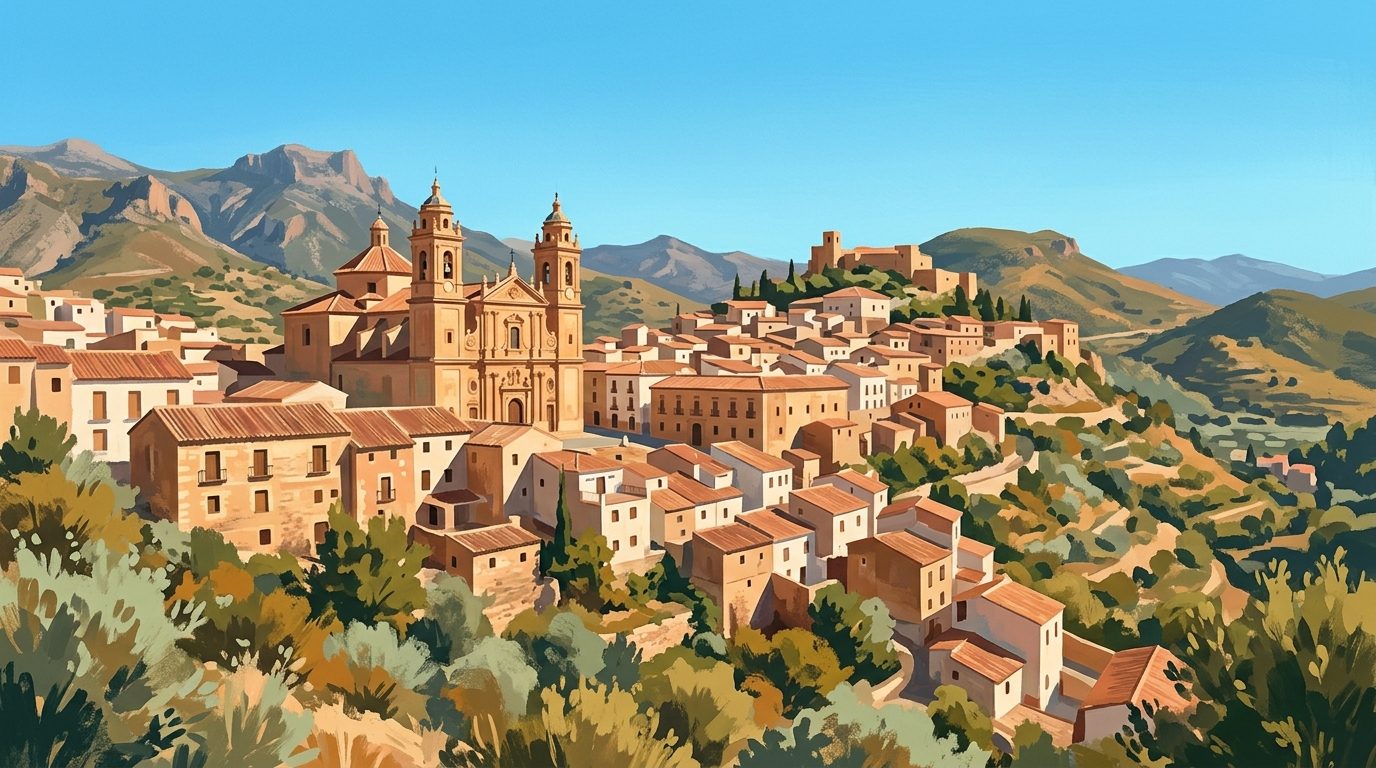
A Guide to Vélez-Rubio: Almería’s Baroque Masterpiece
Discover the grand Baroque architecture and deep archaeological heritage of Vélez-Rubio, the elegant market town serving Almería’s northern highlands.
6 min read
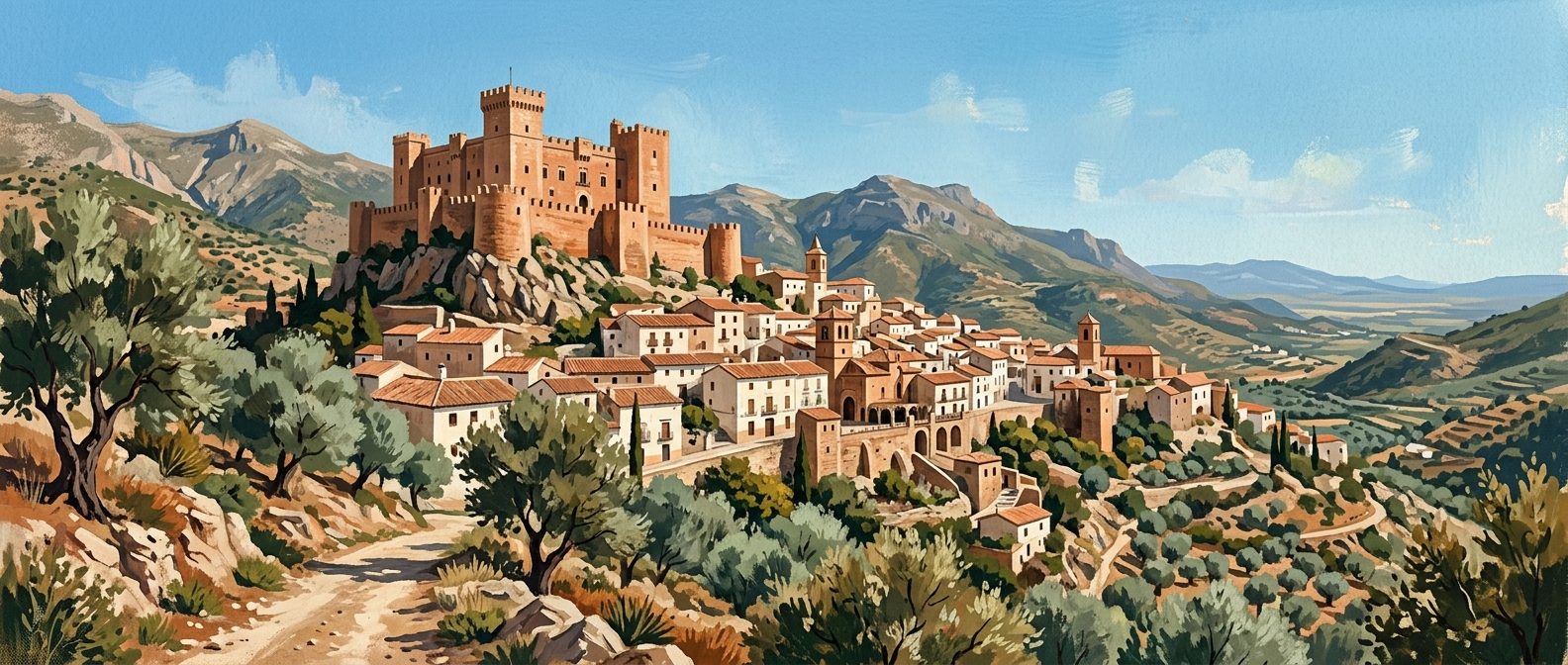
Vélez-Blanco: The Renaissance Stronghold of the Almería Highlands
Discover Vélez-Blanco, a high-altitude Almerían village featuring a 16th-century Renaissance castle and UNESCO-listed prehistoric cave art.
6 min read
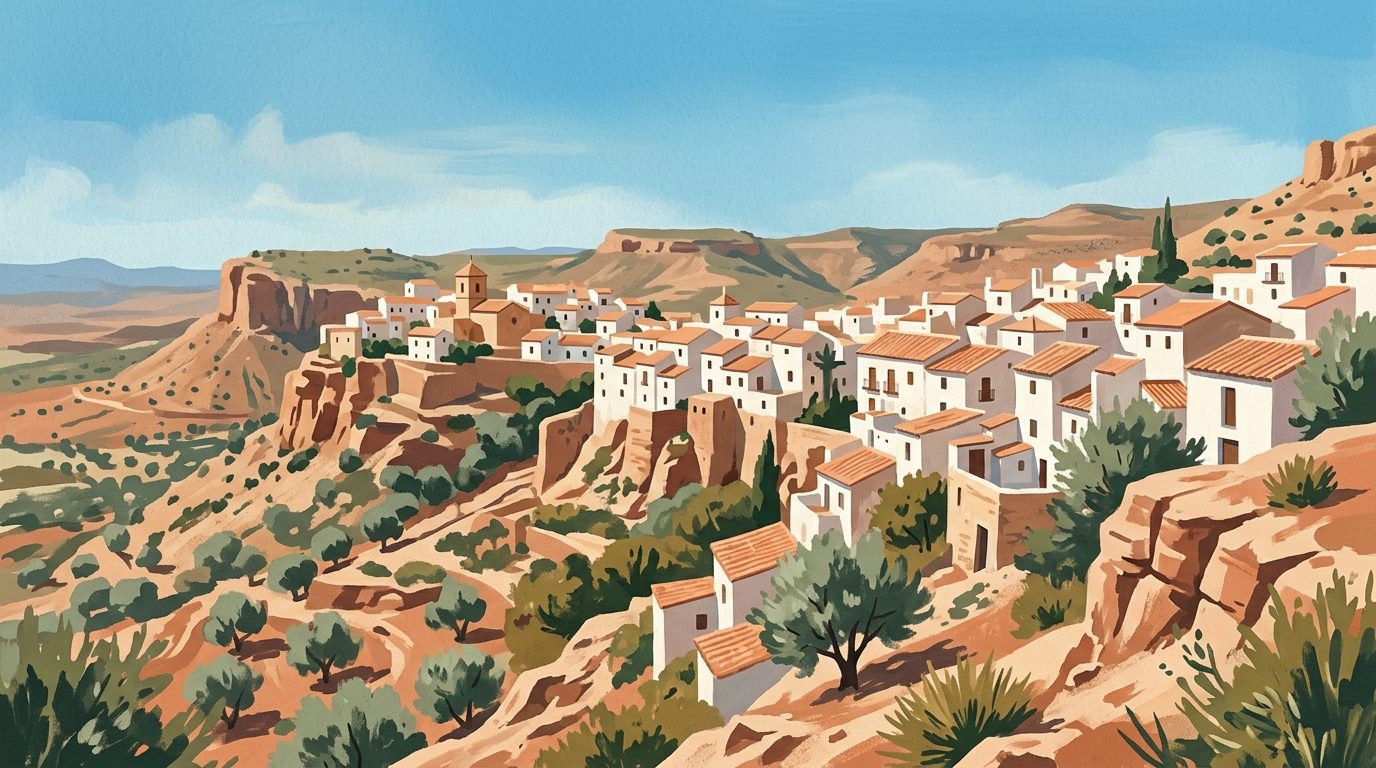
Exploring the Gypsum Karst and Hanging Houses of Sorbas
Discover Sorbas, the Almerian town famous for its precarious hanging houses and Europe's most extensive network of gypsum caves.
6 min read
Newsletter
More stories from Andalucía
Weekly notes, seasonal picks, and the next guides worth bookmarking.