
Place guide · Almería
Playa de Agua Amarga: A Guide to Almería's Premier Coastal Village
Playa de Agua Amarga is a sophisticated coastal retreat in Almería, offering a perfect balance of fine golden sand, crystal-clear water, and excellent village chiringuitos.
By Dan · Updated 29 June 2026 · 7 min read
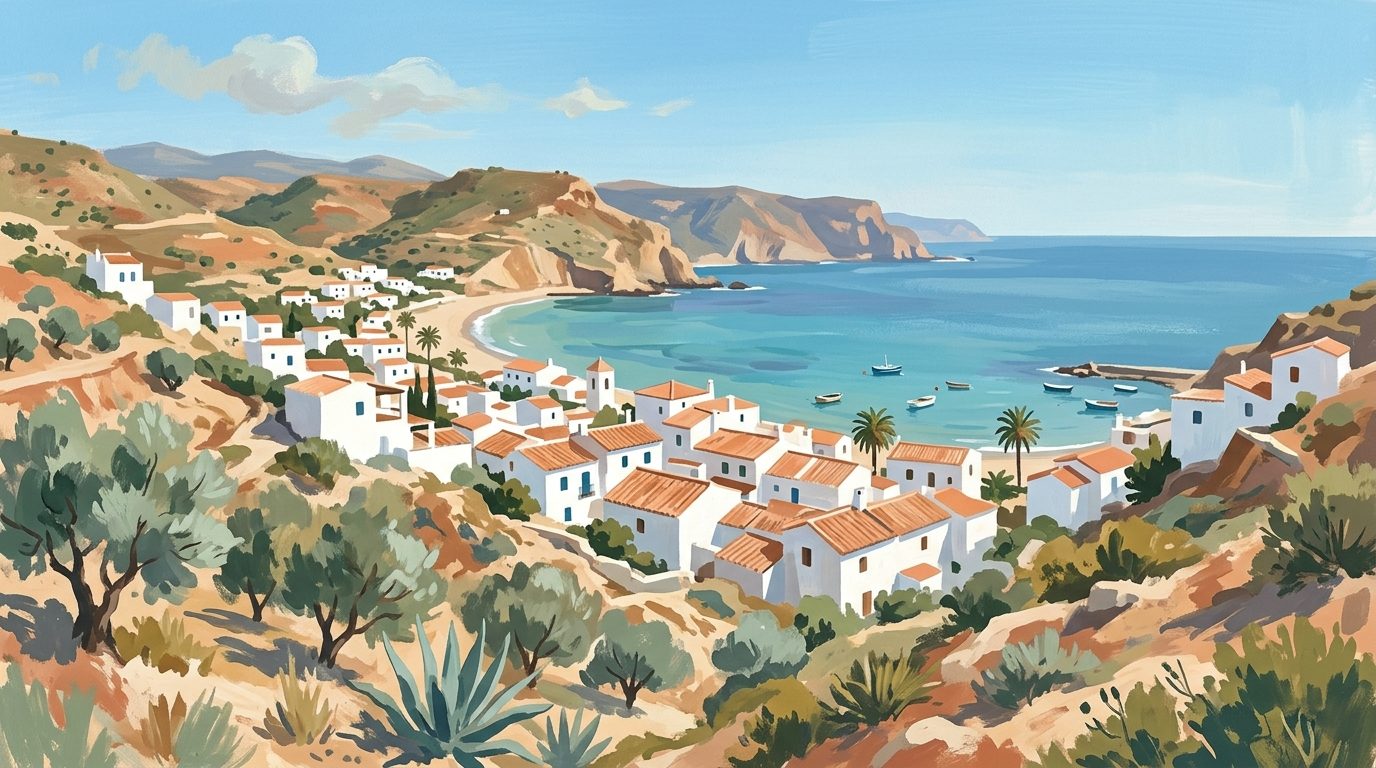
Playa de Agua Amarga represents the sophisticated side of the Cabo de Gata coastline, where white-washed architecture meets a calm, golden bay. It is one of the few locations in the Almerian desert where you can step directly from a stylish cafe onto the fine sand.
Introduction
Playa de Agua Amarga is a distinct presence on the Almerian coast. While much of the Cabo de Gata-Níjar Natural Park is defined by rugged, inaccessible cliffs and volcanic desert, this beach offers a sense of civilised isolation. The village of Agua Amarga was once a small fishing settlement, but it has evolved into a sought-after summer retreat that manages to avoid the high-rise sprawl found elsewhere in the south of Spain. The beach itself is a wide, crescent-shaped bay that stretches for roughly 550 metres, framed by soft limestone cliffs that have been weathered into curious shapes over centuries.
What sets this beach apart is the atmosphere. It is refined without being pretentious. You will not find loud music or neon lights here. Instead, the backdrop consists of low-rise, square houses adorned with bright pink bougainvillea and blue shutters. The water quality is exceptional, often appearing more like the Balearic Islands than the typical mainland coast. For those who find the completely wild beaches of the park, such as Playa de los Genoveses, a little too basic in terms of services, Agua Amarga provides the perfect middle ground. You get the pristine environment of a protected natural park alongside the convenience of a cold glass of Albariño and a plate of fresh prawns just steps from your parasol.
The beach itself
The sand at Playa de Agua Amarga is a fine, light-coloured grain, making it comfortable for walking and sunbathing. Unlike the pebbly coves further north, this is a soft beach that appeals greatly to families with young children. The entry into the water is relatively shallow and gradual, though as with all Mediterranean beaches, this can change after a heavy winter storm. The water is usually crystal clear, especially when the wind is blowing from the west (the Poniente). When the Levante (easterly wind) picks up, the water can become slightly more agitated, but the bay is well-sheltered compared to the more exposed stretches of the Almerian coast.
The beach has consistently held Blue Flag status, including for the 2026 season, reflecting its cleanliness and the quality of its services. In terms of layout, the central part of the beach is the most family-oriented. To the far right, near the rocky cliffs, you will find interesting caves carved into the soft stone. These were historically used by fishermen and now provide a bit of shade or a photographic backdrop. While this is not a designated naturist beach, you may occasionally see discreet nudism at the far ends of the bay, though generally, naturists tend to head to the nearby Cala de Enmedio. During the height of summer, the beach is well-populated but rarely feels claustrophobic, thanks to its generous width.
Getting there & parking
Reaching Agua Amarga requires a car, as public transport options are extremely limited. From Almería city or the airport, the drive takes approximately 50 to 55 minutes. You will take the A-7 motorway towards Murcia, exiting at junction 494 (Carboneras/Venta del Pobre). From there, the N-341 leads you through a dramatic, arid landscape before a well-signed turn-off takes you down into the village. If you are travelling from the north, from the direction of Mojácar or Carboneras, the AL-5106 offers a stunning coastal drive with several viewpoints overlooking the Mediterranean.
Parking is the primary challenge during the peak months of July and August. There is a small paved car park near the entrance to the village and several dirt-track lots that open up for the summer season. Within the village itself, parking is restricted to residents or those with specific permits in many streets. It is highly recommended to arrive before 10:30 in the morning if you are visiting during a weekend in high season. In the low season, from October through to May, you can usually find a spot within a two-minute walk of the sand without any difficulty.
Facilities & chiringuitos
Despite its small size, the village offers excellent facilities. On the beach itself, there are several chiringuitos (beach bars) that serve as the focal point for social life. Chiringuito Costamarga is a long-standing favourite, known for its friendly service and traditional seafood dishes. Another excellent option is La Mezcla, which offers a slightly more modern take on coastal dining. Most of these establishments set up tables directly on the sand or on raised wooden decks, allowing you to dine with your feet almost in the water.
During the summer season, which runs from mid-June to mid-September, the beach currently features lifeguard stations, basic shower facilities for rinsing sand off feet, and a limited number of sunbed and parasol rentals. There is also a small stand where you can hire kayaks or stand-up paddleboards, which is a fantastic way to explore the cliffs to the south. The village just behind the beach has a handful of boutiques, a small supermarket for picnic supplies, and several cafes that stay open well into the evening.
Best time to visit
To experience Playa de Agua Amarga at its finest, aim for June or September. During these months, the seawater is warm enough for swimming, the weather is reliably sunny, but the crowds have either not yet arrived or have started to thin out. Daytime temperatures are typically in the high 20s, providing a comfortable heat rather than the searing 40-degree peaks often recorded in July and August.
August is the time to avoid if you value peace and quiet. The village becomes the primary destination for families from Madrid and Almería, and the narrow streets can feel overwhelmed. Conversely, the winter months offer a different kind of appeal. While many of the seasonal shops and a couple of the chiringuitos close between November and March, the village remains a popular spot for hikers. The light in winter is incredibly clear, and on a calm day, the beach is a perfect place for a quiet walk, though the water will be too cold for most swimmers. Be aware that the Levante wind can be quite biting in the winter, so check the forecast before making the trip.
Combine with
No visit to Agua Amarga is complete without seeing the nearby Playa de los Muertos. Located just a ten-minute drive to the north, this beach is frequently voted as one of the best in Spain. It is a sharp contrast to Agua Amarga: there are no facilities, the path down is steep and rocky, and the water gets deep very quickly. It is an essential stop for its sheer dramatic beauty, but Agua Amarga remains the better choice for a relaxing day of lounging.
Alternatively, if you are feeling active, you can take the coastal hiking path from the southern end of Agua Amarga to Cala de Enmedio. This walk takes about 30 to 40 minutes and leads you to a stunning, secluded cove famous for its white fossilised sand dunes and turquoise water. There is no road access to Cala de Enmedio, so it remains relatively quiet even in the peak of summer. Combining a morning hike to this cove with a late lunch back in the village of Agua Amarga is a classic Almerian itinerary.
Practical notes
When preparing for a day at Playa de Agua Amarga, there are a few practicalities to consider. Accessibility is generally good: the beach is flat and there are wooden walkways that lead onto the sand during the summer, making it easier for those with prams or limited mobility. However, the village streets are narrow and can be steep in places. Regarding pets, dogs are officially prohibited on the beach during the high season, and local police do occasionally patrol to enforce this, though you will see locals walking their dogs on the sand early in the morning or late in the evening during the winter months.
Safety is rarely an issue here as the bay is quite protected. However, keep an eye on the flag system: green is safe, yellow suggests caution due to waves or currents, and red means swimming is forbidden. The area is also part of a marine reserve, so if you bring a snorkel and mask, you are likely to see a variety of fish near the rocky edges of the bay. Finally, ensure you bring high-factor sunscreen. The Almerian sun is exceptionally strong, and the white buildings and light sand reflect the UV rays, increasing the risk of burn even on slightly overcast days.
Last reviewed: 21 June 2026 · Editorial policy
Related guides
A Guide to Playa de Getares in Algeciras
Playa de Getares offers a wide golden shoreline with unique views of the Rock of Gibraltar and the North African coast. This family-friendly beach in Algeciras combines urban facilities with the natural beauty of the Estrecho Natural Park.
7 min read
Carboneras: An Authentic Maritime Gateway to Cabo de Gata
Carboneras offers an authentic look at Almería's fishing traditions and serves as a gateway to the spectacular Playa de los Muertos.
5 min read
A Guide to Roquetas de Mar: Beaches, Castles and Coastal Life
Discover Roquetas de Mar, an Almerian coastal town offering expansive blue-flag beaches, a 16th-century castle, and a spectacular natural reserve.
6 min read
Playa de Vera: Naturist and Family Beach Guide
Playa de Vera is a vast Almerían beach known for its pioneering naturist zones and wide, golden sands. It offers a unique combination of clothing-optional freedom and traditional family-friendly facilities.
7 min read
Playa de los Muertos: Almería's Wild Coastal Masterpiece
Playa de los Muertos is a starkly beautiful stretch of white volcanic pebbles and turquoise water, offering some of the clearest swimming conditions in Andalucía.
7 min read
A Guide to Playa de Las Negras: Volcanic Shores in Almería
Playa de Las Negras is a unique volcanic beach in Almería, known for its dark pebbles, turquoise waters, and bohemian village atmosphere within the Cabo de Gata-Níjar Natural Park.
6 min read
More from Almería
A Local Guide to Playa de Mojácar: Sands, Spirits and Almerían Soul
Experience the diverse 17-kilometre coastline of Mojácar Playa, where volcanic sands meet clear waters and lively chiringuitos offer the perfect Almerían escape.
8 min read
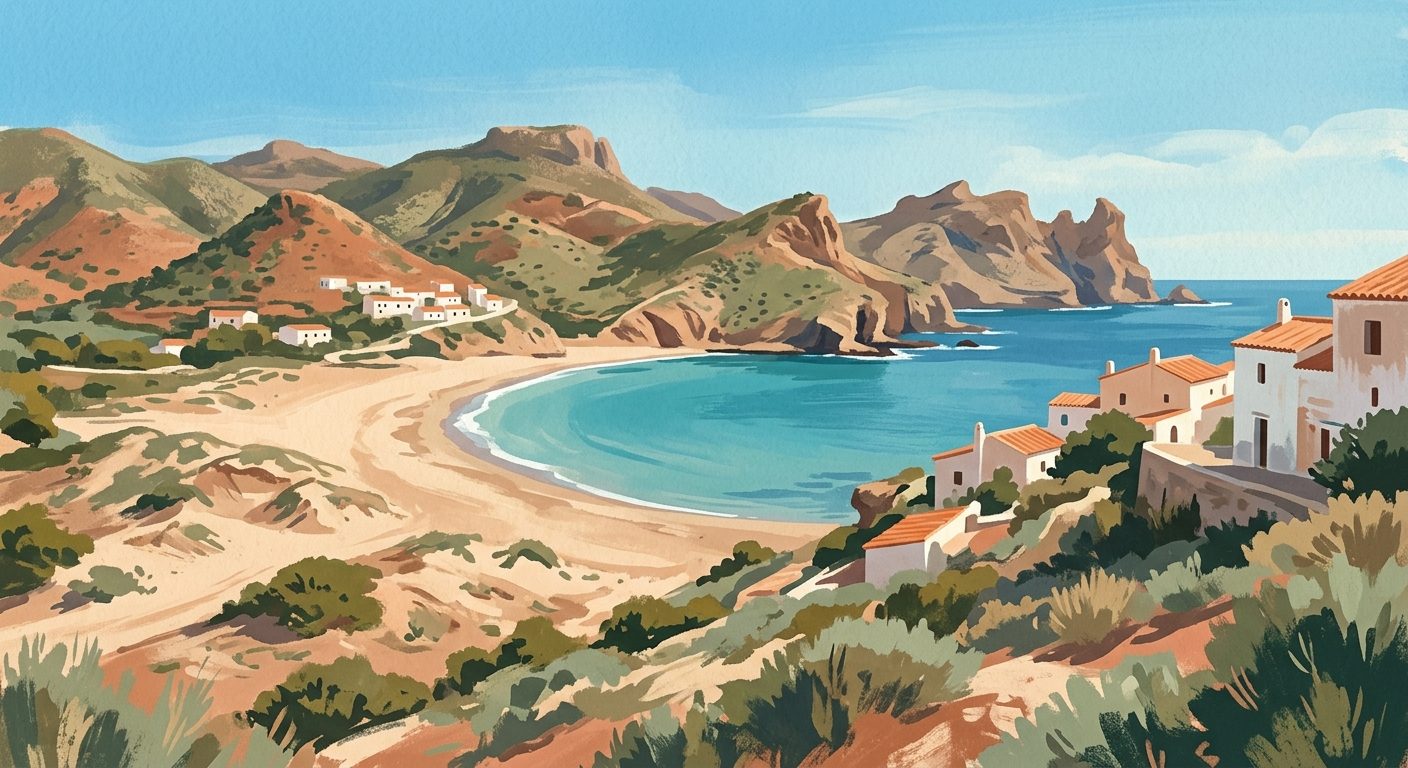
Playa de los Genoveses: A Guide to the Wild Heart of Cabo de Gata
Experience the untouched beauty of Playa de los Genoveses, a vast volcanic bay in Almería where golden sands meet shallow turquoise waters in a protected natural park.
7 min read
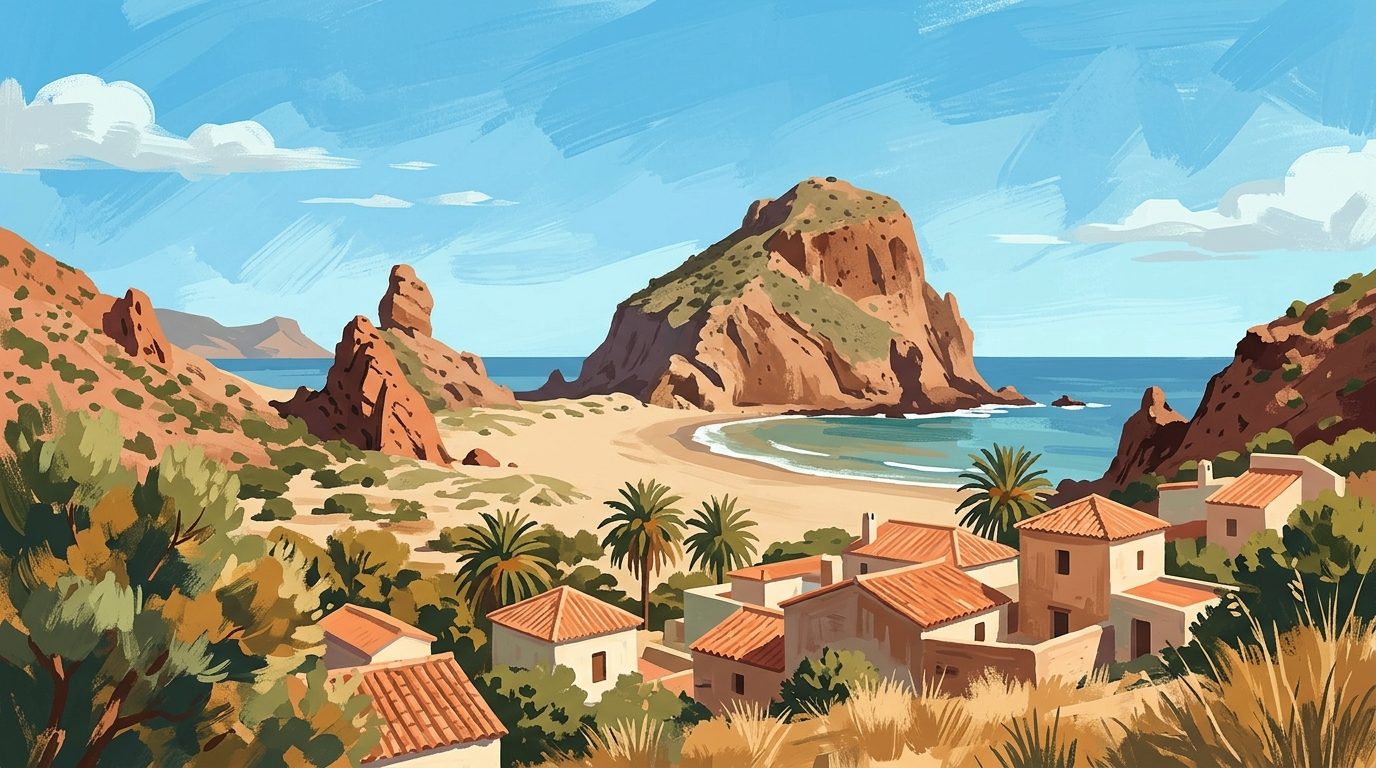
A Guide to Playa de Mónsul: The Volcanic Masterpiece of Cabo de Gata
Discover the volcanic beauty of Playa de Mónsul, an iconic Almerían beach famous for its dramatic lava formations and cinematic history.
7 min read
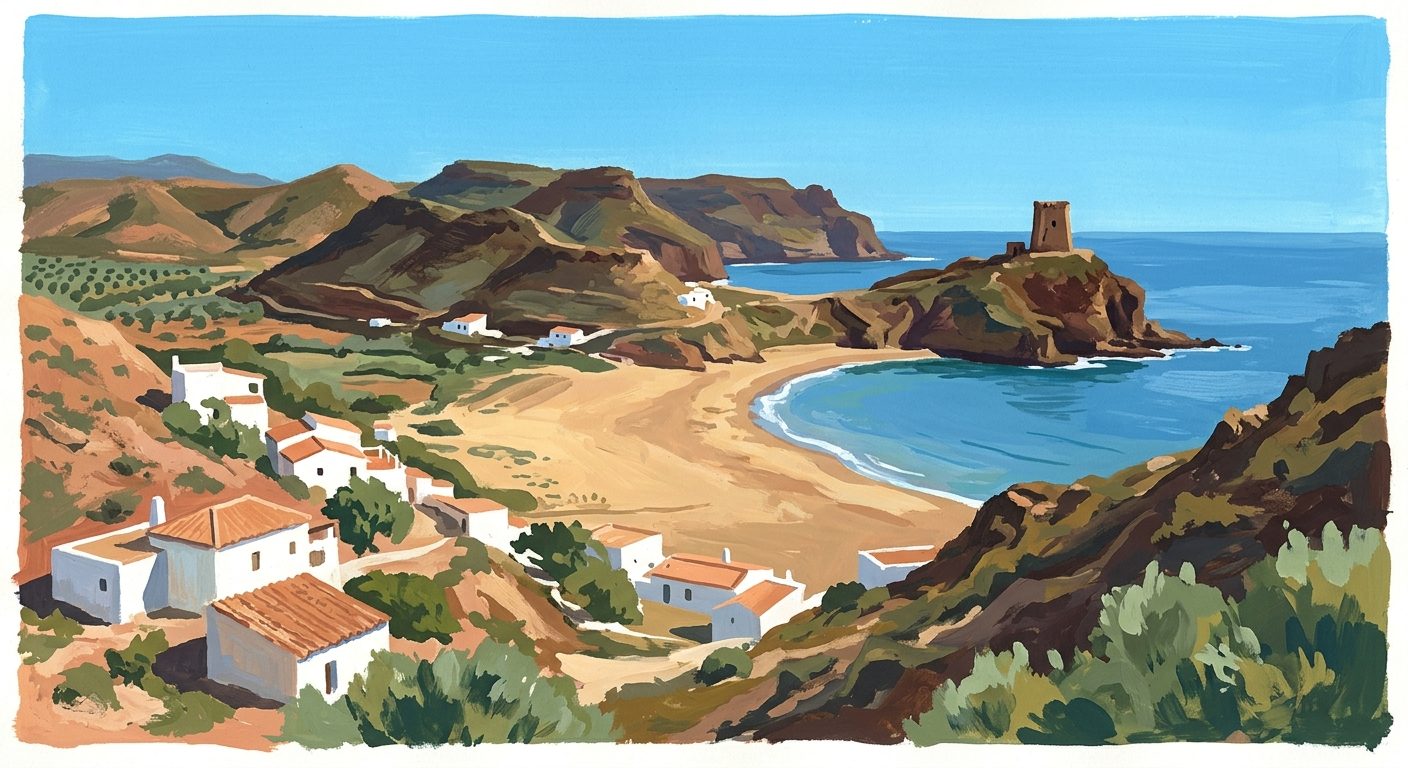
Playa del Playazo: A Guide to Rodalquilar's Golden Coast
A sweeping valley of golden sand flanked by volcanic cliffs and the historic Castillo de San Ramón. This is one of the most accessible yet visually striking beaches in Almería.
7 min read
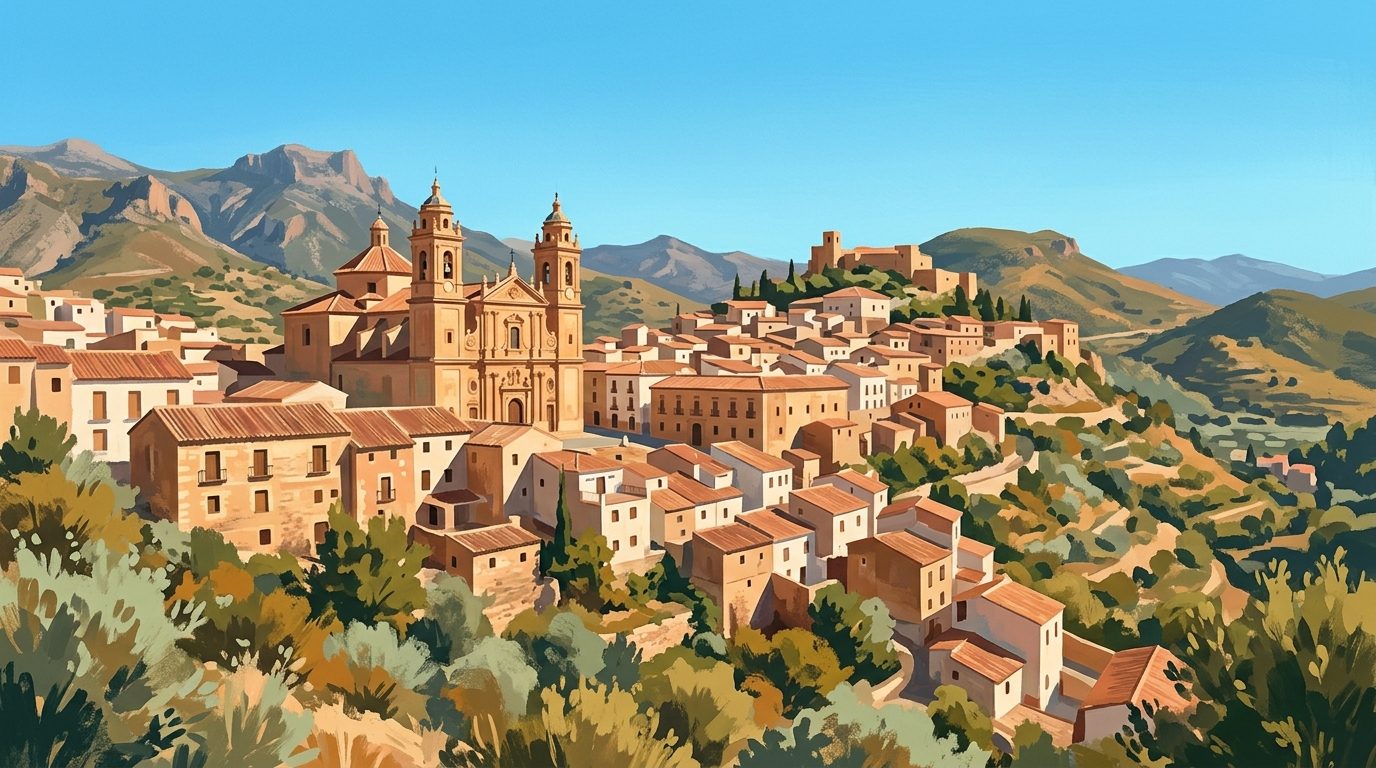
A Guide to Vélez-Rubio: Almería’s Baroque Masterpiece
Discover the grand Baroque architecture and deep archaeological heritage of Vélez-Rubio, the elegant market town serving Almería’s northern highlands.
6 min read
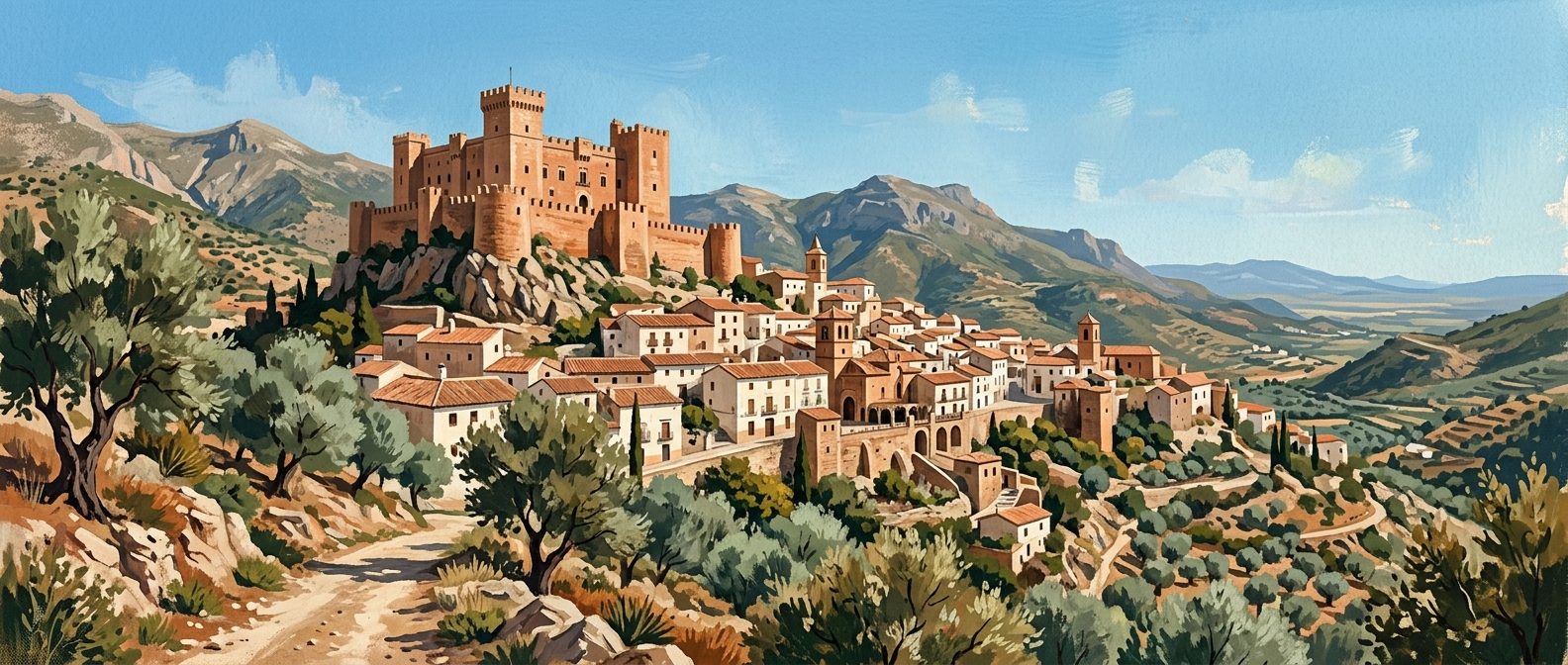
Vélez-Blanco: The Renaissance Stronghold of the Almería Highlands
Discover Vélez-Blanco, a high-altitude Almerían village featuring a 16th-century Renaissance castle and UNESCO-listed prehistoric cave art.
6 min read
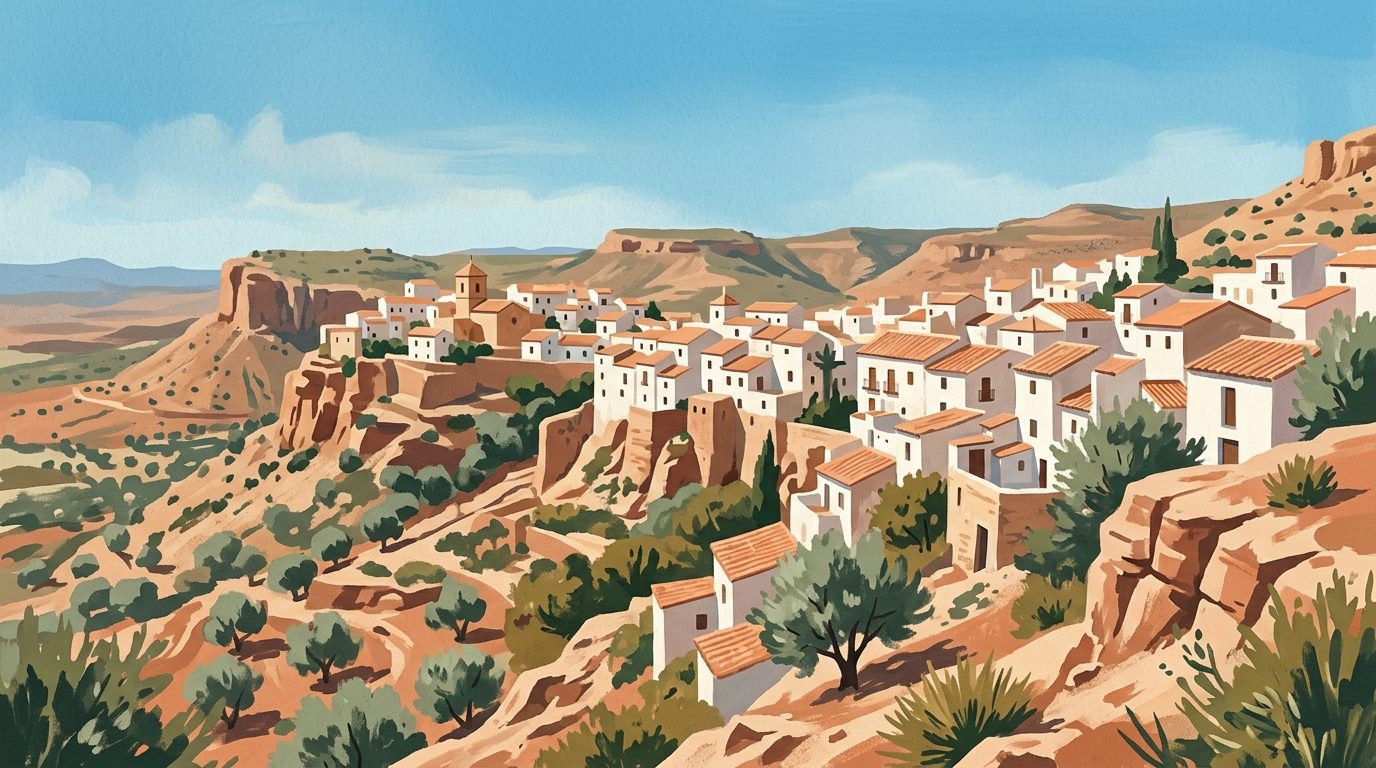
Exploring the Gypsum Karst and Hanging Houses of Sorbas
Discover Sorbas, the Almerian town famous for its precarious hanging houses and Europe's most extensive network of gypsum caves.
6 min read
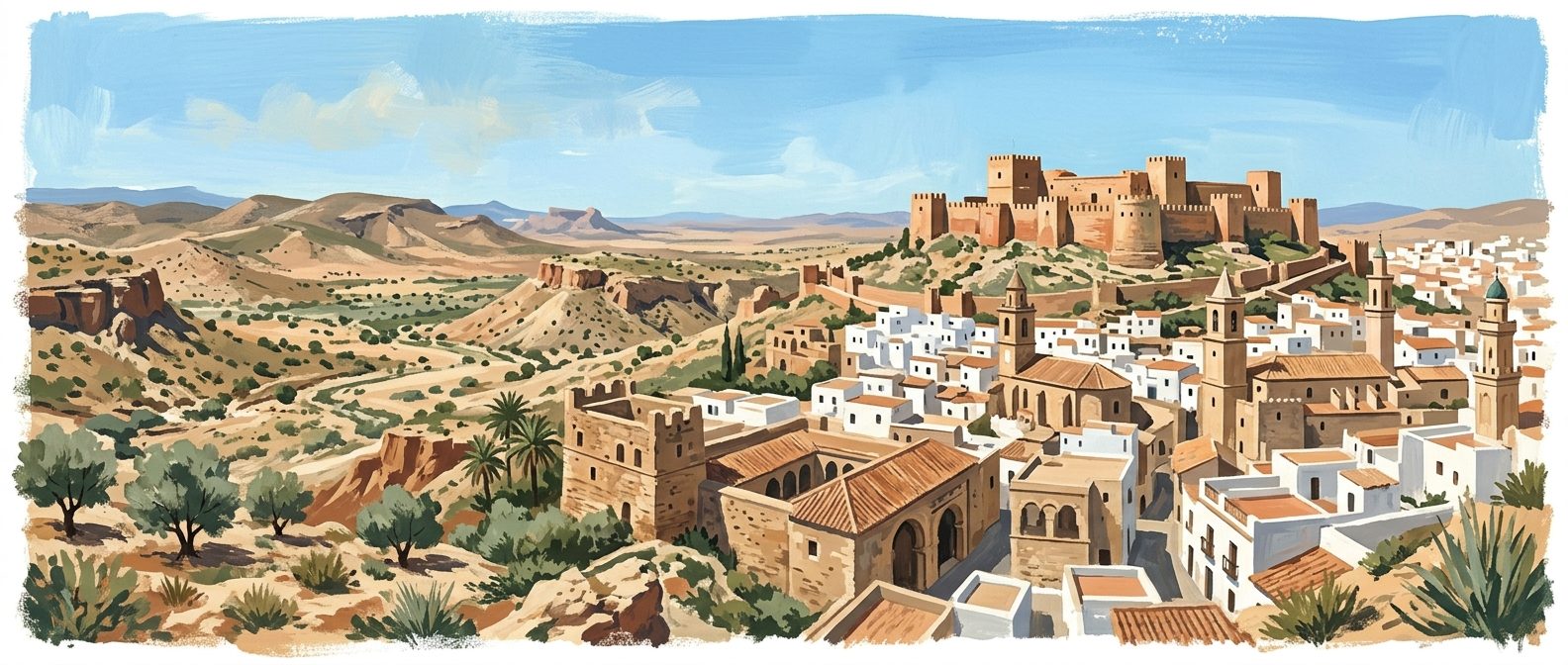
Almería City: The Gateway to Europe's Wild West
Discover the storied cinematic past of Almería City and explore the rugged Tabernas Desert film sets where Hollywood legends were born.
6 min read
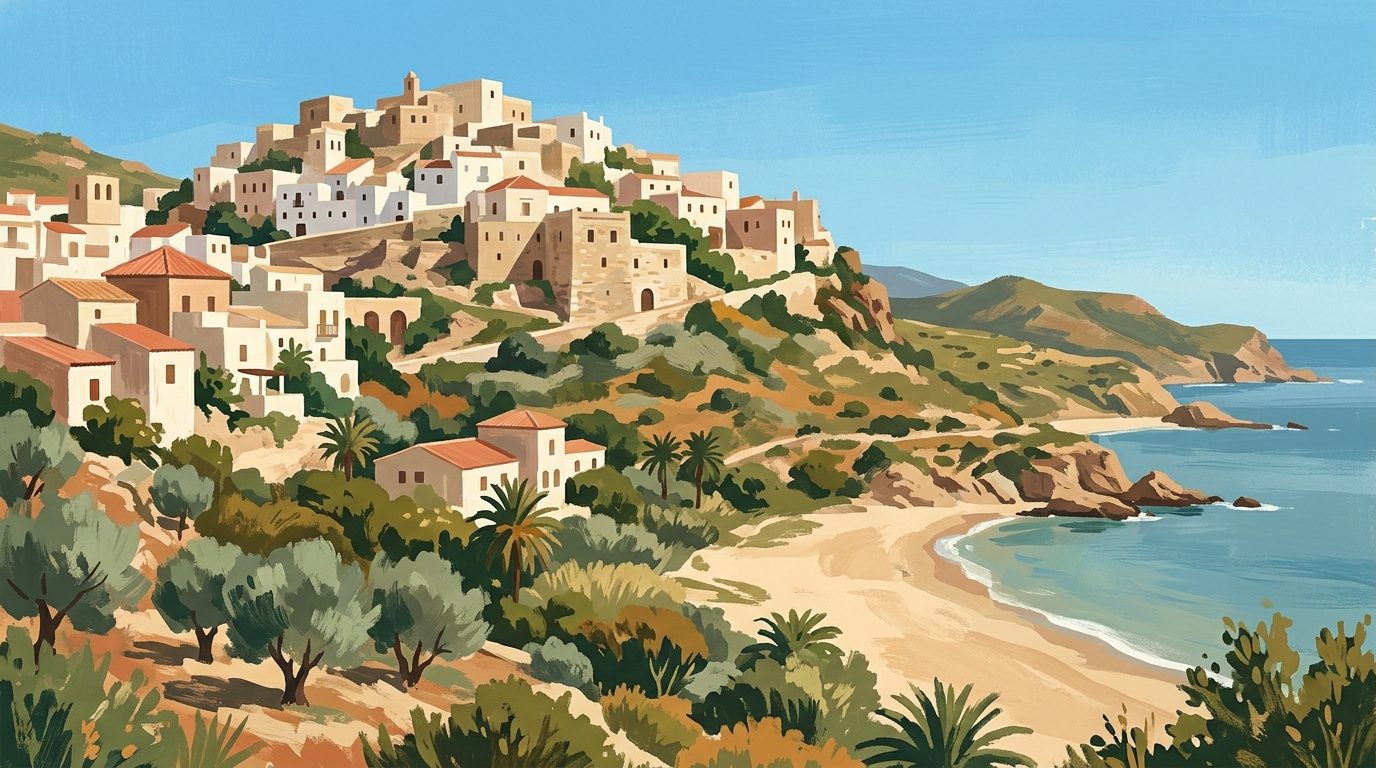
A Guide to Mojácar: Exploring Almería’s Iconic Hilltop Village and Coast
Discover the contrasting charms of Mojácar, from the whitewashed alleys of its hilltop Moorish old town to the long, sun-drenched beaches of the Almerian coast.
6 min read
Newsletter
More stories from Andalucía
Weekly notes, seasonal picks, and the next guides worth bookmarking.