
Feature
Ink and Olive Groves: A Literary Journey through Andalucía
Discover the literary heart of Southern Spain, from the tragic poetry of Lorca in Granada to Hemingway’s dramatic Ronda and the contemplative prose of Machado in Sevilla.
By Dan · Updated 24 July 2026 · 10 min read
This article contains affiliate links. If you book through them, we may earn a small commission at no extra cost to you.
Story context
This is a narrative feature, not a breaking-news report or a legal/practical guide. It is kept on the site because it adds local texture and reading value alongside the more practical Andalucía 365 guides.
Use the links below for planning details, current access, places to stay, transport or food guidance connected with the story.
To travel through the southern reaches of the Iberian Peninsula is to walk through the pages of a library that has been centuries in the making. Andalucía is not merely a geographic entity defined by the Sierra Morena to the north and the Mediterranean to the south; it is a psychological landscape, a territory of the mind that has exerted a gravitational pull on writers, poets, and thinkers since the first verses were inscribed in the courts of the Umayyads. The light here is different. It possesses a clarity that can feel both clinical and hallucinogenic, stripping away the illusions of the northern mind and replacing them with something more elemental, more visceral.
For the literary traveller, the region offers a cartography of inspiration. This is where Federico García Lorca found the duende in the dark soil of the Vega de Granada, where Washington Irving conjured the ghosts of the Moors from the ruins of the Alhambra, and where Ernest Hemingway sought the brutal honesty of the bullring. To understand Andalucía, one must read it as much as see it. The landscape demands a narrative, and the writers who have surrendered to its heat and its silence have left behind a trail of breadcrumbs that lead deep into the heart of the Spanish soul.
The Ghost of Federico: Granada and the Vega
There is no better place to begin a literary pilgrimage than Granada. The city is inseparable from the figure of Federico García Lorca, the poet whose life and death remain the defining tragedy of modern Spanish literature. Lorca did not just write about Granada; he was a manifestation of it. His work is saturated with the scents of jasmine and the sound of falling water, but it is also haunted by a profound, atavistic melancholy.
A visit to the Huerta de San Vicente, the Lorca family’s summer home on what was then the edge of the city, provides an intimate look at the poet’s domestic world. The house remains remarkably preserved, his piano still sitting in the corner, the light filtering through the shutters much as it did when he composed the Diván del Tamarit here. It was in this house that he spent his final weeks of freedom before his arrest and execution at the hands of Nationalist forces in August 1936. The gardens (Parque Federico García Lorca), now a public park, offer a space for reflection on the fragility of genius in the face of political madness.
Beyond the city limits lies the Vega, the fertile plain that Lorca loved with a fierce, possessive passion. In the village of Fuente Vaqueros, his birthplace, the family home has been converted into a museum. It is a humble space that speaks of the rural rhythms that informed his early work. Moving towards Alfacar and Víznar, the atmosphere shifts. This is the site of his unmarked grave, a place of heavy silence beneath the olive trees. To read his Poet in New York while standing in the quiet of the Andalusian countryside is to recognise the tension between the mechanical world and the organic, earthy reality that Lorca championed.
Romantic Echoes in the Alhambra
Long before Lorca, a different kind of writer arrived in Granada. In 1829, Washington Irving, the American diplomat and author, took up residence within the abandoned palace of the Alhambra. At the time, the fortress was a crumbling ruin, inhabited by squatters and smugglers. Irving’s Tales of the Alhambra transformed the way the world perceived the Moorish legacy of Spain. He moved away from the cold observations of the historian and leaned into the legends, the myths, and the sheer romantic decay of the site.
Walking through the Court of the Lions today, it is difficult to imagine the state of neglect Irving described. Yet, his writing still serves as the best companion for a visit. He captured the sense of loss that permeates the red walls, the feeling that the past is never truly gone but merely waiting in the shadows. His rooms in the palace are marked with a plaque, a reminder that literature has the power to resurrect even the most forgotten monuments. Irving’s work was the catalyst for the restoration of the Alhambra, proving that a writer’s imagination can quite literally rebuild stone walls.
Sevilla: The Solitude of the Courtyards
If Granada is the city of the tragic and the romantic, Sevilla is the city of memory and longing. Antonio Machado, perhaps Spain’s most beloved poet of the early 20th century, was born here in the Palacio de las Dueñas. His famous line, "My childhood is memories of a courtyard in Sevilla, and a clear garden where the lemon tree ripens," serves as a mantra for those seeking the quiet, reflective side of the city.
The Sevilla of Machado and his contemporary Luis Cernuda is not the extroverted city of the Feria or the Semana Santa. It is a city of secluded squares and the scent of bitter oranges. Cernuda’s prose poem Ocnos is a masterpiece of evocative writing, recreations of a lost childhood spent in the labyrinthine streets of the centre. For the literary traveller, Sevilla reveals itself in the moments of stillness: the afternoon light hitting the Giralda, the sound of a distant guitar in the Barrio Santa Cruz, or the cool interior of a bookshop like Librería Isla de Papel.
Sevilla also holds the Archive of the Indies, a repository of millions of documents relating to the Spanish Empire. While it is a site for historians, it is also a site for the literary imagination. Every ledger and map represents a story of exploration, conquest, and the meeting of worlds. Writers such as Arturo Pérez-Reverte have drawn on this maritime and colonial history to craft intricate narratives of adventure and intrigue that pulse through the streets of the old city.
Hemingway and the Drama of Ronda
Ronda, perched precariously on the edge of the Tajo gorge, has a dramatic geography that seems designed for fiction. It was here that Ernest Hemingway found the perfect setting for his obsession with the ritual of the corrida and the stoicism of the Spanish character. In Death in the Afternoon, he famously declared that the entire town is a romantic background for a wedding or a honeymoon, but it is his depiction of the brutal realities of the Spanish Civil War in For Whom the Bell Tolls that truly anchors Ronda in the literary canon.
The scene in the novel where Fascist sympathisers are flung into the gorge is based on real events that took place in Ronda. Standing on the Puente Nuevo, looking down into the 120-metre chasm, the weight of that narrative is palpable. Hemingway spent many seasons at the estate of the Ordóñez family of bullfighters, and his presence is still felt in the town. A statue of the writer stands near the bullring, one of the oldest and most beautiful in Spain. For Hemingway, Ronda was a place where life and death were stripped of their pretences, revealed in the stark afternoon sun of the arena.
Ronda also attracted Rainer Maria Rilke, who stayed at the Hotel Reina Victoria. The German poet found the landscape to be one of overwhelming spiritual power, writing that "the spectacle of this city, perched on the bulk of two rocks rent asunder by a convulsion and separated by the narrow, deep gorge of the river, corresponds quite well to the image of that other city revealed in dreams." Rilke’s room has been kept as a small museum, a reminder of the town’s ability to inspire even the most cerebral of poets.
The English Perspective: Gerald Brenan in the Alpujarras
To the south of the Sierra Nevada mountains lies the Alpujarras, a region of high-altitude villages and terraced hillsides. It was here, in the village of Yegen, that an English expatriate named Gerald Brenan settled in the 1920s. Brenan, a peripheral member of the Bloomsbury Group, was seeking a life away from the constraints of British society. His account of his years there, South from Granada, remains one of the finest books ever written about rural Andalucía.
Brenan’s writing is a blend of travelogue, anthropology, and memoir. He describes the customs of the villagers, the harshness of the terrain, and the slow passage of time with a sharp, unsentimental eye. His house in Yegen is still there, and the village remains remarkably similar to the one he described nearly a century ago. Walking the trails between Yegen and Mecina Bombarón, one can experience the same isolation and beauty that drew Brenan to this corner of the world. He was visited by Virginia Woolf and Lytton Strachey, and their letters provide a fascinating contrast between the intellectual intensity of London and the primitive, earthy reality of the Alpujarras.
Córdoba: The City of the Book
In the 10th century, Córdoba was the most sophisticated city in Europe, a centre of learning where the library of Al-Hakam II was said to contain over 400,000 volumes. This was the era of the great poet-philosophers, where Hebrew, Arabic, and Latin traditions intermingled to create a unique intellectual climate. The poetry of Al-Andalus, particularly the works of Ibn Zaydun and the princess Wallada, speaks of a culture of immense refinement and passion.
The Mezquita, with its forest of columns and double arches, is a physical manifestation of this layered history. To read the verses of the medieval poets while sitting in the Patio de los Naranjos is to reconnect with a lost Mediterranean world. The city’s literary tradition continued through the centuries, producing figures like Luis de Góngora, the master of the Baroque style, whose complex and ornamental poetry mirrors the intricate stone carvings of the city’s historic centre.
Modern Córdoba maintains its commitment to the written word through the Cosmopoética festival, which brings poets from around the world to the city every autumn. It is a reminder that the city of Averroes and Maimonides remains a sanctuary for the mind.
Cádiz: Salt Air and Enlightenment
Cádiz is a city defined by the sea and the wind. It is the oldest continuously inhabited city in Western Europe, and its literary character is shaped by its maritime history. Lord Byron visited the city in 1809 and was captivated by its beauty and the spirit of its inhabitants, particularly its women, whom he celebrated in Childe Harold’s Pilgrimage. He described Cádiz as "the first city in the world of those I have seen," admiring its cleanliness and the brilliance of its white facades against the blue of the Atlantic.
In contemporary literature, Arturo Pérez-Reverte’s The Siege (El Asedio) provides a vivid recreation of the city during the Peninsular War. The novel is a masterclass in atmospheric writing, capturing the sound of the French cannons, the smell of the salt marshes, and the intellectual ferment of the 1812 Constitution, which was drafted here. Walking along the sea walls or through the narrow streets of the Barrio de la Viña, the layers of history feel remarkably thin. Cádiz is a city where stories wash up on the shore like driftwood.
The White Silence of Moguer
In the province of Huelva, the town of Moguer offers a different literary experience. This was the home of Juan Ramón Jiménez, the Nobel Prize-winning author of Platero and I. The book, a series of prose poems about a man and his donkey, is a foundational text of Spanish literature, taught in schools across the Hispanic world. It is a work of immense tenderness and observation, capturing the essence of the Andalusian village.
Moguer is a town of white-washed walls and quiet dignity. The Zenobia and Juan Ramón Jiménez Foundation, located in the house where the poet lived, is a site of pilgrimage for those who appreciate his quest for "pure poetry." The landscapes around Moguer, the pine forests and the salt marshes of the Doñana, find their way into his verses, transformed by his singular vision. It is a place that reminds the traveller that literature can be found in the most humble of subjects: a donkey, a wildflower, or the quality of the light at dusk.
The Enduring Narrative
Andalucía is a region that has been written over many times, like a palimpsest. Each generation of writers adds a new layer of meaning to the landscape, yet the core of the story remains unchanged. It is a story of resistance and surrender, of intense heat and deep shadow, of a people who have learned to live with the weight of a monumental past.
To follow the literary trails of Andalucía is to engage with the region on a level that transcends tourism. It requires a willingness to slow down, to listen to the silence of the olive groves, and to see the ghosts that haunt the street corners of Sevilla and Granada. Whether it is the tragic verses of Lorca, the romantic observations of Irving, or the stoic prose of Hemingway, the writers who have called this place home have left us a map of the human heart, charted through the dust and the light of the Spanish south.
As the sun sets over the Guadalquivir, turning the water to liquid gold, it is easy to see why this land has inspired so much ink. The narrative of Andalucía is far from finished. New voices are emerging, drawing on the same ancient sources to create stories for a modern world. But the foundations remain: the stone, the soil, and the enduring power of the written word to capture the soul of a place that is as much a dream as it is a reality.
Last reviewed: 21 June 2026 · Editorial policy
Related guides
The Auto-da-Fé in Andalucía: Spectacle and Judgement
The auto-da-fé was not merely a trial, but a highly choreographed spectacle of religious and political power. Across the great squares of Sevilla, Córdoba and Granada, these public acts of faith transformed the grim mechanics of judgement into grand urban theatre.
8 min read
Expulsion of the Jews and the Conversos
The Alhambra Decree of 1492 forced a devastating ultimatum upon the Jewish population of Andalucía: exile or conversion. For those who chose baptism, the decision marked the beginning of centuries of relentless inquisitorial surveillance.
7 min read
Foundation of the Sevilla Inquisition Tribunal
In 1478, a papal bull established the Spanish Inquisition. Sevilla became the testing ground for a systematic pursuit of heresy that would define an era.
7 min read
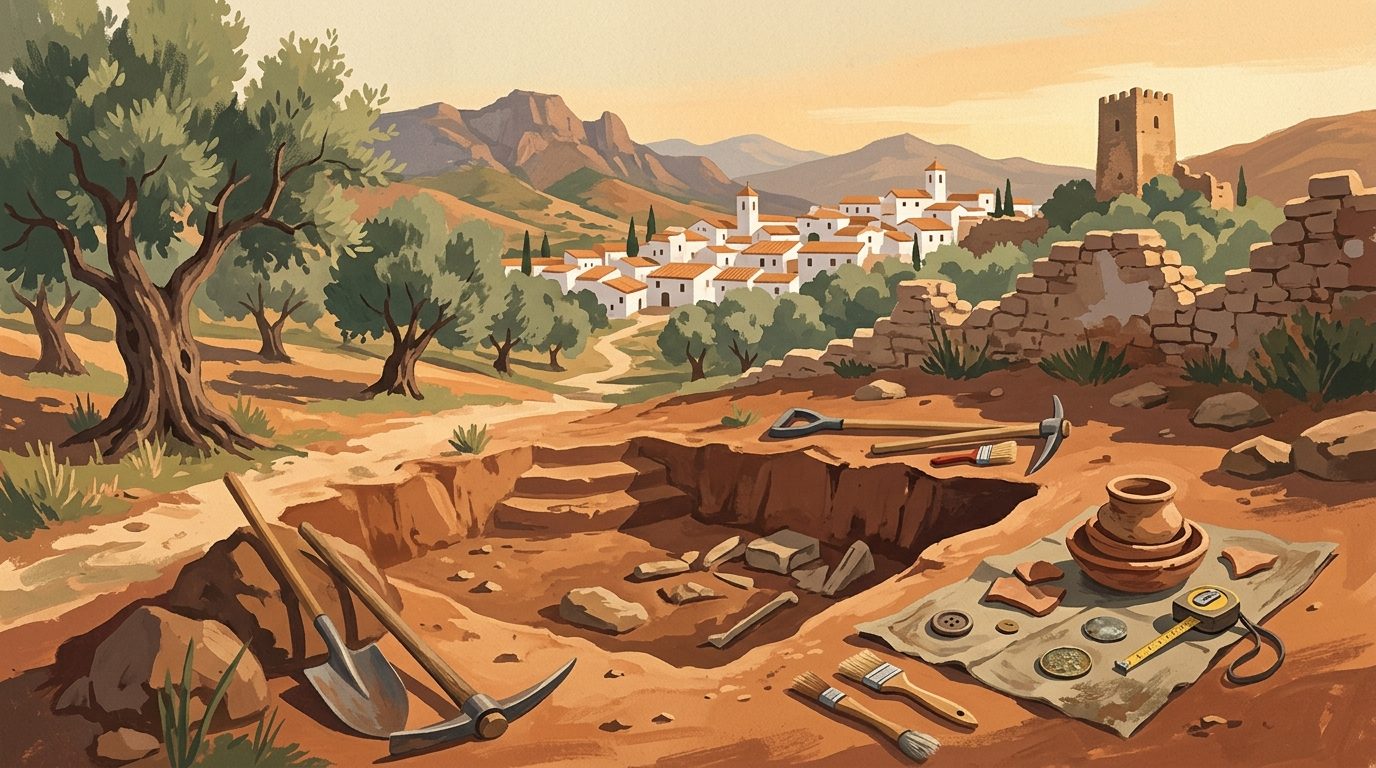
Historical Memory and Exhumations in Andalucía: Unearthing the Past
For decades, the earth of southern Spain held the silent victims of systematic repression. Today, meticulous forensic exhumations are restoring names and dignity to thousands who lay forgotten in unmarked mass graves.
7 min read
The Long Decline and Final Abolition of the Inquisition in Andalucía
The twilight of the Holy Office was a slow, bureaucratic fading rather than a sudden collapse. Enlightenment ideals and political upheaval finally dismantled a system that had overseen centuries of religious orthodoxy.
8 min read
The British in Río Tinto: Copper, Colony and the Rio Tinto Company
In 1873, a British syndicate purchased the ancient copper mines of Huelva from a bankrupt Spanish government. The resulting Rio Tinto Company Limited transformed the landscape into a massive industrial enterprise, leaving behind a profound legacy of Victorian architecture, immense open-pit mines, and pioneering railway engineering in western Andalucía.
8 min read
More guides
UNESCO World Heritage Sites in Andalucía
A curated guide to the cultural and natural sites in Andalucía recognised by UNESCO for their universal value. These landmarks offer a profound insight into the diverse civilisations of the region.
6 min read
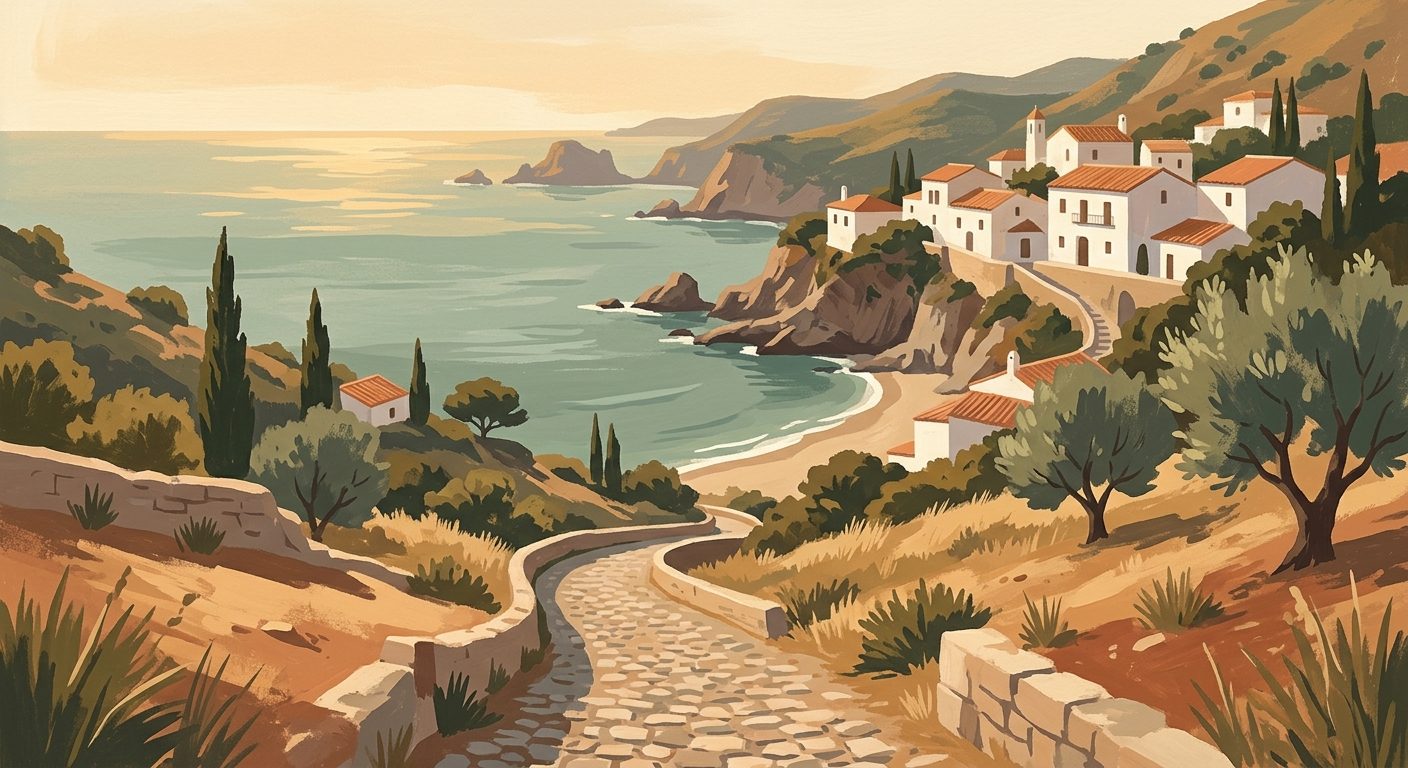
The Best Beaches in Andalucía
From the Atlantic dunes of Huelva to the volcanic coves of Almería, the coastline of southern Spain offers an unparalleled variety of maritime landscapes.
6 min read
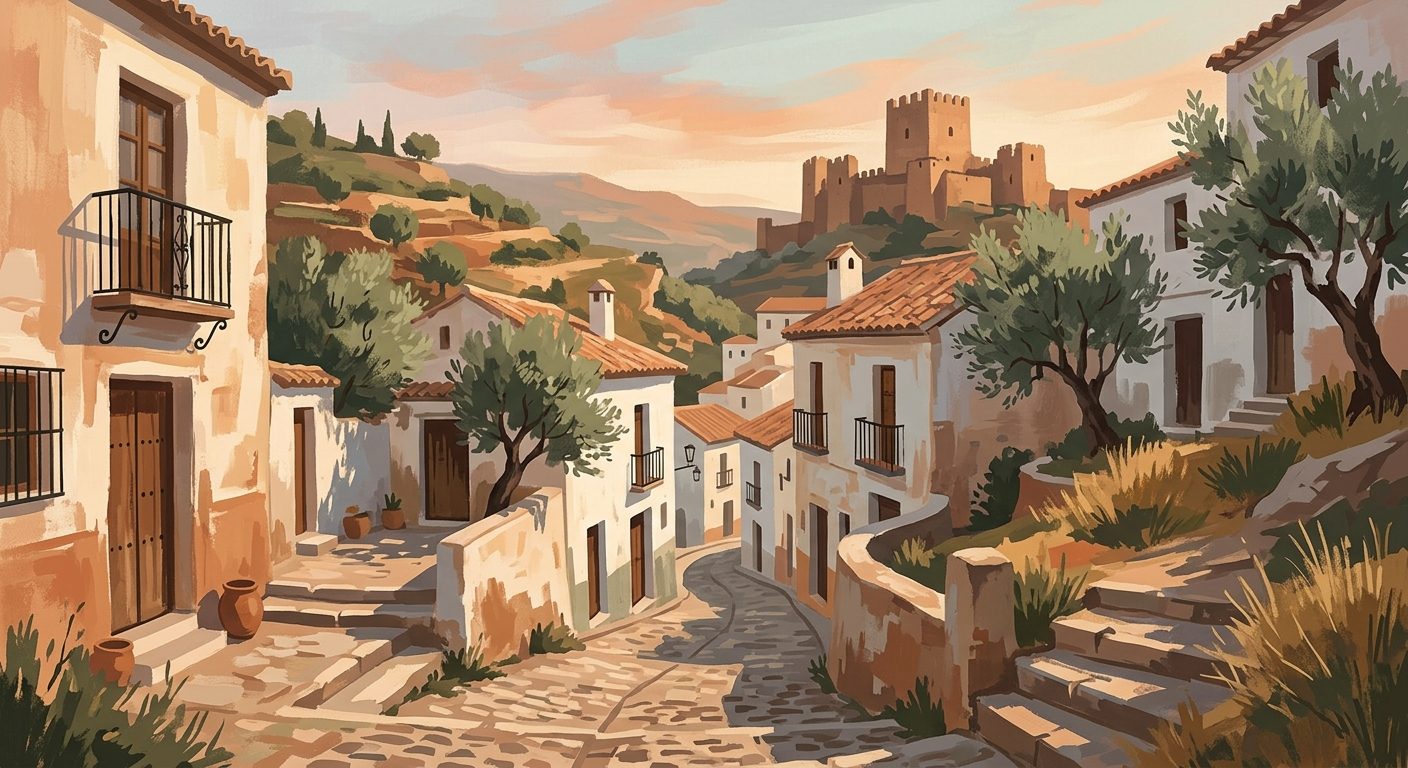
Phoenicians and Tartessians in Andalucía
Around three thousand years ago, eastern Mediterranean merchants arrived on the Iberian coast seeking silver and copper. Their arrival sparked a cultural collision that transformed local chiefdoms into the legendary civilisation of Tartessos.
6 min read
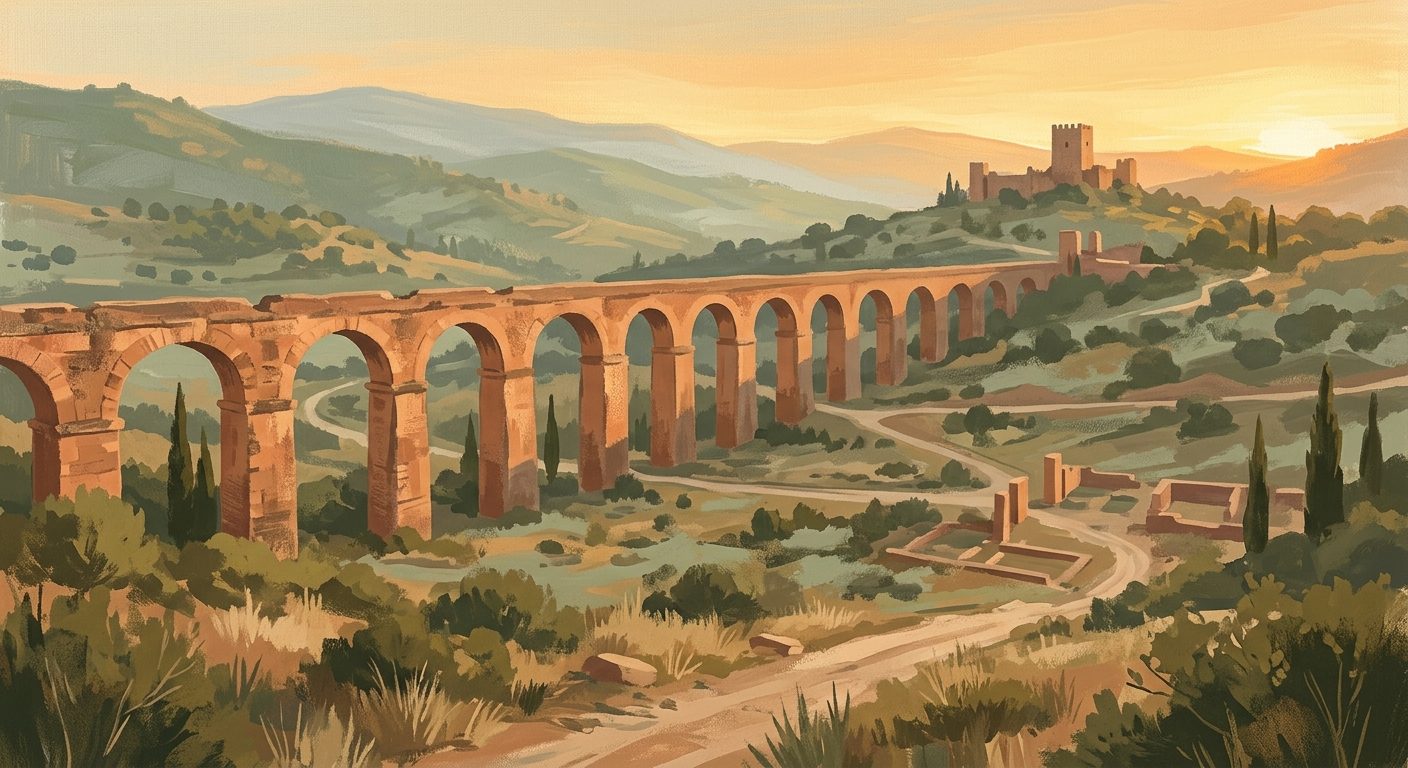
Roman Andalucía: Ruins and Archaeological Sites
Discover the monumental legacy of the Roman province of Baetica, from grand amphitheatres in the Guadalquivir valley to maritime cities on the Atlantic coast.
7 min read
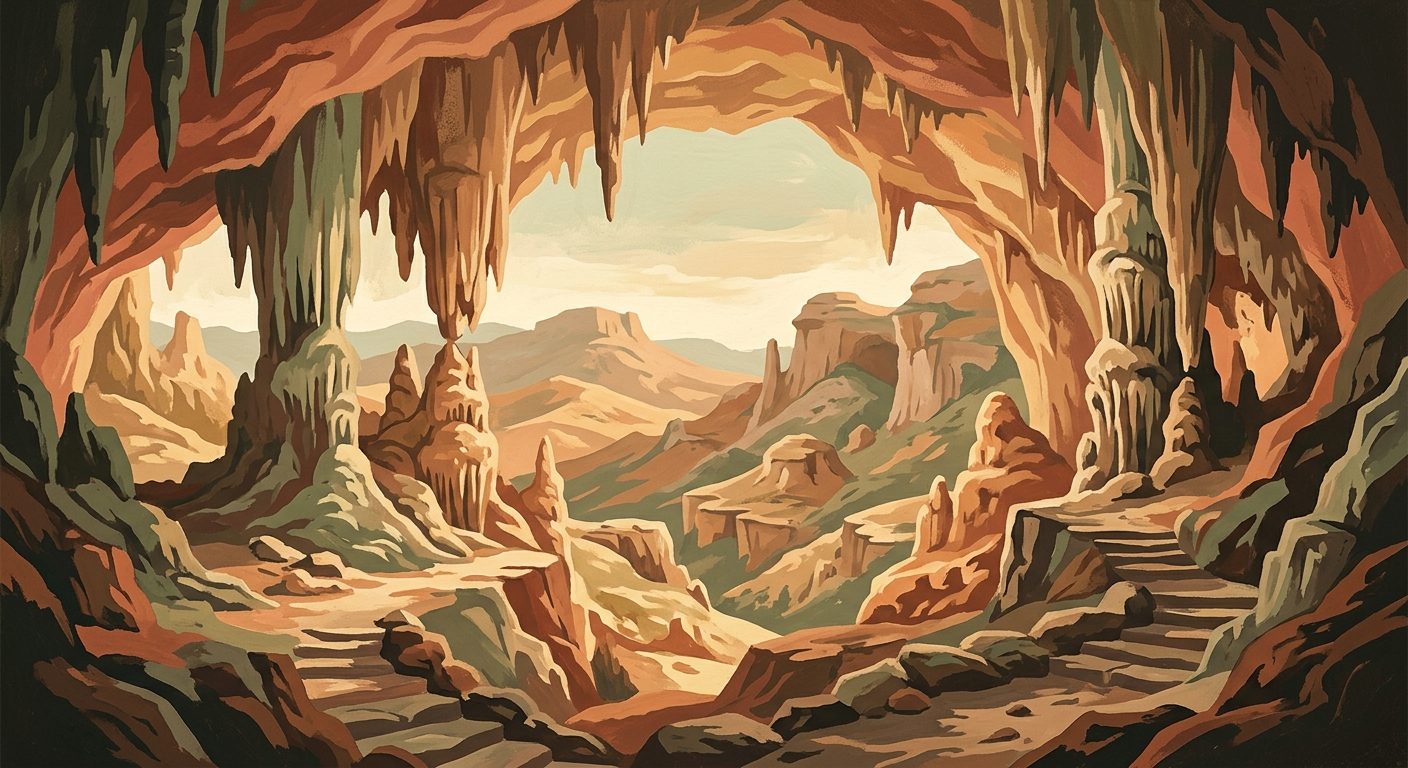
Geological Wonders: Caves and Karst Landscapes of Andalucía
Discover the subterranean wonders and prehistoric secrets preserved within the limestone massifs and gypsum deposits of southern Spain.
6 min read
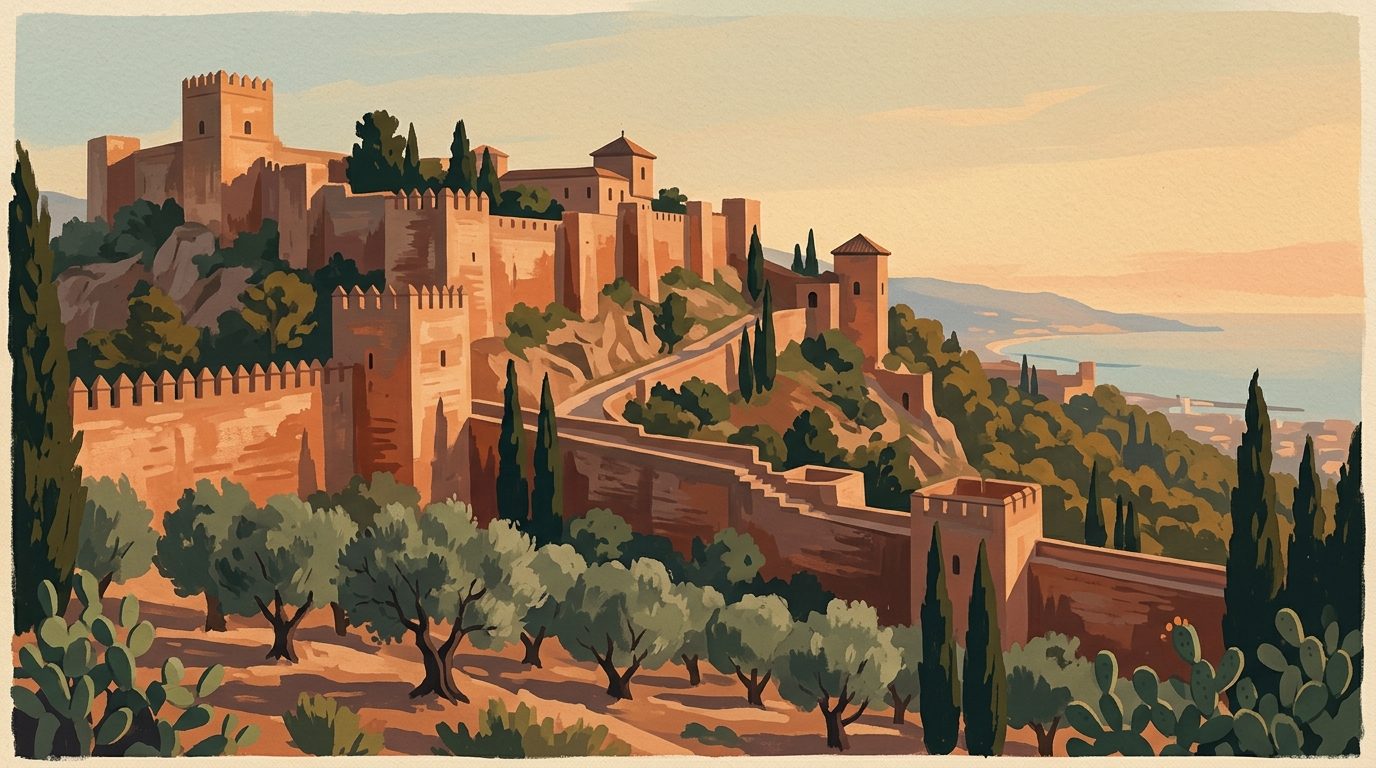
Castles and Fortresses of Andalucía
The fortresses of Andalucía are the stone guardians of a complex past, marking the ancient frontiers between empires and offering some of the most spectacular views in the southern peninsula.
6 min read
The Iberians in Andalucía: Warlords, Sculptors and the Dawn of Iron
Who were the sophisticated, iron-working peoples who controlled southern Spain before the Roman conquest? Their fortified hill towns and striking stone sculptures reveal a formidable culture caught between ancient local traditions and Mediterranean ambition.
6 min read
UNESCO Geoparks and Natural Wonders of Andalucía
Discover the geological heritage of Southern Spain through its UNESCO-designated geoparks and natural wonders. Explore the tectonic history and diverse ecosystems of Almería, Granada, and Cádiz.
6 min read
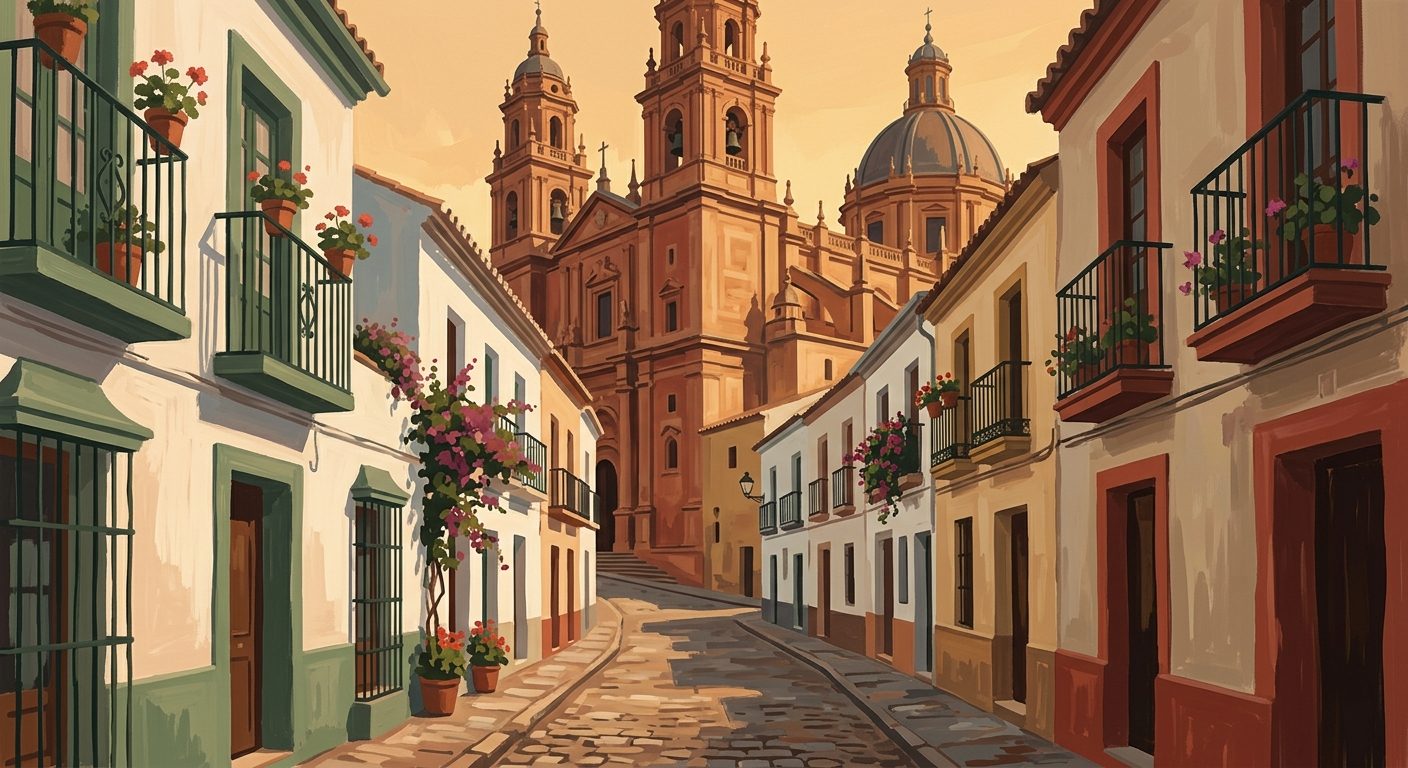
Cathedrals and Great Churches of Andalucía
A guide to the monumental religious architecture of Southern Spain, from the vast Gothic nave of Sevilla to the Renaissance masterworks of Jaén and Granada.
6 min read
Newsletter
More stories from Andalucía
Weekly notes, seasonal picks, and the next guides worth bookmarking.