
Attractions in Andalucía
The Alhambra, the Mezquita, flamenco tablaos, natural parks and prehistoric caves: the essential sights across southern Spain.
Filter by Province
Filter by Type
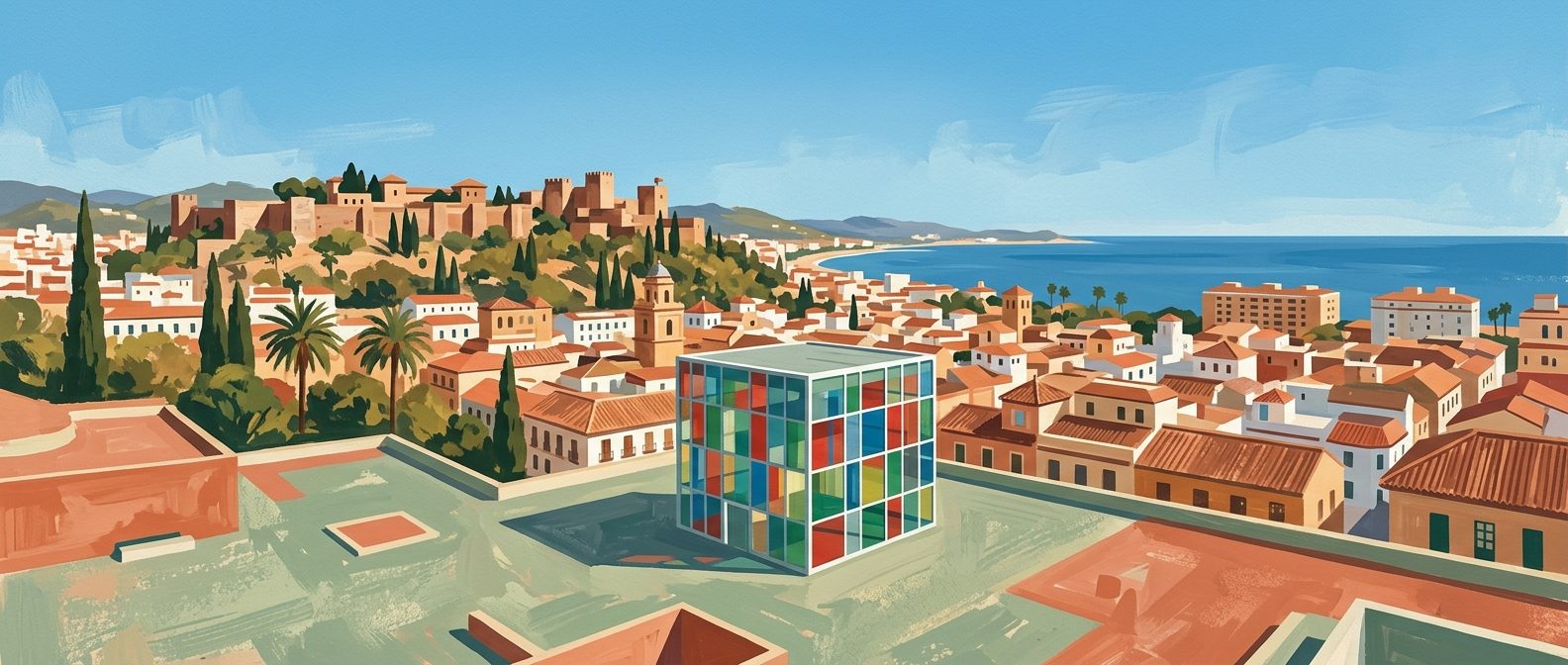
Centre Pompidou Málaga
“The Centre Pompidou Málaga is not a traditional gallery. If you want classical landscapes, you will be disappointed. However, for those with an open mind, this highly professional operation is an essential stop. The scale is perfect for a two-hour visit, presenting provocative conceptual art without causing gallery fatigue.”
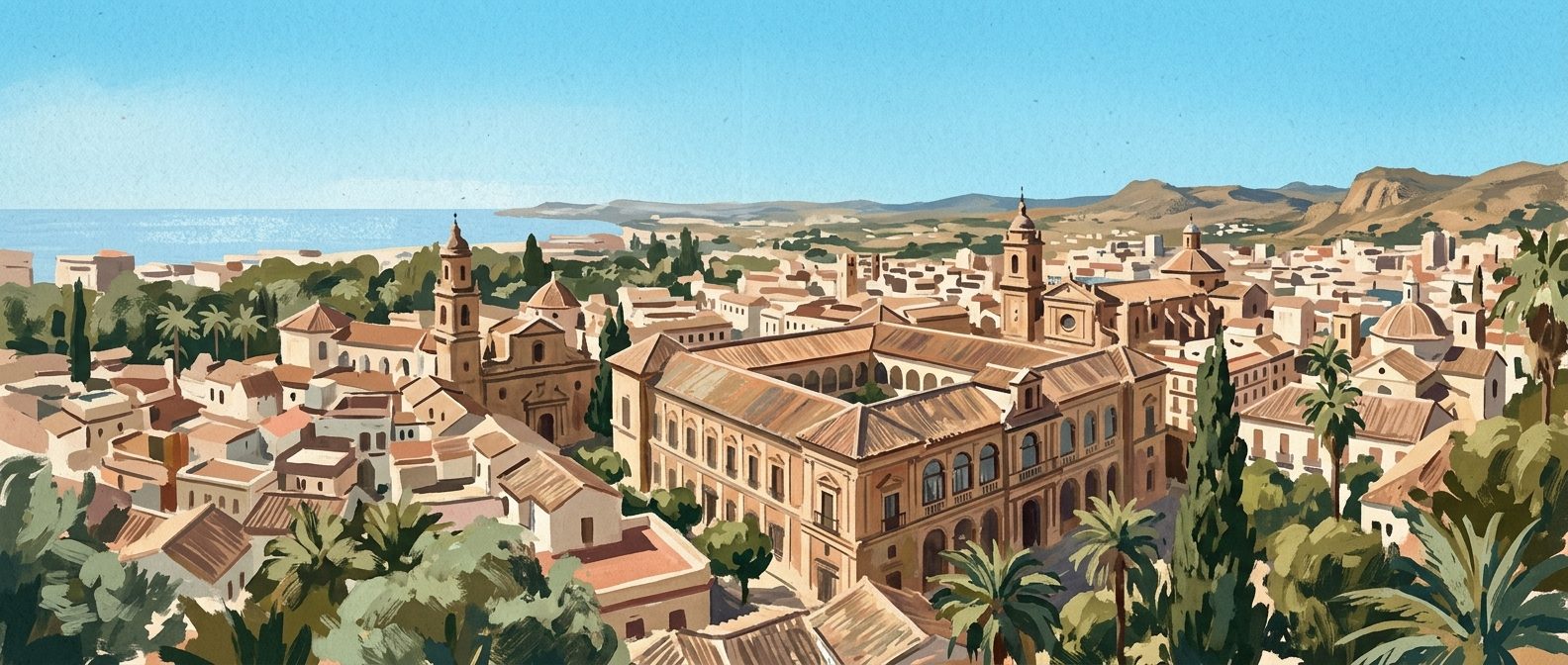
Malaga Museum
“The Museo de Málaga is an essential, substantial institution that grounds the city's modern art boom with deep historical context. Housed in a magnificent neoclassical building, it demands at least two hours to appreciate properly. It is perfect for those who prefer quiet, academic curation over crowded contemporary galleries.”
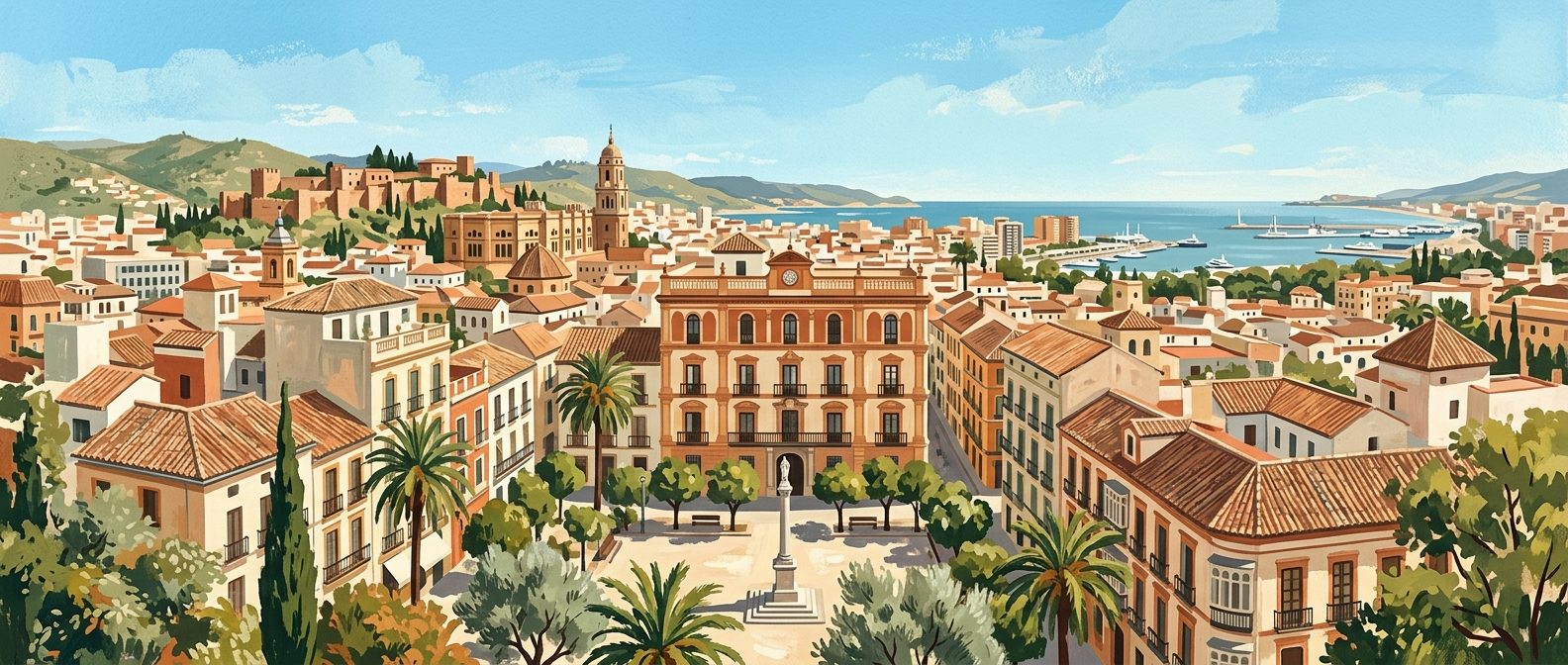
Museo Casa Natal de Picasso
“The Museo Casa Natal de Picasso is an intimate, biographical experience rather than a blockbuster gallery. Come here to explore the nineteenth-century family home and the early influences that shaped his genius, but head to the nearby Museo Picasso Málaga if you want to see his major painted masterpieces.”
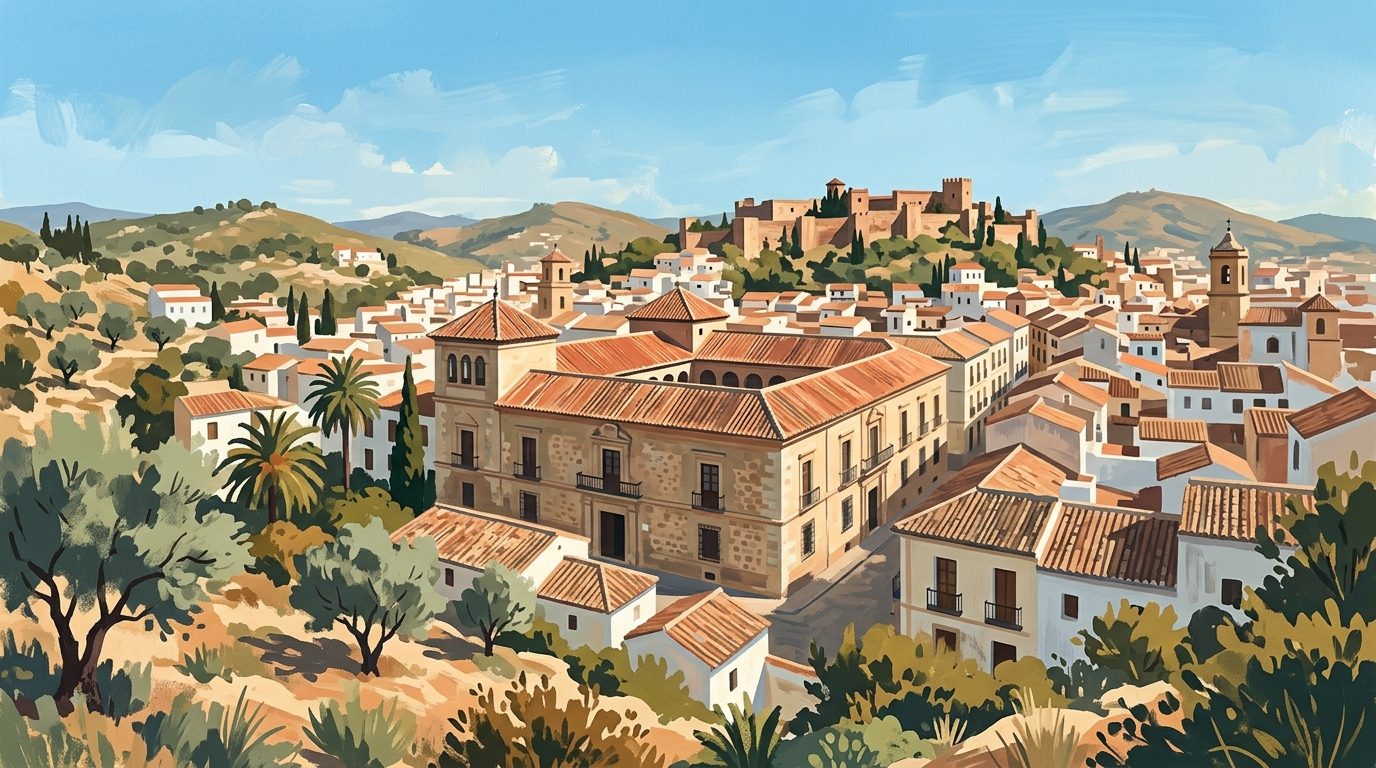
Museo Picasso Málaga
“The Museo Picasso Málaga succeeds by avoiding the overwhelming scale of global mega-galleries. Instead, it offers a highly personal, curated look at works the artist kept for his own family. The non-chronological display demands focus, but rewards visitors with a profound understanding of his lifelong creative obsessions.”
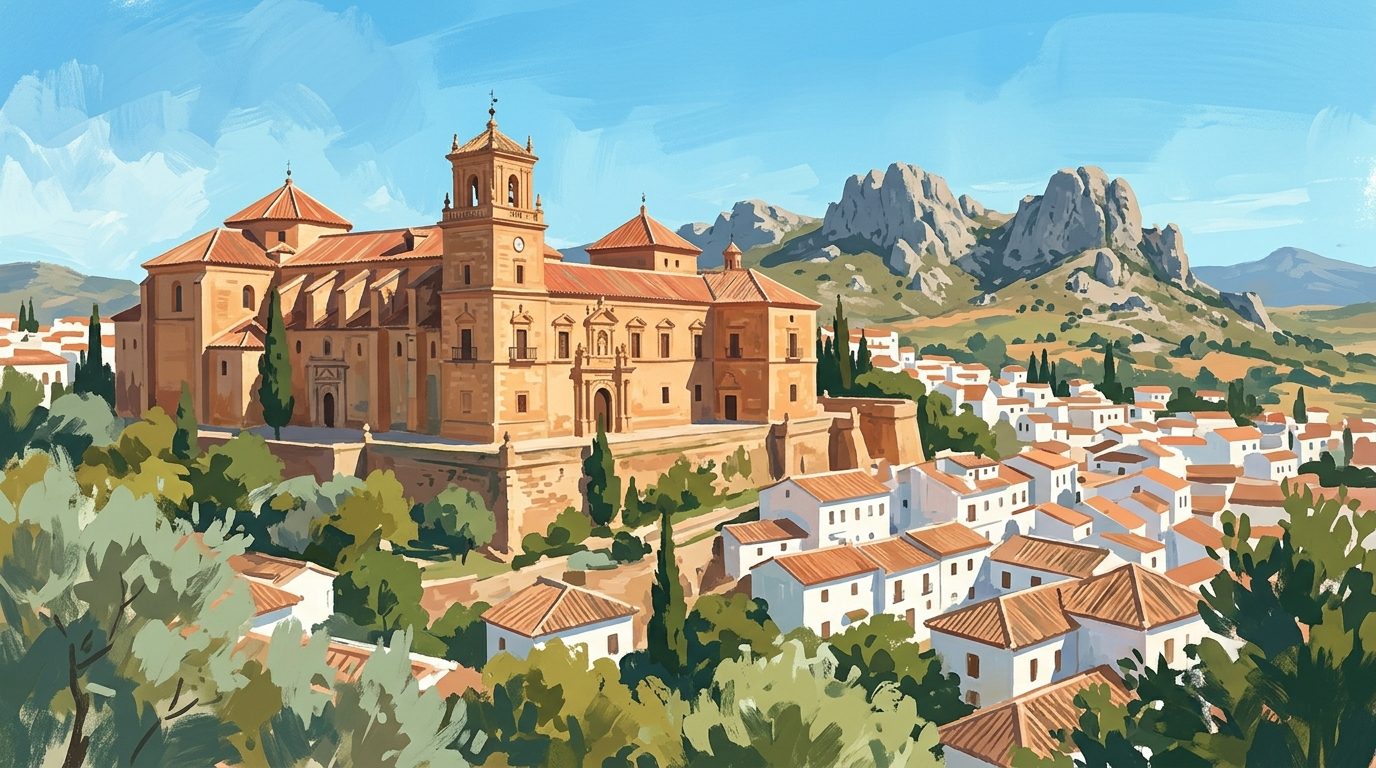
Museo de la Ciudad de Antequera (MVCA)
“The MVCA is a remarkably sophisticated institution that punches far above the weight of a typical municipal museum. While the sheer volume of Roman antiquities and Baroque art can induce fatigue, the collection's calibre, anchored by the stunning Efebo bronze, makes it an essential stop for history enthusiasts.”

Museum of Nerja
“A well-structured and essential cultural companion to the Nerja Caves. While it lacks the sheer dramatic scale of the subterranean chambers, this fully accessible museum provides critical historical context. It effectively bridges the gap between the region's prehistoric inhabitants and its modern transformation into a Mediterranean holiday resort.”